

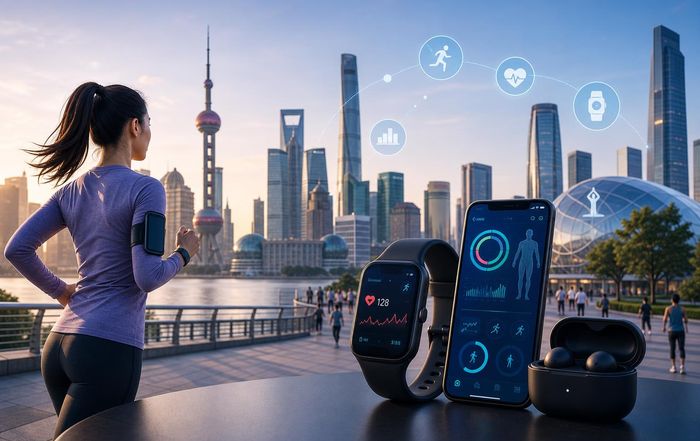
Fitness Technology Adoption Across China's Urban Centres
The New Urban Fitness Landscape in China
Fitness technology has become one of the most visible expressions of how China's major cities are modernising, digitising and redefining everyday life, and nowhere is this transformation more apparent than in the way urban residents in Beijing, Shanghai, Shenzhen, Guangzhou, Chengdu and other fast-growing hubs are integrating connected devices, data-driven platforms and immersive digital experiences into their personal health and performance routines. For the exercise lovers and activity seekers that are fans of FitPulseNews for independent news insights at the intersection of fitness, health, sports, brands, technology and culture, China's urban fitness technology boom offers a powerful case study in how large, diverse populations can adopt innovation at scale while negotiating questions of trust, data privacy, long-term wellness and commercial influence that are increasingly relevant in the United States, Europe and across Asia as well.
China's urban centres are now home to some of the world's most connected consumers, and this connectivity is reshaping how people train, recover and engage with sport, with local and international companies competing to deliver devices and services that promise greater performance, better health outcomes and more engaging experiences. As digital health and fitness move from niche interest to mainstream expectation, the patterns emerging in Chinese cities are being closely watched by global brands, policymakers and investors who recognise that the country's approach to technology deployment, regulatory evolution and consumer education will influence innovation trajectories from San Francisco to Singapore. Readers exploring the broader business and innovation context can find complementary coverage in the FitPulseNews business and innovation sections, where similar cross-market dynamics are analysed in depth.
Demographic Drivers: Young, Urban and Always Connected
The rapid adoption of fitness technology in China's urban centres is underpinned by demographic and economic trends that have created a uniquely receptive market for digital health solutions, particularly among younger professionals and students who see physical fitness as an essential component of career resilience, social status and personal identity. A large share of this cohort grew up with smartphones, mobile payments and super-app ecosystems, and they are accustomed to frictionless digital experiences in areas as diverse as mobility, entertainment and financial services, which makes the integration of fitness tracking, online coaching and virtual communities into their daily routines feel intuitive rather than experimental. For a global comparison of how demographics shape health behaviours, readers can explore international data from the World Health Organization, which highlights how urbanisation and income growth tend to correlate with increased demand for structured physical activity and wellness services.
In many of China's largest cities, long working hours, intense competition in knowledge-based sectors and rising awareness of chronic disease risks have combined to create a sense of urgency around personal health that goes beyond aesthetic goals, and this has pushed urban residents to seek tools that can quantify progress, provide personalised recommendations and fit flexibly around unpredictable schedules. The rise of hybrid work patterns since the pandemic has further accelerated this shift, with office workers and freelancers alike using connected devices to integrate short workouts, active commuting and recovery protocols into their days. These behavioural changes parallel trends observed in North America and Europe, where organisations such as the OECD have noted increasing interest in preventive health measures and self-tracking among working-age populations, but the scale and speed at which adoption is occurring in China's cities is particularly striking.
The Hardware Ecosystem: Wearables, Smart Equipment and Connected Spaces
The most visible layer of fitness technology adoption in China's urban centres is the proliferation of wearables and smart exercise equipment, with domestic brands competing vigorously with global players for wrist real estate and home-gym mindshare. Devices from Huawei, Xiaomi and OPPO have gained significant traction by combining heart-rate monitoring, sleep tracking and sport-specific metrics with competitive pricing and deep integration into local mobile ecosystems, while international brands such as Apple and Garmin continue to appeal to segments of consumers seeking premium design, advanced analytics and seamless compatibility with global platforms. Those interested in the global wearable landscape can review comparative device capabilities through resources such as GSMArena, which tracks hardware specifications and ecosystem integration for leading manufacturers.
Beyond wrist-worn devices, smart home fitness equipment has expanded from early stationary bikes and treadmills into a broader ecosystem that includes connected rowing machines, strength-training systems and interactive mirrors that deliver guided workouts, form feedback and real-time performance data. Chinese companies have drawn inspiration from pioneers like Peloton in the United States while tailoring content, social features and pricing models to local preferences, often integrating equipment with super-app platforms that support subscription payments, virtual challenges and influencer-led classes. As with global competitors, these systems increasingly leverage cloud-based analytics and machine learning to adjust workout intensity, recommend recovery windows and flag potential overtraining, drawing on methodologies that are being researched by institutions such as the American College of Sports Medicine and other professional bodies focused on exercise science.
Urban gyms and boutique studios are also upgrading their physical environments with smart access control, occupancy monitoring and sensor-equipped equipment that can sync seamlessly with members' personal devices, enabling a more continuous flow of data across home, outdoor and facility-based workouts. This convergence is reshaping expectations of what a gym membership entails, as users come to view physical locations as nodes within a broader digital-physical network rather than isolated venues, a trend that aligns with broader shifts in the sports and fitness sectors covered regularly in FitPulseNews sports and fitness reporting.
Software, Platforms and the Super-App Advantage
If hardware forms the visible surface of China's fitness technology revolution, software platforms and digital ecosystems provide the underlying infrastructure that makes this hardware meaningful, and the country's long-standing strength in mobile applications and integrated services has given urban consumers a particularly rich set of options for tracking, coaching and community engagement. Fitness and health modules embedded in super-apps such as WeChat and Alipay enable users to log steps, join challenges, book classes and manage health-related payments without leaving familiar environments, lowering adoption barriers for first-time users who might be reluctant to navigate standalone platforms. Learn more about how super-apps are reshaping digital behaviour across Asia through analysis from McKinsey & Company, which has documented the strategic significance of integrated platforms in consumer markets.
Specialised fitness apps, many developed by Chinese startups and supported by venture capital, offer structured training programs, AI-powered coaching and social features that mimic or reimagine the experience of working out with friends or under the guidance of a personal trainer. These apps often draw on sport science research, incorporating heart-rate zones, periodisation principles and recovery metrics that echo frameworks promoted by organisations such as UK Sport and the Australian Sports Commission, while layering culturally specific elements such as gamified red-envelope rewards, influencer-led challenges and integration with local e-commerce platforms. For many urban residents, the result is a highly personalised yet socially connected fitness experience that blends elements of competition, entertainment and self-improvement in ways that resonate strongly with younger demographics.
The integration of fitness data into broader health and wellness platforms is also accelerating, with hospitals, insurers and corporate wellness providers increasingly open to incorporating wearable-derived metrics into preventive care and risk assessment frameworks. While regulatory and privacy considerations remain complex, pilot programs in several Chinese cities are exploring how step counts, heart-rate variability and sleep data can complement traditional health screenings, a development that mirrors experiments underway in markets such as the United States and Europe. Readers interested in the interplay between digital health and policy in Western contexts may find relevant background in resources from the U.S. Centers for Disease Control and Prevention and the European Commission's digital health initiatives, which outline how governments are approaching data-driven healthcare transformation.
Data, AI and the Pursuit of Personalisation
At the heart of fitness technology adoption in China's urban centres lies an escalating focus on data and artificial intelligence, with both domestic and international companies racing to deliver increasingly personalised recommendations that can adapt to users' goals, constraints and physiological responses over time. Wearables and smart equipment generate continuous streams of data that can be used to estimate energy expenditure, recovery status and training readiness, and AI models are being trained to translate these metrics into actionable guidance that feels tailored rather than generic. These developments build on a broader wave of AI innovation across Chinese industry, where companies such as Baidu and Alibaba have invested heavily in machine learning research, while global research institutions like MIT and Stanford University continue to explore AI's applications to human performance and health.
For urban consumers, the promise of AI-driven personalisation is compelling: training plans that adjust automatically when work demands spike, nutrition suggestions that reflect local cuisine preferences and seasonal availability, and injury-prevention alerts generated from subtle changes in movement patterns or resting heart rate. In practice, delivering on this promise requires not only technical sophistication but also trust, as users must feel confident that their data is being handled responsibly and that AI-generated recommendations are grounded in credible science rather than opaque optimisation objectives. Organisations such as the World Economic Forum have emphasised the importance of transparent AI governance and user-centric design in digital health, themes that resonate strongly with the Experience, Expertise, Authoritativeness and Trustworthiness standards that guide editorial coverage at FitPulseNews across its health, wellness and technology sections.
As AI models become more sophisticated, questions arise about the appropriate boundaries between automated guidance and human judgment, particularly in areas such as high-intensity training, post-injury rehabilitation and mental health, where misaligned recommendations could carry significant risks. Leading sports science bodies and medical associations, including those whose work is summarised by PubMed and similar repositories, continue to stress that technology should augment rather than replace professional expertise, a principle that is increasingly echoed by responsible fitness platforms operating in China's major cities.
Cultural Shifts: From Status Symbol to Everyday Utility
The cultural meaning of fitness technology in China's urban centres has evolved rapidly over the past decade, moving from a niche symbol of tech-forward lifestyle to a widely accepted tool for managing health, social engagement and even professional branding, and this shift has important implications for how adoption will continue to unfold through 2026 and beyond. In earlier stages, high-end wearables and connected equipment often signalled affluence and cosmopolitan identity, aligning with broader consumption patterns in cities such as Shanghai and Beijing where visible markers of modernity carried significant social capital. Over time, however, the combination of declining device costs, diversified product offerings and sustained public-health messaging has normalised the use of trackers and fitness apps across a broader spectrum of income levels and age groups.
Social media platforms and short-video apps have played a central role in this normalisation, as influencers, athletes and everyday users share workout routines, progress updates and device reviews that demystify technology and frame fitness as an accessible, aspirational pursuit. This mirrors global trends in markets such as the United States and Europe, where platforms analysed by organisations like Pew Research Center have become important channels for health-related information and peer support. In China's urban context, however, the integration of social commerce, livestreaming and influencer marketing within super-app ecosystems has given fitness technology a particularly strong commercial dimension, with brands leveraging real-time engagement and limited-time offers to convert interest into sales at scale.
For the international audience of FitPulseNews, which spans North America, Europe, Asia-Pacific and emerging markets, the cultural evolution of fitness technology in China underscores how local norms, digital infrastructures and consumer expectations interact to shape adoption patterns, and these insights can inform strategies for brands, gyms and health organisations seeking to engage urban populations in cities from London and Berlin to Singapore and São Paulo. Further exploration of how culture and branding intersect in sport and wellness can be found in the platform's dedicated culture and brands coverage.
Health, Performance and the Broader Wellness Continuum
While performance metrics and visible training outcomes remain important motivators for many urban fitness technology users in China, there is growing recognition that long-term health and holistic wellness must sit at the centre of any sustainable engagement strategy, a perspective that aligns with the editorial focus of FitPulseNews on connecting fitness, nutrition, mental health and lifestyle design. Sleep tracking, stress monitoring and guided mindfulness sessions are now common features in leading wearables and apps, reflecting global research that links recovery, psychological well-being and physical performance, and these features are increasingly marketed not only to athletes but to professionals seeking resilience in demanding work environments. Learn more about the science behind sleep and performance through resources from Harvard Medical School, which has published accessible summaries of research on circadian rhythms, cognitive function and disease risk.
Nutrition-focused applications and integrations are also gaining ground, with platforms offering meal logging, macronutrient analysis and personalised suggestions that account for local dietary patterns and individual goals, from weight management to muscle gain and metabolic health. In China's urban centres, where food delivery services and restaurant culture are deeply embedded in daily life, the challenge is not merely to encourage healthier choices but to align them with convenience and taste, and fitness technology providers are experimenting with partnerships that link activity data to tailored meal options and promotions. Readers looking for broader context on nutrition trends and their interaction with performance and wellness can turn to FitPulseNews nutrition and health sections, which regularly examine how digital tools are reshaping dietary behaviour across regions.
The convergence of physical and mental health in digital offerings is particularly relevant as urban residents confront stressors ranging from long commutes and housing pressures to career uncertainty and family expectations, and platforms that can position fitness technology as part of a comprehensive resilience toolkit are likely to see sustained engagement. Global organisations such as the World Mental Health Federation and national health services in countries like the United Kingdom and Canada continue to emphasise the role of regular physical activity in managing anxiety and depression, and fitness technology solutions that foreground these benefits alongside aesthetic or performance outcomes may be better positioned to support long-term behaviour change.
Policy, Regulation and Data Governance
As fitness technology becomes more deeply embedded in China's urban life, questions of regulation, data governance and consumer protection have moved to the foreground, reflecting both domestic priorities and international debates about digital health ethics. Chinese authorities have introduced and refined data-protection regulations that affect how companies collect, store and process personal information, including health-related metrics, and fitness technology providers must navigate these frameworks while maintaining the frictionless user experiences that have fuelled adoption. For comparison, readers can examine how data privacy is handled in other jurisdictions through resources such as the European Union's GDPR portal and the Singapore Personal Data Protection Commission, which outline principles that are increasingly influencing global best practices.
In addition to privacy concerns, regulators and professional bodies are paying closer attention to the accuracy of consumer-grade health metrics, the marketing claims made by fitness technology companies and the potential for algorithmic bias in AI-driven recommendations. As devices begin to approximate some functions traditionally reserved for medical equipment, such as arrhythmia detection or blood-oxygen monitoring, the boundary between wellness and healthcare becomes less distinct, raising questions about certification, liability and integration with formal healthcare systems. Internationally, organisations like the U.S. Food and Drug Administration have developed frameworks for evaluating digital health technologies, and while China's regulatory environment has its own specificities, the underlying challenge of balancing innovation with safety and trust is shared across markets.
For the business audience of FitPulseNews, which includes executives, investors and policymakers tracking developments across continents, these regulatory dynamics are not merely compliance issues but strategic variables that can shape market entry, partnership structures and long-term product roadmaps. Coverage in the platform's world and news sections often highlights how changes in policy and governance can accelerate or constrain innovation in health and fitness ecosystems worldwide.
Sustainability, Urban Planning and the Future of Active Cities
Looking ahead, the trajectory of fitness technology adoption in China's urban centres cannot be separated from broader questions about sustainable urban development, environmental impact and the design of cities that encourage active living rather than sedentary routines, themes that are increasingly central to global debates about climate, health and economic resilience. As smart-city initiatives expand, there is growing interest in integrating fitness data with urban planning processes, using anonymised insights about movement patterns, park utilisation and active commuting to inform investments in infrastructure such as cycling lanes, public exercise equipment and green corridors. Learn more about sustainable urban design principles through resources from UN-Habitat, which has long advocated for cities that support physical activity and public health.
At the same time, the environmental footprint of fitness technology itself is coming under scrutiny, from the lifecycle of wearable devices and electronic equipment to the energy consumption of data centres powering AI-driven platforms. Companies operating in China's fitness technology space are beginning to explore circular-economy models, repair services and more sustainable manufacturing processes, echoing global trends in responsible innovation that are documented by organisations such as the Ellen MacArthur Foundation. For readers who follow environmental and sustainability developments across sectors, FitPulseNews provides ongoing analysis in its dedicated environment and sustainability sections, where the intersection of health, climate and technology is explored from multiple regional perspectives.
The long-term vision for China's urban centres, as articulated in various policy documents and industry roadmaps, positions fitness technology as one component of a broader shift toward "healthy cities" in which active transport, green spaces, preventive healthcare and digital services work together to reduce the burden of chronic disease, improve quality of life and enhance economic productivity. For global stakeholders, from municipal leaders in Europe and North America to entrepreneurs in Southeast Asia and Africa, the experiments underway in Beijing, Shanghai, Shenzhen and beyond offer valuable lessons about both the opportunities and the complexities involved in aligning technology, policy and culture around shared health objectives.
Implications for Global Sports Stakeholders and This Growing Fitness News Community
For the local and international activity knowledge community that turns to FitPulseNews as a trusted up-to-date source on fitness, health, sports, technology and business trends, the story of fitness technology adoption across China's urban centres in 2026 is more than a regional case study; it is a lens through which to examine how societies worldwide might navigate the next decade of digital transformation in health and performance. The combination of demographic momentum, technological sophistication, cultural adaptation and evolving regulation visible in Chinese cities provides a preview of challenges and opportunities that are likely to surface in other fast-urbanising regions, from India and Southeast Asia to parts of Africa and Latin America, as well as in mature markets grappling with ageing populations and rising healthcare costs.
Companies and organisations seeking to operate in this space must demonstrate not only technical excellence but also deep understanding of local contexts, credible engagement with scientific evidence and a commitment to transparency and user empowerment, qualities that align closely with the original and impartial framework that underpins editorial decisions at FitPulseNews. As the platform continues to expand its coverage of fitness technology, wellness innovation and global health policy, readers can expect further reporting that connects developments in China's urban centres with parallel trends in the United States, Europe, Australia, Canada and beyond, weaving together insights from fitness, health, technology, business and world reporting into a cohesive understanding of where the industry is heading.
As of 2026, the trajectory is clear: fitness technology has moved from peripheral accessory to central infrastructure in the daily lives of millions of urban Chinese, and the ways in which they use, question and reshape these tools will continue to influence how individuals, organisations and governments around the world think about the future of active, healthy and connected living.