

How Food Labels Can Guide Healthier Choices in 2026
The New Food Label Literacy: Why It Matters Now
By 2026, the average consumer in the United States, Europe, and across Asia-Pacific is confronted with more nutrition information than at any other time in history, yet rates of lifestyle-related conditions such as obesity, type 2 diabetes, and cardiovascular disease remain stubbornly high, particularly in urban centers where convenience foods dominate daily diets. Food labels, once viewed as a technical afterthought on the back of packaging, have evolved into a strategic health tool that can either empower or overwhelm, depending on how well individuals understand and apply the information presented. For readers of FitPulseNews, whose interests span health, fitness, nutrition, and wellness, the ability to interpret labels accurately is increasingly becoming a core life skill, influencing not only personal performance and longevity but also the broader ecosystems of brands, regulation, and global food systems.
Across markets from the United States and Canada to Germany, Singapore, and Brazil, regulators have tightened requirements for transparency, while major food manufacturers and retailers have invested in redesigning packaging to align with consumer expectations for clarity, sustainability, and authenticity. At the same time, digital tools, from smartphone scanning apps to wearable integrations, have transformed the way people interact with nutrition data in real time. In this environment, food labels function as the first and most direct interface between the individual and the complex world of food science, public health policy, and corporate strategy, turning each purchase into a micro-decision with cumulative health and economic consequences.
Regulatory Evolution: From Compliance to Consumer-Centric Clarity
The modern food label is the result of decades of regulatory evolution and public health advocacy, with agencies such as the U.S. Food and Drug Administration and the European Food Safety Authority playing central roles in standardizing how information is disclosed. In the United States, the redesigned Nutrition Facts label, fully implemented in the early 2020s, emphasized calories, added sugars, and realistic serving sizes, with the intention of aligning on-pack information more closely with actual consumption patterns in North America. Readers can explore the regulatory framework and specific label components through resources such as the FDA's guidance on food labeling.
In the European Union, harmonized regulations under the European Commission have led to consistent nutrition declarations across member states, while individual countries such as France, Germany, and Spain have championed front-of-pack interpretive systems to simplify decision-making. The European Commission's food safety portal provides a window into ongoing policy debates about how best to balance consumer autonomy with public health goals. Similar regulatory modernization has occurred in markets including the United Kingdom, Canada, Australia, Singapore, and Brazil, where agencies such as Health Canada, Food Standards Australia New Zealand, and ANVISA have implemented or expanded labeling requirements to address national health priorities.
Decoding the Core: Nutrition Facts as a Performance Blueprint
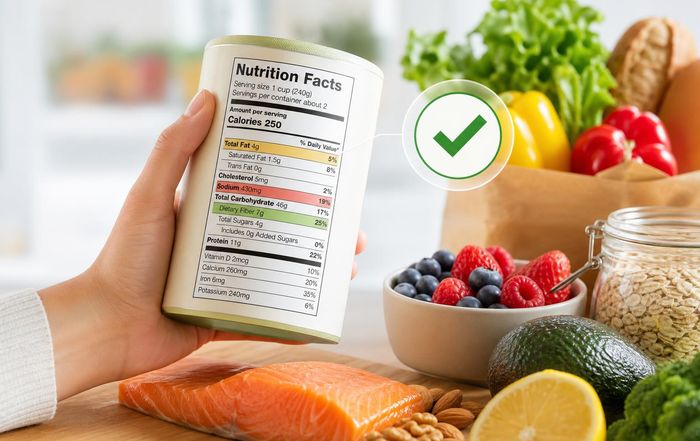
For health-conscious consumers, athletes, and professionals seeking to optimize energy, focus, and long-term resilience, the Nutrition Facts panel is less a formality and more a performance blueprint, translating macronutrients and micronutrients into actionable insights. Understanding calories in the context of total daily energy expenditure, as well as the distribution of carbohydrates, proteins, and fats, enables individuals to align their food choices with fitness goals, whether they are training for endurance sports, managing body composition, or supporting recovery after intense sessions. Resources such as the World Health Organization's nutrition guidance and the Harvard T.H. Chan School of Public Health's healthy eating recommendations offer foundational reference points for interpreting label data in relation to evidence-based dietary patterns.
Beyond macronutrients, the emphasis on added sugars, sodium, and types of fats, including saturated and trans fats, offers critical signals about cardiovascular and metabolic risk, especially in regions such as the United States, the United Kingdom, and South Africa, where processed foods are a major part of the diet. For readers of FitPulseNews, integrating label literacy with insights from nutrition and fitness coverage allows for a more strategic approach to fueling training, managing inflammation, and stabilizing energy levels throughout demanding workdays. When interpreted consistently, the nutrition panel becomes a daily feedback mechanism, helping consumers identify patterns such as hidden sodium in seemingly healthy options or unexpected sugar loads in beverages marketed as natural or functional.
Ingredients Lists: The Hidden Narrative Behind Every Product
If the Nutrition Facts panel reveals the quantitative profile of a product, the ingredients list tells its qualitative story, detailing the raw materials and processing choices that define its identity. Typically organized in descending order by weight, this list allows consumers to see, at a glance, whether whole foods or refined ingredients dominate the formulation, whether added sugars or sweeteners appear under multiple names, and whether ultra-processed additives are prevalent. The Academy of Nutrition and Dietetics provides practical guidance on interpreting ingredient statements and understanding the role of various additives, which can be explored through its consumer resources.
For performance-driven readers, recognizing terms such as maltodextrin, hydrogenated oils, high-fructose corn syrup, and artificial colorings can help distinguish between minimally processed products and those likely to undermine long-term health goals. Meanwhile, the presence of whole grains, legumes, nuts, seeds, and recognizable plant or animal ingredients often aligns more closely with dietary patterns associated with reduced chronic disease risk, as highlighted by organizations such as the American Heart Association. On FitPulseNews, where health, wellness, and culture intersect, this ingredient-level understanding supports a more nuanced conversation about how food choices reflect personal values, cultural identity, and performance aspirations.
Front-of-Pack Labels: Simplifying Complexity or Oversimplifying Health?
In many countries, front-of-pack labeling systems have emerged as a response to the cognitive overload created by dense back-of-pack information, aiming to distill key nutritional attributes into quick, easily interpretable signals. Systems such as traffic light color coding in the United Kingdom, the Nutri-Score used in France, Germany, Spain, and other European states, and high-in warnings in Chile and several Latin American countries are designed to guide consumers toward healthier options at the shelf, particularly in busy retail environments. The World Cancer Research Fund provides an accessible overview of how such schemes operate and their impact on public health.
While these interpretive labels can be powerful nudges, especially for time-pressed shoppers in supermarkets from London to Singapore, they are not without controversy. Critics argue that algorithm-based scoring systems may penalize traditional or single-ingredient foods, such as certain cheeses or olive oils, while favoring reformulated processed products that meet nutrient thresholds but remain heavily industrial in nature. For FitPulseNews readers, who often look beyond simplistic metrics to understand the full context of their diets, front-of-pack labels should be viewed as starting points rather than definitive judgments, prompting deeper engagement with the full nutrition panel and ingredient list, as well as independent learning through trusted resources like Public Health England's nutrition pages or national dietary guidelines across Europe, Asia, and the Americas.
Health and Nutrition Claims: Between Marketing and Science
Food packaging in 2026 is saturated with health and nutrition claims, ranging from "high protein" and "low fat" to more nuanced assertions such as "supports immune function" or "gut-friendly," reflecting the booming interest in functional foods, sports nutrition, and microbiome health across markets like the United States, Germany, Japan, and South Korea. Regulatory bodies, including the European Food Safety Authority and the U.S. Federal Trade Commission, monitor and restrict such claims to ensure they are substantiated, yet the gap between compliant wording and consumer interpretation can still be wide. The EFSA's register of nutrition and health claims illustrates how strictly such statements are evaluated in the European Union.
For business leaders, brand managers, and informed consumers who follow FitPulseNews business and brands coverage, understanding the distinction between structure-function claims, disease risk reduction claims, and general wellness language is essential for assessing credibility and avoiding overreliance on marketing narratives. Independent organizations such as the Mayo Clinic and the Cleveland Clinic provide balanced perspectives on popular ingredients and trends, from probiotics and omega-3s to plant-based proteins and nootropics, helping readers cross-check label promises against clinical evidence. In practice, a cautious, evidence-informed approach that prioritizes overall dietary patterns over individual claims offers the most reliable path to sustainable health outcomes.
Global Differences: How Geography Shapes Labeling and Choices
Although globalization has created a degree of convergence in food labeling standards, significant regional differences remain, influenced by local regulations, cultural dietary patterns, and public health priorities. In North America, where packaged and convenience foods are deeply embedded in daily life, labels emphasize serving sizes, added sugars, and calorie counts, reflecting concerns about obesity and metabolic syndrome. In contrast, many European countries, including Italy, Spain, and the Netherlands, have seen robust debates about front-of-pack systems and the protection of traditional foods, underscoring the tension between standardized health metrics and culinary heritage. The Organisation for Economic Co-operation and Development offers comparative data on diet-related health indicators that contextualize these regulatory choices.
In Asia, rapidly urbanizing markets such as China, Thailand, and Malaysia have adopted or strengthened labeling requirements to address rising rates of non-communicable diseases, while countries like Singapore and Japan have leveraged digital innovation, smart kiosks, and health-tech ecosystems to integrate label information into broader preventive health strategies. For global readers of FitPulseNews, who track world and news developments, these regional nuances highlight the importance of situational awareness when traveling, relocating, or sourcing international products online. Multinational brands must navigate this patchwork of standards while maintaining coherent global narratives around health, sustainability, and transparency, a challenge that is increasingly visible in the strategies of major food and beverage companies operating across North America, Europe, and Asia-Pacific.
Labels, Fitness, and Sports Performance: Aligning Fuel with Goals
For athletes, fitness enthusiasts, and active professionals across the United States, Canada, Australia, and beyond, food labels have direct implications for training quality, recovery, and competitive outcomes. The explosion of sports drinks, energy bars, protein supplements, and functional beverages has made label literacy a competitive advantage, enabling individuals to differentiate between genuinely performance-supportive products and those that merely trade on athletic imagery. Organizations such as the International Olympic Committee and the Australian Institute of Sport provide frameworks for sports nutrition that can be mapped onto label information, particularly around carbohydrate timing, protein quality, and hydration strategies.
Within the FitPulseNews ecosystem, where sports, fitness, and innovation converge, readers are increasingly interested in how to select products that align with specific training blocks, competitive seasons, or body composition targets. Labels that disclose amino acid profiles, types of carbohydrates, electrolyte content, and the presence or absence of banned substances or proprietary blends are critical in this context, especially for athletes competing under regulations from bodies like WADA or national sport federations. Expert practitioners emphasize the importance of cross-referencing label information with independent databases and sports dietitian guidance, ensuring that performance gains do not come at the cost of long-term health or regulatory risk.
Digital Tools, Apps, and the Next Wave of Label Transparency
The intersection of technology and nutrition has transformed how consumers engage with food labels, with smartphone applications, barcode scanners, and AI-driven recommendation engines making it possible to translate complex data into personalized guidance at the point of purchase. Platforms that aggregate information on nutrient density, ingredient quality, allergen risks, and environmental impact are now widely used in markets such as the United States, the United Kingdom, Germany, and Scandinavia, where digital adoption is high and health-conscious consumers demand deeper transparency. Readers interested in the broader technology landscape can explore related themes in FitPulseNews technology coverage.
Global organizations like the World Health Organization and the Food and Agriculture Organization of the United Nations have highlighted the potential of digital tools to support healthier food environments, particularly when integrated with public health campaigns and workplace wellness programs. At the same time, concerns about data privacy, algorithmic bias, and overreliance on automated scoring systems have emerged, prompting calls for stronger governance and clearer standards. For FitPulseNews readers, the most effective approach often lies in combining digital assistance with foundational label literacy, using apps as supportive aids rather than substitutes for informed judgment, and aligning digital insights with personal goals related to fitness, mental performance, and long-term health.
Sustainability and Ethical Dimensions: Beyond Personal Health
In 2026, food labels increasingly extend beyond nutrition to encompass environmental, social, and ethical dimensions, reflecting the growing convergence of personal health with planetary well-being. Carbon footprint indicators, certifications for sustainable sourcing, and labels related to animal welfare or fair trade are now more visible in supermarkets from Copenhagen and Amsterdam to Vancouver and Melbourne, as consumers demand greater accountability from brands. Resources such as the United Nations Environment Programme and the Ellen MacArthur Foundation offer deeper insight into how food systems intersect with climate change, biodiversity, and circular economy principles.
For the FitPulseNews audience, whose interests include environment and sustainability, these labels provide an additional layer of decision-making criteria, enabling individuals to align their purchases with values related to carbon reduction, ocean health, and regenerative agriculture. However, the proliferation of logos and certifications can also create confusion, particularly when standards vary across regions or when greenwashing blurs the line between genuine impact and marketing. Independent organizations such as the Rainforest Alliance and the Marine Stewardship Council help consumers evaluate the credibility of environmental and ethical claims, but a critical, informed stance remains essential, especially for business leaders and brand strategists navigating rapidly evolving consumer expectations.
Building Label Literacy into Daily Life and Corporate Strategy
For individuals, families, and organizations, the practical challenge is to translate label knowledge into daily habits and strategic decisions that are sustainable over time. At the household level, this may involve developing simple heuristics, such as prioritizing products with short, recognizable ingredient lists, monitoring added sugars and sodium, and aligning macronutrient profiles with activity levels and health objectives. Public health agencies, including the Centers for Disease Control and Prevention, offer tools and educational materials that can be integrated into schools, workplaces, and community programs, reinforcing label literacy as a shared competency rather than a niche interest.
For companies operating in the food, beverage, sports, and wellness sectors, label transparency is no longer merely a compliance requirement but a core component of brand trust and competitive differentiation. Executives and marketers who follow FitPulseNews business and brands coverage recognize that consumers in markets from the United States and the United Kingdom to Singapore and New Zealand now scrutinize labels not only for nutritional content but also for alignment with broader narratives around authenticity, innovation, and responsibility. This has led to investments in cleaner formulations, clearer on-pack language, and integrated storytelling that connects label information with digital content, events, and community engagement initiatives, as seen in the growing role of events that focus on health, fitness, and sustainable living.
The FitPulseNews Perspective: Turning Information into Empowerment
As food labels become denser with data and richer in implications, the central challenge for consumers is not access to information but the ability to interpret, prioritize, and act on it in ways that support both immediate performance and long-term resilience. For the global audience of FitPulseNews, spanning fitness enthusiasts in the United States, health-conscious professionals in Germany and the Netherlands, athletes in Australia and South Africa, and wellness-focused communities across Asia and Latin America, label literacy sits at the intersection of personal agency, scientific evidence, and market dynamics. By connecting rigorous, up-to-date coverage across health, fitness, nutrition, technology, and sustainability, the platform is positioned to help readers move beyond surface-level impressions and develop a confident, nuanced approach to everyday food decisions.
Ultimately, food labels can guide healthier choices only when they are understood within context: the context of individual goals and constraints, the context of cultural and regional food traditions, and the context of evolving scientific knowledge and regulatory frameworks. In 2026 and beyond, the most effective strategy for consumers, brands, and policymakers alike will be to treat labels not as static disclosures but as dynamic tools for dialogue and continuous improvement, linking what appears on a package to the broader conversations about performance, equity, and planetary health that define this decade. For those who engage deeply with this information, each label becomes more than a list of numbers and ingredients; it becomes a map, pointing toward a more intentional, informed, and resilient way of living in a complex global food landscape.