

Healthy Snack Ideas for Busy and Active Lifestyles in 2026
The New Rhythm of Active Living
By 2026, the intersection of work, fitness, and everyday life has become more fluid than ever, and the readers of FitPulseNews increasingly inhabit a world in which back-to-back meetings, hybrid work schedules, demanding training plans, and constant travel coexist with ambitious health goals and heightened awareness of long-term wellbeing. Across North America, Europe, Asia, and beyond, professionals, athletes, and health-conscious consumers are no longer asking whether they should snack, but how to snack in ways that support sustained energy, cognitive performance, metabolic health, and athletic recovery without sacrificing taste or convenience. In this environment, healthy snacking has evolved from a niche wellness trend into a core pillar of modern nutrition strategy, sitting alongside structured meals, training programs, and sleep routines as a critical driver of performance in both boardrooms and gyms.
This shift is supported by a growing body of research from institutions such as Harvard T.H. Chan School of Public Health, which underscores the role of nutrient-dense foods in stabilizing blood sugar, moderating appetite, and supporting cardiovascular health, particularly in fast-paced lifestyles where traditional meal patterns can easily become fragmented. Readers who follow the latest developments in health and performance increasingly recognize that the right snack at the right time can be the difference between a sharp, productive afternoon and a crash driven by ultra-processed convenience foods. As the global audience of FitPulseNews spans the United States, Europe, Asia-Pacific, and emerging markets, the conversation around healthy snacking is also becoming more culturally diverse, incorporating regional ingredients and culinary traditions that align with modern fitness and wellness science.
Rethinking Snacking: From Impulse to Strategy
For decades, snacking was associated with mindless eating and empty calories, but in 2026, high-performing individuals in cities from New York and London to Singapore and Sydney approach snacks as strategic micro-meals that can be designed around macronutrient balance, micronutrient density, and specific performance objectives. Organizations such as the World Health Organization and the Food and Agriculture Organization of the United Nations have emphasized the global rise in obesity and metabolic disorders, particularly in urban populations, which has sharpened consumer awareness about the impact of sugar-laden, highly processed snack products. At the same time, sports nutrition research from bodies like the American College of Sports Medicine has highlighted the importance of timing and composition of snacks for endurance, strength training, and recovery, reinforcing the relevance of smart snacking for both recreational and elite athletes.
Readers who follow fitness and training insights on FitPulseNews increasingly look for ways to integrate these findings into everyday routines that involve early-morning workouts, midday runs, evening strength sessions, or weekend endurance events. In this context, healthy snacking is less about rigid dieting and more about aligning food choices with personal goals, activity levels, and metabolic needs. Professionals who spend long hours in front of screens or in high-stress roles also recognize that nutrient-dense snacks can support cognitive function, mood stability, and resilience, complementing broader wellness practices such as mindfulness, sleep hygiene, and stress management that are covered frequently in the platform's wellness features.
Core Principles of Smart Snacking for Active People
In order to navigate the crowded global marketplace of snack products, from protein bars in Los Angeles to seaweed crisps in Seoul and nut-based bites in Berlin, active consumers benefit from clear principles that can guide everyday decisions. Nutrition scientists at organizations such as NHS UK, Health Canada, and the Australian Government Department of Health have consistently emphasized the importance of whole foods, balanced macronutrients, and minimal added sugars, especially for people who are frequently on the move. For the audience of FitPulseNews, these principles translate into a set of actionable criteria that can be adapted to different cultural cuisines and personal preferences while still supporting performance, body composition, and long-term health.
A central principle is the prioritization of snacks that combine protein, healthy fats, and fiber-rich carbohydrates, as this trio helps moderate blood glucose, prolong satiety, and provide sustained energy for both mental and physical tasks. Resources such as the Mayo Clinic and Cleveland Clinic offer accessible overviews of how these nutrients work together to stabilize appetite and support cardiovascular and metabolic health, reinforcing the idea that a handful of nuts with fruit or yogurt with seeds can be more effective than a sugary pastry or energy drink. For readers who track their nutrition closely, especially athletes and fitness enthusiasts who follow sports coverage and performance analytics, this framework provides a lens to evaluate both homemade and packaged snacks.
Another critical principle is ingredient transparency and minimal processing. As regulatory bodies such as the U.S. Food and Drug Administration and the European Food Safety Authority continue to refine labeling standards and front-of-pack nutrition information, savvy consumers increasingly scan ingredient lists for added sugars, artificial sweeteners, trans fats, and ultra-processed additives. For busy professionals who may rely on convenience foods during commutes, travel, or office days, the ability to quickly interpret labels and distinguish between genuinely nutritious options and health-washed marketing is becoming a key component of everyday health literacy, a topic that frequently intersects with business and brand analysis on FitPulseNews.
High-Performance Snack Ideas for Workdays
On intense workdays, when back-to-back virtual meetings or in-person sessions stretch from early morning into late evening, many readers find themselves reaching for whatever is closest, whether that is office vending machine options in New York, café pastries in London, or convenience store snacks in Tokyo. However, professionals who take a more deliberate approach to snacking can maintain sharper focus, steadier energy, and more consistent moods throughout the day. Nutrition guidance from organizations such as Johns Hopkins Medicine and Stanford Health Care suggests that pairing complex carbohydrates with protein and healthy fats can support cognitive performance, particularly during tasks that require sustained concentration and decision-making.
In practice, this can mean preparing Greek yogurt topped with berries and a sprinkle of chia or flaxseeds, packing small containers of hummus with sliced vegetables, or assembling a mix of unsalted nuts, seeds, and a modest portion of dried fruit. These combinations can be easily adapted to regional tastes, such as pairing edamame with cherry tomatoes in Japan or whole-grain crispbread with soft cheese and cucumber in Scandinavia, while still adhering to the same nutritional principles. For readers who follow nutrition-focused reporting on FitPulseNews, these ideas can serve as templates that can be customized based on dietary preferences such as vegetarian, flexitarian, or high-protein plans.
In hybrid work environments, where some days are spent at home and others in the office, planning becomes even more important. At home, it is easier to rely on whole-food options like boiled eggs, cottage cheese, homemade energy bites made from oats and nut butter, or sliced fruit paired with a small portion of nut butter. During office days, portable items such as individual packs of roasted chickpeas, lightly salted nuts, or single-serve plain yogurt can be stored in a desk drawer or office fridge, reducing the temptation to rely on pastries or sugary beverages. Guidance from entities like Dietary Guidelines for Americans and Public Health England continues to emphasize limiting added sugars, which is particularly relevant for office environments where sweet snacks and drinks are often abundant.
Pre-Workout Snacks: Fueling Performance Without Weighing Down
For the active audience of FitPulseNews, which includes runners in Berlin, cyclists in Melbourne, CrossFit enthusiasts in Toronto, and yoga practitioners in Singapore, pre-workout nutrition is a recurring topic, especially as training schedules often intersect with demanding professional commitments. Sports nutrition research from organizations such as Gatorade Sports Science Institute, International Society of Sports Nutrition, and academic centers like McMaster University highlights the importance of timing, carbohydrate selection, and digestive comfort when choosing pre-workout snacks. The goal is to provide enough readily available energy without causing gastrointestinal distress or lethargy during training.
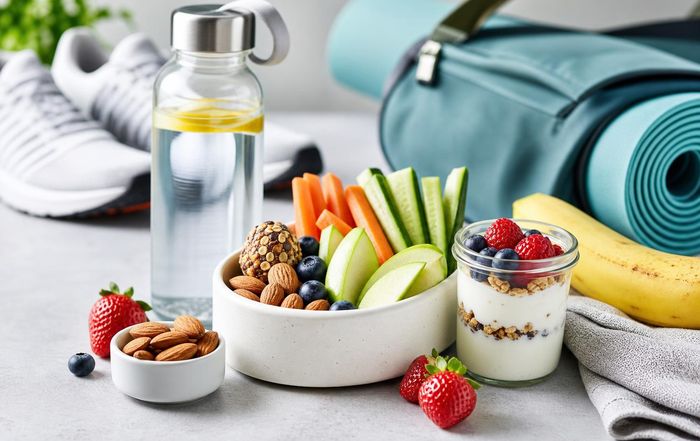
Generally, a light snack consumed 60 to 90 minutes before moderate to intense exercise might focus on easily digestible carbohydrates with a modest amount of protein and minimal fat and fiber, which can slow digestion if consumed in excess immediately before activity. Examples include a banana with a small portion of peanut or almond butter, a slice of whole-grain toast with a thin layer of honey and a few seeds, or a small bowl of oatmeal with berries. For early-morning exercisers who train shortly after waking, a smaller option such as a piece of fruit, a small date-and-nut bite, or a few whole-grain crackers can provide enough energy to avoid training on an empty stomach, while still respecting tight schedules.
Regional preferences and dietary patterns can shape pre-workout choices as well. In Mediterranean countries such as Italy and Spain, a small portion of fruit and yogurt or a slice of whole-grain bread with olive oil may be preferred, while in parts of Asia, options such as rice cakes with a light topping, or soy-based snacks, can be more culturally aligned. Readers who monitor trends in global sports and performance will recognize that the underlying principle remains consistent across regions: prioritize digestible carbohydrates, moderate protein, and avoid overly heavy or greasy foods in the immediate pre-workout window.
Post-Workout Recovery Snacks for Strength and Endurance
Post-workout snacking plays a crucial role in muscle repair, glycogen replenishment, and overall recovery, particularly for individuals who train frequently or at high intensities. Organizations such as the National Strength and Conditioning Association and Sports Dietitians Australia emphasize the importance of consuming both protein and carbohydrates within a reasonable window after exercise, especially when sessions are long or involve significant resistance training. For the global community of FitPulseNews, which includes both recreational and competitive athletes, recovery snacks are an opportunity to support adaptation and reduce soreness while also fitting into busy personal and professional lives.
High-quality protein sources such as Greek yogurt, cottage cheese, eggs, tofu, tempeh, or whey and plant-based protein powders can be combined with complex carbohydrates like oats, whole-grain bread, or fruit to create efficient recovery snacks. A smoothie made with milk or a fortified plant-based alternative, frozen berries, a scoop of protein powder, and a spoonful of oats can be blended in minutes and consumed on the way to work or between meetings. Alternatively, a simple combination such as a boiled egg with whole-grain crackers and a piece of fruit can provide a balanced mix of protein, carbohydrates, and micronutrients without extensive preparation.
For endurance athletes in regions such as Scandinavia, Canada, or New Zealand, where outdoor training in varying climates is common, warm recovery snacks like oatmeal topped with seeds and yogurt or a small bowl of lentil soup with whole-grain bread can be particularly appealing. Meanwhile, in warmer climates across Southeast Asia or South America, lighter options such as yogurt parfaits, fresh fruit with nuts, or chilled smoothies may be more comfortable post-exercise. Readers who follow innovation in sports nutrition and recovery on FitPulseNews will also be aware of emerging products such as fermented dairy drinks, functional bars with added collagen or electrolytes, and regionally inspired protein-rich snacks that aim to combine convenience with scientifically informed formulations.
Travel, Commuting, and On-the-Go Snacking
For many professionals and athletes, frequent travel and long commutes are among the biggest obstacles to consistent healthy eating. Airports in the United States, train stations in Germany, and convenience stores in Japan offer an abundance of quick options, but they often skew heavily toward refined carbohydrates, added sugars, and sodium. Travel health recommendations from organizations such as the Centers for Disease Control and Prevention and the World Travel & Tourism Council increasingly highlight the importance of maintaining hydration, balanced nutrition, and food safety while on the move, particularly for individuals who are managing chronic conditions or following structured training programs.
Preparing travel-friendly snacks in advance is one of the most effective strategies for maintaining healthy habits across time zones and transit hubs. Items such as unsalted mixed nuts, roasted chickpeas, low-sugar protein bars with clear ingredient lists, whole fruit that travels well (apples, oranges, bananas), and small packs of whole-grain crackers or rice cakes can be packed in carry-on bags or briefcases. In many international airports, it is now possible to find plain yogurt, cut vegetables, and fresh fruit cups, which can be combined with carried items like nuts or seeds to assemble a more balanced snack. For readers who follow news and trends across regions, it is notable that major hubs in Europe, Asia, and North America are gradually expanding healthier grab-and-go options, reflecting rising consumer demand.
Hydration is another critical factor for travelers and commuters, especially on long-haul flights or extended train journeys. While water remains the gold standard, low-sugar electrolyte drinks or tablets can be useful for athletes traveling to competitions or intensive training camps, particularly in hot climates. Resources such as NHS Live Well and Heart Foundation Australia emphasize limiting sugary drinks and alcohol, which can exacerbate dehydration and energy crashes. For the audience of FitPulseNews, which often juggles demanding schedules across multiple time zones, a simple routine of carrying a refillable water bottle and planning a few reliable snack options can substantially improve comfort, performance, and immune resilience during travel.
The Role of Technology and Smart Planning
Technology continues to transform the way active individuals plan, track, and refine their snacking habits. Nutrition and fitness apps, wearable devices, and smart kitchen appliances enable more precise monitoring of energy expenditure, macronutrient intake, and even blood glucose responses to specific foods. Organizations such as MIT Media Lab and Stanford University have published research on digital health tools and personalized nutrition, suggesting that data-driven insights can help individuals fine-tune their snack choices based on their unique physiology, activity patterns, and metabolic responses. For readers who follow technology and innovation coverage on FitPulseNews, this convergence of health science and digital tools is particularly relevant.
Meal-planning platforms and grocery delivery services now make it easier for busy professionals in cities like London, Toronto, and Singapore to keep their homes stocked with healthy snack ingredients, reducing reliance on last-minute, less nutritious options. Smart kitchen devices such as high-speed blenders, air fryers, and compact refrigerators support quick preparation and storage of items like homemade energy balls, roasted chickpeas, or cut vegetables. Meanwhile, continuous glucose monitoring systems, once reserved mainly for individuals with diabetes, are increasingly used by athletes and biohackers to understand how different snacks affect their blood sugar levels, informing choices that support stable energy and reduced cravings.
At the same time, public health experts caution against over-reliance on technology at the expense of basic nutrition literacy and mindful eating habits. Organizations such as World Obesity Federation and European Society of Cardiology continue to highlight the importance of foundational dietary patterns, such as Mediterranean-style eating or traditional Asian diets rich in vegetables, legumes, and whole grains, which can be adapted into snack formats that support active lifestyles. For the community around FitPulseNews, the most effective approach often blends data-informed experimentation with simple, whole-food principles and a realistic understanding of personal routines and preferences.
Cultural Diversity and Local Ingredients in Healthy Snacking
One of the defining features of the FitPulseNews audience is its cultural and geographic diversity, spanning North America, Europe, Asia, Africa, and South America. This diversity enriches the conversation around healthy snacking, as traditional ingredients and culinary practices from various regions provide a wide array of nutrient-dense options that can be integrated into modern active lifestyles. In the Mediterranean region, for example, snacks featuring olives, nuts, fresh vegetables, and whole-grain breads align closely with evidence-based recommendations from organizations such as European Food Information Council, which has highlighted the benefits of Mediterranean-style eating for heart health and longevity.
In East and Southeast Asia, traditional snacks such as edamame, seaweed, tofu-based dishes, and fresh fruit offer high-quality protein, essential minerals, and fiber with relatively low levels of added sugars and saturated fats. In Nordic countries, rye crispbreads, fermented dairy products, and berries provide a foundation for snacks that align with research on Nordic dietary patterns and cardiometabolic health. Meanwhile, in parts of Africa and South America, ingredients such as legumes, plantains, nuts, seeds, and local fruits can be incorporated into portable snacks that support both daily activity and athletic performance. Readers who explore culture-focused stories on FitPulseNews increasingly appreciate how respecting culinary heritage can coexist with modern performance goals.
Global brands and local startups alike are leveraging this cultural diversity to develop innovative snack products that blend traditional ingredients with contemporary nutrition science. From chickpea-based snacks in India and the United Kingdom to lupin-based products in Australia and high-protein dairy snacks in the United States and Canada, the market reflects a growing demand for items that are both convenient and authentically rooted in regional food cultures. As these products gain shelf space in supermarkets and online platforms, consumers benefit from a broader palette of options that can be aligned with personal values, including sustainability, ethical sourcing, and support for local producers, themes that are increasingly explored in sustainability and environment coverage on FitPulseNews.
Building a Sustainable, Health-Forward Snacking Future
As the world moves deeper into the second half of the decade, healthy snacking is poised to remain a central component of how busy and active individuals manage their energy, performance, and long-term wellbeing. The convergence of scientific research, regulatory guidance, technological innovation, and cultural diversity is creating an environment in which it is increasingly possible to choose snacks that are not only nutritious and convenient but also aligned with broader values such as environmental stewardship and social responsibility. Organizations such as the EAT Foundation and United Nations Environment Programme have highlighted the environmental impact of food systems, encouraging shifts toward plant-forward, minimally processed options that can be adapted into snack formats without sacrificing taste or practicality.
For the global readership of FitPulseNews, the path forward involves combining evidence-based principles with personal experimentation and realistic planning. By focusing on whole foods, balanced macronutrients, ingredient transparency, and cultural authenticity, active individuals can assemble a portfolio of go-to snacks that support work performance, athletic training, travel, and everyday family life. Readers who stay connected to the platform's evolving coverage of business, brands, and innovation will continue to see how major companies and emerging startups respond to this demand, shaping product offerings, marketing strategies, and retail experiences across continents.
Ultimately, the most effective healthy snack strategy is one that fits seamlessly into the rhythm of each person's life, whether that life involves early-morning training sessions in Stockholm, late-night work calls in San Francisco, or weekend hikes in Cape Town. By drawing on trusted health resources such as Harvard Health Publishing, World Health Organization, and leading national health agencies, and by engaging with the insights and stories shared across FitPulseNews, readers can refine their own approach to snacking in ways that enhance not only their physical performance but also their overall quality of life. In 2026 and beyond, healthy snacking is no longer a peripheral concern; it is an integral, strategic component of living well in a demanding, fast-moving world.