

How Sensor Data Is Transforming Exercise Technique in 2026
The New Precision Era of Training
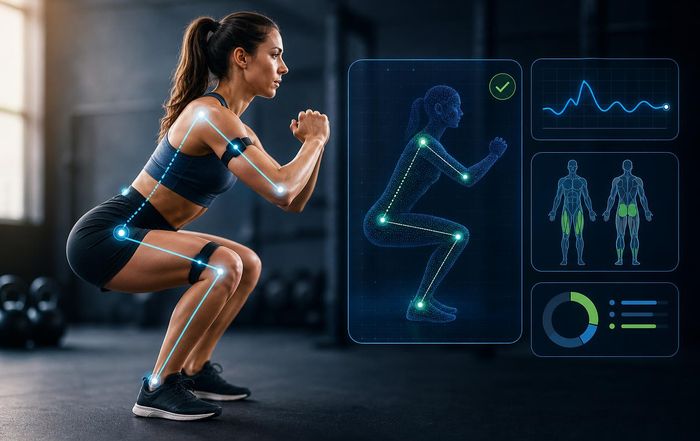
By 2026, the convergence of advanced sensors, edge computing, and sports science has moved exercise technique from an art informed by intuition to a discipline increasingly governed by measurable data. What began as rudimentary step counters is now a sophisticated ecosystem of wearables, smart equipment, and computer-vision systems capable of tracking joint angles, force outputs, and movement quality in real time. For the global audience of FitPulseNews, whose interests span fitness, health, sports, brands, technology, wellness, and innovation, this shift is redefining how individuals train, how coaches coach, and how organizations-from boutique gyms in the United States to performance institutes in Europe and Asia-build sustainable high-performance cultures.
This transformation is not simply about collecting more numbers; it is about turning those numbers into actionable insights that refine technique, reduce injury risk, and optimize performance. From recreational runners in Canada and Australia to elite footballers in the United Kingdom, Germany, and Spain, sensor-driven feedback is enabling a more personalized, evidence-based approach to movement that aligns closely with the values of experience, expertise, authoritativeness, and trustworthiness that guide the editorial lens at FitPulseNews.
From Reps and Sets to Data and Signals
Historically, exercise technique was shaped by coaching cues, mirrors, and occasional video recordings. While experienced trainers could identify flawed mechanics, their assessments were inherently subjective and often limited by time and context. In 2026, sensor data adds an objective layer, capturing subtle deviations in form that the human eye might miss, especially across high volumes of training and in fast, complex movements.
Modern wearables use accelerometers, gyroscopes, magnetometers, optical heart rate sensors, and increasingly, multi-sensor fusion to create a detailed picture of how the body moves under load and fatigue. Devices from global leaders such as Apple, Garmin, Whoop, and Polar now integrate advanced motion analysis with physiological monitoring, helping athletes understand not only what they did, but how they did it. Readers interested in the interaction between exercise technique and overall health can explore related coverage in the health section of FitPulseNews, where the long-term impact of movement quality on musculoskeletal health is examined in depth.
In parallel, smart strength-training platforms and connected cardio machines embed force plates, load cells, and inertial sensors into equipment, transforming traditional gym hardware into data-generating systems. The result is a training environment where every repetition can be measured, analyzed, and refined, whether in a commercial gym in the United States, a training facility in Japan, or a home gym in Brazil.
Understanding the Sensor Ecosystem in Modern Training
The sensor landscape in 2026 is diverse, and understanding its components is essential for making informed decisions about technique-focused training. Wearable devices, such as smartwatches, rings, and sensor-embedded clothing, provide continuous tracking of movement and physiological responses, enabling athletes to connect exercise technique with heart rate variability, recovery metrics, and sleep quality. Learn more about how these metrics are shaping modern fitness strategies by exploring FitPulseNews fitness coverage.
Motion-capture systems, once confined to research labs and elite sports institutes, have become more accessible through advances in computer vision and consumer-grade depth cameras. Companies like Hawk-Eye Innovations, Vicon, and emerging AI-based platforms are using camera arrays and machine learning models to reconstruct three-dimensional movement without the need for markers, making it easier for sports organizations and high-end training studios to evaluate technique in sports such as tennis, football, basketball, and golf. For a broader view of how these technologies are impacting professional and amateur sports, readers can visit the sports section on FitPulseNews.
Force and pressure sensors embedded in platforms, treadmills, pedals, and even insoles quantify how athletes interact with the ground or equipment. By measuring variables such as ground reaction forces, balance, and pressure distribution, these systems help identify asymmetries, inefficient force transfer, and compensatory patterns that can undermine both performance and long-term joint health. Organizations such as ForceDecks and research groups associated with institutions like Stanford University and the University of Copenhagen have been instrumental in advancing understanding in this area, and interested readers can explore foundational biomechanics concepts through resources such as the National Institutes of Health and the U.S. National Library of Medicine.
Finally, connected equipment and AI coaching platforms leverage integrated sensors and cloud analytics to provide real-time feedback and longitudinal tracking. Smart racks, cable machines, and resistance systems can now automatically adjust loads, tempo, and range of motion based on sensor readings, while AI-driven coaching applications interpret those signals to offer technique cues, training modifications, and risk alerts. This ecosystem is reshaping the business and brand landscape of fitness, which FitPulseNews follows closely in its dedicated business coverage and brands reporting.
Translating Raw Data into Technique Insights
The true value of sensor data lies not in the volume of information collected, but in the quality of insights it can generate about movement. In the context of exercise technique, several core elements can now be quantified and tracked in ways that were difficult or impossible a decade ago.
Joint angle analysis enables precise monitoring of positions during key phases of a movement, such as the bottom of a squat, the catch in an Olympic lift, or the landing phase of a jump. Using inertial sensors and computer vision, systems can detect whether an athlete is consistently hitting safe and effective depth, maintaining neutral spinal alignment, or allowing knees to collapse inward. Resources such as the American Council on Exercise and the National Academy of Sports Medicine provide educational frameworks that, when combined with sensor data, support more consistent and individualized technique coaching.
Velocity-based training has become a cornerstone of strength and power programs across North America, Europe, and Asia. By attaching linear position transducers or inertial sensors to a barbell or using integrated rack systems, coaches can monitor bar speed to determine whether a load is appropriate for the intended training effect. This approach allows for dynamic adjustment of intensity based on daily readiness, reducing the likelihood of form breakdown due to excessive fatigue. Those interested in the broader performance implications can consult sports science resources like the National Strength and Conditioning Association and the UK Sport Institute.
Balance, stability, and asymmetry metrics, derived from force plates, pressure sensors, and motion tracking, provide early indicators of technique flaws that might not yet be visible. For example, a runner whose left foot consistently exhibits higher impact forces or a lifter who shifts weight laterally at the bottom of a squat may be compensating for weakness or mobility limitations. By addressing these issues early through targeted interventions, athletes can improve technique while reducing the risk of overuse injuries. For readers following the intersection of movement, injury prevention, and long-term wellness, the wellness section of FitPulseNews offers complementary perspectives.
Personalized Coaching at Global Scale
One of the most significant impacts of sensor data on exercise technique is the democratization of high-level coaching. In the past, detailed biomechanical feedback was largely confined to elite athletes working with specialized staff in facilities in the United States, the United Kingdom, Germany, or Japan. Today, sensor-enabled platforms and AI-driven coaching tools have made advanced technique analysis available to recreational athletes from Singapore to South Africa and from Norway to Brazil.
AI coaching systems trained on large datasets of expert-labeled movement patterns can now identify common technical errors-such as excessive trunk lean in squats, overstriding in running, or poor scapular control in pressing movements-and suggest corrective cues. While these tools do not replace experienced human coaches, they augment their capabilities, allowing trainers to oversee more clients while maintaining a high standard of individualized feedback. This hybrid model, where human expertise is amplified by machine intelligence, aligns with the broader innovation trends covered in the technology and innovation sections of FitPulseNews.
Remote coaching has also become more effective and trustworthy due to sensor data. Athletes can share quantified movement reports, video overlays with joint angle analysis, and longitudinal performance trends with coaches located in different countries or time zones. This has particular relevance for professionals and enthusiasts balancing demanding careers with ambitious training goals, as it allows for precise technique refinement without the need for frequent in-person sessions. Those exploring new career paths in this evolving landscape can find related perspectives in the jobs coverage at FitPulseNews, where the rise of data-literate fitness professionals is a recurring theme.
Injury Prevention and Long-Term Joint Health
Improved exercise technique is not only about performance; it is also a critical component of injury prevention and long-term joint health. Sensor data can reveal patterns of movement that place disproportionate stress on specific tissues, enabling coaches and clinicians to intervene before those patterns lead to pain or structural damage.
For instance, force-time curves from jump tests can highlight whether an athlete is relying excessively on one leg, suggesting a lingering deficit from a previous injury. Gait analysis using wearable sensors and smart treadmills can identify excessive pronation, pelvic drop, or hip internal rotation that may contribute to knee pain. Organizations such as FIFA, through its medical and research centers, and academic groups supported by the World Health Organization, have emphasized the importance of movement quality in reducing the global burden of musculoskeletal injuries, particularly in youth and aging populations.
In rehabilitation settings, sensor-driven feedback helps patients relearn proper movement patterns after surgery or significant injury. Physical therapists in clinics from Canada to Italy and from South Korea to New Zealand are using wearable sensors and motion analysis to validate whether prescribed exercises are being performed correctly, both in clinic and at home. This data-driven approach supports adherence, accountability, and more precise progression of difficulty. For readers interested in how these developments intersect with broader health trends, the health and nutrition sections of FitPulseNews provide complementary context on holistic recovery and performance.
Performance Optimization Across Sports and Regions
Elite sports organizations have been at the forefront of adopting sensor technologies to refine technique, and their practices are increasingly influencing mainstream training. Football clubs in the English Premier League, Bundesliga, La Liga, and Serie A, for example, use GPS and inertial sensors to monitor not only distance and speed, but also decelerations, changes of direction, and contact loads, enabling coaches to adjust drills to maintain technical quality under fatigue. The FIFA Training Centre provides insight into how data is being integrated into technical and tactical development in football.
In endurance sports, cycling teams from France, the Netherlands, and Switzerland rely on power meters, pedal-based force sensors, and aerodynamic modeling to refine pedaling technique and positioning, balancing performance gains with comfort and injury prevention. Resources such as USA Cycling and the Union Cycliste Internationale offer additional background on how these metrics are used in training and competition.
In strength and power disciplines, national institutes and Olympic programs across Asia, North America, and Europe use barbell tracking, force plates, and high-speed video analysis to refine Olympic lifting, sprint starts, and jump mechanics. The Australian Institute of Sport, Sport Singapore, and UK Sport are among the organizations that have publicly documented their use of such tools, and their methodologies continue to influence private performance centers and forward-looking fitness brands worldwide. For a broader view of how these innovations shape global sport and culture, readers can explore the world and culture sections of FitPulseNews.
Nutrition, Recovery, and the Context of Movement Quality
While sensor data can significantly improve exercise technique, its impact is maximized when integrated into a broader performance ecosystem that includes nutrition, recovery, and lifestyle. Poor technique is often exacerbated by fatigue, inadequate recovery, or insufficient energy availability, and sensors that track heart rate variability, sleep stages, and training load can help contextualize when technical breakdowns are likely to occur.
Wearables and smart rings now provide detailed recovery scores, guiding athletes to adjust session intensity or volume when their physiological readiness is compromised. When combined with motion and force data, this information allows coaches to distinguish between technical flaws caused by lack of skill and those driven by acute or chronic fatigue. Educational resources from organizations such as the International Society of Sports Nutrition and the Academy of Nutrition and Dietetics offer evidence-based guidance that complements sensor-driven insights, and readers can find applied perspectives in the nutrition and wellness sections of FitPulseNews.
In this integrated model, improving exercise technique is not a standalone objective, but part of a holistic approach to sustainable performance and health, aligning closely with the growth of interest in sustainability and long-term wellbeing across the fitness and sports industries. For those tracking the intersection of performance, environment, and responsible innovation, FitPulseNews sustainability coverage explores how technology and data can support more sustainable training and business practices.
Data Governance, Privacy, and Trust
As sensor data becomes central to training and performance, questions of data governance, privacy, and trust have moved to the forefront. Athletes, consumers, and organizations across regions-from the European Union, with its rigorous GDPR framework, to markets in Asia, North America, and Africa-are increasingly aware that movement and health data are sensitive and potentially exploitable.
Responsible companies and sports organizations are adopting privacy-by-design principles, transparent consent processes, and clear data ownership policies. They are also investing in secure data storage and anonymization practices, particularly when aggregating data for research or product development. Guidance from entities such as the OECD and the World Economic Forum is shaping best practices in digital health and sports technology, and FitPulseNews continues to monitor how brands and institutions translate these principles into action in its news and brands reporting.
Trust is also built through scientific validation and transparency. Platforms that claim to improve technique based on sensor data are increasingly expected to publish validation studies, collaborate with independent researchers, and make their algorithms auditable or at least explainable. For business leaders and investors following this space, the ability of a company to demonstrate rigorous, peer-reviewed evidence behind its claims is becoming a key differentiator in an increasingly crowded market.
Emerging Trends: AI, Mixed Reality, and Ambient Coaching
Looking ahead from 2026, several emerging trends are poised to deepen the impact of sensor data on exercise technique. AI-driven digital twins, which create individualized biomechanical models of athletes, are enabling more precise simulation of how changes in technique might affect performance and injury risk. This approach, already being explored in motorsport and aerospace, is gaining traction in sports and fitness, supported by advances in cloud computing and machine learning frameworks from organizations such as Google, Microsoft, and NVIDIA.
Mixed reality and computer vision are blurring the lines between physical and digital coaching environments. Smart glasses and AR displays can overlay real-time technique cues, optimal joint angles, or bar path visualizations onto an athlete's field of view, while AI models analyze movement from smartphone or gym-installed cameras without the need for wearable devices. Resources from the MIT Media Lab and the IEEE offer deeper technical context on these developments for readers who wish to explore the underlying technologies.
Ambient coaching-the integration of sensors into everyday environments such as workplaces, public spaces, and homes-is another frontier. As more objects become connected and context-aware, subtle feedback on posture, movement, and micro-activities may become part of daily life, not just structured workouts. This evolution raises new questions about data ethics, cultural acceptance, and equitable access, themes that FitPulseNews continues to explore across its culture, environment, and technology verticals.
What This Means for the FitPulseNews Audience
For the global community that turns to FitPulseNews for insight into fitness, health, sports, brands, technology, and innovation, the rise of sensor-driven technique analysis presents both opportunities and responsibilities. On an individual level, athletes and enthusiasts can leverage these tools to train more intelligently, refine movement quality, and extend their active lifespan, provided they remain critical consumers who seek evidence-based solutions rather than marketing hype. On an organizational level, gyms, sports clubs, and wellness providers can differentiate themselves by integrating validated sensor technologies, investing in staff education, and adopting transparent data practices that respect the rights and expectations of their members.
Across regions-from the United States and Canada to the United Kingdom, Germany, France, Italy, Spain, the Netherlands, Switzerland, China, Japan, South Korea, Singapore, and beyond-the common thread is a growing recognition that movement quality is foundational to sustainable performance and health, and that sensor data, when used responsibly, is a powerful ally in pursuing that goal. As the technology matures and regulatory frameworks evolve, the central challenge will be to ensure that the benefits of data-driven technique improvement are accessible, equitable, and aligned with human wellbeing.
In this evolving landscape, FitPulseNews will continue to provide rigorous, trustworthy coverage at the intersection of fitness, health, sports, technology, and business, helping readers interpret the signals that matter most amid an ever-expanding stream of data. For ongoing updates on how sensor technology is reshaping training, performance, and wellness worldwide, readers can explore the latest features, interviews, and analyses across FitPulseNews, where the future of movement is examined with the depth and clarity that this transformation demands.