

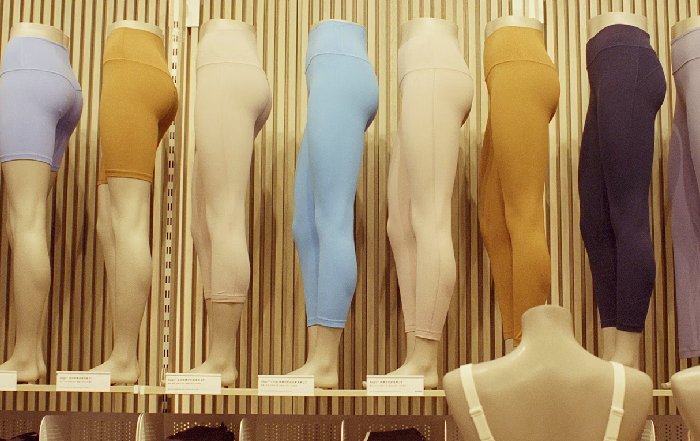
Sustainable Fashion and Activewear Brands: How Performance Meets Purpose in 2026
The New Definition of Performance in a Warming World
By 2026, sustainable fashion and activewear have shifted from niche positioning to a central pillar of the global apparel industry, as consumers, regulators, and investors increasingly demand verifiable environmental and social responsibility from the brands they support. What began a decade ago as a trend driven by early adopters in North America and Europe has now become a structural transition that is reshaping supply chains from Bangladesh to Brazil, redefining how performance fabrics are designed, and challenging legacy business models that were built on volume, speed, and disposability. For readers of FitPulseNews, whose interests span health, fitness, business, technology, environment, and culture, this transformation is not merely about what they wear to the gym or on a run; it is about how their purchasing decisions intersect with planetary boundaries, labor rights, and the future of innovation.
The modern athlete, office professional, and everyday consumer in the United States, Europe, and across Asia-Pacific increasingly recognizes that high-performance apparel cannot be considered truly advanced if it compromises air quality, water security, or the well-being of workers who produce it. As climate risks intensify, with record-breaking heat waves and extreme weather affecting training conditions, outdoor sports, and even workplace productivity, the definition of performance has expanded to include durability, circularity, and traceability. This shift is especially evident in metropolitan centers from New York and London to Berlin, Toronto, Sydney, and Singapore, where sustainability-minded consumers now expect brands to provide clear information on materials, emissions, and end-of-life solutions, and where digital-native younger generations are using social media to hold companies accountable in real time.
From Fast Fashion to Responsible Performance: The Market Turning Point
The global apparel market, particularly in activewear, has undergone a structural correction as investors and regulators scrutinize environmental, social, and governance (ESG) performance. According to industry analyses from organizations such as the World Economic Forum and the Ellen MacArthur Foundation, fashion remains one of the most resource-intensive and polluting industries, responsible for significant greenhouse gas emissions, water usage, and waste. Yet, in 2026, the fastest-growing segments of the market are those aligned with circular design, recycled fibers, and low-impact manufacturing, as well as brands that offer repair, resale, and take-back programs.
In major markets like the United States, United Kingdom, Germany, and the Nordic countries, consumers have become more informed about the environmental cost of polyester, the microplastic shedding from synthetic performance wear, and the labor conditions in textile factories across Asia and Africa. Regulatory pressure has also increased, with the European Union advancing extended producer responsibility frameworks and stricter greenwashing rules, while the United States and Canada explore mandatory climate disclosures for large companies. For readers following the evolving policy landscape at FitPulseNews through its business and world coverage, this regulatory shift is as much a business risk as it is an innovation opportunity, pushing brands to move beyond marketing slogans and toward data-backed sustainability strategies.
Materials at the Core: From Recycled Fibers to Bio-Based Innovations
At the heart of sustainable activewear is the material science revolution that has accelerated over the last five years, transforming how fabrics are sourced, engineered, and recycled. Traditional performance wear has relied heavily on virgin polyester and nylon, derived from fossil fuels, which contribute to climate change and persist in ecosystems for centuries. In response, leading companies and research institutions have invested in recycled polyester from post-consumer bottles and textile waste, bio-based nylons, and plant-derived fibers that can deliver moisture-wicking, stretch, and durability without the same environmental burden.
Organizations such as Textile Exchange have played a central role in defining standards and tracking the adoption of preferred fibers, helping brands verify claims and benchmark progress. Readers can explore how preferred materials are reshaping the sector by visiting resources like Textile Exchange, which provide detailed guidance on fiber impacts and certification schemes. Meanwhile, innovators in Europe, Japan, South Korea, and the United States are advancing biofabrication, developing lab-grown cellulose and protein-based fibers that mimic the performance of synthetics while being fully recyclable or biodegradable under controlled conditions. Companies collaborating with academic institutions such as the Massachusetts Institute of Technology and the Technical University of Munich are exploring next-generation membranes and coatings that avoid harmful perfluorinated compounds, which have historically been used for water repellency but are now heavily scrutinized for their persistence in the environment and potential health impacts.
Beyond headline-grabbing innovations, incremental improvements in dyeing and finishing are also crucial. Low-water dyeing technologies, digital printing, and non-toxic finishing treatments are reducing the footprint of color-intensive sportswear, which has long been associated with heavy chemical use. Initiatives such as the ZDHC Foundation have helped brands and suppliers phase out hazardous substances and move toward cleaner chemistries, aligning with stricter regulations in Europe and growing consumer expectations in markets like Australia, Canada, and New Zealand. For FitPulseNews readers engaged with environment and innovation topics, these developments demonstrate how material science and policy are converging to redefine what sustainable performance truly means.
Circular Design and the End-of-Life Challenge
One of the most persistent challenges in activewear sustainability is the end-of-life phase, where blended fabrics, elastane content, and complex garment construction make recycling extremely difficult. Historically, most performance apparel has ended up in landfills or incinerators, both in affluent markets and in countries across Africa and South America that receive large volumes of secondhand clothing. In recent years, however, circular design principles have gained prominence, encouraging brands to prioritize mono-materials, modular construction, and design for disassembly, all of which can facilitate mechanical or chemical recycling.
Industry alliances such as the Global Fashion Agenda have emphasized the importance of circularity in their annual reports and convenings, highlighting both the technical barriers and the business models needed to overcome them. Readers interested in the broader systemic context can review insights from Global Fashion Agenda to understand how circularity is being integrated into brand strategies and policy frameworks worldwide. At the same time, recycling innovators in regions like Scandinavia, Japan, and the United States are scaling chemical recycling technologies that can break down polyester and nylon into their base monomers, enabling the production of new fibers with a significantly reduced environmental footprint.
For FitPulseNews, which frequently covers developments in sustainability and technology, the evolution of circular business models is a critical storyline. Subscription-based apparel, rental platforms for high-end performance gear, and brand-operated resale marketplaces are gaining traction among consumers who prioritize both cost efficiency and environmental responsibility. In markets like the United Kingdom, Germany, and the Netherlands, where urban density and digital literacy are high, these models are particularly well-suited to younger demographics that value access over ownership. However, their scalability in emerging markets across Asia, Africa, and South America remains an open question, influenced by infrastructure, cultural norms, and regulatory frameworks.
The Human Side: Labor Standards and Social Responsibility
While environmental innovation often dominates sustainability headlines, the social dimension of fashion and activewear is equally critical to building trust with consumers and regulators. The supply chains that produce sportswear for athletes in the United States, Europe, and Australia frequently run through factories in countries such as Bangladesh, Vietnam, Cambodia, China, and Ethiopia, where labor standards and wage levels vary widely. For sustainable brands, ensuring fair working conditions, living wages, and worker voice mechanisms is essential to maintaining credibility and aligning with global frameworks such as the International Labour Organization conventions and the UN Global Compact.
Over the past decade, several high-profile investigations by organizations like Human Rights Watch and Clean Clothes Campaign have exposed labor abuses in apparel supply chains, prompting both consumer backlash and regulatory scrutiny. Those findings have pushed leading brands to publish supplier lists, conduct independent audits, and participate in multi-stakeholder initiatives that go beyond compliance to focus on worker empowerment. Interested readers can explore how advocacy groups document and address these issues through resources such as Human Rights Watch, which frequently reports on labor conditions in manufacturing hubs worldwide.
For the FitPulseNews audience, which follows news, jobs, and global economic trends, the intersection of labor rights and sustainable fashion is also a story about the future of work. As automation, digital tracking, and AI-powered supply chain management become more prevalent, there is an ongoing debate about how technology can be used to improve transparency and worker safety rather than simply reduce labor costs. Brands that adopt responsible purchasing practices, commit to long-term supplier relationships, and integrate worker feedback into their decision-making processes are better positioned to build resilient, ethical supply chains that can withstand regulatory shifts and reputational risks.
Digital Transparency and Data-Driven Trust
Trust has become the defining currency of sustainable fashion and activewear in 2026, and digital transparency tools are at the forefront of efforts to earn and maintain that trust. Consumers in markets from the United States and Canada to Singapore, Japan, and South Korea now expect to be able to scan a QR code on a garment and access detailed information about its materials, manufacturing locations, and care instructions. Blockchain-based traceability platforms and advanced product lifecycle management systems are enabling brands to collect, verify, and share this data in ways that were not feasible only a few years ago.
Organizations such as the Sustainable Apparel Coalition, which maintains the Higg Index suite of tools, have helped standardize sustainability metrics and reporting, allowing brands to benchmark their performance and communicate more consistently. To understand how measurement frameworks shape industry behavior, readers can explore resources from the Sustainable Apparel Coalition, which outlines how environmental and social assessments are integrated into product development and sourcing decisions. Meanwhile, consumer-facing apps and platforms in Europe and North America aggregate brand ratings, certifications, and impact data, empowering shoppers to compare options and align purchases with their values.
For FitPulseNews, whose coverage spans brands, culture, and wellness, this rise of data-driven trust is reshaping not only how brands communicate but also how they design products and engage communities. Authenticity is increasingly judged not by marketing campaigns but by third-party verifications, transparent disclosures, and the willingness of executives and founders to engage in open dialogue about both progress and shortcomings. As greenwashing regulations tighten in the European Union and similar policies are discussed in countries like Canada and Australia, the legal and reputational consequences of misleading claims are becoming more severe, compelling companies to invest in robust data systems and governance structures.
Regional Dynamics: Different Paths to Sustainable Activewear
Although sustainable fashion and activewear are global phenomena, regional dynamics significantly influence how the transition unfolds. In North America, large sportswear companies and emerging direct-to-consumer brands compete to capture a growing segment of eco-conscious consumers, particularly in urban centers like New York, Los Angeles, Toronto, and Vancouver. These markets benefit from strong digital infrastructure, high purchasing power, and a vibrant ecosystem of sustainability-focused media and advocacy groups that keep the pressure on brands to innovate and disclose.
In Europe, particularly in the United Kingdom, Germany, France, the Netherlands, and Scandinavia, regulatory leadership and consumer activism have combined to make sustainability an essential component of market access. The European Union's evolving regulations on eco-design, extended producer responsibility, and corporate sustainability reporting are forcing both domestic and international brands to upgrade their practices if they wish to maintain their presence in this lucrative market. Interested readers can follow policy developments and their implications for business through platforms such as the European Commission and the European Environment Agency, which regularly publish insights on sustainable consumption and production.
In Asia, the dynamics are more varied. China remains a manufacturing powerhouse and a rapidly growing consumer market, with domestic brands increasingly investing in sustainability as a competitive differentiator. Japan and South Korea, known for their technological sophistication, are at the forefront of material innovation and smart textiles, integrating sensors and connectivity into performance wear while exploring lower-impact production methods. Southeast Asian countries such as Thailand and Malaysia, alongside South Asian hubs like India and Bangladesh, are navigating the dual pressures of maintaining export competitiveness and upgrading environmental and labor standards. For readers tracking global economic shifts via FitPulseNews world and business sections, understanding these regional nuances is critical for assessing where innovation, regulation, and market demand are likely to converge next.
In Africa and South America, countries such as South Africa and Brazil are emerging as important nodes in the sustainable fashion conversation, both as production centers and as markets where local designers are integrating indigenous knowledge, biodiversity, and cultural narratives into their work. Organizations like the United Nations Environment Programme have highlighted the potential for sustainable textiles to support green industrialization and job creation in these regions, provided that investments in infrastructure, skills, and governance are prioritized.
Health, Wellness, and the Consumer Mindset
For the audience of FitPulseNews, whose interests naturally bridge health, fitness, nutrition, and wellness, the rise of sustainable activewear is closely tied to broader lifestyle choices. As more people in the United States, Europe, and Asia-Pacific adopt holistic approaches to well-being, they increasingly view their wardrobes as extensions of their health routines, seeking fabrics that are not only high-performing but also non-toxic, breathable, and produced in ways that align with their values. This convergence of wellness and sustainability is evident in the growth of brands that emphasize skin-friendly dyes, antimicrobial properties derived from natural sources, and designs that support both athletic performance and everyday comfort.
Research from institutions like the Harvard T.H. Chan School of Public Health and the World Health Organization has drawn attention to the health implications of environmental pollution, microplastics, and chemical exposures, reinforcing the idea that personal well-being cannot be separated from planetary health. Learn more about how environmental determinants affect health by exploring these public health resources, which provide context for why consumers are increasingly attentive to what touches their skin and how their choices contribute to broader ecological outcomes.
In parallel, the cultural narrative around fitness has evolved from purely aesthetic goals to a more balanced emphasis on mental resilience, community, and long-term vitality. This shift has opened space for sustainable brands to position themselves not only as providers of gear but as partners in a broader lifestyle, offering guidance on care, repair, and mindful consumption. Readers can find complementary perspectives on these trends in FitPulseNews sections dedicated to health, fitness, and nutrition, where the interplay between physical activity, diet, and environmental awareness is a recurring theme.
Innovation, Investment, and the Future Competitive Landscape
As of 2026, sustainable fashion and activewear are no longer driven solely by small, mission-led startups; major incumbents, private equity firms, and institutional investors have recognized that ESG performance is intertwined with long-term financial resilience. Capital is increasingly flowing toward companies that can demonstrate credible pathways to decarbonization, circularity, and social responsibility, while those that lag face higher financing costs, stranded asset risks, and reputational damage. Venture capital has backed material science startups, digital traceability platforms, and circular business models, betting that these innovations will become indispensable infrastructure for the industry.
Global forums such as the UNFCCC climate conferences and the OECD policy dialogues have highlighted the role of sustainable textiles in achieving broader climate and development goals, reinforcing the expectation that apparel companies must contribute to national and corporate net-zero strategies. Learn more about sustainable business practices by reviewing guidance from organizations like the CDP, which collects and analyzes environmental disclosure data from thousands of companies worldwide, including many in the apparel and sportswear sectors.
For FitPulseNews, which covers innovation, events, and the evolving role of brands in society, the competitive landscape of sustainable activewear is a story of convergence. Technology firms, material science innovators, logistics providers, and apparel brands are collaborating in new ways, forming ecosystems that blur traditional industry boundaries. This ecosystem approach is particularly evident in regions like Europe and East Asia, where public-private partnerships support pilot projects in textile recycling, renewable energy integration, and smart manufacturing.
What This Means for the FitPulseNews Audience
For business leaders, investors, athletes, and health-conscious consumers who rely on FitPulseNews as a trusted source of insight, the rise of sustainable fashion and activewear in 2026 carries several implications. First, sustainability is now a core performance metric, not an optional add-on, and brands that fail to integrate environmental and social considerations into their strategies risk losing relevance in key markets from the United States and Canada to Germany, the United Kingdom, and beyond. Second, innovation in materials, circular design, and digital transparency will increasingly differentiate winners from laggards, making it essential for stakeholders to stay informed about scientific and technological advances.
Third, the global nature of apparel supply chains means that decisions made in boardrooms in New York, London, Berlin, Tokyo, or Singapore have direct consequences for workers and ecosystems in manufacturing hubs across Asia, Africa, and South America. As regulatory frameworks tighten and consumer expectations rise, brands will be judged not only on the performance of their products but on the integrity of their entire value chains. Finally, for individuals seeking to align their lifestyle choices with their values, sustainable activewear offers a tangible way to support healthier bodies, healthier communities, and a healthier planet.
As FitPulseNews continues to expand its global coverage across sports, business, technology, and sustainability, it will remain focused on highlighting the brands, innovators, and policy developments that embody experience, expertise, authoritativeness, and trustworthiness in this rapidly evolving sector. In an era when every purchase is a signal and every product is a data point, the story of sustainable fashion and activewear is ultimately a story about how global citizens choose to live, work, move, and perform in a world that demands both excellence and responsibility.