

Recognising Early Signs of Exercise Burnout in 2026: What High-Performing Professionals Need to Know
Why Exercise Burnout Is a 2026 Business Issue, Not Just a Fitness Problem
By 2026, the global conversation around performance has shifted decisively from "work harder" to "sustain longer," yet many ambitious professionals, entrepreneurs, and executives continue to push their training in the same relentless way they push their careers. For the readership of FitPulseNews, whose interests span fitness, health, sports, brands, technology, and high-performance culture, recognising early signs of exercise burnout has become a strategic necessity rather than a purely personal concern, because the same traits that drive success in boardrooms and startups-discipline, competitiveness, and a bias for action-also increase the risk of pushing the body beyond its adaptive capacity. As organisations from McKinsey & Company to World Economic Forum highlight the economic cost of burnout, the fitness dimension of that phenomenon is finally getting comparable attention, especially in markets such as the United States, United Kingdom, Germany, Canada, Australia, and across Asia and Europe, where high-intensity training and data-driven performance have become status symbols as much as health strategies.
On FitPulseNews, where coverage connects fitness, business, and culture, exercise burnout sits at the intersection of physical conditioning, mental health, workplace demands, and brand-driven expectations around "always-on" performance. Understanding its early signs, and acting before damage accumulates, is now as important to long-term career success as any leadership course or productivity tool.
Defining Exercise Burnout in the Modern Performance Era
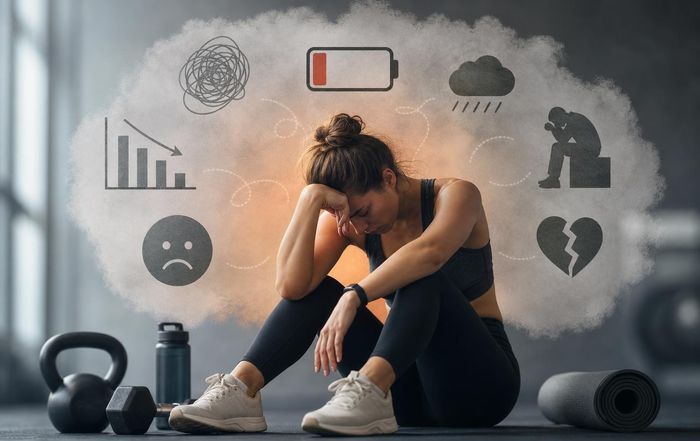
Exercise burnout, often overlapping with what sports scientists call overtraining syndrome, describes a state of physical, emotional, and cognitive exhaustion triggered by chronic training stress that exceeds the body's ability to recover, typically compounded by psychological pressure and insufficient rest. Unlike simple fatigue after a demanding workout, burnout is characterised by a persistent decline in performance, loss of motivation, mood disturbances, and, in many cases, a breakdown in the sense of enjoyment that initially drew an individual to training. The American College of Sports Medicine outlines how sustained overload without adequate recovery can disrupt hormonal balance, immune function, and neuromuscular coordination, gradually eroding both health and performance rather than building them.
In 2026, the definition has broadened as hybrid work, digital coaching platforms, and social media-driven comparison culture blur the lines between recreational training, semi-professional ambition, and lifestyle branding. Many individuals now track workouts through platforms integrated with wearables from companies like Apple, Garmin, and WHOOP, and while these tools can support smarter training, they also risk normalising chronic strain as a badge of honour. Learn more about evidence-based training principles on the National Strength and Conditioning Association website at nsca.com. For the global audience of FitPulseNews, this expanded definition is particularly relevant because burnout can manifest differently in a London-based executive training for a marathon, a Singaporean founder doing daily HIIT, or a Canadian remote worker following app-based strength programs, yet the underlying pattern-too much stress, not enough recovery-is the same.
The Psychology Behind Pushing Too Hard
The early signs of exercise burnout are often psychological before they become physiological, and understanding these mental drivers is essential for early recognition. High achievers in business and sport frequently exhibit what Harvard Business Review describes as "achievement addiction," a tendency to seek validation through measurable accomplishments, which in the fitness context translates into chasing personal records, daily streaks, or step-count milestones even when the body signals a need for rest. This is intensified by social comparison dynamics on platforms like Strava and Instagram, where training logs and highlight reels create a constant sense of needing to do more, run faster, or lift heavier, especially in performance-driven cultures in the United States, United Kingdom, Germany, and emerging fitness hubs in Asia such as Singapore, South Korea, and Japan.
Psychologists at Stanford University have shown how mindset can influence physical performance and perception of effort, but they also caution that a "no pain, no gain" mentality can erode self-awareness, leading individuals to normalise chronic discomfort and fatigue. Learn more about stress, motivation, and performance at apa.org, the website of the American Psychological Association, which offers insights into how perfectionism and fear of missing out can sustain unhealthy training patterns. On FitPulseNews, where readers follow sports and wellness trends alongside business and technology, this psychological dimension is central, because the same cognitive biases that drive innovation and career progression can silently fuel training excess.
Early Emotional and Behavioural Warning Signs
One of the earliest and most overlooked indicators of exercise burnout is a subtle but persistent shift in mood and behaviour around training. Individuals who once looked forward to morning runs or strength sessions begin to experience dread, irritability, or emotional flatness when thinking about workouts, yet often continue training out of obligation, fear of losing progress, or pressure from peers and digital communities. Research summarised by Psychology Today highlights that anhedonia-the loss of pleasure in previously enjoyable activities-is a classic burnout marker, and in the fitness context it may appear as going through the motions in the gym, cutting warm-ups or cool-downs, or feeling resentful toward a coach, training plan, or even one's own body.
In global business centres from New York and London to Singapore and Sydney, where long work hours intersect with ambitious training goals, behavioural signs may also include increasingly rigid routines, refusal to adjust sessions despite travel or poor sleep, or using exercise primarily as a coping mechanism for stress without acknowledging diminishing returns. Learn more about burnout psychology and behaviour at mayoclinic.org, where Mayo Clinic clinicians describe how emotional exhaustion often precedes physical breakdown. For readers of FitPulseNews, attuned to news and global world trends, recognising these early behavioural shifts is crucial because they often surface before obvious physical symptoms and can be corrected with timely adjustments.
Physical Signals: When the Body Says "Enough"
While occasional soreness and transient fatigue are normal training companions, exercise burnout is marked by more persistent and systemic physical signals that extend beyond the usual discomfort associated with progressive overload. Athletes and active professionals may notice that heart rate remains elevated at rest or during submaximal efforts, sleep becomes fragmented despite feeling exhausted, and small aches or niggles fail to resolve with a day or two of rest. The Cleveland Clinic notes that overtraining can suppress immune function, leading to more frequent colds, prolonged recovery from minor illnesses, and in some cases increased susceptibility to injuries such as stress fractures or tendinopathies, especially in endurance disciplines popular across Europe, North America, and Asia.
Performance stagnation or regression is another hallmark sign: paces slow despite consistent effort, strength plateaus or declines despite structured programming, and perceived exertion climbs for workouts that previously felt manageable. Learn more about the physiology of overtraining and recovery at who.int, where the World Health Organization discusses physical activity guidelines and the risks associated with exceeding them without appropriate rest. For the FitPulseNews audience, which closely follows health and fitness innovations, paying attention to these signals, particularly when corroborated by wearable data, can help distinguish productive training stress from the early slide into burnout.
The Role of Sleep, Nutrition, and Hormonal Balance
Exercise burnout rarely occurs in isolation; it is typically the visible tip of a broader imbalance that includes compromised sleep, suboptimal nutrition, and hormonal dysregulation. In 2026, as more individuals in the United States, Europe, and Asia adopt sleep-tracking devices and AI-powered coaching apps, the relationship between training load and sleep quality has become clearer. Chronic high-intensity training, especially when combined with late-night work or screen exposure, can disrupt circadian rhythms and reduce deep sleep, which in turn impairs muscle repair, cognitive performance, and emotional resilience. The National Sleep Foundation provides detailed guidance at thensf.org on how sleep duration and quality interact with physical activity, emphasising that more training cannot compensate for inadequate recovery time in bed.
Nutrition is another critical lever, particularly for readers tracking nutrition and wellness content on FitPulseNews. Insufficient energy intake, whether intentional for weight management or unintentional due to busy schedules, can create a chronic energy deficit that accelerates burnout, a phenomenon recognised in the concept of Relative Energy Deficiency in Sport (RED-S) described by the International Olympic Committee at olympics.com. This deficit can alter levels of hormones such as cortisol, testosterone, and thyroid hormones, leading to fatigue, mood disturbances, menstrual irregularities in women, and reduced training capacity in all genders. Learn more about the interplay between nutrition, hormones, and performance at nutrition.org, the website of the American Society for Nutrition, which highlights how adequate macronutrients and micronutrients support resilience against training stress.
Data, Wearables, and the Promise and Risk of Tech-Driven Training
The readers of FitPulseNews, particularly those engaged with technology and innovation, are at the forefront of integrating wearables, apps, and AI coaching tools into their training. Devices from Apple, Garmin, Polar, WHOOP, and Oura now provide continuous data on heart rate variability, sleep stages, recovery scores, and training load, and platforms such as Strava and TrainingPeaks aggregate this information into detailed performance dashboards. In theory, these technologies make it easier than ever to spot the early signs of burnout: declining heart rate variability, persistently elevated resting heart rate, reduced deep sleep, lowered recovery scores, and stagnating performance metrics should all trigger adjustments before problems escalate.
However, sports scientists at institutions like Loughborough University in the United Kingdom caution that data without context can become another source of pressure, pushing users to chase numbers-streaks, volume, intensity scores-rather than listening to subjective signals such as mood, motivation, and perceived exertion. Learn more about responsible use of digital health tools at nih.gov, where the National Institutes of Health discuss both the benefits and limitations of consumer health technologies. For the global audience of FitPulseNews, the key is to treat wearables as decision-support tools rather than dictators, using them to validate how the body feels rather than override it. When data trends and subjective experience both point toward fatigue, irritability, or declining performance, the risk of emerging burnout should be taken seriously.
Cultural and Regional Pressures Shaping Burnout Risk
Exercise burnout does not develop in a vacuum; it is shaped by cultural norms, workplace expectations, and regional attitudes toward both work and health. In North America, particularly the United States and Canada, the "hustle culture" that FitPulseNews frequently examines in its business and jobs coverage often extends into fitness, where early-morning workouts and late-night training sessions are framed as proof of dedication. In Europe, especially in countries like Germany, the Netherlands, and the Nordic region, there is a strong tradition of organised sport and endurance events, and while there is generally more emphasis on work-life balance, the competitive amateur athlete scene can still drive individuals toward excessive training loads, particularly in cycling and running communities.
In fast-growing Asian fitness markets such as China, Singapore, South Korea, and Thailand, the rapid expansion of boutique studios, digital coaching platforms, and wellness-focused brands has created new social expectations around physical appearance and performance, often intertwined with career aspirations and social status. Learn more about global physical activity trends at who.int, where the World Health Organization outlines regional differences in activity levels and associated health risks. For FitPulseNews, which reports across world and culture verticals, it is clear that recognising early signs of exercise burnout requires understanding not only individual behaviour but also the societal narratives that glorify constant productivity, whether in the office or the gym.
Business, Brands, and the New Responsibility for Sustainable Performance
As wellness becomes a core pillar of employer value propositions and consumer-facing brands, the responsibility for preventing exercise burnout extends beyond individual athletes and into the strategies of corporations, sports organisations, and fitness companies. Leading employers in the United States, United Kingdom, and across Europe increasingly integrate corporate wellness programs, flexible working arrangements, and mental health support, yet some inadvertently encourage overtraining by incentivising competition through step challenges, leaderboards, or public performance metrics without adequate education on recovery. Learn more about sustainable business practices and employee well-being at weforum.org, where the World Economic Forum explores how high-performance cultures can align with long-term health.
Fitness and sportswear brands, from global giants like Nike and Adidas to emerging digital-first companies, have an influential role in shaping consumer attitudes. Campaigns that celebrate rest, recovery, and mental health alongside intensity and achievement are becoming more visible, but the dominant narrative on social platforms still leans heavily toward "more is better." On FitPulseNews, where brands coverage intersects with sports and environment reporting, sustainable performance is increasingly framed not only in human terms but also in planetary terms, linking the concept of recovery to broader sustainability conversations. Just as businesses are urged to avoid resource over-extraction, individuals are being encouraged to avoid over-extracting from their bodies.
Practical Strategies to Catch Burnout Before It Escalates
Recognising early signs of exercise burnout is only useful if it leads to timely and practical action, and by 2026 a more sophisticated toolkit has emerged, drawing on sports science, psychology, and workplace well-being research. One of the most effective strategies is implementing structured recovery within training plans, including regular deload weeks, cross-training, and seasonal breaks, rather than relying on ad hoc rest when injury or exhaustion forces it. The American College of Sports Medicine at acsm.org provides guidelines on periodisation and recovery that can help professionals and recreational athletes alike plan more sustainable progressions.
Self-monitoring beyond simple workout logs is another powerful preventive measure. Keeping a brief daily record of mood, motivation, perceived exertion, sleep quality, and stress levels, alongside objective metrics from wearables, can reveal patterns that signal emerging burnout: for example, a week of workouts feeling harder than usual, coupled with irritability, poor sleep, and elevated resting heart rate, should trigger a planned reduction in intensity and volume. For those in demanding roles across North America, Europe, and Asia, aligning training plans with work calendars-reducing training load during major product launches, financial reporting periods, or intensive travel-can significantly reduce risk. Learn more about integrating exercise and work demands at cdc.gov, where the Centers for Disease Control and Prevention discuss physical activity recommendations in the context of everyday life.
Nutrition and hydration strategies tailored to training load, climate, and individual goals are equally essential, particularly for readers following FitPulseNews coverage on nutrition and health. Consulting qualified sports dietitians, using reputable resources such as eatright.org from the Academy of Nutrition and Dietetics, and avoiding extreme diets that severely restrict energy or key nutrients can help maintain hormonal balance and resilience. Finally, building psychological flexibility around training-accepting that skipping or modifying a session in response to fatigue, illness, or stress is a sign of professionalism rather than weakness-may be the single most powerful buffer against burnout, especially for high achievers who tend to view consistency in absolute rather than adaptive terms.
A 2026 Perspective: Redefining What It Means to Be "Fit"
In the evolving performance landscape of 2026, where AI-augmented coaching, globalised competition, and hybrid work have reshaped how people train and work from New York and London to Berlin, Singapore, and Sydney, the early recognition of exercise burnout is emerging as a defining competency for sustainable success. For the FitPulseNews community, which engages with fitness, wellness, business, and innovation content on a daily basis, the message is increasingly clear: the most valuable athletes, leaders, and creators of the coming decade will not be those who simply train the hardest, but those who manage energy, recovery, and self-awareness with the same sophistication they bring to strategy, technology, and finance.
Learn more about global health priorities and the role of physical activity at who.int, where the World Health Organization emphasises balance rather than extremes. For individuals and organisations alike, recognising the early signs of exercise burnout-emotional withdrawal from training, persistent fatigue, declining performance, disrupted sleep, and mounting injuries-is an opportunity to recalibrate before long-term damage occurs. In doing so, the global audience of FitPulseNews can help redefine fitness not as a relentless race against the body's limits, but as a disciplined, data-informed, and deeply sustainable partnership with them, aligning personal well-being with the broader pursuit of high performance in business, sport, and life.