

Sports Recovery Strategies for Amateur Athletes
The New Era of Recovery for Everyday Competitors
I think we can all see that amateur athletes across the world are training with an intensity and sophistication that, a decade ago, was largely reserved for professionals. From recreational runners in the United States preparing for their first marathon, to weekend footballers in Germany, to triathletes in Australia balancing demanding work schedules with ambitious performance goals, the modern amateur is no longer content with simply "getting through" a game or race. Instead, they are seeking structured, science-backed recovery strategies that protect long-term health while enabling consistent improvement. Within this evolving landscape, FitPulseNews has positioned itself as a trusted guide, translating complex sports science into practical, actionable insights for readers who care deeply about fitness, health, and performance but also about careers, families, and sustainable lifestyles.
As sports participation grows in regions as diverse as North America, Europe, and Asia, and as digital platforms make advanced training methods accessible to anyone with a smartphone, the distinction between "amateur" and "elite" is becoming less about knowledge and more about available time and resources. Amateur athletes now routinely consult performance data, track sleep metrics, and integrate mobility work into their routines, echoing the practices of professional teams and Olympic programs. To support this shift, the research team tries to integrate perspectives from sports medicine, nutrition, technology, and workplace wellbeing, helping readers navigate the crowded ecosystem of products and advice that claim to accelerate recovery. In doing so, it emphasizes experience, expertise, authoritativeness, and trustworthiness, ensuring that its audience can make informed decisions rather than chasing fads.
Why Recovery Matters More Than Ever for Non-Professionals
The core reason recovery has become such a central topic for amateur athletes is simple: cumulative stress. Unlike professional athletes, who can often structure their days around training, rest, and therapy, amateurs typically manage demanding jobs, family responsibilities, travel, and social obligations alongside their athletic ambitions. This overlapping stress load increases the risk of overtraining, burnout, and injury, especially as more people in their thirties, forties, and fifties take on endurance events and competitive leagues. Organizations such as World Health Organization emphasize the importance of physical activity for long-term health, yet they also highlight the need to balance exercise with adequate rest and recovery to avoid negative outcomes. Learn more about global physical activity guidelines on the WHO website.
In North America and Europe, where hybrid work arrangements and flexible schedules have allowed more time for training, there has been a surge in participation in marathons, cycling events, and functional fitness competitions. At the same time, sports medicine clinics in countries like the United Kingdom, Canada, and Sweden report increases in overuse injuries among recreational athletes who have adopted high-intensity regimens without a structured recovery plan. Research shared by institutions such as Harvard Medical School underlines that muscles, tendons, and even the cardiovascular system adapt and grow stronger not during the workout itself, but during the subsequent recovery period, when repair processes are most active. Readers can explore the physiology of recovery in more depth through resources on Harvard Health.
For the audience of FitPulseNews, which spans fitness enthusiasts, health-conscious professionals, and sports fans across the United States, Europe, and Asia-Pacific, this reality reframes recovery as a performance multiplier rather than an optional luxury. Effective recovery strategies not only reduce soreness and injury risk, they also enable consistent training, better energy levels at work, and improved mental focus, linking directly to the site's broader coverage of health, fitness, and wellness.
The Science of Recovery: From Muscle Fibers to the Nervous System
Understanding why recovery strategies work begins with the basic biology of training stress. During intense exercise, especially resistance training and high-impact sports such as basketball, football, and tennis, microscopic damage occurs in muscle fibers, connective tissue, and, in some cases, joint structures. This controlled damage triggers an inflammatory response and a cascade of hormonal signals that initiate repair and adaptation. Leading sports science organizations, including American College of Sports Medicine, have consistently highlighted that the magnitude of adaptation is determined not only by the training load but also by the quality and duration of recovery. For a deeper dive into exercise physiology, readers can consult resources from ACSM.
Beyond the muscles and joints, the nervous system plays a critical role in how athletes feel and perform. High-intensity interval training, repeated competitions, and even psychological stress from work or academic life can tax the autonomic nervous system, tilting the balance toward sympathetic "fight or flight" dominance. This can manifest as elevated resting heart rate, poor sleep, irritability, and a perceived drop in motivation. Organizations such as Cleveland Clinic and Mayo Clinic have devoted increasing attention to the interplay between stress, the nervous system, and physical performance, providing accessible explanations of how chronic sympathetic activation can undermine recovery. Interested readers can review stress and recovery insights on Cleveland Clinic and Mayo Clinic.
In 2026, the availability of consumer-grade heart-rate variability (HRV) tracking and sleep monitoring has given amateur athletes unprecedented visibility into these internal processes. Wearable devices from brands like Garmin, Apple, and Whoop analyze patterns in heart rhythm, movement, and sleep stages to estimate readiness and recovery status. While such metrics are not infallible, they offer useful feedback when interpreted in conjunction with subjective measures such as perceived fatigue and mood. For those seeking to better understand HRV and recovery, educational content from Stanford Medicine and Johns Hopkins Medicine provides a scientifically grounded starting point; more information is available on Stanford Medicine and Johns Hopkins Medicine.
Sleep as the Cornerstone of Amateur Athletic Recovery
Among all recovery strategies, sleep stands as the most powerful, cost-effective, and often underutilized tool available to amateur athletes. Deep, high-quality sleep supports muscle protein synthesis, hormone regulation, immune function, and cognitive processing, all of which are critical for both physical performance and professional productivity. Experts at National Sleep Foundation and Centers for Disease Control and Prevention recommend that adults aim for seven to nine hours of sleep per night, with consistency in timing being nearly as important as total duration. Further details on sleep duration and health implications are available through National Sleep Foundation and the CDC.
For athletes who train early in the morning or late in the evening due to work schedules, protecting sleep becomes a strategic decision rather than a passive habit. Practical approaches include establishing a regular wind-down routine, minimizing exposure to bright screens in the hour before bed, and aligning caffeine intake so that stimulants are not consumed too close to bedtime. In regions such as the United Kingdom, Germany, and the Nordic countries, sleep-focused recovery practices have gained traction in corporate wellness programs, reflecting a broader recognition that athletic performance and workplace performance are deeply interconnected. Readers interested in how sleep intersects with overall wellbeing can explore related coverage on FitPulseNews wellness.
For amateur athletes in high-pressure professional roles, particularly in finance, technology, and healthcare sectors across the United States, Singapore, and Japan, there can be a persistent temptation to sacrifice sleep in favor of additional training or late-night work. However, research summarized by institutions like National Institutes of Health indicates that chronic sleep restriction impairs reaction time, decision-making, and metabolic health, undermining both athletic and career goals. Readers can learn more about the systemic impact of sleep loss on the NIH website. In this context, prioritizing sleep is not a sign of reduced ambition but a strategic investment in sustainable high performance.
Nutrition and Hydration: Fueling the Repair Process
Recovery is not solely about rest; it is also about providing the body with the raw materials it needs to repair and adapt. Nutrition plays a central role, particularly in the hours following training and competition. Sufficient protein intake supports muscle repair, while carbohydrates replenish glycogen stores in muscles and the liver, which are critical for subsequent training sessions. Leading authorities such as Academy of Nutrition and Dietetics and International Olympic Committee emphasize that most amateur athletes can meet their recovery needs through balanced meals rather than relying exclusively on supplements. Readers can explore evidence-based sports nutrition guidance through EatRight.org and the IOC's Olympic.org.
In 2026, the conversation around recovery nutrition has also expanded to include micronutrients, hydration strategies, and timing. Electrolyte balance is particularly important for athletes training in hot and humid climates such as Southeast Asia, the southern United States, and parts of Africa and South America. Insufficient sodium and fluid replacement can lead to cramping, fatigue, and in severe cases, heat-related illness. Resources from Sports Dietitians Australia and British Dietetic Association offer regionally relevant guidelines on fluid and electrolyte management, which can be explored via Sports Dietitians Australia and BDA.
For the global audience of FitPulseNews, which has a strong interest in nutrition and brand innovation, there is also growing curiosity about plant-based recovery strategies, functional foods, and the role of gut health in performance. Fermented foods, fiber-rich diets, and diverse plant intake are increasingly recognized as supportive of a healthy microbiome, which in turn can influence inflammation and immune resilience. Institutions such as Harvard T.H. Chan School of Public Health provide accessible overviews of the relationship between diet, gut health, and systemic inflammation, available at Harvard Chan School. For amateur athletes juggling demanding schedules, aligning daily eating patterns with training demands and recovery windows can be one of the most impactful yet manageable performance upgrades.
Active Recovery, Mobility, and the Role of Movement Quality
While complete rest days have their place, particularly after high-impact competitions or when injury is present, many recovery strategies now emphasize the value of active recovery and mobility work. Light activities such as easy cycling, walking, or low-intensity swimming can promote blood flow, aiding in the removal of metabolic byproducts and delivering nutrients to muscles. Organizations like UK Sport and Sport Australia have published guidelines showing that appropriately dosed active recovery can reduce perceived soreness and stiffness without adding significant training stress, and these guidelines can be explored via UK Sport and Sport Australia.
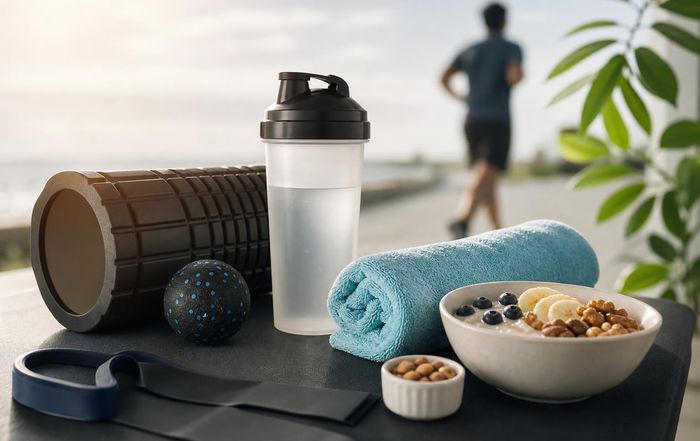
Mobility and flexibility training, including dynamic stretching, yoga, and targeted myofascial release, have become integral components of recovery routines for amateur athletes in countries such as Canada, the Netherlands, and South Korea, where urban lifestyles can contribute to prolonged sitting and postural imbalances. Movement quality, rather than simply movement quantity, is increasingly recognized as a determinant of injury risk and long-term performance. Educational content from American Council on Exercise and National Academy of Sports Medicine provides frameworks for integrating mobility into weekly plans, which can be accessed through ACE and NASM.
Within the editorial perspective of FitPulseNews, active recovery and mobility are frequently framed not only as performance tools but also as cultural shifts in how athletes relate to their bodies. Instead of viewing recovery as a passive, secondary activity, the modern amateur is encouraged to see it as a skill set to be developed, just like strength or speed. This aligns with the platform's broader focus on sports, culture, and innovation, highlighting how new practices and technologies are reshaping norms in gyms, clubs, and workplaces from London to Singapore.
Technology, Data, and the Rise of Personalized Recovery
Technological advances have transformed recovery from a generic set of recommendations into a more personalized, data-informed process. Wearable devices, smart rings, and connected fitness platforms now collect continuous data on heart rate, HRV, sleep duration and stages, and even skin temperature, offering estimates of daily readiness and recovery status. Companies such as Oura, Polar, and Fitbit have invested heavily in algorithms that interpret these signals, while major smartphone ecosystems integrate health dashboards that compile training and recovery data over long periods. More details on consumer health tracking trends can be found through industry analysis from McKinsey & Company at McKinsey.
For amateur athletes, especially those in tech-forward regions like the United States, South Korea, and the Nordic countries, this data can be empowering but also overwhelming. The challenge lies in distinguishing between meaningful trends and day-to-day noise, and in using data to inform decisions rather than to create anxiety. Trusted institutions such as MIT Sloan School of Management and World Economic Forum have examined the broader implications of digital health and performance tracking, exploring both the benefits and privacy considerations, with more information available at MIT Sloan and WEF.
From the vantage point of FitPulseNews, which covers technology and business alongside fitness and health, the rise of recovery tech is also a story about brands, markets, and jobs. New roles are emerging in sports technology, digital coaching, and data analytics, while established sportswear and equipment companies are partnering with software firms to deliver integrated recovery ecosystems. Readers following developments in sports-related careers and opportunities can explore the platform's coverage of jobs and brands, where the intersection of performance science and commercial innovation is increasingly prominent.
Mental Recovery, Stress Management, and Sustainable Ambition
Physical recovery cannot be fully separated from mental and emotional recovery, particularly for amateur athletes whose lives are intertwined with demanding careers, family responsibilities, and, in many regions, economic and social uncertainty. Psychological stress influences hormonal balance, sleep quality, and perception of effort, all of which shape athletic performance and injury risk. Organizations such as American Psychological Association and Mind in the United Kingdom have highlighted the role of sport and exercise in mental health, while also warning against the potential for overtraining and compulsive exercise behaviors. Readers can explore these perspectives through APA and Mind.
Mindfulness practices, breathing exercises, and structured mental skills training have therefore become increasingly common components of recovery plans, not only among elite athletes but also among dedicated amateurs across Europe, North America, and Asia. Techniques such as guided relaxation, journaling, and visualization can help athletes process competition experiences, manage performance anxiety, and maintain perspective during injury or setback. Leading medical centers, including Massachusetts General Hospital, provide accessible resources on integrating mindfulness into daily routines, available via Mass General.
For the global readership of FitPulseNews, mental recovery is also intertwined with broader themes of work-life integration, cultural expectations, and the pursuit of long-term sustainability in both sport and career. The platform's coverage of world events and news frequently touches on how economic shifts, remote work trends, and societal pressures influence health behaviors and access to sport. By situating recovery within this wider context, the publication underscores that sustainable ambition requires not only smart training plans but also realistic expectations, social support, and the willingness to adjust goals as life circumstances evolve.
Environmental and Sustainability Dimensions of Recovery
An emerging dimension of recovery practices in 2026 relates to environmental conditions and sustainability. Climate change has made training environments more volatile, with heatwaves, air pollution episodes, and extreme weather affecting outdoor sports across continents from Europe to Asia and North America. Recovery strategies now increasingly include monitoring air quality, adjusting training times to avoid extreme heat, and utilizing indoor facilities with proper ventilation when outdoor conditions are unsafe. Institutions such as World Meteorological Organization and European Environment Agency provide real-time and historical data on climate and air quality, which can be accessed via WMO and EEA.
At the same time, there is growing interest in how recovery products and services-from compression garments and massage devices to nutritional supplements and cryotherapy centers-impact the environment. Athletes in countries like Denmark, Norway, and New Zealand, where sustainability is a cultural priority, are increasingly seeking eco-conscious options that align with their values. This includes choosing reusable packaging, supporting companies with transparent supply chains, and favoring recovery modalities that minimize energy consumption. For readers who wish to explore how sustainability intersects with sport and health, FitPulseNews maintains dedicated coverage on environment and sustainability, highlighting innovations and policies that shape the future of active lifestyles.
From a business standpoint, as covered in the platform's innovation and events sections, conferences and trade shows in cities such as Berlin, London, and Singapore increasingly feature panels on sustainable sports technology and environmentally responsible recovery solutions. This convergence of performance science, environmental stewardship, and brand strategy reflects a broader shift in consumer expectations, particularly among younger athletes who view climate responsibility as integral to any conversation about long-term health and wellbeing.
Integrating Recovery into Daily Life: A Holistic, Personalized Approach!
For amateur athletes, the central challenge is no longer a lack of information about recovery but the need to integrate diverse strategies into a coherent, sustainable routine that fits within real-world constraints. The most effective recovery plans are holistic, combining sleep optimization, balanced nutrition, hydration, active recovery, mobility work, mental health practices, and, where appropriate, technology-driven monitoring. They are also personalized, taking into account age, training history, injury profile, work schedule, family responsibilities, and cultural context.
Across continents, from the fitness communities of the United States and Canada to the running clubs of the United Kingdom, Germany, and Spain, to the rapidly growing endurance scenes in Singapore, Thailand, and Brazil, amateur athletes are experimenting with different combinations of strategies, learning through both self-tracking and shared experience. Top fitness websites like this, with its daily and 100% original outlook and dedicated focus on fitness, health, and sports, serve as vital connectors in this process, curating expert perspectives, highlighting emerging research, and showcasing real-world stories that resonate with readers' lived realities.
As the lines between professional and amateur training practices continue to blur, the guiding principle that emerges is one of sustainable excellence. Recovery is not about doing less; it is about doing what matters most, at the right time, with an understanding of how the body and mind adapt. Whether an athlete is preparing for a local 10K in Italy, a charity cycling event in France, a triathlon in South Africa, or simply seeking to maintain energy and resilience for active family life in Japan or South Korea, the core message remains consistent: thoughtful, evidence-informed recovery is the foundation upon which all meaningful, long-term performance is built. In this evolving landscape, our fitness team remains committed to providing the best, nuanced guidance that ambitious amateurs worldwide need to train hard, recover smarter, and thrive both on and off the field.