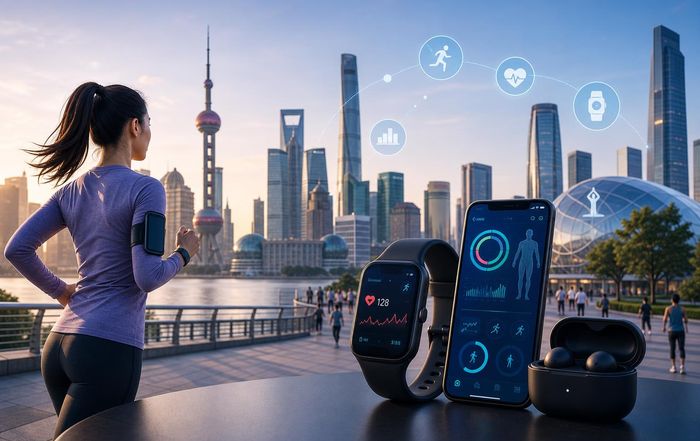
Genomic Fitness Platforms: Biotech’s Leap into Personalized Training

Last updated by Editorial team at fitpulsenews.com on Sunday 25 January 2026
Article Image for Genomic Fitness Platforms: Biotech’s Leap into Personalized Training

Genomic Fitness: How Biotech and AI Are Redefining Performance and Wellness

The convergence of biotechnology, artificial intelligence, and performance science has moved from experimental promise to practical infrastructure, transforming how individuals across the world approach health, fitness, and long-term performance. What was once a speculative vision-designing exercise, nutrition, and recovery strategies around an individual's genetic and molecular profile-has matured into a rapidly expanding ecosystem of genomic fitness platforms, advanced wearables, and AI-driven coaching systems. For the global business, sports, and wellness community that turns to FitPulseNews, this is no longer a fringe development but a structural shift that is redefining expectations of what training, corporate wellness, and preventive health can achieve from the United States and Europe to Asia-Pacific, Africa, and Latin America.

This evolution has been accelerated by falling sequencing costs, the expansion of publicly accessible genomic datasets, and continuous improvements in machine-learning models that can interpret complex biological signals at scale. At the same time, the demand side of the market has been shaped by a public increasingly skeptical of generic advice and standardized training plans. As misinformation proliferates on social media, more individuals, coaches, and executives turn to authoritative institutions such as the National Institutes of Health at nih.gov and the World Health Organization at who.int to anchor their understanding of evidence-based health optimization. Within this context, gene-informed training and nutrition are positioned not as shortcuts but as tools to align lifestyle decisions with the underlying biology of each person, whether that person is an elite footballer in Germany, a corporate executive in Singapore, or a recreational runner in Brazil.

Readers who follow the broader geopolitical and cultural implications of these developments can explore how genomic fitness intersects with public health, regulation, and social change through ongoing coverage at FitPulseNews World, where regional adoption patterns and policy debates are tracked in real time.

The Maturation of Genomic Fitness Platforms

By 2026, genomic fitness platforms have evolved far beyond the early-generation DNA kits that offered simple trait predictions and broad lifestyle suggestions. Companies such as 23andMe, Nebula Genomics, and a new wave of performance-focused biotechnology firms now combine whole-genome sequencing with epigenetic profiling, real-time biomarker monitoring, and AI-based performance modeling, creating adaptive systems that update as new data accumulates. Learn more about how this shift is reshaping health-tech strategy in the global marketplace through FitPulseNews Business.

These platforms integrate longitudinal training data, sleep and stress metrics, nutritional logs, and environmental exposure information to produce individualized performance blueprints. Early groundwork laid by research from Harvard Medical School, accessible via hms.harvard.edu, and the Mayo Clinic at mayoclinic.org validated gene-exercise interactions in areas such as muscle fiber distribution, VO₂ max potential, and injury susceptibility. That scientific foundation has since been extended by multi-center trials and collaborations between sports institutes, universities, and professional teams, allowing today's systems to translate complex genomic signals into practical training and nutrition decisions used in locker rooms, clinics, and high-performance labs across North America, Europe, and Asia.

For readers tracking how these tools are reshaping competitive sport and everyday training cultures, FitPulseNews continues to report on performance breakthroughs, coaching innovations, and athlete case studies at FitPulseNews Sports.

From Static DNA Reports to Dynamic Training Intelligence

The defining characteristic of genomic fitness in 2026 is its transition from static interpretation to dynamic, context-aware intelligence. Rather than simply telling a user that they may be predisposed to excel at endurance or power activities, modern platforms continuously map genetic variants to real-time physiological data, creating a feedback loop in which training plans evolve alongside the athlete or health seeker.

Genes linked to muscle contractile speed, mitochondrial density, lactic acid buffering, caffeine and alcohol metabolism, inflammatory response, and connective tissue resilience are interpreted in the light of daily metrics such as heart-rate variability, sleep architecture, training load, and perceived exertion. Research from institutions such as the Stanford University School of Medicine, available at med.stanford.edu, and the European Society of Human Genetics at eshg.org has clarified how specific variants influence adaptation rates, recovery windows, and susceptibility to overtraining, prompting coaches and clinicians to move decisively away from one-size-fits-all programming.

In practice, this means that two athletes preparing for the same marathon in London or Tokyo may receive radically different training prescriptions: one favoring higher-volume aerobic sessions with extended recovery days, the other emphasizing interval-heavy protocols with targeted strength work to compensate for biomechanical vulnerabilities revealed by their genomic and biomechanical profiles. For readers interested in how this personalized approach intersects with sleep, stress management, and mental health, FitPulseNews explores these cross-domain dynamics at FitPulseNews Wellness.

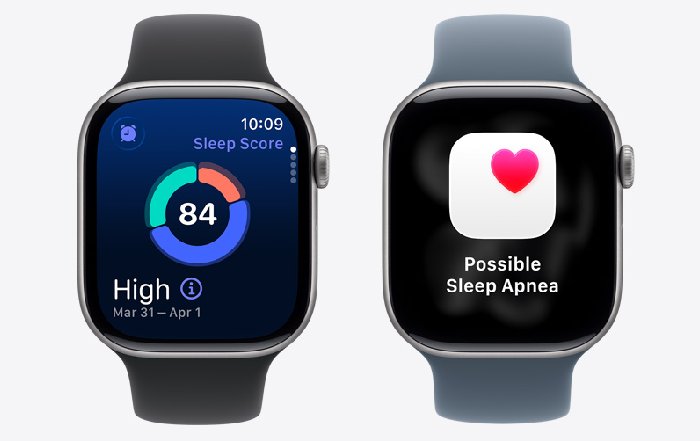
The role of advanced wearables has been critical in enabling this shift. Devices from companies such as Garmin, Oura, and Whoop now capture continuous streams of data on heart-rate variability, temperature fluctuations, oxygen saturation, and movement patterns, while high-end systems in elite environments add neuromuscular readiness, tendon loading, and even biochemical markers through sweat and interstitial fluid analysis. Clinical organizations like Cleveland Clinic, accessible via my.clevelandclinic.org, have underscored the importance of integrating such biomarkers into personalized activity planning to reduce injury and improve cardiometabolic health. FitPulseNews tracks how these devices are being deployed from grassroots fitness communities to Olympic training centers at FitPulseNews Fitness.

🧬 Genomic Fitness 2026

Interactive Guide to AI-Powered Performance & Wellness

1Dynamic Intelligence

Modern platforms continuously map genetic variants to real-time physiological data, creating adaptive training plans that evolve with the athlete. No more static DNA reports—your protocol is a living system.

2Precision Nutrition

Gene variants for lactose tolerance, caffeine metabolism, lipid handling, and insulin signaling are translated into personalized dietary recommendations, confirmed by continuous glucose monitoring.

3Injury Prevention

Genomic risk profiles combined with wearables tracking impact forces and muscle fatigue generate early warnings before overuse injuries occur, transforming rehabilitation protocols.

4Corporate Wellness

Leading employers offer genomic programs that help employees align work schedules, nutrition, and exercise with their biological rhythms, improving engagement and productivity.

🔬 Sequencing & Genomics

  • Whole-genome sequencing at consumer-accessible prices
  • Epigenetic profiling (DNA methylation)
  • GPU-accelerated variant calling
  • Cloud-based bioinformatics pipelines

🤖 AI & Machine Learning

  • Deep learning models trained on millions of profiles
  • Reinforcement learning for adaptive recommendations
  • Pattern detection for micro-adaptations
  • Predictive analytics for plateauing response

📊 Multi-Omic Integration

  • Transcriptomic & proteomic markers
  • Metabolomic analysis
  • Microbiome sequencing
  • Continuous glucose & ketone monitoring

⌚ Advanced Wearables

  • Heart-rate variability & sleep architecture
  • Neuromuscular readiness tracking
  • Tendon loading & biomechanical analysis
  • Sweat & interstitial fluid biomarkers

🇺🇸 North AmericaLeading

Strong adoption in US, Canada through tech professionals, fitness enthusiasts, academic medical centers, and pro sports franchises.

🇬🇧 EuropeExpanding

UK, Germany, Netherlands, Nordics integrate genomic fitness with preventive healthcare and social equity commitments.

🇸🇬 Asia-PacificStrategic

Singapore, South Korea, Japan, Australia embed genomic fitness into national smart healthcare and aging population strategies.

🌍 Africa & Latin AmericaEmerging

Pilot programs in South Africa and Brazil through universities and sports federations, focus on equitable access expansion.

Pre-2020: Foundation

Early DNA kits offer simple trait predictions. Research validates gene-exercise interactions at Harvard, Mayo Clinic, Stanford.

2020-2023: Integration

Platforms begin combining sequencing with wearables. AI models emerge for personalized coaching. Elite sports pilot programs launch.

2024-2025: Acceleration

Falling sequencing costs and improved ML models drive commercial expansion. Regulatory frameworks develop in US and EU.

2026: Maturation

Multi-billion dollar global industry. Dynamic, context-aware intelligence becomes standard. Precision is the new baseline.

Beyond: Multi-Omics

Full integration of genomic, epigenomic, transcriptomic, proteomic, metabolomic data with neuromuscular imaging and digital biomarkers.

2026

Current Year

$XXB

Industry Value

10+

Key Markets

24/7

Real-Time Data

Key Performance Areas

Muscle Analysis:Fiber distribution, contractile speed, mitochondrial density
Metabolism:VOâ‚‚ max potential, fat/carb utilization, lactic acid buffering
Recovery:Inflammatory response, connective tissue resilience, sleep architecture
Nutrition:Caffeine/alcohol metabolism, micronutrient absorption, insulin signaling
Risk Assessment:Injury susceptibility, overtraining markers, tendon/ligament structure

Inside the Tech Stack: Sequencing, AI, and Molecular Analytics

Behind the user-friendly dashboards that present daily training and nutrition recommendations lies a sophisticated technology stack that would have been unthinkable in consumer health ten years ago. Whole-genome sequencing, now priced within reach of upper-middle-class consumers in major markets and increasingly subsidized in corporate and elite sports settings, provides the foundational data. Sequencing providers employ advanced bioinformatics pipelines, GPU-accelerated variant calling, and large-scale cloud infrastructure to process trillions of base pairs and map them against curated reference genomes.

These genomic datasets are then layered with epigenetic information-such as DNA methylation profiles associated with biological age and stress exposure-as well as transcriptomic, proteomic, and metabolomic markers in more advanced offerings. Leading scientific publishers like Nature, at nature.com, and research organizations such as the European Molecular Biology Laboratory, at embl.org, continue to document how differences in these molecular layers shape fat oxidation, glucose utilization, cognitive resilience, and circadian timing, allowing platforms to move beyond simplistic "fit gene" narratives toward a nuanced understanding of human adaptability.

Artificial intelligence is the connective tissue that turns these heterogeneous signals into actionable guidance. Modern systems use deep learning and reinforcement learning models trained on millions of anonymized user profiles, cross-referenced with clinical trial data and elite performance datasets, to identify patterns that would be invisible to human analysts. These models detect subtle micro-adaptations-such as the early signs of plateauing response to a particular training stimulus or the metabolic impact of a shift in macronutrient balance-and adjust recommendations before performance or health deteriorates. Readers who wish to understand how these AI architectures relate to broader innovation trends in health and sport can explore additional analysis at FitPulseNews Technology and FitPulseNews Innovation.

Commercial Expansion and Regulatory Alignment

By 2026, genomic fitness has become a multi-billion-dollar global industry, with strong footholds in the United States, United Kingdom, Germany, Canada, Australia, and Singapore, and rapidly growing presence in markets such as South Korea, Japan, the Netherlands, and the Nordic region. This expansion has been accompanied by increased regulatory scrutiny. In the United States, the U.S. Food and Drug Administration, at fda.gov, has continued to refine its guidance on direct-to-consumer genetic testing, digital therapeutics, and AI-driven decision support, prompting leading platforms to invest heavily in validation studies and post-market surveillance. In Europe, the European Medicines Agency, accessible at ema.europa.eu, and national data protection authorities have focused on transparency, consent, and cross-border data flows, shaping how genomic data can be stored, analyzed, and monetized.

Elite sport has been a powerful catalyst for adoption. Organizations such as the International Olympic Committee, at olympics.com, have encouraged evidence-based innovation while maintaining strict anti-doping regulations, prompting performance teams to rely on genomic and molecular insights that enhance natural adaptation rather than pharmacological manipulation. Corporate wellness programs, particularly in finance, technology, and professional services hubs from New York and London to Zurich and Singapore, have also embraced genomically informed interventions as part of broader strategies to reduce burnout, absenteeism, and healthcare costs. FitPulseNews examines these workforce implications and the emerging field of occupational genomics at FitPulseNews Jobs.

The User Journey: From Sample Collection to Daily Decisions

For the end user-whether an amateur cyclist in Italy, a software engineer in Canada, or a professional basketball player in Spain-the genomic fitness journey typically begins with a saliva or blood sample collected at home or in a partner clinic. These samples are processed in laboratories accredited by the College of American Pathologists, reachable at cap.org, or equivalent bodies in Europe and Asia, ensuring analytical validity and quality control.

Once the sequencing and initial analysis are complete, AI engines translate raw genomic data into structured insights. Users receive detailed but accessible reports on traits such as muscle composition, aerobic potential, carbohydrate and fat metabolism, caffeine and alcohol sensitivity, injury risk factors, and recovery profiles. These reports are integrated into app-based coaching systems that convert high-level findings into actionable routines, such as recommended training intensities, weekly mileage caps, strength priorities, sleep targets, and nutritional frameworks. For more context on how these findings relate to broader health outcomes, readers can explore FitPulseNews Health.

The experience becomes more powerful as real-time data streams are added. Continuous glucose monitors from companies like Dexcom and performance-focused metabolic platforms such as Levels Health provide minute-by-minute insight into how different foods, stressors, and training sessions influence blood sugar dynamics. Sleep and recovery metrics from advanced wearables are fed back into the system to refine daily adjustments. Over weeks and months, the platform learns which interventions produce the best outcomes for each individual, creating a form of "living protocol" that evolves with changes in age, environment, and life circumstances. FitPulseNews continues to profile how such integrated ecosystems are reshaping training cultures across continents at FitPulseNews Fitness.

Global Sports Performance and Talent Development

In high-performance sport, genomic fitness has moved from experimental pilot to strategic necessity, particularly in nations that see international success as a matter of cultural pride and economic signaling. Institutions such as the English Institute of Sport, at eis2win.co.uk, and the Australian Institute of Sport, at ausport.gov.au, have been among the early adopters, using genetic and molecular data to refine talent identification, design individualized training blocks, and reduce time lost to injury.

By understanding variants linked to tendon and ligament structure, collagen synthesis, inflammatory pathways, and neuromuscular coordination, performance teams can anticipate which athletes may require modified loading schemes, additional mobility work, or specific nutritional support to remain healthy across long competitive seasons. In football academies in Spain and Germany, genomic and biomechanical assessments are increasingly used to guide position specialization and conditioning strategies, while in endurance sports hubs in Kenya, Ethiopia, Norway, and Japan, such tools are being explored to support altitude adaptation and recovery planning. FitPulseNews follows these developments and their impact on international competition at FitPulseNews Sports.

Cultural Adoption Across Regions

The cultural integration of genomic fitness varies significantly by region, reflecting differences in healthcare systems, privacy norms, and attitudes toward technology. In the United States, United Kingdom, and Canada, early consumer adoption has been driven by tech-savvy professionals and fitness enthusiasts, while institutional uptake has been strongest in academic medical centers and professional sports franchises. Organizations such as the Centers for Disease Control and Prevention, at cdc.gov, have emphasized genomic literacy and data protection, helping to build public trust.

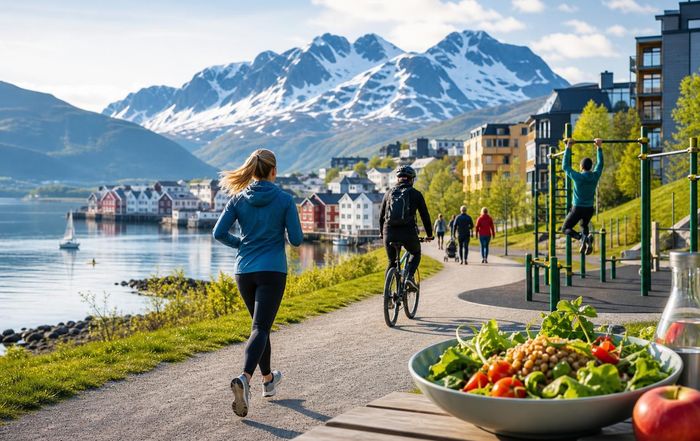
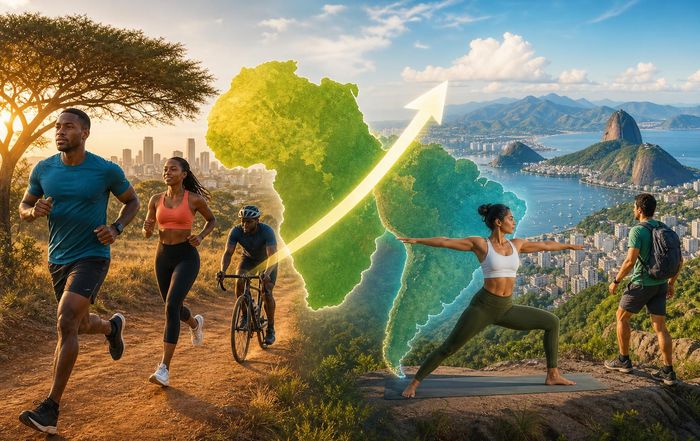
In Asia, countries such as Singapore, South Korea, and Japan have integrated genomic fitness into broader national strategies around smart healthcare and aging populations, often through collaborations between government agencies, universities, and private-sector innovators. In the Nordic region, including Sweden, Norway, Denmark, and Finland, genomic training aligns with long-standing commitments to preventive healthcare, social equity, and outdoor physical culture. In South Africa and Brazil, adoption has been more uneven, but leading universities and sports federations are piloting genomic tools in elite programs, with a growing emphasis on ensuring that benefits extend beyond small, privileged groups. For readers interested in these cultural dynamics and their implications for identity, access, and social norms, FitPulseNews provides deeper analysis at FitPulseNews Culture.

Ethics, Privacy, and Data Stewardship

The rapid expansion of genomic fitness has sharpened ethical questions around privacy, consent, discrimination, and data ownership. Genomic information is among the most sensitive categories of personal data, and misuse-whether by insurers, employers, or bad actors-could have long-lasting consequences. Advocacy groups such as the Electronic Frontier Foundation, at eff.org, have called for robust encryption, clear consent frameworks, and strict limitations on secondary data use, while international organizations like UNESCO, at unesco.org, have promoted global principles for the ethical use of genetic information.

Equity is another central concern. While high-income individuals in New York, London, Zurich, or Singapore can already access sophisticated genomic and multi-omic fitness platforms, many communities in Africa, South Asia, and parts of Latin America still lack basic diagnostic infrastructure. Without deliberate policy and investment, genomic fitness risks becoming another driver of health inequality. FitPulseNews examines these global justice issues and emerging models for inclusive innovation at FitPulseNews World.

Nutrition and Metabolism Reimagined

One of the most commercially visible and scientifically active areas of genomic fitness is personalized nutrition. By 2026, platforms routinely analyze gene variants associated with lactose tolerance, gluten sensitivity, caffeine metabolism, lipid handling, micronutrient absorption, and insulin signaling, translating them into tailored dietary recommendations. Organizations such as the American Society for Nutrition, at nutrition.org, continue to publish research on gene-diet interactions, supporting more nuanced approaches than the generic low-carb versus low-fat debates of previous decades.

Continuous glucose monitoring and, in some markets, wearable ketone and lactate sensors provide real-time confirmation of how individuals respond to specific foods, meal timing strategies, and training sessions. Microbiome sequencing, while still an emerging science, is increasingly integrated into high-end offerings, adding another layer of personalization that accounts for gut flora's role in inflammation, energy extraction, and mood. FitPulseNews explores how these developments are changing the way people from the United States to Italy, Japan, and Brazil think about food, performance, and longevity at FitPulseNews Nutrition.

Longevity, Recovery, and Injury Prevention

As populations age in Europe, North America, and parts of Asia, genomic fitness is converging with longevity science. Genes involved in mitochondrial efficiency, DNA repair, antioxidant capacity, and inflammatory control are being studied for their impact on both performance and healthy lifespan. The Buck Institute for Research on Aging, at buckinstitute.org, and other longevity centers have highlighted the potential of combining genomic insights with structured exercise, optimized nutrition, and sleep strategies to delay age-related decline.

Injury prevention remains a primary use case in both elite sport and recreational fitness. Guidelines from organizations such as the American College of Sports Medicine, at acsm.org, increasingly reference the importance of individualized load management and recovery planning. Wearables that track impact forces, joint angles, and muscle fatigue are being paired with genomic risk profiles to generate early warnings before overuse injuries or stress fractures occur. FitPulseNews continues to examine how these tools are changing rehabilitation, return-to-play protocols, and everyday wellness at FitPulseNews Wellness.

Corporate Wellness, Productivity, and Brand Strategy

In the corporate sphere, genomic wellness has become a competitive differentiator in talent markets, particularly in sectors where long hours and cognitive demands are intense. Research firms such as Gallup, at gallup.com, have documented the economic impact of employee well-being on engagement, retention, and productivity, encouraging organizations to invest in more sophisticated health programs. Forward-looking employers in the United States, United Kingdom, Germany, and Singapore now offer optional genomic and biomarker-based programs that help employees align work schedules, nutrition, and exercise with their biological rhythms, while emphasizing strict privacy protections and voluntary participation.

For the brands that build and deliver these solutions, positioning has shifted from pure technology or healthcare messaging to holistic performance and lifestyle narratives. Biotech and health-tech companies partner with institutions such as Cleveland Clinic, Harvard Health Publishing, and Stanford Medicine to reinforce scientific credibility, while management consultancies like McKinsey & Company, at mckinsey.com, publish market analyses that attract institutional investors. FitPulseNews tracks how these brands are shaping consumer expectations and competitive landscapes at FitPulseNews Brands and FitPulseNews Business.

Sustainability, Environment, and Societal Impact

The rise of genomic fitness is also intersecting with sustainability and environmental policy. As governments and organizations seek to reduce the burden of chronic disease on healthcare systems, personalized prevention strategies are increasingly seen as a complement to environmental and social interventions. The United Nations Environment Programme, at unenvironment.org, has emphasized the interconnectedness of planetary health and human health, underscoring that lifestyle-related disease reduction can lower resource use and emissions associated with medical care.

Some countries in Europe and Asia are exploring how population-level genomic insights, combined with anonymized lifestyle data, can inform urban planning, public sports infrastructure, and targeted health campaigns, provided that privacy and consent are rigorously protected. FitPulseNews examines these intersections between health, climate, and policy at FitPulseNews Environment and FitPulseNews Sustainability.

Innovation Frontiers and Cybersecurity Challenges

Looking ahead, the frontier of genomic fitness lies in fully integrated multi-omic platforms that combine genomic, epigenomic, transcriptomic, proteomic, metabolomic, and microbiomic data into unified models of human performance and resilience. Advances in neuromuscular imaging, brain-computer interfaces, and digital biomarkers of mental health are likely to be incorporated, creating even richer pictures of how individuals respond to training, stress, and environment. FitPulseNews continues to cover these breakthroughs and their commercialization pathways at FitPulseNews Innovation.

However, as data volumes and sensitivity increase, so do cybersecurity risks. Agencies such as the Cybersecurity and Infrastructure Security Agency, at cisa.gov, have warned of the strategic value of genomic and health data, prompting platforms to invest heavily in encryption, zero-trust architectures, and continuous monitoring. Regulatory frameworks are still catching up, particularly in emerging markets, and the industry's long-term viability will depend on its ability to maintain trust in the face of evolving threats. Readers can follow how these regulatory and security debates unfold across regions at FitPulseNews News.

A 2026 Outlook: Precision as the New Baseline

By 2026, genomic fitness is no longer a speculative concept but a defining feature of the global health and performance landscape. From world-class athletes preparing for major championships in Paris or Los Angeles to office workers in Toronto, Berlin, and Seoul seeking sustainable energy and resilience, individuals are increasingly empowered to align their choices with their unique biological signatures. This shift is reshaping expectations in healthcare, sport, corporate leadership, and consumer technology, and it aligns closely with FitPulseNews' mission to examine the intersection of science, technology, and human potential for an audience that spans continents and industries.

The next phase of this evolution will be determined not only by scientific and technological progress but by the sector's ability to uphold experience, expertise, authoritativeness, and trustworthiness. The most influential organizations will be those that combine rigorous validation with transparent communication, respect for privacy, and a commitment to equitable access. If these conditions are met, genomic fitness has the potential to contribute to a healthier, more resilient, and more informed global population-one in which precision is not a luxury for the few but a new baseline for how people everywhere train, work, and live.

For ongoing coverage that connects these developments across health, fitness, business, sports, technology, culture, and sustainability, readers can explore the full range of reporting and analysis at FitPulseNews.

Emerging Leadership Roles in Wellness and Fitness Across Emerging Economies

Last updated by Editorial team at fitpulsenews.com on Sunday 25 January 2026
Article Image for Emerging Leadership Roles in Wellness and Fitness Across Emerging Economies

Emerging Wellness Leadership: How High-Growth Economies Are Redefining Global Health and Fitness

The global conversation around health, longevity, and preventive care has moved decisively from aspiration to strategy, and nowhere is this shift more visible than in emerging economies where wellness, fitness, and preventive health are now treated as core pillars of national development, business competitiveness, and social stability. Across Asia, Africa, South America, the Middle East, and parts of Eastern Europe, a new generation of wellness leaders is reshaping how health is delivered, experienced, and monetized, and this transition is being closely followed by decision-makers, investors, and practitioners who regularly turn to FitPulse News for timely insight into the intersection of health, fitness, business, and technology.

Rising chronic disease burdens, rapid urbanization, demographic aging in some regions and youthful populations in others, and unprecedented access to digital health information have converged to create a new wellness paradigm that extends far beyond traditional gyms or hospital-based care. In markets from India, Indonesia, and Vietnam to Nigeria, Brazil, and South Africa, forward-looking executives, sports performance directors, digital health architects, public health strategists, and community organizers are building ecosystems that treat well-being as a strategic asset rather than a discretionary lifestyle choice. Their work is increasingly relevant not only for local populations but for global stakeholders in the United States, United Kingdom, Germany, Canada, Australia, Singapore, and across Europe and Asia who monitor these developments through platforms such as FitPulse News global and regional coverage and external resources like World Bank insights on human capital and development.

This emerging leadership class operates with a heightened sense of responsibility for evidence, ethics, and long-term impact. Many are guided by frameworks from organizations such as the World Health Organization, whose evolving guidance on noncommunicable diseases, digital health, and primary care integration can be explored through resources like WHO health systems and innovation. Others draw on research from academic centers such as the Harvard T.H. Chan School of Public Health, where extensive work on global health, nutrition, and preventive medicine continues to shape policy and practice and is accessible via Harvard public health research and analysis. At the same time, local entrepreneurs and practitioners are adapting these global standards to regional realities, creating models that are culturally resonant, economically viable, and technologically scalable, a dynamic that is regularly examined within FitPulse News wellness and innovation coverage.

For a readership deeply engaged with sectors spanning sports, brands, jobs, culture, technology, and sustainability, the evolution of wellness leadership in emerging economies is no longer a peripheral story; it is a central narrative about where new markets, new careers, and new forms of influence are being built. This article explores how investment has accelerated, which leadership archetypes are proving most influential, and why these roles are now embedded in broader conversations about economic growth, ESG performance, and societal resilience that matter to business and policy audiences worldwide.

The New Scale and Direction of Wellness Investment

Over the last decade, wellness and fitness have moved from being seen as consumer trends to being recognized as strategic levers for productivity, innovation, and national competitiveness. Governments from Brazil to the United Arab Emirates, Mexico, South Africa, and Indonesia have incorporated preventive health, sports development, and corporate wellness into their national strategies, acknowledging that unmanaged chronic disease and low physical activity carry heavy economic costs. The Global Wellness Institute has consistently documented the expansion of the global wellness economy, offering detailed sector analyses through resources such as Global Wellness Institute industry research, and its latest figures underline the disproportionate growth occurring in emerging markets where urbanization, rising incomes, and digital access are reshaping consumer expectations.

In many of these regions, a growing middle class is demanding higher-quality healthcare, credible fitness guidance, and nutrition education aligned with international standards, while younger populations, heavily influenced by global sports culture and social media, are pushing for performance-oriented training and aspirational wellness experiences. This demand has triggered a wave of investment in health clubs, boutique studios, sports academies, wellness resorts, and digital platforms, as well as in infrastructure such as cycling lanes, public parks, and community sports facilities. Policymakers and investors frequently reference data and frameworks from sources like OECD health and economic analysis to understand how wellness spending translates into long-term economic returns, while readers at FitPulse News follow related developments through ongoing business and world coverage.

Simultaneously, the integration of technology has accelerated, with emerging markets embracing mobile-first health solutions, AI-driven coaching, and telehealth at a pace that often rivals or exceeds that of wealthier nations. Insights from organizations such as Stanford Medicine, which maintains a strong focus on digital health and data-driven care through initiatives documented at Stanford digital health programs, are increasingly influential among leaders designing scalable solutions for large, diverse populations. As a result, wellness investment is no longer limited to physical infrastructure; it now encompasses data platforms, cloud-based engagement tools, and integrated health records that support a more preventive, personalized approach to care.

For readers of FitPulse News, this investment wave is not simply a macroeconomic story; it is a source of new opportunities in employment, entrepreneurship, and cross-border collaboration. The expansion of wellness ecosystems is generating demand for specialized talent, reshaping corporate benefits strategies, and opening new markets for brands and service providers, themes that are regularly explored across FitPulse News jobs and FitPulse News brands.

Digital Wellness Architects and the Data-Driven Fitness Ecosystem

One of the most distinctive leadership roles to emerge in this environment is that of the digital wellness architect, a professional who combines expertise in behavioral science, user experience design, data analytics, and public health to create digital ecosystems capable of delivering credible wellness support at scale. In markets where smartphone penetration is high but physical health infrastructure remains uneven, these leaders are building mobile-first solutions that provide exercise programming, nutrition guidance, mental health tools, and health literacy resources in multiple languages and at accessible price points.

Digital wellness architects in India, Thailand, Nigeria, Brazil, and beyond are leveraging advances in AI and machine learning, often inspired by research and tools from institutions such as MIT, whose work on human-computer interaction, AI ethics, and digital platforms is captured in resources like MIT innovation and research overviews. Their platforms frequently integrate with wearables from companies such as Apple, Google, and Garmin, the latter continuing to influence performance tracking standards as documented through Garmin's connected fitness ecosystem. These integrations enable personalized feedback loops based on heart rate, sleep, activity levels, and stress markers, which can be adapted to local cultural norms and health priorities.

For emerging economies, digital wellness leadership is not merely a matter of convenience; it is a critical mechanism for expanding access and reducing disparities. In peri-urban and rural communities where in-person coaching is scarce, mobile platforms supported by digital wellness architects can deliver structured exercise plans, chronic disease management support, and culturally adapted health education, often in partnership with public health agencies and NGOs. Readers following these technology-driven shifts can explore related analysis in FitPulse News technology and innovation sections, where the convergence of AI, mobile platforms, and preventive care is a recurring theme.

Corporate Wellness Strategists and the Changing Nature of Work

As workforces in emerging markets become more knowledge-intensive and distributed, corporate wellness has transitioned from a discretionary perk to a business necessity. Burnout, musculoskeletal disorders, and mental health challenges have become more visible in fast-growing sectors such as technology, financial services, logistics, and business process outsourcing across India, the Philippines, South Africa, and Latin America. This has elevated the role of corporate wellness strategists, who design and oversee integrated wellness frameworks that align employee health with organizational performance and employer brand.

These leaders draw on multidisciplinary knowledge-occupational health, organizational psychology, data analytics, and change management-to build programs that address physical activity, nutrition, sleep, stress, and social connection in a cohesive manner. Many reference research from advisory firms such as McKinsey & Company, whose work on health, productivity, and the future of work is widely consulted and accessible through McKinsey's perspectives on workplace health. At the same time, they incorporate tools from digital mental health and mindfulness providers, including platforms inspired by Headspace and Calm, which have helped normalize conversations about mental well-being and can be better understood through resources like Headspace mental wellness insights.

In emerging economies, corporate wellness strategists are frequently at the forefront of destigmatizing mental health, negotiating health benefits with insurers, and integrating hybrid wellness offerings for on-site, remote, and gig workers. They are also beginning to align wellness initiatives with ESG and sustainability commitments, recognizing that healthier employees contribute to lower healthcare costs, lower turnover, and more resilient organizations. For business leaders and HR professionals who follow FitPulse News, these developments are directly relevant to talent retention, employer branding, and risk management, and are regularly discussed within FitPulse News business and jobs coverage.

🌍 Global Wellness Leadership Dashboard

Exploring Emerging Economies' Health & Fitness Innovation

💻 Digital Wellness Architects

Building mobile-first AI-driven platforms for health at scale, integrating behavioral science, UX design, and data analytics for accessible wellness solutions.

🏢 Corporate Wellness Strategists

Designing integrated frameworks aligning employee health with business performance, addressing burnout, mental health, and organizational resilience.

⚽ Sports Performance Directors

Leading multidisciplinary teams using biomechanics, GPS tracking, and recovery science to professionalize athletic pathways and talent development.

🥗 Nutrition & Lifestyle Medicine Specialists

Combating chronic disease through evidence-based dietary interventions, exercise prescriptions, and culturally viable preventive protocols.

🤝 Community Fitness Mobilizers

Democratizing wellness at grassroots level through local trainers, walking clubs, and accessible movement programs in communities.

🌱 Sustainable Wellness Executives

Linking planetary and human health through green building design, low-waste operations, and environmental responsibility in wellness infrastructure.

🤲 Public-Private Partnership Leaders

Coordinating government, private sector, and NGOs for system-level health initiatives and population-scale wellness programs.

🚀 Wellness Entrepreneurs

Launching innovative ventures from digital platforms to boutique studios, combining scientific rigor with cultural authenticity and local identity.

🇮🇳 India

Digital health, corporate wellness, sports academies

🇧🇷 Brazil

Fitness innovation, sports culture, national health strategy

🇮🇩 Indonesia

Mobile-first wellness, urbanization response

🇳🇬 Nigeria

Community mobilization, youth development

🇿🇦 South Africa

Public-private partnerships, chronic disease prevention

🇦🇪 UAE

National wellness strategy, sustainability focus

🇲🇽 Mexico

Sports development, preventive health integration

🇻🇳 Vietnam

Tech-enabled fitness, rapid market growth

Digital Health Platforms92%
92%
Corporate Wellness Programs78%
78%
Sports Infrastructure85%
85%
Wellness Tourism88%
88%
Community Programs73%
73%
Sustainable Wellness67%
67%

Growth rates represent investment acceleration in emerging markets (2020-2026)

Economic Competitiveness

Wellness treated as strategic lever for productivity, innovation, and national development rather than discretionary lifestyle choice.

Workforce Resilience

Employee health directly impacts organizational performance, talent retention, and employer brand in knowledge-intensive economies.

Healthcare System Integration

Preventive wellness embedded into primary care, reducing chronic disease burden and long-term healthcare costs.

ESG & Sustainability

Wellness initiatives aligned with environmental responsibility and corporate social impact commitments.

Digital Leapfrogging

Mobile-first solutions enabling emerging markets to bypass traditional infrastructure limitations and scale rapidly.

Career Professionalization

Robust talent pipelines through expanded education in sports science, nutrition, public health, and wellness management.

Sports Performance Directors and the Professionalization of Athletic Pathways

Sports have become a powerful economic and cultural engine in many emerging economies, with governments and private investors recognizing the potential of professional leagues, international events, and talent export to drive tourism, media rights, and national soft power. This has placed sports performance directors at the center of a rapidly professionalizing ecosystem where data, science, and long-term athlete development are paramount.

These directors oversee multidisciplinary teams of strength and conditioning coaches, sports scientists, performance analysts, physiotherapists, and psychologists, integrating biomechanics, GPS tracking, motion capture, and recovery science into high-performance environments. They frequently collaborate with specialized institutions such as Aspetar Orthopaedic and Sports Medicine Hospital, which shares research and best practices through resources like Aspetar sports science publications, and they maintain strong relationships with global sports bodies including FIFA and the International Olympic Committee, both of which provide frameworks for talent development and athlete welfare.

Major sportswear and equipment brands such as Nike and Adidas continue to invest in grassroots and elite programs across Africa, Asia, and Latin America, shaping the infrastructure and expectations within which sports performance directors operate, a dynamic that can be followed through sources like Nike's community and global sports initiatives. For readers of FitPulse News sports coverage at FitPulse News sports, the work of these directors offers insight into how emerging markets are building competitive pipelines in football, cricket, athletics, combat sports, and more, while also raising standards for athlete health, safety, and post-career planning.

Nutrition, Lifestyle Medicine, and the Battle Against Chronic Disease

Rapid dietary transitions-characterized by higher consumption of ultra-processed foods, sugar-sweetened beverages, and sedentary behaviors-have contributed to rising rates of obesity, type 2 diabetes, cardiovascular disease, and certain cancers across emerging economies. In response, nutrition leaders and lifestyle medicine specialists have assumed increasingly prominent roles in both public policy and private practice, focusing on evidence-based interventions that are culturally and economically viable.

These leaders draw heavily on guidance from the World Health Organization, which offers extensive materials on diet-related noncommunicable diseases and risk-factor reduction through resources such as WHO guidance on healthy diets and physical activity. They also engage with research from institutions like Johns Hopkins Bloomberg School of Public Health, whose work on global nutrition, food systems, and population health is documented at Johns Hopkins public health resources. In practice, this means designing dietary guidelines that acknowledge traditional food cultures while addressing modern risk factors, promoting health literacy in schools and workplaces, and integrating nutrition counseling into primary care and corporate wellness programs.

Lifestyle medicine leaders complement these efforts by advocating for exercise prescriptions, stress management, sleep hygiene, and social connection as core components of clinical care. In some countries, they are working closely with healthcare integration leaders and hospital systems to embed preventive protocols into routine consultations, a trend reflected in initiatives from institutions such as Cleveland Clinic, which shares frameworks for preventive and lifestyle-oriented care through Cleveland Clinic wellness and lifestyle medicine. For readers who follow FitPulse News health and nutrition content, these developments underscore how nutrition and lifestyle medicine are moving from the margins of public discourse into the center of national health strategies.

Community Fitness Mobilizers and the Local Face of Wellness

While national policies and corporate strategies are critical, the democratization of wellness in emerging economies ultimately depends on what happens at the community level. Here, community fitness mobilizers-local trainers, educators, organizers, and influencers-play a pivotal role in translating high-level strategies into everyday practice. Operating in schools, community centers, workplaces, public parks, and informal spaces, they organize group workouts, walking clubs, youth sports leagues, and neighborhood challenges that make movement and basic health education accessible to people who may never join a formal gym.

These mobilizers often partner with NGOs and international organizations such as UNICEF, which has long recognized the importance of physical activity and safe play for children's development and documents its efforts through UNICEF child health and development initiatives. In many cases, they leverage social media and low-cost digital tools to share home-based workouts, basic nutrition tips, and mental health resources, creating micro-communities of accountability and support. For FitPulse News readers, particularly those tracking wellness and events, these grassroots efforts illustrate how trust, cultural understanding, and community leadership can amplify the impact of national and corporate programs.

Sustainable Wellness Executives and the Link Between Planetary and Human Health

By 2026, the connection between environmental sustainability and human well-being is no longer theoretical; climate change, air pollution, water scarcity, and biodiversity loss are directly shaping health outcomes in many emerging economies. This has given rise to sustainable wellness executives, leaders who ensure that wellness infrastructure, products, and programs are designed and operated with environmental responsibility at their core.

These executives oversee initiatives such as green building design for gyms and wellness centers, energy-efficient equipment, low-waste operations, and clean-air advocacy. Many refer to frameworks from the United Nations Environment Programme (UNEP), which provides guidance on sustainable consumption, climate resilience, and green cities through resources like UNEP environment and health insights. In parallel, they collaborate with nutrition leaders to promote sustainable diets, drawing on research from organizations such as the Food and Agriculture Organization of the United Nations (FAO), whose work on sustainable food systems and regenerative agriculture is available at FAO sustainable food systems and nutrition.

For companies and governments, sustainable wellness leadership is increasingly tied to ESG reporting and long-term risk management, as investors and consumers alike scrutinize how brands align their wellness narratives with credible environmental action. Readers can explore related perspectives within FitPulse News environment and FitPulse News sustainability coverage, where the convergence of climate, health, and business strategy is an area of growing focus.

Public-Private Partnership Leaders and System-Level Change

The complexity of health challenges facing emerging economies-ranging from infectious diseases and maternal health to chronic disease and mental health-has made it clear that neither governments nor private entities can act alone. Public-private partnership leaders have therefore become central architects of national wellness strategies, coordinating efforts among ministries of health, education, sport, finance, private employers, insurers, NGOs, and community groups.

These leaders design and manage initiatives such as nationwide screening campaigns, subsidized access to fitness facilities, school-based physical activity programs, and digital health platforms that operate at population scale. They draw on frameworks and case studies from institutions like the World Bank, which has extensively documented the economic and social returns of investing in health and human capital and provides analytical tools through World Bank human capital and health programs. For readers of FitPulse News world and business sections at FitPulse News world, the work of these partnership leaders offers a window into how policy, finance, and community engagement are being integrated to produce measurable improvements in population well-being.

Wellness Entrepreneurs, Brand Builders, and the New Market Landscape

Alongside institutional leaders, a vibrant wave of wellness entrepreneurs is redefining the market landscape across emerging economies. These founders are launching digital fitness platforms, boutique studios, health food brands, performance academies, wellness tourism ventures, and culturally rooted mindfulness and recovery concepts that speak to local identities while meeting global standards of quality and safety.

Many of these entrepreneurs are informed by research and case studies from Harvard Business School, which continues to analyze the intersection of health, consumer behavior, and innovation through resources such as Harvard Business School entrepreneurship and healthcare insights. They are acutely aware that trust and authenticity are non-negotiable in wellness, and they often differentiate their brands by combining scientific rigor, transparent sourcing, and community engagement. For FitPulse News readers tracking brands and business growth, these ventures highlight where new value is being created and how local brands are beginning to compete with or complement established global players.

Education, Professionalization, and the Future Talent Pipeline

Underlying all these developments is an accelerating effort to professionalize wellness-related careers and build robust talent pipelines. Universities and training institutions across Asia, Africa, Latin America, and Eastern Europe are expanding programs in sports science, nutrition, public health, digital health, and wellness management, often in collaboration with global partners. Educational leaders are working with organizations such as Cleveland Clinic, Johns Hopkins University, and regional accrediting bodies to ensure that curricula reflect the latest evidence and ethical standards.

This professionalization trend is essential for building trust and authoritativeness in a field that has sometimes been undermined by misinformation and unregulated practices. It also creates clearer career pathways for young professionals in markets where interest in wellness, sports, and health technology is high. Readers interested in the evolving skills landscape and career opportunities can explore related reporting in FitPulse News jobs coverage, where the growth of wellness-related roles is increasingly visible across geographies.

A Strategic Imperative for Business and Society

As 2026 progresses, it is clear that wellness leadership in emerging economies has moved into a new phase characterized by deeper integration with healthcare systems, stronger alignment with sustainability agendas, and more sophisticated use of data and technology. Artificial intelligence and predictive analytics are beginning to inform personalized prevention strategies; national wellness policies are becoming more holistic, encompassing physical activity, mental health, nutrition, and environmental quality; and accreditation frameworks are raising the bar for professional practice across the sector.

For the global business audience that turns to FitPulse News, these developments carry several implications. Wellness is now a material factor in workforce productivity, brand reputation, and investment risk; it shapes tourism flows and urban planning; and it influences how countries position themselves in an increasingly competitive global economy. Leaders who understand how emerging markets are innovating in wellness-often leapfrogging traditional models-will be better positioned to form partnerships, enter new markets, and design products and services that are both impactful and commercially viable.

From the vantage point of FitPulse News, which connects readers across North America, Europe, Asia, Africa, and South America to developments in health, fitness, sports, culture, technology, and sustainability, the rise of these new wellness leadership roles is not simply a story about lifestyle trends. It is a story about how societies are reorganizing their priorities, how businesses are redefining value, and how individuals-from digital architects to community mobilizers-are shaping a more resilient and health-conscious global future.

The Surge of Women in Strength Sports: Breaking Barriers and Building Legacy

Last updated by Editorial team at fitpulsenews.com on Sunday 25 January 2026
Article Image for The Surge of Women in Strength Sports: Breaking Barriers and Building Legacy

Women, Strength, and the New Global Power Economy: How Female Strength Sports Are Redefining Performance and Business

The global rise of women in strength sports has become one of the defining stories of modern athletics, health, and business, and today it is clear that this movement is no longer a marginal trend but a structural transformation of the sports and fitness ecosystem. What began as a quiet challenge to entrenched norms in powerlifting gyms and weightlifting clubs has evolved into a powerful global economy spanning elite sport, digital coaching, apparel, technology, wellness, and sustainable facility design, with women at the center of performance innovation and commercial growth. For FitPulse News, whose readers follow developments across health, fitness, business, sports, technology, and sustainability, the ascent of female strength athletes offers a uniquely integrated lens through which to understand how physical power, data-driven training, and inclusive leadership are reshaping industries from North America and Europe to Asia, Africa, and South America.

From Marginalization to Mainstage: Rewriting the History of Strength

For much of the twentieth century, strength sports were framed as a male preserve, with institutional barriers and cultural narratives working in tandem to limit women's access to heavy resistance training, professional coaching, and international competition. Strength disciplines such as Olympic weightlifting, powerlifting, strongwoman events, and bodybuilding were often treated as outliers even within broader sport systems, and when women did compete, they were frequently relegated to underfunded categories with minimal media exposure and limited pathways to long-term careers. The absence of robust scientific understanding of female physiology, coupled with persistent myths around strength training and femininity, further constrained participation and undermined public recognition of female performance potential.

The inclusion of women's weightlifting at the 2000 Sydney Olympics, under the oversight of the International Olympic Committee through resources now available at olympics.com, marked a pivotal inflection point, signaling that maximal strength, technical precision, and explosive power were legitimate domains for women at the highest level. Subsequent reforms within organizations such as the International Powerlifting Federation, whose regulations and rankings are documented at powerlifting.sport, helped standardize competitive frameworks, improve anti-doping policies, and create transparent qualification systems that opened international stages to athletes from the United States, United Kingdom, Germany, Canada, Australia, France, Japan, Brazil, South Africa, and beyond. As these structures matured, they laid the foundation for the broader cultural and commercial expansion that FitPulse News Sports continues to track for a global readership at fitpulsenews.com/sports.html.

The Globalization of Female Strength: A Multi-Regional Growth Story

By 2026, the growth of women's strength sports is visible in virtually every major region, though the drivers and expressions of that growth differ in ways that are strategically important for brands, policymakers, and investors. In North America, particularly in the United States and Canada, a dense ecosystem of collegiate programs, private performance centers, and franchised strength gyms has produced a steady pipeline of athletes who move fluidly between powerlifting, CrossFit-style functional fitness, weightlifting, and hybrid competitions. This infrastructure is supported by advanced sports medicine networks and performance labs, and its development is closely watched by analysts and executives who follow emerging trends in the fitness economy through platforms such as Forbes and Bloomberg.

Across Europe, countries including the United Kingdom, Germany, Sweden, Norway, Finland, France, Italy, Spain, the Netherlands, and Switzerland have increasingly integrated strength training into public health strategies and school-based physical education, recognizing the long-term benefits for musculoskeletal health, metabolic resilience, and workforce productivity. Many of these nations leverage national sport institutes and university research centers to refine female-specific training protocols, and their athletes are now prominent in international federations and professional leagues. Readers who follow macro-level policy and health trends on FitPulse News Health at fitpulsenews.com/health.html will recognize how closely these developments align with broader efforts to reduce chronic disease and support healthy aging.

In Asia, governments in China, Japan, South Korea, Singapore, and Thailand have invested heavily in high-performance centers and data-driven national programs, treating women's strength sports as both a medal opportunity and a symbol of modernity and technological sophistication. Detailed coverage of how analytics, biomechanics, and artificial intelligence are being deployed in these environments frequently appears in outlets such as MIT Technology Review, which highlight the convergence of human performance and digital innovation. This is an area of particular interest to FitPulse News Technology readers at fitpulsenews.com/technology.html, who track how wearables, motion capture, and algorithmic coaching tools are being exported from elite centers to mainstream consumer markets.

Meanwhile, in Africa and South America, the story is increasingly one of community-driven momentum and entrepreneurial creativity. In countries such as South Africa, Nigeria, Kenya, Brazil, and Argentina, local gym owners, independent coaches, and athlete-led collectives are building inclusive strength communities with limited resources but high levels of digital connectivity. Many of these initiatives leverage social platforms and low-cost streaming to access international coaching knowledge and to showcase local talent to global audiences, a phenomenon often highlighted by international media such as Al Jazeera and Reuters. For FitPulse News World readers at fitpulsenews.com/world.html, these regional narratives illustrate how strength sports can function as vehicles for social mobility, community pride, and cross-border collaboration.

🏋️ Women's Strength Sports Timeline 2026

Global Evolution & Key Milestones

2000
Olympic Breakthrough
Women's weightlifting debuts at Sydney Olympics, legitimizing maximal strength as elite female performance domain
2010s
Institutional Reforms
International federations standardize competitive frameworks, improve anti-doping policies, create transparent qualification systems
GlobalIPF Standards
2020s
Digital Revolution
Smart barbells, velocity-based training, wearables democratize performance data previously restricted to national centers
TechnologyGlobal Access
2023-2025
Cultural Reframing
Muscularity becomes health marker; UNESCO promotes gender-inclusive PE; visibility normalizes strength as aspirational trait
Social Impact
2025-2026
Business Ecosystem Emerges
Athletes launch coaching apps, brands expand women-specific lines; sponsorships prioritize expertise over medals
CommerceEntrepreneurship
2026
Structural Transformation
Women central to performance innovation; multi-billion dollar ecosystem spans equipment, coaching, media, sustainability
All Regions
50+
Countries with Active Programs
5
Major Disciplines
100%
Growth in Digital Coaching
2026
Structural Transformation

Digital Empowerment, Data, and the Female Performance Edge

The rapid evolution of sports science and digital technology has been instrumental in enabling women to train more intelligently, recover more effectively, and extend their competitive lifespans. Advances in biomechanics, endocrinology, and neuromuscular research have clarified how menstrual cycles, hormonal contraceptives, pregnancy, and perimenopause interact with strength adaptation, injury risk, and recovery patterns, allowing coaches and athletes to design periodized programs that respect physiological realities rather than forcing women into male-derived templates. This shift has been reinforced by growing access to high-quality analysis from organizations and media such as UN Women, whose work at unwomen.org underscores the importance of gender-responsive sport policies and research.

On the technology front, smart barbells, force plates, velocity-based training systems, and wearable sensors now feed real-time data into mobile applications and cloud platforms that can be accessed by athletes in New York, London, Berlin, Toronto, Sydney, Singapore, or Johannesburg with equal ease. These tools, once restricted to national training centers, are increasingly available through subscription models and partnerships with equipment manufacturers such as Rogue Fitness and Nike, enabling both elite competitors and recreational lifters to track bar speed, asymmetries, fatigue levels, and recovery status. Analysts who follow FitPulse News Innovation at fitpulsenews.com/innovation.html are particularly attuned to how this democratization of performance data is spawning new categories of jobs in coaching, analytics, and product design.

Digital platforms have also revolutionized visibility and community formation. Streaming services and social media channels now broadcast international competitions, national championships, and grassroots meets to global audiences, while individual athletes build substantial personal brands by sharing training sessions, technical breakdowns, and candid reflections on the realities of high-performance life. Outlets such as BBC Sport and ESPN have expanded their coverage of women's strength sports, while CNN International increasingly frames female strength stories within broader discussions of gender, culture, and politics. This media ecosystem amplifies the credibility of female athletes as subject-matter experts, which in turn strengthens their bargaining power with sponsors and event organizers.

Cultural Reframing: Strength, Identity, and Representation

The cultural meaning of strength has shifted dramatically over the past decade, and this reframing has been central to the expansion of women's participation. Where muscularity in women was once stigmatized, it is now widely recognized as a marker of health, autonomy, and resilience, particularly among younger demographics in the United States, United Kingdom, Canada, Australia, and across Europe and Asia. Educational and advocacy work by organizations such as UNESCO, accessible through unesco.org, has promoted gender-inclusive physical education and challenged stereotypes that previously discouraged girls from engaging with strength-based activities. These efforts have been reinforced by storytelling from high-authority outlets like National Geographic and The Guardian, which have documented the journeys of female strength athletes in diverse cultural contexts, from rural villages to urban megacities.

For FitPulse News Culture readers at fitpulsenews.com/culture.html, the rise of women in strength sports is also a story about identity formation and representation. Young girls in Germany, France, Italy, Spain, Japan, South Korea, and Brazil now grow up with visible role models who embody a spectrum of body types and athletic pathways, from Olympic champions to community gym leaders. This visibility normalizes strength as an aspirational trait and helps counteract the body image pressures amplified by other corners of digital culture. At the same time, adult women across North America, Europe, Asia, Africa, and Oceania are using strength training as a tool for personal reinvention, career transition, and mental health support, an evolution that aligns closely with editorial coverage on FitPulse News Wellness at fitpulsenews.com/wellness.html.

The Business of Strength: New Markets, New Careers, New Brands

The economic impact of women's strength sports has grown significantly, transforming what was once a narrow niche into a diversified marketplace spanning apparel, equipment, supplements, digital coaching, media, and live events. Major global brands such as Nike, Under Armour, and Adidas have expanded women's strength-focused product lines, investing in technical fabrics, biomechanically informed footwear, and equipment tailored to female anthropometrics. At the same time, specialized companies in lifting gear, such as belt and shoe manufacturers, have recognized that women are not an adjunct segment but a primary driver of demand in many categories.

Business and finance publications such as The Economist and Bloomberg have documented how female athletes are increasingly leveraging their expertise and digital reach to launch training apps, remote coaching platforms, subscription communities, and micro-brands in areas such as nutrition, recovery tools, and lifestyle products. This wave of athlete-entrepreneurs is particularly visible in markets like the United States, United Kingdom, Canada, Germany, and Australia, but it is also emerging rapidly in Singapore, South Africa, Brazil, and Malaysia, where rising middle classes are investing more heavily in fitness and wellness. Readers tracking these shifts through FitPulse News Business at fitpulsenews.com/business.html and FitPulse News Jobs at fitpulsenews.com/jobs.html recognize that strength sports are now a meaningful source of new employment pathways, from content creation and coaching to product design and event management.

Sponsorship models are evolving in parallel. Rather than focusing exclusively on medal counts, brands are increasingly drawn to athletes who demonstrate credibility, long-term consistency, and the ability to communicate complex training and health concepts to broad audiences. This emphasis on expertise and trust aligns with the Experience, Expertise, Authoritativeness, and Trustworthiness (EEAT) framework that guides editorial standards at FitPulse News, and it reflects a broader consumer shift toward evidence-based, transparent messaging in health and fitness.

Governance, Integrity, and Trust in a Growing Ecosystem

As participation and commercial stakes increase, governance has become a critical factor in sustaining trust in women's strength sports. Federations and event organizers have been compelled to strengthen policies on anti-doping, safeguarding, harassment prevention, and financial transparency, recognizing that reputational damage in any one region can reverberate globally. Investigative reporting from organizations such as The Washington Post, accessible via washingtonpost.com, has highlighted cases where inadequate oversight harmed athletes and undermined public confidence, prompting reforms and greater scrutiny from both sponsors and fans.

In response, more women are now serving in leadership roles within federations, athlete commissions, and organizing committees, shaping policy decisions around competition formats, qualification systems, and athlete welfare. This trend is particularly evident in European and North American governing bodies but is gaining traction in Asia, Africa, and South America as well. For FitPulse News World readers at fitpulsenews.com/world.html, these governance reforms are part of a larger narrative about institutional modernization and the alignment of sport with international standards on human rights and gender equity.

Nutrition, Recovery, and Holistic Performance

The modern female strength athlete is increasingly supported by an integrated framework that encompasses nutrition, sleep, mental health, and long-term wellness, rather than focusing solely on load progression and competition peaks. Evidence-based nutrition guidance, informed by research from institutions frequently covered by outlets like TIME and The Economist, emphasizes adequate protein intake, energy availability, micronutrient sufficiency, and individualized strategies for managing appetite and body composition across different life stages. This holistic approach is particularly relevant to readers of FitPulse News Nutrition at fitpulsenews.com/nutrition.html, who are increasingly aware of the risks of under-fueling and the importance of aligning dietary practices with training demands.

Recovery practices have also advanced, with greater attention paid to sleep quality, psychological resilience, and sustainable training loads. Mental performance coaching, mindfulness techniques, and structured de-load phases are now common features of high-level programs in Japan, South Korea, Germany, Canada, and the United States, and these methods are rapidly disseminating through online courses and coaching certifications. For FitPulse News Health readers, the convergence of strength training and mental well-being underscores why resistance exercise is now widely recommended as a core element of long-term health strategies, not just a route to competitive success.

Sustainability and the Future of Strength Facilities

As climate and environmental concerns intensify, sustainability has become an increasingly important dimension of facility design, event management, and equipment manufacturing in strength sports. Organizations such as UNEP, whose work is profiled at unep.org, have encouraged sports stakeholders to adopt greener practices, from energy-efficient lighting and ventilation in gyms to reduced-plastic packaging and recycled materials in equipment and apparel. Forward-looking facility operators in Europe, North America, Asia, and Oceania are experimenting with low-impact flooring materials, modular equipment systems designed for long lifespans, and hybrid models that combine in-person coaching with remote digital support to reduce unnecessary travel.

For readers of FitPulse News Environment at fitpulsenews.com/environment.html and FitPulse News Sustainability at fitpulsenews.com/sustainability.html, the intersection of strength sports and environmental responsibility is an emerging area of strategic interest. Investors and city planners increasingly evaluate how new training centers and event venues can contribute to broader sustainability goals, while brands are under pressure to demonstrate that their manufacturing processes and supply chains align with environmental commitments.

Intergenerational Impact and the Broader Social Dividend

The long-term significance of women's strength sports extends beyond podiums and profit statements; it is visible in classrooms, workplaces, and communities across North America, Europe, Asia, Africa, and South America. Research and policy analysis from organizations such as The World Bank, available at worldbank.org, underscore the correlations between female participation in sport and positive outcomes in education, leadership, and economic inclusion. Strength sports, in particular, cultivate attributes such as self-efficacy, goal orientation, and risk management that translate directly into professional and entrepreneurial success.

Media coverage from outlets like TIME has highlighted how representation in sport influences aspirations among young girls, especially in regions where traditional gender norms have historically limited their access to education and employment. For FitPulse News readers who follow both sports and business, the implication is clear: supporting women's strength sports is not only a matter of fairness or entertainment value; it is a high-leverage intervention with measurable returns in human capital development and social stability.

The Road Ahead: Strategic Priorities for a Maturing Ecosystem

Looking toward the latter half of the 2020s, the trajectory of women in strength sports will be shaped by how effectively stakeholders address several strategic priorities. First, continued investment in female-specific research and coaching education will be essential to refine training models and avoid plateauing performance gains. Second, governance bodies must maintain and strengthen integrity systems to ensure that rapid commercial growth does not compromise athlete welfare or competitive fairness. Third, brands and media organizations will need to balance storytelling around elite achievement with coverage of accessible pathways for newcomers, reinforcing the message that strength training is relevant to individuals across age groups, body types, and professional backgrounds.

For FitPulse News, which sits at the intersection of health, fitness, business, technology, culture, and sustainability, the rise of women in strength sports encapsulates many of the themes that define this era: data-driven decision-making, inclusive leadership, global collaboration, and a redefinition of what it means to be strong in a complex, rapidly changing world. Whether readers arrive via FitPulse News Fitness at fitpulsenews.com/fitness.html, explore global developments through FitPulse News News at fitpulsenews.com/news.html, or track brand strategies via FitPulse News Brands at fitpulsenews.com/brands.html, they are engaging with a movement that is reshaping not only sport but also the broader architecture of opportunity and wellbeing.

In 2026, women's strength sports stand as a powerful illustration of how performance, technology, culture, and commerce can align to create new forms of value. The athletes driving this transformation are not simply lifting heavier weights; they are lifting expectations, industries, and communities, demonstrating that strength in the modern era is as much about informed strategy, ethical leadership, and shared progress as it is about the numbers on a barbell.

How Smart Fabrics Are Elevating Wellness Fashion in Global Markets

Last updated by Editorial team at fitpulsenews.com on Sunday 25 January 2026
Article Image for How Smart Fabrics Are Elevating Wellness Fashion in Global Markets

Smart Fabrics and the Wellness Fashion Economy: How Intelligent Textiles Are Redefining Global Health and Performance

The Rise of Intelligent Textiles in a Wellness-First World

Now the convergence of advanced textile engineering, biometric science, and connected health ecosystems has moved smart fabrics decisively from laboratory experimentation into mainstream commerce, reshaping how individuals across the world think about clothing, performance, and wellbeing. Intelligent textiles embedded with discreet sensors, adaptive fibers, and responsive digital components now sit at the center of a rapidly expanding wellness fashion economy, in which garments are expected not only to look and feel good, but also to measure, interpret, and sometimes even influence the wearer's physical and mental state. For FitPulseNews.com, which consistently examines developments across wellness, fitness, and technology, this shift represents one of the most consequential transformations in consumer behavior and business strategy of the past decade.

This evolution coincides with a broader global recognition that wellness is no longer a niche lifestyle aspiration but a structural pillar of the world economy. In markets from the United States, United Kingdom, and Germany to Singapore, Japan, Brazil, and South Africa, consumers now expect their purchases to support holistic health, sustained performance, and environmental responsibility. The global wellness economy, as tracked by organizations such as the Global Wellness Institute, has grown into a multi-trillion-dollar force, powered by digital health platforms, connected fitness ecosystems, and a new generation of data-centric products that integrate seamlessly into everyday routines. Smart fabrics, precisely because they hide sophisticated sensing and analytic capabilities within ordinary-looking garments, are emerging as one of the most effective bridges between personal health ambitions and real-world daily behavior.

Within this landscape, research institutions including the Massachusetts Institute of Technology, and corporate innovators such as DuPont, Under Armour, and Hexoskin have driven major advances in fiber-level data capture, breathable yet structurally complex materials, and sophisticated analytics that transform raw biometric signals into actionable insights. Those seeking to understand how these developments intersect with sustainable business strategy can explore resources from the World Economic Forum or study health technology perspectives from the National Institutes of Health. For the editorial team at FitPulseNews, which reports on business, innovation, and world trends, the rise of intelligent textiles is not merely a fashion story; it is a case study in how scientific discovery, consumer expectations, and global supply chains are converging to redefine what it means to live-and dress-in a wellness-first era.

From Elite Performance to Everyday Wear: Expanding Use Cases

Smart fabrics initially gained traction in elite sports, where performance margins are razor-thin and continuous biometric feedback can determine the difference between victory and defeat. In the United States, Germany, Japan, Australia, and the United Kingdom, professional teams and Olympic programs now rely on sensor-integrated base layers to monitor heart rate variability, muscular load, thermoregulation, and recovery quality, using the resulting data to fine-tune training loads, reduce injury risk, and extend athletic careers. Readers following FitPulseNews Sports will recognize how brands such as Nike, Adidas, and Under Armour have repositioned themselves as performance data partners as much as apparel providers, building ecosystems that connect garments, mobile apps, and cloud analytics.

From this high-performance origin, intelligent textiles have migrated into lifestyle and corporate contexts. Fashion houses in France, Italy, Spain, and the broader European and Asian markets now integrate sensor-ready fabrics into premium collections that marry couture aesthetics with subtle biomonitoring, appealing to consumers who see health as an expression of status and identity. In parallel, multinational corporations across North America, Europe, and Asia-Pacific are embedding smart uniforms and desk-to-gym attire into workplace wellness strategies, using garments that track posture, fatigue, and stress indicators to support healthier, more productive workforces. These shifts are frequently reflected in FitPulseNews Business coverage, which documents how smart textiles have become strategic assets in employer branding, talent retention, and ESG reporting.

At the consumer level, the appeal of smart fabrics lies in their ability to provide deep biometric insights without the bulk or social signaling of traditional wearables. Instead of adding another device to the wrist or face, individuals can now rely on their everyday shirts, leggings, or sleepwear to monitor heart rhythm, respiration, sleep quality, or even stress-related micro-signals. This embedding of health intelligence into familiar garments aligns with a broader cultural trend toward "ambient wellness," in which health-supporting technologies fade into the background of daily life while still delivering continuous, high-quality data. For readers of FitPulseNews Health and FitPulseNews Wellness, such developments illustrate how preventive care is increasingly being built into the fabric-literally-of ordinary routines.

Supply Chains, Sustainability, and the Industrialization of Smart Textiles

The rapid scaling of smart fabrics would not be possible without a profound transformation of global textile supply chains. Manufacturers in Italy, South Korea, China, and other key production hubs have invested heavily in advanced weaving systems, micro-sensor integration methods, and conductive coatings that can endure repeated washing, stretching, and real-world wear. These capabilities have enabled the mass production of intelligent garments without sacrificing durability or comfort, a prerequisite for mainstream adoption in markets as diverse as the United States, Canada, Australia, Singapore, and Brazil.

At the same time, intensifying scrutiny of environmental impact has pushed smart textile producers to align innovation with sustainability. European brands, in particular, face strong regulatory and consumer pressure to adopt low-impact materials, closed-loop production, and transparent sourcing. Recyclable electronic components, modular sensor designs that can be detached before recycling, and low-energy manufacturing processes are becoming key differentiators in an increasingly competitive market. Readers wishing to learn more about sustainability trends influencing apparel can consult the United Nations Environment Programme or explore circular fashion analyses from McKinsey & Company. These themes are echoed across FitPulseNews Environment and FitPulseNews Sustainability, where environmental responsibility is treated as a core dimension of innovation rather than an optional add-on.

In Scandinavia, New Zealand, the Netherlands, and other environmentally progressive regions, demand is rising for textiles that incorporate solar harvesting, kinetic energy capture, and minimal-waste processing, reflecting a belief that wellness must extend beyond the individual body to encompass planetary health. Organizations such as the Ellen MacArthur Foundation continue to shape the agenda around circular economy principles, which are now being applied to the complex intersection of fabrics, electronics, and data infrastructure that defines smart textiles. For FitPulseNews, which tracks both climate and technology developments, these converging priorities underscore why intelligent textiles are becoming central to discussions about sustainable innovation.

Technological Foundations: From Conductive Yarns to AI-Driven Insight

Underneath the seemingly simple surface of a smart shirt or compression legging lies a sophisticated stack of technologies that span materials science, electronics, software engineering, and data science. By 2026, the state of the art in smart fabrics reflects decades of interdisciplinary collaboration among engineers, designers, and health researchers across the United States, Germany, Japan, Singapore, the United Kingdom, and beyond. At the fiber level, conductive polymers, metallic microfilaments, and flexible printed circuits are woven or knitted directly into textiles, allowing garments to capture metrics such as heart rate variability, respiration patterns, muscle activation, and stress-related physiological responses with a level of fidelity that often exceeds traditional wrist-worn devices.

Institutions like the MIT Media Lab, corporate R&D divisions of Samsung, Google, Sony, and Panasonic, and public research programs supported by the National Institutes of Health have played pivotal roles in advancing micro-sensing, low-power electronics, and secure communication protocols that can withstand the rigors of daily wear. Readers interested in the underlying science can explore the International Journal of Smart and Nano Materials or review sustainable fiber research through the Textile Exchange. For the global audience of FitPulseNews, which includes professionals across technology, healthcare, and sports, these developments demonstrate how deeply technical innovation is now embedded in what once appeared to be a simple cotton T-shirt.

Energy harvesting is another critical enabler. Research centers in South Korea, Sweden, the Netherlands, and China are developing fabrics capable of capturing solar, kinetic, and thermoelectric energy, thereby reducing reliance on conventional batteries and supporting continuous monitoring in remote or resource-constrained environments. Institutions such as the Fraunhofer Institute and the European Environment Agency document how these energy innovations intersect with broader renewable energy goals. As coverage on FitPulseNews Technology frequently notes, the capacity of garments to power themselves is central to the long-term viability of truly ubiquitous smart textiles.

Once data is captured and transmitted, machine learning and advanced analytics transform raw signals into meaningful insight. Algorithms trained on large, diverse datasets can now detect early warning signs of cardiovascular strain, sleep disorders, or overtraining, as well as optimize training plans and recovery strategies. For executives and entrepreneurs who follow FitPulseNews Business, this AI layer is especially significant because it shifts smart textiles from being one-time product purchases to components of ongoing, subscription-based wellness ecosystems that deliver continuous value over time.

With this increased data richness comes heightened responsibility. Regulatory frameworks such as GDPR in Europe, HIPAA in the United States, and evolving privacy laws in Asia-Pacific require organizations to enforce rigorous standards around data security, consent, and cross-border data flows. The World Health Organization and the Brookings Institution provide extensive analysis on how health data governance is evolving. For FitPulseNews, which covers news with a focus on trust and accountability, these regulatory dynamics are integral to assessing which smart textile players will sustain credibility in a data-conscious marketplace.

Smart Fabrics Evolution Timeline

From Elite Performance to Global Wellness Innovation

Early
2010s
Elite Athletic Performance
Smart fabrics emerge in professional sports for monitoring heart rate, muscular load, and recovery. Used by Olympic programs and pro teams in the US, Germany, Japan, and Australia.
Biometric SensorsPro SportsR&D Phase
Mid
2010s
Lifestyle Integration
Fashion houses in France, Italy, and Spain begin integrating sensors into premium collections. Corporate wellness programs adopt smart uniforms for posture and fatigue monitoring.
Luxury FashionWorkplace WellnessEU Markets
Late
2010s
Manufacturing Scale-Up
Mass production begins in South Korea, China, and Italy with advanced weaving systems and washable conductive coatings. Sustainability pressures drive recyclable component designs.
Mass ProductionSustainabilityAsia Manufacturing
Early
2020s
Consumer Mainstream
Brands like Nike, Adidas, Under Armour, and Lululemon launch smart garments for everyday consumers. AI-driven analytics provide actionable health insights from continuous monitoring.
Consumer ProductsAI AnalyticsGlobal Brands
2024-
2025
Healthcare Integration
Healthcare systems in Germany, Singapore, and the US incorporate smart textiles into remote patient monitoring and chronic disease management. Energy harvesting enables battery-free operation.
Medical ApplicationsEnergy HarvestingPreventive Health
2026
+
Active Intervention Era
Future garments move beyond monitoring to active intervention: auto-adjusting temperature and compression, delivering therapeutic compounds, and capturing molecular biomarkers. Global equity focus expands.
NanotechnologyActive TherapyGlobal Equity
Key Innovation Areas
Biometric Sensing
AI Analytics
Sustainability
Healthcare

Regional Adoption Patterns and Global Market Dynamics

Now the global smart fabric market exhibits distinct regional characteristics shaped by culture, regulation, industrial capacity, and consumer priorities. In the United States, a powerful combination of sports culture, Silicon Valley innovation, and a mature venture capital ecosystem has produced a vibrant cluster of companies ranging from established brands like Nike, Under Armour, and Apple to specialized biometric apparel firms such as Hexoskin. These organizations collaborate with professional leagues, university sports science departments, and digital health startups to push the boundaries of performance and recovery, many of which are profiled in FitPulseNews Sports and FitPulseNews Innovation.

Across Europe, countries including Germany, France, Italy, Sweden, and the Netherlands emphasize sustainability, craftsmanship, and regulatory compliance. Luxury houses in Paris and Milan integrate smart textiles into high-end collections, while technical sportswear brands in Germany and Scandinavia focus on endurance, climate resilience, and eco-friendly materials. Initiatives from the European Commission and platforms such as Fashion for Good are shaping standards around traceability, circularity, and digital product passports, all of which influence how smart garments are designed, labeled, and recycled.

Asia, meanwhile, serves as both an innovation engine and manufacturing powerhouse. South Korea and Japan lead in miniaturized electronics, advanced weaving technologies, and sensor fusion, while China's vast industrial base enables rapid scaling and cost optimization. Singapore and Thailand are emerging as important testbeds for clinical validation and hospital integration of smart garments, particularly in remote monitoring and aging-in-place programs. Those seeking a macroeconomic perspective on Asia's role in smart textiles can consult the Asia-Pacific Economic Cooperation and the OECD, which examine how trade, regulation, and innovation policy intersect across the region.

Canada and Australia, with their strong outdoor and sports cultures, are integrating intelligent textiles into activewear that monitors hydration, temperature, UV exposure, and altitude-related stress, aligning with broader environmental concerns frequently discussed in FitPulseNews Environment. In Africa and South America, adoption is driven by pragmatic needs in public health, workplace safety, and youth sports development. Nations such as South Africa, Brazil, and Colombia use biometric garments to monitor heat stress, respiratory strain, and fatigue in high-risk industries such as mining, agriculture, and logistics. Global development organizations, including the International Monetary Fund and the World Health Organization, increasingly view such technologies as tools for improving population health and labor productivity.

Corporate Strategy, Brand Leadership, and ESG Imperatives

For leading global companies, smart fabrics have shifted from experimental side projects to central elements of long-term strategy. Brands such as Adidas, Lululemon, Google, Apple, Samsung, and DuPont now treat textile intelligence as a core capability that influences product roadmaps, partnerships, and M&A activity. Strategic analyses in publications like the Harvard Business Review and advisory reports from Deloitte underscore how intelligent textiles can open new recurring revenue streams, deepen customer relationships through continuous data engagement, and differentiate brands in crowded markets.

These opportunities come with heightened expectations around environmental, social, and governance performance. Consumers and regulators alike are demanding transparency in sourcing, humane labor conditions, and responsible data practices, especially as smart garments collect sensitive health information. FitPulseNews Brands has documented how missteps in data handling or sustainability can quickly erode brand equity, while companies that proactively disclose their practices and adopt third-party certifications are rewarded with stronger loyalty and pricing power.

Corporate wellness programs represent another major avenue for smart fabric adoption. Employers in the United States, Germany, Singapore, Canada, and other advanced economies are deploying intelligent uniforms and voluntary wellness garments that monitor ergonomic risks, fatigue, and stress, with the goal of reducing absenteeism, preventing injuries, and supporting mental health. These initiatives intersect with evolving labor market expectations covered in FitPulseNews Jobs, where employees increasingly evaluate potential employers based on their commitment to holistic wellbeing.

Luxury brands in France, Italy, the United Kingdom, and Switzerland are positioning smart couture as the pinnacle of personalized lifestyle, combining bespoke tailoring with biometric personalization and digital concierge services. Institutions such as the Business of Fashion and the Fashion Institute of Technology analyze how these high-end offerings influence broader fashion trends and consumer perceptions. Simultaneously, technology firms are constructing integrated wellness ecosystems that synchronize apparel with mobile apps, cloud platforms, and AI-driven coaching, a transformation that FitPulseNews tracks closely in its technology and business reporting.

Smart Fabrics as Engines of Preventive Health and Public Wellness

Perhaps the most profound impact of smart fabrics lies in their contribution to preventive health and public wellness. By enabling continuous, non-invasive monitoring of vital signs and movement patterns, intelligent garments support early detection of hypertension, arrhythmia, sleep apnea, anxiety disorders, and musculoskeletal strain. Healthcare systems in Germany, France, the United States, Singapore, and other countries are incorporating smart textiles into remote patient monitoring programs, chronic disease management, and post-operative rehabilitation. Organizations such as the Centers for Disease Control and Prevention and the Mayo Clinic document how continuous data streams can improve outcomes and reduce hospital readmissions, especially in aging populations.

In sports, smart fabrics enhance performance while minimizing injury risk. Professional clubs and national teams across Spain, Italy, Australia, Japan, the United States, and the United Kingdom use biometric garments to track training load, movement efficiency, and recovery quality, integrating these insights into sports science programs that are frequently profiled on FitPulseNews Sports. At the grassroots level, youth academies and collegiate programs increasingly rely on intelligent textiles to protect young athletes from overtraining and heat-related illness.

Workplace safety is another critical application. Smart garments that detect heat stress, dangerous posture patterns, or early signs of fatigue are being deployed in construction, logistics, manufacturing, and emergency response. Guidance from the Occupational Safety and Health Administration and similar bodies in Europe and Asia underscores the role of wearables and smart textiles in modern occupational health strategies. For readers of FitPulseNews World, these developments highlight how intelligent textiles intersect with labor policy, industrial modernization, and social protection.

Environmental health benefits are emerging as well. Research teams in Denmark, Sweden, the Netherlands, and China are developing textiles that can filter airborne pollutants, detect allergens, or neutralize harmful microbes, with potential applications in urban environments affected by air quality challenges. These innovations align closely with themes explored in FitPulseNews Environment, where the interplay between personal health and environmental conditions is a recurring focus.

Looking Ahead: Personalization, Equity, and the Next Wave of Innovation

As of 2026, smart fabrics stand at the threshold of a new phase of evolution characterized by deeper integration of nanotechnology, artificial intelligence, and immersive digital ecosystems. Future garments are expected to move beyond passive monitoring toward active intervention, autonomously adjusting temperature, compression, or moisture levels, delivering targeted micro-doses of therapeutic compounds, or even capturing molecular-level biomarkers related to inflammation or metabolic health. Institutions such as the Stanford Human-Centered Artificial Intelligence Institute and the Royal Society of Chemistry are at the forefront of exploring how AI and advanced materials can safely converge in wearable form factors.

Ensuring that these advances are accessible beyond affluent markets is an urgent priority. Governments and development organizations across Africa, South America, and Southeast Asia are exploring ways to build local manufacturing capacity, reduce device costs, and adapt smart textile solutions to regional health and climate needs. The United Nations Development Programme provides frameworks for inclusive innovation that are increasingly relevant to the smart fabric discussion, as do the broader climate and equity goals outlined by the United Nations Framework Convention on Climate Change.

Culturally, intelligent textiles are becoming part of how individuals express identity, values, and community affiliation. Younger generations in North America, Europe, and Asia-Pacific view wellness as a social and cultural norm, not a private concern, and are gravitating toward garments that reflect their commitment to health, sustainability, and technological fluency. FitPulseNews Culture regularly documents how this shift influences fashion, sports fandom, workplace expectations, and even event design, as conferences and festivals integrate smart fabric experiences into their programming, a trend also visible in FitPulseNews Events.

Personalization will define the competitive landscape in the coming years. AI-driven garments that learn from user behavior, environmental context, and longitudinal health data will enable hyper-tailored recommendations, from training plans and nutrition guidance to stress management and sleep optimization. These developments will be closely followed across FitPulseNews Nutrition, FitPulseNews Wellness, and FitPulseNews Business, as they reshape value chains and consumer expectations.

Ultimately, the future of smart fabrics will be shaped by cross-sector collaboration. Healthcare providers, sports organizations, fashion houses, technology giants, sustainability advocates, and policymakers must coordinate standards, share best practices, and align incentives to ensure that intelligent textiles deliver on their promise without compromising privacy, equity, or environmental integrity. Institutions such as the Council on Foreign Relations are increasingly examining how international cooperation can support responsible technology diffusion in this domain.

For FitPulseNews.com, chronicling the evolution of smart fabrics offers a lens into one of the most transformative movements of the decade-a movement in which clothing becomes a personalized health partner, workplaces become data-informed wellness environments, and brands are judged not only by how their products look, but by how they help people across the world live longer, perform better, and care for the planet they share. As intelligent textiles continue to advance from North America and Europe to Asia, Africa, and South America, they are redefining the very notion of what it means to get dressed, turning each garment into a dynamic interface between the human body, digital intelligence, and a rapidly changing global society.

Cross-Continental Fitness Influences: From Tokyo to Buenos Aires

Last updated by Editorial team at fitpulsenews.com on Sunday 25 January 2026
Article Image for Cross-Continental Fitness Influences: From Tokyo to Buenos Aires

From Tokyo to Buenos Aires: How Cross-Continental Fitness Is Redefining Health, Business, and Culture

A New Phase in the Global Fitness Story

Global fitness culture has entered a more mature and interconnected phase, shaped by years of accelerated digital transformation, shifting socioeconomic conditions, and a heightened awareness of the link between personal well-being, productivity, and long-term sustainability. For FitPulseNews.com, whose audience spans decision-makers in health, fitness, business, sports, technology, and sustainability across North America, Europe, Asia, and beyond, the convergence of cross-continental influences is no longer an abstract trend but a tangible reality that informs investment decisions, workplace strategies, and consumer behavior. Cities such as Tokyo and Buenos Aires have become emblematic of this transformation, functioning as living laboratories where centuries-old traditions are continuously reinterpreted through the lens of sports science, behavioral research, and advanced technology, creating hybrid models that influence everything from corporate wellness policies to national public health agendas. Readers tracking these shifts in a broader health context can explore complementary coverage at FitPulseNews Health.

The hybrid fitness ecosystems that emerged in the early 2020s-blending physical studios, connected devices, and virtual coaching-have now evolved into integrated, data-rich environments that extend across borders and time zones, aligning personal empowerment with holistic well-being and organizational performance. From Tokyo's Shibuya and Roppongi districts to Buenos Aires's Palermo and Puerto Madero neighborhoods, individuals now engage with fitness as part of a broader lifestyle architecture that encompasses nutrition, mental health, environmental awareness, and digital identity. This evolution has reshaped the economics of sports performance, wearable technology, sustainable apparel, and workplace productivity, while prompting governments and corporations to reconsider how they measure health outcomes and societal resilience. For business readers examining the commercial implications of this shift, additional insights are available at FitPulseNews Business.

Tokyo's Precision, Discipline, and High-Performance Infrastructure

Tokyo continues to exert a powerful influence on global fitness through its distinctive blend of precision, discipline, and technology-enabled optimization. The city's approach draws on a deep heritage of martial arts such as Aikido, Karate, and Shorinji Kempo, where incremental mastery, respect, and mindful movement provide a philosophical framework for modern training methodologies. This ethos has been adopted by performance centers and coaching organizations in the United States, the United Kingdom, Germany, and other leading markets, where periodized programming, movement efficiency, and technique refinement increasingly mirror the structured, long-term mindset that has long been embedded in Japanese practice. Readers interested in how these performance frameworks manifest in modern training systems can explore FitPulseNews Fitness.

Japanese corporations remain central to this narrative. ASICS continues to invest heavily in biomechanics labs and running gait research, while Panasonic and other technology leaders have expanded their focus on sensor technology, motion capture, and connected health devices designed for both elite athletes and everyday users. The integration of high-accuracy wearables with platforms such as American College of Sports Medicine guidelines has enabled more precise monitoring of training load, recovery, and injury risk, which in turn supports evidence-based coaching and corporate wellness programs. Tokyo's municipal authorities have also advanced smart-city wellness initiatives, embedding AI-guided exercise stations, ambient health prompts, and integrated data platforms throughout urban infrastructure, a model that informs urban planners and policymakers from Canada to Singapore who are working to align public health objectives with active mobility and sustainable transport.

Buenos Aires and the Global Rise of Social, Rhythmic Fitness

In contrast to Tokyo's methodical precision, Buenos Aires has emerged as a global symbol of expressive, socially driven fitness that prioritizes connection, rhythm, and emotional engagement alongside physical performance. Rooted in the kinetic heritage of Tango and other dance forms, the Argentine capital has cultivated a fitness culture where movement is inseparable from music, storytelling, and community identity, and where group classes often function as social rituals that strengthen cohesion across age groups and socioeconomic backgrounds. This approach has inspired studios and wellness entrepreneurs in cities from New York and London to Madrid, who have integrated Latin American-inspired formats-dance-based high-intensity intervals, rhythm-driven strength circuits, and emotionally expressive mobility sessions-into their offerings to meet a growing demand for experiences that are as psychologically rewarding as they are physiologically effective. Readers following the evolution of sports and performance culture can find additional context at FitPulseNews Sports.

The wellness economy of Buenos Aires has expanded beyond local studios to include international retreats, hybrid online-offline certification programs, and experiential fitness tourism that attracts participants from Europe, North America, and Asia seeking immersive, culturally rich training experiences. Global brands such as Equinox, Nike, and Adidas have partnered with Argentine coaches, choreographers, and sports psychologists to design programs that fuse structured conditioning with expressive movement and emotional resilience, translating the city's dynamic energy into scalable offerings for diverse markets. This model has proven particularly attractive to younger demographics in Australia, the Netherlands, and South Korea, where fitness is increasingly viewed as a platform for identity, creative expression, and community building. For readers examining how such cultural dynamics intersect with brand strategy, deeper reporting is available at FitPulseNews Brands.

Technology as the Global Connector of Movement Cultures

The technological landscape of 2026 has transformed cross-continental fitness from a collection of localized trends into a continuously evolving, globally networked ecosystem. Wearable devices, AI-enabled coaching platforms, and connected training communities now allow users in Tokyo, Buenos Aires, Berlin, Toronto, and Johannesburg to participate in synchronized sessions, share biometric data, and benchmark performance against international peers in real time. Companies such as Apple, Garmin, Strava, and Peloton have intentionally designed their platforms to accommodate diverse cultural training styles, enabling Tokyo's data-heavy, precision-driven practices to coexist with the expressive, socially oriented formats that characterize Buenos Aires and other Latin American hubs. Readers seeking a broader view of how technology is reshaping human performance and daily life can explore FitPulseNews Technology.

Advances in artificial intelligence have further accelerated this convergence. AI-driven coaching systems now incorporate multilingual content, localized programming, and adaptive difficulty that reflect regional movement traditions and user preferences, while still grounding recommendations in global best practices derived from research institutions and organizations highlighted by the World Economic Forum. This capability has enabled fitness platforms to transition from one-size-fits-all programs to highly individualized journeys that respect cultural context while optimizing for long-term health outcomes, adherence, and engagement. The result is a hybrid global fitness culture where identity, aspiration, and scientific rigor are woven together, allowing a user in Seoul to follow a Tokyo-inspired mobility routine in the morning and join a Buenos Aires-style dance conditioning session in the evening, all within a single digital ecosystem.

Economic Drivers and the Strategic Importance of Fitness

By 2026, the global fitness and wellness sector has solidified its position as a multi-trillion-dollar economic engine, deeply intertwined with healthcare, insurance, real estate, consumer technology, and labor productivity. Governments in the United States, United Kingdom, Germany, and other advanced economies increasingly recognize that investment in preventive health and physical activity yields measurable returns through reduced chronic disease burdens, lower healthcare expenditure, and improved workforce resilience. Analysts at McKinsey & Company and Deloitte continue to underscore how wellness spending influences technology adoption, urban development, and national competitiveness, and their public reports at McKinsey are frequently referenced by corporate strategists and policymakers. Readers seeking global context on these developments can explore FitPulseNews World.

Within this macroeconomic landscape, Tokyo and Buenos Aires occupy complementary positions. Japanese companies leverage their strengths in robotics, precision manufacturing, and longevity research to produce high-performance equipment, rehabilitation systems, and advanced wearables that appeal to health systems and elite performance centers worldwide. Argentine enterprises, in contrast, have carved out a niche in program design, community-based platforms, and culturally resonant experiences that are easily licensed, franchised, and adapted across regions as varied as Europe, Asia, and North America. International joint ventures, cross-border fitness festivals, and intellectual property partnerships increasingly draw on both models, combining Japanese engineering with Argentine experiential design to create differentiated offerings in a crowded global marketplace.

🌏 Global Fitness Culture Explorer

Compare Tokyo's precision-driven approach with Buenos Aires's expressive fitness culture

🇯🇵
Tokyo
  • Philosophy:Precision, discipline, incremental mastery
  • Focus:Data-driven optimization & biomechanics
  • Heritage:Martial arts (Aikido, Karate)
  • Technology:AI-guided stations, wearables, sensors
  • Environment:Smart city integration, active commuting
  • Nutrition:Whole foods, longevity-focused
🇦🇷
Buenos Aires
  • Philosophy:Expression, connection, community
  • Focus:Rhythm, social engagement & emotion
  • Heritage:Tango and dance traditions
  • Technology:Social platforms, gamification, live streaming
  • Environment:Open plazas, waterfront paths
  • Nutrition:Culinary culture, plant-forward
What's Your Fitness Preference?
🇯🇵 Structure & Data⚖️ Balanced🇦🇷 Social & Expressive
Move the slider to discover your ideal fitness approach
💼
Multi-Trillion $
Global wellness economy by 2026
🤝
Cross-Border
Hybrid models blend both approaches
🌱
Sustainable
Environmental integration key

Culture, Identity, and the Meaning of Movement

The interplay between Tokyo and Buenos Aires illuminates the extent to which fitness is a cultural artifact as much as it is a physiological practice. Tokyo's emphasis on etiquette, incremental improvement, and quiet mastery not only shapes how classes are structured and coaches are trained, but also influences user expectations around consistency, respect for process, and long-term commitment. Buenos Aires, by contrast, infuses fitness with emotional expression, storytelling, and communal identity, creating environments where participants are encouraged to move in ways that reflect personal narratives and collective histories. This divergence has significant implications for how global brands design programs, communicate value, and build trust across markets. Readers interested in the cultural dimensions of wellness and movement can explore FitPulseNews Culture.

Organizations entering the Japanese market quickly learn that credibility hinges on demonstrable quality, durability, and alignment with recognized scientific standards, prompting significant investment in research, validation, and thoughtful localization. In Argentina and other parts of Latin America, success often depends on cultural fluency, inclusive community-building, and the ability to integrate local music, language, and social dynamics into the brand experience. These contrasting demands reinforce the importance of nuanced market intelligence and human-centered design, and they underscore why global fitness strategies increasingly rely on multidisciplinary teams that include data scientists, anthropologists, psychologists, and local cultural advisors. For readers tracking how these dynamics surface in global news and regulatory developments, additional reporting is available at FitPulseNews News.

Urban environments further reinforce these cultural patterns. Tokyo's infrastructure encourages active commuting, stair usage, and micro-workouts integrated into daily routines, often supported by digital prompts and gamified incentives. Buenos Aires relies heavily on open-air plazas, waterfront promenades, and neighborhood parks where informal group training, dance sessions, and recreational sports naturally arise, reflecting a more spontaneous, socially oriented relationship with physical activity. Research and perspectives from organizations such as the United Nations Environment Programme continue to highlight how such active cities contribute not only to population health but also to environmental sustainability and climate resilience, aligning fitness with broader ecological and social objectives.

Sports as a Catalyst for Transcontinental Exchange

Elite and grassroots sports remain powerful vehicles for the exchange of training methodologies, cultural values, and health standards between Japan, Argentina, and the rest of the world. Japan's experience hosting the Tokyo 2020 Olympics and subsequent international events has reinforced its role as a hub for advances in sports science, youth development, and applied biomechanics, with research centers collaborating closely with universities and industry partners across Europe and North America. Argentina's globally recognized sports culture-anchored by football, rugby, tennis, and dance-related disciplines-continues to influence coaching philosophies, talent development pipelines, and fan engagement strategies in regions such as Italy, Spain, and Brazil.

International organizations including FIFA, World Rugby, and the International Olympic Committee have intensified their focus on athlete health, safety, and mental well-being, issuing evolving guidelines and frameworks accessible through resources like Olympics.com. In this context, Tokyo's contributions to mindfulness, psychological resilience, and precise workload management intersect with Buenos Aires's strengths in emotional expression, team cohesion, and community-driven support structures, creating a richer, more holistic definition of athletic success that increasingly informs both professional and amateur sport worldwide.

Intelligent Training Ecosystems and Data-Driven Personalization

The rise of intelligent training ecosystems has further accelerated the integration of Tokyo's and Buenos Aires's strengths. In Japan, smart gyms equipped with robotics-assisted machines, force plates, and advanced motion analysis systems enable real-time feedback on technique, asymmetries, and neuromuscular fatigue, often linked to platforms such as Garmin Connect, Apple Health, and Strava. These environments support precise, data-informed training plans that are particularly valued in high-performance settings and among health-conscious professionals in markets such as Switzerland, Singapore, and the United States.

Buenos Aires, while increasingly sophisticated in its technology adoption, has focused on digital tools that enhance social engagement, gamification, and community recognition. Locally built platforms emphasize challenges, live-streamed group classes, and collaborative goal-setting, and their design influences global app developers seeking to improve retention and emotional resonance in markets from France to South Africa. Studies and surveys highlighted by organizations such as the Pew Research Center show that users are more likely to maintain long-term fitness habits when programs blend structured guidance with social accountability and intrinsic enjoyment, a finding that validates the fusion of Tokyo-style precision with Buenos Aires-style community in contemporary product design.

Environment, Outdoor Activity, and Sustainable Movement

Environmental pressures, climate adaptation, and sustainability have become central considerations in how cities and businesses design fitness experiences. Tokyo has continued to invest in green corridors, rooftop gardens, and low-emission transport systems that encourage walking, cycling, and outdoor exercise, integrating fitness into broader climate and resilience strategies. Buenos Aires has expanded shaded public spaces, waterfront paths, and community sports facilities designed to withstand heatwaves and flooding, recognizing the role of accessible outdoor activity in social stability and public health. Readers interested in how environmental policy intersects with fitness and wellness can explore FitPulseNews Environment.

Global institutions such as the World Health Organization increasingly emphasize the importance of active public spaces and nature-based activity in combating non-communicable diseases and mental health challenges. At the same time, companies including Patagonia, Adidas, and On Running continue to advance circular production models, recycled materials, and low-impact manufacturing, aligning athletic apparel and footwear with the values of environmentally aware consumers in regions such as Scandinavia, Canada, and New Zealand. For deeper coverage of how sustainability is reshaping business models in fitness and wellness, readers can turn to FitPulseNews Sustainability.

Talent, Employment, and the Professionalization of Fitness Careers

The professional landscape of fitness careers in 2026 reflects the sector's growing complexity and strategic importance. Trainers, coaches, and wellness consultants operating in global hubs such as Tokyo, Buenos Aires, London, and Los Angeles are now expected to combine scientific literacy, technological fluency, and cultural intelligence. Japanese influence is evident in the emphasis on biomechanics, load management, and data interpretation, while Argentine influence is visible in the prioritization of group dynamics, emotional intelligence, and inclusive community-building. Readers exploring the labor and career dimensions of this evolution can find related analysis at FitPulseNews Jobs.

International certification bodies such as NASM, ACE, and Precision Nutrition have updated their curricula to incorporate digital coaching, behavior change science, and cross-cultural communication, reflecting the reality that a trainer in Germany might simultaneously work with clients in the United States, Japan, and Brazil through virtual platforms. Broader trends in the future of work, including the gig economy, remote service delivery, and skills-based hiring, are tracked closely by organizations such as the International Labour Organization, whose findings inform how fitness professionals, employers, and policymakers plan for sustainable, high-quality employment within the sector.

Nutrition, Recovery, and Holistic Health Integration

Holistic wellness has moved from the periphery to the center of global fitness strategy, with nutrition, sleep, stress management, and mental health now treated as non-negotiable pillars rather than optional add-ons. Japan's dietary traditions, emphasizing whole foods, low-inflammatory ingredients, and portion awareness, continue to attract international attention, especially in markets concerned with longevity and cognitive health such as Italy, Sweden, and the United States. Argentina's evolving nutrition landscape, shaped by strong culinary culture and increasing interest in plant-forward and performance-oriented eating, offers models for integrating social dining, local sourcing, and modern sports nutrition principles. Readers wishing to explore these themes more deeply can visit FitPulseNews Nutrition.

Global health authorities including WHO, NIH, and EFSA publish guidelines that inform product development and dietary programming worldwide, influencing how companies such as Nestlé, Herbalife, and Beyond Meat position offerings for active consumers seeking convenient, evidence-based, and sustainable options. Recovery practices-ranging from sleep optimization and breathwork to cold exposure and guided relaxation-have also gained prominence, with both Tokyo and Buenos Aires hosting a growing number of specialized studios and clinics that integrate these modalities into comprehensive performance and wellness programs. For readers focused on the broader mind-body aspects of health, related coverage is available at FitPulseNews Wellness.

Global Communities, Events, and the New Geography of Fitness

Digital connectivity and international travel have expanded the geography of fitness communities, allowing Tokyo's disciplined routines and Buenos Aires's vibrant group sessions to coexist within shared online ecosystems and global event calendars. Live-streamed festivals, hybrid conferences, and transcontinental fitness challenges now attract participants from North America, Europe, Asia, Africa, and South America, reflecting a demand for experiences that combine learning, performance, and cultural immersion. Readers interested in how these gatherings shape trends and partnerships can explore FitPulseNews Events.

Organizations such as the UN World Tourism Organization have documented the rise of wellness and fitness tourism, noting that travelers increasingly select destinations based on access to high-quality training, restorative environments, and authentic cultural engagement. Tokyo appeals to visitors seeking martial arts intensives, meditation retreats, and longevity-focused programs grounded in scientific rigor, while Buenos Aires attracts those drawn to dance festivals, outdoor training communities, and socially rich wellness experiences. Charitable runs, cross-border challenges, and cause-driven campaigns further demonstrate how global fitness communities are mobilizing to support humanitarian, environmental, and public health initiatives, reinforcing the sector's role in civic engagement and international collaboration.

Innovation and the Road Ahead

In 2026, the intersection of culture, technology, and business continues to define the trajectory of global fitness innovation. Tokyo's ongoing contributions in robotics, AI, and sensor technology point toward a future in which movement analysis, personalized programming, and health risk prediction become deeply embedded in everyday life, from corporate campuses in the United States to public health systems in Europe and Asia. Buenos Aires's influence ensures that this technologically advanced future does not lose sight of human connection, narrative, and joy, reminding innovators that adherence and impact ultimately depend on emotional resonance as much as algorithmic precision. Readers following the cutting edge of these developments can explore FitPulseNews Innovation.

Think tanks such as the OECD and World Economic Forum have repeatedly highlighted that global health challenges-from aging populations in Europe and East Asia to rising chronic disease burdens in North America, Latin America, and parts of Africa-cannot be addressed through isolated national strategies alone. Instead, they argue for cross-border collaboration, knowledge sharing, and culturally adaptable solutions that combine the strengths of different regions, exactly the kind of synthesis exemplified by the interplay between Tokyo and Buenos Aires in the fitness domain.

A Connected Fitness World for a Connected Audience

For the global readership of FitPulseNews.com, spanning executives, practitioners, policymakers, and engaged consumers from the United States, United Kingdom, Germany, Canada, Australia, France, Italy, Spain, the Netherlands, Switzerland, China, Sweden, Norway, Singapore, Denmark, South Korea, Japan, Thailand, Finland, South Africa, Brazil, Malaysia, and New Zealand, the lessons of this cross-continental fitness evolution are both strategic and personal. Tokyo's disciplined, data-informed model offers a blueprint for building systems that deliver measurable, long-term health and performance gains, while Buenos Aires's expressive, community-based approach demonstrates how joy, culture, and belonging can transform exercise from a task into a meaningful part of life.

As fitness becomes more deeply embedded in business models, public policy, and cultural identity, organizations and individuals alike are challenged to integrate these complementary perspectives, designing solutions that are scientifically grounded, technologically sophisticated, culturally sensitive, and emotionally engaging. FitPulseNews remains committed to documenting this transformation across health, fitness, business, sports, technology, and sustainability, helping its global audience interpret the signals, anticipate the next wave of innovation, and make informed decisions in a world where movement is increasingly recognized as a foundation of human potential. Readers can continue to follow these interconnected developments across the site's global coverage at FitPulseNews.

Wearable Biomechanics: The Next Frontier in Injury Prevention

Last updated by Editorial team at fitpulsenews.com on Sunday 25 January 2026
Article Image for Wearable Biomechanics: The Next Frontier in Injury Prevention

Wearable Biomechanics: How Intelligent Movement Data Is Redefining Preventive Health and Performance

Wearable biomechanics has moved decisively from niche experimentation to strategic necessity, and currently it floats at the center of how organizations, clinicians, and individuals think about health, safety, and performance. For FitPulseNews.com, whose global readership spans health-conscious consumers, business leaders, sports professionals, technologists, and policymakers, this transformation is not an abstract technological trend but a practical shift in how human movement is measured, interpreted, and protected in real time. The convergence of sensor-rich wearables, artificial intelligence, and advanced biomechanics is turning every step, lift, sprint, and repetitive task into actionable data, enabling a new era of preventive intelligence that is reshaping decision-making from the boardroom to the training ground and the clinic.

From Experimental Labs to Everyday Life

Wearable biomechanics can now be understood as an integrated ecosystem of devices, garments, and embedded systems worn on or within the body that measure joint angles, forces, muscular load, balance, and movement patterns with increasing clinical-grade precision. What was once confined to specialized gait laboratories is now appearing in smartwatches, sensorized insoles, compression garments, exoskeletons, and even workplace uniforms. This transition has been enabled by advances in microelectronics, low-power processors, and machine learning architectures that can run on-device or in the cloud, analyzing high-frequency motion data in near real time.

Research institutions such as MIT, Stanford University, and ETH Zurich have played a pivotal role in building the scientific foundations of human-motion analysis, publishing work on topics ranging from multi-sensor fusion to predictive injury modeling and neuromuscular adaptation. Readers who follow the scientific and clinical side of these developments can relate them directly to broader health innovations covered in the FitPulse Health vertical at fitpulsenews.com/health, where biomechanical insights sit alongside cardiovascular, metabolic, and mental-health perspectives. As these academic breakthroughs have matured, venture-backed startups and established multinationals have accelerated commercialization, bringing sophisticated biomechanical analytics to markets in North America, Europe, and Asia-Pacific at rapidly declining cost.

A Global Pivot Toward Proactive Injury Prevention

By 2026, preventive health has become more than a policy aspiration; it is a measurable economic and operational imperative. Governments in the United States, Germany, Singapore, Japan, and the Nordic countries have embedded musculoskeletal health and mobility into national health strategies, recognizing that back pain, joint disorders, and repetitive strain injuries are among the most common and costly causes of lost productivity and disability. Organizations such as the World Health Organization and the OECD have repeatedly underscored the macroeconomic burden of musculoskeletal disorders, reinforcing the rationale for shifting resources upstream toward prediction and prevention rather than relying solely on treatment after injury.

Wearable biomechanics fits squarely into this new paradigm. In sports, industry, and daily life, movement data now feeds predictive models that flag elevated risk long before an acute injury occurs. Recreational runners in the United Kingdom, cyclists in Australia, office workers in Canada, and logistics staff in South Korea increasingly rely on gait analysis, loading metrics, and fatigue scores to guide training volume, lifting technique, or workstation ergonomics. For readers who track the performance and injury-prevention side of sport, FitPulse's sports coverage at fitpulsenews.com/sports provides context on how these tools influence training loads, competition schedules, and return-to-play decisions across leagues and disciplines worldwide.

The Technology Stack Behind Intelligent Movement

The technical foundation of wearable biomechanics is layered and complex, yet it is becoming more seamless from the user's perspective. At the hardware level, miniaturized inertial measurement units, pressure sensors, electromyography electrodes, and optical systems capture motion and muscle activity with millisecond resolution. Companies such as Bosch, Qualcomm, and Sony continue to drive improvements in sensor accuracy, battery efficiency, and wireless connectivity, while research organizations like the Fraunhofer Institute refine algorithms for multi-sensor integration and artifact reduction.

Artificial intelligence is the decisive differentiator. Deep-learning models from Google DeepMind, IBM, and Microsoft are increasingly capable of recognizing movement signatures across populations, distinguishing between efficient and compensatory patterns, and predicting where mechanical stress is accumulating over time. Peer-reviewed work accessible through platforms such as Nature and ScienceDirect shows that AI-enhanced biomechanical assessments can outperform traditional observational methods in anticipating overuse injuries and flagging subtle neuromuscular deficits. For FitPulse readers who follow broader digital transformation, the implications of this AI layer are explored in depth in the technology section at fitpulsenews.com/technology, where biomechanics sits alongside robotics, cloud computing, and edge AI.

Elite Sports: Protecting Talent and Extending Careers

In professional sports, where availability and longevity are directly tied to financial outcomes, wearable biomechanics has become embedded in the competitive infrastructure. Organizations such as the NBA, Premier League, Bundesliga, and Major League Baseball now treat movement analytics as core to their performance and medical strategies. Players are monitored during training sessions, rehabilitation drills, and sometimes in competition, with data streams capturing asymmetries, impact forces, and fatigue markers that inform individualized workload prescriptions.

Sports medicine departments increasingly rely on research indexed on PubMed to validate their protocols and benchmark best practices across leagues and countries. National institutes and Olympic training centers in Finland, Norway, the Netherlands, New Zealand, and Japan integrate biomechanical data into long-term athlete development models, using it to refine technique, manage growth-related vulnerabilities in youth athletes, and delay the onset of chronic joint degeneration in veterans. For readers interested in how these trends intersect with global policy, media rights, and international competition, FitPulse's world coverage at fitpulsenews.com/world offers a broader lens on the geopolitical and cultural context in which elite performance is evolving.

Wearable Biomechanics 2026

Interactive Guide to Movement Intelligence & Preventive Health

Elite Sports

Professional leagues (NBA, Premier League, Bundesliga, MLB) use movement analytics to monitor players during training and rehab, tracking asymmetries, impact forces, and fatigue markers for individualized workload management.

Industrial Safety

Logistics hubs, construction sites, and factories use sensorized belts, vests, and exoskeletons. Companies like Amazon, Siemens, and Toyota monitor posture and lifting technique to reduce injuries and workers' compensation claims.

Clinical Practice

Hospitals and rehabilitation centers track patient movement at home and work, monitoring adherence to protocols in post-surgical orthopedics, neurological rehabilitation, and chronic pain management.

Corporate Wellness

Organizations like Unilever, P&G, and Accenture deploy movement assessments identifying ergonomic risks and muscular imbalances, combining digital coaching with workstation adjustments for reduced absenteeism.

Consumer Health

Devices from Apple, Garmin, and Whoop offer gait stability scores, running power metrics, and joint-stress indicators, integrating with telehealth platforms for remote clinical monitoring and personalized coaching.

Hardware Layer
Miniaturized IMUs, pressure sensors, EMG electrodes, optical systems with millisecond resolution from Bosch, Qualcomm, Sony
AI & Machine Learning
Deep-learning models from Google DeepMind, IBM, Microsoft recognize movement patterns and predict mechanical stress accumulation
Smart Textiles
Companies like Hexoskin, Under Armour, Lululemon integrate sensors into garments for continuous monitoring without rigid devices
Exoskeletons
Ekso Bionics, Ottobock, Sarcos develop powered and passive systems supporting lower back, shoulders, and legs
Multi-Sensor Fusion
Fraunhofer Institute algorithms integrate data from multiple sensors, reducing artifacts and improving accuracy
Integrated Platforms
Oura, Lumen, Levels combine sleep, HRV, metabolic data with biomechanical loading for unified health dashboards
Early 2000s
Biomechanics confined to specialized gait laboratories at research institutions like MIT, Stanford, and ETH Zurich
2010s
Advances in microelectronics and low-power processors enable first-generation wearable sensors in smartwatches and fitness trackers
2020-2023
AI and machine learning architectures mature, enabling real-time analysis of high-frequency motion data on-device and in cloud
2024-2025
Smart textiles and embedded systems emerge; major sports leagues and corporations integrate biomechanics into core strategies
2026
Wearable biomechanics becomes strategic necessity across healthcare, industry, sports, and consumer markets with clinical-grade precision
  • Proactive Injury Prevention:Predictive models flag elevated risk before acute injuries occur, enabling intervention in training volume, technique, and ergonomics
  • Extended Athletic Careers:Movement analytics help manage workloads and delay chronic joint degeneration in professional athletes
  • Reduced Workers' Compensation:Real-time feedback corrects hazardous movements; long-term analytics redesign workflows reducing claims and lost workdays
  • Improved Clinical Outcomes:Continuous monitoring tracks adherence to rehabilitation protocols and enables dynamic adjustment of interventions
  • Enhanced Performance:Individualized workload prescriptions and technique refinement based on objective movement data
  • Cost Savings:Organizations see substantial ROI through avoided surgeries, reduced disability claims, and lower absenteeism
  • Movement Literacy:Individuals gain awareness of posture, gait, and loading patterns as fundamental health components
🌍
Key Markets: US, China, Germany, Singapore, South Korea
📈
Sustained Double-Digit Growth Driven by Healthcare Digitization
🏥
NIH, European Commission Fund Large-Scale Programs
🏢
McKinsey & Deloitte Document Strong ROI

Regional Leaders

North America:US and Canada lead in consumer wearables and corporate wellness integration
Europe:Germany, UK, Nordic countries, Switzerland advance clinical applications and regulation
Asia-Pacific:Japan, South Korea, Singapore, Australia drive innovation in industrial safety and smart textiles
Emerging:Brazil, South Africa expand adoption in workforce health and public health initiatives

Industrial Safety and Corporate Strategy

Beyond stadiums and training centers, the corporate and industrial sectors have emerged as some of the most dynamic adopters of wearable biomechanics. In logistics hubs, construction sites, automotive factories, and energy facilities across the United States, Germany, China, and Brazil, workers wear sensorized belts, vests, or exoskeletons that monitor posture, lifting technique, and cumulative load exposure. Corporations such as Amazon, Siemens, and Toyota integrate these systems into their occupational health and safety frameworks, using real-time feedback to correct hazardous movements and long-term analytics to redesign workflows and tools.

Global consulting firms including McKinsey and Deloitte have analyzed the return on investment of such initiatives, highlighting reductions in workers' compensation claims, fewer lost workdays, and improved retention in physically demanding roles. For business leaders and HR strategists in the FitPulse audience, these findings connect directly to the themes explored in the business vertical at fitpulsenews.com/business, where ergonomics, human capital, and digital transformation converge.

Everyday Health, Wearables, and the Informed Consumer

On the consumer side, the line between fitness gadget and medical device has blurred, particularly in markets such as the United States, Canada, the United Kingdom, Australia, and Singapore. Devices from Apple, Garmin, and Whoop now go beyond step counts and heart-rate tracking to offer gait stability scores, running power metrics, joint-stress indicators, and posture coaching. In some cases, these systems integrate with telehealth platforms, enabling clinicians to review movement data between consultations and adjust home exercise programs accordingly.

Clinical institutions such as Mayo Clinic have documented the benefits of early detection of biomechanical dysfunction for mitigating chronic low back pain, knee osteoarthritis, and tendon overuse syndromes, while organizations like Cleveland Clinic, accessible via Cleveland Clinic, have begun incorporating wearables into pre- and post-operative protocols for joint replacement and spinal surgery. For readers seeking to apply these concepts to personal wellness routines, FitPulse's wellness coverage at fitpulsenews.com/wellness and fitness insights at fitpulsenews.com/fitness provide practical context on training, recovery, and long-term musculoskeletal health.

Biomechanics Embedded in Workplace Wellness

As employee well-being has moved to the center of corporate strategy, wearable biomechanics has become a critical tool within broader workplace wellness programs. Multinational organizations such as Unilever, Procter & Gamble, and Accenture have piloted or deployed initiatives where employees can opt into movement assessments that identify ergonomic risks, muscular imbalances, or sedentary patterns contributing to discomfort and fatigue. These programs often combine digital coaching, workstation adjustments, and targeted exercise interventions, with aggregated, anonymized data helping organizations refine their environmental design.

Analyses published and discussed through business platforms such as Harvard Business Review indicate that companies with structured, data-driven wellness initiatives tend to see lower absenteeism and higher engagement, particularly when programs respect privacy and emphasize voluntary participation. FitPulse's jobs and workplace coverage at fitpulsenews.com/jobs frequently returns to this intersection of biomechanics, ergonomics, and the future of work, reflecting the concerns of readers across North America, Europe, and Asia-Pacific.

Clinical Practice and Rehabilitation in 2026

In hospitals and rehabilitation centers from the United States and United Kingdom to Switzerland, Japan, and South Korea, clinicians now have access to continuous streams of biomechanical data that extend far beyond the clinic visit. Wearable sensors track how patients actually move at home, at work, and in community environments, allowing therapists and physicians to monitor adherence to rehabilitation protocols, detect compensatory patterns, and adjust interventions dynamically. This is particularly valuable in post-surgical orthopedics, neurological rehabilitation after stroke, and chronic pain management.

Public research agencies such as the National Institutes of Health and NIH-funded consortia, highlighted at NIH, support large-scale studies that link movement signatures to long-term outcomes, while European bodies and UK institutions pursue similar efforts under their respective frameworks. For FitPulse readers following regulatory shifts, reimbursement models, and clinical innovation, the news hub at fitpulsenews.com/news offers ongoing coverage of how payers and health systems integrate biomechanical data into value-based care.

Smart Fabrics, Brands, and the Disappearing Device

A significant milestone in the evolution of wearable biomechanics is the emergence of smart textiles and embedded sensor systems that disappear into everyday clothing. Companies like Hexoskin, Under Armour, and Lululemon are developing garments with integrated electrodes, pressure sensors, and stretchable circuits capable of tracking respiration, muscle activation, and joint motion without the need for rigid devices or adhesive patches. Research captured on IEEE Xplore demonstrates that these soft-electronics systems can achieve high levels of accuracy while preserving comfort and washability, opening the door to continuous biomechanical monitoring in both athletic and occupational settings.

For FitPulse readers who monitor how global brands shape consumer expectations and lifestyle trends, the brands section at fitpulsenews.com/brands provides a vantage point on how sportswear, luxury, and technology companies compete to own the "second skin" of the modern, data-aware consumer.

Sustainability, Ethics, and Responsible Design

As adoption accelerates, the environmental and ethical implications of wearable biomechanics have become impossible to ignore. The proliferation of devices, batteries, and electronic components raises concerns about e-waste and resource use, prompting regulators, investors, and consumers to demand more sustainable design and end-of-life strategies. Organizations aligned with the UN Environment Programme, accessible at UN Environment Programme, advocate for circular-economy approaches, modular hardware, and responsible sourcing of materials, all of which are increasingly relevant as smart garments and exoskeletons become more widespread.

In parallel, the collection of high-resolution movement data raises questions about privacy, consent, and surveillance, especially in workplaces and competitive sports. Technology leaders including Microsoft, Apple, and IBM have responded by publishing more transparent governance frameworks and supporting privacy-preserving analytics, while regulators in Europe and other regions reference guidance from bodies such as the European Data Protection Supervisor, whose resources are available at EDPS. FitPulse's culture coverage at fitpulsenews.com/culture and environment reporting at fitpulsenews.com/environment regularly examine how societies negotiate the balance between innovation, autonomy, and sustainability.

Markets, Investment, and Policy Momentum

By 2026, the global market for wearable biomechanics and related motion-intelligence solutions has become a focal point for investors, with the United States, China, Germany, Singapore, and South Korea emerging as key hubs for research, manufacturing, and commercialization. Market intelligence from platforms like Statista illustrates sustained double-digit growth, driven by healthcare digitization, aging populations, sports analytics, and industrial automation. Companies such as Athos, Huneo, Sibel Health, and Movella operate across these domains, offering specialized solutions for elite sport, clinical monitoring, and industrial safety.

Public institutions have reinforced this momentum through targeted funding and regulation. Agencies including UK Research and Innovation, the European Commission, and the National Institutes of Health continue to back large-scale programs in AI-enabled diagnostics, population-level mobility tracking, and assistive robotics. Policy developments, cross-border collaborations, and regional disparities in adoption are themes that recur throughout FitPulse's world and innovation coverage at fitpulsenews.com/world and fitpulsenews.com/innovation, providing readers with a global perspective on how regulation and capital shape the trajectory of biomechanical technologies.

Culture, Behavior, and Biomechanical Literacy

Beyond technology and policy, the success of wearable biomechanics ultimately depends on human behavior. Across Canada, France, Brazil, South Africa, and Southeast Asia, the concept of "movement literacy" is gaining traction, as individuals become more aware of posture, gait, and loading patterns as fundamental components of health, much like sleep or nutrition. Educational platforms such as Verywell Health and regional sports-science initiatives help translate complex biomechanical concepts into accessible language, empowering people to interpret their own data and engage more effectively with clinicians and coaches.

For the FitPulse audience, this cultural shift aligns closely with interests in lifestyle optimization, training, and recovery. The nutrition hub at fitpulsenews.com/nutrition and the wellness section at fitpulsenews.com/wellness frequently explore how movement data interacts with diet, sleep, and stress management, underscoring that biomechanics is not an isolated specialty but part of a broader ecosystem of self-care.

Integrating Nutrition, Recovery, and Multi-Dimensional Data

One of the most compelling frontiers in 2026 is the integration of biomechanical insights with metabolic, nutritional, and recovery data. Research from institutions such as the Harvard T.H. Chan School of Public Health, discussed at Harvard School of Public Health, continues to highlight how dietary patterns influence inflammation, tissue repair, and neuromuscular function, which in turn affect movement efficiency and injury risk. Companies like Oura, Lumen, and Levels are building platforms that combine sleep, heart-rate variability, metabolic flexibility, and biomechanical loading into unified dashboards, enabling more nuanced decision-making about training intensity, fueling strategies, and recovery windows.

For FitPulse readers tracking cross-disciplinary innovation, this convergence is particularly relevant to long-term performance and healthy aging, themes that echo across the site's sustainability coverage at fitpulsenews.com/sustainability and its broader homepage at fitpulsenews.com.

Global Events and Cross-Industry Collaboration

Industry events and trade fairs have become important catalysts for collaboration in wearable biomechanics. The Consumer Electronics Show (CES) in the United States, ISPO Munich in Germany, and VivaTech Paris in France now feature dedicated zones for sports technology, digital health, and industrial wearables, where startups, established manufacturers, research labs, and investors converge. Demonstrations at these events increasingly showcase end-to-end solutions that link hardware, software, and analytics with clinical validation and regulatory compliance.

FitPulse's events coverage at fitpulsenews.com/events tracks these showcases, highlighting not only product launches but also the partnerships and standards discussions that will determine how interoperable and scalable biomechanical solutions become across regions such as North America, Europe, and Asia.

Exoskeletons, Robotics, and the Augmented Worker

Exoskeletons and robotic-assist systems represent one of the most visible manifestations of wearable biomechanics, especially in aging societies and labor-intensive industries. Companies like Ekso Bionics, Ottobock, and Sarcos Technology and Robotics Corporation are advancing powered and passive exoskeletons that support the lower back, shoulders, and legs, reducing strain for warehouse workers, healthcare staff, and construction crews while helping older adults maintain independence. Research disseminated through Science and related journals highlights the potential of these systems to improve gait in individuals with neurological conditions and to extend the working lives of experienced employees in sectors facing labor shortages.

For FitPulse readers, these technologies sit at the intersection of innovation, ethics, and labor economics, themes that are explored in the innovation section at fitpulsenews.com/innovation and the business and jobs verticals, where the augmented worker is no longer a futuristic concept but a practical response to demographic and economic pressures.

Economics, Risks, and the Path Forward

The economic rationale for wearable biomechanics is increasingly well documented. Analyses from firms such as PwC and Accenture, accessible through PwC and Accenture, point to substantial cost savings when organizations invest in injury prevention, ergonomic redesign, and data-driven wellness programs. In professional sports, where player salaries and transfer fees have escalated, even marginal reductions in injury incidence can translate into millions of dollars in preserved value. In healthcare, avoiding a fraction of surgeries or long-term disability claims can justify the integration of biomechanical monitoring into chronic-disease management.

However, the sector still faces significant challenges. Data quality and standardization remain uneven across devices and platforms, complicating clinical interpretation and longitudinal research. Privacy and consent frameworks must evolve as AI models become more powerful and as movement data is combined with genetic, financial, or behavioral information. Regulatory bodies, particularly in Europe, continue to refine guidance on medical-device classification and data protection, with resources such as the European Data Protection Supervisor at EDPS offering reference points for responsible design and deployment. FitPulse's coverage at fitpulsenews.com/world and fitpulsenews.com/culture frequently returns to these tensions, reflecting the diverse legal and cultural contexts in which biomechanical technologies are adopted.

Toward a World of Preventive Intelligence

As 2026 progresses, wearable biomechanics can be seen less as a discrete product category and more as a foundational layer in a broader health, performance, and safety infrastructure. In this emerging landscape, movement data flows securely between individuals, clinicians, employers, insurers, and policymakers, informing decisions about training loads, workplace design, urban planning, and healthcare resource allocation. Artificial intelligence transforms raw sensor streams into personalized guidance, while smart fabrics, exoskeletons, and ambient sensing systems blur the boundary between the human body and its technological environment.

For FitPulseNews.com, this evolution encapsulates the site's core editorial focus: the convergence of health, fitness, business, sports, technology, environment, and culture into an integrated narrative about how societies adapt to new knowledge about the human body. Readers who follow developments via the technology hub at fitpulsenews.com/technology, the environment and sustainability sections, and the business and sports verticals see wearable biomechanics not as an isolated innovation but as one of the defining engines of 21st-century preventive health. As new generations of devices, algorithms, and standards emerge, the central question will not be whether movement can be measured, but how intelligently and ethically that knowledge is used to enhance human well-being across regions, industries, and stages of life.

Luxury Wellness Travel Meets High-Intensity Training: A Hybrid Approach

Last updated by Editorial team at fitpulsenews.com on Sunday 25 January 2026
Article Image for Luxury Wellness Travel Meets High-Intensity Training: A Hybrid Approach

Luxury Wellness Travel: How High-Intensity Performance Became the New Global Luxury

The Rise of Transformational Wellness Travel

Luxury wellness travel has evolved from a niche segment into a defining force in global lifestyle, business, and culture, reshaping how affluent travelers in North America, Europe, Asia, and beyond perceive value, success, and personal fulfillment. Rather than treating vacations as passive escapes from demanding professional lives, high-performing individuals now seek meticulously designed experiences that promise measurable gains in physical vitality, mental clarity, and long-term health, while still delivering the refined comfort and exclusivity associated with the world's most prestigious hospitality brands. For readers of FitPulseNews, who follow global developments across health, business, sports, and culture through dedicated sections such as world affairs and business insights, this shift is not an isolated lifestyle trend but part of a broader realignment in how societies define progress, productivity, and well-being.

The new generation of wellness travelers-senior executives in New York and London, founders in Berlin and Bali, professionals in Toronto, Sydney, and Dubai, and increasingly health-literate consumers in cities from Tokyo to Singapore-expect more than spa menus and scenic views. They look for environments that combine elite-level training, evidence-based recovery, personalized nutrition, and advanced diagnostics, often mirroring the performance ecosystems once reserved for Olympic athletes and professional sports teams. This convergence of luxury hospitality and sports science reflects a deeper cultural movement toward what analysts describe as "high-performance living," in which the boundaries between work, training, and leisure are deliberately blurred to support sustained cognitive performance and physical resilience. Readers who follow global sports performance narratives, regularly analyzed by platforms such as ESPN at espn.com, will recognize many of the same methods-metabolic testing, functional strength work, structured recovery-now being repackaged for discerning travelers.

The economic backdrop further amplifies the relevance of luxury wellness travel. As organizations such as the World Health Organization at who.int and the OECD at oecd.org continue to emphasize the urgency of preventive health strategies in aging populations, wellness tourism has emerged as an attractive channel through which private capital, hospitality operators, and health-technology companies can meet rising demand for proactive care. In this landscape, the editorial focus at FitPulseNews, spanning health, fitness, and innovation, has positioned the platform as a trusted reference point for professionals seeking to understand how wellness travel is shaping business models, employment trends, and consumer expectations across continents.

Why High-Intensity Training Sits at the Core of Premium Wellness Experiences

High-intensity training, once associated primarily with competitive athletes and specialized gyms, has become the structural backbone of many premium wellness programs because it aligns powerfully with the priorities of a data-driven, time-constrained global audience. Executives in New York, London, Frankfurt, Singapore, and Sydney, as well as entrepreneurs and creators in Los Angeles, Toronto, Amsterdam, and Stockholm, increasingly seek interventions that deliver outsized physiological returns in compressed timeframes, while also providing quantifiable metrics that can be tracked over weeks, months, and years. This emphasis on measurable outcomes resonates strongly with readers of FitPulseNews who follow performance-oriented content in sections like fitness, where the connection between training intensity, metabolic health, and longevity is continually examined.

The scientific validation of high-intensity interval training (HIIT) and related modalities has strengthened its role within luxury wellness travel. Institutions such as Harvard Health Publishing at health.harvard.edu have extensively discussed the benefits of higher-intensity protocols for improving cardiovascular capacity, insulin sensitivity, and overall metabolic function, particularly when programs are tailored to fitness level and supervised by qualified professionals. For sophisticated travelers from the United States, United Kingdom, Germany, Canada, and Singapore-regions where precision health and quantified self-practices are widely embraced-these findings reinforce the appeal of performance-focused retreats that can demonstrate clear before-and-after improvements through biometric data, strength metrics, and endurance benchmarks.

Global brands and influential sports narratives have also normalized high-intensity training as a desirable lifestyle choice rather than a niche athletic pursuit. Companies such as Nike and Red Bull have invested heavily in storytelling around performance, resilience, and pushing physical limits, while outlets like BBC Sport at bbc.com/sport frequently showcase training innovations used by elite footballers, runners, and mixed martial artists. As these narratives have permeated mainstream culture from the United States and Europe to Asia and the Middle East, luxury travelers from cities such as Paris, Milan, Madrid, Zurich, Seoul, and Tokyo increasingly view structured exertion not as the antithesis of relaxation but as a meaningful route to self-mastery.

Luxury wellness destinations have responded by designing high-intensity programs that are simultaneously demanding and meticulously controlled, integrating sports-science methodologies, psychological coaching, and advanced recovery. Collaborations with performance organizations such as EXOS and nutrition education leaders like Precision Nutrition have allowed resorts to offer periodized training blocks, individualized macronutrient strategies, and recovery protocols that mirror elite athletic preparation. Technology further enhances this precision: wearables, heart-rate variability analysis, motion capture, and AI-driven coaching systems-often profiled by Wired at wired.com-enable real-time adjustments that respect each guest's physiology, age, and lifestyle. For the global audience of FitPulseNews, which follows cutting-edge health and performance trends through dedicated health and innovation coverage, this integration of science, technology, and luxury aligns closely with broader shifts toward personalized, data-informed living.

How Luxury Destinations Architect the Hybrid Wellness Model

The architecture of hybrid wellness destinations in 2026 reflects a deliberate fusion of high-performance infrastructure, restorative design, and environmental immersion, with leading properties in the United States, Europe, Asia, and the Middle East competing to deliver experiences that feel both clinically rigorous and emotionally restorative. Resorts in California, Colorado, the Swiss Alps, the Italian lakes, the Thai islands, the Australian coast, and the UAE desert increasingly feature performance labs equipped with VO2 max testing, lactate threshold analysis, body composition scanning, and neuromuscular diagnostics, offering guests a level of insight once available only in elite training centers or academic research facilities.

Nature integration remains a defining feature of the most successful hybrid models. Properties in regions such as Switzerland, Norway, New Zealand, Canada, and Japan use mountains, forests, coastlines, and hot springs as extensions of their training environments, blending high-intensity intervals with trail running, open-water conditioning, altitude hiking, and cold-water immersion. Research from institutions like Stanford University at stanford.edu has highlighted the cognitive and emotional benefits of time spent in natural settings, reinforcing the rationale for situating performance programs within biodiverse, visually striking landscapes. Readers interested in the intersection of environment and health can find complementary analysis in FitPulseNews coverage dedicated to environmental trends, where regenerative tourism and nature-based interventions are increasingly prominent.

Multidisciplinary teams underpin these experiences. Resorts now employ exercise physiologists, sports scientists, strength and conditioning coaches, sleep specialists, clinical nutritionists, and recovery technicians, often drawing on frameworks pioneered by organizations such as Team USA and UK Sport. The operational model mirrors that of a high-performance training center, with daily schedules built around assessment, training blocks, targeted recovery, and education sessions. This approach aligns with the evolving sports-performance landscape regularly explored in the sports section of FitPulseNews, where readers track how methods from Olympic programs and professional leagues migrate into consumer-facing experiences.

Nutrition is treated as a central pillar rather than a supporting amenity. Menus emphasize anti-inflammatory ingredients, regionally sourced produce, and functional gastronomy designed to stabilize blood sugar, support gut health, and optimize recovery from intense sessions. Institutions such as the Cleveland Clinic at my.clevelandclinic.org have underscored the role of diet in chronic disease prevention and performance, and luxury wellness properties are increasingly transparent about macronutrient profiles, sourcing standards, and culinary philosophy. For readers of FitPulseNews who follow evolving food and performance science through the platform's nutrition coverage, the convergence of fine dining and functional eating represents a particularly compelling development.

Cultural integration provides another layer of differentiation. In Japan, high-intensity training is paired with onsen bathing rituals and traditional kaiseki-inspired wellness cuisine; in Thailand, Muay Thai conditioning and meditation practices are embedded into daily programming; in Scandinavia, endurance training is complemented by sauna-cold plunge cycles rooted in Nordic tradition; in Italy and Spain, performance sessions are balanced with Mediterranean diet principles and slow-food cultural experiences. These regional variations reflect the broader cultural narratives examined in the culture section of FitPulseNews, where wellness is increasingly framed as both a personal and cultural identity marker.

Sustainability has become a non-negotiable component of luxury wellness architecture. Properties in Europe, Asia, Africa, and the Americas are investing in renewable energy systems, water stewardship, low-impact construction materials, and regenerative land management, recognizing that environmentally conscious travelers from markets such as Germany, the Netherlands, Scandinavia, Canada, and Australia expect their wellness investment to align with planetary health. Readers seeking deeper analysis of this alignment can explore sustainability-focused reporting at fitpulsenews.com/sustainability.html, where the intersection of wellness, climate, and responsible tourism is an ongoing editorial priority.

Global Wellness Travel Explorer

Discover high-performance wellness destinations worldwide

Top Regions
Key Features
Model Comparison
Evolution Timeline

🇨🇭 Swiss Alps

Altitude training, thermal circuits, mountain immersion with performance labs and VO2 max testing

🇹🇭 Thailand

Muay Thai conditioning, meditation practices, tropical wellness with functional training integration

🇺🇸 California

Biometric testing, sports science labs, coastal environments with cutting-edge technology

🇦🇪 UAE Desert

High-tech facilities, luxury infrastructure, desert landscapes with advanced diagnostics

🇯🇵 Japan

Onsen bathing rituals, kaiseki cuisine, mindfulness integration with traditional wellness

🇳🇿 New Zealand

Trail running, coastal conditioning, biodiverse landscapes with nature immersion focus

⚡ High-Intensity Interval Training

Structured HIIT protocols delivering measurable cardiovascular improvements, metabolic benefits, and enhanced insulin sensitivity in compressed timeframes

🔬 Performance Diagnostics

VO2 max testing, lactate threshold analysis, body composition scanning, and neuromuscular assessments in dedicated performance labs

🥗 Functional Nutrition

Anti-inflammatory menus, regionally sourced ingredients, and chef-led programs optimizing recovery and metabolic health

🌲 Nature Integration

Mountain trails, forest immersion, coastal conditioning, and cold-water therapy within biodiverse environments

📊 Biometric Tracking

Wearables, heart-rate variability analysis, AI-driven coaching systems enabling real-time physiological adjustments

🧘 Recovery Protocols

Cryotherapy, red-light therapy, thermal circuits, sleep optimization, and structured mindfulness practices

Wellness ModelPrimary FocusTarget AudienceKey Benefits
Traditional SpaRelaxation & pamperingLeisure travelersStress relief, passive recovery
Hybrid PerformanceHigh-intensity trainingExecutives & entrepreneursMeasurable gains, metabolic health
Medical WellnessClinical interventionHealth-focused individualsDisease prevention, diagnostics
Spiritual RetreatMindfulness & meditationConsciousness seekersMental clarity, emotional balance
Adventure WellnessOutdoor activitiesActive explorersNature connection, challenge
PRE-2020

Traditional Wellness Era

Luxury wellness focused primarily on spa treatments, passive relaxation, and aesthetic services with minimal performance emphasis

2020-2023

Performance Integration

Shift toward data-driven training, introduction of sports science methodologies, and emergence of biometric tracking in luxury settings

2024-2025

Hybrid Model Maturation

Full integration of performance labs, multidisciplinary teams, AI-driven personalization, and sustainability commitments

2026+

Future Trajectory

Advanced longevity science, genomics integration, epigenetic analysis, and regenerative environmental practices shaping next evolution

Global Consumer Behavior Reshaping Wellness Tourism

Hybrid wellness travel in 2026 reflects a complex interplay between economic conditions, workplace dynamics, digital influence, and demographic shifts across North America, Europe, Asia, and other regions. As global organizations adapt to hybrid work patterns and heightened burnout risks, professionals from cities such as New York, London, Berlin, Paris, Singapore, Hong Kong, and Sydney increasingly view wellness retreats not as indulgences but as strategic investments in productivity, creativity, and resilience. This evolution in mindset is mirrored in the broader news and business landscape covered by FitPulseNews through its news and business verticals, where corporate wellness budgets and executive health strategies are gaining prominence.

Digital media and social platforms have played a critical role in shaping expectations. Outlets such as Condé Nast Traveler at cntraveler.com have elevated destinations that combine high-intensity training with sophisticated design and local culture, while social channels amplify imagery of ice baths, mountain sprints, and minimalist, tech-enabled suites overlooking dramatic landscapes. For aspirational travelers in markets from the United States and United Kingdom to South Korea, Japan, and the UAE, these narratives contribute to a sense that true luxury now lies in disciplined self-transformation rather than passive excess.

Economic and policy trends further reinforce this direction. The World Bank at worldbank.org has documented rising global expenditure on health and preventive care, particularly in higher-income economies, while rapid growth in health-tech investment has expanded consumer access to wearables, telehealth, and personalized coaching. Longevity science, driven by research at institutions such as MIT at mit.edu, has heightened public awareness of how training intensity, sleep quality, stress management, and nutrition interact to influence biological aging, prompting travelers in the United States, Europe, and Asia to seek experiences that align with long-term health goals rather than short-term indulgence.

Corporate culture has also become a powerful driver. Multinationals in sectors such as finance, technology, consulting, and creative industries are increasingly incorporating wellness retreats into leadership development, team-building, and burnout-prevention strategies, often choosing destinations that can demonstrate scientific rigor and measurable outcomes. Employment and talent trends, regularly examined in the jobs section of FitPulseNews, indicate that younger professionals in markets like Germany, Canada, the Netherlands, and the Nordic countries are more likely to prioritize employers that invest in their holistic well-being, further fueling demand for structured, performance-based retreats.

Hospitality's Strategic Pivot Toward Performance-Centric Luxury

The global hospitality industry has responded to these shifts with a decisive strategic pivot, reimagining both physical infrastructure and service models to meet the expectations of performance-oriented travelers from North America, Europe, Asia, and the Middle East. Leading brands such as Aman, Four Seasons, and Six Senses have invested in dedicated wellness wings, performance labs, and integrated medical partnerships, while media platforms like Travel + Leisure at travelandleisure.com increasingly spotlight properties where guests can transition seamlessly from biometric testing to guided breathwork, cryotherapy, and chef-led functional dining.

Boutique and independent properties have leveraged their agility to compete with larger brands, particularly in regions such as the Alps, Mediterranean coast, Bali, Costa Rica, New Zealand, and South Africa. By focusing on high-touch personalization, smaller guest counts, and deeper integration with local ecosystems, these destinations can offer highly tailored high-intensity programs that respect individual health histories, cultural preferences, and professional pressures. Their emphasis on environmental immersion aligns closely with the nature-driven wellness philosophies frequently examined in the environment section of FitPulseNews, where the restorative power of wilderness, oceans, and mountains is a recurring theme.

New investments in infrastructure reflect the industry's long-term commitment to hybrid wellness. Facilities such as altitude rooms, red-light therapy suites, thermal circuits, and cold-plunge pools, often featured in design-focused outlets like Dezeen at dezeen.com, now appear alongside traditional spa amenities. Data platforms, AI coaching tools, and integrated health records systems support continuous monitoring and long-term engagement, enabling resorts to maintain relationships with guests between visits through virtual check-ins and remote programming. Financial and market analysis from organizations such as Bloomberg at bloomberg.com suggests that wellness-oriented properties have demonstrated notable resilience, even amid global economic uncertainty, reinforcing investor confidence in this segment.

Psychological and Emotional Dimensions of High-Intensity Wellness Travel

While the physical benefits of hybrid wellness travel are often highlighted in marketing materials and performance reports, the psychological and emotional dimensions are equally central to its appeal among global travelers. High-intensity training, when appropriately programmed and supported, stimulates neurochemical responses that improve mood, executive function, and stress resilience, with institutions such as Johns Hopkins Medicine at hopkinsmedicine.org documenting the role of vigorous exercise in reducing symptoms of anxiety and depression. For professionals in high-pressure environments from New York and London to Frankfurt, Zurich, Singapore, and Hong Kong, the opportunity to recalibrate mental focus and emotional stability through structured exertion is a compelling draw.

Nature immersion amplifies these benefits. Time spent in forests, mountains, and coastal environments-whether in Scandinavia, the Alps, the Canadian Rockies, the Australian coast, or the national parks of South Africa and Brazil-has been associated with reductions in stress markers and improvements in cognitive performance, reinforcing editorial coverage in FitPulseNews focused on environmental wellness. When combined with mindfulness practices, guided breathing, and structured reflection, these settings enable guests to detach from digital overload and regain a sense of perspective on personal and professional priorities.

Community and shared challenge further contribute to emotional outcomes. Many high-intensity wellness programs are deliberately designed around small-group formats, fostering camaraderie among participants from different cultures and industries who share similar aspirations for health, performance, and purpose. Research from organizations such as the Greater Good Science Center at the University of California, Berkeley, accessible via greatergood.berkeley.edu, has highlighted the role of social connection, gratitude, and reflective practices in building resilience and life satisfaction. These insights underpin program designs that balance demanding sessions with communal meals, group discussions, and structured downtime, allowing guests to leave not only fitter but more grounded and connected.

Economic and Societal Implications of Hybrid Wellness Travel

The expansion of luxury wellness travel carries significant economic and societal implications that extend well beyond the hospitality sector. As the World Economic Forum at weforum.org has noted, health-oriented tourism contributes to job creation across a wide array of disciplines, from sports science and nutrition to sustainable architecture and health technology, while also influencing how cities and regions position themselves in the global competition for talent, investment, and visitors. Destinations that successfully brand themselves as hubs of high-performance living-from California and British Columbia to Switzerland, the Italian Dolomites, Thailand, Singapore, the UAE, and New Zealand-gain reputational advantages that can positively impact sectors such as real estate, education, and technology.

Healthcare systems may also benefit indirectly from the rise of hybrid wellness travel. Preventive strategies that emphasize physical activity, stress management, sleep quality, and nutrition align closely with recommendations from organizations such as the Centers for Disease Control and Prevention (CDC) at cdc.gov, potentially easing long-term pressure on public health infrastructure if adopted at scale. Meanwhile, technology companies supplying wearables, biometric platforms, and AI coaching systems gain real-world laboratories for refining their solutions, a trend frequently tracked by global news providers such as Reuters at reuters.com, which document the rapid integration of digital tools into health and travel ecosystems.

For business leaders and policymakers who follow cross-sector trends through FitPulseNews, particularly in sections covering business, technology, and innovation, the rise of hybrid wellness travel offers valuable insight into how consumer expectations are reshaping the design of cities, workplaces, and digital products. As wellness becomes a core expectation rather than a peripheral benefit, organizations that fail to integrate health and performance into their value propositions risk losing relevance in increasingly competitive global markets.

The Future Trajectory of Hybrid Wellness Travel

Looking beyond 2026, the trajectory of hybrid wellness travel is likely to be defined by deeper integration of AI-driven personalization, advances in longevity science, and more rigorous sustainability commitments. Breakthroughs reported in leading scientific journals such as Nature at nature.com suggest that individualized interventions based on genomics, epigenetics, microbiome analysis, and continuous biometric monitoring will increasingly inform training, nutrition, and recovery protocols. Luxury wellness destinations are well positioned to translate these complex insights into accessible, high-touch experiences for travelers from the United States, Europe, Asia, and other regions who are willing to invest in long-term health.

Environmental stewardship will remain central to the sector's credibility and resilience. Organizations such as NOAA at noaa.gov continue to underscore the accelerating impact of climate change on oceans, weather patterns, and ecosystems, making it imperative for wellness destinations-from Mediterranean coastlines and Alpine valleys to Southeast Asian islands and African reserves-to adopt regenerative practices that protect the very environments upon which their value propositions depend. This imperative aligns closely with the editorial priorities of FitPulseNews, particularly its sustainability and environment coverage, which track how businesses across sectors are responding to climate and biodiversity challenges.

As hybrid wellness travel continues to mature, its influence will extend further into global culture, redefining what it means to live well in an era of constant change. For the worldwide audience of FitPulseNews-from readers in the United States, United Kingdom, Germany, Canada, and Australia to those in France, Italy, Spain, the Netherlands, Switzerland, China, Sweden, Norway, Singapore, Denmark, South Korea, Japan, Thailand, Finland, South Africa, Brazil, Malaysia, and New Zealand-this evolution offers both opportunity and responsibility. The opportunity lies in leveraging these experiences to build more resilient, purposeful, and connected lives; the responsibility lies in ensuring that the pursuit of high performance remains grounded in ethical, sustainable, and inclusive practices that benefit individuals, communities, and the planet.

Integrating Indigenous Movement Practices into Mainstream Wellness Programs

Last updated by Editorial team at fitpulsenews.com on Sunday 25 January 2026
Article Image for Integrating Indigenous Movement Practices into Mainstream Wellness Programs

How Indigenous Movement Traditions Are Redefining Global Wellness

A New Chapter for Wellness

The global wellness industry has become one of the most competitive and fast-evolving sectors in the world, extending across fitness studios in New York and London, corporate campuses in Singapore and Berlin, sports academies in Sydney and Toronto, and digital platforms reaching audiences everywhere. Yet beneath the familiar layers of high-intensity interval training, biometric tracking, and performance analytics, a quieter but more profound transformation is underway. Across continents, wellness leaders, public health institutions, and forward-looking brands are turning toward Indigenous movement traditions-systems of physical practice developed over centuries by communities whose relationships with land, culture, and the human body remain deeply holistic.

For FitPulseNews.com, whose international readership follows developments in health, fitness, business, and world affairs, this shift represents far more than another trend cycle. It signals a structural rethinking of what wellness means, who defines it, and how it can reflect a broader spectrum of cultural identities and lived experiences. As audiences from the United States, United Kingdom, Germany, Canada, Australia, France, Italy, Spain, the Netherlands, Switzerland, China, Sweden, Norway, Singapore, Denmark, South Korea, Japan, Thailand, Finland, South Africa, Brazil, Malaysia, and New Zealand demand more authenticity and depth, FitPulseNews.com has increasingly focused on how Indigenous knowledge is reshaping global conversations around movement, longevity, mental health, and sustainable living.

In 2026, these conversations intersect with pressing global realities: accelerating climate change, rising mental health concerns, widening social inequalities, and renewed attention to cultural identity and historical justice. Individuals, organizations, and governments alike are searching for frameworks that connect physical vitality with ecological responsibility and cultural continuity. Indigenous movement traditions, which often situate the body within a living landscape and a web of relationships, offer precisely such a framework, and they are prompting the wellness industry to reconsider its foundations in ways that align closely with the editorial priorities and values of FitPulseNews.com.

The Enduring Value of Indigenous Movement Traditions

Indigenous movement systems encompass a remarkably wide range of practices: ceremonial dances, martial arts, land-based mobility patterns, breathwork and meditative sequences, work-related physical rituals, and forms of play and sport that encode social and spiritual meaning. These systems did not emerge from abstract theories or short-term market demand; instead, they were shaped through generations of observation, environmental adaptation, trial, and refinement, resulting in methods that tend to be sustainable over a lifetime, integrated into daily life, and deeply connected to community.

From the perspective of modern exercise science, many of these traditions display biomechanical sophistication that rivals or surpasses contemporary training models. Traditional Hawaiian hula, for example, integrates controlled lower-body strength, hip stabilization, spinal mobility, rhythm, and storytelling, offering a complex full-body practice that also sustains cultural memory. Readers interested in the historical and cultural context of hula can explore the collections and research of the Bishop Museum, which documents Hawaiian and Pacific heritage in detail.

In Aotearoa New Zealand, the Maori haka-known worldwide through the performances of the New Zealand All Blacks rugby team-embodies explosive power, expressive intensity, and collective synchronization, while also reinforcing identity, solidarity, and historical narrative. Across West and East Africa, dance traditions associated with drums such as the djembe, or forms like Ethiopian eskista, demonstrate advanced rhythmic intelligence, joint articulation, and community cohesion. Southeast Asian practices such as muay boran in Thailand, pencak silat in Indonesia, and arnis in the Philippines blend self-defense, mobility, breath control, and environmental awareness, and are increasingly studied within global martial arts and sports science communities. Resources such as the Smithsonian provide extensive documentation of many of these practices within broader cultural histories.

What distinguishes these systems from many mainstream fitness programs is their embeddedness in larger worldviews. Movement is rarely an isolated activity; it is linked to spiritual rituals, seasonal cycles, land stewardship, intergenerational teaching, and social roles. For the wellness sector, this presents both an opportunity and a responsibility. Incorporating Indigenous movement can enrich offerings with depth and meaning, but doing so requires more than copying choreography or aesthetic elements. It demands engagement with the philosophies, protocols, and community structures that sustain these traditions. FitPulseNews.com's coverage of culture, environment, and wellness has repeatedly highlighted that for many Indigenous communities, movement is a living archive of knowledge, not a commodity to be detached from its origins.

Why Wellness in 2026 Is Turning Back to Ancestral Knowledge

Over the past decade, and particularly since 2024, several converging forces have accelerated interest in Indigenous movement systems. One is consumer fatigue with hyper-commercialized fitness offerings that promise rapid transformation but often deliver short-lived engagement and limited emotional resonance. Global consulting firms such as McKinsey & Company and Deloitte have documented, in their publicly available wellness and consumer insights on McKinsey and Deloitte, that users increasingly prioritize authenticity, cultural depth, and holistic well-being over purely aesthetic or performance-driven outcomes.

Another driver is the rapid expansion of digital education. Platforms such as edX and Coursera have partnered with universities including Harvard University, The University of British Columbia, and Australian National University to offer accessible courses in Indigenous studies, anthropology, human evolution, and movement science. Through these channels, fitness professionals, corporate wellness leaders, and healthcare practitioners can access rigorous research that frames Indigenous practices not as curiosities but as sophisticated systems grounded in empirical observation. Interested readers can explore a range of such courses and programs through edX, where interdisciplinary learning increasingly connects culture and health.

Simultaneously, employers across North America, Europe, and Asia are confronting rising rates of burnout, stress-related illness, and disengagement. Conventional corporate wellness solutions-step challenges, generic yoga apps, or one-size-fits-all gym subsidies-have not fully addressed these issues. In response, some companies are experimenting with programs that integrate land-based activities, rhythmic group practices, and contemplative movement influenced by Indigenous frameworks, recognizing that such experiences can foster belonging, psychological safety, and team cohesion. Reports from organizations like the World Economic Forum have underscored the strategic value of cultural inclusion and mental well-being in building resilient, future-ready workplaces, reinforcing the rationale for these new approaches.

For FitPulseNews.com, which reports across business, jobs, and technology, this shift is part of a larger story about how employers in sectors from finance and technology to healthcare and education are rethinking the very notion of workplace performance. Indigenous movement traditions, with their emphasis on relational health and long-term balance, are increasingly viewed as a counterweight to short-term productivity metrics.

Cultural Integrity, Ethics, and the Line Between Appreciation and Appropriation

As Indigenous movement practices gain visibility in gyms, wellness retreats, sports programs, and digital platforms, the question of how they are integrated has become central. For many Indigenous leaders, scholars, and practitioners, the key distinction is between cultural appreciation-characterized by consent, collaboration, and respect-and cultural appropriation, which involves extraction, misrepresentation, and commercialization without community benefit or control.

Institutions such as the National Museum of the American Indian and the Australian Institute of Aboriginal and Torres Strait Islander Studies have long emphasized that Indigenous cultural expressions cannot be separated from the histories of colonization, dispossession, and resistance that shaped them. Their guidance, available through the NMAI and AIATSIS websites, encourages organizations to engage directly with knowledge holders, elders, and community councils when designing programs that draw on traditional practices.

In practical terms, this means that responsible wellness organizations are creating advisory structures that include Indigenous experts from the beginning, rather than seeking validation after programs are already developed. Some have established standing cultural councils to guide curriculum, language use, symbolic representation, and intellectual property arrangements. Others have entered into long-term partnerships with Indigenous-owned wellness businesses, ensuring that revenue flows back into communities and that teaching roles are held by those with recognized authority. FitPulseNews.com's reporting in news and brands has documented how such models are becoming benchmarks of ethical practice in markets from the United States and Canada to Australia, Scandinavia, and Brazil.

Language and symbolism are particularly sensitive areas. Many Indigenous movement traditions involve songs, chants, and sacred gestures that are not intended for public performance or commercial use. When wellness brands lift these elements out of context-using sacred words as marketing slogans, for example, or stylizing ceremonial regalia as gym apparel-they risk not only reputational damage but real harm to communities whose cultural protocols are being violated. Ethical integration therefore requires clear agreements about what can be shared, under what conditions, and with what explanations to participants.

The broader context is shaped by international frameworks such as the United Nations Declaration on the Rights of Indigenous Peoples, championed through bodies like the United Nations Permanent Forum on Indigenous Issues. Guidance available at UN.org underscores that Indigenous peoples have the right to maintain, control, protect, and develop their cultural heritage and traditional knowledge. In 2026, leading wellness organizations increasingly recognize that honoring these rights is not optional; it is fundamental to building trust and long-term legitimacy.

Indigenous Movement Traditions: Global Wellness Revolution

Explore ancestral practices reshaping modern fitness across continents
Practices
Benefits
Integration
Timeline
Hawaiian Hula
🌺 Hawaii, Pacific Islands
Integrates controlled lower-body strength, hip stabilization, spinal mobility, rhythm, and storytelling. A complex full-body practice that sustains cultural memory while building functional fitness.
Māori Haka
🇳🇿 Aotearoa New Zealand
Embodies explosive power, expressive intensity, and collective synchronization while reinforcing identity, solidarity, and historical narrative through movement.
Muay Boran & Pencak Silat
🌏 Thailand, Indonesia, Philippines
Traditional martial arts blending self-defense, mobility, breath control, and environmental awareness with deep philosophical and ethical frameworks.
Capoeira
🇧🇷 Brazil (Afro-Brazilian)
Physical discipline combining dance, acrobatics, and music, rooted in resistance narratives and serving as a vehicle for social education and cultural expression.
Aboriginal On-Country Movement
🇦🇺 Australia
Land-based practices involving varied terrain (sand, rock, bushland) that develop foot strength, lower-limb stability, spatial awareness, and connection to landscape.
Holistic Well-being
Movement embedded in larger worldviews, linking physical practice to spiritual rituals, seasonal cycles, land stewardship, and intergenerational teaching.
Cardiovascular & Metabolic Health
Steady, moderate-intensity activity patterns support heart health and longevity, validated by research from Harvard's Department of Human Evolutionary Biology.
Cognitive Enhancement
Traditional dance and rhythmic practices show improvements in memory, emotional regulation, balance, and social bonding across age groups.
Injury Prevention
Variable terrain and multi-planar motion cultivate joint resilience, proprioception, and functional strength that protect against injury.
Community Connection
Group dances, collective rituals, and shared physical tasks reinforce social cohesion and belonging, addressing modern loneliness and mental health challenges.
Cultural Revitalization
Participants report enhanced cultural pride, identity reinforcement, and connection to ancestral knowledge alongside physical improvements.
20+
Countries Integrating
100s
Traditional Practices
2026
Global Momentum
✓ Cultural Appreciation (Ethical)
Consent, collaboration, respect | Direct engagement with knowledge holders, elders, and community councils | Revenue flows back to communities | Teaching roles held by recognized authorities
✗ Cultural Appropriation (Harmful)
Extraction, misrepresentation, commercialization without consent | Copying choreography without understanding philosophy | Using sacred elements as marketing | No community benefit or control
Best Practices for Organizations
• Early consultation with Indigenous councils & practitioners
• Co-creation of program content & shared governance
• Transparent IP agreements & revenue-sharing
• Cultural literacy training for instructors
• Clear participant communication about origins & partnerships
• Adherence to UN Declaration on Rights of Indigenous Peoples
Corporate Wellness Integration
Companies in Singapore, Japan, Germany, and beyond are incorporating Indigenous-informed practices into diversity, equity, and inclusion strategies, addressing burnout and fostering psychological safety.
Technology & Preservation
Motion-capture archives, VR simulations, and AI tools support Indigenous-led documentation and global access while maintaining community control through digital sovereignty frameworks.
Pre-2020
Indigenous movement traditions practiced primarily within communities; limited mainstream wellness recognition outside cultural tourism contexts.
2020-2023
Growing consumer demand for authenticity and holistic well-being; initial partnerships between Indigenous communities and healthcare systems emerge in US, Canada, and Australia.
2024
Accelerated interest driven by consumer fatigue with commercialized fitness; universities offer accessible courses in Indigenous studies; corporate wellness experiments begin.
2025
Scientific validation increases through evolutionary biology and public health research; ethical frameworks emphasized by global institutions; premium brands test pilot programs.
2026
Structural transformation underway: public health agencies engage Indigenous experts; Indigenous-owned wellness enterprises gain investment; VR and AI enable preservation; integration spans 20+ countries across fitness, corporate, clinical, and educational sectors.
Beyond 2026
Projected continued convergence linking personal vitality with cultural survival and planetary health; wellness redefined through relational balance rather than individual metrics.

Scientific and Clinical Validation of Ancestral Movement Systems

While Indigenous communities have never required external validation for the value of their practices, scientific research over the last decade has increasingly confirmed the health benefits of traditional movement systems. Studies in evolutionary biology, public health, sports medicine, and neuroscience have begun to map how ancestral patterns of walking, dancing, carrying, and playing influence cardiovascular health, musculoskeletal integrity, metabolic function, and cognitive resilience.

Research from Harvard University's Department of Human Evolutionary Biology, for instance, has examined the habitual movement patterns of hunter-gatherer and subsistence-based communities, demonstrating that steady, moderate-intensity activity across the day-often embedded in land-based tasks-supports cardiovascular health and longevity in ways that align with guidelines from organizations such as the Centers for Disease Control and Prevention. These findings challenge the notion that health is best achieved through short, intense exercise sessions separated from otherwise sedentary lifestyles, and they highlight how Indigenous activity patterns can inform public health strategies in urbanized societies.

Other studies from institutions like University College London and the University of Sydney have explored the cognitive and emotional effects of traditional dance and rhythmic practices, showing improvements in memory, emotional regulation, balance, and social bonding among older adults and youth. These results complement broader research compiled by the National Institutes of Health, which has increasingly funded interdisciplinary projects that bridge cultural anthropology and clinical science.

Crucially, many Indigenous movement systems rely on variable terrain, environmental interaction, and functional tasks rather than standardized equipment. Inuit practices of snow walking, kneeling, and seal-hunting motions, for example, cultivate balance, proprioception, and joint resilience in Arctic conditions. Aboriginal Australian "on-country" movement, involving sand, rock, and bushland, develops foot strength, lower-limb stability, and spatial awareness. As sports medicine and physical therapy increasingly recognize the value of varied surfaces and multi-planar motion for injury prevention, these traditional approaches are being revisited as models rather than curiosities.

In parallel, technological advances-ranging from wearable sensors to AI-based motion analysis-have made it possible to quantify the physiological effects of Indigenous practices with unprecedented precision. This has led to collaborations where Indigenous knowledge holders and scientists co-design research, ensuring that data collection respects cultural protocols while generating insights that can inform both community health initiatives and global guidelines. For FitPulseNews.com, which reports extensively on innovation and technology, these collaborations exemplify how science can support, rather than overshadow, ancestral expertise.

Case Studies: Indigenous Movement in Contemporary Wellness Ecosystems

Across continents, specific examples illustrate how Indigenous movement traditions are reshaping the design of fitness and wellness programs. In the United States, collaborations between Native American communities and healthcare systems have led to initiatives that integrate traditional running ceremonies, powwow-inspired dance sessions, and Navajo Hózhó (balance and harmony) principles into chronic disease prevention and mental health support. Participants report not only improvements in physical markers such as blood pressure and body composition, but also enhanced cultural pride and community connection.

In Canada, First Nations and Inuit practitioners are partnering with rehabilitation clinics to incorporate drumming-based movement, snowshoe walking, and land-based mobility into physical therapy and trauma recovery. These programs often take place outdoors, emphasizing reconnection with land as a therapeutic element. Public health authorities, including the Public Health Agency of Canada, whose frameworks are accessible via Canada.ca, have begun to reference such initiatives as examples of culturally safe care.

Australia has seen the expansion of on-country wellness retreats led by Aboriginal educators, where participants engage in guided walks, dance, storytelling, and reflective practices rooted in local knowledge. These retreats attract not only domestic participants but also visitors from Europe, Asia, and North America who seek more meaningful alternatives to conventional tourism. In Brazil, capoeira schools have deepened their focus on the art's Afro-Brazilian history and resistance narratives, positioning capoeira as both a physical discipline and a vehicle for social education in urban communities.

In Scandinavia, Sámi reindeer-herding communities are collaborating with sports scientists to document the endurance, balance, and strength demands of traditional herding and skiing practices, using this knowledge to inform youth fitness programs that reinforce cultural identity. In Thailand and Indonesia, traditional forms of muay boran and pencak silat are being integrated into school curricula and wellness retreats, framed not only as combat sports but as ethical and philosophical systems.

These case studies, frequently highlighted across FitPulseNews.com's world and sports coverage, demonstrate that Indigenous movement traditions can operate effectively in diverse environments: clinical, corporate, educational, and recreational. They also show that when Indigenous communities lead or co-lead program design, the outcomes extend beyond fitness metrics to include cultural revitalization and economic opportunity.

Economic and Strategic Implications for Wellness Brands

The economic potential of integrating Indigenous movement systems into wellness offerings has become increasingly evident by 2026. The global wellness economy, tracked by organizations such as the Global Wellness Institute and analyzed by firms including PwC, continues to grow, with consumers seeking experiences that feel both personalized and purpose-driven. Reports accessible via PwC suggest that brands able to demonstrate social impact, cultural responsibility, and environmental awareness are outperforming competitors in customer loyalty and long-term value.

Large fitness and lifestyle companies-among them Equinox, Life Time, and Virgin Active-have begun to test pilot programs that incorporate Indigenous-inspired recovery sessions, land-based training modules, or partnerships with local Indigenous instructors in markets such as the United States, United Kingdom, Germany, and Australia. While these initiatives are still evolving, they signal recognition that cultural depth and narrative-rich experiences can differentiate premium offerings in an increasingly crowded marketplace.

At the same time, Indigenous-owned wellness enterprises are gaining visibility and investment. In North America, organizations supported by bodies such as the U.S. Small Business Administration and the Business Development Bank of Canada are building businesses around traditional coaching, retreats, digital content, and consulting. These enterprises often operate with hybrid models that combine community programming with commercial services, ensuring that profits support cultural and social initiatives.

Corporate wellness programs in Singapore, Japan, South Korea, and European hubs like Amsterdam, Zurich, and Copenhagen are also exploring the integration of Indigenous-informed practices as part of diversity, equity, and inclusion strategies. Research from the International Labour Organization, available via ILO.org, has emphasized the importance of culturally responsive workplace policies in promoting equity and psychological safety, reinforcing the business case for such initiatives.

For FitPulseNews.com's business-oriented readers, the key insight is that Indigenous movement integration is not merely a branding exercise; it is a strategic decision that touches governance, risk management, human resources, and community relations. Brands that treat Indigenous knowledge as a marketing asset but neglect ethical frameworks are increasingly exposed to reputational risk, while those that invest in long-term, mutually beneficial partnerships are building resilient, values-aligned models of growth.

Technology, Preservation, and Global Access

The technological landscape of 2026 has become a powerful enabler of Indigenous cultural preservation and dissemination-when controlled by communities themselves. Motion-capture archives, high-speed video, and 3D modeling are being used by institutions like MIT, Stanford University, and the University of Toronto to support Indigenous-led projects that document dances, martial arts sequences, and ceremonial movements with extraordinary detail. These initiatives, often covered in FitPulseNews.com's technology and innovation sections, help ensure that younger generations have access to accurate, contextualized instruction even when geographic or social barriers exist.

Artificial intelligence tools are being trained to support, rather than replace, Indigenous educators. For example, AI-driven transcription and translation can help convert oral histories, songs, and teachings into multilingual formats, allowing instructors to share classes with global audiences while preserving original languages. Gesture-recognition algorithms can assist learners in refining movement patterns, but they are most effective when designed in collaboration with cultural experts who define what "correct" movement means within the tradition's own criteria.

Virtual reality has become a particularly dynamic space. VR fitness platforms increasingly include experiences that simulate specific landscapes-Arctic ice, Australian desert, Amazon rainforest, Scandinavian tundra-allowing users to engage with movement practices in environmental contexts that approximate their original settings. Data from firms such as Statista, accessible via Statista, indicates that immersive wellness experiences are among the fastest-growing segments of consumer VR, especially in markets like the United States, Germany, China, and South Korea.

Yet technology also raises new ethical questions. Digital recordings can be copied, repurposed, or commercialized without consent if proper protections are not in place. In response, many Indigenous communities are developing digital sovereignty frameworks that specify access levels, licensing conditions, and community governance over online content. For wellness companies seeking to feature Indigenous practices in apps, platforms, or streaming services, adherence to such frameworks is increasingly recognized as a baseline requirement for collaboration.

Redefining Fitness and Health Through Indigenous Lenses

Perhaps the most transformative impact of Indigenous movement traditions on the global wellness conversation lies in how they redefine core concepts such as "fitness," "health," and "performance." In many mainstream contexts, fitness is measured through individual metrics: maximal oxygen uptake, body composition, speed, or strength. Indigenous frameworks, by contrast, often assess well-being in terms of relational balance-between person and community, body and land, present and ancestral responsibilities.

In numerous Indigenous languages, there is no direct equivalent to the idea of "working out" as a separate, time-bound activity. Movement is embedded in daily life, ceremony, subsistence, and social interaction. This perspective resonates with contemporary research summarized by institutions like the Mayo Clinic, which emphasizes that regular, moderate physical activity integrated into routine living may be more sustainable and beneficial than sporadic intense exercise.

Indigenous systems also tend to value circular, spiraling, and grounded movements that protect joints, preserve mobility, and distribute load efficiently. These qualities align with emerging insights in fascia research, neuromuscular coordination, and injury prevention. For practitioners in high-pressure environments-from corporate executives in London and New York to healthcare workers in Tokyo and Johannesburg-such approaches offer pathways to long-term resilience rather than short-term performance spikes.

Equally important is the communal dimension. Group dances, collective rituals, and shared physical tasks reinforce social cohesion and a sense of belonging. In a period marked by rising loneliness and mental health challenges, this emphasis on communal movement offers a powerful corrective to highly individualized fitness cultures. FitPulseNews.com's readers, who follow developments in wellness and health, increasingly encounter examples where Indigenous-informed programs are used to strengthen community ties in urban neighborhoods, schools, and workplaces.

Building Responsible, Long-Term Partnerships

For organizations across the wellness, sports, healthcare, and corporate sectors, the pathway to integrating Indigenous movement practices responsibly begins with relationship-building. In 2026, best practice increasingly involves early and ongoing consultation with Indigenous councils, elders, and practitioners, co-creation of program content, and shared governance over how practices are represented and monetized.

Transparent agreements covering intellectual property, revenue-sharing, teaching roles, and decision-making structures are now viewed as essential. These agreements recognize that Indigenous knowledge is not public domain but a form of intellectual and cultural property that requires explicit consent to use. They also create mechanisms through which communities can benefit materially from the growing demand for culturally grounded wellness experiences.

Education is another critical component. Instructors who deliver programs rooted in Indigenous traditions need more than technical proficiency; they require cultural literacy, historical awareness, and humility. Training pathways increasingly include immersion experiences, mentorship from Indigenous teachers, and ongoing professional development. FitPulseNews.com's reporting across fitness, culture, and environment has highlighted how such training models are emerging in countries including Canada, Australia, New Zealand, Brazil, and Norway.

For brands, transparency with participants builds trust. Clearly identifying the origins of practices, acknowledging the communities and teachers involved, and explaining how revenues support Indigenous initiatives help distinguish genuine partnership from superficial appropriation. As consumers in markets from the United States and United Kingdom to Singapore and South Africa become more discerning, this level of openness is increasingly non-negotiable.

A Converging Future: Tradition, Innovation, and Global Health

Looking ahead from 2026, the integration of Indigenous movement traditions into global wellness appears less like a passing phase and more like a structural reorientation. Public health agencies, including Public Health England and the Public Health Agency of Canada, whose policy frameworks can be explored via Gov.uk and Canada.ca, are engaging with Indigenous experts to design culturally grounded prevention and rehabilitation programs. Environmental organizations are recognizing that land-based movement practices can strengthen stewardship and climate resilience. Education systems in countries from New Zealand and Finland to South Africa and Brazil are incorporating Indigenous-informed physical education as part of broader curriculum reforms.

For FitPulseNews.com, this convergence sits at the intersection of multiple editorial pillars: sustainability, innovation, culture, and business. The story of Indigenous movement in wellness is simultaneously a story about market evolution, technological possibility, cultural resurgence, and rebalanced power dynamics. It challenges readers-from executives and policymakers to trainers and everyday participants-to reconsider how success is defined in health, fitness, and corporate performance.

As global demographics continue to shift and younger generations demand that brands align with their values, the organizations that thrive will be those that combine scientific rigor with cultural humility, technological innovation with respect for ancestral blueprints, and economic growth with genuine partnership. Indigenous movement traditions, when engaged with ethically and collaboratively, offer precisely this kind of integrative framework.

In this emerging landscape, wellness is no longer just a matter of individual optimization; it becomes a shared project that links personal vitality with cultural survival and planetary health. For the worldwide audience of FitPulseNews.com, following and shaping this transformation will remain central to understanding where health, fitness, business, and society are heading next.