
How Fitness Culture is Changing the Way We Live Globally

Last updated by Editorial team at FitPulseNews on Monday 26 January 2026
How Fitness Culture is Changing the Way We Live Globally

How Fitness Became a Global Economic, Cultural, and Innovation Engine

Fitness is no longer a niche pursuit reserved for enthusiasts, professional athletes, or luxury gym members. It has matured into a multidimensional global movement that shapes economies, directs policy, influences culture, and redefines how people in cities and communities across the world structure their days. What began as scattered wellness communities and gym subcultures has been transformed-through technology, cross-border collaboration, and rising health awareness-into an integrated ecosystem that touches nearly every aspect of modern life. For readers of FitPulseNews, this evolution is not an abstract trend but a lived reality that intersects with health, business, technology, sports, culture, and sustainability on a daily basis.

From Gyms to Ecosystems: Fitness as a Social and Urban Force

The transition from fitness as a solitary activity to fitness as a social and urban force has been one of the most visible shifts of the past decade. In major cities from Oslo to Berlin, fitness is now embedded in the urban fabric through running clubs, community yoga, open-air calisthenics parks, cycling networks, and wellness festivals that draw thousands of participants. Initiatives such as Parkrun in the United Kingdom, which organizes free weekly timed runs in parks around the world, have become case studies in how low-barrier, community-oriented exercise can build social cohesion and public health simultaneously. Readers can explore how these developments intersect with global trends on FitPulseNews Sports.

This socialization of fitness is deeply intertwined with urban planning and public policy. Many cities have expanded pedestrian zones, invested in cycling infrastructure, and converted underused spaces into recreation areas, reflecting research from organizations such as the World Health Organization that links physical activity to reduced chronic disease and improved mental health. In Europe, the concept of the "15-minute city," widely discussed by institutions like C40 Cities, has reinforced the idea that essential services, including fitness and recreation, should be accessible within a short walk or bike ride. The result is that fitness is no longer confined to gym walls; it is increasingly woven into the design of streets, parks, and neighborhoods, turning movement into a normal, expected part of daily life rather than an optional afterthought.

Technology, Data, and the New Precision Fitness Era

The convergence of fitness with digital technology has ushered in a precision era in which individuals, employers, and health systems can monitor, analyze, and optimize physical activity with a level of detail that would have been unimaginable a decade ago. Wearable devices from companies such as Apple, Garmin, and Whoop now track heart rate variability, sleep cycles, respiratory rate, and training load, sending continuous streams of biometric data to cloud-based platforms. These tools not only guide personal workouts but also inform broader health decisions, aligning closely with the preventative-care focus advocated by organizations like the U.S. Centers for Disease Control and Prevention.

Artificial intelligence has further accelerated this transformation. AI-driven coaching platforms analyze thousands of data points-from running cadence and strength metrics to stress levels and recovery scores-to generate adaptive training plans that evolve in real time. Major technology players and health startups are integrating this capability into broader wellness ecosystems, which are increasingly visible in the coverage of FitPulseNews Technology. Virtual reality and augmented reality experiences now enable individuals in remote regions of Canada, Australia, or South Africa to participate in immersive cycling, boxing, or dance classes, effectively erasing geographic barriers and democratizing access to high-quality instruction.

This data-rich environment is also reshaping healthcare. Hospitals and insurers in the United States, Europe, and parts of Asia are beginning to integrate wearable data into preventative programs, offering incentives for sustained physical activity and healthier lifestyles. Reports from entities such as the World Economic Forum highlight how these digital health ecosystems can reduce long-term healthcare costs and improve population health outcomes when combined with robust privacy protections and ethical data governance. For business leaders and policymakers, this convergence underscores a new reality: fitness has become an integral component of digital health infrastructure.

The Corporate Wellness Imperative and the Future of Work

As work patterns have shifted toward hybrid and remote models, fitness has moved from a peripheral perk to a strategic pillar of workforce management. Global employers across North America, Europe, and Asia now view physical and mental wellbeing as critical to productivity, retention, and innovation. Corporations such as Google, Microsoft, and Unilever have built comprehensive wellness ecosystems that combine on-site or subsidized fitness facilities, digital fitness memberships, ergonomic home-office support, and structured mental health resources, reflecting the growing evidence base compiled by organizations like the Harvard T.H. Chan School of Public Health on the impact of health on performance.

In 2026, corporate wellness programs are increasingly data-informed and personalized. Rather than offering generic gym discounts, employers are leveraging analytics to tailor initiatives to demographic and regional needs, whether that involves mindfulness programs for high-stress roles, movement breaks for desk-based workers, or strength training support for physically demanding jobs. Many of these developments are captured in the business-focused coverage at FitPulseNews Business, where readers can see how wellness strategies influence talent attraction and employer branding across sectors like technology, finance, logistics, and professional services.

The redefinition of the workday has also normalized micro-moments of movement. Walking meetings, mid-day yoga, short mobility sessions between video calls, and structured "digital detox" periods are now embedded in corporate cultures from London and Frankfurt to Singapore and Sydney. This shift is reinforced by global guidelines such as those from the International Labour Organization, which emphasize the importance of occupational health and stress management. Fitness, therefore, is no longer something employees fit around their jobs; it is a core component of how modern organizations structure work itself.

🌍 The Global Fitness Ecosystem 2026

Explore how fitness shapes economies, cultures, and societies worldwide

Economic Impact & Market Size

💰
Global Market Value (2025)
$500+ Billion
👥
Jobs Supported Worldwide
Millions Globally
🏃
Major Event Impact
Tourism & Investment Driver
Key Sectors:Gyms, digital platforms, wearables, apparel, wellness tourism, corporate wellness, and health technology form a complex value chain.
Career Evolution:New roles in digital coaching, wellness program design, sports analytics, and health technology are emerging across all continents.

Technology & Data Revolution

Wearable Device Adoption85%
AI-Driven Coaching Integration72%
VR/AR Fitness Experiences58%
Precision Fitness:Heart rate variability, sleep cycles, respiratory rate, and training load tracked continuously through cloud-based platforms.
Geographic Access:Virtual reality enables remote regions in Canada, Australia, and South Africa to access immersive fitness classes, eliminating barriers.
Healthcare Integration:Hospitals and insurers integrate wearable data into preventative programs, reducing long-term costs.

Urban Planning & Social Infrastructure

🚴
15-Minute City Concept
Fitness Within Walking Distance
🌳
Public Recreation Spaces
Converted Urban Areas
🤝
Community Programs
Social Cohesion Builder
Infrastructure Evolution:Cities from Oslo to Berlin embed fitness through running clubs, cycling networks, calisthenics parks, and wellness festivals.
Policy Integration:Fitness embedded in urban design, with expanded pedestrian zones and cycling infrastructure based on WHO research.

Regional Fitness Cultures

🇺🇸 North America
HIIT, functional strength, boutique studios, digital platforms coexist
🇬🇧 UK & Western Europe
Cycling, running clubs, community sports with robust infrastructure
🇸🇪 Nordic Countries
"Friluftsliv" - outdoor living integrated into cultural identity
🇮🇹 Southern Europe
Walking, cycling, Mediterranean lifestyle and dietary traditions
🇨🇳 Asia
AI coaching, martial arts, tech-enabled fitness with rapid growth
🇧🇷 South America
Football, beach culture, dance, and community sports traditions
🇿🇦 Africa
Trail running, adventure sports tied to national identity
🇸🇬 Southeast Asia
Wellness tourism hub with hybrid digital-physical models

Future Trends & Priorities

Sustainability Focus90%
Inclusivity & Diversity88%
Mental Health Integration92%
Corporate Wellness Priority86%
Environmental Responsibility:Energy-generating equipment, recycled materials, circular design, and low-carbon event planning.
Holistic Wellbeing:Sleep tracking, recovery periods, mindfulness, and breathwork now central to program design.
Social Infrastructure:Fitness evolving into infrastructure supporting resilience at individual, organizational, and societal levels.

Global Variations: How Regions Shape and Localize Fitness Culture

Although fitness has become a global movement, its expression is highly localized, shaped by history, climate, cultural values, and economic conditions. In the United States and Canada, the fitness landscape is characterized by the coexistence of large gym chains, boutique studios, and digital platforms, with high-intensity interval training, functional strength, and endurance sports occupying a prominent place in urban lifestyles. In the United Kingdom, Germany, and the Netherlands, there is a strong emphasis on cycling, running, and club-based sports, supported by robust infrastructure and community traditions that can be followed through international coverage on FitPulseNews World.

The Nordic countries, including Sweden, Norway, Denmark, and Finland, have long embraced outdoor activity as an integral part of life, with concepts like "friluftsliv" (open-air living) embedding movement into cultural identity. Public policies in these nations, often documented by agencies like Nordic Co-operation, support active commuting, accessible nature, and community sports, blending fitness with environmental stewardship and social equality. In Southern Europe, from Italy and Spain to France, fitness is frequently interwoven with lifestyle patterns that emphasize walking, cycling, and recreational sports, complemented by dietary traditions that align with the Mediterranean approach to health, which is widely studied by institutions such as the European Society of Cardiology.

In Asia, rapid urbanization and rising middle-class incomes have fueled explosive growth in gyms, fitness apps, and hybrid digital-physical wellness models. China, South Korea, and Japan have seen strong adoption of technology-enabled fitness, from AI coaching to esports-inspired training, while maintaining deep-rooted practices such as tai chi, martial arts, and mindful movement. Southeast Asian nations like Thailand, Malaysia, and Singapore are emerging as regional hubs for wellness tourism and fitness innovation, leveraging their geographic and cultural diversity. In Africa and South America, fitness is often closely tied to community sports, dance, and outdoor recreation, with Brazil's football and beach culture and South Africa's trail running and adventure sports serving as powerful examples of how fitness intersects with national identity.

For a global audience spanning North America, Europe, Asia, Africa, and South America, this diversity demonstrates that while the tools and technologies of fitness may be shared, the narratives and practices remain richly varied. Readers seeking to understand how these dynamics influence sports, culture, and policy can find ongoing analysis at FitPulseNews News and FitPulseNews Culture.

The Fitness Economy: Investment, Jobs, and Market Transformation

By 2025, analysts estimated that the global fitness and wellness market had surpassed half a trillion dollars, and in 2026 its influence continues to expand across sectors. Gyms, studios, digital platforms, connected equipment, wearables, sports apparel, supplements, and wellness tourism are only the most visible components of a complex value chain that includes real estate, hospitality, media, and advanced technology. Research from organizations such as the Global Wellness Institute has highlighted how fitness-related industries support millions of jobs worldwide, from personal trainers and sports scientists to software engineers and data analysts.

Cities compete to host international marathons, triathlons, and fitness expos that generate tourism, media coverage, and investment. Events like the Berlin Marathon and the New York City Marathon serve as economic engines and branding platforms, illustrating how major endurance events can position cities as modern, healthy, and globally connected. The growth of wellness tourism, documented by institutions such as the United Nations World Tourism Organization, has led destinations in Europe, Asia, and the Americas to develop integrated offerings that combine fitness retreats, spa experiences, nature-based adventures, and cultural immersion.

The startup ecosystem around fitness is equally vibrant. Venture capital continues to flow into digital fitness platforms, AI coaching tools, connected devices, and corporate wellness solutions, even as investors demand more robust business models after the volatility of the early 2020s. Coverage at FitPulseNews Innovation shows how entrepreneurs in the United States, the United Kingdom, Germany, India, and beyond are building solutions that address gaps in accessibility, personalization, and sustainability. At the same time, established brands in apparel, equipment, and nutrition are leveraging their scale to build integrated ecosystems, partnering with health providers, employers, and technology firms to create comprehensive, subscription-based wellness offerings.

This expansion has direct implications for the labor market. New roles in digital coaching, wellness program design, sports analytics, and health technology are emerging, offering career opportunities for professionals across continents. For readers exploring career shifts or new opportunities in this evolving landscape, FitPulseNews Jobs provides insights into how the fitness industry is reshaping work across regions and sectors.

Sustainability, Environment, and the Responsibility of Movement

As fitness expands, so does its environmental footprint, forcing the industry to confront questions about resource use, waste, and carbon emissions. Gyms consume significant amounts of electricity and water; apparel production relies heavily on synthetic materials; and large events generate travel-related emissions and single-use plastics. In response, a growing alliance of brands, event organizers, urban planners, and consumers is pushing for a model of fitness that aligns individual health with planetary health.

Leading apparel and equipment companies such as Patagonia and Adidas have invested in recycled materials, circular design, and repair programs, aligning their strategies with the broader principles of sustainable business promoted by organizations like the Ellen MacArthur Foundation. Some gyms in Europe and North America have introduced energy-generating equipment that feeds electricity back into the grid, while others adopt low-impact design principles, from efficient lighting and water systems to sustainable building materials. Marathons and triathlons in cities such as London, Tokyo, and Cape Town are under increasing pressure to reduce waste, implement robust recycling programs, and incentivize low-carbon travel options for participants and spectators.

Consumers, particularly younger generations in markets such as the United States, Germany, Sweden, and Australia, are increasingly aware of the environmental implications of their fitness choices. Many are choosing activities like cycling, running, hiking, and outdoor training that align with lower-carbon lifestyles, and they are rewarding brands that demonstrate genuine commitments to sustainability. For readers interested in the intersection of fitness, climate, and resource stewardship, FitPulseNews Environment and FitPulseNews Sustainability provide deeper analysis of how the sector is evolving under regulatory, investor, and consumer pressure.

Inclusivity, Gender, and the Redefinition of Athletic Identity

The modern fitness movement has also become a powerful platform for challenging stereotypes and expanding representation. Historically, fitness media and marketing often promoted narrow ideals related to body type, gender, and ability, excluding large segments of the population. In 2026, leading brands, community organizations, and media outlets are increasingly embracing a broader vision of who fitness is for and what it looks like.

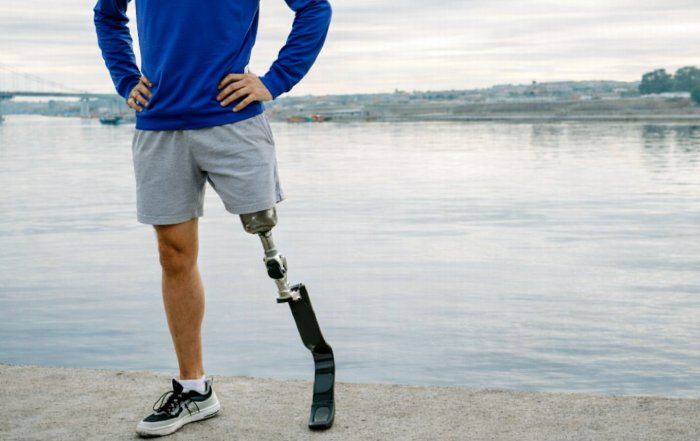
Companies such as Nike and Lululemon have invested in inclusive campaigns and product lines that accommodate diverse body shapes, cultural norms, and performance needs, while community initiatives across North America, Europe, and Africa work to ensure that underserved groups have access to safe, affordable spaces to exercise. Adaptive fitness programs for people with disabilities, supported by organizations like the International Paralympic Committee, demonstrate that high-performance and inclusive design are not mutually exclusive. These developments are reshaping public perceptions of athleticism, moving the narrative away from perfection and toward empowerment, resilience, and mental health.

Women are at the forefront of much of this change, founding fitness startups, leading community training groups, and advocating for safer public spaces and equitable access to sports. Their leadership aligns with broader efforts to close gender gaps in leadership and entrepreneurship, as tracked by institutions such as UN Women. For the global audience of FitPulseNews, this shift underscores an important reality: the future of fitness is not just more technologically advanced and economically significant; it is also more inclusive, diverse, and socially conscious.

Mental Health, Recovery, and the Deepening Mind-Body Connection

One of the most profound evolutions in fitness culture has been the recognition that physical activity and mental health are inseparable. Exercise is now widely acknowledged not only as a tool for cardiovascular and muscular health but as a critical factor in managing stress, anxiety, and depression. Studies compiled by organizations such as the National Institutes of Health and the National Health Service in the United Kingdom have reinforced the role of regular movement in improving mood, cognitive performance, and sleep quality.

This scientific consensus has driven the integration of mindfulness, breathwork, and recovery into mainstream fitness practices. Yoga, Pilates, tai chi, and meditation are no longer peripheral or alternative; they have become foundational elements of many training programs, from professional sports teams in Europe and North America to corporate wellness offerings in Asia and the Middle East. Digital platforms and apps such as Headspace and Calm collaborate with employers and health providers to deliver guided sessions that sit alongside strength, cardio, and mobility routines, reflecting a holistic approach to wellbeing that readers can explore further at FitPulseNews Wellness and FitPulseNews Health.

Recovery, once an afterthought, has become central to program design. Sleep tracking, heart rate variability monitoring, and structured rest periods are now standard features of training plans for both recreational and elite athletes. This emphasis aligns with a broader shift in culture away from "no days off" and toward sustainable performance, resilience, and long-term health.

Nutrition, Performance, and Everyday Lifestyle Integration

Fitness in 2026 cannot be separated from nutrition and broader lifestyle choices. As consumers become more educated, they increasingly seek evidence-based guidance rather than fad diets or extreme regimes. Institutions such as the Academy of Nutrition and Dietetics and the European Food Safety Authority provide frameworks and research that inform how individuals and organizations design nutrition strategies to support training, recovery, and general wellbeing.

Functional nutrition-emphasizing whole foods, balanced macronutrients, and micronutrient sufficiency-is now widely integrated into fitness programs, from community gyms in Canada and Australia to professional clubs in Germany and Italy. The growth of plant-forward diets, supported by research from bodies like the EAT Foundation, reflects a confluence of health and environmental concerns, particularly in markets focused on sustainability. For readers of FitPulseNews Nutrition, this integration of food, performance, and planetary health represents one of the most important frontiers in the fitness ecosystem.

Lifestyle integration extends beyond what happens in the gym or kitchen. Sleep hygiene, stress management, digital boundaries, and social connection are increasingly recognized as performance variables. This holistic perspective is reshaping both consumer expectations and brand strategies, with leading companies across North America, Europe, and Asia positioning themselves not simply as fitness providers but as comprehensive wellbeing partners.

Looking Ahead: Fitness as Infrastructure for a Resilient Future

As time unfolds, it is increasingly clear that fitness has evolved into a form of social and economic infrastructure that supports resilience at individual, organizational, and societal levels. Governments in regions as diverse as North America, Europe, and Asia are integrating physical activity promotion into healthcare strategies and urban planning, recognizing that active populations are more productive, less burdened by chronic disease, and better equipped to handle demographic and economic challenges. International bodies such as the Organisation for Economic Co-operation and Development continue to highlight the economic benefits of healthier societies, adding further momentum to policies that prioritize movement, prevention, and wellbeing.

Technological innovation will continue to deepen personalization, with next-generation biosensors, AI health assistants, and interoperable health records enabling more precise, continuous guidance. Cultural exchange will accelerate as global fitness events, hybrid conferences, and digital communities connect practitioners, entrepreneurs, and policymakers from the United States, the United Kingdom, Germany, Brazil, South Africa, China, Japan, and beyond. Sustainability will remain a defining challenge and opportunity, pushing brands and cities to align fitness growth with climate and resource constraints.

For the global audience of FitPulseNews, the story of fitness is therefore not merely about workouts, equipment, or trends. It is about how societies choose to organize work, design cities, allocate healthcare resources, and define success. It is about whether individuals and institutions can align personal wellbeing with economic competitiveness, cultural inclusivity, and environmental responsibility. As this movement continues to expand, FitPulseNews will remain dedicated to analyzing how fitness intersects with business, technology, health, sports, and sustainability, helping readers navigate a world in which fitness is not a side activity but a central force shaping the future.

How Virtual Reality is Enhancing Fan Engagement in Sports

Last updated by Editorial team at FitPulseNews on Monday 26 January 2026
How Virtual Reality is Enhancing Fan Engagement in Sports

How Virtual Reality Is Rewriting the Global Sports Playbook

Virtual Reality has moved from experimental showcase to strategic core in the global sports industry, and this year it is reshaping how fans, athletes, brands, and rights holders interact with one another across continents. What began as isolated trials during the pandemic era has matured into a multi-billion-dollar ecosystem that touches live broadcasting, athlete training, fan wellness, sponsorship, and even sustainability. For FitPulseNews, whose readers follow the intersection of health, fitness, business, technology, and culture, VR in sports is no longer a side story about gadgets; it is a structural shift that is redefining what it means to be a fan, a competitor, or an investor in sport.

At its core, the appeal of VR lies in its ability to simulate presence. Instead of passively watching a match on a flat screen, fans can feel as if they are seated courtside at an NBA clash, riding onboard with a Formula 1 driver, or standing on the touchline at a Premier League derby. Combined with advances in 5G, edge computing, and lightweight headsets from companies such as Meta, Sony, and Apple, immersive sports experiences are now accessible to mainstream audiences across North America, Europe, and increasingly Asia and Latin America. The result is a new competitive landscape in which leagues and clubs are judged not only by their on-field performance but by the sophistication, reliability, and creativity of their virtual offerings.

From Broadcast to Immersion: The New Game-Day Standard

The live game-day experience has traditionally been defined by the stadium: ticket categories, seat locations, hospitality tiers, and local atmosphere. In 2026, VR has extended that physical venue into a layered digital environment that can be entered from any living room, office, or training facility in the world. Platforms that began as pilots with organizations like the International Olympic Committee (IOC) and FIFA have evolved into stable, revenue-generating products, allowing fans to purchase virtual seats that replicate the view, soundscape, and emotional intensity of being on site.

Immersive broadcasts now integrate multi-angle camera feeds, spatial audio, and real-time data overlays, turning spectators into active directors of their own experience. Viewers can shift from a tactical overhead view to a goalkeeper's vantage point, call up player heat maps powered by analytics providers such as Stats Perform, or review key moments with volumetric replays similar to those pioneered by Intel True View. Learn more about how data is transforming elite performance through resources from MIT Sloan's sports analytics initiatives. For readers who follow sports coverage on FitPulseNews, this level of interactivity is no longer an optional enhancement; it is increasingly the baseline expectation for younger, digitally native audiences.

Building Global Fan Communities Without Borders

One of the most profound effects of VR in sports is the erosion of geographic and socio-economic barriers to fandom. A supporter in Bangkok can share a virtual terrace with a fan in Berlin during a Bundesliga match, while a teenager in Johannesburg can experience the roar of Wembley Stadium during a FA Cup final without leaving home. Virtual fan zones hosted on platforms inspired by VRChat and Rec Room have evolved into persistent social hubs where supporters meet before and after games, display digital merchandise, and participate in interactive quizzes, skills challenges, or sponsor-led activations.

These social environments are not just cosmetic add-ons; they are becoming central to how clubs nurture loyalty in markets far from their physical home grounds. Organizations like FC Barcelona, Manchester United, and Bayern Munich are using virtual clubhouses to host Q&A sessions with legends, youth academy showcases, and behind-the-scenes content that deepens emotional connection. Fans who follow culture on FitPulseNews can see how VR is helping sport function as a cultural bridge, allowing identities and rituals traditionally tied to cities or regions to be shared, remixed, and reinterpreted globally.

When Training Meets Fandom: Inside the Athlete's Perspective

VR's role in athlete preparation predates its mass adoption by fans, with elite teams in the NFL, NCAA, and European football using simulation environments for play recognition, decision-making, and recovery. What has changed by 2026 is the permeability between professional training tools and consumer experiences. Fans can now access curated versions of the same drills used by quarterbacks, point guards, or goalkeepers, experiencing the speed and pressure of elite competition from a first-person perspective.

A supporter can, for example, step into a simulation of defending a penalty from a player modeled on Kylian Mbappé, or attempt to return a serve with the velocity and spin of Novak Djokovic. This convergence between training and entertainment taps into the expectations of generations raised on interactive media and esports. It also aligns closely with the fitness trends covered on fitness at FitPulseNews, where movement, gamification, and measurable progress are central to sustained engagement. Research from organizations like the American College of Sports Medicine shows that exergaming and VR-based workouts can meaningfully contribute to cardiovascular health and adherence, complementing traditional gym routines and outdoor sports.

Monetization, Sponsorship, and the New Commercial Stack

From a business standpoint, VR has created a new layer in the sports commercial stack, sitting alongside traditional tickets, linear broadcasting, and over-the-top streaming. Virtual seats, premium camera packages, and interactive statistics tiers are sold as add-ons or standalone subscriptions, often bundled with loyalty programs and digital collectibles. Broadcasters such as ESPN, Sky Sports, and DAZN are experimenting with VR-only rights packages and co-branded experiences that complement, rather than cannibalize, their conventional offerings. Learn more about evolving media rights models via the Sports Business Journal.

For sponsors, VR environments offer an unprecedented opportunity to move beyond passive logo exposure. Brands like Nike, Adidas, and Coca-Cola are already deploying interactive experiences where fans can explore virtual locker rooms, test shoes or equipment in simulated drills, or unlock limited-edition digital items by completing in-experience challenges. Because every interaction in VR is trackable, sponsors gain granular metrics on dwell time, engagement depth, and conversion, which supports the performance-driven marketing strategies that FitPulseNews analyzes on business and brands. Reports from consultancies such as McKinsey & Company and Deloitte indicate that immersive sponsorships are rapidly moving from experimentation to line-item status in global marketing budgets.

Regional Adoption Patterns: A Worldwide but Uneven Landscape

United States and Canada: Innovation at Scale

In North America, VR in sports has benefited from a mature rights market, strong broadband infrastructure, and a culture that embraces early adoption of consumer technology. The NBA, NFL, MLB, and NHL have all integrated VR into their fan engagement strategies, using platforms that allow global audiences to experience marquee events such as the Super Bowl, NBA Finals, and World Series from premium virtual vantage points. Universities in the NCAA are also leveraging VR to connect dispersed alumni communities to campus game days, while simultaneously using simulation tools for athlete development.

The upcoming FIFA World Cup 2026, hosted across the United States, Canada, and Mexico, is expected to be a landmark in mass-market VR deployment, with FIFA and regional broadcasters planning scalable immersive offerings that build on the experiments of Qatar 2022. Readers following news and world coverage can anticipate that this tournament will serve as a benchmark for how mega-events balance in-stadium and virtual audiences.

Europe: Tradition Reinvented

European leagues and clubs face the dual challenge of protecting deeply rooted local traditions while monetizing vast global fanbases. Organizations like La Liga, the Premier League, Serie A, and the Bundesliga are partnering with technology providers to deliver immersive feeds that preserve the authenticity of their matchday atmospheres. Virtual tours of historic venues such as Camp Nou, Old Trafford, and Allianz Arena allow fans in Asia, Africa, and South America to experience architectural and cultural heritage that previously required international travel.

Bodies like UEFA are assessing how VR can enhance flagship events such as the Champions League Final and the European Championship without diminishing traditional television audiences. Learn more about the governance and strategic direction of European football through resources from UEFA's official site. For FitPulseNews readers, Europe illustrates how legacy brands can adopt cutting-edge technology while retaining the emotional texture that made them globally admired in the first place.

Asia-Pacific: Digital Acceleration and Cultural Hybridization

In the Asia-Pacific region, VR adoption in sports is strongly aligned with broader gaming and mobile ecosystems. Japan, South Korea, and China have long histories of leadership in consumer electronics and online gaming, which has translated into rapid uptake of immersive sports products. Companies such as Tencent and Alibaba are embedding sports VR into super-apps and entertainment platforms, while broadcasters in Japan and South Korea are experimenting with mixed reality integrations for baseball, football, and esports events.

The Olympic Games Tokyo 2020, though held under pandemic conditions, catalyzed interest in remote immersive viewing, and subsequent regional events have expanded on that foundation. Readers who track technology on FitPulseNews will recognize Asia-Pacific as a proving ground for blended experiences where traditional sports, esports, and social media converge into a continuous attention ecosystem.

Emerging Markets: Mobile-First Pathways

In regions across Africa, South America, and parts of Southeast Asia, infrastructure constraints and income levels shape a different trajectory. High-end headsets remain out of reach for many households, but mobile-first VR and 360-degree experiences delivered through smartphones and affordable viewers are gaining traction. National federations in countries like Brazil, South Africa, and Nigeria are partnering with telecom providers to bundle low-bandwidth immersive content with data plans, viewing VR as both a fan engagement tool and a means of expanding digital literacy.

International organizations and NGOs are also exploring VR's potential in sport-for-development programs, using immersive storytelling to highlight local talent and community initiatives. For FitPulseNews readers who monitor world and sustainability, these efforts illustrate how VR can support more inclusive global sports narratives rather than reinforcing existing inequalities.

🌍 VR in Sports: Global Adoption Map

Click each region to explore VR sports innovations worldwide

🇺🇸 North America

Key Innovation
Mature rights market with VR integrated across NBA, NFL, MLB, NHL
Major Event
FIFA World Cup 2026 expected to be landmark in mass-market VR deployment
Advantage
Strong broadband infrastructure and early adoption culture
Premium Virtual SeatsNCAA Alumni Engagement

🇪🇺 Europe

Key Innovation
Virtual tours of historic venues like Camp Nou, Old Trafford, Allianz Arena
Challenge
Balancing local traditions with global fanbase monetization
Leading Leagues
Premier League, La Liga, Serie A, Bundesliga partnering with tech providers
Champions League VRCultural Heritage

🌏 Asia-Pacific

Key Innovation
VR embedded in super-apps by Tencent and Alibaba
Advantage
Leadership in consumer electronics and online gaming ecosystems
Trend
Blended experiences where sports, esports, and social media converge
Mixed Reality IntegrationMobile-First

🌍 Emerging Markets

Key Innovation
Mobile-first VR and 360° experiences via smartphones and affordable viewers
Strategy
Telecom partnerships bundling low-bandwidth content with data plans
Focus Regions
Brazil, South Africa, Nigeria, Southeast Asia
Digital InclusionSport-for-Development

🎯Key Takeaway:VR adoption patterns vary by region, shaped by infrastructure, culture, and digital ecosystems. North America leads in scale, Europe balances tradition with innovation, Asia-Pacific drives convergence, and emerging markets prioritize mobile-first accessibility.

AI, Data, and Hyper-Personalized Experiences

The next phase of VR in sports is defined not just by visual fidelity but by intelligent personalization. Artificial Intelligence and machine learning systems analyze user behavior, engagement history, and stated preferences to tailor each fan's immersive environment. A supporter who consistently selects tactical camera angles and pauses to review passing sequences can be offered AI-curated clips focusing on midfield structures, while another who follows a particular athlete can receive player-centric feeds, biometric dashboards, and historical comparisons.

Natural language interfaces allow fans to ask questions such as "show me all shots on target from the left wing this half" or "compare this serve speed to last season's average," with AI assistants surfacing relevant data in real time. Organizations like IBM, which has worked with Wimbledon and the US Open, and Amazon Web Services, a key partner for the NFL and Formula 1, are extending their analytics capabilities into immersive contexts. Learn more about how cloud providers are transforming sports data through the AWS Sports & Entertainment hub. Readers of innovation on FitPulseNews will recognize that this convergence of AI and VR is gradually turning spectators into informed analysts, deepening their understanding and satisfaction.

Wellness, Fitness, and Everyday Performance

For a publication like FitPulseNews, the most compelling dimension of VR in sports may be its impact on everyday health and wellness. Immersive training applications have evolved from novelty games into structured fitness programs that leverage sports movements to build strength, endurance, and coordination. Platforms such as FitXR, Les Mills XR, and Supernatural offer boxing, dance, cycling, and high-intensity interval training sessions in environments themed around stadiums, arenas, or iconic racecourses. Users can shadow the footwork of a professional boxer, practice basketball shooting mechanics, or perform football agility drills, all while receiving real-time feedback on form and intensity.

Evidence compiled by institutions like the World Health Organization and the U.S. Centers for Disease Control and Prevention underscores the importance of regular moderate-to-vigorous physical activity for preventing chronic disease; VR, when used thoughtfully, can lower psychological and logistical barriers to that activity by making workouts more engaging and contextually meaningful. Readers who follow health, nutrition, and wellness on FitPulseNews can see how this technology supports a holistic lifestyle in which fandom, exercise, and mental well-being reinforce each other rather than competing for time.

New Careers and Skills in the Immersive Sports Economy

The expansion of VR across the sports value chain is creating new professional pathways that did not exist a decade ago. Leagues, clubs, agencies, and vendors now recruit specialists in volumetric capture, real-time rendering, immersive UX design, virtual event production, and data-driven fan strategy. Universities in the United States, United Kingdom, Germany, Canada, and Australia are introducing cross-disciplinary programs that combine sports management with computer science, design, and behavioral psychology, preparing graduates for roles that bridge on-field performance and digital engagement.

For professionals and students who track jobs on FitPulseNews, this trend signals that sports careers are no longer confined to coaching, scouting, or traditional media. The immersive sports economy demands expertise in cybersecurity, privacy compliance, digital asset management, and sustainability reporting, as organizations grapple with the ethical and operational implications of collecting and monetizing vast amounts of fan data. Resources from entities like the World Economic Forum and OECD provide useful frameworks for understanding how these new jobs fit into broader digital labor markets.

Sustainability, Access, and the Environmental Equation

As climate concerns intensify, the sports industry faces pressure to reconcile global growth with environmental responsibility. VR is emerging as one component of a broader sustainability strategy, offering alternatives to high-emission travel and resource-intensive physical events. Fans who might previously have flown across continents for a single match can now experience comparable emotional intensity through premium virtual packages, reducing the carbon footprint associated with long-haul tourism. Organizations like the United Nations Environment Programme and the Sport for Climate Action Framework highlight digital solutions as part of the sector's decarbonization toolkit.

At the same time, the energy consumption of data centers, networks, and devices powering VR cannot be ignored. Forward-looking leagues and vendors are therefore investing in renewable-powered infrastructure, efficient encoding technologies, and responsible device lifecycles. Readers who monitor environment and sustainability topics on FitPulseNews will recognize that the net environmental impact of VR depends on careful design choices and transparent reporting, not on technology alone.

The Metaverse, Hybrid Events, and the Next Decade

As discussions about the "metaverse" have matured beyond hype, sports has emerged as one of the most tangible application domains. Clubs such as Manchester City and Paris Saint-Germain are collaborating with technology partners to build persistent virtual stadiums where matches, concerts, sponsor showcases, and community events coexist. Blockchain-enabled ticketing, digital memorabilia, and fan tokens are being integrated into these environments, forming new micro-economies that blend passion with financial participation. Learn more about the regulatory and economic dimensions of these developments through analysis from the Bank for International Settlements and other financial authorities.

Hybrid events that combine physical attendance with synchronized VR participation are likely to dominate the next phase of fan engagement. A sold-out arena in London or Los Angeles can be mirrored by a virtual crowd many times larger, with both audiences experiencing shared moments such as goal celebrations, national anthems, or championship ceremonies. For FitPulseNews, which connects themes across business, sports, and technology, this hybridization exemplifies how innovation can expand access while preserving the irreplaceable energy of live sport.

Challenges, Risks, and the Trust Imperative

Despite its promise, VR in sports faces non-trivial challenges that industry leaders must address to maintain trust and long-term viability. Hardware cost remains a barrier in many markets, even as entry-level headsets become more affordable. Motion sickness, eye strain, and concerns about prolonged screen exposure raise legitimate health questions that require evidence-based guidelines from bodies such as the World Health Organization and national health agencies. There are also cultural and generational divides, with some long-time fans wary of experiences that might seem to dilute traditional stadium culture.

Data privacy and security present perhaps the most critical test of trustworthiness. Immersive environments generate highly granular behavioral data, including gaze tracking, reaction times, and social interactions. Misuse of this information, or opaque consent practices, could undermine fan confidence and attract regulatory scrutiny under frameworks like the EU's GDPR or California's CCPA. For a brand like FitPulseNews, which emphasizes Experience, Expertise, Authoritativeness, and Trustworthiness across all verticals, these concerns underscore the importance of transparent governance, independent audits, and clear communication when evaluating or endorsing VR initiatives.

A Strategic Pillar for the FitPulseNews Audience

This year Virtual Reality in sports is no longer a speculative add-on but a strategic pillar that connects many of the themes central to FitPulseNews: performance, health, innovation, culture, and sustainable business. It empowers fans in the United States, United Kingdom, Germany, Canada, Australia, France, Italy, Spain, Netherlands, Switzerland, China, Sweden, Norway, Singapore, Denmark, South Korea, Japan, Thailand, Finland, South Africa, Brazil, Malaysia, and New Zealand-as well as across Europe, Asia, Africa, South America, and North America-to participate in global sporting narratives on their own terms.

For executives, investors, and practitioners who rely on FitPulseNews to navigate this evolving landscape, the imperative is clear: treat VR not as a standalone gadget category but as an integrated capability that touches fan psychology, athlete development, revenue diversification, workforce planning, and environmental responsibility. Readers can continue to follow how these threads develop across business, sports, technology, innovation, and sustainability, where FitPulseNews will track the leaders, laggards, and emerging models that define the next decade of immersive sport.

In this sense, VR is less a destination than an evolving medium through which the enduring values of sport-competition, community, resilience, and excellence-are expressed in new forms. The organizations that succeed will be those that combine technical expertise with ethical leadership and a deep respect for the human stories that make fans care in the first place.

How Smart Wearables Are Shaping the Future of Fitness in Europe

Last updated by Editorial team at FitPulseNews on Monday 26 January 2026
How Smart Wearables Are Shaping the Future of Fitness in Europe

How Smart Wearables Are Redefining Europe's Fitness, Health, and Business Landscape

A New Phase for Europe's Connected Fitness Culture

Europe's relationship with smart wearables has shifted from experimentation to deep integration, and for the audience of Fit Pulse News, this evolution is no longer a distant trend but a lived reality influencing how people train, work, recover, and even interact with healthcare systems. From the boutique studios of London and Paris to the cycling trails of the Alps and the running communities of Amsterdam and Copenhagen, connected devices that continuously track biometrics, personalize training, and feed into broader digital health ecosystems have become foundational to the continent's fitness and wellness culture.

This transformation is tightly linked to wider societal shifts: the normalization of digital-first lifestyles, the rise of preventive and personalized healthcare, and a growing expectation that every product or service-from gym memberships to insurance plans-should be tailored to individual needs. Global leaders such as Apple, Garmin, Polar, Whoop, Fitbit, Samsung, and Huawei, together with a dense network of European startups, have turned the region into a proving ground for wearables that extend far beyond step counting or basic heart-rate monitoring. Today's devices routinely analyze sleep architecture, heart rate variability, recovery, stress responses, and in some cases early indicators of cardiovascular or metabolic risk, reflecting a more holistic and science-driven understanding of fitness. Readers who follow developments across health, fitness, and technology on Fit Pulse News are therefore watching not just a gadget market, but a structural redefinition of what it means to manage one's body and mind in a data-rich era.

From Early Trackers to a Mature, Data-Intensive Market

The European wearable story began modestly, with simple pedometers and early activity trackers in the early 2010s. The arrival of devices like the Fitbit Charge and the first Apple Watch in the mid-2010s catalyzed a new consumer appetite for quantified self-tracking, particularly among urban professionals in cities such as Berlin, Stockholm, and Milan, as well as among younger demographics in university hubs across the United Kingdom, Germany, France, and Spain. These early adopters were attracted by the promise of turning everyday movement into measurable progress, aligning well with Europe's tradition of outdoor recreation, cycling, and club-based sports.

By the mid-2020s, the market had matured into a complex ecosystem serving elite athletes, recreational exercisers, older adults, and patients managing chronic conditions. Companies such as Garmin, with strong European operations and a reputation for precision among runners, cyclists, and triathletes, and Polar, headquartered in Finland and rooted in decades of sports science, have leveraged Europe's performance heritage to push the boundaries of endurance and recovery analytics. At the same time, startups in the United Kingdom, Germany, the Nordics, and Southern Europe have focused on narrower but high-impact domains such as women's health, sleep optimization, corporate wellness, and digital therapeutics. Analysts at organizations like the European Commission and research providers such as Statista point to continued double-digit growth in wearable penetration, underpinned by rising health awareness, aging populations, and the integration of wearables into formal healthcare pathways.

For the Fit Pulse News audience that follows the business implications via our business coverage, the key development is that wearables now sit at the intersection of consumer electronics, sports performance, digital health, and insurance, creating a strategically important industry rather than a passing consumer fad.

The Rise of Integrated Health and Fitness Data Ecosystems

What distinguishes the European wearable landscape in 2026 is the degree to which personal health and fitness data are woven into broader digital platforms and services. Devices sync seamlessly with Apple Health, Google Fit, Samsung Health, and manufacturer-specific platforms, but they also increasingly connect to national healthcare portals, telemedicine providers, and employer wellness dashboards. This integration allows individuals to move from fragmented, app-by-app tracking to a more coherent longitudinal view of health, performance, and lifestyle.

In the United Kingdom, the NHS has extended pilot programs in which data from approved wearables can be integrated into digital patient records, enabling clinicians to view trends in activity, sleep, heart rate, and in some cases arrhythmia alerts between visits. In Germany, the Digital Healthcare Act (DVG) and subsequent reforms have accelerated reimbursement pathways for certified digital health applications, some of which rely heavily on wearable data for monitoring conditions such as hypertension, diabetes, and depression. Across Scandinavia, where public health infrastructure and digital identity systems are highly advanced, wearables are being used to support remote rehabilitation, post-surgery follow-up, and long-term management of lifestyle-related diseases.

For readers who track health policy and innovation, resources such as the European Commission's digital health initiatives and the World Health Organization's guidance on digital health tools provide additional context on how data from wearables is reshaping care delivery. On Fit Pulse News, the health and world sections regularly explore how Europe's approach compares with developments in North America and Asia.

Hyper-Personalized Training and Recovery as a Competitive Standard

Personalization has become the defining competitive edge in Europe's fitness wearable market. Devices no longer simply report metrics; they interpret them through sophisticated artificial intelligence and machine learning models that translate raw data into guidance about when to train, how hard to push, and when to prioritize rest. Platforms like Whoop, Oura, Garmin Connect, and Polar Flow calculate readiness or training load scores based on heart rate variability, sleep depth, respiratory rate, and historical performance, giving recreational athletes access to insights that were once the preserve of elite sports science labs.

European gyms, boutique studios, and digital fitness platforms have responded by embedding wearable data into their service models. Chains in Spain, Italy, Germany, and the Netherlands offer hybrid memberships where in-person coaching is synchronized with app-based programs that automatically adjust based on wearable feedback. A runner in Copenhagen, for instance, may receive a revised interval plan in their app after a poor night's sleep detected by their smartwatch, while a strength enthusiast in Munich might see load recommendations scaled back if recovery indicators fall below a certain threshold. This integration supports more sustainable training habits, reducing injury risk and burnout, and aligns with the Nordic and Central European emphasis on balanced, long-term wellness.

For those following training trends, organizations such as UK Sport, Institut National du Sport, de l'Expertise et de la Performance (INSEP) in France, and various German sports universities publish research illustrating how AI-driven feedback loops are influencing coaching practices. Fit Pulse News continues to document these shifts across fitness, sports, and innovation, highlighting the growing expectation among European consumers that their wearable should act as a personal performance consultant rather than a passive recorder.

Elite Sports, Data-Driven Performance, and Europe's Competitive Edge

Elite sport in Europe has become inseparable from wearable technology. Professional football clubs such as Manchester City, Bayern Munich, Paris Saint-Germain, and Juventus rely on GPS vests, inertial measurement units, and biometric sensors to track distance covered, sprint efforts, deceleration loads, and neuromuscular fatigue, enabling sports scientists to fine-tune training loads and reduce soft-tissue injuries. In rugby, athletics, and field hockey, national teams across the United Kingdom, Ireland, France, and the Netherlands use wearables to refine tactical decisions and manage recovery during congested competition schedules.

Cycling, long a European stronghold, has been transformed by power meters, smart head units, and connected sensors that feed real-time data to coaches and performance analysts during events like the Tour de France and Giro d'Italia. Skiing federations in Austria and Switzerland, as well as rowing programs in the United Kingdom and Germany, are similarly leveraging granular telemetry to optimize technique and energy expenditure. Academic institutions such as Loughborough University, Deutsche Sporthochschule Köln, and Vrije Universiteit Amsterdam collaborate with technology providers to validate algorithms and explore new performance indicators, reinforcing Europe's role as a global hub for applied sports science.

Readers who follow the competitive sports angle on Fit Pulse News Sports see how these practices trickle down into consumer products, as metrics first used to optimize Champions League players or Olympic rowers gradually appear in mainstream watches, rings, and patches. For a broader business and performance perspective, global consultancies like McKinsey & Company and Deloitte regularly analyze how data-driven performance models are reshaping the sports and fitness economy.

Wellness, Mental Health, and Lifestyle: Beyond Pure Performance

In parallel with high-performance applications, Europe has embraced wearables as tools for everyday wellness, stress management, and mental health support. Markets such as Germany, Sweden, Norway, and France have seen strong uptake of devices and apps that monitor stress proxies, such as heart rate variability and breathing patterns, and pair them with guided breathing, mindfulness, or cognitive behavioral prompts. Partnerships between wearables and platforms like Headspace, Calm, and European mindfulness apps have helped transform these devices into companions for managing work-related stress, sleep disruption, and early signs of burnout.

Demographic-specific solutions have grown rapidly. Women's health wearables that track menstrual cycles, fertility windows, and perimenopausal symptoms now play an important role for users in the United Kingdom, Italy, Spain, and the Nordics, where conversations about reproductive health and hormonal well-being have become more open and data-informed. At the same time, aging populations in Germany, Italy, and Spain are turning to devices capable of fall detection, arrhythmia alerts, and emergency contact features, often integrated with family apps or telecare services. These trends demonstrate that wearables are evolving from performance accessories to inclusive health companions for multiple life stages.

For readers interested in the softer but equally critical dimensions of health, Fit Pulse News continues to explore these developments across wellness, nutrition, and culture. International bodies such as the World Health Organization and OECD offer further analysis on how mental health and lifestyle factors are being integrated into digital health strategies across Europe and beyond.

Evolution of Smart Wearables in Europe

From Simple Trackers to AI-Powered Health Ecosystems

Early 2010s
The Beginning: Simple Pedometers
Basic activity trackers emerge with simple step counting functionality, laying groundwork for quantified self-movement.
Mid 2010s
Consumer Appetite Grows
Fitbit Charge and first Apple Watch catalyze adoption among urban professionals in Berlin, Stockholm, and Milan.
Mid 2020s
Mature Ecosystem Emerges
Complex market serving elite athletes, recreational users, and patients managing chronic conditions with advanced biometrics.
2026
Deep Integration Era
Wearables connect to national healthcare portals, telemedicine, and employer wellness dashboards with AI-driven personalization.
Present
5G & Real-Time Coaching
Low-latency networks enable live pacing recommendations, remote rehabilitation supervision, and dynamic performance adjustments.
Toward 2030
Pervasive Health Networks
Smart textiles, biometric clothing, and integration with smart cities create comprehensive health ecosystems across Europe.

European Startups, Science-Backed Design, and Niche Innovation

Europe's wearable ecosystem is distinguished by a strong layer of specialized startups that complement the offerings of global giants. Rather than attempting to compete head-on with Apple or Samsung, many European ventures focus on specific physiological domains or usage contexts, often grounded in collaborations with universities and clinical institutions.

Finland remains a hotspot, with Polar continuing to refine heart rate and endurance analytics, and companies such as Firstbeat Analytics (now part of Garmin) providing advanced physiological modeling used by both professional teams and corporate wellness programs. In Germany, startups are commercializing posture and gait analysis tools that use sensors embedded in insoles or clothing to prevent musculoskeletal injuries among office workers and industrial employees, while in the United Kingdom, patches that monitor hydration, sweat composition, and blood oxygen saturation have gained traction among endurance athletes and military organizations. Scandinavian ventures are pushing boundaries in sleep science, developing unobtrusive sensors that monitor nocturnal breathing, movement, and temperature with near-clinical accuracy.

This innovation is underpinned by Europe's strong research infrastructure and regulatory frameworks that reward evidence-based products. Institutions such as ETH Zurich, Karolinska Institutet, and Imperial College London frequently partner with startups to validate algorithms and explore applications in cardiology, neurology, and psychiatry. For Fit Pulse News readers focused on emerging technologies and investment opportunities, the innovation and brands sections track how these science-backed ventures are influencing global product roadmaps.

Sustainability as a Core Design Principle

Sustainability, long a priority in European policy and consumer behavior, has become a central design constraint for wearables. Conscious of the environmental cost of short-lived electronics, consumers in Germany, the Netherlands, the Nordics, and increasingly in France and the United Kingdom are demanding devices that last longer, use more responsible materials, and can be repaired or recycled more easily.

European manufacturers and design teams are experimenting with recycled plastics, bio-based polymers, and low-impact metals, as well as longer-lasting batteries and energy-efficient displays. French company Withings, for example, has emphasized durability, classic watch aesthetics, and modular components in its health devices, countering the disposable gadget mentality. Some Scandinavian brands are piloting modular architectures where straps, sensors, and batteries can be replaced independently, extending device lifespans and reducing e-waste. This approach aligns with broader European initiatives on circular economy and right-to-repair, championed by institutions like the European Environment Agency and discussed widely in forums such as the World Economic Forum.

For Fit Pulse News readers who follow the intersection of health, technology, and environmental responsibility, the sustainability and environment sections increasingly feature stories where personal well-being and planetary health are treated as mutually reinforcing goals rather than competing priorities.

Data Privacy, Regulation, and Trust in a Biometric Age

Europe's regulatory architecture remains one of the defining features of its wearable market, particularly in the context of trust and long-term adoption. The General Data Protection Regulation (GDPR) sets strict conditions for how companies collect, process, and share personal data, including sensitive biometric information generated by wearables. As a result, manufacturers and app developers must adopt privacy-by-design principles, including explicit consent mechanisms, local data storage options, strong encryption, and transparent user controls over data sharing.

In parallel, the European Union's evolving regulatory framework for medical devices and artificial intelligence-through instruments such as the Medical Device Regulation (MDR) and the emerging AI Act-is drawing clearer lines between lifestyle-grade wearables and devices that make diagnostic or therapeutic claims. Products that monitor cardiac arrhythmias, glucose levels, or sleep apnea, for example, must meet stringent clinical validation and certification requirements before they can be marketed as medical tools. While this increases development timelines and costs, it also underpins the credibility of European offerings and reinforces public trust.

Readers who follow regulatory developments can consult resources from the European Medicines Agency, the European Data Protection Board, and national regulators such as BfArM in Germany or the MHRA in the United Kingdom. On Fit Pulse News, the business and news sections regularly analyze how these frameworks influence product strategy, investment, and cross-border expansion.

Economic Impact, Employment, and New Business Models

The economic footprint of wearables in Europe extends well beyond device sales. Revenue streams now include subscription-based analytics, coaching services, B2B wellness platforms, and data-driven partnerships with healthcare providers and insurers. Market studies by organizations such as IDC, Gartner, and the European Investment Bank indicate that the broader digital health and fitness ecosystem-of which wearables are a central component-represents a multi-billion-euro opportunity across the continent.

Healthcare systems in countries such as the United Kingdom, Germany, France, and the Nordics see wearables as tools to encourage physical activity, support remote monitoring, and potentially reduce long-term costs associated with cardiovascular disease, obesity, and mental health conditions. Employers increasingly deploy wearable-based wellness programs, offering devices or app subscriptions as part of benefits packages to improve productivity, reduce absenteeism, and enhance employer branding. Insurers, meanwhile, are experimenting with policies that reward sustained physical activity or adherence to rehabilitation programs, raising both opportunities and ethical questions around data use and fairness.

The sector has also become a significant source of employment, generating roles in hardware engineering, firmware development, data science, sports science, UX design, digital coaching, and specialized retail. For readers tracking career opportunities and labor market shifts, the jobs section of Fit Pulse News highlights how health technology, sports analytics, and digital wellness are emerging as attractive career paths across Europe, North America, and Asia-Pacific.

Shifting Consumer Expectations and Cultural Adoption

By 2026, European consumers no longer perceive wearables as optional accessories for fitness enthusiasts; instead, they are increasingly seen as baseline tools for self-care and daily organization. Users expect their devices to deliver actionable insights rather than raw data, to integrate smoothly with smartphones, smart home systems, and employer platforms, and to reflect personal values around privacy, sustainability, and aesthetics.

Subscription models have become widely accepted, particularly in markets such as the United Kingdom, Germany, the Nordics, and the Netherlands, where consumers are accustomed to paying monthly for entertainment, productivity, and cloud services. Many wearable ecosystems now offer tiered analytics, personalized training plans, and mental health content as premium services layered on top of the hardware purchase. At the same time, design has moved to the forefront: collaborations between technology companies and European fashion houses, luxury brands, and sportswear giants have made wearables more discrete, stylish, and customizable, broadening their appeal across age groups and socioeconomic segments.

These cultural dynamics, which vary between countries such as France, Italy, Spain, and the Nordics, are regularly explored in the culture and world sections of Fit Pulse News. Institutions like the European Consumer Organisation (BEUC) and national consumer agencies provide additional insight into how attitudes toward data, health, and technology are evolving across the continent.

Connectivity, AI, and Real-Time Coaching in the 5G Era

The technological backbone enabling the next generation of wearables in Europe is built on widespread 5G deployment, edge computing, and increasingly sophisticated AI models. Low-latency networks make it possible for wearables to stream data in real time to cloud-based analytics engines or edge nodes, supporting live coaching during endurance events, remote supervision of rehabilitation exercises, and continuous monitoring in clinical settings.

A runner in Paris can now receive dynamic pacing recommendations mid-race, with AI systems adjusting targets based on current heart rate, environmental conditions, and historical performance. A patient in Sweden undergoing cardiac rehabilitation might complete supervised exercise sessions at home while clinicians monitor key metrics in real time. Sports teams across Germany, Spain, and the United Kingdom can use live dashboards during training sessions and matches to make substitution decisions or modify tactical plans based on fatigue indicators.

Organizations such as GSMA and the European Telecommunications Network Operators' Association provide detailed analyses of how 5G is reshaping digital ecosystems, including health and sports. Fit Pulse News readers who focus on technology and innovation can see how these infrastructure investments are turning wearables into proactive, context-aware assistants rather than simple logbooks of past activity.

Accessibility, Affordability, and the Inclusion Challenge

Despite rapid progress, Europe still faces challenges in ensuring that the benefits of wearable technology are broadly shared. Premium devices such as the Apple Watch Ultra, high-end Garmin Fenix models, or advanced recovery platforms like Whoop remain expensive, limiting access for lower-income populations in Southern and Eastern Europe and among younger users in many markets. More affordable options from Xiaomi, Huawei, and other Asian manufacturers have filled part of this gap, offering basic tracking and notifications at a fraction of the cost, but often with shorter lifespans and more limited support.

This disparity raises questions about digital health equity. Some European employers now provide subsidized devices as part of wellness programs, while public health authorities in the Nordics and parts of Western Europe are exploring pilot schemes that integrate low-cost wearables into initiatives targeting sedentary lifestyles and obesity. However, scaling such programs across diverse healthcare systems, income levels, and cultural attitudes remains complex.

From an environmental standpoint, cheaper, disposable devices risk exacerbating e-waste challenges, making the balance between affordability and durability a central concern for policymakers and manufacturers alike. Readers who follow these systemic issues on Fit Pulse News will find them reflected across environment, sustainability, and business, as Europe seeks models that are both inclusive and responsible.

Toward 2030: Europe's Wearable Future and Its Global Influence

Looking ahead to 2030, analysts and industry leaders increasingly view wearables not as standalone devices but as nodes in a pervasive health and performance network that spans homes, workplaces, sports facilities, transportation systems, and healthcare institutions. Concepts associated with smart cities are converging with digital health, suggesting scenarios in which public exercise spaces, urban mobility systems, and environmental monitoring platforms interact with citizens' wearables to encourage activity, adjust recommendations during heatwaves or pollution spikes, and support population-level health analytics using anonymized data.

Biometric clothing and smart textiles are expected to play a larger role, with European fashion and textile powerhouses in Italy, France, and Portugal collaborating with technology firms to embed sensors into everyday garments and sportswear. These developments could provide more accurate and comfortable tracking of muscle activation, posture, and circulation than wristbands or rings, blurring the boundaries between clothing, medical devices, and performance tools. Mental health tracking is also likely to become more sophisticated, with multimodal sensing of sleep, heart rate variability, voice tone, and behavioral patterns feeding into digital therapeutics that help address stress, anxiety, and depression-areas of growing concern across Europe, North America, and Asia.

In times of public health crisis, aggregated wearable data may augment traditional surveillance systems, providing early signals of respiratory or cardiovascular stress in specific regions, while strict European privacy frameworks help ensure that such applications remain transparent and accountable. International organizations such as the World Health Organization, OECD, and World Bank are already examining how digital biomarkers from wearables could contribute to global health monitoring without compromising individual rights.

For the global audience of Fit Pulse News, which spans Europe, North America, Asia-Pacific, and emerging markets, Europe's trajectory offers a compelling reference point: a region where innovation in fitness and health technology is consistently filtered through lenses of ethics, sustainability, and long-term societal impact. Across news, world, business, and the Fit Pulse News homepage at fitpulsenews.com, the story of smart wearables is therefore covered not just as an industry trend, but as a defining element of how individuals, organizations, and public institutions are reimagining health, performance, and well-being in the digital age.

Role of AI in Personalizing Fitness Experiences for Users

Last updated by Editorial team at FitPulseNews on Monday 26 January 2026
Role of AI in Personalizing Fitness Experiences for Users

AI-Powered Personalization: How Intelligent Fitness Is Reshaping Health, Business, and Lifestyle

The global fitness industry is no longer defined solely by gyms, group classes, or generic workout plans. It has become a complex, data-driven ecosystem in which artificial intelligence (AI) orchestrates deeply personalized experiences, connecting physical training, nutrition, mental health, and even environmental choices into a single, adaptive journey. For the worldwide audience of FitPulse News, spanning regions from the United States and United Kingdom to Germany, Canada, Australia, Singapore, Japan, and emerging markets across Africa and South America, this shift is not a passing trend but a structural transformation that is reshaping expectations of what "fitness" and "wellness" truly mean.

What distinguishes the current AI revolution from the first wave of fitness apps and wearables is the sophistication of personalization and the central role of trust. AI systems now interpret continuous biometric streams, behavioral patterns, and contextual information to deliver recommendations that feel as if they were crafted by a dedicated human coach, nutritionist, and psychologist working in unison. At the same time, brands and platforms are under unprecedented scrutiny to demonstrate expertise, transparency, and ethical stewardship of sensitive data. In this environment, FitPulse News positions itself as a trusted interpreter of change, connecting readers to the most relevant developments in health and wellness, fitness innovation, and the broader business and cultural implications of AI in the global fitness landscape.

From Simple Trackers to Intelligent Ecosystems

AI's role in fitness began modestly, with rule-based chatbots sending motivational messages and recommendation engines suggesting playlists or basic workout templates. Over the last decade, advances in machine learning, deep learning, and natural language processing have transformed these tools into intelligent ecosystems capable of analyzing heart rate variability, sleep cycles, movement quality, and even mood indicators to guide training and recovery in real time.

Platforms such as Peloton, WHOOP, and Apple Fitness+ have become emblematic of this transition, harnessing vast anonymized datasets from millions of users to train algorithms that can predict performance plateaus, identify overtraining risks, and calibrate intensity with remarkable precision. Readers who follow global fitness technology developments at FitPulse News will recognize how this democratizes what used to be the domain of elite sports laboratories, bringing performance analytics once reserved for professional athletes to everyday runners, office workers, and active older adults in cities from New York and London to Berlin, Tokyo, and Sydney.

Beyond consumer apps, the convergence of AI with clinical-grade sensors and digital health platforms has blurred the line between fitness and healthcare. Companies integrating with frameworks such as Apple HealthKit and Google Fit are aligning with hospitals and telehealth services to support chronic disease prevention and rehabilitation, echoing priorities highlighted by organizations like the World Health Organization and the Centers for Disease Control and Prevention around physical activity as a public health imperative.

Hyper-Personalization: Data as the New Training Partner

The defining promise of AI in fitness is hyper-personalization. Traditional training plans typically segment participants by broad categories such as age, gender, or experience level. AI systems, by contrast, ingest and interpret a much richer tapestry of variables: body composition trends, recovery markers, work schedules, travel patterns, nutritional intake, cultural preferences, and even environmental conditions such as air quality and temperature. This granular, continuous feedback loop allows training plans to adjust dynamically rather than remaining static documents.

In practice, this means an AI coach can reduce intensity on a day when sleep quality is poor, shift a strength session to a mobility-focused routine when joint strain is detected, or modify a nutrition plan when a user's glucose response, captured through platforms like NutriSense, signals the need to rebalance macronutrients. Research from institutions such as Harvard T.H. Chan School of Public Health and Mayo Clinic has reinforced the importance of individualized approaches to exercise and nutrition, lending scientific backing to the personalized methodologies that AI now scales globally.

For FitPulse News readers exploring how these trends intersect with performance, recovery, and long-term health, the shift toward hyper-personalization aligns with a broader movement in wellness and preventive care, where one-size-fits-all prescriptions are being replaced by continuous, adaptive guidance.

Wearables and Connected Devices: The Biometric Backbone

The integration of AI with wearable technology is the backbone of this new fitness paradigm. Devices from Garmin, Oura, Fitbit, and WHOOP no longer simply count steps or log workouts; they generate high-resolution biometric data that AI models analyze to extract patterns and actionable insights. Metrics such as resting heart rate, heart rate variability, respiratory rate, blood oxygen saturation, and detailed sleep staging feed into algorithms that forecast readiness, fatigue, and susceptibility to injury.

For example, WHOOP has refined its AI-driven "strain" and "recovery" scores, which guide users in deciding whether to push hard or prioritize rest. Oura Ring leverages machine learning to provide readiness scores that correlate daily activity with sleep and recovery, while Garmin incorporates AI-enhanced features like Body Battery to help users manage stress and training load. These capabilities are increasingly being validated by independent studies published in journals accessible through platforms like PubMed, enhancing the credibility and authoritativeness of AI-driven recommendations.

The readers of FitPulse News who follow sports performance and innovation can see how these tools are transforming both recreational and elite training environments in markets as diverse as North America, Europe, Asia, and Oceania, where coaches and athletes rely on AI-enhanced wearables to optimize schedules, travel recovery, and competition readiness.

Human Expertise Enhanced, Not Replaced

A recurring concern across the fitness and wellness professions is whether AI will replace human trainers, coaches, and nutritionists. The reality in 2026 is more nuanced and, for many professionals, more promising. AI excels at pattern recognition, data crunching, and scalable personalization, but it lacks the empathetic, motivational, and contextual understanding that human experts bring to long-term behavior change.

Forward-thinking trainers in the United States, United Kingdom, Germany, Canada, Australia, and beyond are integrating AI dashboards into their practice, using platforms that aggregate wearable data, training logs, and subjective feedback. These tools allow them to identify early signs of burnout, adapt programs to travel or childcare constraints, and provide evidence-based progress updates that deepen client trust. Instead of spending time on manual tracking and calculations, professionals can focus on coaching, communication, and strategy.

For readers exploring evolving fitness careers and jobs, the rise of AI is creating new roles-from data-literate performance coaches to digital wellness consultants-who are expected to combine domain expertise with fluency in analytics and technology. This hybrid skill set is increasingly valued by corporate wellness providers, professional sports organizations, and digital health startups worldwide.

AI-Powered Fitness Journey Explorer

Discover how artificial intelligence is transforming your fitness experience

Select Your Fitness Goal

AI Personalization Dimensions

Biometric Analysis92%
Behavioral Patterns87%
Nutritional Precision85%
Mental Health Support78%
Environmental Adaptation71%

Evolution Timeline: 2015-2030

2015-2018

Basic trackers and rule-based recommendations

2019-2022

Machine learning integration with wearables

2023-2026

Hyper-personalization and behavioral intelligence

2027-2030

Immersive AR/VR with predictive health systems

Key Market Statistics

85%
Users demand personalization
24/7
Continuous monitoring
50+
Data points analyzed

Leading AI Platforms

WHOOPPelotonOura RingApple Fitness+GarminFitbitNutriSenseLumenStravaNike Training Club

AI Impact Assessment

Individual Benefits

  • Dynamic training adjustments based on recovery status
  • Personalized nutrition matching metabolic response
  • Mental health integration and stress management
  • Injury prevention through pattern recognition

AI-Driven Nutrition: Precision at the Dinner Table

Nutrition has always been a critical yet complex pillar of fitness, and AI is bringing a new level of precision to dietary planning. Modern platforms integrate food logging, continuous glucose monitoring, metabolic testing, and preference learning to deliver meal plans that are not only tailored to caloric and macronutrient needs but also to how an individual's body responds to specific foods. Companies such as Lumen, which analyzes breath to estimate metabolic fuel usage, and NutriSense, which uses continuous glucose monitors, feed data into AI systems that refine recommendations in near real time.

These approaches echo findings from institutions like the Weizmann Institute of Science and Stanford Medicine, which have demonstrated wide inter-individual variability in glycemic responses and metabolic profiles. AI operationalizes these insights at scale, adjusting carbohydrate timing, recommending specific fiber sources, or shifting towards more plant-based patterns in line with both health and environmental goals.

For FitPulse News readers interested in how intelligent nutrition supports training, weight management, and chronic disease prevention, the evolution of AI-powered diet planning is closely aligned with the platform's coverage of modern nutrition practices and their role in long-term health outcomes across different cultures and regions.

Mental Health, Motivation, and Behavioral Intelligence

Personalized fitness in 2026 extends well beyond muscles and metabolism; it increasingly acknowledges the centrality of mental health, motivation, and behavioral patterns. AI-powered platforms integrate features inspired by behavioral psychology, cognitive science, and mindfulness research to support consistency and emotional resilience.

Applications such as Headspace and Calm use machine learning to adapt meditation and stress-reduction programs to user behavior, while fitness platforms incorporate mood check-ins, digital journaling, and adaptive goal-setting. When engagement metrics decline or stress markers rise, AI can introduce shorter, more achievable sessions, gamified challenges, or social accountability prompts to re-establish momentum. This approach draws from evidence-based frameworks promoted by organizations like the American Psychological Association and the National Institute of Mental Health, which emphasize the interplay between physical activity and mental well-being.

Readers of FitPulse News who follow holistic wellness and lifestyle coverage will recognize that AI's ability to personalize not just workouts but also motivational strategies is redefining what sustainable fitness looks like for busy professionals, parents, students, and older adults across diverse cultures and time zones.

Business Transformation and Competitive Dynamics

The commercial landscape of fitness has been profoundly reshaped by AI. Traditional gyms and studios in markets from New York and Los Angeles to London, Berlin, Seoul, and Singapore now compete not only with local rivals but with global, digital-first platforms that deliver hyper-personalized experiences at home, in the office, or on the road. To remain relevant, many physical locations have integrated AI-powered equipment, smart mirrors, and connected training plans that sync with users' wearables.

Companies such as Equinox, Nike Training Club, Strava, and Les Mills have embraced AI to create adaptive class recommendations, performance analytics, and community-driven experiences that keep users engaged over the long term. Corporate wellness programs, particularly in the United States, Canada, United Kingdom, and Nordic countries, are partnering with AI-enabled platforms to reduce healthcare costs and improve productivity, aligning with research disseminated by organizations like the World Economic Forum and the OECD on the economic value of a healthier workforce.

For FitPulse News readers monitoring fitness business trends, the message is clear: AI is not merely a feature; it is becoming a core strategic capability that determines which brands can deliver superior experiences, retain subscribers, and expand into new markets across Europe, Asia-Pacific, and Latin America.

Ethics, Privacy, and Regulatory Oversight

As AI systems become more intertwined with personal health data, the imperative of trust becomes central. Users are increasingly aware that their biometric and behavioral data-spanning heart rhythms, sleep patterns, location, and emotional states-are among the most sensitive categories of information. Misuse or mishandling of such data can have serious consequences, from discriminatory insurance practices to targeted advertising that feels intrusive or exploitative.

Regulations such as the General Data Protection Regulation (GDPR) in Europe and emerging AI-specific frameworks like the EU AI Act are setting global benchmarks for transparency, user consent, and algorithmic accountability. In the United States, the Food and Drug Administration (FDA) is expanding guidance on wellness devices that border on medical functionality, while agencies in Canada, Australia, Singapore, and Japan are developing their own oversight regimes. These efforts are complemented by best-practice guidelines from bodies such as the OECD AI Policy Observatory and the Future of Privacy Forum.

Platforms that succeed in this environment are those that embed privacy by design, offer clear data controls, and communicate openly about how algorithms are trained and evaluated. For FitPulse News readers staying informed via the site's global news coverage, the evolution of regulation is a crucial backdrop to understanding which AI fitness solutions can be trusted in the long term.

Inclusivity, Algorithmic Bias, and Global Reach

A critical challenge for AI in fitness is ensuring that personalization works for everyone, not just for populations that dominate early datasets. Many algorithms have historically been trained primarily on users from North America and Western Europe, which risks embedding biases that limit accuracy for people in Asia, Africa, South America, and for underrepresented groups within any region. Differences in body composition, cultural norms, climate, dietary patterns, and access to infrastructure all influence how individuals respond to training and nutrition plans.

Leading companies and research groups are now investing in more diverse data collection, collaborating with universities and sports institutes in regions such as Brazil, South Africa, India, Thailand, and Malaysia to improve model generalizability. Organizations like the World Health Organization and the Global Wellness Institute emphasize that equitable access to effective physical activity tools is a cornerstone of global health policy, reinforcing the need for inclusive AI design.

For FitPulse News readers following world and regional fitness trends, inclusivity is not just an ethical concern; it is a prerequisite for AI-powered fitness solutions to achieve meaningful impact across diverse cultures, income levels, and age groups.

Corporate Wellness, Hybrid Work, and the New Workplace

The rise of hybrid and remote work models has accelerated the integration of AI-driven fitness into corporate wellness strategies. Employers in North America, Europe, and Asia-Pacific are increasingly offering personalized wellness platforms as part of their benefits packages, recognizing the link between physical activity, mental health, and productivity. AI tools allow these programs to adapt to individual employees' risk profiles, preferences, and constraints, whether they are working from a downtown office in London, a co-working space in Berlin, or a home office in Toronto or Melbourne.

AI-driven platforms can identify patterns of sedentary behavior, suggest micro-breaks and stretching routines, recommend sleep hygiene improvements, and even tailor stress-management content to high-pressure roles. For HR leaders and wellness managers, dashboards aggregate anonymized trends, helping them design targeted interventions without compromising individual privacy. This convergence of technology, health, and employment policy is a recurring theme in FitPulse News coverage of jobs and workplace wellness, reflecting how AI is redefining what a supportive work environment looks like in 2026.

Sustainability, Smart Cities, and the Environmental Dimension

Another emerging dimension of AI-powered fitness is its alignment with environmental sustainability. As climate concerns intensify, individuals and organizations are seeking ways to integrate personal health goals with eco-conscious choices. AI can guide users toward lower-carbon activities, such as outdoor running or cycling instead of high-energy indoor equipment, or encourage plant-forward diets that align with research from bodies like the EAT-Lancet Commission on planetary health.

Gyms and fitness chains are adopting AI-driven energy management systems to optimize lighting, heating, ventilation, and equipment usage, reducing waste and improving efficiency. In smart cities such as Singapore, Copenhagen, and Amsterdam, AI is being embedded into public infrastructure to map safe running and cycling routes, monitor air quality, and integrate fitness opportunities into urban design. These trends resonate strongly with FitPulse News readers who follow environmental and sustainability reporting and sustainability-focused fitness innovation, highlighting how personal well-being and planetary health are becoming increasingly intertwined.

Immersive Experiences and the Road to 2030

Looking ahead to 2030, AI is expected to anchor a new generation of immersive fitness experiences. The convergence of AI with augmented reality (AR), virtual reality (VR), and computer vision will allow users to receive real-time form corrections, participate in hyper-realistic virtual competitions, and train in simulated environments that adapt to performance in the moment. Smart glasses and mixed-reality headsets, backed by AI, will coach posture, pacing, and breathing, while integrating biometric feedback from wearables and smart clothing.

At the same time, AI-driven early-warning systems will increasingly bridge fitness and healthcare. Continuous monitoring of cardiovascular, metabolic, and neurological indicators will enable the detection of anomalies long before symptoms appear, prompting timely medical consultations and lifestyle adjustments. This preventative orientation aligns with the goals of healthcare systems and insurers worldwide, as highlighted by organizations such as the World Bank and the International Labour Organization, which emphasize the economic and social benefits of proactive health management.

For FitPulse News, these developments underscore the importance of covering not just the latest gadgets or apps, but the deeper transformation of fitness into an intelligent, preventive, and integrative component of modern life.

A Strategic Imperative for Individuals and Organizations

In 2026, AI-powered personalization is no longer a futuristic concept or a niche offering; it is rapidly becoming the baseline expectation for fitness and wellness services across continents. Individuals are discovering that intelligent systems can help them train more effectively, eat more intelligently, manage stress more proactively, and align their daily routines with long-term health and performance goals. Organizations-from fitness brands and health platforms to employers and insurers-are recognizing that AI-enabled personalization is a strategic imperative that can drive engagement, loyalty, and measurable outcomes.

For the global community that turns to FitPulse News for insight into fitness, business, technology, culture, and innovation, the rise of AI in fitness is a story about much more than algorithms. It is about how experience, expertise, authoritativeness, and trustworthiness must evolve in a world where data shapes decisions at every step of the health journey. As AI continues to mature, those values will determine which solutions genuinely enhance human well-being and which fade into the background.

The future of fitness is intelligent, adaptive, and deeply personal. Yet its success will ultimately be measured not by the sophistication of its models, but by its ability to support healthier, more resilient, and more connected lives across every region and community that FitPulse News serves.

The Global Rise of Yoga as a Cultural Phenomenon

Last updated by Editorial team at FitPulseNews on Monday 26 January 2026
The Global Rise of Yoga as a Cultural Phenomenon

The Global Rise of Yoga: How an Ancient Practice Is Reshaping Health, Business, and Culture

Yoga sits as one of the most visible examples of how ancient wisdom can be reinterpreted for a hyper-connected, performance-driven, and health-conscious world. What began millennia ago in the spiritual and philosophical traditions of India has become a truly global movement, influencing healthcare systems, elite sports, corporate strategy, tourism, technology, and sustainability agendas from North America and Europe to Asia, Africa, and South America. For the readership of FitPulseNews-professionals, entrepreneurs, athletes, and wellness-focused consumers across the United States, Europe, Asia-Pacific, and beyond-yoga is no longer merely a personal lifestyle choice; it is a lens through which broader economic, cultural, and technological shifts can be understood.

As governments integrate yoga into public health policies, global brands build billion-dollar product ecosystems around it, and digital platforms turn it into a borderless service, the practice has evolved into a complex intersection of experience, expertise, authoritativeness, and trustworthiness. Within this landscape, FitPulseNews positions yoga not as a fleeting trend but as a structural force that is reshaping how societies think about health, work, performance, and meaning. Readers who follow developments across health and wellness, fitness and sports, business and jobs, and technology and sustainability will recognize yoga as one of the few practices that cut across all these domains and continue to gain momentum in 2026.

From Indus Valley Origins to Global Framework

Yoga's historical roots remain central to understanding its contemporary authority. Archaeological evidence from the Indus Valley civilization and early references in Vedic literature point to contemplative and ascetic practices that laid the groundwork for what later became codified as yoga. The Yoga Sutras of Patanjali, compiled around the second century BCE, articulated an eight-limbed path that integrated ethical conduct, physical postures, breath regulation, concentration, and meditative absorption, framing yoga as a holistic system for self-realization rather than a purely physical discipline.

Over centuries, these teachings were refined through schools such as Hatha, Raja, and Bhakti yoga, and were transmitted via oral tradition, monastic institutions, and philosophical texts. As Buddhism and Hinduism spread through Central, East, and Southeast Asia, yogic concepts intertwined with local traditions, influencing contemplative practices in regions that today include China, Tibet, Thailand, and Japan. Scholars and practitioners who study primary sources through platforms such as the Internet Encyclopedia of Philosophy or the Stanford Encyclopedia of Philosophy note that yoga's longevity is rooted in its structural flexibility: it provides a coherent framework for integrating body, breath, mind, and ethics, while remaining open to adaptation across eras and cultures.

In 2026, this deep historical foundation is not merely a point of heritage; it is a core driver of trust. Healthcare providers, corporate leaders, and policymakers increasingly seek interventions with long-term evidence and philosophical coherence, and yoga's continuity-from ancient texts to modern clinical studies-gives it a unique form of legitimacy that resonates strongly with the evidence-based, outcome-oriented audience of FitPulseNews.

Western Adoption and the Shift from Spirituality to Lifestyle

Yoga's modern globalization accelerated in the late 19th and early 20th centuries when Indian thinkers such as Swami Vivekananda presented it to audiences in the United States and Europe as a rational, universal philosophy of mind and consciousness. By the 1960s and 1970s, yoga had become associated with countercultural experimentation, meditation, and alternative spirituality, particularly in the United States, the United Kingdom, and Western Europe. Over subsequent decades, however, the practice pivoted decisively toward physical fitness and stress reduction, aligning with emerging wellness and gym cultures.

Urban centers such as New York, Los Angeles, London, Berlin, Sydney, and Toronto saw an explosion of studios and teacher training programs, while celebrity adoption by figures like Madonna, Sting, and Oprah Winfrey helped normalize yoga as a symbol of aspirational well-being. This period also saw the emergence of branded styles-Power Yoga, Vinyasa Flow, Bikram, and others-tailored to Western preferences for dynamic movement and measurable physical results. Organizations such as Yoga Alliance in the United States formalized teacher training standards, creating a quasi-regulatory framework that increased consumer confidence and facilitated global mobility for instructors.

For readers tracking cultural and lifestyle trends on FitPulseNews culture coverage, this phase of yoga's evolution illustrates how spiritual practices become embedded in consumer markets and how media, celebrity influence, and urbanization jointly shape global demand for wellness experiences.

The Digital and AI-Enabled Yoga Ecosystem

By 2026, yoga's integration with digital technology has moved far beyond simple video streaming. The early proliferation of classes on YouTube and subscription platforms such as Alo Moves and Glo laid the groundwork for more sophisticated ecosystems that now incorporate artificial intelligence, motion tracking, and personalized analytics. Connected devices and wearables from companies like Apple, Garmin, and Whoop feed biometric data into apps that adapt yoga sequences in real time based on heart rate variability, sleep quality, and recovery status, making yoga a central component of data-driven wellness routines.

AI-powered platforms, some built on advances in computer vision described in resources like MIT Technology Review, can now analyze alignment, identify asymmetries, and offer corrective cues through smartphones, smart mirrors, or mixed-reality headsets. Virtual reality environments transport practitioners to simulated Himalayan monasteries, Mediterranean coastlines, or Japanese zen gardens, blending immersive design with traditional breathing and meditation techniques. These innovations are particularly attractive to time-pressed professionals and remote workers who seek high-quality instruction without geographic constraints.

For FitPulseNews readers who follow developments in fitness technology and innovation, yoga has become a testbed for human-centered design: it is low-risk, repeatable, and adaptable, making it an ideal practice for showcasing the potential of AI, extended reality, and sensor-based coaching while still grounding the experience in centuries-old principles of breath and awareness.

Evidence-Based Health Benefits and Institutional Adoption

Yoga's authority is strongly underpinned by a growing body of scientific research. Institutions such as Harvard Medical School, the Mayo Clinic, and the Cleveland Clinic have published extensive overviews of yoga's impact on cardiovascular health, musculoskeletal function, and mental well-being. Interested readers can review accessible summaries through resources like Harvard Health Publishing or the Mayo Clinic, which consistently highlight yoga's effectiveness in reducing stress, improving balance and flexibility, lowering blood pressure, and supporting recovery from chronic conditions.

Peer-reviewed studies indexed in databases such as PubMed and Cochrane Library have linked regular practice to reductions in symptoms of anxiety, depression, and post-traumatic stress, as well as improvements in sleep quality and pain management. These findings have prompted public health agencies, including the Centers for Disease Control and Prevention (CDC) in the United States and the National Health Service (NHS) in the United Kingdom, to include yoga in their official recommendations for physical activity and stress management. Learn more about how major health systems frame lifestyle interventions via the CDC physical activity guidelines and NHS Live Well resources.

This institutional endorsement has accelerated the integration of yoga into hospitals, rehabilitation programs, and community health initiatives across North America, Europe, and Asia. On FitPulseNews health and wellness sections, yoga appears repeatedly as a cross-cutting modality: it supports preventive care, complements clinical treatment, and empowers individuals to take agency over their mental and physical resilience.

Global Yoga Revolution 2026

Explore yoga's impact across health, business, technology & culture

Yoga's Evolution Through Time

Ancient Origins (2000 BCE - 200 BCE)

Indus Valley civilization practices evolve into codified systems. Patanjali compiles the Yoga Sutras, establishing the eight-limbed path integrating ethics, postures, breath, and meditation.

Eastern Expansion (200 BCE - 1800s)

Yogic concepts spread through Central, East, and Southeast Asia, intertwining with Buddhism and local contemplative traditions across Tibet, China, Thailand, and Japan.

Western Introduction (1890s - 1960s)

Swami Vivekananda presents yoga to American and European audiences as universal philosophy. Practice becomes associated with counterculture and alternative spirituality movements.

Fitness Revolution (1970s - 2000s)

Yoga pivots to physical fitness and stress reduction. Branded styles emerge in urban centers. Celebrity adoption by Madonna, Sting, and Oprah normalizes mainstream practice.

Digital Integration (2010s - 2020s)

Streaming platforms, apps, and AI-powered systems transform access. Wearables and motion tracking enable personalized, data-driven practice globally.

Institutional Adoption (2026)

Yoga embedded in healthcare systems, elite sports, corporate wellness, and public policy. 40+ million practitioners in US alone. Multi-billion dollar global industry.

Yoga's Global Footprint

🇺🇸 United States

40+ million practitioners. Embedded in gyms, schools, corporate campuses. Strong growth among older adults seeking joint-friendly exercise.

🇬🇧 United Kingdom

NHS recommends yoga for back pain and mental health. Social prescribing programs integrate community-based classes into primary care.

🇩🇪 Germany

Berlin hosts major yoga conferences. Integration into public health and corporate wellness frameworks across major cities.

🇮🇳 India

Spiritual and educational hub. Government support through Ministry of AYUSH. Rishikesh and Mysore remain global training centers.

🇨🇳 China

Integration into urban lifestyles and corporate wellness. Growing market for digital platforms and retreat tourism.

🇦🇺 Australia

Beach yoga and outdoor festivals align with strong outdoor culture. Community-based programs and nature retreats thrive.

🇮🇩 Bali

Ubud region attracts global practitioners. Yoga Barn and retreat centers blend practice with Balinese healing traditions.

🇧🇷 South America

Brazil, Argentina, Chile integrate yoga with community development, sports, and environmental activism through NGOs.

Evidence-Based Health Impact

Research from Harvard Medical School, Mayo Clinic, and Cleveland Clinic demonstrates yoga's effectiveness across multiple health domains:

Stress Reduction95%
95%
Flexibility & Balance92%
92%
Blood Pressure Control85%
85%
Anxiety & Depression Relief88%
88%
Sleep Quality83%
83%
Pain Management80%
80%
Recovery & Rehabilitation87%
87%

Effectiveness ratings based on peer-reviewed studies in PubMed and institutional guidelines from CDC and NHS.

Cross-Sector Integration

  • Elite Sports PerformanceNBA, NFL, Premier League, Bundesliga teams use yoga for flexibility, injury prevention, and mental composure. Manchester United, Bayern Munich, Golden State Warriors integrate into weekly training.
  • Corporate WellnessGoogle, Meta, Apple, Microsoft, Salesforce offer structured programs. Studies show reduced burnout, lower absenteeism, improved cognitive performance among employees.
  • Healthcare SystemsNHS, CDC, public health agencies include yoga in official physical activity guidelines. Integration into hospitals, rehabilitation programs, community health initiatives.
  • Digital TechnologyAI-powered motion tracking, VR environments, wearable integration from Apple, Garmin, Whoop. Real-time biometric adaptation and personalized coaching.
  • Tourism & HospitalityBali, Thailand, Costa Rica, India, Portugal offer yoga retreats tied to eco-tourism and regenerative hospitality. Multi-billion dollar global market segment.
  • EducationSchool integration programs worldwide. Youth sports teams adopt yoga for performance and mental health support.

2026 Market Snapshot

40+ Million

Active yoga practitioners in the United States alone, with strong growth across all age demographics, particularly older adults

Multi-Billion Dollar

Global industry spanning apparel (Lululemon, Alo, Nike), equipment (Manduka), digital services, certification, and tourism sectors

Premium Brands

Lululemon, Alo Yoga, Nike, and Adidas dominate athleisure market with yoga-focused product lines tracked by Bloomberg and Financial Times

Global Tourism

Bali's Ubud, Rishikesh, Thailand retreats attract international practitioners. Yoga tourism drives eco-conscious travel growth

Corporate Integration

Silicon Valley and innovation hubs worldwide embed yoga into productivity and talent retention strategies via Headspace for Work, Calm Business

Technology Convergence

AI, VR, wearables, motion tracking transform practice. Connected devices feed biometric data for real-time sequence adaptation

Yoga as Performance Engine in Elite Sports

Now yoga's role within professional and elite sports is no longer experimental; it is entrenched. Teams in the NBA, NFL, Premier League, Bundesliga, and major Olympic programs across the United States, United Kingdom, Germany, Canada, Australia, and Japan use yoga systematically to enhance flexibility, joint stability, core strength, and neuromuscular coordination. High-profile clubs such as Manchester United and Bayern Munich have integrated yoga into weekly training routines, while franchises like the Golden State Warriors and Los Angeles Lakers have popularized yoga-based mobility and mindfulness work as part of their performance culture.

Sports science departments, drawing on research found through outlets like the American College of Sports Medicine and the International Journal of Sports Physiology and Performance, increasingly recognize that yoga's combination of dynamic and static stretching, breath control, and proprioceptive training can reduce injury risk and improve recovery times. Endurance athletes-from marathon runners in Germany and the United States to triathletes in Australia and South Africa-use pranayama techniques to optimize breathing efficiency, while climbers, surfers, and skiers employ yoga to enhance balance and mental composure in high-stress environments.

For readers of FitPulseNews sports coverage, yoga now sits alongside strength training and sports nutrition as a pillar of high-performance preparation. It exemplifies how holistic practices, once considered supplementary, have become central to competitive advantage in global sports markets.

Corporate Culture, Hybrid Work, and the Yoga-Enabled Workforce

The corporate landscape, particularly in technology and knowledge-intensive sectors, has fully absorbed yoga into its vocabulary of productivity and talent retention. In Silicon Valley and other innovation hubs in the United States, Europe, and Asia, companies such as Google, Meta, Apple, Microsoft, and Salesforce offer structured yoga and mindfulness programs across on-site campuses and remote work platforms. Enterprise-focused providers like Headspace for Work and Calm Business bundle yoga, meditation, and resilience training into scalable packages that integrate with HR systems and digital collaboration tools.

Studies conducted in partnership with institutions such as Stanford University and University College London, often summarized by outlets like Stanford Medicine or APA's workplace resources, indicate that employees who regularly engage in yoga and mindfulness report lower burnout, reduced absenteeism, and improved cognitive performance. As hybrid work models mature, yoga sessions delivered via secure video platforms or VR environments allow distributed teams across the United States, Europe, Asia, and Africa to participate in shared wellness experiences, reinforcing corporate culture and psychological safety across time zones.

On FitPulseNews jobs and business pages, yoga emerges as a strategic asset: it influences employer branding, supports mental health compliance, and forms part of broader ESG and human capital narratives that investors and regulators increasingly scrutinize.

A Global Industry: Brands, Tourism, and Market Dynamics

The commercial ecosystem around yoga has expanded into a multi-billion-dollar global industry by 2026, spanning apparel, equipment, digital services, certification, and tourism. Brands such as Lululemon, Alo Yoga, Nike, and Adidas dominate the premium apparel segment, while equipment specialists like Manduka lead in eco-conscious mats and props. Consumers and analysts can observe these dynamics through business and market coverage on platforms like Bloomberg and Financial Times, where yoga-related categories are now tracked as part of broader athleisure and wellness sectors.

Yoga tourism remains a powerful growth engine. Bali's Ubud region, with flagship centers such as The Yoga Barn and Radiantly Alive, continues to attract practitioners from Europe, North America, and Asia seeking immersive retreats that blend yoga, plant-based nutrition, and Balinese healing traditions. Thailand, Costa Rica, India, and Portugal have developed robust retreat offerings that tie yoga to eco-tourism, local culture, and regenerative hospitality. Learn more about sustainable travel models through organizations such as the Global Sustainable Tourism Council, which provides frameworks increasingly adopted by yoga retreat operators.

For FitPulseNews readers following brands and innovation, the yoga market offers insight into how values-driven consumers reward authenticity, ethical sourcing, and cultural sensitivity, and how brands that over-commercialize or neglect heritage face reputational risk in an era of social media accountability.

Regional Perspectives: A Truly Global Practice

Yoga's geographic spread is now so extensive that regional differences reveal how societies integrate global trends with local values.

In the United States, where more than 40 million people are estimated to practice yoga, it is embedded in gyms, boutique studios, schools, and corporate campuses. National surveys and analyses by organizations such as the Yoga Alliance and Yoga Journal show strong participation across age groups, with particular growth among older adults seeking joint-friendly exercise and stress relief. On FitPulseNews U.S. news coverage, yoga often appears in discussions of healthcare costs, workplace wellness, and the broader mental health crisis.

Across Europe, the United Kingdom and Germany lead in institutional integration, with the NHS recommending yoga for back pain and mental health and German cities like Berlin hosting major yoga conferences and festivals. France, Italy, and Spain have woven yoga into tourism and lifestyle offerings, pairing retreats with Mediterranean cuisine, vineyard experiences, and cultural excursions. Readers can explore how these cultural hybrids shape European wellness narratives via FitPulseNews world reporting.

Canada and Australia, with their strong outdoor cultures, have popularized beach yoga, community festivals, and nature-based retreats, aligning yoga with hiking, surfing, and skiing. In Asia, India remains the spiritual and educational hub, supported by government initiatives from the Ministry of AYUSH and global visibility through International Day of Yoga, while China, Japan, South Korea, Thailand, and Singapore integrate yoga into urban lifestyles, corporate wellness, and regional tourism.

Africa and South America, regions of growing interest to FitPulseNews readers, demonstrate how yoga adapts to emerging markets. South Africa, Brazil, Argentina, and Chile see yoga intersecting with community development, sports, and environmental activism, often in partnership with NGOs and local entrepreneurs. These regional nuances reinforce yoga's role as a cultural bridge and highlight opportunities for inclusive, locally grounded growth.

Sustainability, Ethics, and Cultural Integrity

As yoga's global footprint expands, questions of sustainability and cultural integrity have become central to its future. Environmental concerns focus on the lifecycle of yoga apparel and equipment, with synthetic fabrics and PVC-based mats contributing to pollution and waste. In response, brands and studios increasingly adopt biodegradable mats, recycled textiles, and circular business models, aligning with frameworks promoted by organizations such as the Ellen MacArthur Foundation. Readers interested in how these shifts intersect with broader climate and ESG debates can follow related stories on FitPulseNews sustainability coverage.

Ethically, debates around cultural appropriation and commercialization have intensified. Critics argue that stripping yoga of its philosophical and spiritual dimensions, or commodifying sacred symbols for fashion, undermines its roots in Indian traditions and marginalizes voices from the Global South. In response, many teacher training programs now emphasize historical context, Sanskrit terminology, and ethical guidelines, while studios and brands collaborate with Indian scholars and practitioners to ensure more equitable representation and revenue sharing. Learn more about evolving ethical frameworks in wellness via platforms such as Greater Good Science Center at UC Berkeley, which explores the intersection of mindfulness, ethics, and social justice.

For FitPulseNews, which covers environment and culture, these tensions are not peripheral; they shape consumer trust, regulatory scrutiny, and the long-term legitimacy of yoga as a global practice. Businesses and practitioners that demonstrate transparency, inclusivity, and respect for origins are better positioned to build durable, trusted brands in this space.

Public Health Integration: From Private Practice to Policy Tool

In 2026, yoga's role in public health strategies has become more pronounced, particularly in countries grappling with aging populations, chronic disease burdens, and mental health crises. The NHS in the United Kingdom has expanded pilots that integrate yoga into social prescribing programs, enabling general practitioners to refer patients to community-based classes for conditions such as lower back pain, hypertension, and mild depression. Evidence from these pilots, discussed in outlets like The BMJ, suggests that low-cost, community-delivered yoga can reduce medication dependence and improve quality of life.

India, as yoga's birthplace, continues to leverage it as a soft-power and health-policy instrument. The Ministry of AYUSH supports research, standardization, and integration of yoga into schools and public hospitals, while cities like Rishikesh and Mysore remain global centers for advanced training. International students seeking deep immersion often combine yoga study with exploration of Ayurveda and meditation, contributing to a robust medical and spiritual tourism sector.

On FitPulseNews health pages, these developments highlight yoga's evolution from an individual wellness choice to a collective asset embedded in national healthcare strategies, with implications for insurance models, healthcare spending, and workforce resilience.

Technology, Data, and the Next Phase of Innovation

Looking ahead from 2026, the convergence of yoga with data science, neuroscience, and immersive technologies is likely to deepen. Brain imaging studies, accessible through resources like National Institutes of Health, are beginning to map how long-term yoga and meditation practice affect neural plasticity, emotional regulation, and pain perception. This research informs the design of digital interventions that combine yoga with cognitive-behavioral techniques for more targeted mental health support.

Augmented reality and spatial computing platforms, fueled by investments from major technology companies, promise more interactive and context-aware yoga experiences-overlaying alignment guides, breath timers, and biofeedback visualizations into the practitioner's field of view. For FitPulseNews readers tracking technology and innovation, yoga serves as a case study in how human-centered, low-tech practices can be enhanced-but not replaced-by sophisticated digital layers.

The critical challenge will be to ensure that such innovations augment rather than erode the core of yoga: embodied awareness, ethical reflection, and sustained practice. Organizations that combine rigorous scientific validation, transparent data governance, and respect for yogic principles will likely set the standard for trustworthy, scalable solutions in this space.

A Converging Path of Health, Business, and Culture

Yoga's global journey to 2026 reveals a rare convergence of health science, cultural exchange, business innovation, and environmental awareness. It is simultaneously a personal discipline practiced quietly in homes and studios, a performance tool in elite sports, a productivity lever in corporate boardrooms, a growth engine for tourism and apparel, and a focal point for debates about cultural respect and sustainable consumption.

For the global audience of FitPulseNews, which spans interests in health, fitness, business, technology, and sustainability, yoga offers a uniquely integrated narrative. It demonstrates how ancient frameworks can inform modern solutions, how cross-border exchange can enrich rather than dilute tradition when handled responsibly, and how individual practices can scale into systems that reshape industries and policies.

As societies worldwide confront rising mental health challenges, climate anxiety, technological disruption, and shifting work patterns, yoga's emphasis on balance, presence, and ethical living provides not only a set of techniques but also a philosophy of adaptation. Its continued evolution will be tracked closely across FitPulseNews verticals, not as a niche wellness topic, but as a barometer of how global culture is reimagining what it means to live, work, and thrive in an interconnected world.

How American Sports Brands Are Innovating with Smart Fabrics

Last updated by Editorial team at FitPulseNews on Monday 26 January 2026
How American Sports Brands Are Innovating with Smart Fabrics

How Smart Fabrics Are Redefining Sports, Fitness, and Business

Smart fabrics have moved from experimental prototypes to strategic assets at the center of the global sports and fitness economy, and they sit at the intersection of performance, health, technology, and sustainability in a way that aligns directly with the editorial focus of FitPulseNews. What began as incremental improvements to athletic apparel has evolved into a data-rich, AI-enabled ecosystem in which garments act as interfaces between the human body and digital platforms, reshaping how athletes train, how consumers pursue wellness, and how brands compete in a demanding international marketplace.

For a readership that follows the latest developments in fitness, health, business, technology, and sustainability, smart fabrics offer a clear lens into how innovation is now measured not only in speed or comfort but also in evidence-based performance, responsible manufacturing, and long-term trust between brands and consumers across the United States, Europe, Asia, and beyond.

From Performance Textiles to Intelligent Systems

The historical journey from cotton and basic synthetics to intelligent textiles illustrates how sportswear has become a sophisticated technology platform. Early performance fabrics focused on moisture management, durability, and weight reduction, with polyester and nylon enabling the rise of modern athletic apparel. By the early 2000s, brands such as Nike, Adidas, and Under Armour had already turned fabric engineering into a core differentiator, deploying innovations like knit uppers, compression garments, and laser-cut ventilation.

The current generation of smart fabrics goes much further by embedding conductive yarns, micro-sensors, and flexible electronics directly into garments so that they can measure physiological and biomechanical signals continuously while remaining comfortable and washable. Research in e-textiles from institutions such as the Massachusetts Institute of Technology and Stanford University has accelerated the shift from stand-alone wearables to "invisible" sensing layers integrated into shirts, shorts, socks, and even footwear. Readers interested in how such technologies are diffusing into broader industries can examine how similar sensor and material platforms are being explored in healthcare, defense, and industrial safety through resources like the U.S. National Institutes of Health and MIT's research news.

Where a traditional performance shirt might wick sweat more efficiently, a modern smart compression top can track heart rate variability, breathing patterns, and muscle activation, then feed that data into cloud-based analytics. These fabrics now function as nodes in a connected system that spans mobile apps, AI coaching engines, and cloud databases, reflecting a convergence that FitPulseNews covers across its innovation and technology verticals.

American Leaders: Nike, Under Armour, New Balance and Beyond

In 2026, American sportswear companies remain central to the global smart fabric narrative, leveraging their scale, R&D capacity, and deep relationships with elite athletes to push the category forward.

Nike continues to integrate intelligent textiles into its broader digital ecosystem, having expanded its work on adaptive performance garments that modulate ventilation and insulation in response to body temperature and exertion. Building on earlier work with self-adjusting footwear, the company has experimented with training tops and tights that adjust compression zones dynamically, using data from embedded sensors and external platforms such as Apple Health. Those interested in the wider context of connected fitness can review how platforms like Apple's health technologies and Google's digital health initiatives are enabling richer data flows between apparel and cloud services.

Under Armour has maintained its position at the intersection of sports science and consumer fitness by extending its connected fitness heritage into biometric garments that track heart rate and respiratory rate without separate straps. Building on its earlier Recovery Sleepwear, the company has moved toward active smart fabrics that respond to real-time biometric data, altering thermal or compression properties to support recovery protocols recommended by sports scientists and medical professionals. These developments reflect trends in the broader wellness sector that readers can follow through organizations such as the Global Wellness Institute.

New Balance, long recognized for its biomechanical expertise in footwear, has deepened its collaborations with technical knitting firms and academic partners to create garments that blend 3D knitting with localized support and sensing. By combining pressure mapping, gait analysis, and muscle fatigue monitoring, the company is working toward apparel systems that can be tuned to individual athletes in running, football, and court sports, mirroring the broader personalization wave that is transforming the global sports industry and related performance ecosystems.

Alongside these giants, a vibrant startup landscape-featuring players like Hexoskin, Athos, and newer U.S.-based e-textile ventures-has driven experimentation in areas such as energy-harvesting fabrics, clinical-grade biometric monitoring, and advanced compression garments. Many of these startups operate out of innovation hubs in Boston, New York, and Silicon Valley, frequently benefiting from accelerators and research collaborations documented by organizations like the National Science Foundation and the Wearable Technology Association.

Athlete-Centric Performance and Injury Prevention

From a performance standpoint, smart fabrics are enabling coaches and sports scientists to move from episodic testing to continuous monitoring. Elite teams in the NBA, NFL, MLS, and major European football leagues now deploy sensor-enabled base layers during practice sessions to track workload, acceleration, impact forces, and muscle fatigue. Instead of relying solely on GPS vests or external wearables, teams can capture granular data directly from garments that players already wear, minimizing behavioral friction and improving compliance.

For example, a smart compression shirt used in professional basketball can correlate heart rate variability with jump count and landing forces to detect early signs of overtraining or neuromuscular fatigue, allowing coaching staffs to adjust workloads before injuries occur. Similar systems in American football and rugby monitor collision intensity and cumulative impact exposure, providing evidence to inform concussion protocols and rule changes, a topic that continues to draw attention from governing bodies and medical researchers referenced by organizations such as the U.S. Centers for Disease Control and Prevention and the World Health Organization.

At the consumer level, the same principles are being adapted into more accessible products targeted at runners, gym users, cyclists, and recreational athletes worldwide. A smart running shirt that analyzes posture and breathing patterns can help a beginner avoid common overuse injuries, while smart yoga leggings can provide haptic feedback when alignment drifts from safe ranges. These developments align closely with the everyday performance and injury-prevention themes that FitPulseNews explores in its sports and wellness coverage.

Smart Fabrics Innovation Explorer

Interactive Guide to the Future of Athletic Apparel

The Evolution of Smart Fabrics

Early 2000s: Performance Basics

Athletic brands focused on moisture management and basic synthetics. Nike, Adidas, and Under Armour introduced compression garments and laser-cut ventilation.

2010s: Digital Integration

Introduction of conductive yarns and micro-sensors. Research from MIT and Stanford accelerated e-textile development for continuous physiological monitoring.

2020s: AI-Enabled Ecosystems

Smart fabrics became nodes in connected systems with cloud analytics, machine learning, and real-time adaptive responses to biometric data.

2026: Sustainable Intelligence

Integration of recycled materials, biodegradable sensors, and circular business models alongside advanced performance monitoring capabilities.

American Innovation Leaders

🏃 Nike

Adaptive performance garments with dynamic compression zones and temperature-responsive ventilation integrated with Apple Health ecosystem.

Self-Adjusting Technology
Digital Ecosystem

💪 Under Armour

Biometric garments tracking heart rate and respiratory rate without separate devices, with real-time thermal and compression property adjustments.

Recovery Sleepwear
Biometric Tracking

⚡ New Balance

3D knitting combined with pressure mapping and gait analysis for personalized athlete-specific performance systems.

Biomechanical Expertise
Muscle Fatigue Monitoring

🚀 Emerging Startups

Hexoskin, Athos, and Silicon Valley innovators pioneering energy-harvesting fabrics and clinical-grade biometric monitoring.

Innovation Hubs
E-Textile Research

Performance & Health Benefits

🎯 Continuous Performance Monitoring

Track heart rate variability, breathing patterns, muscle activation, and biomechanical signals without external devices during training and competition.

🛡️ Injury Prevention

Early detection of overtraining, neuromuscular fatigue, and collision intensity monitoring helps teams adjust workloads before injuries occur.

🧠 AI-Driven Insights

Machine learning algorithms interpret multi-dimensional performance data to deliver personalized training recommendations and recovery strategies.

🌍 Sustainability Integration

Recycled polyester, bio-based fibers, modular electronics, and circular take-back programs reduce environmental impact while maintaining performance.

🏥 Healthcare Applications

Continuous vital sign monitoring for chronic condition management, fall detection for older adults, and integration with clinical care systems.

Future Impact & Considerations

24/7Continuous Health Monitoring
GlobalMarket Expansion

Key Considerations

🔒 Data Privacy:GDPR, HIPAA compliance with encrypted transmission and privacy-by-design principles for sensitive biometric data.
💼 New Careers:Emerging roles in e-textile prototyping, algorithmic coaching, ethical data governance, and circular product design.
🌏 Regional Growth:U.S. leads innovation while Europe emphasizes sustainability and emerging markets drive accessible versions.
🔬 R&D Investment:Partnerships with tech giants, healthcare providers, and research institutions creating powerful ecosystems.

The Connected Future

Smart fabrics represent the convergence of athletic performance, wellness monitoring, digital ecosystems, and environmental responsibility—transforming how athletes train, consumers pursue health, and brands compete globally.

Integration with AI, Apps, and Connected Ecosystems

In 2026, the true value of smart fabrics lies not only in the sensors themselves but in the intelligence layered on top of the data. Artificial intelligence and machine learning models are increasingly embedded into brand ecosystems, interpreting data from garments to deliver actionable insights rather than raw metrics.

American and global consumers are now familiar with AI-driven training recommendations from platforms like WHOOP, Oura, and Garmin, and smart fabrics are becoming additional data streams feeding into these systems. An athlete wearing a biometric shirt, smart shorts, and sensor-enabled insoles can generate a multi-dimensional view of performance that is analyzed in real time by cloud-based algorithms. These algorithms can recommend adjustments to training intensity, suggest recovery strategies, or flag anomalies that may warrant medical review, reflecting the broader shift toward precision health that organizations like the Cleveland Clinic and Mayo Clinic are documenting in clinical practice.

For FitPulseNews readers following the evolution of digital ecosystems, one of the most significant changes is the convergence between apparel brands, technology companies, and health providers. Sportswear giants are no longer operating solely as product manufacturers; they are building subscription-based platforms that combine smart garments, mobile apps, AI coaching, and, in some cases, partnerships with telehealth providers. This mirrors trends in connected health and remote monitoring that have accelerated since the COVID-19 pandemic and are increasingly covered across global news and business.

Sustainability and Circular Innovation in Smart Textiles

The rise of smart fabrics has coincided with intensifying scrutiny of the environmental impact of the fashion and sportswear industries. Microplastic pollution, textile waste, and energy-intensive manufacturing have placed brands under pressure to align innovation with sustainability. American and European regulators are tightening standards around extended producer responsibility and recyclability, while consumers in markets such as the United States, Germany, the United Kingdom, and the Nordics are demanding demonstrable progress on climate and resource goals.

In response, leading brands are embedding sustainability into smart textile development from the outset. Nike's Move to Zero initiative and similar programs from Adidas and Puma now encompass smart garments that use recycled polyester, bio-based fibers, and modular electronic components designed for disassembly. Some R&D teams are experimenting with biodegradable sensors and printed electronics that can break down more easily at end of life, reducing the risk that smart garments become a new category of e-waste. Those seeking a deeper understanding of sustainable material science can explore resources from the Ellen MacArthur Foundation and the United Nations Environment Programme.

Circular business models are also gaining traction. Take-back programs that once focused on footwear and basic apparel now include smart garments, with brands offering credits or discounts when consumers return used items for recycling or refurbishment. This direction aligns with the editorial emphasis of FitPulseNews on environmental and sustainability reporting, where the intersection of high performance and low environmental impact is becoming a defining theme for sports and fitness brands across North America, Europe, and Asia-Pacific.

Data Privacy, Regulation, and Trust

As smart fabrics generate increasingly detailed biometric profiles, questions of privacy, security, and data governance have become central to consumer trust and brand reputation. Garments that continuously monitor heart rate, breathing, movement, and even emotional indicators can create highly sensitive datasets that fall close to medical information in many jurisdictions.

In the United States, companies must navigate frameworks that intersect with HIPAA when data is used in clinical or quasi-clinical contexts, while in Europe, the General Data Protection Regulation (GDPR) imposes stringent requirements on consent, storage, and data portability. Similar regulations are emerging in countries such as Brazil, Canada, and South Korea, making global compliance a complex but unavoidable priority. Legal and policy guidance from bodies like the European Data Protection Board and the U.S. Federal Trade Commission is increasingly relevant to product design and business strategy in the smart fabric arena.

To maintain trust, leading sportswear brands and technology partners are adopting privacy-by-design principles, emphasizing encrypted data transmission, anonymization, and clear opt-in consent. Some are exploring blockchain-based systems to give users granular control over who can access their data and under what conditions. For business leaders and professionals following FitPulseNews business and technology sections, this represents a critical shift: competitive differentiation now rests not only on performance metrics but also on demonstrable stewardship of consumer data.

Global Diffusion: U.S. Leadership and Regional Dynamics

While the United States remains a central hub for smart fabric innovation, the market is increasingly global in both demand and supply. American brands rely heavily on manufacturing and development partnerships in regions such as East Asia, where advanced textile production capabilities in China, South Korea, Japan, and Taiwan support scaling. Governments in these countries are investing in next-generation manufacturing through initiatives similar to Japan's METI programs and South Korea's smart factory strategies, helping local suppliers move up the value chain in high-tech textiles.

In Europe, strong regulatory frameworks and consumer awareness around sustainability are pushing brands and suppliers toward eco-friendly smart textiles. German and Scandinavian consumers, in particular, show high interest in performance apparel that combines environmental responsibility with advanced functionality, reinforcing the importance of lifecycle assessments and transparent supply chains. Organizations like the European Commission and European Outdoor Group provide guidance and case studies that influence how smart fabrics are deployed across the continent.

Emerging markets in Brazil, South Africa, India, and Southeast Asia represent the next frontier, where growing middle classes and vibrant sports cultures create demand for aspirational performance apparel. While price sensitivity remains a challenge, localized versions of smart garments-often with fewer sensors but strong lifestyle appeal-are helping brands build presence and loyalty. For readers following world and news coverage on FitPulseNews, these regional dynamics illustrate how smart fabrics are entwined with broader economic development, digital infrastructure expansion, and cultural shifts toward fitness and wellness.

Jobs, Skills, and the Evolving Talent Landscape

The rise of smart fabrics is reshaping employment patterns across design, engineering, manufacturing, and data science. Sportswear companies now recruit not only fashion designers and marketers but also electrical engineers, materials scientists, AI researchers, and health data specialists. Universities in the United States, Canada, the United Kingdom, Germany, and Australia have launched interdisciplinary programs in wearable technology and performance analytics, reflecting a recognition that future careers in sports and fitness will be deeply technical.

For professionals and job seekers who follow FitPulseNews Jobs, the smart fabric sector represents a high-growth niche where expertise in biomechanics, coding, and sustainability can converge. New roles are emerging in areas such as e-textile prototyping, algorithmic coaching, ethical data governance, and circular product design. Industry groups and educational platforms like Coursera and edX are offering specialized courses that prepare workers for these hybrid roles, further accelerating the professionalization of the smart textile ecosystem.

Health, Wellness, and Everyday Life

Beyond elite performance, smart fabrics are playing an expanding role in everyday health and wellness monitoring. For older adults and individuals managing chronic conditions, sensor-enabled garments provide continuous, unobtrusive tracking of vital signs and movement patterns, helping clinicians detect early signs of deterioration or risk events such as falls. Pilot programs in North America, Europe, and Asia are testing such garments in home-care and assisted-living environments, reflecting the broader integration of sports-derived technologies into mainstream healthcare.

For wellness-focused consumers, smart sleepwear, recovery garments, and stress-monitoring apparel complement nutrition, mindfulness, and exercise routines. Combined with data from smartwatches and home fitness equipment, these fabrics contribute to a holistic picture of health that aligns with the integrated lifestyle approach often highlighted in FitPulseNews coverage of nutrition, wellness, and culture. As global populations in the United States, Europe, and Asia-Pacific become more proactive about preventive health, smart fabrics are positioned as discreet, always-on companions that support long-term behavioral change.

Strategic Outlook for Brands and Investors

From a strategic business perspective, smart fabrics represent both an opportunity and a challenge. They offer new revenue streams through premium products, subscription services, and data-driven platforms, but they also require significant investment in R&D, cross-industry partnerships, and regulatory compliance. Investors tracking sports technology and consumer health see smart textiles as a logical successor to the first wave of wearables, with venture capital increasingly flowing toward startups that can bridge textile engineering with AI and biotechnology.

Corporate leaders in sportswear are responding through acquisitions, joint ventures, and internal incubators designed to accelerate learning cycles and secure intellectual property. Partnerships with technology giants, healthcare providers, and research institutions are becoming standard, creating complex but powerful ecosystems that can deliver differentiated value to consumers. Analysts and executives looking to understand these shifts can follow insights from organizations such as McKinsey & Company, Deloitte, and the World Economic Forum, which frequently highlight smart textiles in reports on the future of consumer industries and digital health.

Conclusion: Smart Fabrics as the Fabric of a Connected Future

By 2026, smart fabrics have moved beyond novelty status to become a foundational technology in the global sports and fitness landscape, with American brands and their international partners playing a decisive role in shaping standards and expectations. Intelligent textiles now sit at the crossroads of athletic performance, everyday wellness, digital ecosystems, and environmental responsibility, embodying the Experience, Expertise, Authoritativeness, and Trustworthiness that discerning consumers and professionals demand.

For the global audience of FitPulseNews, which spans the United States, Europe, Asia, Africa, and the Americas, smart fabrics illustrate how innovation in sportswear is no longer confined to style or comfort. It is about delivering evidence-based performance gains, supporting healthier lifestyles, safeguarding data, and embracing circular, sustainable models that respect planetary boundaries. As the industry continues to evolve, readers can expect smart textiles to feature prominently across FitPulseNews verticals-from fitness and health to business, technology, and sustainability-as they become an integral part of how athletes, brands, and everyday individuals define performance and well-being in a connected world.

Top Health and Wellness Jobs in Asia

Last updated by Editorial team at FitPulseNews on Monday 26 January 2026
Top Health and Wellness Jobs in Asia

Asia's Wellness Workforce: How a Regional Boom Is Reshaping Global Careers

Asia's health and wellness economy has moved from a promising niche to a structural pillar of employment and innovation, and by 2026 it stands as one of the most dynamic talent markets in the world. For the global audience of FitPulse News, this shift is not an abstract macroeconomic trend; it is a concrete map of where the next decade of meaningful, future-proof careers will emerge, how organizations will compete for talent, and why Asia's blend of tradition and technology is increasingly setting the pace for health, fitness, and wellness worldwide.

From Singapore's digital health corridors to Japan's longevity-driven innovation, from India's yoga and Ayurveda ecosystem to the wellness tourism clusters of Thailand, Bali, and beyond, the region has become a laboratory for new roles, new business models, and new expectations around what it means to live and work well. Rising incomes, rapid urbanization, aging populations, and a stronger policy focus on prevention rather than treatment are converging to create a sustained demand for skilled professionals across fitness, nutrition, mental health, corporate wellness, and wellness tourism, with technology and sustainability now embedded at the core of these careers.

Readers who follow the evolving intersections of health, fitness, business, and innovation on FitPulse News will recognize that Asia is no longer just catching up with Western wellness models; instead, it is exporting frameworks, platforms, and practices that influence how wellness is delivered in the United States, Europe, and across North America and Asia-Pacific.

Demographics, Lifestyle Shifts, and the New Wellness Imperative

By 2026, Asia's demographic profile has become both a challenge and a catalyst. On one side, countries such as Japan, South Korea, China, and Singapore face rapid population aging, placing pressure on healthcare systems and increasing demand for eldercare, rehabilitation, and chronic disease management. On the other, rising middle classes in India, Indonesia, Vietnam, and the Philippines are adopting more sedentary lifestyles and calorie-dense diets, leading to higher rates of obesity, diabetes, and cardiovascular disease.

Governments across the region have responded by embedding preventive health targets into national strategies. Initiatives such as China's "Healthy China 2030," Japan's focus on community-based care, and Singapore's Healthier SG framework are redirecting policy and funding toward early intervention, physical activity, and nutrition. For professionals, this policy reorientation translates into a steady pipeline of roles in fitness instruction, health coaching, community wellness programs, and lifestyle medicine, as well as research and implementation positions within public health agencies. Those who understand how to design and deliver scalable, evidence-based interventions are increasingly valued, mirroring trends tracked by organizations such as the World Health Organization and the World Bank in their global health and development reports.

At the same time, the pandemic-era shift toward self-care and mental resilience has not receded; it has matured. Urban professionals in Hong Kong, Seoul, Tokyo, Bangkok, Mumbai, and Shanghai are now willing to invest consistently in gym memberships, boutique fitness classes, nutrition programs, and mental health services, creating recurring revenue streams for companies and stable employment prospects for skilled practitioners. This lifestyle reorientation is also evident in the sharp growth of workplace wellness programs, where employers see health as a strategic lever for productivity and retention, an evolution that parallels the findings of the International Labour Organization on the future of work and well-being.

Technology as the Spine of Asia's Wellness Careers

Digital transformation is no longer a side story in Asia's wellness sector; it is the operating system. South Korea, China, Singapore, and increasingly India have developed dense ecosystems of health-tech startups, telemedicine providers, AI-driven fitness platforms, and digital therapeutics that rely on a new breed of professional who combines health expertise with data literacy and product thinking.

AI-enabled coaching systems now personalize exercise, nutrition, and sleep recommendations based on biometric data gathered from devices such as Apple Watch, Fitbit, Huawei wearables, and local brands integrated into national health platforms. Professionals with backgrounds in sports science, nutrition, psychology, or physiotherapy are being recruited not only as practitioners but also as content architects, clinical validators, and behavior-change designers for these digital products. Those who understand how to interpret data from wearables and translate it into actionable, safe, and culturally appropriate guidance are particularly sought after, as reflected in research from organizations such as the OECD on digital health adoption.

In parallel, telehealth has become a mainstream channel for primary care and mental health support across much of Asia, supported by regulatory modernization and improved broadband infrastructure. Platforms in India, China, and Southeast Asia now employ large networks of doctors, nutritionists, psychologists, and health coaches who deliver care remotely, requiring strong communication skills, cultural sensitivity, and familiarity with digital workflows. Readers interested in how these shifts intersect with broader technology and workforce trends can explore related coverage in FitPulse's technology and jobs sections.

Core Professional Pathways in Asia's Wellness Economy

Fitness and Performance Professionals

The role of fitness trainers, strength and conditioning coaches, and exercise specialists has expanded from gym-floor instruction to a hybrid model that integrates in-person coaching, online programming, and corporate or community-based initiatives. In China, for example, large platforms and chains have emerged around urban fitness studios and app-based coaching, while India's major metros host a mix of global brands and homegrown chains offering everything from functional training to boutique Pilates and indoor cycling.

In Japan and South Korea, the influence of sports, entertainment, and pop culture has elevated the profile of fitness professionals who can deliver high-intensity, performance-focused training while maintaining a strong emphasis on safety and long-term health. Certifications aligned with international standards, as promoted by organizations like the American College of Sports Medicine and the National Academy of Sports Medicine, are increasingly recognized and sometimes required by premium employers across Asia-Pacific. For FitPulse readers who follow developments in sports performance and athletic careers, this convergence of entertainment, elite sport, and mainstream fitness is particularly relevant.

Nutrition and Sustainable Food Systems

Nutritionists and dietitians have moved to the center of Asia's preventive health agenda. In Singapore, Japan, and South Korea, hospitals, schools, and multinational corporations now employ in-house specialists to design menus, run education programs, and support individuals with chronic conditions. In fast-growing markets such as India, Indonesia, and Vietnam, nutrition professionals are increasingly engaged by food and beverage manufacturers, health-tech startups, and sports organizations seeking to differentiate themselves through scientifically grounded, culturally relevant nutrition strategies.

The rise of plant-forward diets, alternative proteins, and sustainable agriculture has opened new roles that sit at the intersection of nutrition science, environmental stewardship, and supply chain management. Professionals who can link dietary recommendations with climate and biodiversity considerations are aligned with priorities outlined by the Food and Agriculture Organization and the EAT-Lancet Commission, and their expertise is increasingly valued by both governments and brands. Readers can deepen their understanding of these trends through FitPulse's coverage of nutrition and environment, where food systems and sustainability are recurring themes.

Mental Health and Emotional Well-Being

Perhaps the most profound cultural shift in Asia's wellness landscape is the normalization of mental health conversations and services. In Japan, South Korea, Singapore, and parts of China, policy reforms have expanded access to counseling, psychotherapy, and psychiatric care, while employers across sectors-from technology to finance and manufacturing-are integrating mental health support into employee assistance programs.

Licensed psychologists, clinical counselors, and psychiatrists are in short supply relative to need, which has elevated their bargaining power and created opportunities for cross-border practice through teletherapy platforms. At the same time, there is a rapidly expanding layer of non-clinical roles in coaching, resilience training, mindfulness instruction, and peer-support facilitation, many of which rely on structured training but not necessarily full clinical licensure. Global guidelines from bodies such as the World Federation for Mental Health and regional professional associations are shaping standards, ethics, and training pathways.

For FitPulse's audience, which often spans high-performance professionals and entrepreneurs, the integration of mental health into broader wellness and business strategies is particularly salient, as organizations increasingly recognize that cognitive and emotional health are central to sustainable performance.

Wellness Tourism, Hospitality, and Experiential Health

Asia's wellness tourism sector has rebounded and evolved since the pandemic, with Thailand, Indonesia (especially Bali), Sri Lanka, and parts of India and Vietnam establishing themselves as global reference points for integrative retreats that combine traditional healing, spa therapies, fitness, meditation, and nature immersion.

Professionals in this segment range from spa directors, yoga and meditation instructors, and Ayurveda or traditional Chinese medicine practitioners to nutrition consultants, retreat designers, and experience curators who craft multi-day programs aligned with evidence-based wellness principles. The Global Wellness Institute has consistently highlighted Asia as the growth engine of global wellness tourism, and this trajectory remains strong in 2026.

For those considering cross-border careers, wellness hospitality offers a unique blend of international exposure, cultural immersion, and the opportunity to work in some of the world's most attractive environments. However, it also demands strong operational discipline, regulatory awareness, and sensitivity to local communities and ecosystems, themes that intersect closely with FitPulse's focus on sustainability and responsible tourism.

🌏 Asia's Wellness Workforce Explorer

Navigate the region's booming health & wellness career landscape

🇨🇳 China

Focus:Scale, Policy & Digital Integration

Key Initiative:Healthy China 2030 framework driving preventive health investment

Opportunities:Digital health platforms, fitness apps, community wellness programs, chronic disease prevention

🇮🇳 India

Focus:Heritage, Scale & Health-Tech Convergence

Key Strength:Yoga and Ayurveda as global export industries

Opportunities:Wellness tourism, health-tech startups, integrative health experiences, traditional medicine

🇯🇵 Japan & 🇰🇷 South Korea

Focus:Longevity, Aesthetics & High-Tech Care

Key Driver:Aging populations and performance culture

Opportunities:Geriatric care, rehabilitation, AI-assisted eldercare, sports nutrition, mental health services

🇸🇬 Singapore & Southeast Asia

Focus:Regional Hubs & Lifestyle Destinations

Key Advantage:Smart Nation agenda and wellness tourism leadership

Opportunities:Digital health, telemedicine, wellness retreats, corporate wellness, health informatics

💪 Fitness & Performance

  • Personal trainers & strength coaches
  • Online programming specialists
  • Corporate wellness coordinators
  • Boutique studio instructors

🥗 Nutrition & Food Systems

  • Clinical nutritionists & dietitians
  • Food system consultants
  • Plant-based nutrition specialists
  • Health-tech nutrition advisors

🧠 Mental Health & Well-Being

  • Clinical psychologists & counselors
  • Resilience training coaches
  • Mindfulness instructors
  • Employee assistance program managers

🌴 Wellness Tourism & Hospitality

  • Spa directors & retreat designers
  • Yoga & meditation instructors
  • Traditional medicine practitioners
  • Experience curators

💻 Digital Health & Tech

  • Health informatics specialists
  • AI coaching system designers
  • Telemedicine providers
  • Wearable data analysts
Technical ExpertiseCritical
95%
Digital FluencyEssential
90%
Cultural CompetenceHigh Priority
85%
Sustainability KnowledgeGrowing
75%
Data LiteracyIncreasingly Valued
80%

Success Formula:Deep technical knowledge in exercise physiology, nutrition, or psychology combined with digital platform proficiency, cultural intelligence, and evidence-based practice. International certifications plus local licensing open premium opportunities.

Country and Market Snapshots: Where Demand Is Strongest

China: Scale, Policy, and Digital Integration

China's wellness economy combines the scale of a billion-plus population with state-backed emphasis on preventive health. The "Healthy China 2030" framework continues to drive investment in community fitness facilities, digital health platforms, and chronic disease prevention programs. Companies such as Keep and other major apps have created parallel ecosystems of trainers, content creators, and health coaches who serve millions of users via mobile.

Nutrition, sports performance, and mental health are also gaining ground, especially in major urban centers where competition and stress levels are high. Professionals who can navigate regulatory requirements, work across online and offline channels, and localize global best practices for Chinese consumers are particularly well positioned. Insights from institutions like the China National Health Commission underscore the scale of opportunity in public and private sectors alike.

India: Heritage, Scale, and Health-Tech Convergence

In India, traditional systems such as yoga and Ayurveda have evolved from cultural heritage to global export industries. The Ministry of AYUSH has continued to professionalize training and certification, creating clearer pathways for practitioners to work domestically and abroad. Wellness tourism in Kerala, Goa, Rishikesh, and other hubs draws international visitors seeking integrative health experiences, generating demand for therapists, retreat leaders, and operations managers.

Simultaneously, India's technology ecosystem has nurtured health and wellness platforms that integrate fitness, nutrition, and mental health into unified consumer experiences. Companies like Cure.fit and other digital health players employ trainers, nutritionists, psychologists, and product specialists who understand both science and user engagement. For FitPulse readers tracking innovation and startup ecosystems, India exemplifies how traditional wellness knowledge can be scaled through digital infrastructure and data analytics.

Japan and South Korea: Longevity, Aesthetics, and High-Tech Care

Japan's aging society has turned longevity into a central economic and social theme, driving demand for physiotherapists, occupational therapists, geriatric nurses, and community health workers who can support older adults in maintaining independence and quality of life. Robotics and AI are increasingly integrated into eldercare, rehabilitation, and monitoring, creating roles for professionals who can co-design and implement these technologies responsibly. Organizations like the Japan Gerontological Society and national health agencies provide a framework for standards and research.

In South Korea, a strong culture of aesthetics, performance, and media influence has elevated wellness careers focused on body composition, skin health, and physical conditioning. Certified trainers, sports nutritionists, and wellness consultants work closely with entertainment agencies, sports clubs, and beauty brands, while mental health professionals are increasingly in demand as the country confronts youth stress and burnout. This dual emphasis on appearance and psychological resilience makes Korea a distinctive, but demanding, wellness market.

Singapore and Southeast Asia: Regional Hubs and Lifestyle Destinations

Singapore has solidified its position as a regional hub for digital health, clinical research, and corporate wellness. Its Smart Nation agenda and strong regulatory frameworks attract multinational healthcare and technology firms that test new models of telemedicine, remote monitoring, and AI-assisted diagnostics. Professionals with expertise in health informatics, data governance, and integrated care pathways are in high demand, and the city-state's international profile makes it a springboard for regional roles across Southeast Asia.

In Thailand, Bali, and other parts of Indonesia, wellness tourism and hospitality remain central to the employment landscape. The sector has matured beyond spa treatments to include structured detox programs, performance-focused fitness camps, and long-stay wellness residencies for remote workers and retirees from Europe, Australia, North America, and beyond. Professionals who can combine operational excellence with an authentic understanding of local healing traditions are particularly valued, as they help properties differentiate in an increasingly competitive global market.

Skills, Qualifications, and Career Design in 2026

Across these diverse markets, a common pattern is emerging in the skills and attributes that employers and clients seek. Deep technical expertise-whether in exercise physiology, clinical nutrition, psychotherapy, or integrative medicine-remains foundational, and recognized certifications or degrees are critical for building trust and accessing premium roles. Reputable international credentials, combined with local licensing where required, signal professionalism and adherence to evidence-based practice, aligning with standards promoted by bodies such as the World Association for Medical Law and national health councils.

However, technical knowledge alone is no longer sufficient. Digital fluency has become a core expectation: professionals must be comfortable using telehealth platforms, managing client data securely, interpreting metrics from wearables, and sometimes contributing to product design and content for apps and online programs. Those who can navigate the intersection of health science and user experience are particularly competitive, especially in markets where wellness is delivered primarily through mobile-first channels.

Cultural competence is equally important. Asia's diversity means that dietary norms, attitudes toward mental health, expectations of body image, and views on traditional medicine vary significantly between, and even within, countries. Practitioners who invest time in understanding local languages, customs, and belief systems are better able to build rapport, tailor interventions, and avoid inadvertent cultural missteps. For FitPulse readers following culture and world trends, this cultural intelligence is a recurring success factor across borders.

Finally, an understanding of sustainability is moving from "nice-to-have" to strategic. Whether designing plant-forward menus, developing eco-conscious spa operations, or structuring wellness retreats that respect local communities and ecosystems, professionals who integrate environmental and social responsibility into their practice are aligned with global frameworks such as the United Nations Sustainable Development Goals. This alignment is increasingly valued by both consumers and employers, and it resonates strongly with FitPulse's editorial focus on long-term, responsible growth across health, wellness, and sustainability.

Asia's Wellness Workforce and Its Global Ripple Effects

By 2026, Asia is no longer just a destination for wellness tourists or an outsourcing base for health-tech development; it is a source of expertise, brands, and models that are influencing practice worldwide. Yoga instructors trained in India, nutritionists educated in Japan, spa and retreat directors from Thailand and Bali, and mental health professionals from Singapore and South Korea are increasingly working in Europe, North America, Australia, and the Middle East, bringing with them approaches that blend traditional wisdom with modern science.

Global companies in fitness, sports, and consumer health are also looking to Asia for innovation. Partnerships with universities, research institutes, and hospital systems across Asia-Pacific are generating new insights into longevity, preventive health, and digital engagement, many of which are later applied in Western markets. This two-way flow of knowledge and talent is reshaping the global wellness landscape and creating career paths that are genuinely transnational.

For the FitPulse News community-spanning professionals, entrepreneurs, executives, and practitioners across news, brands, and wellness-Asia's wellness boom is both an opportunity and a signal. It is an opportunity because the region offers diverse, high-growth roles that align with long-term global trends in health, technology, and sustainability. It is a signal because the models being tested and refined in Asia today are likely to inform how wellness is delivered in Europe, Africa, South America, and North America over the coming decade.

Professionals who invest in robust qualifications, digital skills, cultural intelligence, and an ethical, evidence-based approach to practice will be well placed to thrive in this evolving ecosystem. As Asia continues to integrate wellness into everyday life, work, and policy, its workforce is not just supporting a regional industry; it is helping to define what health, performance, and well-being will mean for the world in the decades ahead. For those charting their next move, keeping a close eye on Asia's wellness careers through platforms like FitPulse News is no longer optional-it is a strategic advantage.

Role of Private Equity in Sports Investments

Last updated by Editorial team at FitPulseNews on Monday 26 January 2026
Role of Private Equity in Sports Investments

How Private Equity Is Rewriting the Global Sports and Fitness Economy

A New Era for Sports, Business, and Wellness

The relationship between private equity and the global sports industry has matured from a speculative trend into a defining force that shapes how leagues, clubs, events, and fitness ecosystems operate and grow. What was once a landscape dominated by local owners, community traditions, and national pride has evolved into a complex, data-driven, and globally integrated asset class that attracts some of the largest institutional investors in the world. For the readership of FitPulseNews, which spans interests from health and fitness to business, sports, technology, and sustainability, understanding this shift is no longer optional; it is central to understanding how performance, wellness, fan engagement, and global capital now intersect.

Private equity's influence stretches from stadium redevelopments in Europe and franchise valuations in North America to emerging leagues in Asia, sports data ventures in the United Kingdom, and fitness technology platforms in Australia and Singapore. As sports increasingly converge with wellness, digital media, and consumer brands, the capital strategies of firms such as CVC Capital Partners, Silver Lake, and Arctos Sports Partners are determining not only who owns sport, but how people around the world experience it, train for it, and derive health and cultural value from it.

From Local Ownership to Financial Asset Class

The evolution of private equity in sports reflects a deeper structural change in how sport is perceived and monetized. Historically, ownership of clubs in the United States, Europe, and other major markets was often tied to civic prestige or personal passion, with financial returns seen as secondary. Over the last decade, however, the explosive growth of media rights, the globalization of fan bases, and the integration of sports into the broader entertainment and wellness economy have turned clubs, leagues, and federations into sophisticated financial assets.

By the mid-2010s, firms such as Silver Lake Partners, CVC Capital Partners, and Arctos Sports Partners began to institutionalize this shift. Their strategies involved acquiring minority or structured stakes in leagues, clubs, and commercial rights rather than outright control, enabling them to participate in upside while leaving operational stewardship to sports executives. The post-2020 recovery accelerated this trend, as many organizations sought external capital to repair balance sheets, modernize digital infrastructure, and expand internationally.

Sports properties are now valued not just on match-day revenues and sponsorships but on long-term media contracts, intellectual property, data assets, and their ability to drive consumer engagement across health, fitness, and lifestyle categories. Analysts at organizations such as Deloitte and PwC have documented how sports media rights and related digital services have become some of the fastest-growing segments in global entertainment, reinforcing the investment thesis that long-dated, recurring cash flows in sport can rival infrastructure or real estate in stability while offering far higher growth.

Why Private Equity Capital Is Flooding into Sports

Globalization and Year-Round Fan Engagement

The globalization of sports has fundamentally changed the demand side of the equation. Football (soccer) continues to dominate, with the English Premier League, La Liga, Bundesliga, Serie A, and Major League Soccer building international audiences from the United States and Canada to Asia, Africa, and the Middle East. Fans in Germany, the United Kingdom, Australia, Brazil, and South Korea now follow multiple leagues simultaneously, consuming content across linear television, streaming platforms, short-form video, and social media.

This global reach has expanded the commercial canvas for investors, who now view clubs and leagues as platforms that can be monetized through international broadcasting, merchandising, regional sponsorships, and experiential events. Organizations such as NBA Africa, backed by external investors, illustrate how capital is being used to accelerate expansion into high-growth regions like Africa, where a young demographic profile and rising digital connectivity promise long-term audience development. To understand how this global sports narrative connects to broader cultural trends, readers can explore coverage on FitPulseNews World, where geopolitical, economic, and cultural shifts intersect with sport.

Media Rights, Streaming, and the Battle for Attention

Media rights remain the core economic engine of professional sport. Forecasts produced by industry analysts and platforms such as Statista and KPMG indicate that global sports media revenues will continue to climb toward and beyond the $70 billion mark by the end of this decade, driven by both traditional broadcasters and digital entrants.

Technology giants and streaming platforms, including Amazon Prime Video, Apple TV+, and DAZN, have aggressively pursued premium rights to anchor their subscription ecosystems and differentiate their content portfolios. This competition has pushed valuations higher and created long-term contracted revenue streams that private equity firms can underwrite, securitize, and use as collateral for additional financing. Investors are particularly attracted to rights packages that combine domestic and international distribution, live and non-live content, and integrated data rights, all of which can be leveraged for fan analytics and targeted marketing. For a broader view of how digital platforms are reshaping consumer behavior, readers may wish to review technology-focused analysis on FitPulseNews Technology.

Post-Pandemic Recovery and Balance Sheet Repair

The COVID-19 pandemic exposed the fragility of revenue models that relied heavily on match-day income and in-person events. Leagues in Europe, clubs in the United States and Canada, and federations across Asia and South America faced liquidity crises when stadiums closed and schedules were disrupted. In response, organizations turned to private equity for recapitalization, in many cases trading a portion of future commercial revenues for immediate funding.

CVC Capital Partners became emblematic of this approach, securing stakes in the commercial rights of Spain's La Liga and French rugby while also pursuing opportunities across European volleyball and tennis. These deals injected hundreds of millions of euros into sports bodies, enabling them to support clubs, invest in infrastructure, and stabilize operations, but they also committed a share of future media and sponsorship income to external investors for decades. This trade-off between short-term resilience and long-term revenue sharing remains central to debates among club owners, fans, and policymakers in markets such as France, Germany, Italy, and the United Kingdom.

Private Equity in Global Sports

Interactive Analysis & Market Overview

Leading Private Equity Firms

CVC Capital Partners

Strategy:League-level & federation commercial rights specialist

Focus:La Liga, French rugby, European volleyball & tennis

Approach:Minority stakes in centralized rights with upfront capital injection

Silver Lake Partners

Strategy:Technology & brand-centric investments

Focus:City Football Group, Endeavor (UFC/WWE)

Approach:Global network integration across multiple markets

Arctos Sports Partners

Strategy:Minority franchise capital provider

Focus:NBA, MLB, NHL franchises

Approach:Non-controlling stakes preserving family ownership

TPG, Bain Capital, KKR

Strategy:Diversified portfolio approach

Focus:Clubs, media, data platforms, fitness brands

Approach:Strategic alternative investment across sports ecosystem

Emerging Global Markets

🌏 Asia-Pacific

Markets:Japan, South Korea, China, Singapore

Focus:Esports, streaming platforms, performance training

Key Driver:Digital adoption & younger demographics

🏏 India & South Asia

Flagship:Indian Premier League (IPL)

Expansion:Women's cricket, kabaddi, football

Opportunity:Massive consumer markets & diaspora reach

🌍 Africa

Initiatives:NBA Africa, Basketball Africa League

Focus:Football, basketball infrastructure

Potential:Young population & rising digital connectivity

⚽ South America

Markets:Brazil, Argentina

Strategy:Financial stabilization & modern commercial practices

Goal:Talent retention & sustainable business models

Key Investment Impact Areas

$70B+
Global Sports Media Revenue Target (2030)
7-10yr
Typical PE Investment Horizon

Investment Priority Areas

Media Rights & Streaming Platforms
Digital Infrastructure & Data Analytics
Stadium & Training Facility Upgrades
Global Expansion & Brand Development
Fitness Technology & Wellness Platforms
Performance Analytics & Wearables
Sustainability & Green Infrastructure

Relative investment priority based on capital allocation trends

Evolution Timeline

Pre-2010s: Local Ownership Era

Sports ownership tied to civic prestige and personal passion. Financial returns secondary to community status.

Mid-2010s: Institutionalization Begins

Silver Lake, CVC Capital, and Arctos Partners pioneer minority stake strategies. Sports becomes recognized asset class.

2020-2022: Pandemic Acceleration

COVID-19 exposes revenue fragility. Leagues seek recapitalization trading future commercial rights for immediate capital.

2023-2026: Global Expansion Phase

Focus shifts to emerging markets (Asia, Africa, Latin America). Technology and data become core value drivers.

2030 Outlook: Sustainability & Integration

Deeper wellness economy integration. Environmental responsibility and social impact become non-negotiable criteria.

Data synthesized from industry analysis | FitPulseNews 2026

The Leading Private Equity Architects of the Sports Boom

The sports investment landscape is dominated by a relatively concentrated group of global firms whose strategies reflect distinct views of value creation, risk, and time horizon.

CVC Capital Partners has positioned itself as a specialist in league-level and federation-level commercial rights. Its model typically involves acquiring a minority economic interest in centralized rights, providing leagues with upfront capital to invest in marketing, facilities, and internationalization initiatives. This has allowed rugby, volleyball, and football properties to accelerate professionalization while enabling CVC to participate in top-line growth without the complexities of team-level operations.

Silver Lake Partners has pursued a technology- and brand-centric strategy, exemplified by its investment in City Football Group, the global network that includes Manchester City FC and sister clubs across the United States, Australia, Japan, and other key markets. Silver Lake has also deepened its involvement in sports entertainment through stakes in Endeavor, the parent company of UFC and WWE, demonstrating how combat sports, media production, and live events can be integrated into a vertically aligned portfolio.

Arctos Sports Partners has become a leading provider of minority capital to franchise owners across the NBA, MLB, and NHL, taking advantage of rule changes in North America that now permit institutional funds to hold non-controlling stakes. This model grants owners liquidity for estate planning, debt reduction, or capital projects while preserving control, a feature that has resonated particularly well in the United States and Canada where family ownership traditions remain strong.

Alongside these giants, other global players such as TPG, Bain Capital, KKR, and regional investors in Europe and Asia continue to build diversified portfolios across clubs, media, data, and fitness platforms, reinforcing the perception that sport is no longer a niche allocation but a strategic component of alternative investment strategies. For executives tracking trends at the intersection of brands and sport, the coverage on FitPulseNews Brands offers additional context on how these firms reshape sponsorship and licensing landscapes.

How Teams, Leagues, and Fans Are Being Reshaped

The immediate impact of private equity investment is most visible in infrastructure, digital modernization, and professional management practices. Clubs across Europe and North America are using capital to upgrade training centers, build or renovate stadiums with enhanced hospitality and wellness facilities, and deploy advanced performance analytics. These investments aim to improve athlete health and longevity while enhancing fan experiences through better sightlines, connectivity, and personalized services. Readers interested in the health and performance implications of these developments can explore related reporting on FitPulseNews Sports and FitPulseNews Health.

At the league level, private equity capital has facilitated centralized marketing campaigns, global tours, and digital content strategies that target fans in markets such as the United States, China, India, and Southeast Asia. The professionalization of governance structures, including clearer financial reporting, salary regulations, and club licensing standards, is often a condition of investment, as firms seek to protect asset values and reduce operational risk.

Yet this transformation is not without controversy. Critics in countries like Germany, Spain, and the United Kingdom argue that the financialization of sport risks subordinating community interests to shareholder returns. Concerns range from rising ticket prices and the erosion of traditional kick-off times to the prioritization of lucrative overseas tours over local engagement. Supporter groups and some policymakers worry that the emphasis on global brand expansion can dilute the identity of clubs that have historically been rooted in working-class neighborhoods and regional cultures.

Emerging Markets: The Next Frontier of Sports Capital

While North America and Western Europe still represent the highest-value sports markets, private equity attention has increasingly turned to emerging regions where demographics, digital adoption, and latent fan demand create compelling growth potential.

In Asia, established sporting nations such as Japan, South Korea, and China have seen significant investment not only in traditional sports but also in esports and hybrid entertainment formats. Private equity funds have backed professional esports leagues, performance training centers, and streaming platforms that cater to younger audiences who consume sport primarily via smartphones and social channels. Organizations such as Tencent and Riot Games have attracted institutional capital into competitive gaming ecosystems, blurring the line between sport, gaming, and media.

India remains a standout example of how franchise models can scale rapidly. The Indian Premier League (IPL) has become one of the most valuable sports properties globally, attracting strategic investors, sovereign wealth funds, and private equity firms seeking exposure to cricket's immense popularity throughout South Asia and the global diaspora. Similar models are now being replicated in women's cricket, kabaddi, and football, often with backing from international investors who recognize the long-term potential of Indian consumer markets.

Africa, with its fast-growing, youthful population and deep passion for football and basketball, has emerged as another priority region. Initiatives such as NBA Africa and the Basketball Africa League (BAL), supported by external capital and global partners, are building professional infrastructure, media distribution, and talent pathways that can feed both local leagues and global competitions. Reports from organizations like FIFA and CAF highlight how improved governance and investment frameworks are gradually unlocking new opportunities across the continent.

In South America, particularly Brazil and Argentina, private equity has begun to play a role in stabilizing clubs that historically struggled with financial volatility despite their immense brand power and talent pipelines. Investors are implementing stricter financial controls, modern commercial strategies, and partnerships with European clubs, with the goal of turning these institutions into sustainable businesses that can better retain talent and capture more of the value they generate globally.

Fitness, Wellness, and the Everyday Impact of Sports Capital

For the FitPulseNews audience, the most tangible manifestation of private equity's role in sport may be felt not only in stadiums but in gyms, studios, and digital fitness platforms across the United States, Europe, Asia, and beyond. Over the past decade, private equity firms have been central to the growth of global fitness brands, boutique studio concepts, and connected fitness technologies that shape how individuals train, recover, and manage their health.

Firms such as TPG Capital and L Catterton have backed brands like Equinox, Pure Barre, and ClassPass, supporting international expansion, digital membership models, and collaborations with professional sports leagues and athletes. These partnerships often blur the line between fan and participant, as fitness brands leverage the aspirational power of elite athletes to promote training methods, apparel, and wellness products. Readers can explore how these trends influence consumer behavior and training culture through features on FitPulseNews Fitness and FitPulseNews Wellness.

Wearable and connected technologies have become another core investment theme. Companies producing smartwatches, biometric sensors, and health-tracking apps are increasingly integrated into both consumer fitness and elite performance environments. Organizations like WHOOP and Oura have attracted institutional capital by positioning their products at the intersection of sports science, sleep, recovery, and everyday health optimization. These tools feed data back into clubs, leagues, and training centers, while also empowering individuals to monitor their own wellness, reinforcing a loop in which innovation at the elite level feeds mass-market adoption.

Technology, Data, and Innovation as Core Value Drivers

Private equity's approach to sports in 2026 is inseparable from technology and data. Investments increasingly target platforms that can aggregate, analyze, and monetize information about athletes, fans, and events. Companies such as Sportradar and Genius Sports have become critical infrastructure providers, supplying real-time data to broadcasters, betting firms, and teams; their listings and capital raises have attracted institutional investors who believe that data rights and analytics will underpin future value creation. To further explore how data and AI are reshaping performance and fan engagement, readers can consult innovation coverage on FitPulseNews Innovation.

Streaming platforms remain another focus area. DAZN, for example, has received significant backing to build a global over-the-top sports service that competes with traditional broadcasters and regional networks. These platforms not only deliver live content but also experiment with interactive features, micro-subscriptions, and personalized highlights that appeal to younger demographics in markets such as the United States, United Kingdom, Germany, Japan, and Brazil.

Sustainability and environmental innovation have also moved from peripheral concerns to core investment criteria. New stadium projects in Europe, North America, and Asia increasingly integrate renewable energy, low-carbon materials, and advanced waste management systems, supported in part by investors who recognize both regulatory pressure and consumer demand for greener operations. Organizations like UNEP and IOC have issued frameworks and best practices that guide sustainable sports infrastructure, aligning closely with themes regularly explored on FitPulseNews Environment and FitPulseNews Sustainability.

Governance, Risk, and the Trust Question

As private equity's footprint has expanded, so too have concerns about governance, transparency, and long-term alignment with the values that underpin sport. Investment funds typically operate on seven- to ten-year horizons, seeking exits via sales, recapitalizations, or public offerings. This time frame can sit uneasily alongside the multi-generational nature of sports institutions and fan communities in countries such as the United Kingdom, Italy, Spain, Germany, and Argentina.

Regulators and governing bodies have responded with increased scrutiny. In Europe, discussions around ownership rules, financial fair play, and revenue-sharing mechanisms have intensified, with leagues and authorities seeking to ensure that debt levels remain sustainable and that competitive balance is preserved. In some markets, including Germany with its 50+1 rule and certain Scandinavian leagues, there is active debate about how far to open the door to external capital without compromising member-led governance traditions. The European Commission and national regulators monitor these developments closely, recognizing that sport plays a unique social role that extends beyond standard commercial considerations.

From a reputational standpoint, private equity firms are increasingly aware that their involvement in sport exposes them to public and political scrutiny that may exceed what they encounter in other sectors. Issues such as labor conditions, athlete welfare, gender equity, and community investment are now central to stakeholder expectations. Firms that fail to engage constructively with fans, athletes, and local communities risk not only regulatory backlash but also brand damage that can undermine asset values.

Looking Toward 2030: What FitPulseNews Readers Should Watch

By 2030, private equity is likely to be even more embedded in the global sports and fitness ecosystem, but the contours of that involvement will be shaped by regulatory frameworks, technological advances, and evolving consumer expectations around health, wellness, and sustainability. Several trajectories stand out for the FitPulseNews audience.

First, global diversification will continue, with growing capital flows into Africa, Southeast Asia, and Latin America as disposable incomes rise and digital infrastructure improves. Second, the integration of sport with the broader wellness economy will deepen, as clubs, leagues, and brands expand into nutrition, mental health, recovery, and workplace wellness offerings, reinforcing themes regularly covered on FitPulseNews Nutrition and FitPulseNews Wellness. Third, digital-first strategies, from streaming to virtual reality and AI-driven coaching, will further blur the line between spectator and participant, particularly among younger audiences in markets such as the United States, United Kingdom, Germany, Canada, and Singapore.

Finally, sustainability and social impact will become non-negotiable components of credible sports investment strategies. Investors that demonstrate authentic commitment to environmental responsibility, community engagement, and athlete welfare will be better positioned to earn the trust of fans, regulators, and partners. Those that prioritize short-term extraction over long-term stewardship may find it increasingly difficult to operate in a landscape where transparency and accountability are amplified by global media and social platforms.

For FitPulseNews, which sits at the intersection of health, fitness, business, and culture, the rise of private equity in sports is more than a financial story; it is a lens through which to understand how capital, technology, and human performance are converging to redefine how people train, compete, work, and live. As new deals reshape leagues from New York and London to Tokyo, Paris, and Sydney, the question is no longer whether private equity will shape the future of sport, but how that influence can be directed toward outcomes that enhance both economic value and human well-being. Readers can continue to follow this evolving narrative across FitPulseNews Business, FitPulseNews Sports, and the broader coverage on FitPulseNews, where the focus remains on delivering insight that connects financial strategy with health, performance, and global culture.