
How Culture-Centric Fitness Is Redefining Global Wellness
This year the convergence of culture and movement has matured from an emerging trend into a defining characteristic of the global fitness and wellness economy. Across continents and industries, fitness is no longer perceived merely as a technical pursuit of strength, endurance, or aesthetics; it has become a living expression of identity, community, and shared values. From New York's hip-hop fitness collectives and Seoul's K-pop dance training studios to Brazil's Capoeira rodas and Nordic outdoor training traditions, this evolution is reshaping how individuals and organizations think about health, performance, and belonging. For FitPulseNews.com, which tracks the intersection of health, business, culture, and innovation, this shift represents a critical lens through which to understand not only how people move, but how they connect, work, travel, and build more resilient societies.
Culture as the New Core of Fitness Identity
The globalization of media, travel, and digital platforms has dissolved many geographical boundaries, but it has also intensified the desire for rootedness and authenticity. In fitness, this has translated into a decisive move away from a singular, Western gym-centric model toward a pluralistic landscape where local practices and cultural philosophies hold equal weight. Ancient Asian disciplines such as Tai Chi, Yoga, and Muay Thai have been reinterpreted through contemporary formats, from app-based coaching and hybrid studio concepts to immersive retreats that blend tradition with modern sports science. Readers can follow how these practices intersect with broader health outcomes through ongoing coverage on FitPulse News health insights.
In Europe, urban wellness culture has become a laboratory for integrating art, music, and sustainability into physical activity, with cities such as Berlin, Copenhagen, and Barcelona championing creative, design-driven spaces that combine movement with mindfulness and environmental awareness. Meanwhile, across Africa and South America, fitness remains inseparable from cultural heritage; Afrobeat-inspired dance sessions in Lagos or samba-infused conditioning in Rio de Janeiro fuse rhythm, resilience, and pride, demonstrating how physical exertion can be a vehicle for joy, storytelling, and social cohesion. This mosaic of practices has produced a global fitness identity that is multi-sensory and multi-ethnic, enabling individuals from Johannesburg to Tokyo to share experiences that may differ in language but are unified through movement and shared emotional resonance.
Music, Rhythm, and the Emotional Architecture of Workouts
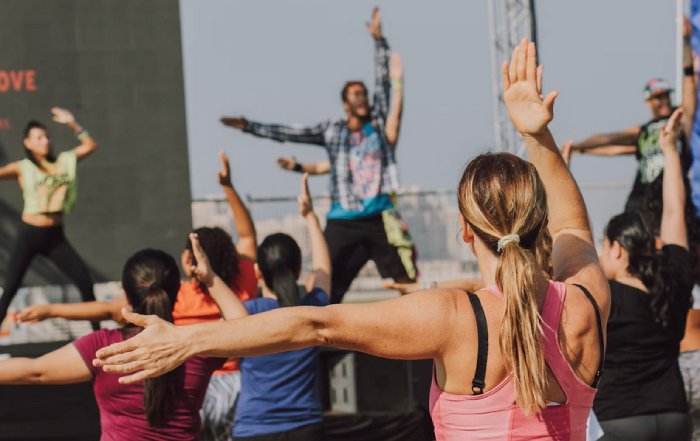
Music has emerged as one of the most powerful mediators between culture and exercise, functioning as both emotional catalyst and social connector. Genre-specific formats such as Afrobeat cardio, K-pop dance workouts, Bollywood-inspired interval training, and Latin reggaeton-based Zumba classes are now embedded in mainstream fitness offerings from Los Angeles to London and from Dubai to Sydney. These sessions lower barriers to entry by shifting the focus from performance metrics to enjoyment, familiarity, and cultural recognition, which in turn increases adherence and long-term engagement.
Global fitness companies such as Les Mills and Peloton have strategically expanded their music licensing, instructor base, and content localization to reflect this diversity. Peloton's "World Beats" programming, for example, has become a case study in how curated soundscapes can transform a cycling or strength session into a cultural journey, with instructors drawing on their own backgrounds to contextualize playlists and movement styles. Researchers at institutions like Harvard Medical School have also underscored the role of rhythm and music in enhancing motivation, coordination, and mood regulation, further validating what communities have long known intuitively. Learn more about how innovation is reshaping these experiences through FitPulse News innovation coverage.
For FitPulseNews.com, this intersection of sound and movement is not a peripheral detail but a central narrative thread: it reveals how emotional design, storytelling, and cultural familiarity can dramatically elevate the perceived value of a workout, transforming it from a task into a shared, meaningful ritual.
Digitally Networked Fitness Communities and Cultural Belonging
The rise of socially connected fitness platforms has accelerated the cultural turn in wellness by allowing communities to form beyond physical borders. Apps and ecosystems such as Strava, Zwift, and Nike Training Club have evolved into social networks where users do not simply log miles or minutes; they participate in global challenges aligned with cultural festivals, national holidays, and cause-driven campaigns. During observances like World Health Day or International Day of Sport for Development and Peace, millions join synchronized sessions streamed across time zones, creating an unprecedented sense of shared purpose.
Major sportswear and lifestyle brands have leveraged this momentum. Adidas Runners, Lululemon's Sweatlife experiences, and Under Armour's Human Performance initiatives now emphasize community-first programming in key markets such as the United States, Germany, the United Kingdom, and Singapore, often tailoring events to local languages, music, and traditions. These initiatives reflect a broader recognition that in a world marked by hybrid work and digital fatigue, people seek physical spaces and virtual communities where they can experience genuine connection. Readers tracking major events and activations can find ongoing coverage on FitPulse News events and experiences.
This shift from competition to connection has redefined success metrics within the fitness industry. Instead of focusing solely on individual performance, communities increasingly value inclusion, consistency, and mutual support, signaling a deeper understanding of fitness as a relational, not purely individual, endeavor.
Tradition Amplified by Technology
Technology has become a critical ally in preserving, adapting, and scaling culturally rooted fitness practices. Leading platforms and device ecosystems such as Apple Fitness+, Garmin Connect, and Fitbit Premium have invested heavily in localized content, offering multilingual coaching, region-specific playlists, and instructors who reflect the cultural identities of audiences in markets from Canada and Australia to Japan and Brazil. This strategy recognizes that representation is not cosmetic; it directly influences trust, engagement, and perceived relevance.
Virtual reality and extended reality fitness environments are also moving from experimental to mainstream. Users can now join immersive sessions that simulate cycling through Kyoto's historic districts, dancing through a digital recreation of Rio Carnival, or practicing Tai Chi in a virtual courtyard inspired by Chinese heritage architecture. These experiences draw on advances in spatial computing from companies such as Meta, HTC, and Sony, and are increasingly informed by cross-disciplinary research from organizations like the World Health Organization and the OECD on physical activity, mental health, and digital inclusion. Readers interested in how these technologies are transforming everyday routines can explore FitPulse News technology analysis.
The result is a new model of fitness product design in which technology is not an end in itself but a medium for cultural storytelling. Brands that succeed in this space are those that treat cultural nuance as a core design parameter, ensuring that digital experiences feel personal, respectful, and contextually grounded rather than generic or extractive.
Urban Fitness Hubs as Cultural Crossroads
In major metropolitan regions such as New York, London, Berlin, Singapore, Toronto, and Seoul, fitness studios and outdoor spaces are increasingly functioning as cultural crossroads. Multicultural demographics and dense urban design have given rise to hybrid studios that may offer Afro-fusion dance on one evening, Pilates in Mandarin the next morning, and Vinyasa yoga accompanied by live tabla or jazz on weekends. These spaces serve professionals, students, and families who see movement as a way to maintain physical health while also honoring or exploring cultural roots.
Digital platforms such as ClassPass and Mindbody have facilitated the discovery and growth of these niche offerings by connecting consumers with boutique studios that specialize in regional dance forms, martial arts, or culturally inflected strength and conditioning. At the same time, festivals like Wanderlust, Move It London, and regional wellness gatherings in cities from Paris to Melbourne illustrate how fitness can occupy the same cultural space as music, fashion, and art. Coverage of how these dynamics influence broader wellness patterns is regularly featured on FitPulse News wellness reporting.
For city governments and urban planners, this development has strategic implications: investing in inclusive, accessible public spaces for movement and recreation can strengthen social cohesion, attract tourism, and support local creative industries, particularly in regions aiming to position themselves as global wellness destinations.
Corporate Fitness, Cultural Alignment, and the Future of Work
As organizations adapt to hybrid and remote work models, employee well-being has become a board-level priority, and cultural alignment in fitness and wellness programs has emerged as a key differentiator. Multinational corporations such as Google, Microsoft, and Unilever have expanded their wellness strategies beyond traditional gym subsidies, introducing programs that integrate culturally relevant movement, music, and nutrition. These may include yoga and breathwork sessions tailored to offices in India, Afro-dance-inspired cardio for teams in South Africa, or Latin dance breaks in North and South American hubs, often coupled with education on stress management and mental health.
Sportswear leaders including Nike, Adidas, Lululemon, and Puma have also refined their brand narratives around inclusivity and representation. Campaigns like Nike's "You Can't Stop Us" continue to highlight athletes from diverse ethnic backgrounds and disciplines, while Lululemon's localized community events blend mindfulness practices with regionally relevant movement and storytelling. Business decision-makers tracking these shifts in employer branding and workforce strategy can find analysis on FitPulse News business coverage.
This corporate embrace of culturally attuned fitness reflects a broader understanding that employee health is inseparable from organizational performance, talent retention, and brand reputation. By acknowledging and celebrating cultural diversity through movement, companies are building more psychologically safe and engaged workplaces across North America, Europe, Asia, and beyond.
🌍 Global Culture-Centric Fitness Map
Explore how different regions blend tradition, movement & identity
Sports, Culture, and Soft Power
At the macro level, the blending of culture and fitness has significant implications for international relations and soft diplomacy. Mega-events such as the Olympic Games, FIFA World Cup, and Commonwealth Games have long showcased cultural diversity through ceremonies and competition, but in the mid-2020s there is a renewed emphasis on using sport and movement as deliberate tools for dialogue and reconciliation. Organizations such as Peace and Sport, working in collaboration with the United Nations and regional bodies like the European Union, support cross-border programs that use traditional games, dance, and team sports to build trust among youth in conflict-affected or polarized communities.
Local academies and NGOs in regions from the Balkans to East Africa and Southeast Asia are incorporating indigenous movement practices into curricula that teach teamwork, respect, and conflict resolution. These initiatives demonstrate that when fitness is framed as a shared cultural experience rather than a zero-sum competition, it can help bridge divides and foster empathy. Ongoing stories and case studies from such programs frequently appear in FitPulse News sports reporting.
For policymakers and global institutions, these developments underscore the strategic value of investing in community sports infrastructure and culturally relevant fitness programs as part of broader peacebuilding and social development agendas.
Wellness Tourism and Cross-Cultural Immersion
The global wellness tourism sector, already a major contributor to the travel economy, has continued to expand as travelers seek experiences that integrate movement, cultural learning, and mental restoration. Destinations like Bali, Chiang Mai, Tulum, Lisbon, and the coastal regions of Australia and New Zealand have positioned themselves as hubs where visitors can participate in local traditions-whether that means Muay Thai training in Thailand, surf-culture-based conditioning in Portugal, or indigenous healing and movement practices in New Zealand and Canada.
According to the Global Wellness Institute, wellness tourism has outpaced general tourism growth, with cultural immersion experiences playing an increasingly central role in traveler decision-making. Resorts and retreat centers in Europe, Asia, and the Americas are partnering with local instructors, elders, and cultural custodians to offer programs that respect intellectual property, prioritize fair compensation, and promote environmental stewardship. Readers can track how these trends intersect with geopolitics, sustainability, and economic development via FitPulse News world coverage.
This evolution reflects a deeper shift in consumer values: health-conscious travelers are less interested in passive luxury and more drawn to participatory experiences that foster understanding, humility, and reciprocal exchange between guests and host communities.
Storytelling, Media, and the Preservation of Movement Heritage
Cultural workouts are also being documented and disseminated through a rapidly expanding media ecosystem. Streaming platforms such as Netflix, YouTube, and specialized fitness services now feature documentaries, mini-series, and educational content that explore the roots of practices like Capoeira, Tai Chi, Yoga, and various African and Indigenous dance forms. Institutions such as The Smithsonian and leading European museums have begun curating programs that combine exhibitions with participatory workshops, allowing visitors to experience movement as both art and embodied history.
These efforts align with broader initiatives by organizations like UNESCO to safeguard intangible cultural heritage, recognizing that traditional movement practices carry philosophical, spiritual, and communal knowledge that cannot be captured solely in written records. By integrating these forms into contemporary fitness, communities and practitioners help ensure that heritage remains alive, adaptive, and relevant for younger generations. Readers can explore more on this cultural dimension through recurring features on FitPulse News culture section.
For the global fitness industry, this represents both an opportunity and a responsibility: the opportunity to enrich offerings with meaningful narratives, and the responsibility to engage with source communities ethically, crediting and compensating them appropriately.
Fitness, Equity, and Access in Diverse Communities
As the cultural fitness movement gains momentum, questions of equity and access have come to the forefront. Organizations such as Girls on the Run, Right to Play, and Move Together Global are expanding programs that use culturally resonant movement to reach underserved populations, including girls and women, refugees, and low-income communities across Africa, Asia, Europe, and the Americas. These initiatives recognize that barriers to fitness are often structural-linked to safety, cost, discrimination, and time-rather than a lack of interest.
In South Africa, township-based fitness collectives integrate local music and dance into public health campaigns that address non-communicable diseases and mental health. In India, regionally adapted yoga and folk-dance programs are being deployed to engage rural women and youth, while in parts of the Middle East and North Africa, community centers are designing gender-inclusive spaces that respect cultural norms around privacy and modesty. Public health agencies, including the World Health Organization, have highlighted such culturally tailored approaches as essential to closing global activity and health gaps. Readers can find related reporting and analysis on FitPulse News health coverage.
These developments reinforce a critical insight: when fitness is designed with cultural specificity and social context in mind, it becomes a powerful tool for empowerment, not just a lifestyle choice for the privileged.
Cultural Nutrition and the Fuel Behind Movement
The cultural renaissance in movement is mirrored by a renewed interest in traditional diets and food systems. Patterns such as the Mediterranean diet, Japanese washoku, and plant-forward Nordic diets are being revisited not only for their cardiovascular and longevity benefits, as documented by organizations like the American Heart Association and World Cancer Research Fund, but also for their emphasis on local, seasonal, and minimally processed foods.
Fitness retreats in Italy, Spain, and Greece now commonly pair physical training with farm-to-table cooking classes, teaching participants how olive oil, legumes, whole grains, and fresh produce support both performance and long-term health. In Japan and South Korea, corporate wellness programs are integrating education on fermented foods and gut health, while in North America, there is growing recognition of Indigenous food systems that prioritize biodiversity, balance, and respect for land. Readers interested in how these patterns intersect with performance, longevity, and environmental sustainability can explore FitPulse News nutrition coverage.
This integrated approach underscores a core principle that informs much of FitPulseNews.com reporting: fitness outcomes are inseparable from broader lifestyle ecosystems, in which culture, food, sleep, mental health, and environment interact in complex but navigable ways.
Sustainability, Environment, and Nature-Centric Movement
Sustainability has become a defining concern for both consumers and organizations, and cultural fitness practices that emphasize harmony with nature are gaining visibility as models for the future. Nordic traditions of outdoor training, Japanese shinrin-yoku or forest bathing, and community-based activities like plogging-jogging while picking up litter-illustrate how movement can be aligned with environmental stewardship.
Brands such as Patagonia and The North Face have gone beyond product marketing to champion environmental activism, often organizing community hikes, clean-ups, and climate awareness runs that link physical activity with advocacy. In parallel, architects and engineers in Europe, North America, and Asia are designing gyms and sports facilities that use renewable energy, recycled materials, and biophilic design principles, with guidance from organizations like the U.S. Green Building Council and the World Resources Institute. Readers can follow these developments through FitPulse News environment and sustainability reporting and dedicated coverage on sustainability in wellness.
These initiatives reflect an emerging consensus: personal well-being cannot be decoupled from planetary health. Cultural traditions that treat nature as a partner rather than a backdrop are offering vital frameworks for reimagining sustainable fitness in cities and rural areas alike.
Looking Ahead: A More Integrated Global Wellness Culture
As of 2026, the trajectory of culture-centric fitness points toward deeper integration between technology, tradition, business strategy, and social impact. Advances in artificial intelligence and data analytics are enabling hyper-personalized coaching that can adapt not only to an individual's biometrics and goals, but also to their language, cultural references, and motivational triggers. Wearables and platforms are beginning to experiment with emotionally aware algorithms that adjust music, intensity, and coaching style based on user feedback and behavioral patterns, while remaining subject to emerging privacy and ethics standards from regulators in the European Union, North America, and Asia.
At the same time, collaborations between health ministries, cultural institutions, and private sector innovators are working to ensure that traditional movement practices are preserved, respected, and thoughtfully adapted to modern life. For FitPulseNews.com, which covers health, fitness, business, technology, culture, and sustainability for readers across the United States, Europe, Asia, Africa, and the Americas, this convergence is not a passing moment but a long-term realignment of what wellness means. It is reshaping product development, workplace policy, urban planning, tourism, and media in ways that will continue to unfold over the next decade.
Conclusion: Movement as a Shared Cultural Language
The cultural future of fitness is, at its core, a story about connection. By embedding workouts within the music, stories, rituals, and environments that people cherish, communities around the world are transforming exercise from an isolated obligation into a shared language that crosses age, geography, and profession. From community dance classes in Lagos and Seoul to VR-enhanced Tai Chi sessions in Toronto, from corporate wellness programs in London to eco-fitness initiatives in Stockholm and Cape Town, movement is becoming a medium for empathy, learning, and collaboration.
For leaders, practitioners, and enthusiasts who follow FitPulseNews.com, the message is clear: the most resilient and impactful fitness ecosystems are those that respect cultural nuance, foreground community, and align personal health with social and environmental responsibility. As innovation accelerates and global challenges intensify, this integrated, culture-aware approach to movement offers a path toward not only stronger bodies, but more connected and sustainable societies.
Readers seeking deeper analysis and ongoing coverage of these developments can explore the latest features and reports on global fitness trends, holistic wellness, business and workplace transformation, technology and innovation, and sustainability in health and fitness, all curated to reflect the evolving pulse of cultural fitness in 2026 and beyond.