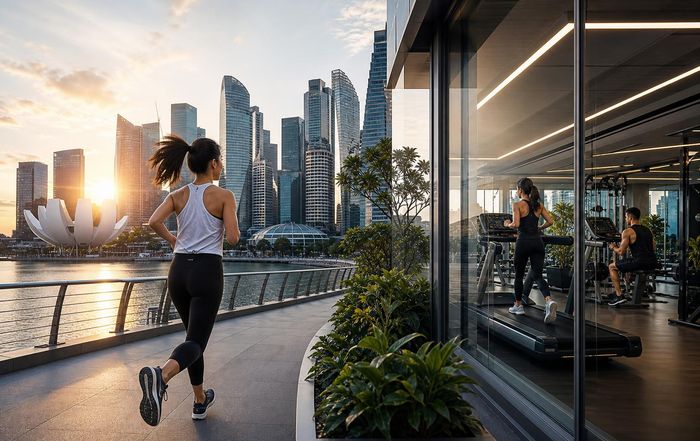
Hybrid Fitness: How Offline and Digital Training Ecosystems Are Redefining Wellness

Last updated by Editorial team at fitpulsenews.com on Sunday 25 January 2026
Hybrid Fitness How Offline and Digital Training Ecosystems Are Redefining Wellness

Hybrid Fitness: How Integrated Wellness Became the New Global Standard

The hybrid fitness model has moved from an emergent response to disruption into the dominant operating system of the global wellness economy, and for the audience of FitPulseNews, this shift is not an abstract industry trend but a lived reality that shapes how professionals, athletes, and everyday consumers engage with their health, performance, and long-term well-being. What began in the early 2020s as an improvised blend of at-home workouts and limited gym access has matured into a sophisticated, data-rich ecosystem that connects physical spaces, digital platforms, wearables, and health services into a continuous, personalized experience that spans borders and time zones.

Hybrid fitness in 2026 is no longer framed as a choice between in-person and online training, but as a unified framework where club visits, connected equipment, streaming content, AI coaching, and recovery protocols are orchestrated around the individual rather than the facility. From high-end clubs, this model is redefining how value is created and measured in the wellness economy, and it is reshaping adjacent sectors from corporate benefits to insurance, sports performance, hospitality, and urban development. Readers who follow evolving fitness industry coverage can now see hybrid fitness not as a trend to monitor but as the baseline assumption for any serious player in the market.

A Wellness Economy Built on Data, Experience, and Trust

The global wellness economy, estimated by McKinsey & Company and other leading analysts to have surpassed the $1.8 trillion mark earlier in the decade, has continued to grow, with digital fitness, telehealth, and connected devices taking a steadily larger share of consumer spending. Organizations such as the Global Wellness Institute and World Economic Forum have highlighted how health, fitness, and prevention are increasingly viewed as strategic investments by individuals, employers, and governments alike, particularly in markets like the United States, United Kingdom, Germany, Canada, Australia, Singapore, and the Nordic countries where digital infrastructure and health literacy are strong.

In this environment, hybrid fitness has distinguished itself by aligning three powerful forces: the demand for convenience and personalization, the rise of measurable outcomes, and the need for trusted, human-centered guidance. Consumers in 2026 expect more than access to equipment or on-demand videos; they expect integrated ecosystems that connect their training history, biometric data, mental health indicators, and lifestyle choices into a coherent plan. This expectation has driven gyms, studios, and digital-native platforms to invest heavily in secure data infrastructure, interoperability, and evidence-based programming, reinforcing the importance of experience, expertise, authoritativeness, and trustworthiness in the way brands communicate and deliver services. For business readers, fitness market analysis increasingly centers on how well organizations can translate data into meaningful, ethical, and transparent value.

Redefining the Member Journey Across Physical and Digital Touchpoints

In 2026, hybrid fitness has fundamentally reconfigured the member journey, which now begins long before a prospective client steps into a club and continues long after a workout ends. Prospective members may first encounter a brand via a digital ad, a social challenge on Strava, or a recommendation from a corporate wellness portal, then book an introductory session through a mobile app that already syncs with their Apple Health or Google Fit data. From that point, physical assessments, onboarding content, and goal-setting sessions are often delivered through a mix of in-club consultations and app-based education, setting expectations for an ongoing partnership rather than a transactional membership.

Leading hybrid operators in the United States, United Kingdom, and across Europe now structure their offerings in layered tiers that combine unlimited digital access, a set number of in-person sessions, and specialized services such as small-group coaching, recovery therapies, or sports performance testing. Chains like Equinox, Planet Fitness, and Basic-Fit have invested in proprietary apps that unify scheduling, training plans, progress dashboards, and community features, while digital-first platforms such as Peloton, Les Mills+, and Apple Fitness+ continue to expand their reach into gyms, hotels, and corporate campuses through licensing and hardware integrations. Readers interested in how technology underpins this evolution can explore broader fitness technology developments, where hybrid models are frequently at the center of innovation.

Smart Gyms as Nodes in a Connected Performance Network

Gyms in 2026 increasingly resemble smart hubs within a distributed performance network rather than standalone destinations, as equipment manufacturers and software providers have converged around cloud-based, API-driven architectures. Companies such as Technogym, Life Fitness, Echelon, and Matrix Fitness have standardized connectivity across cardio and strength machines, enabling users to log in with a wearable or QR code, automatically load personalized programs, and sync every repetition and interval to their digital profile.

This infrastructure allows members to move fluidly between home, club, hotel, and office environments without losing continuity, as metrics such as heart rate, power output, time in zone, and recovery scores are aggregated into unified dashboards. Platforms like Garmin Connect and Polar Flow integrate with club systems and third-party apps, while open-health initiatives like Apple's HealthKit and Google Health continue to shape standards for interoperability. For readers of FitPulseNews, this connected landscape is particularly relevant to those tracking sports performance and innovation, where real-time data and longitudinal analysis are redefining how both amateurs and professionals train.

AI-Driven Personalization and the Rise of Intelligent Coaching

Artificial intelligence, which was already reshaping training recommendations by 2025, has deepened its role in 2026 as models have become more accurate, context-aware, and integrated into everyday tools. Platforms such as Freeletics, Fitbod, WHOOP, and Oura analyze multi-dimensional data sets that include heart rate variability, sleep stages, training load, menstrual cycle tracking, and stress indicators to generate adaptive plans that adjust in near real time. On the professional side, organizations like Catapult Sports and Kitman Labs provide analytics engines used by elite teams in the NBA, Premier League, Bundesliga, NFL, and MLB, with many of these methodologies now filtering into consumer offerings.

Computer vision and motion-capture technologies, accessible via smartphone cameras or connected mirrors, allow AI-driven "form coaches" to evaluate movement patterns, provide corrective cues, and track improvements in mobility, strength, and stability without requiring specialized hardware. For many FitPulseNews readers, particularly those following health and performance insights, the most significant development is that AI no longer functions as a generic recommendation engine but as a context-sensitive partner that learns from each user's history, preferences, and constraints. At the same time, responsible operators are increasingly guided by frameworks from organizations like OECD's AI Observatory and IEEE's Ethics in Action in AI to ensure fairness, transparency, and accountability in algorithmic decision-making.

The Evolution of Hybrid Fitness

From Emergency Response to Global Standard (2020-2026)

Early 2020s

Emergency Adaptation

Hybrid fitness emerges as an improvised blend of at-home workouts and limited gym access during global disruption

2022-2023

Data Integration

Wearables, connected equipment, and health platforms begin synchronizing into unified ecosystems with cloud-based architectures

2024

AI-Powered Personalization

Intelligent coaching systems analyze multi-dimensional data including HRV, sleep, training load, and stress to generate adaptive plans

2025

Corporate Integration

Major employers embed hybrid fitness into workplace strategy as essential tools for managing burnout and retaining talent

2026

Global Standard

Hybrid fitness becomes the dominant operating system across North America, Europe, Asia-Pacific, with integrated physical-digital experiences

2030 Vision

Essential Infrastructure

Projected integration with urban planning, healthcare systems, and public health as smart cities adopt connected wellness ecosystems

$1.8T+
Global Wellness Economy
100%
Digital-Physical Integration
6 Years
Transformation Timeline
Global
Market Reach

Human Expertise as the Differentiator in a Digitized Landscape

Despite the proliferation of intelligent systems, human expertise has become more-not less-central to the value proposition of serious fitness and wellness brands. In 2026, the most successful clubs, studios, and digital platforms position certified trainers, sports scientists, dietitians, psychologists, and medical advisors as interpreters of data and curators of experience. Platforms such as TrueCoach, Trainerize, and My PT Hub enable professionals to build hybrid coaching businesses that blend in-person sessions with structured digital support, while telehealth integration allows collaboration with physicians, physiotherapists, and mental health professionals when needed.

For coaches, the required skill set has expanded well beyond program design and motivation. They must be conversant in wearable metrics, understand the basics of sleep science and stress physiology, and navigate digital communication tools with professionalism and empathy. In markets like Germany, Canada, and the Nordic countries, where regulatory frameworks and professional standards are stringent, this evolution is supported by continuing education programs and accreditation systems aligned with bodies such as the American College of Sports Medicine, National Strength and Conditioning Association, and UK Active. Readers who follow wellness and coaching trends will recognize that in this environment, trust is earned not only through technology but through transparent qualifications, evidence-based practice, and consistent, human-centered communication.

Regional Dynamics: How Hybrid Fitness Differs Across Markets

While hybrid fitness is a global phenomenon, its expression varies significantly across regions, reflecting cultural norms, infrastructure, and regulatory environments. In North America, particularly the United States and Canada, the model is characterized by a strong emphasis on individual choice, flexible memberships, and high adoption of wearables and home equipment. Major chains and boutique studios complement their in-person offerings with extensive on-demand libraries, live-streamed classes, and personalized app experiences, while corporate wellness programs integrate fitness challenges and incentives into broader benefits strategies.

In Western Europe, including the United Kingdom, Germany, France, Spain, Italy, and the Netherlands, hybrid fitness often emphasizes community, social cohesion, and local identity. Operators integrate digital leaderboards, neighborhood events, and charity challenges, while public policy initiatives encourage active transport and outdoor training. Reports from organizations like EuropeActive and Sport England highlight how digital platforms are used to complement, rather than replace, community sport and recreation. Readers exploring world and regional wellness developments can see how hybrid models reinforce broader societal goals around health equity and inclusion.

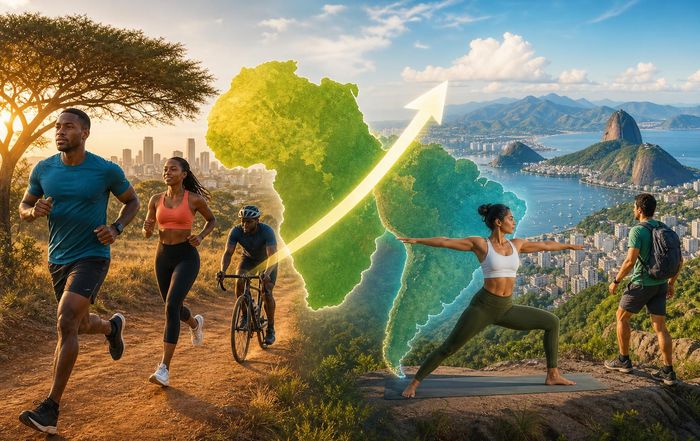
In Asia-Pacific markets such as Singapore, Japan, South Korea, Australia, and increasingly Thailand and Malaysia, hybrid fitness is closely tied to broader smart-city and digital transformation agendas. High-speed connectivity, dense urban environments, and strong consumer interest in technology have fostered rapid adoption of immersive experiences, from VR cycling studios to AR-enhanced outdoor routes. In China, large ecosystems such as Keep and Tencent-backed platforms blend fitness, social networking, and e-commerce, while in India and Indonesia, mobile-first startups are bringing affordable training and health education to rapidly growing middle classes. Across Africa and Latin America, especially in South Africa and Brazil, hybrid fitness is gaining momentum through community-based initiatives, smartphone apps, and partnerships with telecom providers that reduce data costs and expand access.

Sustainability, Infrastructure, and the Ethics of Growth

As hybrid fitness has scaled, sustainability has shifted from a niche selling point to a strategic imperative. Environmentally conscious brands and operators recognize that the wellness industry cannot credibly promote individual health while ignoring environmental impact, and they are rethinking everything from facility design to digital operations. Pioneering concepts like energy-generating cardio equipment, low-impact materials, and modular, flexible club layouts are now common among eco-focused operators such as Terra Hale and Green Gym Group, while larger chains pursue certifications aligned with LEED or BREEAM standards.

On the digital side, organizations are increasingly aware of the carbon footprint associated with data centers, streaming content, and device manufacturing. Some platforms now publish sustainability reports aligned with frameworks from the United Nations Environment Programme and CDP, while others explore blockchain-based transparency tools to track carbon offsets and supply-chain impacts. For readers of FitPulseNews focused on sustainability and environment, hybrid fitness offers a compelling case study of how a rapidly growing, tech-enabled sector can align profitability with environmental and social responsibility when guided by clear metrics and stakeholder expectations.

Corporate Wellness, Jobs, and the Changing Nature of Work

By 2026, hybrid fitness has become a core component of modern workplace strategy, particularly in knowledge-based industries and multinational organizations. Companies such as Google, Microsoft, Salesforce, and Deloitte continue to invest heavily in integrated wellness platforms that combine digital fitness subscriptions, mental health resources, ergonomic support, and access to partner gyms and studios worldwide. These programs are no longer framed as perks but as essential tools for managing burnout, improving productivity, and attracting and retaining talent in competitive labor markets.

The corporate wellness sector has also emerged as a significant source of employment and entrepreneurship opportunities. Coaches, physiotherapists, nutritionists, and mental health professionals are increasingly engaged on hybrid contracts that combine on-site presence with remote consultations, while product managers, data scientists, and UX designers build the digital infrastructure that underpins these services. For readers following jobs and career trends, the hybrid fitness ecosystem exemplifies how roles at the intersection of health and technology can offer resilient, future-oriented career paths across North America, Europe, Asia, and beyond.

Nutrition, Recovery, and the Expansion of Holistic Health

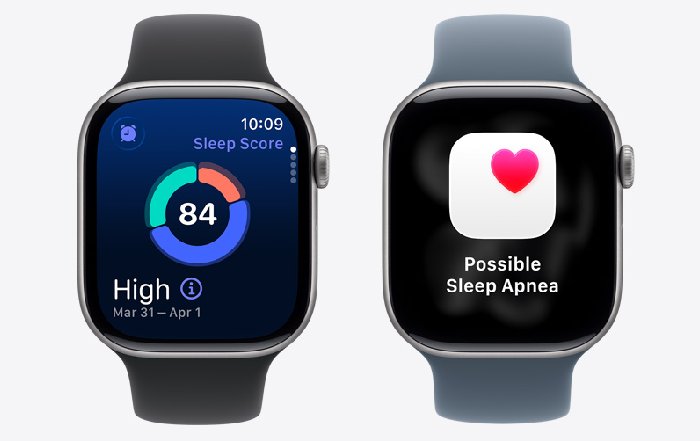
As the hybrid model has matured, it has expanded far beyond the workout itself to encompass nutrition, recovery, and mental health as integral components of performance. Platforms like MyFitnessPal, Noom, Cronometer, Nutrium, and Lifesum integrate seamlessly with training apps and wearables, enabling users to align energy intake, macronutrient profiles, and hydration strategies with their activity levels and body composition goals. Recovery ecosystems, anchored by brands such as Therabody, Hyperice, and Normatec, have become standard features in high-end clubs and sports facilities, while sleep and stress management tools from Oura, WHOOP, and mindfulness platforms like Headspace and Calm are increasingly embedded into employer-sponsored programs.

This integrated view of health is reflected in the editorial choices of FitPulseNews, where nutrition, wellness, and health news are treated as interconnected domains rather than isolated categories. Scientific consensus from institutions such as the World Health Organization, Harvard T.H. Chan School of Public Health, and Mayo Clinic reinforces this holistic perspective, emphasizing that sustainable performance and disease prevention depend on the interplay of movement, nutrition, sleep, stress, and social connection over the long term.

Cultural Influence, Digital Communities, and Brand Power

Hybrid fitness has also become a powerful cultural force, shaping identities, communities, and consumer expectations across continents. Platforms like Strava, Zwift, Nike Run Club, and Adidas Running have created global communities where runners, cyclists, and multi-sport athletes share routes, compete in challenges, and celebrate achievements, blurring the lines between local and global, online and offline. Influencers, athletes, and content creators use these platforms to tell stories that resonate with diverse audiences, from college students in the United States and United Kingdom to professionals in Singapore, Dubai, and Johannesburg.

Major brands such as Nike, Adidas, Under Armour, Lululemon, and Puma have moved decisively into the hybrid space by building or acquiring digital platforms, partnering with hardware manufacturers, and sponsoring virtual events. Initiatives like Nike Training Club, MapMyRun, and Lululemon Studio (formerly Mirror) illustrate how apparel companies have evolved into service providers, leveraging their cultural capital to drive engagement and loyalty. For FitPulseNews readers tracking brand strategy and cultural shifts, hybrid fitness demonstrates how storytelling, community building, and technology integration can reinforce brand equity in a crowded and rapidly evolving marketplace.

Economics, Retention, and the Business Logic of Integration

From a business perspective, hybrid fitness has proven to be more than a defensive play; it has become a robust growth model that diversifies revenue streams and stabilizes cash flow. Traditional clubs now layer digital subscriptions, premium content, small-group programs, branded merchandise, and corporate partnerships on top of base memberships, while digital-native platforms monetize through tiered access, hardware bundles, and B2B licensing agreements. The most successful operators use data analytics to segment customers, identify high-value behaviors, and design offerings that maximize lifetime value without eroding trust.

Retention, long a challenge in the fitness sector, has improved where hybrid strategies are executed well. Continuous engagement through apps, wearables, and community features reduces the "out of sight, out of mind" problem that historically plagued brick-and-mortar models, while personalized communications-often powered by AI-driven customer relationship management systems-help re-engage members at risk of dropping out. Reports from consultancies like Deloitte and PwC highlight how operators that invest in robust data infrastructure and customer-centric design outperform peers on both retention and profitability. For readers exploring business and innovation insights, the hybrid fitness sector offers concrete examples of how digital transformation, when anchored in genuine user value, can create resilient, scalable models in a volatile macroeconomic environment.

Challenges, Governance, and the Path to 2030

Despite its momentum, hybrid fitness in 2026 faces real challenges that will shape its trajectory toward 2030. Data privacy and cybersecurity remain front-of-mind as platforms collect increasingly sensitive health information, from genetic markers and mental health histories to detailed geolocation data. Regulators in Europe, North America, and Asia continue to refine frameworks such as the EU's General Data Protection Regulation and emerging health-data standards, while industry bodies and consumer advocates push for clearer consent mechanisms, data minimization, and robust breach-response protocols.

Accessibility and equity are also critical concerns. While hybrid fitness has expanded access in many regions, digital divides persist in parts of Africa, South America, and lower-income communities in developed countries, where connectivity, device costs, and health literacy remain barriers. Organizations like the World Bank and UNESCO emphasize that inclusive digital health strategies must address infrastructure, education, and cultural relevance to avoid widening existing disparities. For the global audience of FitPulseNews, which spans North America, Europe, Asia, Africa, and South America, these issues underscore the importance of evaluating innovation not only by its technical sophistication but by its real-world reach and impact.

Looking ahead, hybrid fitness is poised to intersect even more deeply with urban planning, healthcare systems, and environmental policy. Concepts such as smart parks, connected running routes, and integrated public-health dashboards are already being piloted in cities like Singapore, Copenhagen, Amsterdam, and Seoul, with support from organizations such as C40 Cities and World Health Organization's Healthy Cities initiative. As climate resilience, mental health, and chronic disease prevention rise on policy agendas, hybrid fitness ecosystems-anchored in trusted brands, evidence-based practice, and secure technology-are likely to be seen as essential infrastructure rather than discretionary consumer products.

A New Baseline for Integrated, Lifelong Wellness

By 2026, hybrid fitness has evolved into the default architecture of serious wellness practice, and for the community that turns to FitPulseNews for insight, this shift is both a professional reality and a personal opportunity. Whether in New York or London, Berlin or Toronto, Singapore or Sydney, individuals now have unprecedented ability to design health journeys that reflect their goals, constraints, and values, supported by a global ecosystem of experts, technologies, and communities.

The organizations and professionals that thrive in this environment are those that combine deep domain expertise with ethical use of data, transparent communication, and a genuine commitment to long-term outcomes. The future of fitness is not defined by any single device, app, or training trend, but by the integration of physical spaces, digital intelligence, human relationships, and planetary stewardship into a coherent, trustworthy whole.

For readers seeking to stay ahead of this transformation, FitPulseNews continues to track the intersection of fitness, business, technology, sports, health, and sustainability, offering analysis, context, and perspectives designed for a global, forward-looking audience that understands hybrid fitness not as a passing phase, but as the foundation of integrated, lifelong wellness.

The Fusion of Culture and Workouts Driving Community Fitness Movements

Last updated by Editorial team at fitpulsenews.com on Sunday 25 January 2026
Article Image for The Fusion of Culture and Workouts Driving Community Fitness Movements

How Culture-Centric Fitness Is Redefining Global Wellness

This year the convergence of culture and movement has matured from an emerging trend into a defining characteristic of the global fitness and wellness economy. Across continents and industries, fitness is no longer perceived merely as a technical pursuit of strength, endurance, or aesthetics; it has become a living expression of identity, community, and shared values. From New York's hip-hop fitness collectives and Seoul's K-pop dance training studios to Brazil's Capoeira rodas and Nordic outdoor training traditions, this evolution is reshaping how individuals and organizations think about health, performance, and belonging. For FitPulseNews.com, which tracks the intersection of health, business, culture, and innovation, this shift represents a critical lens through which to understand not only how people move, but how they connect, work, travel, and build more resilient societies.

Culture as the New Core of Fitness Identity

The globalization of media, travel, and digital platforms has dissolved many geographical boundaries, but it has also intensified the desire for rootedness and authenticity. In fitness, this has translated into a decisive move away from a singular, Western gym-centric model toward a pluralistic landscape where local practices and cultural philosophies hold equal weight. Ancient Asian disciplines such as Tai Chi, Yoga, and Muay Thai have been reinterpreted through contemporary formats, from app-based coaching and hybrid studio concepts to immersive retreats that blend tradition with modern sports science. Readers can follow how these practices intersect with broader health outcomes through ongoing coverage on FitPulse News health insights.

In Europe, urban wellness culture has become a laboratory for integrating art, music, and sustainability into physical activity, with cities such as Berlin, Copenhagen, and Barcelona championing creative, design-driven spaces that combine movement with mindfulness and environmental awareness. Meanwhile, across Africa and South America, fitness remains inseparable from cultural heritage; Afrobeat-inspired dance sessions in Lagos or samba-infused conditioning in Rio de Janeiro fuse rhythm, resilience, and pride, demonstrating how physical exertion can be a vehicle for joy, storytelling, and social cohesion. This mosaic of practices has produced a global fitness identity that is multi-sensory and multi-ethnic, enabling individuals from Johannesburg to Tokyo to share experiences that may differ in language but are unified through movement and shared emotional resonance.

Music, Rhythm, and the Emotional Architecture of Workouts

Music has emerged as one of the most powerful mediators between culture and exercise, functioning as both emotional catalyst and social connector. Genre-specific formats such as Afrobeat cardio, K-pop dance workouts, Bollywood-inspired interval training, and Latin reggaeton-based Zumba classes are now embedded in mainstream fitness offerings from Los Angeles to London and from Dubai to Sydney. These sessions lower barriers to entry by shifting the focus from performance metrics to enjoyment, familiarity, and cultural recognition, which in turn increases adherence and long-term engagement.

Global fitness companies such as Les Mills and Peloton have strategically expanded their music licensing, instructor base, and content localization to reflect this diversity. Peloton's "World Beats" programming, for example, has become a case study in how curated soundscapes can transform a cycling or strength session into a cultural journey, with instructors drawing on their own backgrounds to contextualize playlists and movement styles. Researchers at institutions like Harvard Medical School have also underscored the role of rhythm and music in enhancing motivation, coordination, and mood regulation, further validating what communities have long known intuitively. Learn more about how innovation is reshaping these experiences through FitPulse News innovation coverage.

For FitPulseNews.com, this intersection of sound and movement is not a peripheral detail but a central narrative thread: it reveals how emotional design, storytelling, and cultural familiarity can dramatically elevate the perceived value of a workout, transforming it from a task into a shared, meaningful ritual.

Digitally Networked Fitness Communities and Cultural Belonging

The rise of socially connected fitness platforms has accelerated the cultural turn in wellness by allowing communities to form beyond physical borders. Apps and ecosystems such as Strava, Zwift, and Nike Training Club have evolved into social networks where users do not simply log miles or minutes; they participate in global challenges aligned with cultural festivals, national holidays, and cause-driven campaigns. During observances like World Health Day or International Day of Sport for Development and Peace, millions join synchronized sessions streamed across time zones, creating an unprecedented sense of shared purpose.

Major sportswear and lifestyle brands have leveraged this momentum. Adidas Runners, Lululemon's Sweatlife experiences, and Under Armour's Human Performance initiatives now emphasize community-first programming in key markets such as the United States, Germany, the United Kingdom, and Singapore, often tailoring events to local languages, music, and traditions. These initiatives reflect a broader recognition that in a world marked by hybrid work and digital fatigue, people seek physical spaces and virtual communities where they can experience genuine connection. Readers tracking major events and activations can find ongoing coverage on FitPulse News events and experiences.

This shift from competition to connection has redefined success metrics within the fitness industry. Instead of focusing solely on individual performance, communities increasingly value inclusion, consistency, and mutual support, signaling a deeper understanding of fitness as a relational, not purely individual, endeavor.

Tradition Amplified by Technology

Technology has become a critical ally in preserving, adapting, and scaling culturally rooted fitness practices. Leading platforms and device ecosystems such as Apple Fitness+, Garmin Connect, and Fitbit Premium have invested heavily in localized content, offering multilingual coaching, region-specific playlists, and instructors who reflect the cultural identities of audiences in markets from Canada and Australia to Japan and Brazil. This strategy recognizes that representation is not cosmetic; it directly influences trust, engagement, and perceived relevance.

Virtual reality and extended reality fitness environments are also moving from experimental to mainstream. Users can now join immersive sessions that simulate cycling through Kyoto's historic districts, dancing through a digital recreation of Rio Carnival, or practicing Tai Chi in a virtual courtyard inspired by Chinese heritage architecture. These experiences draw on advances in spatial computing from companies such as Meta, HTC, and Sony, and are increasingly informed by cross-disciplinary research from organizations like the World Health Organization and the OECD on physical activity, mental health, and digital inclusion. Readers interested in how these technologies are transforming everyday routines can explore FitPulse News technology analysis.

The result is a new model of fitness product design in which technology is not an end in itself but a medium for cultural storytelling. Brands that succeed in this space are those that treat cultural nuance as a core design parameter, ensuring that digital experiences feel personal, respectful, and contextually grounded rather than generic or extractive.

Urban Fitness Hubs as Cultural Crossroads

In major metropolitan regions such as New York, London, Berlin, Singapore, Toronto, and Seoul, fitness studios and outdoor spaces are increasingly functioning as cultural crossroads. Multicultural demographics and dense urban design have given rise to hybrid studios that may offer Afro-fusion dance on one evening, Pilates in Mandarin the next morning, and Vinyasa yoga accompanied by live tabla or jazz on weekends. These spaces serve professionals, students, and families who see movement as a way to maintain physical health while also honoring or exploring cultural roots.

Digital platforms such as ClassPass and Mindbody have facilitated the discovery and growth of these niche offerings by connecting consumers with boutique studios that specialize in regional dance forms, martial arts, or culturally inflected strength and conditioning. At the same time, festivals like Wanderlust, Move It London, and regional wellness gatherings in cities from Paris to Melbourne illustrate how fitness can occupy the same cultural space as music, fashion, and art. Coverage of how these dynamics influence broader wellness patterns is regularly featured on FitPulse News wellness reporting.

For city governments and urban planners, this development has strategic implications: investing in inclusive, accessible public spaces for movement and recreation can strengthen social cohesion, attract tourism, and support local creative industries, particularly in regions aiming to position themselves as global wellness destinations.

Corporate Fitness, Cultural Alignment, and the Future of Work

As organizations adapt to hybrid and remote work models, employee well-being has become a board-level priority, and cultural alignment in fitness and wellness programs has emerged as a key differentiator. Multinational corporations such as Google, Microsoft, and Unilever have expanded their wellness strategies beyond traditional gym subsidies, introducing programs that integrate culturally relevant movement, music, and nutrition. These may include yoga and breathwork sessions tailored to offices in India, Afro-dance-inspired cardio for teams in South Africa, or Latin dance breaks in North and South American hubs, often coupled with education on stress management and mental health.

Sportswear leaders including Nike, Adidas, Lululemon, and Puma have also refined their brand narratives around inclusivity and representation. Campaigns like Nike's "You Can't Stop Us" continue to highlight athletes from diverse ethnic backgrounds and disciplines, while Lululemon's localized community events blend mindfulness practices with regionally relevant movement and storytelling. Business decision-makers tracking these shifts in employer branding and workforce strategy can find analysis on FitPulse News business coverage.

This corporate embrace of culturally attuned fitness reflects a broader understanding that employee health is inseparable from organizational performance, talent retention, and brand reputation. By acknowledging and celebrating cultural diversity through movement, companies are building more psychologically safe and engaged workplaces across North America, Europe, Asia, and beyond.

🌍 Global Culture-Centric Fitness Map

Explore how different regions blend tradition, movement & identity

North America🗽
🎤
Hip-Hop Fitness Collectives
NYC-based rhythmic movement combining street dance culture with high-intensity training
🌲
Indigenous Movement Systems
Traditional practices prioritizing biodiversity, balance, and respect for land
💃
Latin Dance Integration
Reggaeton and salsa-inspired cardio connecting heritage with contemporary fitness
Europe🏛️
🎨
Design-Driven Wellness Spaces
Berlin, Copenhagen & Barcelona studios combining art, music & environmental awareness
❄️
Nordic Outdoor Training
Nature-centric movement emphasizing harmony with environment and sustainability
🥗
Mediterranean Wellness
Farm-to-table integration with physical training in Italy, Spain & Greece
Asia🏮
🎵
K-Pop Dance Studios
Seoul's high-energy choreography blending performance art with fitness culture
🧘
Traditional Disciplines Reimagined
Tai Chi, Yoga & Muay Thai through app-based coaching and hybrid studio concepts
🌳
Forest Bathing (Shinrin-yoku)
Japanese practice linking mindful movement with nature immersion
Africa🦁
🥁
Afrobeat Cardio Sessions
Lagos dance workouts fusing rhythm, resilience & pride through cultural storytelling
🏘️
Township Fitness Collectives
South African programs integrating local music into public health campaigns
💪
Afro-Fusion Movement
Multicultural studio offerings celebrating diverse African dance traditions
South America🌴
🎭
Capoeira Rodas
Brazilian martial art combining acrobatics, music & cultural heritage preservation
💃
Samba-Infused Conditioning
Rio's rhythm-based training demonstrating joy, storytelling & social cohesion
🌊
Coastal Wellness Retreats
Immersive experiences blending local traditions with modern movement science
6
Continents Connected
15+
Cultural Practices
Ways to Move
Click each region to explore culture-centric fitness practices from around the world

Sports, Culture, and Soft Power

At the macro level, the blending of culture and fitness has significant implications for international relations and soft diplomacy. Mega-events such as the Olympic Games, FIFA World Cup, and Commonwealth Games have long showcased cultural diversity through ceremonies and competition, but in the mid-2020s there is a renewed emphasis on using sport and movement as deliberate tools for dialogue and reconciliation. Organizations such as Peace and Sport, working in collaboration with the United Nations and regional bodies like the European Union, support cross-border programs that use traditional games, dance, and team sports to build trust among youth in conflict-affected or polarized communities.

Local academies and NGOs in regions from the Balkans to East Africa and Southeast Asia are incorporating indigenous movement practices into curricula that teach teamwork, respect, and conflict resolution. These initiatives demonstrate that when fitness is framed as a shared cultural experience rather than a zero-sum competition, it can help bridge divides and foster empathy. Ongoing stories and case studies from such programs frequently appear in FitPulse News sports reporting.

For policymakers and global institutions, these developments underscore the strategic value of investing in community sports infrastructure and culturally relevant fitness programs as part of broader peacebuilding and social development agendas.

Wellness Tourism and Cross-Cultural Immersion

The global wellness tourism sector, already a major contributor to the travel economy, has continued to expand as travelers seek experiences that integrate movement, cultural learning, and mental restoration. Destinations like Bali, Chiang Mai, Tulum, Lisbon, and the coastal regions of Australia and New Zealand have positioned themselves as hubs where visitors can participate in local traditions-whether that means Muay Thai training in Thailand, surf-culture-based conditioning in Portugal, or indigenous healing and movement practices in New Zealand and Canada.

According to the Global Wellness Institute, wellness tourism has outpaced general tourism growth, with cultural immersion experiences playing an increasingly central role in traveler decision-making. Resorts and retreat centers in Europe, Asia, and the Americas are partnering with local instructors, elders, and cultural custodians to offer programs that respect intellectual property, prioritize fair compensation, and promote environmental stewardship. Readers can track how these trends intersect with geopolitics, sustainability, and economic development via FitPulse News world coverage.

This evolution reflects a deeper shift in consumer values: health-conscious travelers are less interested in passive luxury and more drawn to participatory experiences that foster understanding, humility, and reciprocal exchange between guests and host communities.

Storytelling, Media, and the Preservation of Movement Heritage

Cultural workouts are also being documented and disseminated through a rapidly expanding media ecosystem. Streaming platforms such as Netflix, YouTube, and specialized fitness services now feature documentaries, mini-series, and educational content that explore the roots of practices like Capoeira, Tai Chi, Yoga, and various African and Indigenous dance forms. Institutions such as The Smithsonian and leading European museums have begun curating programs that combine exhibitions with participatory workshops, allowing visitors to experience movement as both art and embodied history.

These efforts align with broader initiatives by organizations like UNESCO to safeguard intangible cultural heritage, recognizing that traditional movement practices carry philosophical, spiritual, and communal knowledge that cannot be captured solely in written records. By integrating these forms into contemporary fitness, communities and practitioners help ensure that heritage remains alive, adaptive, and relevant for younger generations. Readers can explore more on this cultural dimension through recurring features on FitPulse News culture section.

For the global fitness industry, this represents both an opportunity and a responsibility: the opportunity to enrich offerings with meaningful narratives, and the responsibility to engage with source communities ethically, crediting and compensating them appropriately.

Fitness, Equity, and Access in Diverse Communities

As the cultural fitness movement gains momentum, questions of equity and access have come to the forefront. Organizations such as Girls on the Run, Right to Play, and Move Together Global are expanding programs that use culturally resonant movement to reach underserved populations, including girls and women, refugees, and low-income communities across Africa, Asia, Europe, and the Americas. These initiatives recognize that barriers to fitness are often structural-linked to safety, cost, discrimination, and time-rather than a lack of interest.

In South Africa, township-based fitness collectives integrate local music and dance into public health campaigns that address non-communicable diseases and mental health. In India, regionally adapted yoga and folk-dance programs are being deployed to engage rural women and youth, while in parts of the Middle East and North Africa, community centers are designing gender-inclusive spaces that respect cultural norms around privacy and modesty. Public health agencies, including the World Health Organization, have highlighted such culturally tailored approaches as essential to closing global activity and health gaps. Readers can find related reporting and analysis on FitPulse News health coverage.

These developments reinforce a critical insight: when fitness is designed with cultural specificity and social context in mind, it becomes a powerful tool for empowerment, not just a lifestyle choice for the privileged.

Cultural Nutrition and the Fuel Behind Movement

The cultural renaissance in movement is mirrored by a renewed interest in traditional diets and food systems. Patterns such as the Mediterranean diet, Japanese washoku, and plant-forward Nordic diets are being revisited not only for their cardiovascular and longevity benefits, as documented by organizations like the American Heart Association and World Cancer Research Fund, but also for their emphasis on local, seasonal, and minimally processed foods.

Fitness retreats in Italy, Spain, and Greece now commonly pair physical training with farm-to-table cooking classes, teaching participants how olive oil, legumes, whole grains, and fresh produce support both performance and long-term health. In Japan and South Korea, corporate wellness programs are integrating education on fermented foods and gut health, while in North America, there is growing recognition of Indigenous food systems that prioritize biodiversity, balance, and respect for land. Readers interested in how these patterns intersect with performance, longevity, and environmental sustainability can explore FitPulse News nutrition coverage.

This integrated approach underscores a core principle that informs much of FitPulseNews.com reporting: fitness outcomes are inseparable from broader lifestyle ecosystems, in which culture, food, sleep, mental health, and environment interact in complex but navigable ways.

Sustainability, Environment, and Nature-Centric Movement

Sustainability has become a defining concern for both consumers and organizations, and cultural fitness practices that emphasize harmony with nature are gaining visibility as models for the future. Nordic traditions of outdoor training, Japanese shinrin-yoku or forest bathing, and community-based activities like plogging-jogging while picking up litter-illustrate how movement can be aligned with environmental stewardship.

Brands such as Patagonia and The North Face have gone beyond product marketing to champion environmental activism, often organizing community hikes, clean-ups, and climate awareness runs that link physical activity with advocacy. In parallel, architects and engineers in Europe, North America, and Asia are designing gyms and sports facilities that use renewable energy, recycled materials, and biophilic design principles, with guidance from organizations like the U.S. Green Building Council and the World Resources Institute. Readers can follow these developments through FitPulse News environment and sustainability reporting and dedicated coverage on sustainability in wellness.

These initiatives reflect an emerging consensus: personal well-being cannot be decoupled from planetary health. Cultural traditions that treat nature as a partner rather than a backdrop are offering vital frameworks for reimagining sustainable fitness in cities and rural areas alike.

Looking Ahead: A More Integrated Global Wellness Culture

As of 2026, the trajectory of culture-centric fitness points toward deeper integration between technology, tradition, business strategy, and social impact. Advances in artificial intelligence and data analytics are enabling hyper-personalized coaching that can adapt not only to an individual's biometrics and goals, but also to their language, cultural references, and motivational triggers. Wearables and platforms are beginning to experiment with emotionally aware algorithms that adjust music, intensity, and coaching style based on user feedback and behavioral patterns, while remaining subject to emerging privacy and ethics standards from regulators in the European Union, North America, and Asia.

At the same time, collaborations between health ministries, cultural institutions, and private sector innovators are working to ensure that traditional movement practices are preserved, respected, and thoughtfully adapted to modern life. For FitPulseNews.com, which covers health, fitness, business, technology, culture, and sustainability for readers across the United States, Europe, Asia, Africa, and the Americas, this convergence is not a passing moment but a long-term realignment of what wellness means. It is reshaping product development, workplace policy, urban planning, tourism, and media in ways that will continue to unfold over the next decade.

Conclusion: Movement as a Shared Cultural Language

The cultural future of fitness is, at its core, a story about connection. By embedding workouts within the music, stories, rituals, and environments that people cherish, communities around the world are transforming exercise from an isolated obligation into a shared language that crosses age, geography, and profession. From community dance classes in Lagos and Seoul to VR-enhanced Tai Chi sessions in Toronto, from corporate wellness programs in London to eco-fitness initiatives in Stockholm and Cape Town, movement is becoming a medium for empathy, learning, and collaboration.

For leaders, practitioners, and enthusiasts who follow FitPulseNews.com, the message is clear: the most resilient and impactful fitness ecosystems are those that respect cultural nuance, foreground community, and align personal health with social and environmental responsibility. As innovation accelerates and global challenges intensify, this integrated, culture-aware approach to movement offers a path toward not only stronger bodies, but more connected and sustainable societies.

Readers seeking deeper analysis and ongoing coverage of these developments can explore the latest features and reports on global fitness trends, holistic wellness, business and workplace transformation, technology and innovation, and sustainability in health and fitness, all curated to reflect the evolving pulse of cultural fitness in 2026 and beyond.

Wellness Retreats Merging Tradition and Modern Fitness Experiences

Last updated by Editorial team at fitpulsenews.com on Sunday 25 January 2026
Article Image for Wellness Retreats Merging Tradition and Modern Fitness Experiences

Wellness Retreats: Where Ancient Rituals Meet Intelligent Fitness

Wellness retreats have evolved into sophisticated ecosystems where ancient healing traditions and advanced fitness technologies coexist in a carefully orchestrated balance, and nowhere is this evolution more visible than in the stories and analyses that FitPulseNews.com brings to a global readership seeking insight into how health, business, technology, culture, and sustainability intersect. What was once a niche form of travel has become a strategic lifestyle and business decision, with wellness tourism projected by the Global Wellness Institute to surpass 1.3 trillion dollars in value, driven by travelers from the United States, Europe, Asia-Pacific, and beyond who are no longer satisfied with passive relaxation and instead demand measurable transformation of body, mind, and purpose. From forest retreats in Bali and alpine medical spas in Switzerland to onsen-inspired minimalism in Japan and performance-focused sanctuaries in North America, this new generation of retreats is redefining how individuals, companies, and even governments understand well-being, blending Ayurveda, meditation, and thermal bathing with AI-powered diagnostics, wearables, and precision nutrition in ways that enhance rather than erode authenticity and human connection.

Readers who follow FitPulseNews Wellness and FitPulseNews Health increasingly encounter narratives of people who travel not merely to escape, but to recalibrate their lives, discovering that the most compelling retreats are those that honor centuries-old wisdom while embracing evidence-based science. This convergence of experience, expertise, authoritativeness, and trustworthiness has turned wellness travel into a testing ground for practices that later migrate into corporate wellness programs, urban planning, sports performance, and everyday digital health tools, making it an essential lens through which to understand broader societal change.

Ancient Systems Reborn in a Hyper-Connected World

The revival of traditional healing systems is one of the defining features of the contemporary wellness landscape, and it reflects a global desire to slow down in cultures increasingly dominated by screens, notifications, and cognitive overload. In India, Ayurveda has moved from the margins of alternative health to the center of integrative medicine, and destinations such as Somatheeram Ayurveda Village in Kerala represent a model where individualized dosha assessments, herbal pharmacology, and oil-based therapies are now combined with modern diagnostics and nutrition science. Travelers from Germany, the United Kingdom, the United States, and the Middle East arrive seeking programs that are both spiritually resonant and clinically credible, and they often find that the ancient focus on balance and digestion aligns closely with contemporary functional medicine principles promoted by institutions like Cleveland Clinic.

A similar fusion is visible in practices derived from Traditional Chinese Medicine (TCM) and Japanese Zen philosophy, which have influenced wellness retreats from Beijing and Kyoto to California and British Columbia. Acupuncture, qigong, and tea ceremonies are no longer presented as exotic curiosities but as integral components of comprehensive health strategies that address stress, sleep, immunity, and emotional resilience. In Thailand, flagship wellness destinations such as Chiva-Som Hua Hin illustrate this synthesis by combining Thai massage, meditation, and herbal compress therapies with biofeedback, heart-rate variability monitoring, and digital stress mapping, giving guests real-time insight into how their nervous systems respond to touch, breath, and thought. Those who follow developments on FitPulseNews World can see how these modalities, once regionally confined, have become global exports shaping wellness philosophies in Europe, North America, and the Middle East, while remaining rooted in the cultures that created them.

Fitness Intelligence: From Generic Workouts to Precision Training

Over the past decade, fitness within retreats has shifted from a largely generic offering-yoga at sunrise, a group hike, a spa session-to a highly individualized, tech-assisted journey grounded in sports science, data analytics, and behavioral psychology. Facilities such as SHA Wellness Clinic in Spain and Lanserhof Tegernsee in Germany exemplify this new paradigm of precision wellness, where guests undergo cardiometabolic testing, body composition analysis, and sleep profiling before participating in tailored programs that might include high-intensity interval training, low-impact mobility work, altitude conditioning, or recovery-focused sessions guided by real-time feedback from wearables and lab-grade devices. These retreats often collaborate with research institutions and sports scientists whose work is echoed in resources like the American College of Sports Medicine and NIH exercise research, ensuring that each protocol is underpinned by peer-reviewed evidence rather than trends.

At the same time, leading retreats understand that the value of technology lies in its ability to guide, not dominate, the experience, a principle that resonates strongly with readers of FitPulseNews Fitness and FitPulseNews Sports. Today guests increasingly expect AI-enhanced training plans and motion analysis, but they also demand human coaching, intuitive movement, and emotional support. Facilities like The Ranch Malibu, Canyon Ranch, and Miraval Arizona in North America have responded by pairing biometric-driven performance metrics with mindful hiking, breathwork, and group reflection, recognizing that sustainable fitness is less about maximal output and more about long-term adherence, recovery, and psychological engagement. The result is a fitness culture within retreats that treats each guest as a complex system rather than a set of numbers, aligning with a broader shift in sports science toward holistic performance.

Neurotechnology, Mindfulness, and the Measurable Mind

Mental health and cognitive performance have moved to the center of the wellness conversation, and retreats in 2026 reflect a sophisticated integration of contemplative traditions with emerging neurotechnologies. Meditation and mindfulness, once offered as optional add-ons, are now framed as core interventions supported by tools like EEG headbands, neurofeedback platforms, and sound therapy chambers designed to entrain brainwave patterns associated with calm, focus, and emotional regulation. Facilities inspired by research from organizations such as UCLA's Mindful Awareness Research Center and Harvard Medical School's meditation studies use these technologies not to replace traditional practice, but to make its effects visible and therefore more motivating for participants accustomed to data-driven progress.

In Asia and Europe, retreats like Kamalaya Koh Samui in Thailand and Euphoria Retreat in Greece blend Buddhist and Hellenic philosophical frameworks with neuroaesthetic design and bio-resonance therapies, offering programs that address anxiety, burnout, and trauma through a combination of somatic work, cognitive reframing, and environmental cues. Guests can see their stress markers, sleep stages, and attentional patterns change over the course of a stay, reinforcing the idea that serenity is not merely a feeling but a measurable state of optimal brain function. This perspective appeals strongly to the technology-savvy audience of FitPulseNews Technology, who recognize that the same data science used in finance, sports, and logistics can be ethically repurposed to support emotional well-being when guided by clear boundaries and human-centered design.

🌿 Wellness Retreats Interactive Guide

Explore the convergence of ancient wisdom and modern innovation

Ancient Healing Systems

🕉️Ayurveda

Traditional Indian medicine focusing on balance and individualized care

Dosha AssessmentHerbal TherapyOil Treatments

Popular destinations: Kerala, India

☯️Traditional Chinese Medicine

Holistic approach integrating acupuncture, qigong, and herbal remedies

AcupunctureQigongTea Ceremonies

🌸Japanese Zen & Onsen

Minimalist wellness combining hot springs, meditation, and mindful living

Forest BathingThermal BathsZen Practice

🌺Thai Healing Arts

Comprehensive wellness blending massage, meditation, and herbal therapy

Thai MassageHerbal CompressMeditation

Technology-Enhanced Wellness

🧬Precision Fitness

Data-driven training customized to your unique physiology

  • Cardiometabolic testing and body composition analysis
  • Real-time biometric feedback from wearables
  • AI-enhanced training plans adapted to your progress
  • Motion analysis and performance optimization

🧠Neurotechnology & Mindfulness

Making mental wellness measurable and trackable

  • EEG headbands for meditation feedback
  • Neurofeedback platforms for cognitive training
  • Sound therapy for brainwave entrainment
  • Sleep profiling and optimization

🤖AI-Powered Personalization

Intelligent systems creating hyper-customized wellness programs

  • Genomic testing and microbiome analysis
  • Continuous biometric monitoring
  • Dynamic meal and supplement recommendations
  • Circadian rhythm optimization

Global Wellness Destinations

🌏 Asia-Pacific

Bali, Phuket, Chiang Mai, Hokkaido - Hindu, Buddhist & Shinto traditions with forest bathing and hot springs

🇪🇺 Europe

Germany, Austria, Switzerland, Italy - Medical spas, thermal bathing, and longevity medicine

🌎 North America

California, Arizona, Colorado - Performance-focused retreats for executives and athletes

🏜️ Middle East & Africa

UAE, Morocco, South Africa, Kenya - Desert sanctuaries and nature-immersive experiences

🌴 Latin America

Costa Rica, Mexico, Colombia - Regenerative, nature-centric wellness with biophilia

🗾 Japan

Kyoto, Hokkaido - Onsen culture, digital minimalism, and Zen philosophy

Your Wellness Journey Timeline

Step 1: Define Your Goals

Identify whether you're seeking stress relief, fitness transformation, mental clarity, or holistic healing

Step 2: Choose Your Approach

Decide between ancient traditions (Ayurveda, TCM), modern tech-driven wellness, or a hybrid experience

Step 3: Select Your Region

Consider climate, cultural resonance, and travel preferences - from tropical Asia to alpine Europe

Step 4: Research Credentials

Look for evidence-based practices, certified practitioners, and transparent sustainability commitments

Step 5: Prepare Mindfully

Set intentions, adjust schedule for digital minimalism, and plan for integration after your return

Step 6: Experience & Integrate

Engage fully during your stay, then apply learnings to daily life with support tools and communities

💡Key Insight

The future of wellness isn't about choosing between tradition and technology, but orchestrating them to honor human complexity and planetary sustainability.

Sustainable Wellness and the Ethics of Regenerative Luxury

One of the most profound shifts in wellness travel has been the recognition that personal well-being cannot be separated from planetary health. Guests now scrutinize the environmental footprint of their retreat choices with the same rigor they apply to nutritional labels or training plans, and they increasingly favor properties that demonstrate verifiable commitments to sustainability, circular resource use, and community impact. Retreats such as Aro Hā in New Zealand and Euphoria Retreat in Greece have adopted regenerative models that integrate solar power, greywater systems, organic farming, and reforestation into their operational DNA, aligning with frameworks promoted by organizations like the Global Sustainable Tourism Council and environmental science highlighted on UNEP.

This evolution resonates deeply with readers of FitPulseNews Environment and FitPulseNews Sustainability, who understand that wellness experiences must be evaluated not only on personal outcomes but on their contribution to biodiversity, climate resilience, and cultural preservation. In Costa Rica, Bali, and parts of Southern Africa, retreats are partnering with local communities to support regenerative agriculture, wildlife protection, and heritage conservation, ensuring that tourism revenues fund long-term ecological and social value rather than short-lived profit. This is giving rise to a new category of regenerative luxury, where high-end experiences are justified not by indulgence but by their role in restoring landscapes and livelihoods, a trend increasingly analyzed in FitPulseNews Business as investors seek ventures that combine financial returns with measurable impact.

Digital Minimalism, Hybrid Connectivity, and the New Work-Rest Equation

The tension between constant connectivity and the need for deep rest is one of the defining challenges of modern professional life, particularly for executives, entrepreneurs, and knowledge workers in North America, Europe, and Asia-Pacific. Wellness retreats have emerged as laboratories for what some experts term digital minimalism, a philosophy that advocates intentional, value-driven use of technology rather than total abstinence. Properties such as Hoshinoya Kyoto in Japan or Digital Detox Retreats in the United States structure stays around curated offline periods, where guests hand over devices or restrict their use to defined windows, while still providing secure connectivity and workspaces for those who must remain partially engaged.

This hybrid approach has influenced how companies design remote work policies and corporate offsites, as chronicled on FitPulseNews Jobs and FitPulseNews Innovation. Forward-thinking organizations now send teams to retreats that combine strategic planning sessions with guided disconnection, sleep optimization, and resilience training, recognizing that cognitive overload undermines decision quality and long-term performance. Research from sources such as the World Health Organization and OECD well-being reports has reinforced the economic cost of burnout and mental illness, prompting businesses in the United States, Canada, the United Kingdom, Germany, and Singapore to experiment with retreat-based interventions as part of their broader human capital strategies. In this sense, wellness retreats in 2026 are not simply leisure destinations; they are prototypes for a healthier social contract between work and life.

AI, Data, and the Ethics of Hyper-Personalized Wellness

Artificial intelligence has quietly become the backbone of many high-end retreats, shaping everything from sleep environments and meal plans to training loads and stress management protocols. Facilities such as Clinique La Prairie in Switzerland and Equinox Hotels in New York and London use genomic testing, microbiome analysis, and continuous biometric monitoring to construct hyper-personalized programs that adapt dynamically to each guest's responses. AI algorithms trained on large datasets can recommend micronutrient adjustments, predict overtraining risk, or suggest changes in light exposure and temperature to optimize circadian rhythms, drawing on scientific insights similar to those disseminated by Stanford Medicine and Mayo Clinic.

Yet the integration of AI raises complex questions about privacy, consent, and psychological dependence on data, issues that the editorial team at FitPulseNews.com examines regularly for readers navigating the intersection of technology and health. The most reputable retreats now implement stringent data governance policies, transparent consent processes, and clear offboarding protocols that allow guests to control what happens to their health information after they depart. They also emphasize that algorithms are advisory tools, not deterministic authorities, and that human practitioners retain ultimate responsibility for interpretation and coaching. This balanced approach reflects a maturing understanding that trustworthiness in wellness technology is built not only on accuracy but on ethics, communication, and respect for individual autonomy.

Regional Patterns: A Global Mosaic of Wellness Innovation

Different regions have developed distinct wellness identities that reflect their cultural heritage, economic structures, and environmental assets, and in 2026 these regional patterns form a mosaic of innovation that readers from Europe, Asia, North America, and beyond follow closely through FitPulseNews World. In the Asia-Pacific region, destinations like Bali, Phuket, Chiang Mai, and Hokkaido draw on Hindu, Buddhist, and Shinto traditions, combining purification rituals, forest bathing, and hot springs with biometric tracking and digital coaching. In Europe, a deep spa heritage in Germany, Austria, Hungary, and Italy has evolved into medically supervised wellness resorts where hydrotherapy, thermal bathing, and balneology coexist with cardiology, endocrinology, and longevity medicine.

North America tends to emphasize performance, productivity, and resilience, with retreats oriented toward executives, athletes, and creatives who seek measurable improvements in energy, focus, and physical capacity. The Middle East and Africa are emerging as powerful players, with desert-based sanctuaries in the UAE, Qatar, and Morocco and nature-immersive retreats in South Africa and Kenya offering experiences that blend indigenous healing, astronomy, and conservation. Latin America, particularly Costa Rica, Mexico, and Colombia, has become synonymous with regenerative, nature-centric wellness, where biophilia, plant-based cuisine, and community integration form the core of the experience. Across these regions, the common thread is a move away from standardized packages toward contextual, culturally grounded experiences that respect local ecosystems and traditions while meeting global expectations for safety, transparency, and results.

The Role of Global Brands and Cross-Industry Collaboration

Major consumer and hospitality brands have recognized that wellness is no longer a peripheral amenity but a central value proposition, and they are reshaping their strategies accordingly. Companies such as Nike, Lululemon, and Adidas have expanded beyond apparel into digital ecosystems that complement retreat-based experiences, offering mobility programs, mindfulness content, and recovery protocols that guests can continue at home. Technology platforms like Apple Fitness+ and Peloton have partnered with hotels and resorts to create continuity between guests' everyday routines and their retreat journeys, ensuring that gains in strength, flexibility, and mental clarity are not lost upon return. Insights into how these brand strategies evolve are a recurring focus of FitPulseNews Brands, where the interplay between marketing, authenticity, and health outcomes is critically examined.

In the hospitality sector, groups such as Hyatt, Marriott, and Accor are embedding wellness into their core design and service models, drawing inspiration from the retreat world to reimagine urban hotels, airport lounges, and mixed-use developments. Elements once considered exclusive to high-end retreats-circadian lighting, air and water purification, meditation rooms, plant-forward menus-are gradually becoming standard in new-build properties, influenced by frameworks like the WELL Building Standard and research highlighted on CDC Healthy Workplaces. This diffusion of retreat concepts into mainstream environments suggests that the line between "retreat life" and "real life" will continue to blur, an evolution that FitPulseNews.com tracks closely across its health, business, technology, and culture verticals.

Culinary Medicine and the Emotional Science of Eating

Nutrition within wellness retreats has undergone a transformation from calorie-focused restriction to a nuanced practice of culinary medicine that considers metabolic individuality, microbiome diversity, and the emotional dimensions of eating. Chefs collaborate with dietitians and physicians to create menus that are simultaneously rooted in local agricultural traditions and informed by global research from institutions such as Harvard T.H. Chan School of Public Health and World Health Organization nutrition guidance. Guests might experience Mediterranean-style anti-inflammatory dishes in Italy, Nordic-inspired fermentation in Denmark, or plant-rich, low-glycemic cuisine in California, all tailored to support specific goals such as blood sugar stability, hormonal balance, or gut health.

At the same time, retreats are placing increasing emphasis on mindful eating, satiety awareness, and the psychological relationship with food, recognizing that long-term change depends as much on behavior and self-perception as on nutrient profiles. Cooking classes, farm visits, and tasting meditations teach guests to appreciate provenance, seasonality, and sensory richness, transforming the act of eating into a conscious ritual rather than a background activity. This holistic approach is a frequent topic on FitPulseNews Nutrition, where readers from the United States, Europe, and Asia look for practical insights into how the culinary innovations of retreats can be adapted to home kitchens and busy professional lives.

Inclusive, Accessible, and Culturally Sensitive Wellness

A notable evolution in the wellness retreat space has been the growing focus on inclusivity and accessibility, challenging the perception that transformative travel is reserved for a narrow demographic. In 2026, more retreats are designing programs for diverse age groups, body types, abilities, and cultural backgrounds, informed by public health perspectives from organizations like the World Bank and global equity initiatives. Facilities are investing in barrier-free architecture, adaptive fitness equipment, multilingual staff, and sliding-scale pricing or scholarship models that broaden access to underrepresented communities.

Cultural sensitivity has also become a key dimension of trustworthiness and ethical practice. Retreats that draw on indigenous rituals, plant medicines, or sacred sites are increasingly expected to collaborate with local custodians, ensure fair compensation, and avoid superficial or commercialized appropriations. Editorial coverage on FitPulseNews Culture and FitPulseNews News has highlighted both exemplary partnerships and problematic cases, helping readers differentiate between retreats that honor tradition and those that merely exploit it. This critical lens is essential as wellness tourism expands across Africa, South America, and Southeast Asia, where power imbalances and environmental vulnerabilities can be acute.

Looking Ahead: Wellness Beyond the Retreat

As 2026 unfolds, it is increasingly clear that wellness retreats function not only as destinations but as prototypes for how societies might organize work, cities, and healthcare around prevention, resilience, and human flourishing. The design principles, technological tools, and cultural practices tested in these environments are influencing corporate campuses, residential developments, sports academies, and digital health platforms, creating a feedback loop between niche experimentation and mainstream adoption. Emerging trends such as longevity-focused programming, climate-adaptive retreat design, and hybrid physical-virtual wellness communities suggest that the next decade will see even deeper integration of quantum-level diagnostics, immersive media, and community-based care models.

For FitPulseNews.com, documenting this evolution is not a passive exercise but a commitment to providing readers with reliable, context-rich analysis that connects personal choices to global systems. Whether the audience is a business leader exploring regenerative investment, a sports professional optimizing recovery, a technologist building AI for health, or an individual seeking a first transformative retreat, the convergence of ancient wisdom and modern innovation offers a roadmap for more intentional, sustainable, and connected living. As retreats across Bali, Switzerland, Japan, North America, and beyond continue to experiment with new forms of healing and performance, the central insight remains consistent: the future of wellness is not about choosing between tradition and technology, but about orchestrating them in a way that honors the complexity of human life and the planet that sustains it.

Tech-Fueled Recovery Tools Reshaping Injury Prevention Strategies

Last updated by Editorial team at fitpulsenews.com on Monday 26 January 2026
Article Image for Tech-Fueled Recovery Tools Reshaping Injury Prevention Strategies

Smarter Recovery, Stronger Futures: How Technology Is Redefining Injury Prevention

The relationship between human performance and technology has entered a decisive new phase. Recovery and injury prevention are no longer peripheral topics reserved for elite sports medicine; they sit at the center of how athletes, fitness enthusiasts, and knowledge workers across the world think about sustainable performance. On FitPulseNews.com, where wellness, science, and innovation intersect, this shift is not merely a matter of following the next product trend. It reflects a deeper reorientation toward long-term resilience, data-informed decision-making, and a more responsible integration of technology into everyday life.

Across North America, Europe, and fast-growing innovation hubs in Asia-Pacific, recovery tools once confined to specialist clinics now influence how organizations design training programs, how businesses support employees, and how individuals in cities from New York and London to Singapore and Sydney manage their own health. Devices, platforms, and protocols are converging into an ecosystem that treats recovery as a strategic asset rather than a reactive necessity. For readers of FitPulseNews Health and FitPulseNews Fitness, this evolution is reshaping what it means to train hard, work smart, and age well.

From Sports Science to Everyday Performance

The convergence of sports science and digital technology has fundamentally altered the logic of preparation and recovery. Where rest, massage, and stretching once formed the backbone of recovery, today's approaches are deeply rooted in biomechanical analysis, physiology, and advanced data modeling. Organizations such as Catapult Sports, WHOOP, and Oura have helped normalize continuous monitoring of heart rate variability, sleep architecture, movement patterns, and caloric expenditure, enabling coaches, clinicians, and users to make more precise decisions about training load and rest cycles.

This is happening against a backdrop of accelerating research in exercise physiology and injury epidemiology. Institutions like The American College of Sports Medicine and UK Sport's Institute of Sport contribute to a growing evidence base that links excessive cumulative load and poor recovery to soft-tissue injuries and chronic overuse conditions. As this knowledge migrates from academic journals into cloud-based dashboards, it changes behavior: elite football clubs in the Premier League, NBA franchises, and Olympic programs now treat recovery metrics with the same seriousness as tactical analysis.

Crucially, these capabilities have become more accessible. Devices such as Therabody RecoveryAir, Hyperice Hypervolt, and Normatec compression systems are no longer limited to professional locker rooms. They are integrated into boutique studios, physiotherapy clinics, and home gyms from Toronto and Berlin to Tokyo and Melbourne. For readers following performance trends on FitPulseNews Sports and FitPulseNews Technology, the message is clear: the tools of high-performance sport have quietly become tools of everyday life.

Wearables, Biometrics, and the New Feedback Loop

Wearable technology has become the nervous system of modern injury prevention. Devices like the Apple Watch Ultra, Garmin Fenix 7, and Polar Vantage V3 incorporate multi-sensor arrays that track blood oxygen saturation, temperature shifts, accelerometry, and even subtle variations in gait. Their role has expanded from passive logging to active guidance, with algorithms that nudge users toward better sleep hygiene, smarter training intensity, and more deliberate recovery windows.

The sophistication of these systems lies not only in the hardware but in the modeling that sits behind it. Companies such as WHOOP and Fitbit deploy machine learning to detect early signatures of overreaching, systemic inflammation, or autonomic imbalance. When strain scores rise and recovery indicators fall, users receive prompts to scale back or adjust their routines, reducing the risk of both acute injury and long-term burnout. This approach aligns with findings from organizations like The National Institutes of Health, which emphasize the importance of sleep, stress management, and moderate loading in musculoskeletal health.

At the team and organizational level, aggregated biometric data has become a strategic asset. Clubs like Manchester City and the LA Lakers employ integrated platforms that combine GPS tracking, internal load metrics, and recovery scores to manage squad rotation and individual workloads. The same principles are now migrating into corporate wellness programs, where HR leaders use anonymized data to identify burnout risk and design interventions. For readers of FitPulseNews Business, this represents a quiet but profound shift: performance is no longer measured solely by output, but by the sustainability of the systems that produce it.

Smart Recovery Environments and Connected Ecosystems

The physical spaces where people train and recover have also transformed. Gyms, clinics, and homes are turning into connected recovery ecosystems, where devices communicate with apps, cloud platforms, and sometimes with each other. Products such as Normatec Go, Therabody Wave Roller, and Compex neuromuscular stimulators sync via Bluetooth to mobile interfaces that visualize muscle response, session duration, and cumulative loading. These systems not only accelerate tissue recovery through compression, vibration, or electrical stimulation; they educate users about their own biomechanics and stress responses.

The broader wellness industry has taken notice. High-end hospitality groups and medical fitness centers in cities such as Dubai, Singapore, and Zurich now feature dedicated recovery zones equipped with infrared therapy mats, localized cryotherapy, and percussive devices, often guided by AI-driven protocols. This mirrors the rise of the global wellness economy tracked by bodies like the Global Wellness Institute, which notes that consumers increasingly expect clinical-grade experiences in commercial environments.

These developments are of particular interest to the FitPulseNews audience following FitPulseNews Wellness, because they signal a blurring of boundaries: the same technologies that support post-surgical rehabilitation in hospitals are now part of the toolkit for marathon runners, CrossFit athletes, and desk-bound professionals aiming to mitigate the effects of sedentary work.

Artificial Intelligence and Predictive Prevention

If wearables provide the raw data, artificial intelligence supplies the interpretive power. Over the last few years, AI has moved from descriptive analytics to predictive and, increasingly, prescriptive insight. Platforms like Kitman Labs, Zebra MotionWorks, and Kinduct ingest vast datasets from motion capture, GPS systems, and biometric wearables to identify patterns that human analysts would struggle to detect. When micro-changes in acceleration, ground contact time, or asymmetry appear, algorithms flag increased injury risk long before pain or dysfunction emerges.

This predictive capacity is being harnessed beyond sport. Enterprise health platforms integrated with Microsoft Cloud for Healthcare, Google Health, or IBM Watson Health analyze aggregated employee data-steps, heart rate variability, self-reported stress-to inform organizational decisions on shift design, workload distribution, and wellness benefits. In sectors such as logistics, healthcare, and manufacturing, where musculoskeletal injuries carry high economic costs, predictive analytics are becoming part of risk management strategy.

The next wave lies in adaptive recovery platforms that update individual recommendations in real time. As new physiological data arrives, AI recalibrates training plans, rest intervals, mobility work, and even nutritional guidance. For decision-makers tracking innovation on FitPulseNews Innovation, this points toward a future where static programs give way to dynamic, continuously learning systems that respond to each person's context and biology.

🏃‍♂️ Evolution of Smart Recovery Technology

From Sports Science Labs to Everyday Performance

Pre-2015 Era
Traditional Recovery Foundation
RestMassageStretching
Recovery focused on fundamental physical methods. Elite sports medicine confined to professional facilities with limited data tracking.
Technology IntegrationMinimal
AccessibilityElite Only
2015-2019
Wearables Revolution
WHOOPOura RingHRV Tracking
Continuous biometric monitoring emerges. Heart rate variability, sleep architecture, and movement patterns become trackable for consumers.
Market ExpansionConsumer-grade
Data SophisticationMulti-sensor
2020-2022
Home Recovery Ecosystems
TherabodyHypericeNormatecConnected Devices
Professional recovery tools migrate to homes and boutique studios. Bluetooth-connected compression, percussion, and stimulation devices become mainstream.
Device IntegrationApp-controlled
Adoption RateWidespread
2023-2025
AI-Powered Prediction
Kitman LabsMachine LearningPredictive Analytics
Artificial intelligence analyzes motion capture, GPS, and biometrics to predict injury risk before symptoms appear. Real-time adaptive recommendations emerge.
Predictive CapabilityPre-symptom
Corporate AdoptionEnterprise-wide
2026 & Beyond
Regenerative Integration
NeurotechnologyNutrigenomicsBiomaterialsCircular Economy
Neurostimulation, precision nutrition, and sustainable design converge. Recovery evolves from restoration to proactive resilience enhancement and longevity science.
Focus ShiftRegeneration
SustainabilityCore Priority

Nutrition, Metabolism, and Cellular Resilience

Recovery is not solely a mechanical process; it is fundamentally biochemical. The integration of nutrition science, metabolomics, and digital tracking has deepened understanding of how diet shapes recovery quality, inflammation levels, and long-term injury risk. Platforms such as InsideTracker and NutriSense combine blood biomarkers or continuous glucose monitoring with lifestyle data to generate personalized nutritional protocols that support muscle repair, hormonal balance, and immune function.

This approach is reinforced by advances in nutrigenomics, where researchers study how genetic variations influence responses to macronutrients and micronutrients. Institutions like Harvard T.H. Chan School of Public Health and the European Society for Clinical Nutrition and Metabolism have highlighted the role of protein distribution, omega-3 intake, and antioxidant-rich foods in supporting tendon and muscle health. When connected to wearable platforms, these insights help individuals correlate what they eat with how quickly they recover and how consistently they perform.

For the FitPulseNews community, particularly readers of FitPulseNews Nutrition, this convergence underscores a critical reality: recovery is an integrated system. Massage guns and compression boots can only deliver their full value when supported by adequate sleep, intelligent fueling, and stress management. Technology, in this sense, is not a substitute for fundamentals, but a lens that brings them into sharper focus.

Corporate Wellness, Hybrid Work, and Occupational Health

As hybrid and remote work models have matured since the pandemic, organizations in the United States, United Kingdom, Germany, Canada, Australia, and beyond have re-evaluated their approach to employee well-being. Prolonged screen time, poor ergonomics, and blurred boundaries between work and rest have created new categories of strain-related injuries and mental fatigue. In response, leading employers are integrating recovery and prevention technologies into broader people strategies.

Corporate wellness programs at companies such as Google, Salesforce, and Deloitte now go beyond gym subsidies. They include access to virtual physiotherapy, posture analytics via laptop cameras and wearables, and stipends for recovery equipment. AI-driven apps monitor indicators of burnout and musculoskeletal discomfort, prompting micro-breaks, stretching routines, or mindfulness sessions. This aligns with guidance from organizations like the World Health Organization and the International Labour Organization on preventing work-related musculoskeletal disorders and stress.

For readers of FitPulseNews Jobs and FitPulseNews Business, the implications are strategic. Companies that treat recovery as a core element of workforce design are better positioned to reduce absenteeism, enhance engagement, and attract talent-especially among younger professionals in Europe, Asia, and North America who expect health-supportive workplaces as a baseline, not a perk.

Global Diffusion and Regional Nuance

The adoption of smart recovery technology is global, but its expression is distinctly regional. In North America, a strong performance and self-optimization culture has driven uptake of advanced wearables, home recovery setups, and subscription-based coaching platforms. Professional leagues in the United States and Canada have become testbeds for new technologies that later diffuse into consumer markets.

In Europe, especially in Germany, the Netherlands, Sweden, Norway, and Denmark, emphasis on sustainability and design has influenced product development. Recovery devices are being engineered with recyclable materials, modular components, and lower energy consumption, reflecting broader European policy frameworks on digital sustainability. Academic institutions such as ETH Zurich and TU Munich collaborate closely with manufacturers to ensure that performance gains do not come at the expense of environmental responsibility.

Across Asia-Pacific, from Singapore and South Korea to Japan and Australia, rapid urbanization and high digital penetration have created fertile ground for connected fitness ecosystems. In China and South Korea, entertainment and social elements are woven into recovery routines through gamified platforms and live-streamed coaching. In Japan and New Zealand, aging populations drive demand for technologies that support joint health, balance, and mobility, blending sports performance with geriatric care. These regional nuances are increasingly reflected in coverage on FitPulseNews World and inform how brands strategize market entry and localization.

Ethics, Data Governance, and Trust

The rise of connected recovery tools brings serious questions about data privacy, algorithmic fairness, and ethical use of biometric information. High-resolution physiological data-heart rate, sleep cycles, stress markers-can reveal more about a person than many traditional health records. In professional sport and corporate environments, such information can influence contracts, promotions, and career trajectories, raising concerns about power imbalances and consent.

Regulators, particularly in the European Union under the GDPR and emerging AI regulations, have pushed for stricter controls on data collection, storage, and usage. Organizations must now demonstrate lawful bases for processing biometric data, provide clear opt-in mechanisms, and enable data portability and deletion. In North America and parts of Asia, frameworks are more fragmented, but pressure from advocacy groups and industry bodies is driving voluntary standards and codes of conduct.

Leading companies such as WHOOP and Oura have responded by emphasizing privacy-by-design architectures, local data processing where feasible, and transparent user dashboards that show what is collected and how it is used. For readers tracking technology policy on FitPulseNews Technology and FitPulseNews News, it is evident that trust is now a competitive differentiator. In 2026, the most valuable feature a recovery platform can offer is not just predictive accuracy, but credible stewardship of personal data.

Sustainability and the Circular Fitness Economy

The environmental footprint of health and fitness technology has come under sharper scrutiny. Consumers in Europe, North America, and increasingly in Asia are asking whether the devices that help them live healthier lives are produced and disposed of responsibly. Recovery technology brands such as Hyperice and Therabody have begun to respond with recyclability initiatives, reduced packaging, and design choices that favor repairability over replacement.

This aligns with a broader movement toward a "circular fitness economy," where equipment life cycles are extended through software updates, component upgrades, and refurbishment programs. Forward-thinking gyms and sports organizations are experimenting with leasing models and shared recovery hubs, reducing the need for every individual to purchase their own high-end hardware. These efforts resonate with the sustainability focus that FitPulseNews explores on FitPulseNews Sustainability and FitPulseNews Environment, linking personal health choices to planetary health outcomes.

Sustainability considerations also influence infrastructure. As climate change increases heat stress in regions such as Southern Europe, the Middle East, and parts of Asia, recovery protocols must account for thermal regulation and hydration in more extreme environments. Research from organizations like the Intergovernmental Panel on Climate Change and sports science labs informs new cooling technologies, scheduling strategies, and environmental monitoring that are now integrated into elite performance centers and community sports programs alike.

Neurotechnology, Regeneration, and the Next Horizon

Looking beyond 2026, the frontier of recovery is moving toward deeper integration with neuroscience and regenerative medicine. Neurotechnology firms like Halo Neuroscience and rehabilitation innovators such as Ekso Bionics are demonstrating how targeted brain stimulation and robotic exoskeletons can accelerate motor relearning after injury. By harnessing neuroplasticity, these tools aim not only to restore function but to enhance coordination and reaction speed beyond pre-injury baselines.

Parallel progress is occurring at the cellular level. Research groups at MIT, Harvard's Wyss Institute, and leading European labs are exploring smart biomaterials, nanocarriers, and gene-informed therapies that could one day enable localized delivery of growth factors or anti-inflammatory agents directly to damaged tissues. Biotech companies like Cytokinetics are developing pharmacological approaches to muscle performance and recovery that may eventually interface with wearables for real-time dosing adjustments.

For the FitPulseNews audience, this signals a transition from recovery as "getting back to normal" toward regeneration as a proactive enhancement of resilience. As covered across FitPulseNews Wellness and FitPulseNews Innovation, the next decade is likely to see closer collaboration between sports scientists, clinicians, geneticists, and AI engineers, blurring the line between sports performance, preventive medicine, and longevity science.

Cultural Shifts and the Identity of Modern Wellness

Beyond the technologies themselves, recovery is reshaping the culture of health and fitness. The old narrative that glorified relentless hustle is giving way to a vocabulary of balance, readiness, and longevity. Influential coaches, athletes, and brands across the United States, Europe, and Asia are reframing rest days as "active recovery sessions," mobility work as "performance insurance," and sleep as "the ultimate legal performance enhancer."

Digital communities on platforms such as Strava, Nike Training Club, and FitOn increasingly share recovery scores, mobility streaks, and mindfulness milestones alongside personal bests and race results. Apparel companies including Under Armour, Adidas, and Puma are experimenting with sensor-embedded garments that monitor load and temperature, turning clothing into a discreet but constant reminder to respect physiological limits. This cultural evolution is closely followed on FitPulseNews Culture and FitPulseNews Brands, where recovery is no longer framed as a concession to weakness but as a marker of professionalism and self-knowledge.

For global audiences from the United States and United Kingdom to Brazil, South Africa, and Malaysia, this redefinition of wellness identity is timely. As populations age, chronic disease burdens rise, and work patterns continue to shift, the ability to sustain performance without sacrificing health has become both a personal and societal imperative.

A Connected Future of Resilient Performance

As 2026 unfolds, a consistent theme emerges across elite sport, everyday fitness, and corporate life: the future of performance is inseparable from the future of recovery. Smart wearables, AI-driven platforms, precision nutrition, and sustainable design are converging into an ecosystem in which injuries are anticipated rather than merely treated, and resilience is cultivated rather than left to chance.

For FitPulseNews.com, this is not a passing trend but a defining narrative. From FitPulseNews Fitness and FitPulseNews Health to FitPulseNews Business and FitPulseNews World, the editorial lens increasingly centers on how data, design, and human insight can work together to extend healthy years, reduce preventable injuries, and elevate the quality of daily life.

In this connected future, the most competitive athletes, the most resilient organizations, and the most fulfilled individuals will not necessarily be those who push the hardest in the short term. They will be those who understand, measure, and respect the full recovery cycle-who treat rest as a strategic investment, technology as a partner rather than a crutch, and sustainability as a shared responsibility. For readers across continents, that may be the most important performance insight of all.

How Global Fitness Culture Is Evolving Through Cross-Border Innovation

Last updated by Editorial team at fitpulsenews.com on Sunday 25 January 2026
Article Image for

The Global Fitness Revolution: How Cross-Border Innovation Is Redefining Health, Business, and Culture

The global fitness landscape jumps out as one of the clearest examples of how technology, culture, and commerce can converge to reshape everyday life across borders. What was once a fragmented collection of local gyms, regional training philosophies, and country-specific wellness trends has evolved into a deeply interconnected ecosystem that spans continents, industries, and demographics. For the readership of FitPulseNews, which follows developments in health, fitness, business, technology, environment, culture, and global markets, this transformation is not an abstract shift but a lived reality that influences how people train, work, travel, consume media, and make long-term lifestyle decisions. Fitness has become a strategic priority for governments, a growth engine for corporations, a creative outlet for entrepreneurs, and, for individuals from Denmark to Singapore, a primary lens through which they understand performance, resilience, and wellbeing.

Digital Fitness as a Global Infrastructure

By 2026, digital fitness is no longer a niche add-on to traditional training; it has matured into a global infrastructure that underpins how people access movement, coaching, and health insights. Early pioneers such as Peloton, Apple Fitness+, and Zwift helped normalize the idea that a cycling class in London could be experienced simultaneously in Toronto, Sydney, and Tokyo, while platforms like Nike Training Club and Adidas Running built robust ecosystems that combine personalized plans, community challenges, and localized content for users in dozens of countries. Today, these platforms operate less like standalone apps and more like integrated layers within broader digital health environments, syncing with smartphones, smartwatches, smart TVs, and connected equipment in homes, hotels, and hybrid gyms.

The acceleration of 5G and high-speed broadband, particularly in markets such as the United States, Germany, South Korea, Japan, the United Kingdom, and the Nordic region, has removed many of the latency and bandwidth constraints that once limited real-time coaching and immersive streaming. Live, interactive classes now incorporate two-way feedback, biometric overlays, and multilingual coaching, allowing a trainer in Los Angeles to monitor participants' form in Singapore or Stockholm while adjusting intensity based on heart rate or power output. Virtual reality and mixed reality fitness experiences, driven by investments from Meta, HTC Vive, and newer XR players, are turning living rooms and co-working spaces into immersive studios where users box in photorealistic arenas, climb virtual Alpine routes, or meditate on simulated Thai beaches. For a deeper view of how these technologies are reshaping performance and daily life, readers can explore innovation coverage at FitPulseNews Technology and FitPulseNews Innovation.

AI, Data, and the Personalization of Movement

Artificial intelligence now sits at the core of global fitness innovation, driving a level of personalization that would have been unimaginable a decade ago. Wearables from Garmin, Whoop, Oura Ring, Apple, and Samsung continuously collect streams of physiological data, including heart rate variability, sleep staging, respiration, body temperature, and training load. AI models trained on millions of anonymized data points analyze this information to forecast readiness, identify overtraining risks, and recommend micro-adjustments to workouts and recovery routines. Platforms building on frameworks similar to those used by Google Fit and Apple Health function as centralized health operating systems, integrating data from fitness apps, medical devices, and even corporate wellness programs.

This data-driven approach has profound implications for both consumer experience and business strategy. On the consumer side, AI-enabled training plans now adapt dynamically to travel schedules, menstrual cycles, stress levels, and even air quality readings, shifting a user from high-intensity intervals to low-impact mobility work when recovery markers decline. On the industry side, companies use aggregated, privacy-conscious analytics to understand how users in Canada differ from those in Spain, or how training patterns in urban China diverge from those in rural Australia, allowing for localized product design, pricing, and content strategies. Organizations such as the World Health Organization and OECD are increasingly referencing these behavioral insights in their physical activity guidelines, reflecting a tighter integration between consumer tech and public health policy. Readers following the intersection of AI, health, and business can find ongoing analysis at FitPulseNews Business and FitPulseNews Health.

Cultural Exchange: Fitness as a Global Language

While technology has accelerated the global spread of fitness, it is the exchange of cultural practices that has given the movement its richness and resilience. Scandinavian countries continue to influence global thinking through concepts such as "friluftsliv," emphasizing outdoor activity, cold exposure, and nature immersion as foundations of mental and physical health. These ideas have inspired outdoor training parks in cities from Amsterdam to Vancouver and shaped wellness tourism in countries like Norway, Sweden, and Finland. In East Asia, South Korean K-pop dance fitness and Japanese group exercise traditions have become global exports through social media and streaming platforms, blending high-energy choreography with community-driven participation.

The United States remains a powerhouse of fitness entrepreneurship and strength training culture, exporting boutique studio formats, digital coaching models, and performance-focused methodologies that resonate in markets as diverse as the United Kingdom, Brazil, and Singapore. Meanwhile, Mediterranean and Latin cultures contribute movement forms rooted in dance, rhythm, and social connection, from Spanish dance cardio to Brazilian capoeira-inspired conditioning. African nations, including South Africa and Kenya, are increasingly recognized for endurance running heritage and community-based training, influencing global approaches to grassroots sports development. This mosaic of influences is amplified by platforms such as TikTok, Instagram, and YouTube, where creators from Lagos, Berlin, Seoul, and Los Angeles co-create challenges and routines that transcend language barriers. Readers can track these cultural shifts in real time at FitPulseNews Culture and FitPulseNews World.

Hybrid Gyms and the Redefinition of Physical Spaces

Physical gyms have not disappeared in the digital era; they have been reimagined. The leading operators in North America, Europe, and Asia-Pacific-such as Anytime Fitness, Virgin Active, Planet Fitness, and regional chains in Germany, the Netherlands, and Singapore-now operate as hybrid ecosystems that seamlessly blend in-person training, digital coaching, and remote engagement. Memberships often include app-based programs, live-streamed classes, and access to virtual personal trainers, allowing members to move fluidly between home, club, office, and travel environments while maintaining a consistent training narrative.

In major cities like London, New York, Sydney, and Dubai, high-end clubs and boutique studios have evolved into lifestyle hubs that integrate strength and conditioning, recovery labs, nutrition bars, coworking lounges, and mindfulness spaces. Cryotherapy, infrared saunas, breathwork classes, and compression therapy-once reserved for elite athletes-are now standard offerings in premium memberships, reflecting a broader shift toward integrated performance and longevity. Urban planners and real estate developers, informed by research from organizations such as the Global Wellness Institute, are increasingly designing mixed-use spaces where staircases, cycling lanes, and rooftop tracks are not afterthoughts but central features. Insight into these developments and their commercial implications is regularly featured at FitPulseNews Fitness and FitPulseNews Business.

Sustainability and the Ethics of Active Living

Sustainability has moved from marketing tagline to operational imperative in the global fitness sector. Consumers in markets such as Germany, the United Kingdom, the Nordics, Canada, and Australia now expect brands to demonstrate credible commitments to environmental stewardship, labor ethics, and circular design. Companies including Patagonia, Adidas, Allbirds, and On have advanced the use of recycled and bio-based materials, low-impact dyes, and traceable supply chains, while fitness equipment manufacturers like Technogym and SportsArt are deploying self-powered cardio machines and energy-regenerating systems that reduce gym electricity consumption.

Sustainable fitness is also reshaping travel and events. Eco-conscious wellness tourism in destinations like Costa Rica, New Zealand, Thailand, and Italy prioritizes low-impact activities, local sourcing of food, and conservation partnerships. Large-scale endurance events and marathons in cities such as Berlin, Chicago, and Tokyo are adopting stricter environmental standards, from waste reduction to carbon accounting, often guided by frameworks developed by organizations like the UN Environment Programme. For FitPulseNews readers who monitor climate, health, and business together, the convergence of active lifestyles and environmental responsibility is covered extensively at FitPulseNews Environment and FitPulseNews Sustainability.

Global Fitness Revolution Timeline

How Cross-Border Innovation Is Reshaping Movement & Wellness

Early 2020s

Digital Fitness Goes Mainstream

Platforms like Peloton, Apple Fitness+, and Zwift normalize synchronized global classes, connecting users from London to Tokyo in real-time training experiences.

🇺🇸 USA🇬🇧 UK🇦🇺 Australia🇯🇵 Japan
2023-2024

AI & Wearable Revolution

Garmin, Whoop, and Oura Ring deploy AI models analyzing millions of data points to predict readiness, detect overtraining, and personalize recovery protocols dynamically.

🌐 Global🇰🇷 S. Korea🇩🇪 Germany
2024-2025

Cultural Exchange Accelerates

Scandinavian "friluftsliv," K-pop dance fitness, and Brazilian capoeira conditioning spread globally through TikTok and Instagram, creating a rich mosaic of movement culture.

🇳🇴 Norway🇰🇷 Korea🇧🇷 Brazil🇿🇦 S. Africa
2025

Hybrid Gym Ecosystems Emerge

Leading operators blend in-person training with app-based programs and virtual coaches. Premium clubs integrate cryotherapy, infrared saunas, and coworking spaces.

🇸🇬 Singapore🇦🇪 Dubai🇳🇱 Netherlands
2025-2026

Sustainability Becomes Imperative

Brands like Adidas and Patagonia advance recycled materials and circular design. Self-powered cardio machines and eco-conscious wellness tourism redefine industry standards.

🇩🇪 Germany🇨🇦 Canada🇨🇷 Costa Rica
2026

Wellness Ecosystems Integrate

Mixed-use developments in Berlin, Toronto, and Singapore house medical clinics, gyms, and meditation studios under one roof with shared digital platforms prioritizing privacy.

🇩🇪 Berlin🇨🇦 Toronto🇸🇬 Singapore
Looking Ahead

The Next Wave

Advanced biotechnology, neurofitness, and AR integration loom. Emerging markets in Africa, South America, and Southeast Asia will shape new models of accessible, community-based fitness.

🌍 Africa🌎 S. America🌏 SE Asia

Global Brands and the New Narrative of Wellness

In 2026, global fitness and wellness brands are as much storytellers as they are product vendors. Lululemon, Under Armour, Reebok, Equinox, and Nike now operate at the intersection of apparel, digital services, content, and community-building, shaping how consumers in North America, Europe, and Asia-Pacific think about identity, performance, and belonging. Lululemon has expanded from yoga apparel into connected fitness hardware, mindfulness content, and large-scale community events, positioning itself as a holistic lifestyle company. Equinox and Technogym have set benchmarks for premium, design-led environments that combine smart equipment, hospitality-level service, and sustainability-focused architecture.

These brands increasingly anchor their messaging in inclusion, mental health, and long-term wellbeing rather than purely aesthetic transformation. Campaigns highlight diverse body types, age groups, and cultural backgrounds, reflecting a global consumer base that expects representation and authenticity. Partnerships with elite athletes, musicians, and creators from the United States, Brazil, South Africa, Japan, and across Europe help connect local narratives to global themes of resilience, empowerment, and social impact. Readers interested in how brand strategy, culture, and consumer behavior intersect can explore dedicated coverage at FitPulseNews Brands.

Wellness Ecosystems and the Convergence of Health and Fitness

A defining trend of the mid-2020s is the emergence of integrated wellness ecosystems that bring together healthcare, fitness, nutrition, and mental health under one coordinated framework. In cities such as Singapore, Berlin, Dubai, and Toronto, mixed-use developments now house medical clinics, physiotherapy centers, performance labs, gyms, and meditation studios within the same complex, often connected by shared digital platforms and data-sharing agreements that prioritize consent and privacy. Companies like Delos Living and initiatives highlighted by the Global Wellness Institute have pushed the concept of "wellness real estate," where air quality, lighting, acoustics, and movement-friendly design are engineered to support long-term health.

Health systems in countries including the United Kingdom, France, Denmark, and Japan are exploring formal collaborations with fitness providers and technology companies to promote preventive care. Programs that link insurance incentives to verified physical activity, healthy nutrition behaviors, and mindfulness practices are gaining traction, particularly in markets with aging populations such as Germany, Italy, and South Korea. For FitPulseNews readers, the integration of clinical and lifestyle wellness is not only a health story but also a major business and policy narrative, regularly discussed at FitPulseNews Wellness and FitPulseNews News.

Sports Science, Research, and Global Knowledge Sharing

The scientific backbone of this global fitness revolution is a rapidly expanding network of cross-border research collaborations. Institutions such as Stanford University, University of Copenhagen, University of Tokyo, University of Sydney, and ETH Zurich are leading large-scale studies on topics ranging from high-intensity interval training and metabolic flexibility to the cognitive benefits of regular activity and the biomechanics of aging. Many of these institutions partner with elite sports organizations, including European football clubs, North American professional leagues, and Olympic training centers in Asia, to translate findings into applied performance programs.

International bodies such as the International Olympic Committee, FIFA, and national sports institutes in countries like Germany, Norway, and Australia are also investing in injury prevention, female athlete health, and safe training loads for youth. These insights filter down into consumer-facing products, from evidence-based recovery protocols in fitness apps to wearable algorithms that better detect overuse risks. Readers who follow performance and elite sport alongside recreational fitness can find related coverage at FitPulseNews Sports.

Entrepreneurship, Jobs, and the Fitness Economy

The global expansion of fitness has unlocked a wide spectrum of entrepreneurial and employment opportunities, many of which are borderless by design. Independent trainers in the United States, Brazil, India, and the United Kingdom now build global subscription businesses through YouTube, Patreon, and proprietary apps, serving clients across time zones with on-demand libraries and live coaching. Startups in Germany, Singapore, Israel, and Canada are launching AI-driven coaching platforms, computer-vision form analysis tools, and corporate wellness dashboards, often securing venture funding from investors who view healthtech as a structural growth sector.

According to analyses from sources such as McKinsey & Company and The Global Wellness Institute, the wellness economy surpassed $5.6 trillion in the mid-2020s, with fitness, nutrition, and mental wellness representing major growth pillars. This expansion has created new roles in product design, data science, content production, community management, and sustainability consulting, in addition to traditional coaching and facility management jobs. For professionals and students considering careers in this space, FitPulseNews regularly highlights opportunities, skills trends, and labor market shifts at FitPulseNews Jobs and FitPulseNews Business.

Social Media, Community, and the Psychology of Participation

The psychological dimension of global fitness is increasingly shaped by social platforms and community-driven experiences. Apps like Strava, Nike Run Club, and Zwift have proven that digital leaderboards, community clubs, and virtual events can foster a powerful sense of belonging that rivals in-person groups. Runners in South Africa can join the same challenge as cyclists in the Netherlands or swimmers in Japan, sharing progress, setbacks, and achievements in real time. This connectivity has been particularly impactful for beginners and individuals in remote or underserved regions, who can now access encouragement and accountability without needing a local studio or club.

At the same time, mental health has moved to the forefront of the fitness conversation. Organizations such as the American Psychological Association and the National Health Service (NHS) in the United Kingdom continue to emphasize the role of physical activity in managing anxiety, depression, and stress, while apps like Headspace, Calm, and Mindbody integrate movement with meditation, sleep support, and emotional check-ins. For FitPulseNews readers, the interplay between motivation, identity, and mental resilience is central to understanding why some programs succeed and others fail, and is explored in depth at FitPulseNews Wellness and FitPulseNews Culture.

Nutrition, Performance, and Global Food Innovation

No discussion of global fitness in 2026 is complete without addressing the parallel revolution in nutrition. Scientific consensus, shaped by research from institutions such as the Harvard T.H. Chan School of Public Health and guidelines from the World Health Organization, continues to support dietary patterns like the Mediterranean, Nordic, and traditional Japanese diets, which emphasize whole foods, healthy fats, and plant-forward diversity. These models have influenced product development and menu design in markets from the United States and Canada to France, Italy, and Singapore.

At the same time, innovation in plant-based and functional foods has accelerated. Companies such as Beyond Meat, Impossible Foods, Huel, and Nestlé Health Science are developing protein sources, meal replacements, and targeted supplements designed to support performance, recovery, and metabolic health. AI-enabled nutrition platforms analyze individual biomarkers, gut microbiome data, and wearable-derived metrics to propose highly personalized meal plans that align with training cycles and health goals. For FitPulseNews readers, who often approach fitness as part of a broader lifestyle strategy, this integration of nutrition and movement is covered extensively at FitPulseNews Nutrition and FitPulseNews Health.

Policy, Public Health, and the Future of Active Societies

Governments and multilateral organizations increasingly view physical activity as a cornerstone of economic productivity, public health, and social cohesion. Countries such as Singapore, the United Kingdom, Canada, and Denmark are investing in active transport infrastructure, school-based fitness programs, and incentive schemes that reward citizens for meeting activity targets verified through wearables. The European Commission's ongoing physical activity initiatives and global frameworks promoted by the World Health Organization encourage member states to treat movement as a public good rather than a private luxury.

Public-private partnerships have emerged as powerful vehicles for scaling these efforts. Insurance companies collaborate with fitness platforms and employers to reduce healthcare costs through preventive programs, while municipalities partner with local clubs, NGOs, and technology providers to deliver inclusive community classes in parks and public spaces. For a readership that spans North America, Europe, Asia, and beyond, understanding these policy shifts is essential to anticipating where investment, innovation, and opportunity will flow next, and related developments are covered at FitPulseNews World and FitPulseNews News.

Looking Ahead: A Converging World of Movement and Meaning

As 2026 unfolds, the global fitness movement stands at an inflection point where technology, culture, economics, and ethics converge. The next wave of innovation is likely to include more advanced applications of biotechnology, neurofitness, and augmented reality, as well as deeper integration between personal health data and clinical care. Urban environments in cities from New York to Seoul and from Berlin to Melbourne will continue to evolve toward movement-centric design, while emerging markets in Africa, South America, and Southeast Asia will shape new models of accessible, community-based fitness that challenge legacy assumptions from North America and Europe.

For FitPulseNews and its international audience, the significance of this transformation lies not only in new products or platforms but in the broader redefinition of what it means to live well. Fitness is no longer a siloed activity or a short-term project; it is a lifelong, globally informed practice that touches work, travel, relationships, and identity. The cross-border exchange of ideas-from Scandinavian outdoor culture to South Korean dance fitness, from American strength entrepreneurship to Japanese longevity traditions-ensures that no single region owns the narrative. Instead, a shared global ethos is emerging, one that values inclusivity, sustainability, evidence-based practice, and human connection.

Readers seeking continuous coverage of this evolving landscape-from health and fitness to business, technology, culture, and sustainability-can explore the full spectrum of reporting and analysis at FitPulseNews.com, including dedicated sections on Health, Fitness, Innovation, and Sustainability, where global expertise and local perspectives converge to map the next chapter of the fitness revolution.

Smart Wearables in Europe Accelerating Health Insights for Users

Last updated by Editorial team at fitpulsenews.com on Sunday 25 January 2026
Article Image for Smart Wearables in Europe Accelerating Health Insights for Users

Europe's Smart Wearable Revolution: How Data, Trust, and Innovation Are Redefining Health

A New Phase in Europe's Connected Health Journey

Europe's smart wearable revolution has matured from an early-adopter trend into a structural pillar of the continent's health, fitness, and wellness ecosystem. Devices that were once perceived as step counters and calorie trackers-such as the Apple Watch, Garmin Forerunner, Oura Ring, and Fitbit Charge-have evolved into sophisticated companions capable of continuous biometric monitoring, early risk detection, and integration with formal healthcare pathways. For the global audience that turns to FitPulseNews for clarity on the intersection of health, business, and technology, Europe now serves as a living laboratory where innovation, regulation, and culture converge to shape the future of connected wellbeing.

Across the European Union and wider region, demographic pressures such as aging populations, rising chronic disease, and post-pandemic care backlogs have accelerated the adoption of smart wearables as tools for preventive medicine and long-term health optimization. The European Commission's digital health agenda, aligned with frameworks like the European Health Data Space, has catalyzed investment in interoperable platforms that can absorb data from consumer devices while respecting stringent privacy norms. As a result, Europe's smart health device market is on track to surpass earlier forecasts of 60 billion dollars by 2026, driven not only by consumer enthusiasm but also by hospitals, insurers, and employers seeking measurable, data-backed health outcomes. Readers who follow developments in training, recovery, and performance on FitPulseNews Fitness recognize that this is no longer a niche phenomenon; it is a structural shift in how health is experienced and managed.

Deep Personalization Through Continuous, Data-Driven Insight

One of the defining characteristics of Europe's wearable landscape in 2026 is the depth and continuity of data collection, which allows individuals to build longitudinal health profiles rather than relying on sporadic medical check-ups. Devices such as Whoop, Withings ScanWatch, and the Oura Ring Generation 3 capture sleep stages, heart rate variability, respiratory rate, temperature variation, blood oxygen saturation, and stress proxies, turning each user into a source of rich, time-series health data. For users in Germany, France, the United Kingdom, the Nordics, and beyond, this data is no longer just a curiosity; it underpins decisions about training load, work-life balance, nutrition, and even travel schedules.

The Oura Ring and advanced smartwatches now provide readiness and recovery scores that correlate lifestyle factors with physiological responses, highlighting patterns that might otherwise go unnoticed. For example, subtle changes in resting heart rate and temperature may signal the onset of illness or hormonal changes well before subjective symptoms are felt, allowing individuals to adjust activity levels or seek medical advice earlier. At a population level, anonymized and aggregated streams of wearable data are being used by researchers and public health agencies to understand sleep deficits, stress trends, and physical activity patterns across regions, age groups, and socioeconomic segments. Institutions such as Karolinska Institute and Charité Universitätsmedizin Berlin are leveraging these datasets for longitudinal studies that once depended on self-reported surveys, significantly enhancing accuracy and timeliness. Those tracking the evolution of personal health platforms on FitPulseNews Health see how this data-centric paradigm is reshaping expectations of what "knowing your body" really means.

AI as the Intelligence Layer Behind Europe's Wearables

Artificial intelligence has become the invisible engine that transforms raw biometric streams into clinically and personally meaningful insight. Through machine learning models trained on millions of hours of physiological data, companies such as Google Health, Samsung, Huawei, Fitbit, and Garmin are enabling wearables to recognize complex patterns that correlate with cardiovascular strain, respiratory anomalies, arrhythmias, and even early signs of metabolic dysfunction. AI-enhanced scores like Fitbit's Daily Readiness and Garmin's Body Battery now go far beyond simple step goals, dynamically adjusting recommendations based on cumulative fatigue, stress, and recovery quality.

In Europe, these AI capabilities are increasingly being validated and refined through collaborations between technology firms and academic medical centers. Partnerships involving Imperial College London, Philips Healthcare, and Siemens Healthineers have produced evidence that multi-sensor algorithms can approach medical-grade accuracy in detecting atrial fibrillation or sleep apnea risk when appropriately calibrated and combined with clinical oversight. Research published through platforms such as Nature Digital Medicine and The Lancet Digital Health underscores how AI-powered wearables can function as continuous screening tools, flagging anomalies and prompting users to seek professional assessment. For readers of FitPulseNews Technology, this convergence of AI, sensor innovation, and regulatory science illustrates a broader shift: the wearable is no longer a passive recorder but an intelligent, adaptive health partner.

European Consumers: Diverse Cultures, Shared Priorities

Europe's wearable adoption patterns reveal a nuanced interplay between cultural norms, economic conditions, and regulatory environments. In Germany, the Netherlands, Sweden, and Denmark, high digital literacy and strong public health systems have produced a user base that embraces wearables for preventive care and quantified self-tracking, often in consultation with physicians or physiotherapists. In Southern Europe-Italy, Spain, Portugal-wearables are increasingly associated with lifestyle, aesthetics, and social motivation, with brands like Xiaomi, Oppo, and Polar gaining traction among younger users seeking affordable but capable fitness companions.

In the United Kingdom, partnerships between wearable manufacturers and NHS England have normalized the use of smartwatches and patches among older and clinically vulnerable populations. Remote cardiac monitoring programs and digital wellness trials, supported by institutions like NHS Digital and evaluated by organizations such as NICE, have demonstrated reductions in hospital readmissions and earlier detection of deterioration in patients with heart failure or COPD. Meanwhile, in Central and Eastern Europe, rising disposable income and expanding 5G infrastructure are driving rapid growth, as consumers look to wearables to bridge gaps in primary care access and to support hybrid work lifestyles. Readers following health and performance trends on FitPulseNews Sports see that across all these markets, a common thread is emerging: Europeans expect their devices not just to count steps, but to justify their presence on the wrist or finger with tangible, evidence-backed value.

Regulation, Privacy, and the European Trust Advantage

Europe's strength in wearables is not solely technological; it is regulatory. The General Data Protection Regulation (GDPR) and sector-specific frameworks governing medical devices and digital health have created a high bar for privacy, security, and transparency. Health and biometric data are treated as sensitive, requiring explicit consent, clear purpose limitation, and robust safeguards, which has influenced how global players design products for the European market. Organizations such as the European Data Protection Board (EDPB) and Health Level Seven (HL7) Europe continue to refine standards for data interoperability and ethical use, ensuring that wearable-generated information can flow into electronic health records without compromising individual rights.

Initiatives like MyHealth@EU and the emerging European Health Data Space are giving citizens greater control over how their health data, including wearable streams, can be accessed across borders and by which entities. Advocacy groups such as the Mozilla Foundation and European Consumer Organisation (BEUC) have pushed for clear, understandable privacy dashboards and limitations on secondary use of data for advertising or discriminatory profiling. As a result, manufacturers including Apple, Garmin, Withings, and Samsung now emphasize on-device processing, end-to-end encryption, and granular consent settings as competitive differentiators, rather than mere compliance obligations. For business leaders and policymakers reading FitPulseNews Business, this regulatory context is crucial: Europe's wearables market has grown not in spite of strict rules, but because trust has become the foundation upon which long-term adoption is built.

Elite Sports, Everyday Athletes, and the Data-Driven Performance Culture

Nowhere is the impact of wearables more visible than in European sport. Elite football clubs like Manchester City, Paris Saint-Germain, and Bayern Munich rely on integrated systems from Catapult Sports and STATSports to track player acceleration, deceleration, heart rate, and positional data in real time, enabling coaches to calibrate training loads and minimize injury risk. Professional cycling teams such as INEOS Grenadiers and Team Visma | Lease a Bike use power meters, heart rate belts, and advanced head units from Garmin and Wahoo Fitness to orchestrate race strategies and recovery protocols across multi-stage events, with support from sports science labs that model fatigue and adaptation.

These high-performance tools have progressively filtered into the consumer market, giving recreational runners, cyclists, and gym-goers access to VO₂ max estimation, lactate threshold guidance, altitude acclimatization analysis, and structured training plans once reserved for professionals. Platforms like UEFA's research programs and the International Olympic Committee's innovation initiatives continue to validate and disseminate best practices in athlete monitoring, which in turn influence product roadmaps for wearable manufacturers. Readers of FitPulseNews World and FitPulseNews Sports can see how this feedback loop between elite sport and mass-market devices is nurturing a culture in which performance is not merely about pushing harder, but about understanding when to rest, how to recover, and how to sustain health over a lifetime.

Europe's Smart Wearable Revolution 2026

Interactive Data Dashboard: Health, Tech & Innovation

📈Market Value Projection

$60B+ by 2026

💪Consumer Adoption Rate

High Growth

🏥Healthcare Integration

Clinical Use

🎯AI-Enhanced Features

Advanced AI

Early Adoption Phase

Wearables seen primarily as step counters and fitness trackers

Integration Era

Healthcare systems begin adopting wearables for remote monitoring

2026: Structural Pillar

Wearables become essential health ecosystem components with AI integration

🤖

AI Analytics

Pattern recognition for health insights

💓

Continuous Monitoring

24/7 biometric tracking

😴

Sleep Analysis

Deep sleep stage detection

🧬

Metabolic Insight

CGM & nutrition integration

🧠

Mental Health

Stress & HRV monitoring

Recovery Scores

Daily readiness metrics

Leading Devices & Platforms

Apple WatchOura RingGarminWhoopFitbitWithings

🇩🇪 Germany

High digital literacy, preventive care focus

🇬🇧 United Kingdom

NHS integration, clinical programs

🇫🇷 France

Healthcare data integration

🇸🇪 Nordics

Leading adoption, smart city pilots

🇳🇱 Netherlands

Quantified self tracking

🇮🇹 Southern Europe

Lifestyle & social motivation

Regulatory Framework

Europe's GDPR and health data regulations create trust foundation for widespread adoption

GDPR ComplianceEuropean Health Data SpacePrivacy by Design

🏃 Elite Sports Performance

  • Real-time athlete monitoring by top European clubs
  • Injury prevention through load management
  • Professional tools now accessible to consumers

🏥 Healthcare Integration

  • Prescribed wearables for post-op rehabilitation
  • Remote monitoring reducing hospital readmissions
  • Integration with electronic health records

🧘 Mental Health & Wellbeing

  • Stress tracking via HRV and biometric signals
  • Burnout detection in workplace programs
  • Integration with mindfulness platforms

♻️ Sustainability Focus

  • Circular design and recycling programs
  • Modular components for longer device life
  • Recycled materials in premium devices

Integration with Healthcare: From Consumer Gadget to Prescribed Device

By 2026, the line between consumer wearables and clinical monitoring tools in Europe has blurred significantly. Health systems in France, Denmark, the Nordics, and parts of the United Kingdom routinely integrate data from continuous glucose monitors, smart blood pressure cuffs, and cardiac patches produced by Abbott, Dexcom, Medtronic, and Biotronik into hospital information systems. Through secure cloud platforms and standards like HL7 FHIR, clinicians can view continuous data streams alongside lab results and imaging in major electronic health record systems such as Epic, Oracle Cerner, and Siemens Healthineers' digital platforms.

In Finland and Sweden, collaborations between hospitals and companies like Polar Electro have demonstrated the value of "prescribed wearables" for post-operative rehabilitation, where personalized movement goals and heart rate targets are delivered via smartwatches, with adherence and recovery tracked remotely by physiotherapists. In the United Kingdom, remote monitoring pilots under NHS England have expanded from cardiology into oncology and respiratory care, with wearables used to detect early signs of deterioration in patients receiving chemotherapy or living with long COVID. For those following digital health integration on FitPulseNews Innovation, the message is clear: wearables are no longer adjunct gadgets; they are becoming recognized extensions of the clinical toolkit, especially in hybrid care models that blend in-person and virtual services.

Sustainability and Circular Design in European Wearables

Sustainability has become a central expectation in Europe's technology markets, and wearables are no exception. Under the European Green Deal, the Circular Economy Action Plan, and eco-design regulations, manufacturers are being pushed to design devices that are energy efficient, repairable, and recyclable. Companies such as Garmin, Polar, and Withings have responded with modular designs, biodegradable or recycled straps, and trade-in or refurbishment programs aimed at minimizing e-waste. Major brands like Samsung and Apple increasingly highlight the use of recycled metals and plastics in their watches, in line with broader corporate commitments to climate neutrality.

European consumers, particularly in Germany, the Netherlands, the Nordics, and Switzerland, are rewarding brands that can demonstrate credible sustainability credentials, as reflected in surveys from organizations like the European Environment Agency and Eurobarometer. For wearables, this means not only greener materials but also longer software support lifecycles and battery efficiency improvements that reduce charging frequency and device replacement rates. Coverage on FitPulseNews Environment increasingly highlights how sustainability is no longer a peripheral marketing message; it is a core component of brand trust and a critical differentiator in a crowded marketplace.

Economic and Employment Impact Across the Continent

The smart wearable ecosystem has become an important contributor to Europe's digital economy. Market analyses by organizations such as Statista and IDC Europe indicate that revenues from wearables, including health-oriented smartwatches, rings, and sensor patches, are growing at double-digit rates, with Germany, the United Kingdom, France, and the Nordics leading in per-capita spending. This growth has catalyzed employment in hardware engineering, sensor design, AI modeling, cybersecurity, regulatory compliance, and telehealth operations across hubs like Berlin, Munich, London, Paris, Amsterdam, Stockholm, and Helsinki.

Universities including ETH Zurich, Technical University of Munich, Imperial College London, and École Polytechnique Fédérale de Lausanne have expanded programs in biomedical engineering, human-computer interaction, and digital health entrepreneurship, feeding a talent pipeline into European startups and global corporations. Insurance groups like AXA and Allianz are piloting voluntary programs where policyholders who opt in to wearable-based wellness schemes can earn incentives for sustained physical activity or improved cardiometabolic markers, while corporate wellness providers such as Virgin Pulse and Gympass embed wearables into employee benefit packages. For readers tracking the jobs and skills dimension of this trend on FitPulseNews Jobs, the wearable revolution is not only about devices; it is about the creation of a cross-disciplinary industry at the intersection of health science, software, data ethics, and design.

Mental Health, Stress, and the Expansion of Wellbeing Metrics

A notable evolution between 2023 and 2026 has been the shift from purely physical metrics to a more holistic view of wellbeing that includes mental health. Devices from Fitbit, Apple, Garmin, Muse, and Empatica now incorporate features that estimate stress levels through heart rate variability, electrodermal activity, breathing patterns, and sleep quality. In Scandinavia and Western Europe, large-scale studies run by institutions such as Karolinska Institute and University College London are examining how wearable-derived stress indicators correlate with burnout, depression, and anxiety, especially among healthcare workers, teachers, and knowledge economy professionals.

Mindfulness and mental health apps like Headspace, Calm, and Waking Up have deepened their integrations with wearables, using biometric feedback to personalize session length, breathing cadence, and content intensity. In several European corporate wellness programs, employees can opt into anonymized stress tracking dashboards that help organizations detect systemic workload pressures or poor scheduling practices before they translate into absenteeism or turnover. For those exploring the broader wellness spectrum on FitPulseNews Wellness, the message is that the wearable on the wrist is increasingly as much about emotional resilience and mental clarity as it is about steps and calories.

Nutrition, Metabolism, and the Rise of Bio-Individual Coaching

The integration of nutrition and metabolic insight into Europe's wearable ecosystem has accelerated, especially with the wider availability of continuous glucose monitors (CGMs) and breath-based metabolism analyzers. Platforms such as Nutrisense, Lumen, MyFitnessPal, and ZOE Health now synchronize with wearables to connect dietary intake, blood glucose responses, heart rate, and activity patterns into a unified metabolic profile. In markets like the United Kingdom, Germany, and the Netherlands, consumers increasingly embrace the concept of "metabolic individuality," rejecting generic diet rules in favor of personalized recommendations based on microbiome analysis, glucose curves, and recovery markers.

For individuals, this means that the same wearable that tracks a morning run can also help evaluate how a late dinner, high-sugar snack, or alcohol intake affects sleep depth and next-day performance. For clinicians and dietitians, integrated dashboards combining CGM data, body composition metrics from connected scales, and wearable-derived activity data allow for more precise coaching and earlier identification of insulin resistance trends. Coverage on FitPulseNews Nutrition reflects how this convergence of food, fitness, and physiology is pushing wellness toward a more scientific, yet still highly personal, practice.

Smart Cities, Hyperconnectivity, and the Next Phase of European Health Ecosystems

Looking ahead from 2026, Europe's wearable trajectory is moving toward hyperconnected ecosystems in which individual health data interacts with environmental, infrastructural, and societal information. Smart city initiatives in Amsterdam, Copenhagen, Helsinki, and Barcelona are experimenting with anonymized, aggregated wearable data to inform urban planning decisions-such as optimizing green spaces, cycling routes, and lighting to encourage safe physical activity and better sleep. As 5G and edge computing become ubiquitous, latency in transmitting health data from wearables to cloud platforms and clinical systems continues to fall, enabling more responsive telemedicine and emergency detection.

At home, integration between wearables and devices like Google Nest, Amazon Echo, and Apple HomePod is turning living spaces into adaptive wellness environments that can adjust lighting, temperature, and noise based on sleep and stress metrics. On the industrial side, bio-integrated sensors and smart wearables are being used in logistics, construction, and manufacturing to monitor worker fatigue, hydration, and exposure to heat or pollutants, contributing to occupational safety and productivity. For readers following systemic innovation and sustainability on FitPulseNews Sustainability and FitPulseNews Innovation, it is evident that wearables are becoming nodes in a broader Internet of Medical Things, where personal wellbeing, public health, and environmental design intersect.

Equity, Access, and the Responsibility to Share the Benefits

Despite rapid progress, Europe's wearable revolution still faces critical challenges around equitable access and digital literacy. Premium devices remain out of reach for some older adults and low-income households, and there is a risk that those who could benefit most from preventive monitoring are left behind. In response, several national health systems and insurers have begun subsidizing basic wearables for patients with chronic conditions, mirroring earlier programs for glucose meters and blood pressure monitors. Organizations like the European Public Health Alliance (EPHA) and Digital Europe are advocating for inclusive design, simple user interfaces, and multilingual education campaigns to ensure that data-driven health does not become a privilege of the digitally fluent.

At the same time, ethical frameworks around AI fairness, bias mitigation, and non-discrimination in health data use are being refined through the EU Artificial Intelligence Act and related initiatives. Policymakers recognize that if algorithmic models are trained primarily on data from certain regions or socioeconomic groups, their predictive accuracy may be uneven, potentially reinforcing health disparities. For readers of FitPulseNews Environment and FitPulseNews World, the core question is not whether wearables can transform health-they already are-but whether this transformation will be shared broadly and governed wisely.

A Connected Future for Health, Performance, and Human Potential

For the international community that relies on FitPulseNews to understand where health, technology, and business are heading, Europe's wearable journey in 2026 offers a powerful case study in how innovation can be aligned with ethics, regulation, and cultural values. From AI-enhanced diagnostics and elite sports analytics to corporate wellness, mental health monitoring, and sustainable design, smart wearables have become a tangible interface between individuals and the complex systems that shape their lives.

In this landscape, experience and expertise matter. Organizations that succeed are those that combine scientific rigor with user-centric design, that treat privacy not as a hurdle but as a foundation of trust, and that view health not as a series of isolated episodes but as a continuous, data-informed narrative. As Europe continues to refine its regulatory frameworks, invest in digital infrastructure, and foster collaborations between universities, startups, and healthcare providers, its model for connected health will influence strategies in North America, Asia-Pacific, Africa, and Latin America.

For business leaders, policymakers, athletes, clinicians, and everyday citizens, the implications are profound. The wearable on the wrist, finger, or skin is no longer just a piece of hardware; it is a gateway to a more proactive, personalized, and participatory era of health and human performance. As FitPulseNews continues to follow this evolution across health, fitness, business, sports, culture, technology, and sustainability, one conclusion stands out: the connected future of health is already here, and Europe is showing how it can be both innovative and trustworthy, data-rich and deeply human.

Women’s Dominance in Ultra-Distance Running and Its Cultural Meaning

Last updated by Editorial team at fitpulsenews.com on Monday 26 January 2026
Article Image for Women’s Dominance in Ultra-Distance Running and Its Cultural Meaning

How Women Redefined Ultra-Endurance Running - And What It Means for Business, Health, and Leadership

Ultra-endurance running has always existed on the edge of human possibility, but this year it has also become one of the clearest mirrors of cultural change, particularly in the way women have come to dominate the longest and harshest races on the planet. For the global audience of FitPulseNews, which follows developments in health, fitness, business, sports, technology, and sustainability from the United States and United Kingdom to Germany, Canada, Australia, Singapore, and beyond, the rise of women in ultra-distance running is no longer a niche sports story. It is a strategic case study in resilience, physiology, leadership, and social transformation, with implications that extend from boardrooms in New York and London to mountain trails in Chamonix, Cape Town, and Queenstown.

In deserts, jungles, and high-altitude ridgelines, women are repeatedly winning or placing at the very top of races that last not just hours but days. Their performances have challenged long-held assumptions about physical limits, gendered capability, and what it actually means to endure. For decision-makers and professionals who turn to FitPulseNews sports coverage and business analysis to understand emerging performance trends, ultra-distance running has become a living laboratory where endurance is being redefined as a blend of biology, psychology, culture, and technology.

A Different Kind of Strength: The Physiology Behind Women's Endurance

The scientific community has increasingly turned its attention to why women perform so well when distances stretch beyond the traditional marathon and into the 100-kilometer, 100-mile, and multi-day range. Research teams at institutions such as Harvard Medical School and Stanford University have been refining a picture of endurance that is far more complex than raw speed or maximum oxygen uptake. Studies summarized by resources like Harvard Health and Stanford Medicine highlight how women's typically higher reliance on fat metabolism, greater fatigue resistance at the muscular level, and the protective influence of estrogen on muscle damage and neuromuscular function can become decisive advantages when athletes are operating in energy deficit for twenty-four hours or more.

This physiological profile is visible in elite competition. At events such as the Western States 100, the Ultra-Trail du Mont-Blanc (UTMB), the Spartathlon, and multi-day stage races like the Marathon des Sables, women have not only narrowed performance gaps but have, in numerous races, beaten the entire men's field outright. The dominance of runners like Courtney Dauwalter, whose run of victories and course records from 2023 onward reoriented expectations across the sport, is no longer treated as an anomaly but as part of a broader pattern. Analysts at organizations such as World Athletics and the International Association of Ultrarunners (IAU) have observed that as distances lengthen and conditions become harsher, finishing times between genders converge, and in some cases invert, particularly in mountainous or technical terrain where pacing, energy management, and resilience matter more than peak power.

For readers following performance and training developments on FitPulseNews fitness insights, the lesson is clear: endurance capacity must be understood not simply as a function of "stronger or faster," but as an interplay of metabolic efficiency, hormonal balance, recovery capacity, and psychological stability over extreme time horizons.

Culture in Motion: How Women's Ultra Running Reframed Global Narratives

The rise of women in ultra-distance running is not only a physiological story; it is a cultural and economic one. For decades, mainstream sports culture in North America, Europe, and Asia prioritized explosive power, short-duration spectacle, and male-dominated leagues. Endurance pursuits were often framed as solitary, heroic, and masculine. As women entered and then began to dominate ultra events, they brought with them a different ethos that has reshaped the narrative around performance.

Sociologists and sports historians at institutions such as University College London and ETH Zurich have noted that women's participation has emphasized values of patience, long-term strategy, emotional self-regulation, and community-building. Reports from organizations like Women in Sport in the United Kingdom and Women's Sports Foundation in the United States show that female endurance athletes are more likely to frame success in terms of process, connection, and sustainability rather than sheer dominance. This has influenced how sponsors design campaigns, how events are organized, and how media outlets report on performance.

In Asia, races such as Thailand by UTMB and the Hong Kong Four Trails Ultra Challenge have become stages where women from Japan, China, Thailand, Singapore, and Malaysia demonstrate both athletic excellence and cultural leadership, often using their platforms to discuss mental health, work-life balance, and environmental responsibility. In Europe, the story of Jasmin Paris winning the Spine Race while expressing milk at checkpoints became emblematic of a broader redefinition of what elite performance can look like when integrated with parenthood and professional life.

For readers exploring FitPulseNews culture features, these developments echo shifts in corporate and political leadership, where traits historically coded as "feminine" - collaboration, empathy, long-term thinking - are now recognized as critical capabilities for navigating global volatility.

Ultra Running as a Metaphor for Modern Work and Life

By 2026, endurance running has become a powerful metaphor adopted not just by athletes but by executives, entrepreneurs, and policymakers across North America, Europe, Asia, and Africa. The structure of an ultra - long, uncertain, full of setbacks, requiring constant adaptation - maps closely onto the realities of contemporary careers and organizations. Female ultra-runners like Camille Herron, Mimmi Kotka, and Ragna Debats frequently describe their sport in language that resonates with professionals in high-pressure environments: managing energy rather than time, maintaining clarity under fatigue, and making sound decisions when conditions are deteriorating.

This metaphor has been integrated into leadership development programs, corporate retreats, and executive coaching frameworks. Organizations partner with endurance athletes to translate race strategies into business practices: pacing product rollouts, designing sustainable growth trajectories, or navigating crisis periods without burning out teams. Resources such as Harvard Business Review and McKinsey & Company increasingly reference endurance and resilience research, much of it drawn from sport, in their recommendations for future-ready leadership.

Readers turning to FitPulseNews wellness coverage see the same logic reflected in personal health strategies. Ultra-running's emphasis on small, consistent efforts, structured recovery, and long-term vision mirrors the shift away from short-lived fitness fads toward integrated, sustainable wellness practices that account for mental health, sleep, and emotional resilience as much as physical output.

Women's Ultra-Endurance Revolution Timeline

Key milestones in redefining limits across sport, business & culture

Early 2010s

Scientific Foundation

Harvard and Stanford research reveals women's advantages in fat metabolism and fatigue resistance during ultra-distances

2015-2020

Performance Breakthrough

Women begin winning outright at UTMB, Western States 100, and Spartathlon, challenging traditional gender performance gaps

2021-2023

Cultural Shift

Jasmin Paris wins Spine Race while expressing milk; new narratives emerge around performance, parenthood, and purpose

2023-2024

Technology Integration

Wearables from Garmin, Oura, and Whoop enable hormone-aligned training; nutrition brands develop female-specific fueling strategies

2024-2025

Economic Transformation

Major brands (The North Face, Salomon, Hoka) invest heavily in women's ultra teams; Netflix and streaming platforms amplify visibility

2025

Global Expansion

Growth accelerates across Asia, Africa, and South America; community groups like Trail Sisters expand mentorship worldwide

2026

Leadership Paradigm

Ultra-endurance strategies integrated into corporate training; sustainability and eco-ultra initiatives become industry standard

Key Dimensions of Impact

Physiological Research
Cultural Narratives
Business & Sponsorship
Technology & Data
Sustainability Initiatives
Global Movement

The Science and Technology Powering Women's Ultra Performance

The modern ultra-endurance landscape is also a story of data and technology. Over the past decade, wearable devices and digital platforms have allowed athletes to quantify aspects of performance that were once invisible. Tools from companies such as Garmin, Polar, Oura, and Whoop now track heart rate variability, sleep stages, temperature, and recovery status, enabling female athletes to align training loads with hormonal cycles, stress levels, and travel demands.

Sports scientists publishing in journals like the Journal of Applied Physiology and databases hosted by the National Institutes of Health (NIH) have documented how women can optimize training around menstrual phases, perimenopause, and postpartum recovery, moving away from one-size-fits-all programming historically based on male physiology. This shift has been accelerated by coaches and platforms that specialize in female performance, such as Feisty Menopause and research collaborations between Stanford University and University of British Columbia on women's endurance.

Nutrition science has followed the same trajectory. Brands including GU Energy Labs, Skratch Labs, Maurten, and Tailwind Nutrition have worked with elite female runners to refine carbohydrate intake, sodium balance, and gut tolerance for multi-hour fueling, while academic resources like Examine and International Society of Sports Nutrition have synthesized emerging data on sex-specific responses to supplements and hydration strategies. For professionals and enthusiasts tracking these developments via FitPulseNews technology coverage, the message is that the next frontier of performance - in sport and in work - lies in personalized, data-driven approaches that respect biological individuality.

From Margins to Mainstream: Media, Sponsorship, and Economic Influence

As women have risen in ultra-distance running, the economic architecture around endurance sports has shifted. Where once sponsorships were concentrated in men's team sports like football, basketball, or cricket, brands now recognize that ultra-running offers a uniquely authentic, story-rich platform that resonates with global audiences seeking meaning, sustainability, and real-world challenge. Companies such as The North Face, Salomon, Hoka, Patagonia, On Running, and Lululemon have invested heavily in women's trail and ultra teams, giving female athletes prominent roles in product development, campaign design, and environmental advocacy.

Streaming platforms like Netflix, Amazon Prime Video, and YouTube have amplified this visibility with documentaries and live race coverage that follow women through sleepless nights, altitude sickness, and emotional highs and lows. Media organizations including BBC Sport, Runner's World, and Outside have expanded their coverage of women's ultra events, often framing them as case studies in resilience and purpose-driven living rather than mere athletic spectacle. This content has proven particularly attractive to younger demographics in Europe, Asia, and North America, who prioritize authenticity and values alignment when choosing which brands and sports to support.

From a business standpoint, covered regularly on FitPulseNews business pages, the rise of women's endurance sports has driven new revenue streams: destination race tourism, eco-certified gear, wellness retreats, and digital training platforms. Reports from Deloitte's Sports Business Group and PwC's Global Sports Survey indicate that female participation is now one of the strongest growth engines in the global sports economy, particularly in running, outdoor, and adventure sectors.

A Truly Global Movement: Regions, Communities, and Cultural Impact

What distinguishes ultra-running from many traditional sports is its genuinely global footprint. By 2026, women's participation in ultra events is growing in almost every major region, from North America and Europe to Asia, Africa, and South America, with distinct regional narratives that nonetheless share common themes of empowerment and transformation.

In South Africa, the Comrades Marathon and Ultra-Trail Cape Town have become symbols of post-apartheid unity and gender progress, with women from diverse backgrounds using the races to challenge economic and social barriers. In Brazil, events like Ultramaratona dos Perdidos have inspired a new generation of female trail runners who blend performance with environmental activism in the Atlantic Forest and Amazon regions. In Japan, the deep distance-running tradition has evolved into a strong ultra scene, supported by brands like Asics and community-based clubs that emphasize discipline and longevity, aligning with the country's broader culture of continuous improvement.

In Scandinavia, women's participation in Arctic ultras and ski mountaineering events reflects a broader societal commitment to outdoor life and gender equality, documented in comparative policy studies by organizations such as the OECD and World Economic Forum. In Singapore, Thailand, and Malaysia, the growth of ultra events parallels rising interest in holistic health and outdoor recreation among urban professionals, a trend that is closely followed on FitPulseNews health coverage as cities search for ways to counter sedentary, screen-heavy lifestyles.

Across these regions, community has emerged as a defining feature. Groups like Trail Sisters, SheRaces, and regional collectives in Germany, Italy, Spain, and France provide mentorship, safety guidance, and race access for women at all levels. Their work aligns with broader conversations on inclusion and equity that are central to FitPulseNews world reporting, demonstrating how sport can become a mechanism for social cohesion in polarized times.

Psychological Endurance: Emotional Intelligence as a Competitive Edge

While physiology and training are crucial, many sports psychologists argue that women's dominance in ultra-distance events cannot be fully explained without examining psychological factors. Research summarized by the American Psychological Association (APA) and studies from universities such as University of British Columbia, University of Oslo, and University of Melbourne suggest that women, on average, may employ different coping strategies under prolonged stress, relying more heavily on emotional regulation, social connection, and long-term goal orientation.

In the context of a 160-kilometer mountain race or a 48-hour track event, these traits translate into more consistent pacing, fewer catastrophic blow-ups, and better decision-making when sleep-deprived or calorie-depleted. Athletes describe using techniques akin to mindfulness and cognitive behavioral strategies: breaking the race into manageable segments, reframing pain as information, and maintaining flexible, adaptive plans rather than rigid targets. This psychological toolkit is increasingly recognized as transferable to high-stakes environments such as crisis management, entrepreneurship, and policy negotiation.

Readers interested in the mental health dimension of performance will find parallels in FitPulseNews wellness and FitPulseNews environment coverage, where the capacity to remain engaged, grounded, and purposeful under chronic pressure is also framed as essential for addressing climate change, geopolitical instability, and technological disruption.

Sustainability, Ethics, and the Future of Ultra-Endurance

As ultra-running grows, its environmental footprint and ethical responsibilities have come under scrutiny. Races involve travel, trail impact, and resource use in ecologically sensitive areas. Many of the leading voices pushing for more sustainable practices are women athletes who see a direct link between the landscapes that enable their sport and the planetary systems under strain. Figures such as Hilary Allen, Beth Pascall, and Lucy Bartholomew advocate for low-impact event design, local sourcing, waste reduction, and climate-conscious travel choices, partnering with organizations like Protect Our Winters, Leave No Trace, and Patagonia's environmental initiatives.

Race organizers have responded with "eco-ultras" that ban single-use plastics, require mandatory environmental briefings, and invest in trail restoration or reforestation. Events across France, Switzerland, New Zealand, and Norway have begun publishing sustainability reports modeled on corporate ESG disclosures, aligning with frameworks promoted by entities such as the UN Environment Programme and Global Reporting Initiative (GRI). These developments resonate strongly with the themes explored in FitPulseNews sustainability section, where sport is presented not as separate from environmental responsibility but as a testing ground for new models of sustainable growth.

Lessons for Organizations, Leaders, and Individuals

For the business-focused audience of FitPulseNews, the story of women's dominance in ultra-distance running offers a set of practical, strategic lessons. First, it demonstrates that competitive advantage often emerges when systems are tested at their extremes; in the same way that women excel as distances lengthen and conditions worsen, organizations that prioritize resilience, adaptability, and sustainable pacing can outperform peers during economic downturns or market disruptions. Second, it highlights the value of designing systems - from training plans to corporate policies - that account for diversity in physiology, psychology, and life context rather than assuming a single "default" model.

Third, the ultra narrative underscores the importance of authenticity and purpose. Female ultra-runners who speak openly about mental health, family responsibilities, and environmental concerns have built strong, trust-based relationships with fans and sponsors, reflecting broader trends in brand loyalty and employee engagement. Coverage on FitPulseNews brands hub shows that companies which align with these values are better positioned to attract both customers and talent in a competitive global market.

Finally, ultra-endurance running reinforces the idea that progress in any domain is less about dramatic, isolated efforts and more about consistent, incremental work sustained over time. For individuals navigating careers in rapidly changing sectors such as technology, healthcare, or sustainability - regular topics on FitPulseNews innovation features - the mindset of the ultra-runner offers a powerful template: respect for recovery, strategic pacing, data-informed decision-making, and a deep connection to purpose.

A New Definition of Endurance for a Complex World

By 2026, the legacy of women in ultra-distance running is no longer confined to finish-line photos or record books. It has become part of a broader redefinition of endurance that spans sport, business, health, and global culture. In a world facing climate volatility, demographic shifts, and accelerating technological change, the qualities that enable a runner to cross a mountain pass at 3 a.m. after twenty hours on foot - composure, adaptability, humility, and determination - are the same qualities that enable societies, organizations, and individuals to navigate uncertainty without losing direction.

For FitPulseNews, this movement sits at the intersection of all core editorial pillars: it is a story of physical capability for sports and fitness readers, a case study in leadership and strategy for business audiences, a model of mental resilience and sustainable living for those focused on health and wellness, and an example of how innovation and sustainability can align in practice for readers of technology and environment coverage and sustainability analysis.

As more women from the United States, United Kingdom, Germany, Canada, Australia, France, Italy, Spain, Netherlands, Switzerland, China, Sweden, Norway, Singapore, South Korea, Japan, Thailand, Finland, South Africa, Brazil, Malaysia, and New Zealand step onto start lines around the world, they are not only racing; they are quietly rewriting the script on what it means to endure. Their influence will continue to shape how global society thinks about performance, equity, and sustainability in the years ahead.

Readers who wish to follow these evolving narratives - from breakthrough performances and new technologies to leadership insights and environmental initiatives - can explore the latest coverage across FitPulseNews, where endurance is not just a sporting achievement but a defining capability for the twenty-first century.

Fitness Careers Poised for Explosive Growth Across Asia

Last updated by Editorial team at fitpulsenews.com on Sunday 25 January 2026
Article Image for Fitness Careers Poised for Explosive Growth Across Asia

Asia's Fitness Career Boom: How a Continent Is Redefining Wellness, Work, and Performance

Asia's Fitness Economy Comes of Age

Asia's fitness and wellness economy has clearly moved from promising trend to structural pillar of regional growth, reshaping how governments invest in public health, how corporations think about productivity, and how individuals across generations define their careers. From Singapore and Seoul to Tokyo, Bangkok, and beyond, fitness is no longer confined to traditional brick-and-mortar gyms; it now extends into connected health ecosystems, performance analytics labs, digital coaching platforms, and integrated corporate wellness programs that embed health into daily work and life. Industry analysts now project that the Asian fitness market will comfortably exceed USD 95 billion before 2027, supported by rising disposable incomes, accelerating urbanization, and a decisive shift toward preventive healthcare that began during the pandemic years and has since become embedded in consumer behavior.

For the audience of FitPulseNews, this transformation is not an abstract macroeconomic story but a lived reality that touches multiple editorial pillars, from health and fitness to business, technology, jobs, and sustainability. The region's new generation of professionals-personal trainers, sports nutritionists, performance analysts, digital creators, AI-enabled wellness consultants, and sustainability-focused facility designers-are collectively demonstrating that Asia is no longer adapting imported Western models; it is building a distinctive, data-driven, culturally nuanced blueprint for global fitness leadership.

This evolution is being propelled by an alignment of public policy, corporate strategy, and consumer expectations. Governments are integrating wellness into national competitiveness agendas, corporations are reframing health as a strategic asset, and consumers are demanding personalized, tech-enabled, and culturally relevant fitness experiences. In this environment, fitness careers are not peripheral; they are central to how Asia intends to remain economically resilient, demographically sustainable, and globally competitive.

To understand this shift, it is useful to examine the intersection of economic growth, digital innovation, demographic change, and cultural influence that is now defining Asia's fitness employment landscape and shaping opportunities for professionals across the world.

Economic Growth, Human Capital, and the Wellness Imperative

Asia's fitness career boom is inseparable from the region's broader economic trajectory. Even amid global volatility, economies such as Singapore, South Korea, China, and Japan have sustained robust investments in human capital, treating health not only as a social good but as a productivity multiplier. Initiatives like Healthier SG from the Ministry of Health Singapore embed preventive care and lifestyle coaching into primary healthcare, opening structured roles for fitness coaches, nutrition advisors, and digital health mentors who operate within regulated, outcomes-focused frameworks. Learn more about how preventive health is being reframed as an economic strategy through resources from the World Health Organization.

Across the region, corporate leaders have internalized the financial cost of poor health-lost working days, burnout-related attrition, and rising insurance premiums-and are responding with comprehensive wellness programs that extend far beyond subsidized gym memberships. Conglomerates such as Samsung, Tata Consultancy Services, and Tencent now integrate physical activity, mental health support, and biometric monitoring into employee value propositions, relying on partnerships with fitness platforms, sports medicine experts, and data analytics firms. As explored in depth in FitPulseNews business coverage, wellness has been repositioned as a strategic lever for talent attraction, innovation, and long-term competitiveness rather than a discretionary perk.

This convergence of policy and corporate action has created a rich employment ecosystem that spans on-site trainers, corporate wellness strategists, health data analysts, ergonomic consultants, and hybrid digital-physical program designers. Crucially, these roles are increasingly professionalized, measured against key performance indicators such as reduced absenteeism, improved engagement scores, and enhanced resilience, reinforcing the idea that fitness careers sit at the core of Asia's productivity agenda.

Digital Fitness, Connected Platforms, and Data-Driven Careers

No dimension of Asia's fitness transformation is more visible than the rapid digitization of health and performance. Mobile-first markets such as India, China, and Southeast Asia have embraced app-based coaching, interactive platforms, and on-demand streaming as primary access points for exercise, nutrition guidance, and recovery protocols. Companies including CureFit, Keep, Les Mills Asia Pacific, and ClassPass have built ecosystems that merge live classes, recorded sessions, community engagement, and gamified progress tracking, effectively turning smartphones into personalized training hubs.

This digital infrastructure has unlocked a new class of careers that blend exercise science with user experience design, content production, and data interpretation. Coaches are now expected to understand engagement metrics, retention curves, and behavioral triggers; product managers must translate sports science into intuitive interfaces; and data analysts are tasked with converting biometric and usage data into actionable recommendations. Global players such as Apple Fitness+, Fitbit, and Garmin continue to expand their presence in Asia, leveraging AI-driven features like adaptive workouts and readiness scores that depend on continuous streams of physiological data. To explore how advanced analytics is reshaping preventive health and fitness worldwide, readers can review insights from Google Health.

For FitPulseNews, which tracks the intersection of performance and technology at fitpulsenews.com/technology.html, this digital shift is central to understanding the future of work in fitness. Roles such as virtual performance analyst, remote strength and conditioning coach, fitness data consultant, and AI training personalization specialist are emerging as high-value career paths that demand both technical literacy and deep domain expertise in human physiology and behavior.

Urbanization, Demographic Shifts, and Lifestyle Recalibration

Asia's rapid urbanization and unique demographic profile are reshaping demand for fitness services and, by extension, the structure of fitness careers. Megacities such as Shanghai, Jakarta, Manila, Bangkok, and Seoul are home to large, digitally connected populations under the age of 40 who place increasing value on healthspan, mental clarity, and aesthetic goals. This cohort is highly receptive to hybrid models that combine studio experiences, outdoor training, and digital coaching, creating a diversified market for fitness professionals able to operate fluidly across channels.

Simultaneously, aging societies in Japan, South Korea, and Singapore are driving demand for specialized roles in senior fitness, fall prevention, and rehabilitation. Healthcare systems that once focused primarily on acute care are now investing in programs that maintain mobility, independence, and cognitive health for older adults, creating opportunities for functional movement experts, geriatric exercise specialists, and multidisciplinary teams that collaborate with physiotherapists and gerontologists. The WHO Decade of Healthy Ageing offers a useful framework for understanding why these roles are considered strategic investments rather than optional services.

Culturally, fitness has become a form of identity and social signaling, amplified by social media platforms such as Instagram, TikTok, and YouTube, where micro-influencers in yoga, strength training, combat sports, and endurance disciplines build loyal communities. This content-driven ecosystem has created secondary employment streams in video editing, storytelling, brand partnerships, and performance marketing. The intersection of lifestyle, media, and movement-regularly examined in FitPulseNews culture coverage-has turned fitness into a cultural export that travels from Asian capitals to audiences in North America, Europe, and beyond.

Asia's Fitness Career Revolution 2026

Explore emerging roles, markets, and trends shaping the future of wellness work

AI Fitness Personalization Expert

Design adaptive training algorithms using biometric data, behavioral triggers, and machine learning to create personalized wellness experiences.

AI/MLData ScienceSports Science

Corporate Wellness Director

Build data-backed wellness infrastructure for major corporations, integrating physical activity, mental health, and biometric monitoring into employee programs.

StrategyHR TechAnalytics

Virtual Performance Analyst

Interpret performance dashboards for athletes and clients, converting wearable data into actionable training recommendations across remote platforms.

Remote WorkAnalyticsCoaching

Green Facility Architect

Design sustainable fitness spaces using energy-generating equipment, low-impact materials, and smart systems aligned with climate commitments.

SustainabilityDesignEngineering

Mental Wellness Coach

Integrate sports psychology, mindfulness, and neurofitness training to deliver holistic mind-body programs for corporate and individual clients.

PsychologyWellnessCoaching

Geriatric Exercise Specialist

Develop fall prevention, mobility maintenance, and cognitive health programs for aging populations in collaboration with healthcare teams.

HealthcareRehabilitationSenior Care

🇸🇬 Singapore

AI-enabled analytics, smart-city integration, regulatory clarity

🇯🇵 Japan

Traditional + modern fusion, aging population services, bilingual talent

🇮🇳 India

Digital innovation hub, remote coaching platforms, AI-powered apps

🇨🇳 China

Government fitness targets, tech manufacturing, massive consumer market

🇰🇷 South Korea

K-fitness content export, pop culture integration, design innovation

🌏 Southeast Asia

Mobile-first platforms, wellness tourism, digital coaching growth

Pre-2020: Foundation Phase

Traditional brick-and-mortar gyms dominate, with fitness seen primarily as a recreational activity rather than strategic health investment.

2020-2022: Digital Acceleration

Pandemic drives mass adoption of app-based coaching, streaming platforms, and home workout solutions across Asian markets.

2023-2024: Professionalization

Universities scale sports science programs, certifying bodies expand regional presence, corporate wellness becomes strategic infrastructure.

2025: Integration Era

Government policies embed preventive health into national competitiveness agendas, AI and wearables achieve mainstream adoption.

2026: Innovation Hub Status

Asia transitions from consumer market to global innovation leader, exporting fitness tech, content, and methodologies worldwide.

2027+: Sustainable Growth

Market projected to exceed USD 95 billion, with sustainability, mind-body integration, and data-driven personalization as core pillars.

$95B+

Projected Asian fitness market value before 2027

5 Core Markets

Singapore, Japan, India, China, South Korea leading regional transformation

10+ New Roles

AI experts, data analysts, sustainability consultants reshaping career landscape

6 Growth Drivers

Policy, corporate strategy, digitization, demographics, professionalization, sustainability

Professionalization, Education, and Credentialed Expertise

As the stakes rise and consumers demand measurable outcomes, Asia's fitness industry has undergone a profound professionalization. Global certifying bodies such as National Academy of Sports Medicine (NASM), American Council on Exercise (ACE), and International Sports Sciences Association (ISSA) have expanded their presence across the region, adapting curricula to local languages, regulatory environments, and cultural norms. In parallel, national organizations including Fitness Australia, Japan Fitness Association, and Sport Singapore have developed competency frameworks that codify standards for trainers, coaches, and instructors.

Universities in Singapore, China, South Korea, Japan, and India have responded by scaling sports science, kinesiology, nutrition, and health promotion programs. Institutions such as Nanyang Technological University, Seoul National University, and Beijing Sport University now integrate biomechanics labs, wearable technology testbeds, and performance analytics modules into their curricula, often in partnership with technology providers like Microsoft and Google for Education. This collaborative approach ensures that graduates are conversant in both evidence-based training principles and the digital tools that increasingly govern program design and monitoring.

For readers tracking innovation in education and workforce development, FitPulseNews innovation hub highlights how academic research, startup ecosystems, and corporate R&D units are converging to produce hybrid professionals whose expertise spans physiology, data science, and user-centric design. External organizations such as UNESCO and the Global Wellness Institute continue to influence regional curricula by emphasizing the economic and social returns of a trained wellness workforce.

Corporate Wellness: From Perk to Strategic Infrastructure

Across Asia, corporate wellness has evolved from a fragmented set of benefits into a structured, data-backed infrastructure that touches recruitment, retention, performance management, and leadership development. Major organizations including SoftBank, Alibaba, DBS Bank, and multinational employers in finance, technology, and manufacturing now design multi-layered wellness ecosystems that combine physical activity, mental health support, sleep optimization, and nutrition guidance.

This shift has created demand for corporate wellness directors, behavioral scientists, biometric data interpreters, and remote health coaches who can operate within complex organizational systems. Global platforms such as Virgin Pulse, Gympass, and Limeade collaborate with regional employers to localize programs, accounting for cultural norms, working hours, and urban infrastructure constraints. Research and case studies from sources like Harvard Business Review reinforce the business case for these investments, linking comprehensive wellness strategies to productivity gains, innovation capacity, and reduced healthcare costs.

Within this context, FitPulseNews jobs coverage and business analysis increasingly highlight wellness-related roles as core components of human capital strategy, particularly in sectors grappling with hybrid work, digital overload, and talent shortages. The result is a robust pipeline of opportunities for professionals capable of translating sports science, psychology, and data insights into pragmatic, culturally sensitive corporate interventions.

Sports, National Agendas, and Performance Ecosystems

Sport has long been central to national identity in Asia, but in the 2020s it has also become a strategic vehicle for economic development and international influence. Professional leagues such as the Chinese Super League, Indian Premier League (IPL), Japan Professional Baseball League, and K League have expanded not only in scale but in sophistication, relying on integrated performance ecosystems that include sports scientists, strength and conditioning coaches, nutritionists, performance psychologists, and data analysts.

Government programs like China's National Fitness Plan and India's Fit India Mission embed mass participation goals and talent development pathways into national policy, creating jobs in coaching, community sports management, and facility operations. In Japan, the Ministry of Education, Culture, Sports, Science and Technology (MEXT) continues to promote lifelong sports participation, reinforcing the demand for certified trainers and rehabilitation specialists who work across school systems, clubs, and elite organizations. Readers seeking broader context on Asia's sports economy can consult FitPulseNews sports coverage alongside international perspectives from ESPN.

The integrated model now emerging across many Asian markets positions sports as a laboratory for innovation in biomechanics, recovery science, wearable technology, and data visualization. These advances often spill over into consumer fitness, creating new career pathways for professionals who can translate elite methodologies into scalable programs for the general population.

Technology, Wearables, and the Rise of Fitness Data Careers

Asia's role as a global technology powerhouse has naturally extended into fitness, where hardware, software, and AI are converging to create deeply personalized training experiences. Companies such as Tonal, Peloton, and Technogym have inspired regional innovators and local competitors, while wearables from Garmin, Oura, Amazfit, and Xiaomi have achieved wide adoption in markets like China, India, Singapore, and South Korea.

These devices continuously collect data on heart rate variability, sleep stages, activity levels, and recovery metrics, requiring sophisticated algorithms and user interfaces to convert raw information into meaningful guidance. As a result, career opportunities have expanded for data scientists, machine learning engineers, UX designers, and behavioral economists working within fitness and health-tech companies. To understand how these data ecosystems support broader sustainability and efficiency goals, readers can explore perspectives on sustainable technology integration and its implications for health platforms.

For FitPulseNews readers following technology-driven disruption, the critical insight is that fitness employment is increasingly anchored in the ability to work with data-whether through interpreting performance dashboards for athletes, refining engagement algorithms for consumer apps, or designing privacy-respecting analytics frameworks that comply with evolving regulations across Asia, Europe, and North America.

Gender Inclusion and the Emergence of Female Fitness Leaders

One of the most significant social shifts in Asia's fitness industry has been the rise of female entrepreneurs, executives, and practitioners who are reshaping both the content and governance of wellness. Women-led ventures in Singapore, Japan, India, and other markets are developing offerings that address hormonal health, reproductive transitions, and culturally specific barriers to participation, often combining digital platforms with community-based programming.

Leaders such as Ritika Goel at CultFit, Eri Shimizu at Wellness Tokyo, and Dr. Lisa Wong at Mindful Movement Asia exemplify a new generation of evidence-based, impact-oriented founders who prioritize inclusivity, psychological safety, and long-term habit formation. Their ventures create flexible employment opportunities for female trainers, physiotherapists, mental wellness coaches, and content creators, while also influencing major global brands. Organizations like Nike and Lululemon have expanded gender equity initiatives across Asia, investing in leadership development, female-focused product research, and community programs.

This trend is aligned with broader frameworks for gender equality promoted by institutions such as UN Women, which emphasize the economic and social benefits of inclusive leadership. Within the editorial lens of FitPulseNews wellness coverage and world reporting, the emergence of women-led wellness enterprises is increasingly recognized as a structural force reshaping not only the industry's culture but also its innovation agenda.

Sustainability, Green Infrastructure, and Low-Carbon Fitness

Sustainability has moved from a peripheral concern to a core design principle for Asia's next-generation fitness infrastructure. As cities confront air quality challenges, climate risk, and resource constraints, fitness operators are rethinking how facilities are built, powered, and maintained. Concepts such as energy-generating cardio equipment, low-impact materials, smart lighting, and water-efficient design are becoming standard in new developments.

Examples like Green Gym Singapore, Urban Fit Bangkok, and EcoMove Japan demonstrate how environmental engineering, architecture, and sports science can intersect to produce spaces that enhance human performance while minimizing ecological footprints. These projects generate specialized roles for sustainability consultants, carbon auditors, and circular-economy strategists within the fitness sector. Global organizations such as the World Economic Forum and United Nations Environment Programme provide frameworks for integrating health, climate resilience, and urban planning, which many Asian cities are now adapting to local contexts.

For FitPulseNews, sustainability is not a separate beat but an integrated dimension of fitness and business reporting, reflected in ongoing analysis at fitpulsenews.com/environment.html and fitpulsenews.com/sustainability.html. Professionals entering the industry increasingly recognize that future-ready fitness careers will require fluency in environmental metrics and the ability to align wellness offerings with corporate and municipal sustainability commitments.

Regional Market Highlights: Singapore, Japan, India, China, and South Korea

By 2026, distinct national profiles have emerged within Asia's broader fitness career landscape. Singapore remains a benchmark for regulatory clarity, smart-city integration, and talent development, with Sport Singapore and academic partners driving adoption of AI-enabled performance analytics and population-level activity monitoring.

In Japan, the fusion of traditional practices-such as onsen culture, zen-inspired breathing, and martial arts-with modern strength and conditioning has created demand for bilingual trainers, rehabilitation experts, and wellness concierges who can serve both domestic and international clients. Brands like RIZAP and ANYTIME Fitness Japan continue to expand, supported by a workforce skilled in both in-person coaching and digital engagement.

India has emerged as a global hub for digital fitness innovation, with platforms like HealthifyMe, Fittr, and CureFit leveraging AI, large language models, and regional language interfaces to deliver scalable coaching solutions. These companies recruit thousands of remote trainers, nutritionists, and product specialists, reflecting the country's broader digital services strengths. Readers can explore how these trends intersect with public health and employment in FitPulseNews health coverage.

In China, the combination of government-backed fitness targets, technology manufacturing capabilities, and massive consumer markets has produced a diversified ecosystem that spans budget gyms, boutique studios, corporate wellness programs, and advanced wearables. Corporations such as Huawei and Xiaomi integrate health tracking into broader device strategies, creating opportunities for software engineers, AI researchers, and regulatory experts.

South Korea continues to blend pop culture, aesthetics, and performance, exporting "K-fitness" content worldwide through influencers, production houses, and entertainment companies. Organizations like BodyFriend and WELL STUDIO showcase how design, wellness technology, and media can converge to create high-value intellectual property and global career pathways.

Mind-Body Integration and Mental Performance Careers

A defining feature of Asia's fitness evolution has been the recognition that physical performance and mental resilience are inseparable. The pandemic accelerated awareness of stress, anxiety, and burnout across urban centers, prompting both public and private actors to invest in integrated mind-body solutions. This shift has created roles for sports psychologists, mental wellness coaches, mindfulness instructors, and neurofitness practitioners who collaborate with trainers and physicians to deliver holistic programs.

Countries such as Singapore and South Korea now incorporate mental resilience training into national health strategies and corporate wellness offerings, often in partnership with global digital platforms like Headspace Health and Calm. These collaborations require culturally adapted content, localized research, and cross-disciplinary teams that understand neuroscience, behavioral therapy, and digital product design. The World Mental Health Coalition and similar organizations have provided influential frameworks that many Asian stakeholders are now referencing as they scale mind-body initiatives.

Within the FitPulseNews ecosystem, coverage at fitpulsenews.com/health.html and fitpulsenews.com/wellness.html increasingly reflects this integrated perspective, treating mental fitness as an essential dimension of performance rather than a separate specialty. For professionals, this means that future career resilience will depend on the ability to navigate both physical and psychological dimensions of human flourishing.

Sports Tourism, Mega-Events, and Cross-Border Collaboration

Asia's role as a host for mega-sporting events and wellness tourism has reinforced the region's position as a global employment engine in fitness and performance. The legacy of the Tokyo 2020 Olympics, the Beijing Winter Games, and ongoing preparations for major events such as the Asian Games and World Championships have driven investments in stadiums, training centers, sports science labs, and hospitality infrastructure.

Sports tourism-where travelers seek active experiences, retreats, or event attendance-now represents a significant share of regional travel expenditure. Destinations in Thailand, Indonesia, Vietnam, and other parts of Southeast Asia have positioned themselves as wellness hubs, recruiting international instructors, retreat coordinators, and rehabilitation experts to serve a global clientele. The World Travel & Tourism Council documents how wellness and sports tourism contribute to job creation and foreign exchange earnings, while the Global Wellness Institute tracks the rapid evolution of this sector.

For FitPulseNews readers following global trends at fitpulsenews.com/world.html and fitpulsenews.com/events.html, the key takeaway is that fitness careers in Asia are increasingly transnational. Professionals trained in the region now work across continents, and international practitioners see Asia as a growth destination where innovation, infrastructure, and demand are converging.

Emerging Niches and the Future Shape of Fitness Work

Looking ahead to the late 2020s, Asia's fitness employment landscape is likely to be characterized by greater specialization, deeper integration with healthcare, and more explicit alignment with environmental and social goals. Emerging roles such as AI fitness personalization expert, biofeedback technologist, nutrition algorithm designer, green facility architect, and circular-economy strategist for sports events are already appearing in job descriptions across the region.

AI-driven platforms like WHOOP, MyFitnessPal, and Oura depend on multidisciplinary teams that combine physiology, machine learning, and behavioral science to turn continuous data streams into actionable insights. As these companies localize for Asian markets, opportunities expand for product managers, localization experts, regulatory specialists, and research scientists. At the same time, the push for low-carbon infrastructure and sustainable operations is creating demand for professionals able to design, audit, and optimize fitness environments in line with global climate commitments.

Economic analysis from institutions such as the Financial Times and the Asian Development Bank increasingly recognizes fitness and wellness as components of the "experience economy" and the "care economy," both of which are projected to grow faster than traditional sectors. For Asia, which faces simultaneous challenges of aging populations, climate risk, and technological disruption, the fitness industry offers a rare combination: it is labor-intensive, innovation-rich, and aligned with long-term social objectives.

A Decade of Opportunity for Asia's Fitness Professionals

As 2026 progresses, the evidence is clear: Asia has moved from being a fast-growing consumer market for imported fitness concepts to a global innovation hub that is redefining how health, performance, and work intersect. The region's fitness professionals operate in an environment where data, culture, policy, and sustainability converge, creating career paths that did not exist a decade ago and setting standards that are increasingly studied and emulated worldwide.

For the global audience of FitPulseNews, the implications are twofold. First, Asia's fitness employment revolution offers a blueprint for how other regions might integrate wellness into economic strategy, urban design, and corporate governance. Second, it presents tangible opportunities for collaboration, investment, and career mobility across borders, particularly for those with expertise at the intersection of health, technology, and sustainability.

By following developments across fitness, business, technology, environment, and sustainability, readers can track how Asia's fitness economy continues to evolve-and how its professionals are shaping a future in which wellness is not a luxury but a foundational element of resilient societies and high-performing organizations.