

The Future of Personalised Preventive Health
A New Era for Prevention
Preventive health has shifted from a peripheral aspiration to a central pillar of healthcare strategy, investment, and consumer behavior worldwide, and nowhere is this transformation more visible than in the intersection of fitness, health technology, sports performance, and everyday lifestyle choices that define the editorial focus every single day of FitPulseNews. What was once a reactive system designed to treat illness is rapidly evolving into a proactive, data-driven ecosystem where individuals are continuously monitored, risk is modeled in real time, and interventions are tailored to a person's unique biology, environment, and behavior. This evolution is being shaped by advances in genomics, wearable technology, artificial intelligence, behavioral science, and value-based care models that reward outcomes rather than procedures, as health systems in the United States, United Kingdom, Germany, Canada, Australia, and across Europe and Asia seek sustainable ways to manage aging populations and mounting chronic disease burdens.
At the same time, the rise of performance-oriented consumers, from everyday fitness enthusiasts to elite athletes, has created a powerful demand signal that is reshaping how brands, employers, and health providers design services and products. Readers of always updated premium website hubs such as FitPulseNews Business and FitPulseNews Health are increasingly expecting not only insights into trends, but practical, personalised frameworks that can be integrated into training regimens, workplace programs, and long-term wellness strategies. Personalised preventive health is no longer limited to boutique concierge medicine; it is becoming an organizing principle for digital health platforms, sports organizations, insurers, and technology companies that recognize prevention as both a moral imperative and a competitive advantage.
From One-Size-Fits-All to Precision Prevention
The defining characteristic of personalised preventive health is the move away from generalized recommendations toward precision strategies grounded in an individual's risk profile, preferences, and context. Traditional public health guidelines, such as those from the World Health Organization or the U.S. Centers for Disease Control and Prevention, remain foundational, yet they are increasingly being supplemented by highly tailored protocols derived from continuous data streams, genomic insights, and advanced analytics. Learn more about global preventive health frameworks by exploring resources from the World Health Organization and the U.S. CDC.
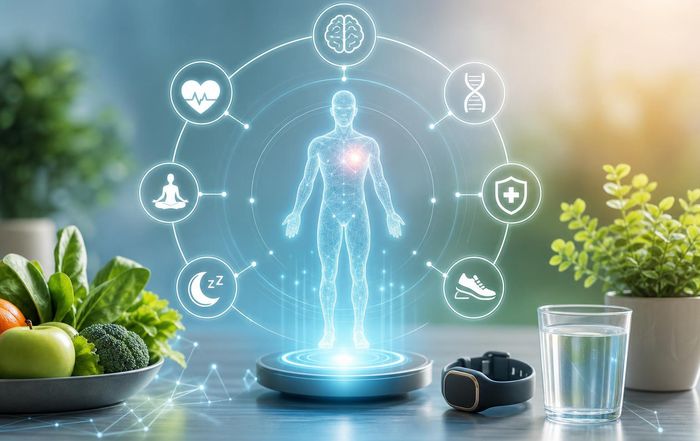
In practice, precision prevention integrates multiple layers of information: genetic predispositions to conditions such as cardiovascular disease or type 2 diabetes, biometric signals captured through wearables, lifestyle patterns inferred from sleep, activity, and nutrition tracking, and even social determinants such as work schedules, stress levels, and environmental exposures. This is a natural extension of the precision medicine movement championed by organizations like the National Institutes of Health, which emphasized targeted therapies based on molecular profiles and has now expanded its focus to include prediction and prevention. Readers interested in the scientific underpinnings of precision medicine can review materials from the NIH All of Us Research Program, which highlights the importance of diverse, longitudinal data in understanding health trajectories.
For fitness and sports communities, this shift means training and recovery plans that are not only sport-specific but biology-specific, where two athletes following the same program may receive different intensity prescriptions, nutritional guidance, and injury-prevention strategies based on their unique risk markers. For business leaders and HR executives, it means moving beyond generic wellness challenges toward stratified programs that target high-risk employees with intensive support while offering scalable, light-touch interventions for lower-risk groups, thereby maximizing both impact and return on investment. Readers can explore how these dynamics intersect with corporate strategy in the coverage at FitPulseNews Jobs and FitPulseNews Wellness.
The Data Layer: Wearables, Biomarkers, and Continuous Monitoring
The acceleration of personalised preventive health in 2026 is inseparable from the explosive growth of wearable and nearable technologies that capture physiological signals in real time. Devices from companies such as Apple, Samsung, Garmin, Whoop, and Oura have evolved from step counters into sophisticated biometric platforms capable of tracking heart rate variability, sleep architecture, respiratory rate, skin temperature, blood oxygen saturation, and in some cases continuous glucose levels, providing a dense, longitudinal record of how a body responds to training loads, stress, travel, and illness. Industry analyses from organizations like McKinsey & Company and Deloitte have documented how this proliferation of data is reshaping consumer expectations and provider workflows; readers can explore these perspectives through resources such as McKinsey's healthcare insights or Deloitte's health tech reports.
At the same time, the rapid maturation of at-home diagnostics and biomarker testing has made it possible for individuals to regularly assess lipid profiles, inflammatory markers, hormone levels, and microbiome composition without visiting a clinic, while advanced laboratories and health-tech startups are racing to validate novel biomarkers for early detection of conditions ranging from overtraining syndrome to neurodegenerative disease. Reports from bodies like the European Medicines Agency and the U.S. Food and Drug Administration highlight the regulatory pathways and validation requirements that underpin this testing ecosystem; readers seeking a deeper view of biomarker regulation can consult the EMA's biomarker qualification guidance or the FDA's medical device resources.
For the fitness-focused audience of FitPulseNews, the convergence of wearables and biomarkers is particularly relevant, as it allows for training programs that dynamically adjust based on recovery scores, hormonal status, and metabolic responses rather than static weekly plans. This is visible in the growing number of sports organizations and professional teams that embed continuous monitoring into their performance programs, a trend that is frequently covered in detail at FitPulseNews Sports. As more consumers adopt these technologies, the line between elite sports science and everyday wellness is blurring, creating a mass market for personalised recovery protocols, injury-prevention algorithms, and adaptive workout recommendations.
AI as the Engine of Personalisation
The vast quantities of data produced by wearables, electronic health records, genetic tests, and lifestyle apps would be unmanageable without the rise of artificial intelligence and machine learning systems capable of detecting patterns, forecasting risk, and generating personalised recommendations at scale. In 2026, AI-driven platforms are increasingly embedded in clinical decision support tools, consumer health apps, and employer wellness portals, analyzing millions of data points to identify subtle deviations from baseline that may precede illness or injury. Organizations such as Google DeepMind, Microsoft, and IBM have invested heavily in health-focused AI research, while academic centers including Mayo Clinic and Cleveland Clinic have partnered with technology firms to develop predictive models that can be integrated into routine care. Readers can explore AI-in-healthcare case studies via resources such as The Lancet Digital Health or the Journal of Medical Internet Research, which regularly publish evaluations of these systems.
These AI engines are not simply classifying risk; they are increasingly capable of generating individualized action plans that account for a person's current fitness level, comorbidities, preferences, and constraints. For example, an AI system may detect that a runner in Japan is at elevated risk of stress fracture based on a combination of reduced sleep, elevated resting heart rate, and increased training load, then recommend a temporary reduction in impact sessions, an increase in protein intake, and targeted strength exercises to improve bone loading, while also nudging the individual to schedule a telehealth consultation if certain thresholds are crossed. Similarly, an office worker in Germany might receive early warnings about metabolic risk based on subtle increases in visceral fat estimates, changes in heart rate variability, and dietary patterns, with the system suggesting a progressive exercise plan and connecting the user to employer-sponsored coaching programs, the kind of integrated approach regularly examined in FitPulseNews Fitness.
However, AI-enabled personalisation raises critical questions about bias, transparency, and accountability, especially as these tools begin to influence clinical decisions and insurance coverage. Leading regulatory bodies such as the European Commission and the U.S. Office of the National Coordinator for Health Information Technology are developing frameworks to ensure algorithmic fairness, interoperability, and patient rights in digital health, and executives in health, sports, and technology sectors must stay abreast of these evolving rules. Learn more about responsible AI governance in healthcare through resources from the European Commission's AI policy pages and the ONC's health IT initiatives.
Genomics, Epigenetics, and the Biology of Risk
While wearables and AI focus heavily on real-time physiology and behavior, genomics and epigenetics provide a deeper layer of insight into long-term risk and individual variability in response to interventions. The cost of whole-genome sequencing has continued to decline, and in 2026 many consumers in markets such as the United States, United Kingdom, Singapore, and South Korea have already undergone some form of genetic testing, whether through clinical programs or consumer-facing services. Initiatives like the UK Biobank and the All of Us program have created massive datasets linking genetic variation to health outcomes, enabling researchers to develop polygenic risk scores for conditions such as coronary artery disease, breast cancer, and obesity. Those interested in the scientific foundations of genetic risk can review open-access resources at the UK Biobank or the National Human Genome Research Institute.
For personalised preventive health, the key question is not simply whether a person carries a risk variant, but how that knowledge shapes actionable strategies. A high genetic risk of cardiovascular disease may prompt earlier and more aggressive lifestyle interventions, more frequent lipid monitoring, or preventive pharmacotherapy, while a lower risk score might allow for a more conservative approach. In the fitness realm, genetic insights into muscle fiber composition, injury susceptibility, or caffeine metabolism can inform training choices, race strategies, and supplementation plans, though experts caution against overinterpreting single-gene findings without robust evidence. Epigenetic markers, reflecting how lifestyle and environment modify gene expression over time, are emerging as a powerful tool for assessing "biological age" and the cumulative impact of training, stress, and recovery, an area closely watched by performance-oriented readers who follow longevity and recovery trends via FitPulseNews Innovation.
The integration of genomics into mainstream preventive care is still uneven across regions, with countries like Finland, Denmark, and Netherlands advancing population-scale programs, while others grapple with reimbursement, privacy, and ethical concerns. Policy discussions from organizations such as the OECD and UNESCO underscore the importance of safeguards against genetic discrimination and the need for robust consent frameworks. Readers can learn more about international perspectives on genomics ethics from the OECD health policy pages and UNESCO's bioethics program.
Nutrition, Metabolism, and Personalised Lifestyle Medicine
Nutrition remains one of the most powerful levers for preventive health, yet traditional dietary guidelines have long struggled to account for individual variability in glycemic responses, lipid metabolism, gut microbiome composition, and food preferences. In 2026, personalised nutrition platforms are using continuous glucose monitoring, microbiome sequencing, and AI-based food logging to deliver tailored meal plans that aim to stabilize blood sugar, optimize recovery, and support long-term metabolic health, a trend highly aligned with the interests of the FitPulseNews audience in Nutrition and Wellness. Research from institutions such as Harvard T.H. Chan School of Public Health and Stanford University has demonstrated that individuals can have dramatically different glycemic responses to the same foods, underscoring the limitations of generic dietary advice and highlighting the potential of personalised approaches. Readers can explore evidence-based nutrition science through resources such as the Harvard Nutrition Source or Stanford Medicine's lifestyle research pages at med.stanford.edu.
In parallel, the concept of lifestyle medicine has gained traction, integrating exercise, sleep, stress management, and social connection as core therapeutic tools for preventing and reversing chronic disease. Organizations like the American College of Lifestyle Medicine and the European Society of Cardiology have published guidelines emphasizing structured physical activity, plant-forward diets, and behavioral counseling as first-line interventions for conditions such as hypertension, prediabetes, and mild depression, often with outcomes comparable to pharmacologic therapies. Learn more about lifestyle medicine frameworks from the American College of Lifestyle Medicine and cardiovascular prevention strategies via the European Society of Cardiology.
For business leaders, sports organizations, and health-focused brands, the implications are clear: personalised preventive health strategies must place nutrition and lifestyle at the center, supported by digital tools that provide continuous feedback, coaching, and social support. This is driving a new wave of partnerships between food companies, fitness platforms, and health systems, as well as a proliferation of workplace programs that integrate personalised nutrition counseling with fitness challenges and mental health resources, themes that are increasingly reflected in FitPulseNews Brands and FitPulseNews Culture coverage.
Mental Health, Stress, and the Holistic View of Prevention
The future of personalised preventive health is not limited to physical metrics; it must also address mental health, stress resilience, and emotional well-being, which have profound effects on cardiovascular risk, immune function, and athletic performance. The pandemic-era surge in anxiety and burnout, followed by years of hybrid work and social upheaval in regions from North America to Asia and Europe, has made mental health a top priority for employers, sports organizations, and policymakers alike. Global bodies such as the World Health Organization and OECD have emphasized the economic and social costs of untreated mental health conditions, while also calling for integrated, preventive approaches that combine digital tools, community support, and workplace reforms. Readers can examine global mental health strategies through the WHO's mental health resources and the OECD's mental health and work reports.
In 2026, personalised preventive strategies increasingly incorporate digital mental health platforms, mindfulness and resilience training, sleep optimization, and biofeedback-based stress management, using wearable data to detect early signs of overload and intervene before burnout or clinical depression develops. For athletes and high performers, these tools are being integrated into performance programs, recognizing that psychological readiness and emotional regulation can be as decisive as VO2 max or lactate threshold. For corporate leaders and HR professionals, the challenge is to embed these resources into organizational culture and workflows, rather than treating them as add-on benefits, a theme that resonates across FitPulseNews Business and FitPulseNews World reporting.
The holistic view of prevention also extends to social connection and purpose, with research from institutions like Johns Hopkins University and University College London linking social isolation to increased mortality and cognitive decline. Learn more about the health impact of social connection through public resources from Johns Hopkins Medicine and UCL's epidemiology studies at ucl.ac.uk. As personalised health platforms evolve, they are beginning to factor in social network strength, community engagement, and life satisfaction as variables in risk models, underscoring that preventive health is as much about how people live and connect as it is about biometrics and lab values.
Economic, Regulatory, and Ethical Considerations
The promise of personalised preventive health is immense, but so are the economic, regulatory, and ethical challenges that determine whether it will be equitable, sustainable, and trustworthy. On the economic front, health systems in Canada, France, Italy, Spain, Netherlands, Switzerland, and beyond are grappling with how to reimburse preventive services and digital tools that may not fit neatly into traditional fee-for-service models. Value-based care arrangements, where providers and payers share risk and reward based on outcomes, are emerging as a natural fit for prevention-focused strategies, yet they require robust measurement frameworks and long-term horizons. Organizations such as the World Bank and OECD are publishing analyses on how different countries are financing preventive health; readers can access these perspectives via the World Bank health systems pages and the OECD health statistics portal.
Regulatory frameworks must balance innovation with safety, ensuring that AI-driven recommendations, genetic tests, and digital therapeutics are evidence-based, transparent, and interoperable. In regions such as the European Union, the General Data Protection Regulation (GDPR) sets stringent standards for data privacy and consent, while in the United States, regulations like HIPAA and emerging state laws govern health data usage and consumer rights. Learn more about global data protection principles through the European Data Protection Board and U.S. health privacy guidance at HHS.gov.
Ethically, personalised preventive health raises questions about equity and access: will advanced genomic testing, continuous monitoring, and AI coaching be available only to affluent consumers in New York, London, Berlin, Singapore, or Sydney, or can these tools be scaled to underserved communities in Africa, South America, and rural Asia? Organizations like The Global Fund and Gavi, the Vaccine Alliance have demonstrated that global health innovations can reach low-resource settings when there is coordinated political will and financing; a similar level of commitment will be required to ensure that personalised prevention does not deepen existing health disparities. Readers can explore global health equity initiatives via The Global Fund and Gavi.
Trust is perhaps the most critical currency in this ecosystem. Individuals must believe that their data is secure, that recommendations are unbiased and grounded in evidence, and that commercial interests are aligned with their long-term health. For media platforms such as FitPulseNews, which serve audiences across North America, Europe, Asia-Pacific, and Africa, there is a responsibility to interrogate claims, highlight best practices, and amplify voices that prioritize evidence and ethics over hype, reinforcing the Experience, Expertise, Authoritativeness, and Trustworthiness that discerning readers expect.
Sustainability, Environment, and the Broader Context of Health
A forward-looking view of personalised preventive health must also consider the environmental and societal context in which individuals live, train, and work. Climate change, air pollution, and urban design have direct impacts on respiratory health, cardiovascular risk, and exercise capacity, especially in densely populated regions of China, India, Brazil, and South Africa. Organizations such as the Intergovernmental Panel on Climate Change (IPCC) and United Nations Environment Programme (UNEP) have documented the health consequences of environmental degradation and the co-benefits of sustainable policies that promote active transport, green spaces, and clean energy. Learn more about climate and health linkages through the IPCC's assessment reports and UNEP's environmental health resources at unep.org.
For the audience of FitPulseNews, which is deeply engaged with fitness, sports, and outdoor activity, environmental conditions are not abstract factors but daily realities that shape training options, event planning, and long-term performance. Heat waves, poor air quality, and extreme weather events are increasingly forcing athletes and recreational exercisers to adapt schedules, venues, and equipment, while event organizers and sports brands are rethinking calendars, venues, and sustainability commitments. These intersections of performance, environment, and responsibility are explored in depth at FitPulseNews Environment and FitPulseNews Sustainability, reflecting a broader recognition that preventive health must extend beyond the individual to encompass the ecosystems that sustain human activity.
Sustainable, health-promoting environments also create opportunities for cities and employers to design spaces that encourage movement, social connection, and recovery, from active commuting infrastructure in Copenhagen and Amsterdam to biophilic office design in Tokyo and Toronto. Urban planning resources from organizations such as C40 Cities and World Resources Institute highlight how built environments can either undermine or amplify preventive health efforts; readers can explore these approaches through C40's health and climate programs and the WRI Ross Center for Sustainable Cities.
Strategic Implications for Leaders, Brands, and Professionals
For executives, entrepreneurs, coaches, and health professionals who follow FitPulseNews, the rise of personalised preventive health is not merely a clinical or technological trend; it is a strategic imperative that will shape competitive dynamics across industries. Fitness and sports organizations must invest in data capabilities, multidisciplinary staff, and ethical frameworks to leverage personalised insights without compromising privacy or overstepping evidence. Health systems and insurers need to redesign care pathways and incentives to prioritize early detection and lifestyle interventions, while technology companies must navigate regulatory complexity and public scrutiny as they position themselves as custodians of sensitive health data.
Brands in nutrition, apparel, and consumer health have an opportunity to differentiate through scientifically grounded, personalised offerings that integrate seamlessly with digital platforms and coaching ecosystems, as well as through authentic commitments to sustainability and mental well-being. Employers can use personalised preventive health as a cornerstone of talent strategy, recognizing that younger workers in North America, Europe, and Asia-Pacific increasingly evaluate organizations based on their support for holistic health, flexibility, and purpose. These intersecting trends are tracked closely across the verticals of FitPulseNews Technology, FitPulseNews News, and the main FitPulseNews homepage, which collectively map how innovation, culture, and business models are evolving in response to shifting expectations.
For individual professionals, from sports scientists and dietitians to data scientists and product managers, personalised preventive health represents a fertile arena for career development and cross-disciplinary collaboration. Universities and training programs are beginning to offer specialized curricula in digital health, health data science, and lifestyle medicine, while employers seek talent capable of bridging clinical knowledge, behavioral science, and technology. Those interested in emerging roles and skill sets can follow developments in FitPulseNews Jobs, where the future of work in health, fitness, and sports is a recurring theme.
Thinking of a Personalised, Preventive, and Connected Future
The trajectory of personalised preventive health is clear, even if the precise contours of its future are not. The convergence of continuous monitoring, AI, genomics, personalised nutrition, mental health integration, and environmental awareness is reshaping how individuals, teams, and organizations think about health, performance, and risk. For the global fit and healthy member audience of FitPulseNews, spanning athletes in Norway, entrepreneurs in Singapore, coaches in Brazil, and health-conscious professionals in United States, United Kingdom, and Australia, this shift offers both opportunity and responsibility: the opportunity to harness unprecedented insights for better performance and longer, healthier lives, and the responsibility to engage critically with new tools, demand transparency, and advocate for equitable access.
The most successful stakeholders in this emerging landscape will be those who combine scientific rigor with human empathy, technological sophistication with ethical clarity, and global vision with local relevance. In that sense, personalised preventive health is not just a technological evolution but a cultural one, inviting individuals and institutions alike to reimagine health as a dynamic, collaborative journey rather than a static status. As FitPulseNews continues to chronicle this amazing journey across fitness, health, sports, brands, nutrition, culture, technology, wellness, innovation, business, and global developments, its readers are uniquely positioned not only to observe the future of personalised preventive health, but to help shape it.