

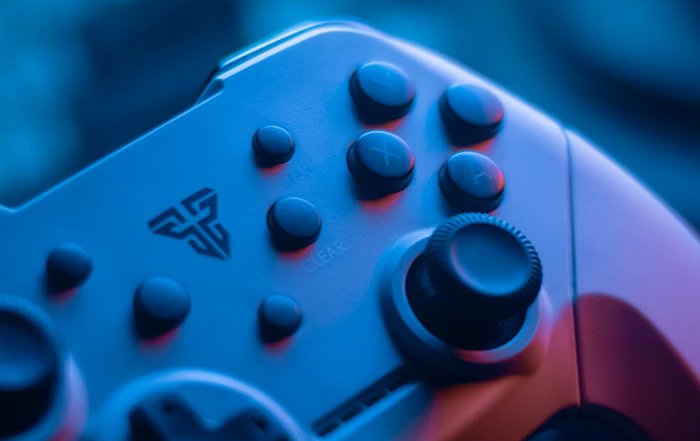
The Business of Professional Gaming and Esports
Esports Moves From Niche to Global Industry
Professional gaming and esports have completed their transition from subculture to a fully fledged global industry, drawing the sustained attention of investors, brands, broadcasters, and policymakers across North America, Europe, Asia, and beyond. What began as informal LAN tournaments has evolved into a sophisticated ecosystem of franchised leagues, player unions, media rights agreements, and cross-border sponsorship deals that rival those of traditional sports. For a readership focused on health, fitness, business, technology, and culture, the rise of esports represents not only a new entertainment category but a fundamental shift in how competition, work, and digital identity intersect in the modern economy, a shift that FitPulseNews has been tracking closely across its dedicated business, sports, and technology coverage.
Industry estimates from organizations such as Newzoo and Statista position the global esports market in 2026 in the multi-billion-dollar range when accounting for media rights, sponsorships, merchandise, game publisher fees, and live events, with audience numbers that now measure in the hundreds of millions of unique viewers worldwide. Markets in the United States, China, South Korea, and Western Europe remain core revenue engines, while emerging growth is increasingly visible in regions such as Southeast Asia, Latin America, and the Middle East. As audiences fragment across platforms including Twitch, YouTube, TikTok, and region-specific services, the business of esports has become a test bed for new monetization models that blend live broadcasting, social commerce, and interactive fan engagement. Those seeking to understand how digital-first sports will shape the next decade of media and entertainment can examine broader trends in online viewership through resources like YouTube's official blog or the Twitch Creator Camp, both of which highlight how creators and leagues adapt to evolving consumption habits.
The Esports Value Chain: From Publishers to Pro Teams
Unlike traditional sports, where governing bodies and league offices typically sit at the top of the hierarchy, the esports value chain is anchored by game publishers such as Riot Games, Valve, Activision Blizzard, Tencent, and Epic Games, which own the intellectual property that underpins all competitive play. These companies exercise substantial control over the competitive ecosystem, from rule sets and event formats to media rights and revenue-sharing structures, and they frequently operate their own global circuits such as the League of Legends World Championship or the Valorant Champions Tour. Industry observers who want to explore how intellectual property shapes competition can review guidance from the World Intellectual Property Organization for a broader legal and economic context.
Below the publishers sit third-party tournament organizers, franchised leagues, and independent event companies that design and deliver the actual competitions, often in partnership with major venues and broadcasters. Entities like ESL FACEIT Group and BLAST have built sophisticated production capabilities that enable them to stage events from Cologne and Katowice to Dallas and Copenhagen, often drawing live audiences comparable to mid-tier traditional sports. These events generate revenue through ticket sales, sponsorships, and media rights, while also providing a platform for local tourism and regional economic development, which many city governments now analyze alongside conventional sports bids as they look to attract high-growth digital events.
Professional teams and organizations occupy the next crucial layer, acting as both competitive entities and commercial brands. Organizations such as Team Liquid, Fnatic, Cloud9, T1, and G2 Esports operate rosters across multiple titles, manage training facilities, negotiate sponsorships, and increasingly diversify into content creation and lifestyle products. Their business models depend on a blend of league revenue shares, prize money, brand partnerships, merchandise, and direct-to-consumer offerings such as subscription fan clubs or premium content. To understand how these teams mirror and diverge from traditional sports franchises, executives often compare them with organizations profiled by outlets like Forbes and Bloomberg, which track valuations, funding rounds, and strategic pivots in both sectors.
Monetization Models: From Sponsorships to Digital Goods
In 2026, sponsorship remains the single largest revenue stream for the esports sector, with brands in technology, energy drinks, financial services, automotive, and telecommunications investing heavily in naming rights, jersey placements, in-broadcast activations, and co-branded digital campaigns. The appeal lies in esports' highly engaged, digitally native audience, particularly in the 18-34 demographic across the United States, Europe, and Asia, where traditional TV viewership is declining. Corporations from Intel and NVIDIA to BMW and Red Bull have developed multi-year partnerships with teams and leagues, often using esports as a laboratory for testing new digital storytelling formats and interactive advertising. Marketers evaluating this space often consult frameworks from the Interactive Advertising Bureau to calibrate measurement and brand safety in a live-streaming environment.
Media rights have also matured, though they remain structurally different from those in traditional sports. While some leagues sign exclusive or semi-exclusive distribution deals with platforms like YouTube or regional broadcasters, many competitions continue to stream freely on multiple platforms to maximize reach and community engagement. Revenue comes through platform guarantees, ad-sharing agreements, and increasingly, integrated sponsorship overlays that blend seamlessly with broadcast graphics. Analysts who follow global media rights trends can compare esports deals with those in football, basketball, and cricket using data and commentary from sources such as Deloitte's sports business group.
Digital monetization is perhaps the most distinctive component of the esports business model. Game publishers generate substantial income from in-game purchases, battle passes, and cosmetic items, some of which are directly tied to esports events or specific teams. Revenue-sharing models allow a portion of these digital sales to flow back to teams and tournament organizers, creating an alignment between player fandom and transactional behavior. This integration of competition, identity, and commerce is particularly visible in titles where fans can purchase team-branded skins or support their favorite players through in-client passes. Those interested in the broader economics of digital goods and virtual economies can explore research from the MIT Sloan School of Management and the Harvard Business Review, which regularly examine the monetization of online communities.
Health, Performance, and the New Esports Athlete
As esports has professionalized, the industry's relationship with health, fitness, and wellness has undergone a profound transformation. Early stereotypes of sedentary, sleep-deprived gamers have given way to a more nuanced understanding of esports athletes as high-performance professionals whose cognitive and motor skills must be supported by rigorous training, nutrition, and recovery protocols. Organizations that once treated physical conditioning as optional now invest in strength and conditioning coaches, sports psychologists, nutritionists, and sleep specialists, mirroring the integrated performance models seen in elite football or basketball clubs. Readers can explore broader discussions of athlete wellness in digital-first sports through FitPulseNews' dedicated health, fitness, and wellness sections, which increasingly include coverage of esports-specific practices.
The physical demands of high-level play are now well documented. Pro players routinely maintain reaction times measured in milliseconds, sustain intense focus for hours, and execute thousands of precise mechanical actions per match, creating strain on the musculoskeletal system and central nervous system. Research published by institutions such as the American College of Sports Medicine and the National Institutes of Health has begun to map the unique risk profile of esports athletes, highlighting issues such as repetitive strain injuries, visual fatigue, stress, and sleep disruption. In response, teams are experimenting with ergonomically optimized training environments, mandatory break schedules, and hybrid training regimens that integrate cardiovascular exercise, mobility work, and mindfulness practices to maintain long-term performance.
Nutrition has similarly moved to the forefront, as teams and players recognize the role of diet in cognitive function, mood regulation, and recovery. While energy drinks and fast food once dominated the esports brand landscape, there is a noticeable shift toward partnerships with healthier beverage, supplement, and meal-prep companies, aligning with a broader societal emphasis on sustainable and performance-oriented nutrition. Professionals and enthusiasts seeking to align their own gaming habits with health goals can benefit from guidance on balanced dietary strategies available through platforms like Healthline and the Mayo Clinic, which provide evidence-based recommendations on fueling the brain and body.
Infrastructure, Technology, and Innovation
The technological backbone of esports has always been central to its identity, but in 2026 the sophistication of infrastructure and tools underpinning the industry has reached new heights. Low-latency broadband, 5G networks, and edge computing enable smoother online competition and more reliable remote production workflows, allowing leagues to operate global circuits with hybrid physical-digital formats. Countries such as South Korea, Japan, Singapore, and the Nordic nations continue to lead in connectivity, but investment in fiber and mobile networks across North America, Western Europe, and parts of Africa and South America is steadily reducing regional disparities. Stakeholders who want to understand these connectivity trends can consult analyses from the International Telecommunication Union and the OECD, which track digital infrastructure and its economic implications.
On the competitive side, advances in analytics, machine learning, and performance tracking are reshaping how teams train and strategize. Coaching staffs now routinely employ data scientists and analysts who dissect in-game telemetry, opponent tendencies, and player biometrics to optimize decision-making and refine tactics. Training facilities increasingly resemble high-tech labs, with eye-tracking systems, cognitive testing platforms, and AI-driven scrim tools that simulate opponent behavior. These developments parallel trends in traditional sports, where clubs use similar technologies to gain marginal performance edges, and they reflect a broader shift toward data-centric management in business and sport alike. Executives exploring the crossover between AI, analytics, and performance can find relevant case studies through resources like McKinsey & Company and the World Economic Forum, which document digital transformation across sectors.
Innovation is also visible in fan engagement technologies, from augmented reality overlays in live arenas to interactive watch parties that allow viewers to switch camera angles, access real-time statistics, and participate in prediction games. These features are particularly appealing to younger audiences who expect participatory, personalized experiences rather than passive viewing. As FitPulseNews expands its own innovation and events coverage, esports serves as a case study in how digital platforms can deepen engagement and unlock new revenue channels without alienating core communities.
Global Markets and Cultural Impact
Esports is inherently global, but its growth patterns vary significantly by region, reflecting local infrastructure, cultural norms, regulatory environments, and economic conditions. In Asia, particularly in China, South Korea, and Japan, esports enjoys mainstream recognition, with state-supported programs, dedicated stadiums, and integration into school and university systems. In Europe, countries such as Germany, Sweden, Denmark, and France have nurtured strong ecosystems through a combination of grassroots clubs, national federations, and supportive policy frameworks, while the United Kingdom, Spain, and Italy continue to expand their presence through both domestic leagues and participation in pan-European circuits. North America, led by the United States and Canada, has embraced franchised league models and high-profile brand partnerships, positioning esports as a bridge between traditional sports, entertainment, and technology sectors.
Africa, South America, and Southeast Asia are emerging as dynamic growth markets, driven by mobile gaming, improving connectivity, and young, digitally savvy populations. Brazil, South Africa, Malaysia, and Thailand, for example, have produced internationally competitive teams and vibrant local communities, demonstrating that high-level esports can thrive outside the historical strongholds of Europe, North America, and East Asia. As FitPulseNews expands its world and news reporting, the platform increasingly highlights these regional narratives, recognizing that the future of esports will be shaped as much in São Paulo, Johannesburg, and Bangkok as in Los Angeles, Berlin, or Seoul.
Culturally, esports has become a powerful force in shaping youth identity, fashion, music, and entertainment. Collaborations between teams, game publishers, and global brands in apparel, footwear, and streetwear have blurred the lines between sportswear and gaming culture, while crossovers with music festivals, film, and streaming series have elevated esports personalities to mainstream celebrity status. Platforms like Billboard and Rolling Stone now routinely cover these intersections, underscoring how deeply gaming has penetrated the broader cultural fabric. For FitPulseNews readers interested in how esports influences lifestyle and identity, the platform's culture and brands sections offer an expanding lens on these developments.
Governance, Integrity, and Trust
With rapid growth comes heightened scrutiny, and the business of esports in 2026 must continuously reinforce its foundations of integrity, transparency, and player welfare to maintain credibility with fans, partners, and regulators. Match-fixing, cheating, doping, and conflicts of interest have all emerged at various points in the industry's development, prompting stakeholders to establish clearer governance structures and enforcement mechanisms. Bodies such as the Esports Integrity Commission (ESIC) and national federations work alongside publishers and tournament organizers to investigate allegations, implement standardized codes of conduct, and deploy anti-cheat technologies. Those seeking a comparative view of integrity frameworks across sports can examine guidelines from the World Anti-Doping Agency and the Council of Europe's sports division, which provide context for regulation and enforcement.
Player contracts, labor rights, and career sustainability are also central trust issues. As esports has professionalized, concerns have grown around contract transparency, fair compensation, transfer rules, and the protection of minors entering the scene at increasingly young ages. Some regions have responded by forming player associations and exploring unionization models, while others rely on national labor laws and industry self-regulation. Legal experts and policymakers often look to analogues in traditional sports, where player unions and collective bargaining agreements have established clear frameworks for rights and responsibilities. For business leaders and HR professionals examining the future of digital work and talent management, these developments in esports offer instructive parallels, much like the evolving gig economy and creator economy that are frequently analyzed by institutions such as the International Labour Organization.
Trustworthiness in esports also intersects with data privacy, cybersecurity, and responsible use of emerging technologies such as AI-driven moderation and biometric tracking. Organizations must balance the desire for granular performance data with players' rights to privacy and informed consent, while platforms must ensure that user data, payment information, and digital goods are protected against breaches and fraud. Companies and leagues that proactively adopt robust cybersecurity standards and transparent data policies are better positioned to earn the confidence of global audiences, regulators, and enterprise partners.
Sustainability, Events, and the Future of Live Experiences
As live events return to full strength following earlier pandemic disruptions, the environmental and social impact of large-scale esports tournaments has come under greater scrutiny. Organizers are increasingly expected to demonstrate sustainable practices in areas such as energy use, travel, waste management, and venue operations, aligning with broader corporate ESG commitments. Cities bidding to host major competitions now highlight not only their arenas and connectivity but also their green infrastructure and climate strategies, a trend that mirrors developments in traditional sports. Stakeholders interested in sustainable event management can reference frameworks from the UN Environment Programme and the Global Reporting Initiative to align their practices with international standards. Within FitPulseNews, the environment and sustainability sections track how sports and entertainment, including esports, adapt to rising expectations around climate responsibility.
At the same time, esports events are redefining what a "live experience" can be, blending in-arena attendance with rich digital overlays, remote participation, and parallel online festivals. Fans in London, Berlin, New York, or Sydney can attend in person, while those in Seoul, Singapore, Cape Town, or Buenos Aires join virtually with personalized feeds, social features, and digital collectibles that commemorate their participation. This hybrid model, which accelerated during the pandemic, has become a strategic advantage for esports, enabling global reach with more flexible cost structures than purely physical events. It also offers brands and sponsors multi-layered activation opportunities that extend well beyond the confines of a single venue or broadcast window.
Careers, Jobs, and the Esports Talent Pipeline
The business of professional gaming is no longer limited to players, coaches, and shoutcasters; it now encompasses a wide array of roles in operations, marketing, analytics, content production, law, finance, health, and technology. Universities in the United States, United Kingdom, Germany, Canada, Australia, and across Asia increasingly offer esports management degrees, game design programs, and scholarships for competitive players, while vocational pathways emerge in event production, broadcast engineering, and community management. The industry's need for diverse skill sets mirrors broader shifts in the digital economy, where hybrid roles that combine technical expertise with creative and interpersonal abilities are in high demand. Job seekers and students exploring these opportunities can find guidance through career platforms, industry conferences, and dedicated coverage in outlets such as FitPulseNews, particularly within its jobs and technology verticals.
For many, the most visible aspiration remains the professional player route, but the reality is that only a small fraction of competitors reach the top tiers, and even those who do often face relatively short competitive lifespans due to burnout, shifting metas, and the relentless pace of new game releases. As a result, career transition planning, financial literacy, and education have become critical components of long-term welfare strategies. Teams, leagues, and third-party organizations are beginning to offer mentorship programs, internships, and educational partnerships that help players prepare for post-competition careers in coaching, broadcasting, content creation, or entirely new industries. This holistic approach to talent development aligns with evolving best practices in athlete support across sports, which are frequently highlighted by organizations like the International Olympic Committee in their athlete career programs.
Strategic Outlook: Where Esports Business Goes Next
So the business of professional gaming and esports stands at a pivotal juncture. On one hand, the sector faces structural challenges, including the volatility of game lifecycles, intense competition for attention in a saturated entertainment landscape, and the need to balance short-term monetization with long-term community trust. On the other hand, it benefits from powerful tailwinds: the continued growth of interactive media, the normalization of gaming as mainstream culture across generations, the expansion of digital infrastructure in emerging markets, and the increasing convergence of sports, entertainment, and technology.
For business leaders, investors, and policymakers, esports offers both a blueprint and a testing ground for the future of digital-first industries. It illustrates how intellectual property, community, and technology can be combined to create global brands and revenue streams, while also exposing the governance, health, and sustainability questions that arise when work and play merge in virtual environments. For health and performance professionals, it presents a new class of athletes whose needs challenge conventional wisdom and demand innovative approaches to training, recovery, and mental resilience. For fans and participants across continents-from the United States and the United Kingdom to Germany, Canada, Australia, France, Italy, Spain, the Netherlands, Switzerland, China, Sweden, Norway, Singapore, Denmark, South Korea, Japan, Thailand, Finland, South Africa, Brazil, Malaysia, and New Zealand-esports represents a shared arena where regional identities, global competition, and digital creativity intersect.
As FitPulseNews continues to expand its cross-disciplinary coverage of health, fitness, business, sports, technology, culture, environment, and innovation, the platform is uniquely positioned to chronicle this evolving landscape, connecting the dots between the boardroom and the training room, between local communities and global stages, and between the physical and digital dimensions of modern competition. The business of professional gaming and esports is no longer a speculative frontier; it is a central pillar of the contemporary sports and entertainment economy, and its trajectory over the remainder of this decade will shape not only how the world plays and watches, but how it works, learns, and builds communities in an increasingly connected age.