
How Urban Living Is Redefining Healthy Lifestyles
Urban life, once synonymous with congestion, stress and sedentary habits, is entering a new phase in which cities across North America, Europe, Asia-Pacific, Africa and South America are repositioning themselves as engines of health, performance and sustainability. For the global readership of FitPulseNews, whose interests span health, fitness, business, sports, technology, environment, culture, jobs and innovation, this evolution is more than a demographic or planning trend; it is a strategic framework for understanding where competitive advantage, risk and long-term value are emerging in a world that is now predominantly urban. From New York, London and Berlin to Singapore, Seoul, Sydney, metropolitan regions are rethinking how people move, work, eat, connect and recover, creating a new urban health model that fuses data, design, policy and personal agency in ways that would have been difficult to anticipate even at the start of the decade.
The 2026 Urban Health Paradigm: Beyond Fitness to Integrated Well-Being
By 2026, the notion of a healthy urban lifestyle has expanded decisively beyond gym memberships and step counts to encompass mental resilience, environmental exposure, social cohesion, financial security and digital balance. Global institutions such as the World Health Organization continue to emphasize that health is shaped at least as much by social and environmental determinants as by individual behavior, and cities are where these determinants intersect most intensely. Learn more about how cities shape health outcomes on the World Health Organization's urban health pages.
In major metropolitan areas across the United States, the United Kingdom, Germany, Canada, Australia and across Asia, wellness is increasingly embedded in daily routines rather than treated as a separate, time-boxed activity. Commuters walk or cycle to work through redesigned mobility corridors, professionals use public parks as outdoor gyms during flexible workdays, and residents join neighborhood sports leagues, mindfulness circles and community wellness events that have become part of the urban identity, especially among younger and mid-career professionals. On the FitPulseNews wellness pages, this shift is reflected in coverage that situates individual health choices within broader social, economic and environmental contexts, underscoring that the modern urban health paradigm is inherently systemic.
Urban Fitness Ecosystems: From Standalone Gyms to Performance Networks
Traditional gyms remain fixtures of city life, but they now operate within dense fitness ecosystems that connect physical activity with data, coaching, recovery and mental health support. In cities such as New York, Los Angeles, London, Toronto, Berlin, Amsterdam, Singapore and Hong Kong, boutique studios, performance labs, corporate wellness centers, residential fitness spaces and outdoor training zones form interconnected networks that can be tailored to individual goals, schedules and price points.
Global operators like Equinox, Virgin Active and Anytime Fitness have expanded their technology-enabled offerings, integrating wearables, biometric assessments and AI-driven coaching into their urban clubs, while digital-first players such as Peloton and Apple Fitness+ have deepened partnerships with residential developers, hotels and employers to embed on-demand training into shared spaces. The result is a hybrid fitness landscape in which physical and digital experiences are no longer in competition but are instead complementary touchpoints in a broader performance journey. Readers can follow these developments in the FitPulseNews fitness section, where performance analytics, recovery science and hybrid training models are central themes.
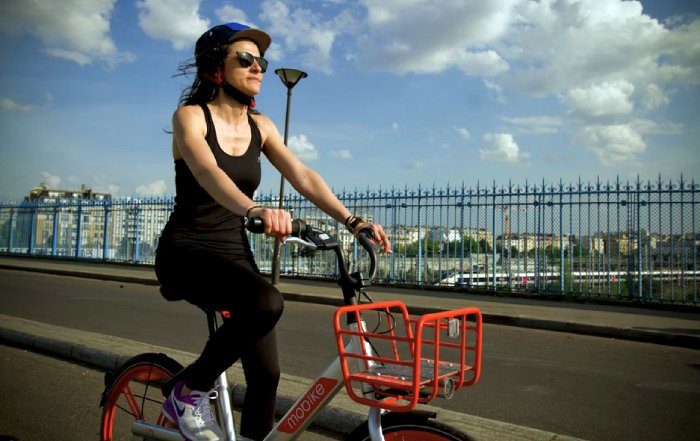
Urban planning is reinforcing these behaviors. Cycling superhighways in Copenhagen, Amsterdam and London, expanded pedestrian-only districts in Madrid and Paris, and multi-use public spaces in Tokyo, Seoul and Singapore are making active commuting and outdoor exercise safer and more attractive. The European Commission continues to highlight how active mobility and urban design can improve public health and climate outcomes, and professionals can learn more about sustainable mobility and health in European cities. In rapidly growing cities across Asia, Africa and South America, similar concepts are being adapted to local conditions, reflecting a growing consensus that infrastructure is a health intervention as much as a transport or real estate decision.
- Boutique studios, performance labs, and corporate wellness centers form interconnected networks
- Hybrid fitness landscape integrates wearables, biometric assessments, and AI-driven coaching
- Cycling superhighways and pedestrian-only districts make active commuting safer
- Digital-first players partner with residential developers and employers
- Employers integrate counseling, mindfulness training, and resilience workshops
- Cities invest in community-based mental health services and digital therapy platforms
- Universities expand counseling capacity and peer-support networks
- Mental health treated as core component of workforce strategy
- Municipal authorities support farmers' markets, urban agriculture, and rooftop farms
- Tighter regulations on marketing to children and ultra-processed foods
- Digital platforms enable access through curated delivery and meal kits
- Evidence-based dietary patterns adapted to high-intensity city lifestyles
- Smartwatches, continuous glucose monitors, and sleep trackers as standard health tools
- Integration of consumer-generated data into wellness and prevention programs
- Environmental sensors and mobility data create unified health platforms
- AI, telehealth, and smart city platforms converge for personalized ecosystems
- Low-emission zones and congestion pricing reduce air pollution
- Large-scale tree-planting and park expansion initiatives
- Green buildings and nature-based cooling solutions
- Climate-resilient urban design central to city positioning
- Offices redesigned with biophilic design, quiet rooms, and movement-friendly layouts
- Comprehensive benefits packages and digital wellness platforms
- Hybrid work enables daytime exercise and better work-life integration
- Wellness-centric cultures as differentiator for startups and enterprises
- Community-based leagues, running clubs, and cycling collectives expand
- Mega-events leave legacies of improved infrastructure and community programs
- Urban disciplines like 3x3 basketball and skateboarding resonate with youth
- Sports used to foster cross-cultural connections in diverse populations
- Athleisure brands, boutique studios, and plant-based cafes shape urban fabric
- Wellness trends move from niche subcultures to mainstream behaviors
- Social media globalizes trends while local realities create hybrid cultures
- Cold-plunge rituals, biohacking communities, and mindfulness collectives emerge
Mental Health in High-Density, High-Pressure Environments
The mental health implications of dense, high-pressure cities have become impossible to ignore, particularly as hybrid work, digital overload and economic uncertainty intersect in 2026. Financial and technology hubs such as New York, London, Frankfurt, Zurich, Singapore, Hong Kong and San Francisco continue to grapple with burnout, anxiety and depression among knowledge workers, while students in urban universities face intense competition, high living costs and social fragmentation.
Public institutions such as the National Institute of Mental Health in the United States provide evidence-based guidance on stress, anxiety and mood disorders, and their research underpins many corporate and municipal mental health strategies. Readers can explore up-to-date information on mental health and urban stressors to understand how environmental and occupational factors shape psychological well-being. In parallel, cities across Europe, Asia-Pacific and North America are investing in community-based mental health services, digital therapy platforms and crisis hotlines designed for urban populations.
Employers have responded by integrating mental health into broader wellness strategies, offering access to counseling, mindfulness training, resilience workshops and redesigned work patterns that reduce chronic overload. Universities and schools in cities from London and Berlin to Toronto, Sydney and Singapore have expanded counseling capacity and peer-support networks, recognizing that mental health is a determinant of academic and professional performance. On the FitPulseNews health pages, mental health is now treated as a core component of urban wellness and workforce strategy rather than a niche or stigmatized topic.
The Business of Urban Wellness and Strategic Differentiation
For organizations competing for talent and market share in global cities, wellness has shifted from a peripheral corporate social responsibility initiative to a central pillar of business strategy. Employers in technology, finance, professional services, manufacturing, retail and the public sector increasingly recognize that urban employees expect workplaces that support physical, mental and social well-being, and that failure to deliver these conditions undermines retention, productivity and brand reputation.
The World Economic Forum has continued to highlight the macroeconomic value of population health and employee well-being, particularly in urbanized economies where human capital is the primary asset. Leaders can learn more about the business case for health and well-being and how it intersects with ESG, diversity and sustainability commitments. In response, companies in cities such as San Francisco, London, Berlin, Zurich, Stockholm, Singapore and Melbourne are redesigning offices to incorporate natural light, biophilic design, quiet rooms, movement-friendly layouts and healthy food options, while also offering flexible work arrangements that reduce commuting stress and enable more autonomous health management.
The FitPulseNews business section increasingly documents how wellness is being embedded into corporate operating models, from comprehensive benefits packages and digital wellness platforms to partnerships with local fitness providers and mental health services. This trend extends beyond large multinationals; high-growth startups and mid-size enterprises in urban innovation hubs are using wellness-centric cultures as a differentiator to attract scarce talent, especially in technology, design and research-intensive sectors where burnout risk is high and employee expectations are evolving rapidly.
Sports, Community and the Urban Social Fabric
Urban living is also reshaping how individuals and communities engage with sports, blending participation, fandom and networking into integrated experiences. Cities with strong sports traditions such as Boston, Manchester, Munich, Barcelona, Toronto, Melbourne, Tokyo and Seoul have seen an expansion of community-based leagues, running clubs, cycling collectives and recreational teams that fuse social life with physical activity and professional networking.
Major sports organizations including FIFA, the International Olympic Committee, the NBA and the Premier League are leveraging urban environments to promote participation, inclusion and health. Urban-hosted mega-events such as Olympic Games, World Cups and continental championships are now expected to leave legacies of improved sports infrastructure, active transport networks and community programs rather than just short-lived tourism surges. Those interested can learn more about how the Olympic movement promotes urban sport and physical activity, particularly through urban disciplines such as 3x3 basketball, skateboarding and sport climbing that resonate with younger city dwellers.
Within this context, FitPulseNews' sports coverage explores how city-based clubs, fan communities and brand partnerships are redefining what it means to be an "active citizen." Early-morning running groups in London's financial district, lunchtime five-a-side football in Dubai's business parks, after-work basketball leagues in New York and inclusive cycling clubs in Cape Town illustrate how sports are being used to build community, support mental health and foster cross-cultural connections in increasingly diverse urban populations.
Nutrition, Food Systems and the Urban Plate
Urban food environments have long been criticized for promoting fast, cheap and heavily processed options, yet in 2026 many cities are at the forefront of nutritional innovation, sustainable food systems and personalized diet solutions. The rise of alternative proteins, functional foods, precision nutrition and climate-conscious dining is particularly visible in cosmopolitan centers in the United States, Canada, the United Kingdom, Germany, France, Italy, Spain, the Netherlands, the Nordics, Singapore and Australia, where consumers are demanding transparency on sourcing, nutritional quality and environmental impact.
Organizations such as the Food and Agriculture Organization of the United Nations have underscored the pivotal role of cities in transforming food systems to be healthier and more sustainable, and professionals can explore how urban food policies are evolving worldwide. Municipal authorities in cities like New York, London, Paris, Barcelona and Vancouver are supporting farmers' markets, urban agriculture, rooftop farms and food waste reduction initiatives, while also tightening regulations on marketing to children, sugar-sweetened beverages and ultra-processed foods.
In parallel, digital platforms are enabling urban residents to access healthier food through curated delivery services, meal kits and personalized nutrition apps. On the FitPulseNews nutrition pages, coverage emphasizes evidence-based dietary patterns-such as Mediterranean, Nordic, flexitarian and plant-forward approaches-and how they are adapted to high-intensity city lifestyles in which time, convenience and cost remain key constraints. For many urban professionals in regions from North America and Europe to Asia and Africa, the challenge is no longer awareness but execution, making the design of supportive food environments a critical policy and business priority.
Technology, Data and Personalized Urban Health
Technology has become the backbone of urban health in 2026, enabling personalized insights, real-time feedback and integrated care pathways that were once reserved for elite athletes or specialized medical settings. Wearables, smartwatches, continuous glucose monitors, connected fitness equipment, sleep trackers, mental health apps and AI-driven coaching tools are now standard components of the health toolkit for millions of urban residents across the United States, Europe, Asia-Pacific and beyond.
Companies such as Apple, Google, Samsung, Garmin and Fitbit have transformed cities into living laboratories for digital health, collaborating with healthcare providers, insurers and employers to integrate consumer-generated data into broader wellness and prevention programs. Public health agencies including the U.S. Centers for Disease Control and Prevention are tracking how digital tools support surveillance, early detection and behavior change, and readers can learn more about digital health initiatives that intersect with urban living and chronic disease management.
For technology-focused readers, the FitPulseNews technology section provides ongoing analysis of how AI, telehealth, smart city platforms and data governance frameworks are converging to create more responsive and personalized health ecosystems. Cities such as Singapore, Seoul, Tokyo, Dubai and selected European smart city pilots are integrating environmental sensors, mobility data and health services into unified platforms that can trigger air quality alerts, optimize emergency response and support population-level risk stratification, signaling a future in which the health of urban populations is managed through interconnected digital infrastructures.
Environment, Sustainability and the Healthy City
Environmental quality remains a defining variable in whether urban living supports or undermines health. Air pollution, noise, extreme heat, limited access to green space and climate-related shocks have historically been viewed as unavoidable side effects of urbanization, but in 2026 many cities are actively reframing environmental policy as health policy. This shift is particularly visible in Europe, parts of North America, East Asia and increasingly in Latin America and Africa, where mayors and national governments are linking climate targets with respiratory, cardiovascular and mental health outcomes.
The United Nations Environment Programme has documented the health co-benefits of cleaner air, greener spaces and lower emissions, and professionals can learn more about how urban environmental policies improve public health. Low-emission zones in London, Paris, Milan and Madrid, congestion pricing in cities such as Stockholm and Singapore, and large-scale tree-planting and park expansion initiatives in cities like Melbourne, Vancouver and Shenzhen are examples of how environmental measures translate into tangible health improvements for urban residents.
FitPulseNews has increasingly connected environmental reporting with health, performance and business outcomes in its environment coverage and dedicated sustainability section, reflecting the reality that urban professionals now assess neighborhoods, employers and investment opportunities through an environmental lens. Green buildings, active mobility infrastructure, nature-based cooling solutions and climate-resilient urban design are no longer niche topics; they are central to how cities position themselves in the global competition for talent, capital and tourism.
Jobs, Careers and the Wellness-Driven Urban Workforce
The transformation of healthy lifestyles in cities is deeply intertwined with the evolution of work. Hybrid and remote models, normalized and refined through 2024 and 2025, are now standard practice in many urban sectors, fundamentally reshaping how professionals allocate their time and structure their days. Co-working spaces, neighborhood hubs and "third places" have proliferated, offering alternatives to both long commutes and isolated home offices, and creating new opportunities for integrating movement, social connection and rest into the workday.
The International Labour Organization continues to examine how changing work patterns affect occupational health, safety and work-life balance, and readers can learn more about the future of work and well-being. In cities such as New York, London, Berlin, Toronto, Sydney, Singapore and Dubai, flexible work is enabling more daytime exercise, healthier home-cooked meals and better sleep for some, while for others it has exacerbated screen time, blurred boundaries and social isolation, underscoring the need for intentional design of both digital and physical work environments.
The FitPulseNews jobs and careers coverage increasingly highlights how wellness expectations are reshaping employer value propositions in competitive urban labor markets. Candidates now scrutinize roles for health benefits, mental health support, ergonomic setups, wellness stipends, access to fitness and mindfulness resources and the authenticity of corporate culture around work-life integration. Organizations that align their talent strategies with these expectations are better positioned to attract and retain high-performing individuals who view health not as a perk, but as a prerequisite for sustainable performance and career longevity.
Culture, Identity and the Global-Local Urban Wellness Aesthetic
Urban wellness is as much a cultural phenomenon as it is a clinical or behavioral one. Cities such as Los Angeles, London, Berlin, Stockholm, Copenhagen, Seoul, Tokyo, Sydney and Melbourne have developed distinctive wellness cultures that blend fashion, music, gastronomy, technology and social media into recognizable aesthetics and identities. Athleisure brands, boutique studios, plant-based cafes, biohacking communities, mindfulness collectives and recovery-focused social spaces have become part of the urban cultural fabric, influencing how residents signal aspiration, status and belonging.
Institutions like the Smithsonian and leading urban museums are curating exhibitions and research on the intersection of culture, health and city life, and readers can explore cultural perspectives on wellness and urban living. On the FitPulseNews culture pages, analysis focuses on how wellness trends move from niche subcultures-such as cold-plunge rituals, intermittent fasting communities or quantified-self circles-into mainstream behaviors adopted by corporate leaders, policymakers and mass-market consumers.
Social media platforms amplify and globalize these trends, allowing influencers, athletes, entrepreneurs and clinicians from the United States, Europe, Asia, Africa and Latin America to shape narratives about what it means to live "well" in a city. Yet these global narratives are constantly reinterpreted through local realities, from the cycling cultures of Copenhagen and Amsterdam to the street workout scenes in Bangkok and Rio de Janeiro, creating a hybrid global-local wellness culture that is both highly connected and deeply place-specific.
Innovation, Events and the Urban Health Frontier
Urban living is also redefining healthy lifestyles through a continuous pipeline of innovation and events that convene stakeholders from business, government, academia, sports and technology. Health-tech conferences, fitness expos, sustainability summits, sports festivals and cross-sector innovation forums in cities such as New York, London, Berlin, Dubai, Singapore, Tokyo and Toronto serve as marketplaces where ideas, products and partnerships are tested, refined and scaled.
Organizations like MassChallenge, Techstars and leading university incubators in the United States, Europe and Asia support startups focused on digital therapeutics, AI-driven mental health platforms, urban mobility solutions, healthy food delivery, air quality monitoring and climate-resilient infrastructure tailored to dense environments. The OECD provides analysis on how innovation ecosystems contribute to healthier, more resilient cities, and readers can learn more about innovation and urban well-being. For decision-makers and practitioners, the FitPulseNews innovation section positions these developments within the broader context of market dynamics, regulation and societal expectations.
Urban events calendars have evolved accordingly. Marathons, cycling festivals, wellness retreats, esports tournaments, hybrid health-tech conferences and sustainability-focused trade shows attract international participants and media attention, turning cities into stages for health and performance narratives. The FitPulseNews events coverage tracks how these gatherings influence consumer behavior, investment flows and policy agendas, while the broader news reporting situates them within geopolitical and macroeconomic trends that matter to executives, policymakers and investors.
A Holistic Vision for Urban Living and Health in 2026 and Beyond
For the worldwide audience of FitPulseNews, spanning North America, Europe, Asia, Africa, Oceania and South America, the redefinition of healthy lifestyles in cities is both an unprecedented opportunity and a complex responsibility. Urban living in 2026 offers unparalleled access to fitness infrastructure, healthcare services, technology, cultural experiences, professional opportunities and global networks, yet it also concentrates risks related to stress, inequality, environmental exposure, pandemics and lifestyle-related chronic diseases. Navigating this landscape requires a holistic, evidence-based approach that integrates physical activity, nutrition, mental health, environmental awareness, social connection, purposeful work and continuous learning.
As cities continue to grow and transform, the individuals, organizations and governments that thrive will be those that treat health as a strategic foundation for performance, innovation and resilience rather than an afterthought or a marketing slogan. Corporate wellness programs, smart city initiatives, community sports ecosystems, sustainable food systems, digital health platforms and inclusive cultural spaces are converging into a new urban health architecture that will shape competitiveness and quality of life from New York and London to Berlin, Singapore, Tokyo, Johannesburg, Bangkok and beyond.
FitPulseNews remains committed to tracking and interpreting these developments across its interconnected verticals on health, fitness, business, technology, environment, nutrition, wellness and sustainability. For leaders, practitioners and citizens seeking to make informed decisions about how they live, work and lead in the urban century, the evolving story of how cities are redefining healthy lifestyles will remain one of the most consequential narratives to follow on FitPulseNews.