

Smart Devices: How Connected Intelligence Is Rewriting the Consumer Playbook
A New Normal: Continuous, Context-Aware, and Performance-Driven
Smart devices have moved from being accessories on the periphery of daily life to becoming the organizing layer of how people manage health, fitness, work, mobility, and recovery. What began as experiments with smartwatches and connected speakers has matured into a dense, interoperable network of sensors, edge AI, cloud platforms, and personalized services that operate in the background of everyday routines. For the global audience of FitPulseNews-spanning health-focused professionals, competitive and recreational athletes, business leaders, and innovation executives across North America, Europe, Asia-Pacific, Africa, and South America-this evolution is experienced not as a single technology trend, but as an integrated shift in how decisions are made, performance is optimized, and long-term well-being is protected.
Smart devices now function as the primary interface between individuals and their personal data ecosystems. They continuously monitor movement, cardiovascular function, sleep architecture, stress markers, glucose levels, environmental quality, and even subtle behavioral micro-patterns, then route this information through secure connectivity layers into analytics engines increasingly powered by generative and predictive AI. The result is a new class of consumer experiences that feel anticipatory rather than reactive, in which recommendations about training, nutrition, work schedules, and recovery are tailored to each person's physiological and contextual reality. Readers who follow the health and fitness coverage on FitPulseNews see this transformation reflected daily in product launches, clinical collaborations, and emerging evidence from sports science and digital health research.
This pervasive intelligence is reshaping expectations in every category that matters to the FitPulseNews community. In health and wellness, consumers now expect early warning signals rather than episodic checkups. In sports, they expect real-time coaching and injury risk prediction instead of static training plans. In business, they expect workplaces and tools that understand their rhythms, not just their calendars. In sustainability, they expect devices and platforms that minimize environmental impact while maximizing utility. As 2026 unfolds, the strategic question for organizations is no longer whether to engage with smart devices, but how to do so in a way that reinforces expertise, authoritativeness, and trustworthiness in the eyes of increasingly discerning users.
Beyond Wearables: The Emergence of the Personal Health and Performance Network
The most visible symbol of this new era remains the wearable, but the category itself has been fundamentally redefined. Devices from Apple, Samsung, Garmin, Google (through Fitbit and Pixel), Whoop, Oura, and a growing field of specialized players have evolved from step counters into multi-sensor diagnostic companions that track heart rate variability, continuous or intermittent ECG, blood oxygen and respiration, skin temperature, menstrual cycle patterns, and, in some markets, non-invasive glucose proxies and blood pressure estimates. Regulatory agencies such as the U.S. Food and Drug Administration and counterparts in the European Union, United Kingdom, Canada, Australia, Japan, and Singapore have expanded pathways for digital health tools, allowing certain consumer devices to be cleared or authorized as medical-grade instruments when they meet stringent safety and accuracy standards.
At the same time, the wearable paradigm has expanded into what many industry analysts describe as a personal health and performance network, in which smart rings, sensor-embedded clothing, connected insoles, AI-guided posture devices, and even earbuds capable of monitoring heart rate and stress collectively contribute to a unified data layer. For high-performance athletes in the United States, Germany, the United Kingdom, Italy, Spain, France, South Korea, Japan, and Australia, this network has become non-negotiable infrastructure, informing periodization, recovery protocols, and tactical decisions based on insights from organizations such as the International Olympic Committee and elite performance institutes. Learn more about how these tools are reshaping athlete preparation and longevity through FitPulseNews' dedicated sports reporting.
For everyday users, platforms like Apple Health, Google Fit, and Samsung Health now serve as aggregation layers that bring together data from fitness wearables, connected scales, blood pressure cuffs, continuous glucose monitors, and mental health apps into longitudinal health profiles. In aging societies such as Japan, Germany, Italy, and the Nordic countries, these profiles are increasingly linked to telehealth services, remote monitoring programs, and preventive care initiatives supported by health systems and private insurers. Resources from the World Health Organization and national health agencies highlight how continuous monitoring can support early detection of cardiovascular events, metabolic disorders, and sleep-related breathing issues, helping to shift healthcare from reactive treatment to proactive risk management. On FitPulseNews, the wellness and nutrition sections regularly explore how individuals and organizations are using this data to drive sustainable behavior change rather than short-lived resolutions.
The Smart Home as a Precision Environment for Health and Work
The smart home in 2026 is increasingly understood as a precision environment for both health and productivity rather than a collection of disconnected gadgets. The widespread adoption of the Matter interoperability standard has allowed devices from Amazon, Google, Apple, Samsung, and a broad ecosystem of manufacturers to communicate securely and reliably, giving households far greater control over how lighting, temperature, air quality, noise levels, and even furniture settings interact to support specific goals.
For health-conscious households in the United States, Canada, the United Kingdom, Germany, the Netherlands, Scandinavia, Singapore, and Australia, this has meant the emergence of homes that actively support circadian alignment, respiratory health, and cognitive performance. Smart lighting systems adjust color temperature and intensity based on time of day and user chronotype; connected thermostats and air purifiers respond dynamically to occupancy, outdoor conditions, and indoor pollutant levels; and sleep systems with integrated sensors optimize mattress firmness, temperature, and positional guidance to reduce disturbances and improve deep sleep duration. Readers interested in the environmental and health implications of these systems can explore the environment coverage at FitPulseNews, which frequently connects indoor quality to broader urban and climate trends.
The kitchen has emerged as a central node in this ecosystem. AI-enabled refrigerators analyze inventory, suggest recipes tailored to nutritional goals, and flag items approaching expiration, while connected ovens, induction cooktops, and smart scales integrate with meal-planning platforms to guide users through balanced, portion-aware cooking. These capabilities align with global efforts led by organizations such as the United Nations Environment Programme to reduce food waste and encourage more sustainable consumption patterns. In parallel, integration between kitchen devices and health platforms allows individuals with diabetes, cardiovascular risk, or specific dietary needs to receive real-time feedback on how their food choices affect glucose variability, lipid profiles, and energy levels. On FitPulseNews, readers can follow how these developments are influencing everyday behavior in the nutrition and sustainability sections.
Data-Driven Sport: From Elite Benchmarks to Everyday Coaching
By 2026, the line between elite and amateur sport in terms of access to sophisticated data has narrowed dramatically. Professional leagues and governing bodies such as FIFA, UEFA, the NBA, and the Premier League have deepened their collaborations with technology partners, integrating GPS tracking, inertial sensors, real-time biomechanical analysis, and AI-based video analytics into both training and competition environments. The FIFA and UEFA platforms document how wearables, smart balls, and advanced camera systems are being used to monitor workload, optimize tactical formations, and support officiating with unprecedented precision.
These elite practices are now filtering down to grassroots levels. Runners across Europe, North America, and Asia use smart insoles and watches to refine cadence, ground contact time, and vertical oscillation; cyclists in markets from the Netherlands to New Zealand rely on power meters, aerodynamic sensors, and connected trainers to simulate race conditions; and team athletes at amateur clubs in Brazil, South Africa, Thailand, and Malaysia use simplified GPS vests and heart rate systems to monitor training loads and recovery. AI-powered coaching platforms interpret this data in real time, adjusting sessions based on fatigue, sleep quality, and recent performance, effectively providing each athlete with a virtual performance staff once available only to national teams and top-tier clubs. Learn more about how this democratization of performance analytics is evolving in FitPulseNews' sports and innovation reporting.
Injury prevention has emerged as a critical value proposition. Research from institutions highlighted by the National Institutes of Health and leading sports medicine centers in Europe and Asia indicates that early identification of overload patterns, asymmetries, and movement compensations can significantly reduce the incidence and severity of musculoskeletal injuries. Smart devices that continuously monitor these variables are increasingly being integrated into return-to-play protocols, youth development programs, and corporate wellness initiatives that incorporate recreational sport. For brands operating at the intersection of sports, technology, and healthcare, this creates opportunities to design holistic ecosystems that combine hardware, software, content, and clinical partnerships, a theme frequently explored in FitPulseNews' business and brands sections.
🚀 Smart Device Evolution Timeline
The Journey to Connected Intelligence in 2026
Beyond Basic Wearables
Multi-sensor diagnostic companions tracking HRV, ECG, blood oxygen, skin temperature, and glucose proxies. Medical-grade accuracy with FDA clearance.
Smart Home as Precision Environment
Matter standard enables seamless interoperability. Homes actively support circadian alignment, respiratory health, and cognitive performance.
Data-Driven Sport Democratization
Elite-level analytics now accessible to amateurs. AI coaching adjusts training based on fatigue, sleep quality, and real-time biomechanical analysis.
Adaptive Work Ecosystems
Hybrid workspaces with smart badges, dynamic booking, and biometric wearables. Employers provision tools for cognitive performance and burnout prevention.
AI Companions & Edge Computing
On-device AI processes voice, gestures, and biometrics locally. Personalized coaching that learns preferences and adapts to long-term objectives.
Sustainability & Circular Design
Repairability, modular upgrades, and take-back programs. Recycled materials and AI optimization extend device lifespan while reducing e-waste.
Smart Workspaces and Hybrid Productivity Ecosystems
The global shift toward hybrid work models, accelerated earlier in the decade, has solidified into a long-term structural change by 2026. Offices in the United States, United Kingdom, Germany, France, the Netherlands, Singapore, and Australia are increasingly designed as adaptive hubs rather than fixed desk farms, with smart badges, occupancy sensors, and dynamic booking systems enabling organizations to right-size their real estate footprints while enhancing employee experience. Collaboration platforms from Microsoft, Cisco, Zoom, and others now integrate deeply with intelligent cameras, microphones, and room systems that automatically adjust framing, sound, and lighting to support inclusive, high-quality meetings for participants joining from offices, homes, and co-working spaces. The World Economic Forum continues to analyze how these technologies influence productivity, sustainability, and workforce resilience across regions.
For remote and hybrid workers, the home environment has effectively become an extension of the corporate infrastructure. Noise-canceling headsets, smart lighting tuned for focus and relaxation, adjustable desks with posture and movement sensors, and biometric wearables linked to corporate wellness platforms are now standard for many knowledge workers in markets such as Canada, Sweden, Norway, Denmark, and South Korea. Employers increasingly subsidize or directly provision these tools, recognizing their impact on cognitive performance, musculoskeletal health, and burnout risk. Readers can follow how organizations are redesigning work around human performance in the business and jobs verticals on FitPulseNews.
In industrial and field environments, smart devices are transforming safety and operational efficiency. Connected helmets, AR glasses, and sensor-equipped protective gear provide real-time monitoring of worker location, vital signs, and environmental hazards, while predictive maintenance systems use sensor data from equipment to anticipate failures and optimize service schedules. The International Labour Organization has highlighted how such technologies, when implemented with strong governance and worker consultation, can reduce accidents and improve conditions in sectors ranging from mining and construction to logistics and manufacturing, particularly in rapidly developing regions in Asia, Africa, and South America. For employers and policymakers, the challenge is to harness these benefits while safeguarding privacy, autonomy, and job quality-an ongoing debate that FitPulseNews tracks closely in its world and news sections.
Trust, Governance, and the Politics of Personal Data
As smart devices have become more pervasive and more intimate, the question of trust has moved from the margins of consumer choice to its center. Devices now routinely capture biometric, behavioral, and contextual information that, if misused, could influence insurance underwriting, employment decisions, credit scoring, and targeted advertising. In response, regulators and standards bodies have intensified their focus on data protection, algorithmic accountability, and cross-border data flows.
The European Union has continued to expand its regulatory framework through instruments such as the General Data Protection Regulation and AI-specific legislation, influencing not only European markets but also global practices of multinational firms. In the United States, the Federal Trade Commission and state-level authorities have increased enforcement actions against deceptive data practices, while countries such as Canada, Australia, Japan, South Korea, Brazil, and South Africa have introduced or strengthened privacy and AI governance laws. Standards organizations including the Institute of Electrical and Electronics Engineers (IEEE) and the International Organization for Standardization (ISO) are working on guidelines for AI transparency, security, and interoperability, documented on the IEEE and ISO websites, which many manufacturers now reference as part of their compliance and marketing narratives.
For the FitPulseNews audience, which often engages with devices that collect highly sensitive health and performance data, trust is not an abstract concept but a daily consideration. Users want to know who can access their biometric profiles, how those profiles are protected, whether they can be shared with employers or insurers, and how AI models make inferences from their data. Brands that articulate clear, comprehensible privacy policies, offer granular control over data sharing, and submit to independent audits are finding that these practices are not only risk mitigations but also differentiators in competitive markets. Learn more about how these regulatory and ethical dynamics are reshaping global technology strategies in FitPulseNews' world and technology coverage.
Sustainability, Circularity, and the Hidden Footprint of Connectivity
The proliferation of smart devices has brought sustainability considerations to the forefront of strategic planning for technology companies, policymakers, and environmentally conscious consumers. Each device represents embodied carbon from manufacturing, resource extraction for components such as lithium, cobalt, and rare earth elements, and eventual contributions to electronic waste. Organizations like the International Energy Agency and the Ellen MacArthur Foundation have emphasized that without deliberate interventions in design, supply chains, and end-of-life management, the environmental benefits of smarter energy use and optimized logistics could be offset by the sheer volume of devices entering the market.
In response, leading manufacturers and platform providers are investing in circular economy models that prioritize repairability, modular upgrades, and robust take-back and refurbishing programs. Some have committed to using recycled or bio-based materials in casings and packaging, while others are redesigning products to allow battery replacement and component swaps without specialized tools. Software updates and AI-based optimization increasingly extend the functional lifespan of devices by improving performance, adding features, and enhancing security long after initial purchase. Readers interested in how these design and business model innovations intersect with ESG commitments can explore FitPulseNews' sustainability and innovation sections.
Energy efficiency is another critical dimension. Always-connected devices collectively represent a substantial and growing share of global electricity consumption, including both direct device use and the energy required for data centers and network infrastructure. Smart energy management features that reduce idle consumption, coordinate with smart grids, and shift loads to times of lower carbon intensity are increasingly seen as essential components of responsible product design. International climate frameworks such as the Paris Agreement provide the macro context for these efforts, while regional policies in the European Union, the United Kingdom, the Nordics, and parts of Asia-Pacific push manufacturers to disclose lifecycle emissions and adhere to eco-design standards. For the FitPulseNews readership, which often seeks to align personal performance goals with environmental responsibility, these details are becoming part of purchase decisions and brand loyalty.
AI Companions and the Rise of Contextual Intelligence
The defining technological shift underpinning the current generation of smart devices is the migration of artificial intelligence from centralized cloud services to on-device and edge computing environments. In 2026, smartwatches, earbuds, home hubs, connected vehicles, and even some fitness equipment embed AI models that can process voice, gestures, biometrics, and environmental signals locally, enabling faster responses, enhanced privacy, and more nuanced contextual understanding. This has given rise to AI companions that feel less like static assistants and more like adaptive partners, capable of learning user preferences, constraints, and long-term objectives.
In health and fitness, AI coaches integrate data from wearables, sleep trackers, nutrition logs, and subjective inputs to create personalized training and recovery plans that adjust continuously based on response and adherence. These systems increasingly draw on validated guidelines and research from organizations such as the Mayo Clinic and the American College of Sports Medicine, allowing them to align recommendations with established best practices rather than opaque heuristics. Readers can follow how AI coaching is redefining personal performance strategies in FitPulseNews' technology and fitness coverage.
In the workplace, AI companions schedule meetings based on cognitive energy patterns, summarize discussions, recommend focus blocks, and surface relevant information at the moment of need. At home, they orchestrate routines for sleep, exercise, nutrition, and family coordination, increasingly integrating across devices and services to provide a unified experience. This integration raises new questions about data boundaries, consent, and algorithmic bias, reinforcing the importance of transparent design, explainable AI, and user control. Companies that succeed in building AI companions that are demonstrably safe, reliable, and aligned with user interests are likely to define the competitive landscape over the next decade, while those that overreach or obscure their practices risk rapid erosion of trust.
Regional Patterns: Different Paths to a Connected Future
Although smart devices are now a global phenomenon, regional differences in infrastructure, regulation, income, and culture continue to shape distinct adoption trajectories. In North America and Western Europe, high broadband penetration, strong purchasing power, and mature digital ecosystems support rapid uptake of premium multi-device setups, particularly in health, fitness, home automation, and electric mobility. Consumers in the United States, United Kingdom, Germany, France, the Netherlands, Switzerland, and the Nordics often commit to specific platform ecosystems, expecting seamless integration and frequent software enhancements as part of ongoing subscription relationships.
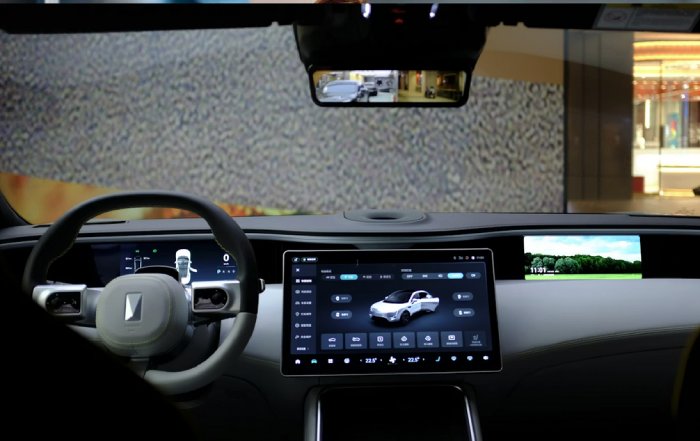
In Asia, markets such as China, South Korea, Japan, and Singapore are at the forefront of integrating smart devices into broader smart city initiatives, public transportation systems, and urban planning frameworks. Chinese technology companies and automakers are embedding advanced connectivity and AI features into vehicles and public infrastructure, while South Korean and Japanese firms continue to lead in miniaturization, display technologies, and sensor innovation. Comparative analyses from the OECD highlight how these regions leverage strong industrial bases and supportive policy environments to accelerate adoption and experimentation.
Emerging markets in Southeast Asia, Africa, and South America present a different landscape, where affordability, mobile-first experiences, and localized content are crucial. In Brazil, South Africa, Thailand, Malaysia, and parts of India, smartphones paired with low-cost wearables and cloud-based services often serve as the primary access point to smart ecosystems. Partnerships between global technology firms, local telecom operators, and public institutions are essential to ensuring that innovations in health monitoring, mobile payments, education, and agriculture reach underserved populations and narrow rather than widen digital divides. The news and world sections of FitPulseNews regularly track how these regional dynamics influence both consumer experiences and global competitive strategies.
Strategic Takeaways for Brands, Employers, and the FitPulseNews Community
For brands, the maturation of smart devices into interconnected, data-rich ecosystems represents a strategic inflection point. Companies that once differentiated primarily on hardware specifications must now compete on the quality of their algorithms, the robustness of their privacy protections, the clarity of their user experience, and the depth of their partnerships across healthcare, fitness, enterprise, and sustainability domains. Many of the organizations profiled in FitPulseNews' brands and business sections are repositioning themselves from product manufacturers to long-term performance and wellness partners, offering integrated services that span devices, content, coaching, and community.
Employers face parallel strategic choices. The integration of smart devices into corporate wellness programs, safety initiatives, and productivity tools offers tangible benefits in terms of reduced absenteeism, improved engagement, and enhanced performance, but it also requires careful governance and communication. Clear boundaries around data use, voluntary participation, and non-discrimination are essential to maintaining employee trust, particularly in regions with strong privacy norms such as Europe and parts of Asia-Pacific. Organizations that navigate this balance effectively are better positioned to attract and retain talent in a labor market where technology fluency and well-being expectations are increasingly intertwined.
For the global FitPulseNews community, the expanding universe of smart devices offers unprecedented opportunities to understand and improve their own health, performance, and environmental impact, but it also demands higher levels of digital literacy and critical evaluation. Choosing which devices to adopt, which platforms to trust, and how to interpret the flood of metrics has become a strategic personal decision rather than a casual purchase. Readers turn to FitPulseNews.com and its dedicated verticals on health, fitness, technology, sustainability, and innovation to make sense of this complexity, assess claims against evidence, and align their choices with long-term goals across health, career, and lifestyle.
As 2026 progresses, smart devices are best understood not as isolated gadgets but as the connective tissue of a broader digital fabric that touches nearly every aspect of life that matters to the FitPulseNews audience. The organizations and leaders that will define this era are those that combine deep technical competence with a visible commitment to experience, expertise, authoritativeness, and trustworthiness. In that landscape, platforms like FitPulseNews play a pivotal role, translating rapid technological change into clear, actionable insight for a global readership determined to stay ahead of the curve in health, performance, business, and sustainable living.