

The Future of Wearable Fitness Tech: From Step Counters to Intelligent Health Companions
A New Era for Performance, Prevention, and Personalization
Wearable fitness technology has evolved from simple step counters into a sophisticated ecosystem of intelligent health companions that influence how people move, work, recover, and even make financial and career decisions. For the sports, active fitness followers of FitPulseNews, which runs around health-conscious professionals, performance-driven athletes, and innovation-focused executives across North America, Europe, Asia, Africa, and South America, the future of wearable fitness tech is no longer a niche topic; it has become a strategic domain at the intersection of health, business, and technology.
What began as basic activity trackers now integrates continuous biometric monitoring, artificial intelligence-driven insights, and cross-platform data sharing that connects personal health with corporate wellness programs, insurance models, sports performance strategies, and national public health priorities. As organizations in the United States, the United Kingdom, Germany, Canada, Australia, and beyond intensify their focus on productivity, resilience, and sustainability, wearables are emerging as a foundational layer in the infrastructure of modern life. Readers who follow the latest shifts in business and workplace transformation and health and wellness trends increasingly recognize that the future of competitive advantage will be shaped, in part, by how effectively individuals and institutions harness wearable fitness technologies.
From Quantified Self to Quantified Ecosystems
The early wave of wearable devices popularized the concept of the "quantified self," where individuals used fitness bands and smartwatches to track steps, distance, and calories. Today, the paradigm is shifting toward "quantified ecosystems," in which personal wearables are connected to smartphones, home devices, vehicles, workplace platforms, and healthcare systems. This evolution is driven by the rapid advancement of sensor technology, edge computing, and cloud analytics, enabling wearables to become always-on health observatories rather than occasional fitness tools.
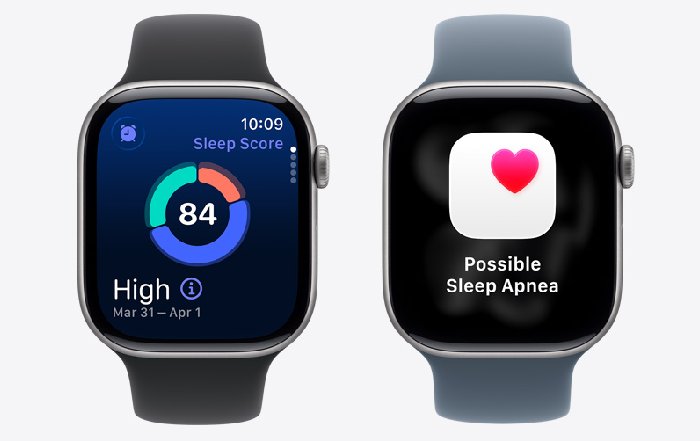
Major technology companies such as Apple, Samsung, Garmin, and Huawei have steadily integrated advanced sensors capable of measuring heart rate variability, blood oxygen saturation, skin temperature, and sleep stages, which are then translated into actionable guidance on recovery, training readiness, and stress management. Learn more about the underlying science of wearable sensors through resources from MIT Technology Review and the technical overviews published by IEEE. For the audience of FitPulseNews, which spans both recreational users and elite performers, this shift means that wearables are not only tracking what has happened, but also predicting what could happen and recommending what should happen next.
AI-Driven Coaching and Hyper-Personalized Training
Artificial intelligence has become the central engine powering the next generation of wearable fitness technology. Instead of static recommendations based on age and gender, modern platforms now leverage machine learning models trained on millions of anonymized data points to deliver highly individualized training and recovery plans. Companies such as Whoop, Oura, and Polar are already integrating readiness scores and adaptive coaching algorithms that adjust daily training loads based on sleep quality, heart rate variability, and cumulative strain.
AI-driven coaching is particularly relevant for professionals in demanding careers across the United States, Europe, and Asia, who must balance travel, irregular schedules, and cognitive load with their fitness ambitions. By continuously analyzing biometric and behavioral data, wearables can suggest when to push harder, when to prioritize recovery, and how to structure workouts to align with circadian rhythms. Readers interested in how AI is transforming performance can explore research and commentary from Stanford Medicine and Harvard Health Publishing.
For the FitPulseNews community, which often seeks pragmatic guidance on fitness programming and athletic performance, the future will bring more integrated experiences where wearable data seamlessly informs gym routines, home workouts, and even workplace wellness challenges. Instead of generic training plans, individuals will receive dynamic, context-aware coaching that accounts for stress levels, travel fatigue, and sleep disruption, helping them maintain consistency and avoid overtraining.
Health Monitoring, Early Detection, and Clinical Integration
The most profound transformation in wearable fitness technology is happening at the boundary between consumer wellness and clinical healthcare. Devices that were once marketed purely as lifestyle accessories now play a growing role in cardiovascular screening, metabolic health monitoring, and the early detection of respiratory or infectious diseases. Regulatory bodies such as the U.S. Food and Drug Administration (FDA) have already cleared certain smartwatch features for detecting irregular heart rhythms and supporting atrial fibrillation monitoring, signaling a broader shift toward medically relevant wearables. Readers can follow regulatory developments and guidance on the FDA's digital health pages.
In 2026 and beyond, the convergence of wearable data with electronic health records, telemedicine platforms, and remote patient monitoring programs will redefine how clinicians and patients interact. Leading health systems in the United States, the United Kingdom, Germany, and Singapore are piloting programs that use wearable-derived metrics to support post-surgical recovery, chronic disease management, and mental health interventions. For those who follow global health and policy developments, the implications are significant: in regions with limited access to traditional healthcare infrastructure, cost-effective wearables linked to mobile networks may help bridge gaps in monitoring and triage.
Organizations such as the World Health Organization are increasingly examining the role of digital health tools in preventive care and population health strategies, and interested readers can explore their perspectives through the WHO digital health resources. As more clinical-grade features are embedded into consumer devices, questions of data accuracy, interoperability, and liability will intensify, prompting closer collaboration between technology companies, healthcare providers, regulators, and insurers.
Corporate Wellness, Productivity, and the Business of Wearables
For business leaders and HR executives who follow workplace and organizational coverage at FitPulseNews, wearable fitness technology is no longer a peripheral perk but a strategic asset in talent management, productivity, and risk mitigation. Corporate wellness programs increasingly integrate wearables to incentivize physical activity, track participation, and personalize interventions that reduce burnout and absenteeism. In the United States, Canada, and the United Kingdom, large employers have partnered with major wearable providers and health insurers to offer subsidized devices and health coaching, often linking participation to premium discounts or wellness rewards.
The economic logic is straightforward: healthier employees are more productive, have fewer sick days, and contribute to a more resilient organizational culture. Research from organizations such as the World Economic Forum and McKinsey & Company has highlighted the multi-trillion-dollar impact of poor health on global economic output, and readers can delve into these analyses through the World Economic Forum's health and healthcare insights and McKinsey's health reports. Wearables provide a scalable mechanism for organizations to measure, motivate, and support healthier behaviors in a privacy-conscious and data-driven manner.
However, the adoption of wearables in the workplace also raises complex questions around data governance, employee consent, and algorithmic fairness. Forward-thinking companies in Europe and Asia, where data protection regulations are stringent, are exploring models where employees retain ownership of their data while granting limited, anonymized access for program evaluation. For the FitPulseNews readership that closely follows business innovation and corporate culture, the next phase of wearable tech will be defined as much by ethical frameworks and trust-building as by new hardware capabilities.
Elite Sports, Esports, and the Science of Performance
In elite sports, wearable fitness technology has become an indispensable tool for competitive advantage. Professional teams in football, basketball, rugby, and cricket across Europe, North America, and Australia routinely use GPS vests, inertial measurement units, and biometric bands to monitor player workload, biomechanics, and recovery status. Organizations such as FIFA, the NBA, and leading European football clubs have invested heavily in sports science departments that rely on wearable data to optimize training sessions, prevent injuries, and refine tactical strategies. Readers can explore broader trends in sports science and performance optimization through resources from FIFA's performance programs and Sport England.
The rise of esports and gaming has further expanded the scope of wearable fitness technology, as professional gamers and streamers seek to manage eye strain, posture, reaction times, and mental fatigue. Wearables that track heart rate, stress levels, and micro-movements are being used to design training regimens for cognitive endurance and fine motor control. For the FitPulseNews audience that tracks sports innovation and performance trends, the convergence of physical and digital performance metrics underscores how broadly wearable technologies are reshaping what it means to train and compete in the 2020s.
Looking ahead, the integration of biometric data with augmented reality training environments, virtual coaching, and real-time tactical feedback could fundamentally change how athletes at all levels- from youth academies in Spain and Brazil to national teams in Japan and South Korea-experience practice and competition. This will demand new expertise in data analytics, sports psychology, and human-computer interaction, creating emerging career paths that align directly with the interests of readers exploring jobs and future-of-work opportunities.
Data Privacy, Security, and Ethical Governance
As wearable fitness tech becomes more powerful and pervasive, questions of privacy and data security move from the margins to the center of the conversation. Wearables continuously collect sensitive health and behavioral data, including heart rhythms, sleep cycles, movement patterns, and in some cases even geolocation and emotional proxies. Misuse or unauthorized access to such data can have profound implications for individuals' privacy, insurability, and even employability.
Regulations such as the European Union's General Data Protection Regulation (GDPR) and health privacy frameworks like HIPAA in the United States provide guardrails, but the rapid pace of innovation often outstrips legislative cycles. Organizations such as the Electronic Frontier Foundation and Future of Privacy Forum are actively engaging with these issues, and readers can explore their insights through the EFF's privacy resources and the Future of Privacy Forum. For the global audience of FitPulseNews, which spans jurisdictions with varying levels of regulatory maturity, understanding the evolving landscape of digital rights and responsibilities is essential.
Trustworthiness in the wearable ecosystem will increasingly hinge on transparent data practices, robust encryption, independent security audits, and clear user controls over data sharing. Businesses that deploy wearables in corporate wellness or customer loyalty programs will need to demonstrate not only compliance, but also respect for user autonomy and informed consent. This is particularly relevant for brands and organizations featured in FitPulseNews coverage of leading companies and innovations, where reputational risk tied to data misuse can be significant.
Sustainability, Materials, and the Environmental Footprint
As wearables proliferate, their environmental footprint becomes an important consideration for a readership that is increasingly attuned to sustainability and environmental impact. The production, distribution, and disposal of millions of devices each year raise questions about e-waste, resource consumption, and long-term ecological consequences. Forward-thinking companies are experimenting with modular designs, recyclable materials, and extended product lifecycles to mitigate these concerns.
Organizations such as the Ellen MacArthur Foundation advocate for circular economy principles that could reshape how wearables are designed, repaired, and recycled, and interested readers can learn more about these frameworks through the Ellen MacArthur Foundation's resources. From a materials science perspective, advances in biodegradable polymers, flexible electronics, and energy-efficient chipsets are gradually reducing the environmental intensity of wearable devices. Meanwhile, innovations in battery technology, including solid-state and energy-harvesting solutions, are aiming to extend device lifespans and reduce the frequency of charging and replacement.
For FitPulseNews, which covers sustainability and innovation as core editorial pillars, the intersection of wearable tech and environmental responsibility is a critical narrative. Consumers in markets such as the Netherlands, Sweden, Denmark, and New Zealand, where environmental awareness is particularly high, are likely to favor brands that can demonstrate verifiable commitments to responsible sourcing, repairability, and end-of-life management.
Regional Dynamics: How Adoption Differs Around the World
Although wearable fitness technology is a global phenomenon, adoption patterns, use cases, and regulatory environments differ markedly across regions. In North America and Western Europe, wearables are often integrated into broader digital ecosystems, combining health, payments, productivity, and entertainment. In Asia-Pacific markets such as China, South Korea, Japan, Singapore, and Thailand, super-app ecosystems and strong mobile penetration have accelerated the integration of wearables into everyday services, from transportation to retail loyalty programs.
In emerging markets across Africa and South America, including South Africa and Brazil, wearables are beginning to play a role in community health initiatives, micro-insurance models, and mobile-first wellness programs. International organizations and NGOs are exploring how low-cost wearables can support maternal health, infectious disease monitoring, and fitness education, especially in areas where traditional healthcare infrastructure is constrained. Readers who follow global news and regional developments can observe how these regional dynamics create diverse innovation pathways and business opportunities.
These differences also influence design priorities: in hot and humid climates, comfort and sweat resistance are paramount; in colder regions such as Finland and Norway, battery performance and durability in low temperatures are critical; in highly urbanized environments like Singapore or Hong Kong, integration with public transport and smart city systems becomes a key value driver. For companies and entrepreneurs featured in FitPulseNews innovation coverage, understanding these local nuances is essential for building truly global wearable platforms.
The Convergence of Wearables, Smart Clothing, and Ambient Computing
Looking beyond wrist-worn devices, the broader trajectory of wearable fitness technology points toward seamless integration into clothing, accessories, and everyday environments. Smart fabrics embedded with conductive fibers, pressure sensors, and micro-actuators are emerging from research labs and entering pilot products, promising shirts that monitor breathing patterns, leggings that track muscle activation, and shoes that analyze gait in real time. Academic and industrial research groups documented by institutions like ETH Zurich and Imperial College London are at the forefront of these developments.
At the same time, ambient computing-where sensors and intelligence are embedded into homes, offices, and public spaces-is blurring the line between "wearable" and "environmental" technology. Smart mirrors that analyze posture, connected gym equipment that automatically adjusts resistance, and office chairs that monitor sitting time are early examples. For the FitPulseNews audience that follows technology and innovation trends, this convergence signals a future in which health and fitness monitoring becomes less obtrusive and more deeply integrated into the fabric of daily life.
The challenge, however, will be to ensure that this pervasive monitoring remains aligned with human values, mental well-being, and autonomy. Constant feedback can be empowering for some and overwhelming for others; therefore, the most successful systems will be those that can adapt not only to physical metrics but also to user preferences, cultural norms, and psychological needs.
What This Future Means for the FitPulseNews Community
For readers of FitPulseNews, the future of wearable fitness tech is not an abstract technological forecast but a practical roadmap that intersects with personal goals, professional strategies, and societal priorities. Whether a reader is a health-conscious executive in New York, a startup founder in Berlin, a sports scientist in Melbourne, a public health official in Johannesburg, or a wellness entrepreneur in Singapore, the decisions made today about which devices to adopt, which platforms to trust, and which data practices to endorse will shape the evolution of this ecosystem.
On an individual level, wearables offer unprecedented opportunities to understand one's own body, optimize performance, and sustain long-term health through informed choices about movement, nutrition, sleep, and stress management. Readers interested in complementing their wearable insights with evidence-based guidance can explore FitPulseNews coverage on nutrition and holistic wellness, integrating technology with lifestyle changes rather than relying on devices alone.
On an organizational level, leaders who read FitPulseNews for business strategy and innovation insights will need to craft policies that harness the benefits of wearable tech while safeguarding privacy, promoting inclusivity, and supporting employee autonomy. This includes designing incentive structures that encourage healthy behaviors without creating pressure or discrimination, ensuring that data is used ethically, and fostering a culture where health is seen as an enabler of performance rather than a metric for surveillance.
On a societal level, policymakers, healthcare providers, educators, and technologists must collaborate to ensure that the benefits of wearable fitness technology are accessible, equitable, and sustainable. This means addressing digital divides, supporting open standards and interoperability, and investing in public education so that individuals can interpret and act on their data responsibly.
Conclusion: Building a Trustworthy, Human-Centered Wearable Future
So then, wearable fitness technology stands at a pivotal moment. The hardware is mature enough to provide rich, continuous data; the software, powered by AI, is increasingly capable of turning that data into meaningful guidance; and the global appetite for proactive health management has never been higher. Yet the true potential of wearables will only be realized if the ecosystem is built on a foundation of experience, expertise, authoritativeness, and trustworthiness.
For the active and interactive gym and game lovers that turn to FitPulseNews for in-depth analysis across health, fitness, business, sports, technology, and sustainability, the message is clear: the future of wearable fitness tech is not about gadgets; it is about relationships-between individuals and their bodies, between employees and employers, between citizens and institutions, and between humanity and the environment. Those relationships will be shaped by choices about design, governance, and culture that are being made now.
As innovation accelerates and new devices, platforms, and business models emerge, FitPulseNews will continue to examine not only what is technologically possible, but also what is responsible, equitable, and genuinely beneficial for people and organizations worldwide. Readers who stay engaged with this evolving landscape-through coverage of health, business, technology, and sustainability-will be best positioned to navigate and shape the next chapter of wearable fitness technology, turning data into insight, insight into action, and action into lasting impact.
We always try to keep our editorial content impartial, well researched, recent, interesting for your fitness topical needs. Subscribe, like, follow, share then feel free to contact us with other fitness activity topics you would like us to research and debate.