

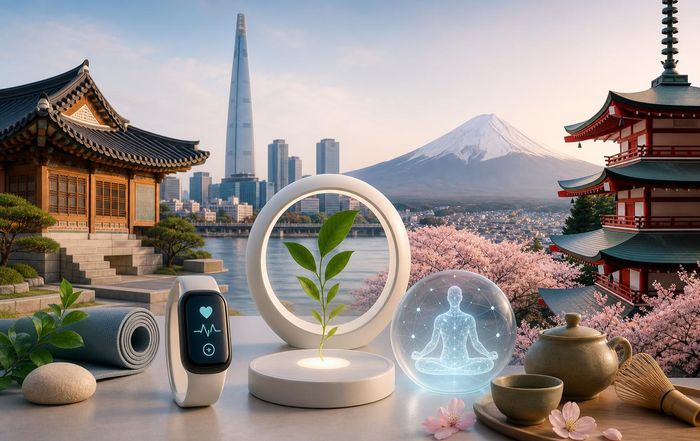
Wellness Innovation Trends Across South Korea and Japan
The New Epicenter of Wellness Innovation
As the global wellness economy continues to expand beyond traditional fitness and healthcare into a complex ecosystem of technology, lifestyle, culture, and performance, South Korea and Japan have emerged as two of the most influential laboratories for innovation. For the audience here, which are fitness enthusiasts, health-conscious professionals, sports leaders, brand strategists, and innovation executives across North America, Europe, and Asia, understanding how these two Northeast Asian powerhouses are reshaping wellness in 2026 is no longer optional; it has become a strategic necessity for anyone seeking to anticipate where the next wave of consumer demand, business models, and cross-border partnerships will arise.
From hyper-personalized digital health platforms and AI-driven fitness ecosystems to longevity clinics, esports-integrated performance programs, and sustainable urban wellness infrastructure, both South Korea and Japan are demonstrating how deeply wellness can be embedded into everyday life when technology, culture, and policy move in the same direction. Organizations ranging from Samsung, LG, and SoftBank to emerging health-tech start-ups in Seoul and Tokyo are collectively redefining what the global industry understands as "wellness," and their influence is increasingly visible in product launches, corporate strategies, and consumer expectations from the United States to Europe and Southeast Asia. Readers can explore how these shifts intersect with broader global developments in fitness and health in the dedicated sections of FitPulseNews, including its coverage of fitness, health, and wellness.
Digital Fitness Ecosystems and Hyper-Personalized Training
The most visible transformation in both South Korea and Japan is unfolding at the intersection of connected devices, AI, and behavior science, where digital fitness ecosystems have evolved from simple tracking tools into integrated coaching environments. In South Korea, where smartphone penetration and broadband connectivity are among the highest in the world, large platforms are leveraging 5G and edge computing to deliver real-time, adaptive training programs that integrate biometric data, sleep metrics, stress levels, and even mental health indicators. Companies such as Samsung have expanded their wearables and health platforms to provide more clinically relevant metrics, aligning with global standards set by organizations like the World Health Organization and drawing on best practices in exercise science and digital therapeutics.
Japan, facing a rapidly aging population and a strong cultural emphasis on discipline and routine, has taken a complementary path by integrating digital fitness into daily rituals rather than treating it as a separate activity. Building on long-standing traditions of morning calisthenics and community exercise, Japanese wellness platforms increasingly use AI to create low-impact, longevity-focused training plans tailored to older adults, while still serving younger demographics interested in high-intensity training and sports performance. By aligning with guidance from entities such as the Japan Sports Agency and the Ministry of Health, Labour and Welfare, these initiatives demonstrate how public policy can support market-driven innovation. For global readers tracking the evolution of performance training and digital coaching, FitPulseNews offers ongoing analysis in its sports and technology coverage.
Wearables, Biometrics, and the Rise of Preventive Health
Both South Korea and Japan are at the forefront of shifting wellness from reactive treatment to proactive prevention, with wearables and biometric sensors at the core of this transition. South Korean start-ups, often incubated in collaboration with major universities and hospitals, have developed advanced biosensing technologies that monitor heart rate variability, blood oxygen levels, and sleep quality with increasing clinical accuracy. These systems are progressively aligned with international benchmarks defined by organizations such as the U.S. Food and Drug Administration and the European Medicines Agency, ensuring that devices used for fitness and wellness can also support medical-grade insights when necessary.
In Japan, where the concept of "metabo" and national health checkups have long underscored the importance of metabolic health, biometric wearables are increasingly integrated into workplace wellness programs and insurance incentives. Corporations and insurers collaborate with technology firms to create platforms that reward employees for consistent activity, improved cardiovascular markers, and better sleep hygiene, drawing on research from institutions like the National Center for Global Health and Medicine and global academic partners. This shift has implications far beyond East Asia, as multinational employers in North America, Europe, and Australia look to replicate similar models of data-driven preventive health. For readers of FitPulseNews tracking the convergence of health, business, and innovation, the platform's business and innovation sections provide additional context on how these practices are being adapted worldwide.
Longevity, Healthy Aging, and the Silver Economy
Japan's demographic profile, with one of the world's highest proportions of citizens over 65, has compelled the country to become a global testbed for longevity-focused wellness models. This has given rise to specialized clinics, community centers, and technology solutions designed to extend not just lifespan but healthspan. Longevity programs in Tokyo, Osaka, and regional cities increasingly combine resistance training, balance exercises, nutritional counseling, and cognitive training, drawing on evidence from global research institutions such as the National Institute on Aging and the World Economic Forum on the economic and social value of healthy aging.
South Korea, while slightly younger demographically, is experiencing rapid aging as well and is investing heavily in what analysts describe as the "silver economy." In cities such as Seoul and Busan, fitness centers and community hubs now offer age-specific programming that blends technology-enabled monitoring with human coaching, often supported by local governments and large healthcare systems. These initiatives are closely followed by policymakers and business leaders in countries like Germany, Italy, and Spain, which face similar demographic pressures and are exploring how to adapt East Asian models to European social and cultural contexts. Readers interested in how aging populations are reshaping wellness and labor markets can explore complementary reporting in FitPulseNews's world and jobs sections.
Nutrition, Functional Foods, and the Science of Everyday Eating
Nutrition has long been a strength of both South Korea and Japan, where traditional diets emphasize vegetables, fermented foods, and seafood, and where food is culturally understood as a core pillar of health. In 2026, this heritage is converging with advanced food science to create a new generation of functional foods and beverages that target specific health outcomes such as gut health, cognitive performance, metabolic resilience, and immune function. Japanese companies, including major players in the functional beverage and supplement space, are expanding their portfolios with products backed by clinical research and often supported by regulatory frameworks from the Consumer Affairs Agency of Japan, which oversees Foods with Function Claims.
In South Korea, the global popularity of K-culture has amplified interest in Korean dietary patterns, from kimchi and fermented soybean pastes to herbal tonics and contemporary high-protein, low-sugar snacks. Food-tech start-ups are partnering with research institutions and public agencies, drawing on global nutrition science from organizations like the Harvard T.H. Chan School of Public Health and the Food and Agriculture Organization of the United Nations, to validate and modernize traditional ingredients for international markets. For FitPulseNews readers who closely follow the convergence of performance nutrition, cultural food trends, and brand strategy, the platform's dedicated nutrition and brands sections provide deeper dives into how these developments are influencing consumer behavior from Canada and the United Kingdom to Singapore and Brazil.
Mental Wellness, Stress Management, and Cultural Adaptation
In both South Korea and Japan, mental wellness has moved from a relatively stigmatized topic to a central pillar of the broader wellness conversation, driven by rising awareness of burnout, digital fatigue, and performance pressure among students and professionals. South Korea, known for its intense academic and work culture, has seen a surge in digital mental health platforms that offer anonymous counseling, mindfulness programs, and cognitive behavioral therapy modules, often delivered through mobile apps integrated with fitness and sleep trackers. These services are increasingly designed in collaboration with clinical experts and align with best practices outlined by entities such as the American Psychological Association and the National Institute of Mental Health, while being adapted to local cultural norms and language.
Japan has taken a distinctive approach by combining traditional concepts such as "ikigai" (a sense of purpose) and "forest bathing" with modern therapeutic frameworks. Urban dwellers are encouraged to engage with nature-based wellness experiences, supported by municipal initiatives and private sector retreats, which build on evidence from sources like the International Journal of Environmental Research and Public Health regarding the benefits of green spaces and natural environments for mental health. For global executives and wellness professionals who recognize the strategic importance of mental resilience in both individual performance and organizational productivity, FitPulseNews continues to explore these themes across its wellness and culture coverage, highlighting how East Asian models can inform practices in North America, Europe, and beyond.
Sports Performance, Esports, and the Blurring of Physical and Digital
South Korea and Japan are also redefining the boundaries of sports, where traditional athletic disciplines increasingly intersect with esports, virtual training, and data analytics. South Korea, already recognized as a global hub for competitive gaming, has begun to integrate physical conditioning programs into esports training academies, acknowledging the importance of cardiovascular health, posture, vision care, and mental resilience for elite gamers. These programs draw on sports science insights from institutions such as the Korea Institute of Sport Science and international best practices in performance coaching, creating a new template for how digital athletes can be supported with holistic wellness frameworks.
Japan, with its strong infrastructure for Olympic and professional sports, has embraced sensor-based training and motion-capture technology to optimize performance in disciplines ranging from baseball and football to martial arts. Partnerships between technology firms, universities, and sports federations are leveraging AI to analyze biomechanics, injury risk, and recovery patterns, aligning with global research from organizations like the International Olympic Committee and the Fédération Internationale de Football Association on athlete health and safety. For FitPulseNews readers who follow the convergence of sports science, digital performance, and fan engagement, the platform's sports and technology sections offer ongoing insight into how these East Asian innovations are influencing leagues and training centers worldwide.
Urban Design, Smart Cities, and Sustainable Wellness Infrastructure
The wellness transformation in South Korea and Japan extends beyond individual behavior and digital tools to the physical fabric of cities, where urban planning, architecture, and environmental policy are increasingly oriented toward health. South Korea's smart city initiatives, in locations such as Songdo and new districts of Seoul, integrate pedestrian-friendly design, cycling infrastructure, green roofs, and air-quality monitoring into urban development, guided by frameworks from organizations like the OECD and the World Bank on livable, sustainable cities. These environments not only encourage daily movement and active commuting but also support mental well-being through access to parks, waterfronts, and community sports facilities.
Japan, which has long prioritized public transportation and compact, walkable neighborhoods, is enhancing its urban wellness strategy by upgrading public baths, community centers, and local parks to accommodate multi-generational use and inclusive design. Municipalities are increasingly aligning with international sustainability and health guidelines from entities such as the United Nations Environment Programme and the World Green Building Council, recognizing that environmental quality, climate resilience, and public health are deeply interconnected. For readers of FitPulseNews who track how environmental and sustainability considerations shape wellness, the platform's environment and sustainability sections provide additional context on how these urban models are influencing policy debates and investment decisions in Europe, North America, and Asia-Pacific.
Corporate Wellness, Employer Responsibility, and the Future of Work
Corporate wellness has become a strategic priority for employers in South Korea and Japan, particularly as organizations contend with talent shortages, aging workforces, and the long-term effects of hybrid and remote work. In South Korea, major conglomerates and technology firms are investing in on-site fitness centers, digital wellness platforms, mental health support, and flexible working arrangements, often informed by global human capital research from institutions such as McKinsey & Company and the Deloitte Health Equity Institute. These programs are no longer positioned as optional benefits but as integral components of talent attraction, retention, and productivity strategies.
Japan, where work culture has historically been characterized by long hours and strong corporate loyalty, is undergoing a gradual but meaningful shift toward more balanced models. Companies are experimenting with shorter workweeks, mandatory vacation usage, and structured wellness programs that include health screenings, exercise incentives, and stress management. These initiatives are supported by evolving labor policies and public awareness campaigns, with guidance from the International Labour Organization and domestic agencies focused on occupational health. For professionals and executives reading FitPulseNews who are responsible for designing or evaluating wellness programs in their own organizations, the platform's business and news sections highlight case studies and emerging best practices that draw lessons from these East Asian experiences.
Cross-Border Brands, Cultural Influence, and Consumer Expectations
The soft power of South Korean and Japanese wellness cultures is increasingly visible in global consumer markets, where brands draw inspiration from K-beauty, J-beauty, functional beverages, minimalist design, and holistic lifestyle concepts. South Korean brands in skincare, fitness apparel, and digital wellness are rapidly expanding into North America, Europe, and Southeast Asia, often leveraging the global reach of K-pop, K-dramas, and esports to introduce integrated wellness narratives that link appearance, performance, and mental health. Japanese brands, known for their craftsmanship, simplicity, and longevity-focused design, are similarly influencing product development in categories ranging from home fitness equipment and ergonomic furniture to nutraceuticals and mindfulness tools.
This diffusion of ideas is accelerating as global consumers demand more credible, science-backed, and culturally authentic wellness offerings. International retailers and digital marketplaces are curating product lines that highlight East Asian wellness philosophies, while global media and research outlets such as the Global Wellness Institute track and analyze the economic impact of these trends. For FitPulseNews, which positions itself as a trusted hub at the intersection of fitness, health, culture, and brands, this cross-border flow of innovation underscores the importance of covering not only product launches but also the underlying cultural narratives and scientific frameworks that shape consumer expectations across regions, from the United States and Canada to Germany, France, the Netherlands, and the Nordic countries.
Strategic Implications for Global Stakeholders
The wellness innovation landscape in South Korea and Japan offers several strategic lessons for stakeholders worldwide, including fitness operators, healthcare providers, technology companies, investors, and policymakers. First, the integration of wellness into everyday life-through digital ecosystems, urban design, workplace policies, and cultural rituals-demonstrates that the most successful initiatives are those that minimize friction and make healthy choices the default rather than the exception. Second, the emphasis on preventive health, longevity, and mental well-being illustrates the need to move beyond narrow definitions of fitness toward a more comprehensive view of human performance and quality of life, informed by interdisciplinary research and robust data.
Third, the ability of South Korean and Japanese organizations to blend tradition with innovation-combining fermented foods with cutting-edge nutrition science, forest bathing with digital stress management tools, or community calisthenics with AI-driven personalization-highlights the competitive advantage of culturally grounded innovation. Global actors who seek to adapt these models must therefore invest not only in technology and infrastructure but also in understanding local values, behaviors, and regulatory environments, drawing on resources such as the OECD iLibrary and regional policy research centers. For readers of FitPulseNews, this perspective reinforces the value of following developments not in isolation, but as part of a global system in which insights from Asia, Europe, North America, Africa, and South America are increasingly interdependent.
The Pace and Place of FitPulseNews in a Rapidly Changing Wellness Space
The pace of change in wellness, fitness, and health innovation demands media platforms that can bridge regions, industries, and disciplines, translating complex developments into actionable insight for a diverse professional audience. FitPulseNews has itself within this ecosystem as an independent hub, analytically rigorous resource that tracks how trends in South Korea and Japan reverberate across markets in the United States, United Kingdom, Germany, Australia, Singapore, and beyond. By connecting developments in fitness, health, sports, technology, brands, environment, and sustainability, the platform provides a holistic view of how wellness is being redefined in boardrooms, laboratories, training centers, and homes worldwide.
For business leaders, policymakers, entrepreneurs, and practitioners, the emerging wellness models in South Korea and Japan offer a preview of the future: a world in which health is personalized, data-driven, culturally attuned, and embedded in the very architecture of daily life. As FitPulseNews continues to monitor these new sports developments and their global ripple effects, it invites its readership to engage not only as observers but as active participants in shaping a wellness ecosystem that is more innovative, inclusive, and sustainable, whether they are operating in New York, London, Berlin, Toronto, Seoul, Tokyo, Bangkok, Johannesburg, or São Paulo. Those seeking to stay ahead of this transformation can follow ongoing updates and in-depth features across the full spectrum of sections on FitPulseNews.com, where wellness is understood not as a niche category, but as a driver of how societies work, play, and thrive in the years ahead.