

The Intersection of AI and Personal Training: How Intelligent Coaching Is Redefining Performance, Health, and Business
A New Era of Intelligent Coaching
Ok we can see the convergence of artificial intelligence and personal training has already moved for some from experimental novelty to mainstream practice, reshaping how individuals train, how coaches work, and how businesses across the health and fitness ecosystem compete and grow. What began as simple step counters and calorie estimators has evolved into highly sophisticated, adaptive coaching systems capable of interpreting biometric data in real time, modeling long-term health risks, and delivering hyper-personalized training interventions that rival, and in some dimensions exceed, the capabilities of traditional one-to-one instruction.
For a global audience that spans elite athletes in the United States and Europe, busy professionals in Singapore and Tokyo, and wellness-focused consumers in Canada, Australia, and South Africa, this transformation is not only about more efficient workouts. It is fundamentally about trust in data-driven decisions, the credibility of digital coaching platforms, and the ability of organizations to demonstrate genuine expertise in health, performance, and behavior change. As FitPulseNews continues to track with exceptional fresh content, the pulse of health, fitness, and innovation, the intersection of AI and personal training stands out as a defining case study for how technology, human coaching, and business strategy are converging into a new performance economy.
From Wearables to Intelligent Training Ecosystems
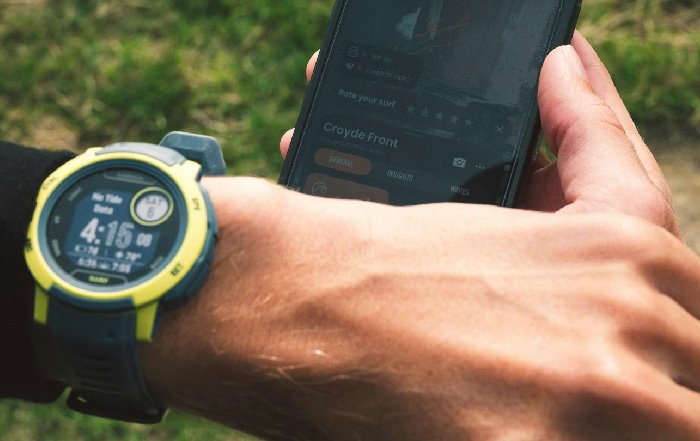
The technological foundation for AI-driven personal training lies in the proliferation of consumer and professional wearables, connected fitness equipment, and cloud-based analytics platforms that collectively generate an unprecedented volume of health and performance data. Devices from organizations such as Apple, Garmin, Whoop, and Polar continuously track heart rate variability, sleep stages, movement patterns, and training load, while smart platforms aggregate and interpret this data into actionable insights. Learn more about how consumer wearables are evolving into full health platforms on Apple's health overview.
In parallel, connected equipment from companies like Peloton, Technogym, and Tonal has turned living rooms and corporate gyms into data-rich training environments, where every repetition, cadence, and watt can be measured, analyzed, and compared over time. This data is increasingly being processed by AI models that not only suggest incremental adjustments to training volume or intensity, but also anticipate injury risk, detect overtraining, and recommend recovery strategies tailored to the individual's physiology and lifestyle. For readers seeking deeper coverage of such trends, the dedicated fitness section of FitPulseNews explores how connected training ecosystems are reshaping everyday exercise habits.
Hyper-Personalization: Beyond Generic Training Plans
The defining promise of AI in personal training is the shift from generic programming to truly individualized coaching that dynamically adapts to each person's biology, goals, and context. Where traditional training plans often rely on population averages and subjective feedback, modern AI-driven platforms ingest continuous streams of objective data, from heart rate and sleep quality to movement efficiency and even emotional state inferred from app interactions.
Organizations like WHOOP and Oura have popularized recovery-centric approaches that use advanced algorithms to interpret readiness and strain, offering individualized guidance on when to push and when to rest. Learn more about the science behind recovery and load management on the World Health Organization's physical activity guidance. At the same time, AI-enabled coaching platforms are integrating nutritional recommendations, mental health check-ins, and work-life stress indicators, creating a holistic model of the individual rather than treating training as an isolated activity.
For readers following the evolution of personalized health strategies, the health coverage on FitPulseNews highlights how hyper-personalization is now influencing preventive care, chronic disease management, and corporate wellness programs, especially across North America, Europe, and rapidly urbanizing regions in Asia.
Human Coaches in an AI-Augmented World
Contrary to fears that AI would replace personal trainers, the most successful implementations to date have positioned artificial intelligence as an augmentation layer that enhances human expertise rather than displacing it. Elite coaches in the United States, United Kingdom, Germany, and Australia increasingly rely on AI dashboards that consolidate athlete data, flag anomalies, and simulate different training scenarios, enabling them to devote more time to strategic planning, technical coaching, and the human dimensions of motivation and accountability.
Professional sports organizations such as FC Barcelona, Manchester City, and Golden State Warriors have invested heavily in performance analytics and AI-assisted decision-making, using data science teams to support coaching staff with insights on workload management, tactical patterns, and injury prevention. Learn more about how data is transforming elite sport performance via resources from the International Olympic Committee. In these environments, AI serves as a highly specialized assistant, surfacing correlations and patterns that would be impossible to detect manually, while final decisions remain firmly in human hands.
For independent trainers and boutique studios, AI-powered platforms are increasingly essential business tools. They automate administrative tasks, generate individualized programming at scale, and provide professional-grade analytics once reserved for elite organizations. The business section of FitPulseNews frequently profiles these emerging models, where trainers in cities from New York and London to Singapore and São Paulo leverage AI not as a competitor, but as an amplifier of their own expertise and client reach.
Data, Trust, and the Ethics of AI-Driven Coaching
As AI-powered personal training becomes more pervasive, questions of data privacy, algorithmic transparency, and ethical design have moved to the center of industry discourse. Trustworthiness is no longer a vague concept; it is an operational requirement for any organization that hopes to handle sensitive biometric data from users across the United States, Europe, and Asia. Regulatory frameworks such as the European Union's General Data Protection Regulation (GDPR) and emerging AI-specific rules require companies to clearly communicate what data they collect, how it is used, and how long it is stored. Learn more about evolving regulatory expectations on the European Commission's digital policy portal.
In practice, this means that AI-enabled training platforms must design with privacy by default, employ robust encryption, and offer users granular control over data sharing and deletion. Organizations like The Future of Privacy Forum and Electronic Frontier Foundation provide guidance on responsible data practices, while major technology providers, including Microsoft and Google, have published AI ethics principles that influence how fitness and health partners build on their cloud platforms. Learn more about responsible AI frameworks on Microsoft's responsible AI hub and the OECD's AI policy observatory.
For readers of FitPulseNews, these developments are not abstract legalities; they determine whether consumers in markets such as Canada, Japan, South Korea, and Brazil can trust that their training data will not be misused, and whether enterprises can safely integrate AI coaching into employee wellness programs without exposing themselves to regulatory or reputational risk. The world news coverage on FitPulseNews increasingly reflects how different jurisdictions are approaching AI governance and what that means for global fitness and health technology businesses.
The Business Model Revolution in AI-Powered Coaching
The intersection of AI and personal training is also a story of business model innovation, as startups and established brands compete to define how coaching value is priced, delivered, and scaled. Subscription-based digital coaching platforms, hybrid models that combine in-person sessions with continuous AI oversight, and enterprise solutions for corporate wellness are all growing rapidly across North America, Europe, and Asia-Pacific.
Organizations like Peloton, Freeletics, and Future have demonstrated that consumers are willing to pay for high-quality digital coaching experiences when they deliver tangible results, flexible access, and credible expertise. Learn more about emerging digital subscription trends through analysis from McKinsey & Company. Meanwhile, brick-and-mortar gyms in Germany, the Netherlands, and Scandinavia are integrating AI-driven assessment tools and smart equipment to differentiate their offerings in highly competitive markets, using data-driven insights to personalize member experiences and reduce churn.
For fitness professionals, AI is altering the economics of their careers. Instead of trading only hours for income, trainers can now design digital programs that reach clients across time zones, supported by AI engines that adapt daily programming while the coach focuses on higher-value touchpoints. The jobs coverage at FitPulseNews has begun to map new career paths emerging at this intersection, from AI-literate performance coaches to data translators who sit between engineering teams and frontline trainers, ensuring that models reflect real-world training principles and ethical standards.
Performance, Sports, and the Competitive Edge
In elite and competitive sports, the integration of AI into training has become a decisive differentiator. Professional teams, national federations, and Olympic programs in the United States, United Kingdom, Germany, China, Japan, and Australia are investing in AI-enabled platforms that model performance trajectories, simulate race or match scenarios, and fine-tune technical skills through computer vision and biomechanical analysis.
Organizations such as Catapult Sports and Hawk-Eye Innovations provide tracking and analytics systems that feed AI models with granular data on player movement, workload, and tactical positioning. Learn more about data analytics in performance sport through resources from MIT Sloan Sports Analytics Conference. These tools allow coaches to precisely calibrate training loads, identify early signs of overuse injuries, and design individualized drills that target specific weaknesses revealed by the data.
At the same time, AI-powered video analysis is transforming technical coaching in sports ranging from tennis and golf to football and swimming, enabling athletes in markets as diverse as Spain, Italy, South Korea, and South Africa to receive high-quality feedback even when they do not have daily access to elite coaching staff. The sports section of FitPulseNews continues to track how AI is redefining competitive advantage, from grassroots development programs to professional leagues.
Culture, Motivation, and the Human Experience of AI Coaching
While the technical capabilities of AI are impressive, the long-term adoption and impact of AI-driven personal training will depend heavily on how well these systems align with human psychology, cultural expectations, and the deeply personal nature of health and performance journeys. In regions as varied as the United States, France, Singapore, and Brazil, attitudes toward automation, authority, and data privacy differ significantly, shaping how individuals perceive and engage with AI coaches.
Behavioral science research from organizations such as Stanford University, Harvard T.H. Chan School of Public Health, and University College London has shown that sustained behavior change requires more than accurate recommendations; it demands empathy, accountability, and a sense of shared purpose. Learn more about behavior change science from the American Psychological Association. As a result, leading AI coaching platforms are increasingly designed to mimic some of the relational qualities of human coaches, using conversational interfaces, adaptive messaging tones, and gamified progress tracking to build engagement and trust.
FitPulseNews pays particular attention to the cultural dimensions of AI in its culture coverage, exploring how different societies negotiate the balance between human and machine guidance in intimate domains like health, body image, and performance. In many cases, the most successful implementations are hybrid, blending the consistency and analytical power of AI with the empathy and contextual understanding of human coaches, mentors, and communities.
Nutrition, Recovery, and Holistic AI-Enabled Wellness
Modern personal training increasingly extends beyond sets and repetitions to encompass nutrition, sleep, stress management, and mental health, and AI is playing a central role in integrating these dimensions into coherent, individualized plans. AI-powered nutrition apps now analyze food logs, biomarker data, and cultural dietary patterns to suggest meal plans that align with training goals, metabolic responses, and regional food availability, whether in Italy, Thailand, or Canada.
Organizations like ZOE, Levels, and Nutrisense are using continuous glucose monitoring and microbiome analysis to tailor nutritional guidance, while AI models interpret patterns that would be invisible to human observers alone. Learn more about evidence-based nutrition guidance through resources from the Harvard School of Public Health's nutrition source. Sleep and recovery platforms, meanwhile, integrate data from wearables and environmental sensors to optimize bedtime routines, light exposure, and training timing, helping individuals in high-stress environments from New York to Hong Kong maintain resilience and performance.
Readers interested in these holistic dimensions can find expanded analysis in the nutrition and wellness sections of FitPulseNews, where AI-enabled approaches to recovery, mindfulness, and stress management are increasingly prominent themes, particularly as organizations seek to support remote and hybrid workforces in maintaining sustainable performance.
Technology, Innovation, and the Future of AI Training Platforms
The technical landscape underpinning AI personal training continues to evolve rapidly, with advances in edge computing, federated learning, and multimodal AI architectures enabling more secure, responsive, and context-aware coaching experiences. Edge processing allows devices such as smartwatches and connected equipment to run sophisticated models locally, reducing latency and enhancing privacy by limiting the need to transmit raw data to cloud servers. Learn more about edge AI and its applications from Intel's edge computing resources.
Federated learning, meanwhile, enables AI models to improve by learning from patterns across thousands or millions of users without centralizing their raw data, a crucial innovation for compliance with strict privacy regimes in the European Union and other regions. Multimodal AI systems can now integrate sensor data, text inputs, voice interactions, and even video streams to build richer user profiles and deliver more nuanced coaching interventions. Organizations like OpenAI, NVIDIA, and DeepMind are pushing the boundaries of what such systems can do, and their breakthroughs rapidly cascade into consumer and enterprise fitness products.
The technology and innovation sections of FitPulseNews regularly examine how these developments translate into concrete training experiences, while the sustainability coverage considers the environmental impact of increasingly data-intensive AI training infrastructures and the strategies organizations are adopting to reduce their carbon footprint. Learn more about sustainable digital infrastructure practices via the International Energy Agency.
Global Equity, Access, and the Sustainability of AI-Driven Fitness
As AI-enabled personal training matures, an important question is whether its benefits will be equitably distributed across regions and socioeconomic groups, or whether it will deepen existing divides in access to high-quality health and performance support. While premium wearables and subscription platforms are widely adopted in affluent markets such as the United States, Switzerland, Norway, and Singapore, many communities in Africa, South America, and parts of Asia still face barriers related to device cost, connectivity, and digital literacy.
Organizations like the World Health Organization, UNESCO, and World Bank have emphasized the need to ensure that digital health innovations contribute to global health equity rather than exacerbating disparities. Learn more about digital health equity initiatives on the World Health Organization's digital health hub. In response, some AI coaching providers are experimenting with tiered pricing models, partnerships with public health agencies, and low-bandwidth interfaces that function on basic smartphones, aiming to reach users in emerging markets from South Africa and Kenya to India and Indonesia.
Sustainability is another critical dimension, as the energy demands of large-scale AI systems rise. Forward-looking organizations are exploring green data centers, efficient model architectures, and renewable energy sourcing to mitigate environmental impact. The environment section of FitPulseNews monitors how AI-driven fitness ecosystems intersect with broader climate and sustainability goals, reflecting the growing expectation among consumers and regulators that innovation should be both high-performing and responsible.
What Comes Next: The Strategic Imperative for Organizations and Individuals
Standing here today, it is clear that the intersection of AI and personal training is no longer an optional frontier for organizations operating in health, fitness, sports, and wellness; it is a strategic imperative that touches product design, talent development, data governance, and brand positioning. Companies that can combine deep domain expertise in physiology, coaching, and behavior change with credible AI capabilities and rigorous ethical standards will be best positioned to earn trust and loyalty in a crowded marketplace.
For individual consumers and athletes, the key challenge will be to navigate an expanding ecosystem of AI-driven offerings with discernment, favoring platforms and providers that demonstrate transparency, evidence-based methodologies, and respect for user autonomy. For coaches and trainers, the opportunity lies in embracing AI as a partner that enhances their craft, while investing in new skills around data interpretation, digital communication, and cross-disciplinary collaboration.
As FitPulseNews continues to report with passion and it's own unique flavour across health, fitness, business, technology, and sustainability, the publication's role is to help community readers in the United States, Europe, Asia, Africa, and the Americas make sense of this rapidly evolving active fitness landscape, separating hype from substance and spotlighting the organizations and individuals who exemplify experience, expertise, authoritativeness, and trustworthiness. Learn more about the latest developments and in-depth analysis across these domains on the FitPulseNews homepage.
The coming years will likely see AI coaches that understand context with even greater nuance, integration with clinical health systems for more robust risk management, and new forms of human-machine collaboration that challenge traditional notions of what it means to be "personally trained." The organizations that thrive will be those that remember that, despite the power of algorithms and data, the ultimate measure of success remains profoundly human: healthier bodies, stronger minds, more sustainable lifestyles, and a global community better equipped to pursue performance and well-being with clarity, confidence, and trust.