

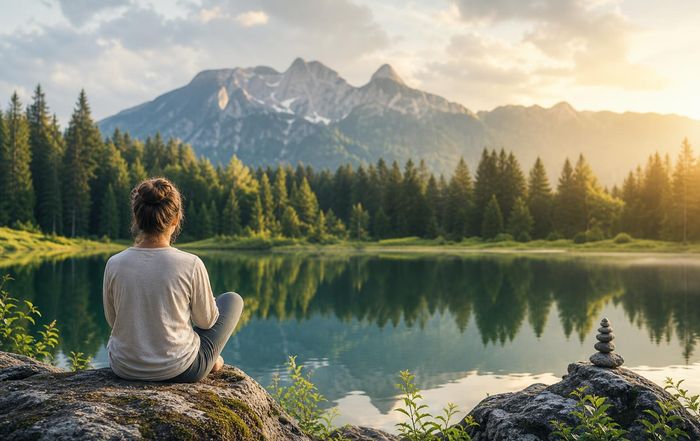
How Nature-Based Wellness Supports Mental Recovery
The New Imperative: Mental Recovery in a Hyper-Connected World
Leaders across health, fitness and business are confronting a reality that can no longer be treated as a secondary concern: mental recovery has become a strategic necessity rather than a personal luxury. Rising burnout rates among professionals in the United States, Europe and Asia, increasing anxiety and depression among younger demographics, and the lingering psycho-social aftershocks of the pandemic era have converged to create a global mental health challenge that is reshaping how people work, train, lead and live. For the global audience of FitPulseNews, which spans fitness enthusiasts, business decision-makers, athletes, brand strategists and wellness professionals, a central question has moved to the forefront: how can mental resilience be rebuilt in ways that are sustainable, accessible and aligned with modern lifestyles.
One of the most powerful answers emerging from research labs, corporate wellness programs and elite sports environments is nature-based wellness. This is not a nostalgic return to vague notions of "fresh air" but a robust, evidence-backed approach that integrates green spaces, outdoor movement, biophilic design and ecological awareness into structured mental recovery strategies. From urban executives in London and New York using micro-breaks in nearby parks to decompress between high-stakes meetings, to athletes in Germany and Japan integrating forest running and cold-water immersion into their periodized training cycles, nature-based wellness is reshaping how recovery is understood and practiced. As organizations such as the World Health Organization highlight the rising global burden of mental disorders, interest is accelerating in practical, nature-centered interventions that complement clinical care and digital tools. Readers can explore the broader mental health context through resources such as the World Health Organization mental health overview.
For FitPulseNews, whose editorial DNA sits at the intersection of fitness, health, performance, culture and innovation, the rise of nature-based wellness is not a passing trend but a structural shift that touches nearly every vertical on the daily edited platform, from fitness and health to business, environment and sustainability. The question is no longer whether nature supports mental recovery, but how individuals, teams, brands and cities can systematically leverage this connection.
The Science Behind Nature and the Recovering Mind
Over the past decade, nature-based wellness has moved from anecdote to evidence, as neuroscientists, psychologists and public health researchers have rigorously examined how exposure to natural environments influences mood, cognition and physiological stress. Institutions such as Harvard Medical School and Stanford University have been particularly visible in translating this science for both clinicians and the public, explaining why even short periods in natural settings can alter stress biomarkers, modulate brain activity and support emotional regulation. Readers interested in the clinical framing can review perspectives on nature and health from sources like Harvard Health Publishing.
Two influential theoretical models help explain why nature is so potent for mental recovery. Attention Restoration Theory proposes that modern urban and digital environments impose a heavy cognitive load by demanding sustained, directed attention, while natural settings engage what researchers call "soft fascination," which gently holds attention without draining mental resources. This shift allows the prefrontal cortex, which is central to executive function and decision-making, to recover from fatigue. In parallel, Stress Reduction Theory suggests that humans are biologically predisposed to respond positively to natural cues such as water, trees and open vistas, which historically signaled safety and resources, leading to lower physiological arousal and reduced activation of the sympathetic nervous system.
Empirical studies across continents now show that time in nature can reduce cortisol levels, lower blood pressure, improve mood, enhance working memory and increase subjective vitality. In Japan, the practice of forest bathing, or shinrin-yoku, has been studied extensively by researchers affiliated with institutions such as Chiba University, demonstrating measurable effects on immune function and stress hormones. In Europe, longitudinal research has linked proximity to green spaces with lower incidence of anxiety and depression, while in North America, urban nature interventions are being integrated into community mental health strategies. Overviews of these findings are increasingly accessible through organizations such as the American Psychological Association, which provides summaries of nature and mental health research on platforms like the APA website.
For the performance-focused audience of FitPulseNews, the implications are significant. Mental fatigue undermines reaction time, decision quality and motivation in athletes, executives and creators alike. Integrating nature into structured recovery can support the cognitive clarity required for high performance, bridging the platform's core unique and fresh themes of sports, innovation and wellness.
From Green Gyms to Forest Trails: Nature in Fitness and Sport
As fitness culture evolves in 2026, nature-based training has become a central pillar of many programs designed for both physical conditioning and psychological resilience. Outdoor functional training, trail running, beach workouts and park-based high-intensity interval sessions now feature prominently in the offerings of leading fitness brands and training communities, from Nike and Adidas to boutique operators in cities such as Sydney, Berlin and Toronto. Many of these organizations are redesigning programming to ensure that athletes and recreational participants benefit from the dual impact of physical exertion and natural immersion.
For endurance athletes, nature-based wellness is particularly relevant to mental recovery. Long-distance runners, cyclists and triathletes often face cumulative mental fatigue driven by repetitive training cycles, data overload from wearables and the psychological pressure of competition. Integrating low-intensity, nature-focused sessions into their periodization, such as slow trail runs, forest hikes or open-water swims, provides a mental reset while still contributing to aerobic development. Sports scientists at institutions such as Loughborough University and Australian Institute of Sport have been examining how these lower-intensity outdoor sessions can support autonomic balance, a key determinant of recovery status, and help athletes avoid overtraining syndromes. For readers interested in the physiological underpinnings of recovery and exercise, organizations such as the American College of Sports Medicine offer accessible resources, including articles on exercise and mental health.
Team sports organizations are also rethinking their environments. Professional football clubs in the English Premier League, basketball franchises in the United States and rugby teams in France and South Africa are experimenting with nature-integrated recovery protocols, from outdoor yoga sessions in landscaped training centers to off-site retreats in rural or coastal settings. These approaches are being used not only to accelerate physical healing but also to rebuild cohesion and psychological safety within squads, particularly after high-pressure competitive periods. For global sports fans following FitPulseNews, these developments illustrate how nature-based wellness is becoming embedded in high-performance cultures rather than remaining an add-on or off-season activity.
At the community level, public health agencies and municipalities are investing in what some urban planners call "green gyms," which leverage existing parks, trails and waterfronts as accessible spaces for structured physical activity. Cities in Scandinavia, Canada and New Zealand have been especially proactive, integrating outdoor fitness equipment, marked exercise circuits and guided group sessions that merge cardiovascular training with social connection and exposure to green or blue spaces. Urban planning organizations and research hubs, such as those highlighted by UN-Habitat, provide case studies on how green and public spaces can support both physical and mental well-being in dense cities, a theme that resonates strongly with FitPulseNews readers in megacities across Asia, Europe and North America.
Mental Health, Nature and the Future of Work
The mental health crisis is not confined to clinical settings; it is reshaping the architecture of work in the United States, United Kingdom, Germany, Singapore and beyond. Organizations are recognizing that chronic stress, digital overload and inadequate recovery erode productivity, increase turnover and undermine innovation. For FitPulseNews readers who lead teams, manage brands or design corporate wellness strategies, nature-based interventions are emerging as a compelling component of the future-of-work toolkit.
Forward-thinking companies in technology, finance, professional services and creative industries are incorporating biophilic design into offices, bringing elements of nature indoors through living walls, natural materials, daylight optimization and views of greenery. Research synthesized by groups such as the World Green Building Council suggests that such design choices can improve cognitive function, reduce absenteeism and enhance employee satisfaction, offering a tangible business case for nature-integrated workplaces. Those interested in the intersection of design and well-being can explore more on platforms like the World Green Building Council website.
Beyond architecture, organizations are experimenting with policy innovations that encourage real contact with nature during the workday. These range from structured "outdoor meeting" policies, where walking meetings in nearby parks become standard practice, to dedicated nature-based recovery breaks built into hybrid work schedules. In cities such as Amsterdam, Vancouver and Copenhagen, where access to water and green corridors is relatively high, employers are partnering with local wellness providers to offer guided outdoor mindfulness, yoga or low-intensity movement sessions to staff. Global consultancies such as Deloitte and McKinsey & Company have published insights on the economic and organizational impact of mental health, highlighting how proactive strategies, including nature-based practices, can reduce costs and improve performance, as seen in resources like Deloitte's mental health in the workplace reports.
From a talent perspective, nature-based wellness can influence employer branding and recruitment, themes that align directly with FitPulseNews coverage of jobs, brands and business. Younger professionals in Europe, North America and Asia-Pacific are increasingly evaluating employers on their commitment to holistic well-being and environmental responsibility, making access to restorative natural environments, flexible schedules that allow outdoor time and sustainability-aligned wellness benefits key differentiators in competitive labor markets.
Nutrition, Nature and the Mind-Body Connection
Nature-based wellness is not limited to landscapes and outdoor movement; it also extends to what individuals consume and how dietary choices influence mental recovery. The concept of "food as information" has gained traction among athletes, executives and health-conscious consumers, linking nutrient-dense, minimally processed foods with improved mood, cognitive function and stress resilience. This is where the editorial threads of nutrition, health and culture converge strongly on FitPulseNews.
Research in nutritional psychiatry, championed by experts associated with institutions such as Harvard T.H. Chan School of Public Health and King's College London, has examined how dietary patterns rich in whole grains, vegetables, fruits, legumes, nuts and omega-3 fatty acids are associated with lower risk of depression and anxiety. Mediterranean and Nordic dietary models, which are grounded in regionally available, seasonal foods and traditional food cultures, have been widely studied for their potential protective effects on mental health. Readers can explore the fundamentals of these patterns through resources like the Harvard Healthy Eating Plate.
From a nature-based perspective, the emphasis is on reconnecting with food systems that are closer to their ecological origins, whether through local sourcing, regenerative agriculture or simply increased consumption of unprocessed, plant-forward meals. This reconnection is not only about nutrient profiles but also about the psychological experience of eating in ways that feel aligned with natural rhythms and environmental stewardship. Organizations such as the EAT Foundation and FAO have highlighted how sustainable diets can simultaneously support planetary health and human well-being, a dual benefit that resonates with the sustainability and environment focus of FitPulseNews. Readers can learn more about sustainable eating patterns through platforms like the Food and Agriculture Organization.
For individuals pursuing high-performance lifestyles, the integration of nature-based nutrition and outdoor activity can create a reinforcing loop for mental recovery. Preparing and consuming a simple, minimally processed meal after a trail run or open-water swim, for example, can anchor the nervous system in a state of safety and restoration, reinforcing the psychological benefits of both movement and nourishment. This holistic approach is increasingly reflected in wellness retreats, performance coaching programs and digital platforms that combine training plans with nutrition guidance and mindfulness practices.
Technology, Data and the Next Generation of Nature-Based Wellness
In 2026, nature-based wellness is not a rejection of technology but a reconfiguration of how digital tools are used to support, rather than undermine, mental recovery. For a global audience deeply engaged with technology and innovation, the question is how to integrate wearables, apps and platforms in ways that guide individuals toward more restorative, nature-connected behaviors without amplifying screen time or data overload.
Leading technology companies such as Apple, Garmin and Whoop are already incorporating recovery metrics, heart rate variability tracking and stress indicators into their devices, enabling users to identify when mental and physiological load is accumulating beyond sustainable thresholds. Increasingly, these systems are recommending outdoor, low-intensity activities as part of personalized recovery plans, nudging users toward walks in parks, easy hikes or time spent near water when stress markers are elevated. Platforms like Headspace and Calm have expanded their content libraries to include guided outdoor meditations and nature soundscapes designed to be used during walks or time spent in green spaces, rather than only in indoor, screen-focused contexts. Those interested in digital mental health tools can explore overviews from organizations such as the National Institute of Mental Health, which provides resources on technology and mental health.
At the same time, the rise of virtual and augmented reality is creating new frontiers in simulated nature experiences, which may offer partial benefits for individuals with limited access to physical green spaces, such as residents of dense urban centers in Asia or low-income neighborhoods in North America. Early studies suggest that high-quality nature simulations can reduce perceived stress and improve mood, although they do not fully replicate the multi-sensory and physiological benefits of real-world exposure. For global health systems and employers, these technologies may serve as supplementary tools, particularly in clinical or institutional settings where outdoor access is constrained.
The key challenge for both individuals and organizations is to strike a balance between leveraging technology for measurement, guidance and accessibility, while ensuring that the core experience of nature-based wellness remains embodied, sensory and grounded in real-world environments. For FitPulseNews, which regularly covers the convergence of digital health, wearables and performance culture, this tension between data and presence will remain a central storyline in the years ahead.
Urban Design, Equity and Global Access to Nature
While nature-based wellness offers powerful benefits for mental recovery, access to restorative environments is unevenly distributed across regions, cities and demographics. This is where the intersection of world, news and environment coverage becomes critical for FitPulseNews readers, especially those in policy, urban planning and public health roles.
In many global cities-from Los Angeles and London to Johannesburg, São Paulo and Bangkok-green spaces are more abundant in affluent neighborhoods than in low-income or marginalized communities. This disparity compounds existing health inequities, as populations facing higher levels of socioeconomic stress have fewer opportunities for nature-based recovery. International organizations such as The Nature Conservancy and World Resources Institute have emphasized the importance of equitable urban greening initiatives, demonstrating how investments in parks, urban forests and blue infrastructure can deliver mental health benefits, climate resilience and social cohesion. Readers can explore these themes through resources like The Nature Conservancy's urban conservation work.
In Europe and Scandinavia, where planning cultures have historically prioritized public access to nature, cities such as Stockholm, Copenhagen and Helsinki are further integrating green corridors and waterfronts into urban fabric, making it easier for residents to incorporate short nature-based breaks into daily routines. In Asia, cities like Singapore and Seoul are pioneering vertical greening, sky gardens and nature-embedded transit corridors to maximize exposure in dense environments. These innovations are increasingly documented by entities like OECD and World Bank, which highlight the economic and social returns of nature-positive urban development, as seen in reports available on platforms such as the World Bank's urban development pages.
For global businesses and brands featured on FitPulseNews, there is a growing opportunity-and responsibility-to support equitable access to nature through corporate citizenship, partnerships and advocacy. This can take the form of sponsoring urban greening projects in key markets, integrating nature-based wellness into community programs or aligning brand narratives with the protection and restoration of natural environments. Such actions not only contribute to mental health outcomes but also reinforce authenticity and trust in an era where consumers increasingly scrutinize the alignment between brand messaging and real-world impact.
Integrating Nature-Based Wellness into Everyday Life and Strategy
As 2026 unfolds, nature-based wellness is moving from the margins of lifestyle content into the core of strategic thinking for athletes, executives, policymakers and health professionals. For the diverse and global readership of FitPulseNews, the practical challenge is to translate this growing body of evidence and innovation into concrete, context-appropriate actions that support mental recovery without requiring radical life changes or exclusive access to pristine landscapes.
For individuals, the most impactful shifts often begin with simple, consistent practices: scheduling daily or near-daily exposure to local green or blue spaces, integrating outdoor movement into existing training plans, choosing at least some meals that align with nature-based nutrition principles, and using technology selectively to support, rather than dominate, these behaviors. These micro-decisions, repeated over weeks and months, can recalibrate the nervous system toward greater resilience and recovery, especially when combined with adequate sleep, social connection and stress management strategies. Readers can deepen their understanding of integrated approaches to well-being through FitPulseNews often cited verticals such as wellness and health.
For organizations-whether sports teams, fitness brands, corporations or public agencies-the opportunity lies in embedding nature-based wellness into systems and environments rather than relying solely on individual willpower. This may involve rethinking office design, reconfiguring training facilities, adjusting schedules to prioritize daylight exposure, investing in nearby green infrastructure, or partnering with local providers to deliver outdoor programs. It also requires leadership that recognizes mental recovery as a driver of sustainable performance and innovation, not simply a cost center or employee benefit.
At a societal level, the convergence of mental health awareness, environmental urgency and technological capability is creating a unique window for reimagining how cities, workplaces and communities are designed. If stakeholders across sectors seize this moment, nature-based wellness can become a foundational element of healthier, more resilient and more sustainable societies across North America, Europe, Asia, Africa and South America.
For FitPulseNews, this transformation is not an abstract trend but a lived editorial journey, as the platform continues to track how fitness, health, sports, brands, technology and sustainability intersect in real time. As readers navigate their own paths toward mental recovery and performance, nature-whether in the form of a city park, a forest trail, a coastal path or a simple plant-filled balcony-will remain one of the most powerful, accessible and trustworthy allies available. Those seeking ongoing coverage, analysis and practical insights on this evolving landscape can continue to explore the full ecosystem of fitness news content at FitPulseNews.