

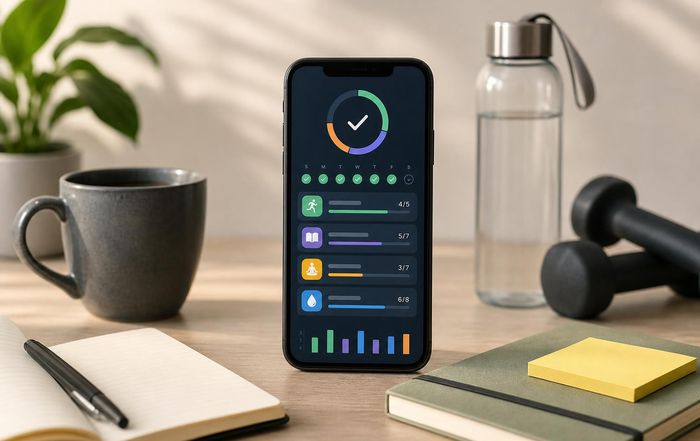
Digital Coaching Tools for Building Better Habits!
The New Era of Habit Formation
In 2026, digital coaching has moved from a niche concept to a central pillar of how individuals and organizations think about performance, health, and long-term behavior change, and nowhere is this transformation more visible than in the intersection of fitness, wellness, and business that defines the editorial lens of FitPulseNews. What began a decade ago as simple step counters and basic reminder apps has evolved into an ecosystem of intelligent platforms that integrate biometric data, behavioral science, and personalized coaching to help people build better habits across fitness, nutrition, mental health, and even workplace productivity. As remote and hybrid work patterns have become entrenched across North America, Europe, and Asia, and as organizations in regions from the United States and United Kingdom to Singapore and Australia have recognized the hard financial costs of burnout and disengagement, digital coaching tools have emerged as a strategic investment rather than a lifestyle accessory.
This shift is reinforced by the accelerating maturity of artificial intelligence, wearable technology, and cloud-based analytics, which now make it possible to deliver coaching that is both highly personalized and scalable across global workforces. Platforms that once offered generic tips now integrate with devices from companies like Apple, Garmin, and Samsung, incorporate evidence-based frameworks from institutions such as Harvard Medical School and the World Health Organization, and align with corporate wellness strategies that are reshaping modern workplaces. Fit readers who follow the evolving daily coverage on fitness, health, and business at FitPulseNews are seeing a broader narrative emerge: digital coaching is no longer about individual willpower alone; it is about systems, data, and design that make good habits the default rather than the exception.
From Tracking to Coaching: How the Technology Has Evolved
The first generation of digital tools focused on tracking, offering step counts, calorie estimates, or simple sleep logs, but these early solutions often failed to translate data into meaningful action. By 2026, the most influential platforms have moved decisively into coaching, using behavioral science to close the gap between knowing what to do and actually doing it consistently. Research from organizations such as Stanford University and University College London has increasingly emphasized the importance of context, identity, and environmental cues in habit formation, and digital tools now embed these principles into their design. Learn more about evidence-based behavior change frameworks on the American Psychological Association website, where researchers have documented how micro-habits and implementation intentions outperform vague resolutions.
Modern digital coaching tools combine real-time data from wearables, smartphones, and connected devices with adaptive algorithms that adjust goals based on progress, setbacks, and user feedback. Platforms like WHOOP, Oura, and Fitbit, along with coaching ecosystems built by Peloton, Nike, and Adidas, have contributed to a culture in which continuous feedback loops are expected rather than exceptional. Instead of a static daily step goal, users receive dynamic targets that respond to sleep quality, recovery scores, and training history, aligning more closely with guidelines from organizations such as the Centers for Disease Control and Prevention in the United States, which emphasize total weekly activity and intensity rather than simplistic daily metrics. Readers interested in how these shifts intersect with elite and everyday sport can explore more analysis on sports at FitPulseNews, where performance data and coaching insights increasingly converge.
Behavioral Science at the Core of Digital Coaching
The most effective digital coaching tools in 2026 are grounded in behavioral science rather than mere technological novelty, reflecting a deeper alignment with the principles documented by institutions such as Behavioral Insights Team in the United Kingdom and the European Society of Cardiology. These platforms draw on concepts such as habit stacking, cue-based routines, and reward structures to design user journeys that are psychologically realistic rather than aspirational. Instead of asking users to overhaul their lifestyle overnight, leading tools encourage small, sustainable changes, such as adding a five-minute mobility routine after brushing teeth, or pairing a midday walk with an existing coffee break, a method consistent with research popularized through resources like James Clear's work on habit formation and further elaborated in academic summaries on PubMed.
Digital coaching also benefits from advances in motivational interviewing and digital therapeutics, where conversational interfaces guide users to articulate their own reasons for change rather than simply accepting prescriptive advice. Some platforms now embed clinically validated protocols for sleep, anxiety, and nutrition, aligning with standards from regulatory bodies such as the U.S. Food and Drug Administration and health services in Germany, France, and Japan, which have begun to formally recognize digital health tools as part of care pathways. For readers tracking the intersection of mental wellness, physical performance, and culture, the coverage on wellness and culture at FitPulseNews provides additional context on how these psychological frameworks are shaping mainstream attitudes toward self-improvement.
Fitness and Performance: Coaching Beyond the Gym
In the fitness domain, digital coaching tools have become essential companions for both amateur and professional athletes, with adoption particularly strong in markets such as Germany, Canada, Netherlands, and South Korea, where high smartphone penetration and strong sports cultures intersect. Platforms now integrate structured training plans, form feedback, and recovery protocols that once required in-person coaching, democratizing access to expertise that previously belonged only to elite performers. Coaches and athletes can review session data, heart rate variability, and GPS metrics through cloud dashboards, allowing for remote collaboration that aligns with the global nature of modern sport. Organizations like FIFA, the International Olympic Committee, and national institutes of sport in Australia and Norway have increasingly embraced data-driven performance models, and digital coaching tools are a critical component of that infrastructure.
For everyday users, the key shift has been the blending of entertainment, community, and coaching. Platforms that combine live classes, gamified challenges, and social accountability have demonstrated higher adherence rates, a trend supported by market analyses from firms such as McKinsey & Company and Deloitte, which have documented the growth of connected fitness and hybrid training models. Learn more about how connected fitness is reshaping consumer expectations through reports on the World Economic Forum website, where the convergence of technology, health, and media is a recurring theme. Readers seeking practical applications and case studies in this space can turn to FitPulseNews's ongoing coverage on fitness and brands, where the most innovative companies and training methodologies are profiled in detail.
Nutrition and Metabolic Coaching in a Data-Rich World
Digital coaching tools have also transformed how individuals approach nutrition and metabolic health, moving beyond calorie counting to a more nuanced, personalized understanding of food, energy, and performance. Continuous glucose monitors, once reserved for people living with diabetes, are now used by a broader population in regions such as the United States, United Kingdom, and United Arab Emirates to understand how specific foods influence energy levels, cravings, and cognitive performance. Companies like Levels, Zoe, and Nutrisense, along with research collaborations involving institutions such as King's College London, have popularized the concept of personalized nutrition based on individual responses rather than generic dietary guidelines. Learn more about emerging nutrition science at the Harvard T.H. Chan School of Public Health website, where resources on dietary patterns, metabolic health, and disease prevention are frequently updated.
These developments are particularly relevant for the FitPulseNews audience, which consistently engages with coverage on nutrition, health, and innovation, recognizing that sustainable performance depends as much on what happens in the kitchen as in the gym. Digital nutrition coaches now offer adaptive meal plans, grocery integrations, and restaurant guidance that take into account cultural preferences from Italy, Spain, Thailand, and Brazil, as well as dietary restrictions, allergies, and ethical considerations such as plant-based eating and environmental impact. Organizations like the Food and Agriculture Organization of the United Nations and EAT Foundation have further emphasized the link between dietary choices, planetary health, and long-term sustainability, reinforcing the need for tools that guide both individual and societal behavior. Learn more about sustainable food systems and their implications for business and policy on the United Nations Environment Programme website, where nutrition and climate are increasingly discussed together.
Corporate Wellness and the Business Case for Better Habits
For businesses operating in competitive markets from New York and London to Singapore and Tokyo, digital coaching tools have become integral to talent strategy, risk management, and organizational culture. Employers have recognized that burnout, chronic stress, and lifestyle-related conditions carry substantial costs in absenteeism, presenteeism, and healthcare expenditure, prompting a shift from reactive wellness programs to proactive habit-building initiatives. Leading organizations now deploy digital coaching platforms to support employees in areas such as physical activity, sleep hygiene, nutrition, and mental resilience, often integrating these tools into broader benefits ecosystems and performance management frameworks. Research from Gallup and the World Health Organization has underscored the economic impact of poor mental health and inadequate physical activity, giving executives a compelling financial rationale for investing in preventative solutions.
These trends align with the editorial focus of FitPulseNews, where coverage on business, jobs, and world frequently highlights the intersection of human performance and organizational success. In markets such as Germany, Sweden, Denmark, and Netherlands, where worker protections and wellness norms are well established, digital coaching tools are increasingly embedded into corporate well-being charters and ESG disclosures. Learn more about the evolving standards for corporate wellness and sustainability on the World Economic Forum and OECD websites, where frameworks for measuring social impact and human capital are regularly discussed. As global organizations compete for talent in sectors ranging from technology and finance to sports and media, the ability to offer robust, data-driven support for employee habits has become a differentiator in both recruitment and retention.
Technology, AI, and the Rise of Hyper-Personalized Coaching
The rapid advancement of artificial intelligence has been a key catalyst in the evolution of digital coaching tools, enabling a level of personalization and responsiveness that would have been impossible just a few years ago. Machine learning models now analyze patterns in physical activity, sleep, nutrition, stress markers, and even digital behavior to anticipate when users are at risk of relapse, burnout, or injury, and to proactively adjust plans or deliver timely interventions. Natural language processing allows coaching platforms to understand user sentiment and intent in chat-based interactions, making digital conversations feel more intuitive and supportive. Organizations such as OpenAI, Google DeepMind, and Microsoft have contributed to the underlying AI research, while health-focused platforms have adapted these capabilities within strict privacy and regulatory frameworks.
For readers following the technology and innovation landscape at FitPulseNews, particularly through the technology and innovation sections, this AI-driven shift represents both an opportunity and a responsibility. Learn more about responsible AI in health and wellness on the World Health Organization and OECD AI Policy Observatory websites, where guidelines for transparency, fairness, and accountability in digital health tools are actively debated. As hyper-personalized coaching becomes the norm, organizations must ensure that algorithms do not inadvertently reinforce unhealthy behaviors, exacerbate inequalities, or compromise user autonomy. The most trusted platforms in 2026 are those that combine technical sophistication with robust governance, clear communication, and user-centric design.
Culture, Community, and the Human Side of Digital Coaching
Despite the sophistication of algorithms and the ubiquity of wearables, digital coaching tools ultimately succeed or fail based on their ability to connect with human motivations, identities, and communities. In markets as diverse as South Africa, Brazil, Japan, and Norway, cultural norms around exercise, food, body image, and work-life balance shape how people engage with coaching platforms and what they consider a "better habit." Successful tools in 2026 are those that localize content, respect cultural diversity, and create spaces where users can share experiences, celebrate progress, and learn from peers. Community features, such as local challenges, virtual events, and interest-based groups, have proven particularly effective in sustaining engagement over time, a dynamic that aligns closely with the broader cultural and events coverage on culture and events at FitPulseNews.
Learn more about the role of social support in health behavior change through resources from Mayo Clinic and Cleveland Clinic, where clinicians emphasize that accountability and shared goals often matter as much as individual motivation. Digital coaching tools that incorporate live or asynchronous interactions with human coaches, therapists, or mentors are also gaining traction, especially in regions where trust in purely automated systems remains limited. Hybrid models that combine human expertise with digital scalability are emerging as a gold standard for complex behavior change goals, such as long-term weight management, chronic disease prevention, and high-performance athletic training. In this sense, digital coaching is not replacing human relationships; it is augmenting them, making expertise more accessible while preserving the empathy and nuance that only human interaction can provide.
Sustainability, Environment, and the Broader Impact of Better Habits
The conversation around digital coaching tools in 2026 increasingly extends beyond individual health and performance to include environmental sustainability and societal impact, reflecting a broader shift in consumer and corporate values. As individuals adopt habits such as active commuting, plant-forward diets, and reduced reliance on carbon-intensive travel, the cumulative effect can contribute to climate goals and public health improvements at scale. Organizations like the Intergovernmental Panel on Climate Change and World Resources Institute have highlighted the role of lifestyle changes in achieving emissions targets, while city planners in regions such as Finland, Netherlands, and Singapore are designing environments that nudge citizens toward active, low-carbon choices.
Digital coaching tools can amplify these efforts by integrating sustainability metrics into habit-building journeys, such as estimating the carbon savings from cycling instead of driving or highlighting the environmental benefits of certain dietary patterns. Learn more about sustainable business practices and consumer behavior on the Ellen MacArthur Foundation and CDP websites, where the intersection of health, environment, and corporate strategy is increasingly prominent. For readers of FitPulseNews, the connection between individual habits and planetary health is reflected in the platform's coverage on environment and sustainability, where stories frequently explore how brands, athletes, and innovators are aligning performance with purpose. As organizations and individuals across Global, Europe, Asia, Africa, South America, and North America seek to reconcile growth with responsibility, digital coaching tools that incorporate environmental awareness are likely to gain a competitive edge.
Building Trust: Data Privacy, Ethics, and Long-Term Engagement
For digital coaching tools to fulfill their potential as engines of better habits, they must earn and maintain user trust over the long term, an imperative that spans data privacy, security, transparency, and ethical design. Users are increasingly aware of the sensitivity of their health and behavioral data, particularly in jurisdictions with robust privacy regulations such as the European Union under the General Data Protection Regulation and countries like Canada and Switzerland with strong data protection frameworks. Learn more about global privacy standards on the European Data Protection Board and Office of the Privacy Commissioner of Canada websites, where guidance on health data and digital platforms is continually evolving.
Trusted digital coaching platforms in 2026 are those that clearly explain how data is collected, stored, and used; offer meaningful consent and control options; and avoid opaque practices that could undermine user confidence. They also commit to evidence-based recommendations, avoiding exaggerated claims or one-size-fits-all prescriptions that ignore individual differences. For a business audience, this emphasis on trust aligns with broader concerns about brand reputation, regulatory risk, and stakeholder expectations, themes that are frequently explored in FitPulseNews coverage on brands and news. As digital coaching becomes more deeply embedded in everyday life, organizations that prioritize ethical design and transparent communication will be better positioned to build durable relationships with users across different cultures and regions.
The Road Ahead: Integrating Digital Coaching into Everyday Life
As 2026 progresses, digital coaching tools are poised to become even more seamlessly integrated into the fabric of daily life, embedded in devices, environments, and services that span home, workplace, and public spaces. Smart homes, connected vehicles, and urban infrastructure are beginning to interact with personal coaching platforms, offering suggestions such as adjusting lighting to support circadian rhythms, recommending walking routes that combine safety and air quality, or aligning work schedules with individual chronotypes. Learn more about smart cities and human-centric design on the MIT Senseable City Lab and Smart Cities World websites, where the convergence of technology, health, and urban planning is a central theme.
For the growing fit audience of FitPulseNews, which covers interests from fitness and health to technology, business, and world, the key takeaway is that digital coaching is no longer a peripheral add-on to modern life; it is becoming a core interface through which people manage their energy, attention, and aspirations. The most successful tools will be those that respect human complexity, leverage scientific evidence, and operate with integrity, helping individuals in the United States, United Kingdom, Germany, Canada, Australia, France, Italy, Spain, Brazil, Singapore... to build habits that support both personal flourishing and collective well-being. As FitPulseNews continues to chronicle this evolution across its global coverage, the central narrative remains clear: in an era defined by complexity and constant change, digital coaching tools offer a practical, data-informed pathway to better habits, better performance, and a more sustainable future.