

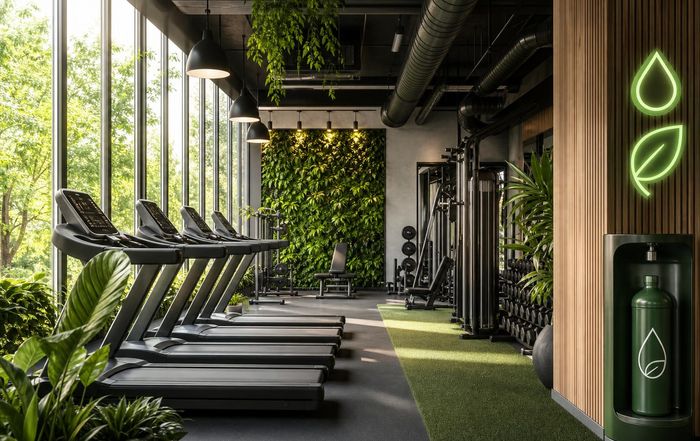
How Green Gyms Can Reduce Energy and Water Use
The Rise of the Green Gym: Why Sustainability Now Defines Fitness Leadership
The global fitness industry has moved decisively beyond viewing sustainability as a marketing add-on and toward treating it as a core operational and strategic priority. From boutique studios in New York and London to large chains in Berlin, Sydney and Singapore, gym operators are confronting rising energy prices, tightening environmental regulations and increasingly climate-conscious members who expect their training spaces to reflect their personal values. For the active and healthy readers of FitPulseNews, who track the intersection of fitness, health, business and innovation across regions as diverse as the United States, Europe and Asia-Pacific, the "green gym" is no longer a niche concept but a benchmark for competitiveness and trustworthiness in a crowded market.
This shift is occurring against the backdrop of accelerating climate impacts documented by organizations such as the Intergovernmental Panel on Climate Change and reinforced by the policy frameworks of the United Nations Environment Programme. While heavy industry and transportation remain the largest emitters, the commercial building sector, which includes fitness facilities, is under growing scrutiny for its energy consumption, water use and waste generation. Gym operators, especially those expanding across multiple countries, are discovering that sustainable design and operations can reduce costs, mitigate regulatory risk, attract premium clientele and enhance brand equity, all while contributing to broader environmental goals.
Within this context, FitPulseNews has observed a clear pattern: facilities that take a systematic, data-driven approach to energy and water efficiency are outperforming competitors that rely on incremental, ad hoc measures. The emerging leaders in this space are combining advanced building technologies, behavioral science, digital platforms and new partnership models to reimagine what a gym can be, not only as a place of physical training but as a node in a more resilient urban ecosystem. Learn more about how this trend connects to wider shifts in sustainable business and innovation covered regularly by FitPulseNews.
Understanding the Energy and Water Footprint of Modern Gyms
To understand how green gyms can reduce energy and water use, it is necessary to first analyze the operational profile of a typical mid- to large-scale facility. Fitness centers consume energy through several major loads: heating, ventilation and air conditioning (HVAC); lighting; cardio and strength equipment; hot water for showers and pools; and auxiliary services such as saunas, steam rooms and laundry. According to studies highlighted by the International Energy Agency, HVAC alone can account for more than 40 percent of energy use in commercial buildings in temperate and warm climates, a figure that aligns with the experience of many gym operators in the United States, Europe and Asia.
Water use in gyms, while less visible to members than lighting or air conditioning, is equally significant. Showers, locker room facilities, pools, spas, ice baths and cleaning operations contribute to high per-square-meter water consumption, particularly in 24-hour gyms and sports clubs with intensive usage patterns. Data from the U.S. Environmental Protection Agency and parallel European initiatives indicate that commercial facilities can often reduce water use by 20 to 30 percent through relatively straightforward fixture upgrades and process improvements, suggesting that many gyms still operate with substantial inefficiencies.
For operators and investors tracking global markets, these resource profiles have direct financial implications. Energy price volatility in regions such as Germany, the United Kingdom and parts of Asia, coupled with carbon pricing schemes and building performance standards, can materially affect operating margins. At the same time, water scarcity in regions such as parts of Australia, South Africa and Southern Europe has led to stricter regulations and higher tariffs, making the economics of conservation more compelling. Readers interested in how these dynamics intersect with broader world events can explore related new coverage on global developments at FitPulseNews.
Designing Energy-Efficient Gym Buildings: From Shell to Systems
The most effective green gyms begin with the building envelope and core systems, integrating sustainability from the earliest stages of design or retrofit. In new developments, architects and engineers increasingly apply principles drawn from standards such as LEED and BREEAM to optimize orientation, insulation, glazing and shading, thereby reducing heating and cooling loads before mechanical systems are specified. For existing facilities, deep energy retrofits can include upgrading insulation, sealing air leaks, installing high-performance windows and adding external shading devices that reduce solar gain in warmer climates.
Once the building shell is addressed, HVAC systems become the central focus. High-efficiency heat pumps, variable refrigerant flow (VRF) systems, energy recovery ventilators and smart zoning controls are increasingly common in advanced facilities across North America, Europe and Asia. These technologies allow operators to tailor temperature and ventilation rates to occupancy patterns, reducing energy use in underutilized areas such as off-peak studios or secondary locker rooms. Guidance from organizations such as ASHRAE provides technical benchmarks for indoor air quality and energy performance that progressive gym chains are using as internal standards.
Lighting is another area where rapid advances in LED technology and controls have enabled significant savings. By 2026, most new or renovated gyms in leading markets have replaced fluorescent and halogen fixtures with high-efficacy LEDs, often combined with occupancy sensors and daylight harvesting systems that dim or switch off lights in response to natural light levels. This is particularly effective in large training floors and studios with exterior windows or skylights, where lighting loads can be dramatically reduced during daytime hours. Those interested in the broader technological landscape that underpins these innovations can explore technology trends covered daily by FitPulseNews.
Smarter Equipment and Digital Controls: The Role of Connected Fitness
Beyond the building itself, the fitness equipment and digital infrastructure of a gym now play a decisive role in energy efficiency. Cardio machines such as treadmills, ellipticals and bikes have historically been significant electricity consumers, but manufacturers are increasingly designing equipment with lower standby power, more efficient motors and, in some cases, energy-harvesting capabilities. Certain models of bikes and cross-trainers can now feed small amounts of electricity back into the facility's power system, a symbolic yet educational feature that reinforces the gym's sustainability narrative even if the absolute energy contribution remains modest.
The integration of connected fitness platforms has created new possibilities for granular monitoring and optimization. Through cloud-based management systems, operators can track the usage patterns and energy consumption of individual machines, enabling them to adjust maintenance schedules, redistribute equipment and even power down underused zones during off-peak hours. These capabilities are aligned with broader trends in smart buildings and the Internet of Things, which organizations like the World Green Building Council have identified as critical enablers of low-carbon operations.
The same digital ecosystem that powers connected equipment also supports member-facing applications that can nudge more sustainable behavior. Through mobile apps and in-club displays, gyms can provide real-time feedback on energy and water savings, highlight off-peak training incentives and encourage choices that reduce resource use, such as shorter showers or towel reuse. FitPulseNews has observed that gyms that frame these digital interactions around performance, community and shared impact, rather than guilt, tend to achieve higher engagement, a pattern that mirrors insights from behavioral science research summarized by institutions like Harvard T.H. Chan School of Public Health.
Water Stewardship: From Showers to Pools and Beyond
Water management in green gyms goes far beyond simply installing low-flow showerheads. In many facilities, showers are indeed the largest single water use, and upgrading to WaterSense-labeled or equivalent fixtures can yield immediate savings, but leading operators are taking a more holistic approach that encompasses locker rooms, pools, spas, cleaning protocols and even landscaping. This comprehensive perspective is particularly important in water-stressed regions such as parts of California, Spain, South Africa and Australia, where gyms must balance member expectations for comfort and hygiene with the reality of constrained resources.
In locker rooms, low-flow faucets, dual-flush or high-efficiency toilets and waterless or ultra-low-flow urinals are becoming standard in new builds and renovations. Many operators are pairing these fixtures with sensor-based controls that limit unnecessary flow while maintaining hygiene standards. For pool and spa areas, advanced filtration and recirculation systems, combined with rigorous leak detection and optimized backwashing protocols, can significantly reduce both water and energy use, as heating pool water is often a major energy load. Technical guidance from organizations such as World Aquatic Health Council and national pool standards provides benchmarks that green gyms can adopt or exceed.
Beyond internal fixtures, some gyms are incorporating rainwater harvesting and greywater reuse systems, particularly in markets like Germany, the Netherlands and parts of Asia where regulatory frameworks and incentives support such investments. Collected rainwater can be used for irrigation, toilet flushing or even certain cleaning operations, while treated greywater from showers and sinks may be reused in non-potable applications. While these systems require upfront capital and careful maintenance, they can significantly reduce demand on municipal supplies and align gyms with broader urban water resilience strategies, an area that intersects with the environmental coverage available on sustainability and environment at FitPulseNews.
Integrating Renewable Energy and Storage into Gym Operations
As gyms reduce their baseline energy consumption through efficiency, many are turning to on-site or off-site renewable energy to further decarbonize their operations. Roof-mounted solar photovoltaic (PV) systems have become increasingly common on larger facilities, particularly in sun-rich markets such as the southwestern United States, Southern Europe, the Middle East and parts of Australia and South Africa. The declining cost of solar technology, documented in reports by the International Renewable Energy Agency, has made such installations financially attractive, especially when combined with self-consumption of generated power during daytime operating hours.
Some operators are also exploring power purchase agreements (PPAs) and green tariffs to procure renewable electricity from off-site wind or solar farms, an approach that can be particularly relevant for urban gyms with limited roof space. In markets where regulatory frameworks support community solar or virtual net metering, gym chains can participate in shared renewable projects that benefit multiple facilities across a region. These strategies are increasingly viewed by investors as indicators of robust environmental, social and governance (ESG) performance, aligning fitness brands with the expectations of asset managers following guidance from bodies such as the Principles for Responsible Investment.
Energy storage, whether in the form of battery systems or thermal storage, is also beginning to play a role in advanced green gyms. Batteries can help smooth demand peaks, provide backup power for critical systems and, in some cases, enable participation in demand response programs that reward facilities for reducing load during grid stress events. Thermal storage, such as chilled water tanks or phase-change materials integrated into HVAC systems, can shift cooling loads to off-peak hours when electricity is cheaper and cleaner. These innovations connect directly to the broader innovation agenda that FitPulseNews covers through its focus on fitness and innovation trends, where fitness facilities are increasingly framed as testbeds for urban energy solutions.
Behavioral Design: Engaging Members in the Sustainability Journey
While technology and design are essential, the long-term success of green gyms ultimately depends on member behavior and staff engagement. Facilities that treat sustainability as a purely technical challenge often miss opportunities to build deeper loyalty and differentiation by inviting their communities into the process. Behavioral design, informed by research from organizations like the Behavioural Insights Team and academic institutions across Europe, North America and Asia, provides a framework for shaping choices in ways that nudge more sustainable actions without sacrificing the member experience.
In practice, this can include subtle design cues, such as placing towel return stations and recycling bins in highly visible, convenient locations; using positive, performance-oriented messaging around shorter showers; and highlighting the cumulative impact of member actions through digital dashboards in reception areas. Some gyms are experimenting with gamified sustainability challenges, where members earn recognition or small rewards for participating in eco-friendly initiatives, such as choosing active transport to the gym, opting out of single-use plastics or participating in low-energy classes that minimize lighting and HVAC loads.
Staff training is equally important, as front-line employees serve as ambassadors of the gym's sustainability ethos. When trainers, receptionists and facility managers can confidently explain the rationale behind green features and policies, from water-saving fixtures to renewable energy installations, members are more likely to view these measures as enhancements rather than constraints. FitPulseNews has observed that gyms that integrate sustainability into their brand storytelling, member onboarding and community events, rather than limiting it to technical reports, achieve stronger alignment between operational practices and member expectations. Readers interested in these cultural dynamics can explore related themes in fitness culture and wellness on the FitPulseNews platform.
Business Case, Brand Positioning and Competitive Advantage
From a business perspective, the transition to green gyms is increasingly supported by a robust financial and strategic rationale. Energy and water efficiency investments typically generate measurable cost savings, with payback periods that can be attractive even in markets without strong subsidies. According to analyses from institutions like the Rocky Mountain Institute, deep efficiency retrofits in commercial buildings can reduce energy use by 30 to 50 percent, depending on baseline conditions and climate. For gyms operating on tight margins, these savings can be redirected into member experience, staff development or digital innovation.
Beyond direct cost reductions, sustainability has become a differentiator in saturated urban fitness markets. Members, particularly in younger demographics across the United States, Europe and parts of Asia, increasingly seek brands that align with their environmental and social values. Gyms that can credibly demonstrate lower carbon footprints, responsible water use and transparent reporting often enjoy stronger member loyalty, higher referral rates and pricing power. This is especially true for premium segments, where clients may be willing to pay more for facilities that combine high-end amenities with demonstrable climate responsibility, a trend that aligns with broader patterns in sustainable consumer behavior documented by organizations such as the World Economic Forum.
For investors and corporate partners, green gyms also present opportunities to integrate fitness into wider ESG and wellness strategies. Corporate wellness programs that partner with sustainable gyms can position themselves as holistic responses to employee health, engagement and environmental responsibility, particularly in markets like Germany, the Netherlands, the Nordic countries and parts of Asia where corporate sustainability reporting is well established. FitPulseNews, through its unaffiliated and independent coverage of brands and business, has tracked how forward-looking fitness brands are leveraging sustainability credentials in negotiations with landlords, sponsors and institutional clients, thereby expanding their influence beyond the traditional gym membership model.
Regional Dynamics: How Markets Across the World Are Responding
The evolution of green gyms is not uniform across regions, as regulatory frameworks, energy prices, cultural expectations and building stock differ significantly between, for example, the United States, the United Kingdom, Germany, Canada, Australia, Singapore and South Africa. In Europe, stringent building codes and strong policy signals from the European Commission have accelerated the adoption of high-performance building technologies and renewable energy integration. Many new gyms in cities like Berlin, Amsterdam, Copenhagen and Stockholm are housed in nearly zero-energy buildings or retrofitted historic structures that combine efficiency with architectural heritage.
In North America, the picture is more varied, with leading cities such as New York, Vancouver and San Francisco implementing building performance standards that push commercial facilities, including gyms, toward lower emissions, while other regions progress more slowly. Nevertheless, large chains and forward-thinking independent operators are increasingly adopting green design and operations as part of their brand identity, recognizing that member expectations and investor scrutiny are converging toward higher sustainability baselines. Readers can follow how these shifts intersect with broader fitness and sports trends across different countries through FitPulseNews' global reporting.
In Asia-Pacific, markets such as Singapore, Japan, South Korea and Australia are emerging as laboratories for innovative green gym models, combining dense urban environments, advanced building technologies and strong governmental support for low-carbon development. Singapore's Green Mark standards, Japan's focus on energy security and Australia's experience with climate extremes all shape how gyms in these countries approach energy and water use. Meanwhile, in emerging markets across Africa and South America, including South Africa and Brazil, gyms are navigating constrained infrastructure and growing middle-class demand, often blending cost-effective efficiency measures with community-oriented programming that addresses both health and environmental challenges. These regional perspectives connect to the broader news and world coverage that FitPulseNews provides for globally minded readers.
The Road Ahead: From Early Adopter to Industry Standard
As of 2026, the green gym is shifting from early adopter status toward becoming an expected standard, particularly in major metropolitan areas and premium market segments. However, the pace and depth of this transition will depend on several factors: the evolution of building and environmental regulations, the trajectory of energy and water prices, advances in technology and financing models, and the extent to which gym operators integrate sustainability into their core strategy rather than treating it as a peripheral initiative. Industry associations, policymakers and knowledge platforms such as C40 Cities and national green building councils will continue to shape the regulatory and best-practice landscape, while media outlets like FitPulseNews will play a critical role in highlighting success stories, surfacing challenges and connecting practitioners across regions.
For gym owners, managers and investors following FitPulseNews, the key takeaway is that reducing energy and water use is not just an environmental imperative but a multifaceted business opportunity that touches operations, brand, member experience and long-term resilience. Facilities that embrace a holistic approach-combining building performance, smart equipment, renewable energy, water stewardship, behavioral design and transparent communication-are best positioned to thrive in an era where fitness, health, technology, sustainability and culture are increasingly intertwined. Those seeking to delve deeper into related topics can explore dedicated top sections on health and wellness, fitness innovation and sustainability in practice across the FitPulseNews daily edited premium website, where the future of the green gym is unfolding in real time.