

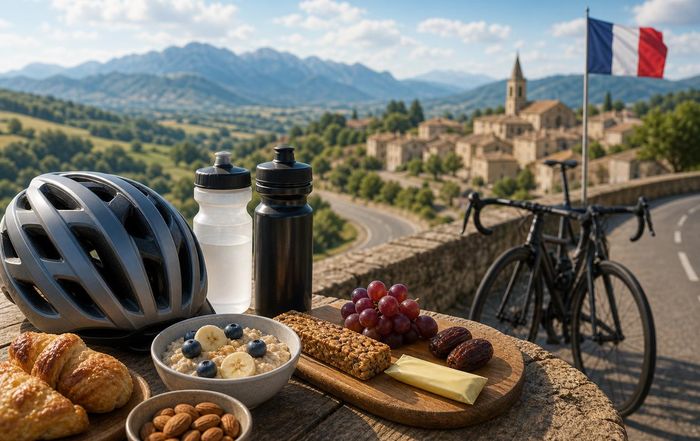
Sports Nutrition for Long-Distance Cycling in France
Long-distance cycling in France occupies a unique space in endurance sport. From amateur riders tackling a first 150 km sportive in the Alps to ultra-distance events that crisscross the country, success depends as much on what is in the bidon and musette as on watts and VO₂ max. The combination of long climbs, variable weather, and often full-day efforts makes nutrition strategy a decisive performance factor-and a major health safeguard. This article looks at how sports nutrition principles apply specifically to long-distance efforts in France, blending current sports science with the realities of French roads, food culture, and event formats.
Why France is a special case for endurance fueling
France offers a mix of terrain and climate that shapes how riders should think about energy and hydration. Alpine and Pyrenean stages can mean prolonged climbs of 30-90 minutes at moderate to high intensity, separated by descents where eating is easier but temperatures can drop quickly. In contrast, flatter routes in Normandy or the Loire Valley may involve long hours of steady-state riding with limited natural shelter from wind. Summer events can see heatwaves in the south and central regions, while spring and autumn bring cool, wet conditions in Brittany or the north. These variations change sweat rates, fluid needs, and the practicality of eating solid foods.
French cycling culture also influences nutrition choices. Many cyclosportives and audax events offer traditional foods at feed stations: baguette with ham or cheese, dried fruits, compote, cakes, rice pudding, or even charcuterie. While these can be enjoyable and social, they do not always align neatly with evidence-based guidelines on carbohydrate timing, sodium replacement, or gut comfort at race intensity. Riders need to understand when local options fit well into a sports nutrition plan and when more specialized products or pre-planned strategies are preferable, especially for competitive or very long events.
For riders preparing in France or traveling there for events, having a clear, science-grounded framework matters. Organizations such as the Union Cycliste Internationale (UCI), INSEP (France's National Institute of Sport), and international bodies like the International Olympic Committee (IOC) and World Health Organization (WHO) underpin much of the current thinking on endurance fueling, while research institutions including INRAE (inrae.fr) and universities across Europe continue to refine carbohydrate and hydration recommendations. Translating this knowledge to the French road context is where practice meets theory.
For broader background on training and performance, readers may also find the dedicated sections on sports and fitness helpful.
Carbohydrate: the core fuel for French long rides
Carbohydrate is the primary fuel for moderate to high-intensity cycling, especially on climbs and during surges. Glycogen stores in muscle and liver are limited, typically covering 60-90 minutes of hard riding before performance declines. For long-distance events-anything beyond 2-3 hours-external carbohydrate intake becomes essential.
Guidelines from groups such as the Australian Institute of Sport (ausport.gov.au) and Gatorade Sports Science Institute (gssiweb.org) converge on similar ranges: for rides of 2-3 hours, 30-60 g of carbohydrate per hour is usually sufficient; for 3-5 hours, 60-90 g per hour; and for ultra-distance or race-level efforts, some well-trained athletes may tolerate up to 100-120 g per hour, particularly when using multiple transportable carbohydrates such as glucose plus fructose. However, these upper limits require careful gut training and are not necessary for all riders.
In France, riders can meet these carbohydrate targets through a mix of sports products and local foods. Energy gels, chews, and drinks are practical on steep, technical descents where handling the bike takes priority. On long, gentler sections-such as valley roads between Alpine cols-solid options like baguette with jam or honey, banana, dried apricots, or soft cakes can work well. The key is planning: relying solely on feed stations risks inconsistent intake, especially if queues form or if preferred foods run out. Many experienced riders carry at least half of their expected carbohydrate needs with them, topping up from event supplies when convenient.
The nutrition section offers additional coverage of carbohydrate science and practical food choices for endurance athletes.
French breakfast and pre-ride meals: adapting tradition
French breakfasts are often lighter and more pastry-based than the carbohydrate-dense meals recommended before long endurance events. A typical café breakfast of croissant, tartine (bread with butter and jam), and coffee may be enjoyable but relatively low in total carbohydrate and somewhat high in fat, which slows digestion. For rides lasting more than three hours, sports nutrition research generally suggests consuming 1-4 g of carbohydrate per kilogram of body weight in the 3-4 hours before the start, as noted by organizations such as the American College of Sports Medicine (acsm.org).
Riders in France can adapt local foods to meet these targets without abandoning the culture. A more substantial pre-ride meal might include several slices of baguette or pain de mie with jam or honey, a bowl of oatmeal or muesli if available, fruit compote, and yogurt with fruit rather than heavy cheese or charcuterie. Limiting high-fat items (buttery pastries, large portions of cheese, cured meats) and focusing on easily digestible carbohydrates reduces the risk of gastrointestinal discomfort on early climbs. For very early starts, a smaller meal 2-3 hours before and a high-carbohydrate snack 30-60 minutes before the start-such as a banana or energy bar-can be a practical compromise.
Travelers should also consider that in smaller towns, cafés and bakeries may open later than the start time of some events. Booking accommodation that offers an early breakfast or preparing food the night before becomes part of the nutrition strategy. For riders interested in broader wellness around race preparation, the wellness and health sections provide useful context on sleep, stress, and digestive health.
Hydration and heat: from the Alps to Provence
Hydration needs in France vary dramatically by region and season. A cool, misty morning in Brittany may require relatively modest fluid intake, while a July afternoon in Provence or the Massif Central can drive sweat rates above 1 liter per hour. Dehydration of more than about 2% of body weight is associated with performance declines and increased cardiovascular strain, according to organizations like the European Hydration Institute (europeanhydrationinstitute.org) and global health bodies such as the Centers for Disease Control and Prevention (cdc.gov).
In practice, cyclists are encouraged to drink to a plan informed by experience rather than thirst alone, while avoiding overdrinking. A common starting point is 400-800 ml of fluid per hour, adjusted for body size, intensity, and weather. Weighing before and after training rides in different conditions can help riders estimate personal sweat rates and refine this range. In very hot French summers, especially on exposed climbs with little shade, higher volumes may be required, but riders must still be cautious about hyponatremia-dangerously low blood sodium-if they drink large volumes of plain water without electrolytes.
Most French events provide water and sometimes basic sports drinks at feed stations, but the sodium content can vary. Many riders choose to carry their own electrolyte tablets or powders to ensure consistent sodium intake, particularly if they are heavy or salty sweaters. Sports nutrition guidelines often recommend 300-600 mg of sodium per hour for long endurance efforts, though individual needs can be higher. Simple indicators such as salt stains on kit or stinging eyes from sweat suggest higher sodium loss. For additional reading on environmental and heat-related factors, the environment and world sections frequently explore weather and climate themes in sport.
Using French aid stations intelligently
French cyclosportives and ultra events are known for generous and sometimes idiosyncratic feed stations. Tables may feature dried fruits, orange slices, bananas, pain d'épices (spiced cake), chocolate, cheese, saucisson, and even local specialties. While this abundance can be a morale boost, it can also derail a carefully calibrated fueling plan if riders linger too long or choose foods poorly suited to ongoing moderate-to-high intensity exercise.
Solid foods high in fat or fiber-cured meats, strong cheeses, heavy pastries-are best approached with caution mid-ride, particularly before long climbs. They digest slowly and can increase the risk of nausea or cramps. Instead, riders might prioritize items that align with sports nutrition principles: bananas, dried apricots, raisins, rice-based cakes, simple biscuits, or jam sandwiches. A small portion of savory food can be psychologically helpful during very long rides, but the bulk of energy should still come from carbohydrate-rich, relatively low-fat sources.
It is also common in France to encounter cola or sugary sodas at later feed stations. These can provide a rapid carbohydrate and caffeine boost, but they should complement, not replace, more sustained fuel sources. Riders should also be aware of caffeine sensitivity and total intake, as high doses can cause jitteriness or sleep disruption during multi-day events. For broader coverage of event culture and endurance challenges, readers can explore the events and culture sections.
Gut training: adapting to higher carb intakes
Many cyclists find that they cannot simply jump from 30 g to 90 g of carbohydrate per hour without gastrointestinal problems. Research from sports nutrition groups and universities, including work summarized by the International Society of Sports Nutrition (issn.net), underscores the importance of "gut training"-progressively increasing carbohydrate intake during training rides so the intestine adapts to higher transport and absorption rates.
For riders preparing for French long-distance events, this means practicing race-day fueling strategies weeks in advance, in conditions that mimic the event as closely as possible. If the target event includes multiple long climbs, gut training should occur on similar terrain, at similar intensities, and in comparable temperatures. Riders can experiment with different carbohydrate sources-gels, drinks, bars, and local foods-to identify combinations that are both tolerable and logistically practical in France. This is also the time to test electrolyte products, as flavor fatigue and sweetness tolerance can change over several hours.
Riders with a history of gastrointestinal issues may benefit from consulting a sports dietitian or sports physician. National bodies such as Santé publique France (santepubliquefrance.fr) and international organizations like the World Gastroenterology Organisation (worldgastroenterology.org) provide general digestive health resources, though individualized sports nutrition advice usually requires a specialist consultation.
Balancing real food and engineered products
One of the recurring questions for long-distance cyclists in France is how much to rely on traditional foods versus engineered sports products. Both have advantages. Real foods such as baguette with jam, bananas, or homemade rice cakes can be cost-effective, palatable, and culturally satisfying. Sports products are designed for convenience, precise carbohydrate content, and rapid digestion, which can be crucial during high-intensity segments or technical descents where eating solid food is impractical.
A blended strategy often works best. Riders may use sports drinks and gels during climbs or race-critical moments, then shift to more solid, familiar foods on flatter sections or during brief stops. The French context adds further nuance: high-quality bread, fruit, and simple pastries are widely available, but portion sizes and fat content vary. Riders should check labels where possible and avoid over-reliance on rich pastries as primary fuel. International bodies like the Academy of Nutrition and Dietetics (eatright.org) and British Dietetic Association (bda.uk.com) emphasize that personal preference, culture, and enjoyment are important for long-term adherence, provided performance and health needs are met.
For those interested in the commercial side of sports nutrition products and cycling events, the business and brands sections regularly examine industry trends and product developments.
Recovery nutrition after French endurance events
France's culinary reputation can make post-ride meals especially tempting, but recovery nutrition still deserves structure. Sports science organizations, including the IOC and ACSM, commonly recommend consuming 1.0-1.2 g of carbohydrate per kilogram of body weight in the first hour after exhaustive exercise, repeated every hour for 3-4 hours if rapid glycogen restoration is needed. Adding 20-40 g of high-quality protein supports muscle repair and adaptation.
In practical French terms, a recovery meal might involve a generous portion of pasta, rice, or potatoes with a lean protein source such as chicken, fish, eggs, or legumes, plus fruit or yogurt. Traditional dishes can be adapted: a lighter sauce on pasta, grilled rather than fried meats, and moderate portions of cheese. Alcohol, including wine and beer, is often present at post-event gatherings, but it can impair rehydration and recovery when consumed in large amounts immediately after exercise. Hydrating first, then enjoying a small glass later with food, is a more recovery-friendly compromise.
For multi-day tours or stage-like events in France, recovery nutrition becomes even more critical, as riders must restore glycogen and repair muscle overnight. This is where structured routines-post-ride recovery drink, snack within 30-60 minutes, then a balanced dinner-can make a tangible difference in how legs feel the next morning. Broader wellness topics around sleep, stress, and long-term health are explored in the wellness and health sections.
Special considerations: altitude, cold, and timing
Certain French conditions add extra layers to nutrition planning. High mountain passes in the Alps and Pyrenees introduce mild altitude exposure, which can suppress appetite in some riders and increase breathing and heart rate. Long descents after sweaty climbs can lead to rapid cooling, making warm fluids and slightly higher energy intake appealing. In cold or wet conditions, riders may underestimate sweating while still losing significant fluid and electrolytes under layers of clothing.
Event timing also matters. Some French sportives start very early, while ultra-distance events may run through the night. Circadian rhythms influence digestion; heavy meals in the middle of the night can sit poorly in the stomach. During overnight segments, riders often favor easily digestible, familiar foods and warm drinks such as tea or broth at control points. Caffeine can be helpful for alertness, but total intake and timing should be managed to avoid rebound fatigue or sleep disruption during planned rest periods.
Organizations such as France's national meteorological service (meteofrance.com) and international bodies like the World Meteorological Organization (wmo.int) provide weather and climate information that riders and event organizers can use to anticipate conditions and adjust nutrition and hydration plans accordingly.
Putting it all together on French roads
Effective sports nutrition for long-distance cycling in France is less about a rigid, one-size-fits-all plan and more about integrating solid scientific principles with the realities of French terrain, climate, and food culture. Carbohydrate remains the central fuel, with hourly targets tailored to ride duration and intensity. Hydration strategies must respect both heat and the risks of overdrinking, with sodium replacement adjusted to individual sweat rates. French aid stations offer rich opportunities and potential pitfalls; using them strategically, rather than impulsively, preserves performance and gut comfort.
Ultimately, the most successful riders treat nutrition as part of their training, not an afterthought on event day. They rehearse breakfast options that work in French settings, test combinations of real food and sports products, and refine hydration and electrolyte strategies across different regions and seasons. With that preparation, France's climbs, cobbles, and coastal winds become not just a test of legs and lungs, but a rewarding demonstration of how thoughtful fueling can unlock the full experience of long-distance cycling.