

Smart Sportswear: How Intelligent Textiles Are Rewiring Fitness, Health, and Business
Smart sportswear has moved decisively from experimental concept to operational reality, reshaping how athletes, healthcare providers, employers, and everyday consumers understand and optimize the human body. For the global audience of FitPulse News, which follows developments across health, fitness, business, technology, and sustainability, intelligent apparel now sits at the center of a rapidly expanding ecosystem where data, design, and human performance converge in ways that would have seemed ambitious even a few years ago.
What distinguishes the current generation of smart sportswear from the first wave of wearables is not just more precise sensors or sleeker designs, but the deep integration of textile-based electronics, artificial intelligence, and cloud-connected health platforms into garments that are as comfortable and expressive as traditional activewear. Companies such as Hexoskin, Myant, and Sensoria Health have matured from early innovators into anchor players in a global value chain that stretches from advanced materials labs to elite sports programs and remote patient monitoring services. Readers interested in how these trends intersect with broader wellness and lifestyle shifts can follow ongoing coverage in the FitPulse News Wellness and FitPulse News Health sections.
The Science of E-Textiles: Turning Fabric into a Sensor Platform
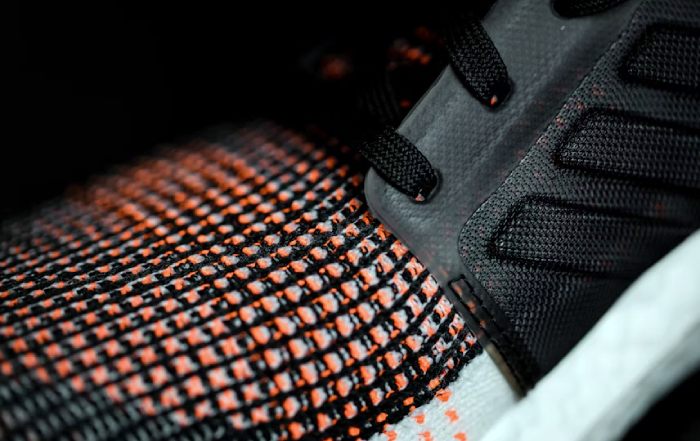
At the core of smart sportswear in 2026 is the continued refinement of electronic textiles (e-textiles), where conductive fibers, flexible circuits, and micro-sensors are structurally integrated into the yarns and knit patterns of garments rather than attached as rigid modules. These textiles routinely measure heart rate, respiration rate, muscle activation, skin temperature, sweat composition, posture, and movement dynamics in three dimensions, offering a depth of physiological and biomechanical insight that rivals laboratory equipment while maintaining the tactile comfort of performance fabrics.
Progress in conductive polymers, metal-coated yarns, and graphene-based fibers has allowed manufacturers to maintain elasticity, durability, and washability without sacrificing signal quality. Stretchable electrodes embedded in compression shirts, leggings, and socks now deliver electrocardiogram- and electromyography-grade data, while advances in moisture management and thermoregulation ensure that the garments remain breathable in high-intensity conditions. Research collaborations among institutions such as MIT Media Lab, Stanford University, and industrial leaders like DuPont and Under Armour have accelerated these developments by combining materials science, electronics, and data science into integrated design workflows. Readers can explore how similar cross-disciplinary innovation is emerging across sectors in FitPulse News Technology and FitPulse News Innovation.
As sensor fidelity has improved, so has the intelligence applied to the resulting data. Machine learning models now differentiate between subtle motion patterns, detect early signs of fatigue or asymmetry, and contextualize biometric signals with environmental data such as temperature and air quality. Organizations like IEEE and academic hubs highlighted by MIT Technology Review continue to chronicle how e-textiles are becoming foundational infrastructure for the next generation of human-centered computing.
Real-Time Coaching: From Passive Tracking to Active Intervention
Where early fitness trackers largely summarized activity after the fact, the defining feature of 2026 smart sportswear is its capacity for real-time, context-aware coaching. Textile sensors feed continuous data streams to companion applications and cloud platforms, which in turn deliver immediate feedback through haptic cues, audio prompts, or visual overlays. This enables not just monitoring, but active correction of technique, intensity, and breathing while movement is happening.
Brands such as Wearable X with its Nadi X yoga garments, and OMsignal with its biometric compression apparel, demonstrated the viability of haptic guidance and heart rate variability monitoring years ago; now, similar capabilities have diffused across mainstream running, strength, cycling, and team sports gear. Compression tops can signal when an athlete's shoulder rotation becomes imbalanced during a serve or throw; running tights can alert the wearer when ground contact time increases asymmetrically between legs; and smart bras can indicate when breathing patterns shift into inefficient chest-dominant modes under stress.
This evolution has democratized sports science. Amateur runners, recreational lifters, and yoga practitioners now access a level of biomechanical and physiological insight that used to require in-person sessions with coaches or clinicians. By merging human intuition with high-resolution data, smart sportswear helps individuals refine technique, avoid overtraining, and align workouts with broader health goals. Readers looking for practical implications across training modalities can find related analysis in FitPulse News Fitness and performance-focused reporting in FitPulse News Sports. For a broader view of how real-time analytics are transforming industries, resources such as McKinsey & Company provide additional strategic context.
Connected Ecosystems: Smart Apparel in the Internet of Things
The maturation of smart sportswear has been inseparable from advances in connectivity and cloud analytics. With Bluetooth Low Energy, 5G, and increasingly edge AI embedded into miniature modules, garments now act as intelligent nodes in a broader Internet of Things (IoT) ecosystem that spans phones, watches, smart shoes, gym equipment, and even connected facilities.
Platforms such as Apple Health, Google Fit, and Garmin Connect have expanded their application programming interfaces to ingest textile-based sensor data, making it possible to unify heart rate, gait, sleep, training load, and environmental exposure into a single longitudinal record. This interoperability enables more accurate modeling of injury risk, training adaptation, and recovery needs, particularly for endurance athletes and team sports where cumulative load is a critical variable. Learn more about the implications of such interoperable systems in articles on FitPulse News Business, which frequently examine new data-driven business models in health and fitness.
Externally, bodies such as the Global Wellness Institute and IEEE Standards Association have been working toward harmonized frameworks around data formats, device interoperability, and ethical AI use in wearable technologies. Technical and policy discussions on these topics are regularly reflected in publications like IEEE Spectrum and initiatives tracked by the World Economic Forum, reinforcing that smart apparel is no longer just a consumer fashion statement but a key node in global digital infrastructure for health and performance.
Smart Sportswear Evolution
Interactive Timeline & Technology Explorer
Sustainability and Circular Design in Smart Fabrics
As adoption scales, the environmental footprint of smart textiles has become a central concern for regulators, brands, and consumers. The integration of electronics into garments raises complex questions about resource use, recyclability, and electronic waste, especially in markets such as the European Union where extended producer responsibility and circular economy principles are gaining regulatory force.
In response, major materials suppliers and apparel brands have intensified efforts to develop sustainable e-textiles. DuPont Biomaterials, Sympatex Technologies, and other innovators are advancing bio-based polymers, solvent-free coatings, and recyclable laminates that can host conductive pathways without compromising end-of-life processing. Some smart garments now incorporate modular sensor pods that can be removed before textile recycling, while others use dissolvable conductive inks and biodegradable substrates that break down in controlled conditions. Readers can follow how these developments intersect with broader climate and resource debates in FitPulse News Environment and FitPulse News Sustainability.
Closed-loop initiatives, including those inspired by the Circular Textiles Foundation and emerging industry consortia, are piloting take-back programs where worn-out smart garments are disassembled, with metals and polymers recovered for reuse. Major brands such as Nike, Adidas, and Puma have expanded their smart clothing lines with an explicit focus on circularity, incorporating recycled fibers, low-impact dyes, and energy-harvesting fabrics that reduce reliance on disposable batteries. For those tracking how sustainability reshapes corporate strategy, sources like World Bank and Bloomberg Green provide valuable macro-level insight.
Market Growth, Investment, and New Business Models
By 2026, the smart sportswear market has solidified its status as a high-growth segment within both the global sportswear and digital health industries. Estimates from market intelligence firms indicate that the broader smart clothing category has moved well beyond the $10 billion threshold cited in mid-decade forecasts, with compound annual growth rates still exceeding 20 percent in many regions as adoption spreads from early adopters to mainstream consumers, healthcare systems, and enterprise wellness programs.
Startups such as Lumo Bodytech, Athos, and Sensoria have transitioned from proof-of-concept ventures to established technology partners for medical institutions, professional teams, and occupational health providers. At the same time, global corporations including Samsung Electronics, Under Armour, and Adidas have deepened their positions through acquisitions, joint ventures, and in-house R&D, recognizing that textile-integrated sensing offers more natural, continuous engagement than standalone devices. Readers interested in the strategic and financial dimensions of this shift can explore ongoing coverage in FitPulse News Business and FitPulse News World.
Investment flows increasingly target firms working at the intersection of biosensing fibers, AI motion analytics, and energy-efficient materials, as venture capital and corporate investment arms seek platforms rather than single products. The anonymized data generated by millions of garments is now seen as a valuable asset for developing predictive models in sports medicine, occupational safety, and population health. Market data and forecasts from platforms such as Statista and business reporting from Forbes illustrate how smart apparel is evolving into a data infrastructure play as much as a consumer goods category.
AI-Driven Performance Intelligence and Predictive Training
The most significant qualitative shift since 2025 has been the integration of artificial intelligence and machine learning into the entire lifecycle of smart sportswear, from design and calibration to real-time feedback and long-term planning. Rather than simply logging metrics, AI systems now interpret the complex relationships among training load, biomechanics, sleep, nutrition, and stress, turning garments into proactive performance companions.
Companies like Athos and Myant continue to refine algorithms that interpret EMG signals and joint kinematics, flagging inefficient movement patterns and early indicators of overuse injuries. Sensoria Health and similar firms leverage predictive modeling to recommend gait adjustments and cadence targets that reduce joint stress and improve running economy. At the elite level, these capabilities have become embedded in team infrastructures, with organizations such as Manchester City FC and Team USA using AI-enhanced wearables to individualize training programs, manage cumulative fatigue, and optimize competition schedules.
For everyday athletes, AI now powers adaptive training plans that adjust in real time to changes in readiness, recovery, and environment. By integrating circadian rhythm data, sleep quality metrics, and even local weather and pollution indices, smart apparel can suggest optimal training windows, intensity zones, and recovery modalities that reflect each individual's current physiological state. Readers can delve further into performance analytics and training science in FitPulse News Sports and FitPulse News Innovation. External perspectives on AI's broader role in health and performance are regularly explored by organizations such as Harvard Health Publishing and the World Economic Forum.
From Performance to Preventive Medicine: Healthcare Integration
As the technical maturity of smart textiles has increased, the boundary between fitness and healthcare has continued to erode. Many of the same garments used for performance optimization now play crucial roles in remote patient monitoring, rehabilitation, and preventive medicine, particularly in aging societies and regions facing healthcare workforce constraints.
Hexoskin and other medical-grade providers have expanded deployments of smart shirts and vests that continuously monitor heart rate, respiration, activity levels, and sleep quality in patients with chronic cardiovascular and respiratory conditions. Data streams are transmitted securely to clinical dashboards, allowing physicians to detect deterioration early, adjust medication, and manage post-operative recovery without requiring frequent hospital visits. This trend aligns closely with the growth of telehealth and virtual care models documented by organizations such as Mayo Clinic and NIH.
Specialized applications are also gaining traction. Infant sleepwear with integrated respiration and motion sensors supports pediatric monitoring; smart socks for people with diabetes detect temperature and pressure anomalies that precede ulcers; and rehabilitation garments guide patients through prescribed movement patterns while logging adherence and quality of execution. Governments in Japan, Germany, Canada, and other countries are piloting programs that subsidize such devices as part of national strategies to reduce hospital admissions and manage chronic disease, trends that are closely followed in FitPulse News Health and FitPulse News Wellness. For global health policy perspectives, the work of the World Health Organization remains particularly relevant.
Data Privacy, Governance, and Digital Trust
The expansion of smart sportswear into clinical, occupational, and insurance contexts has intensified scrutiny of data privacy, consent, and algorithmic fairness. Biometric data embedded in clothing is inherently intimate, and when combined with identity, location, and behavioral information, it raises complex questions around surveillance, discrimination, and commercial exploitation.
Regulatory frameworks such as the European Union's GDPR and the California Consumer Privacy Act (CCPA) now shape how wearable data is collected, processed, and shared, with heavy penalties for non-compliance. Leading platforms including Apple Health and Google Fit have implemented more granular consent controls and on-device processing to limit unnecessary data exposure, while many smart apparel providers are adopting Privacy by Design principles that incorporate encryption, pseudonymization, and data minimization from the outset. Readers interested in the cultural and legal implications of this shift can explore coverage in FitPulse News Technology and FitPulse News Culture.
Still, concerns remain regarding secondary data uses, particularly where employers, sports organizations, or insurers may access performance metrics. Industry groups and civil society organizations, including the Electronic Frontier Foundation, the OECD's privacy initiatives, and global forums documented by the World Economic Forum, are pushing for clearer standards on fairness, transparency, and user control. Building and maintaining digital trust has become a strategic differentiator for brands, with consumer surveys from firms like PwC indicating that willingness to share data is strongly contingent on perceived security and tangible benefits.
Design, Comfort, and the Human Experience of Intelligent Apparel
Technical sophistication alone does not guarantee adoption; smart sportswear must feel, look, and perform like garments people actually want to wear. Over the past few years, design innovation has focused on achieving second-skin comfort, seamless aesthetics, and inclusive sizing while embedding increasingly complex electronics.
Major athletic brands such as Adidas, Nike, Puma, and Under Armour have expanded lines that integrate sensors, thermoregulating fibers, and compression zones without visible bulk. Seamless knitting, bonded seams, and micro-scale interconnects enable garments that contour the body smoothly, reducing chafing and enhancing sensor contact. Smart bras and leggings designed for women's health monitoring incorporate support structures and sensor placements tuned to physiological and ergonomic differences, reflecting broader industry attention to inclusivity and gender-specific needs. Readers can explore the cultural and identity dimensions of these design choices in FitPulse News Culture.
Fashion-forward interpretations of smart apparel are also emerging, particularly in Europe and Asia, where collaborations between performance brands and fashion houses blend technical capabilities with streetwear aesthetics. Outlets such as Vogue Business and The Business of Fashion track how intelligent textiles are influencing not just sportswear but everyday wardrobe expectations, signaling a future in which biometric sensing and adaptive comfort become baseline attributes of clothing rather than premium add-ons.
Regional Adoption Patterns and Global Dynamics
Adoption of smart sportswear reflects distinct regional priorities and capabilities. In North America, integration with fitness platforms, corporate wellness programs, and connected home ecosystems has driven strong consumer uptake, supported by robust venture funding and a mature digital health infrastructure. The United States and Canada remain hubs for software, AI, and platform development, often in partnership with manufacturing bases in Asia.
In Europe, countries such as Germany, Sweden, Norway, Denmark, and the Netherlands emphasize sustainability, data privacy, and regulatory compliance, pushing brands to adopt circular design principles and transparent data practices. Long-standing textile industries in Italy, France, and Spain have been revitalized through collaboration with sensor and materials startups, creating a distinctive blend of craftsmanship and high technology. These dynamics are regularly analyzed in FitPulse News World and FitPulse News News.
The Asia-Pacific region-particularly China, South Korea, Japan, and Singapore-has become the manufacturing and innovation backbone of the sector, with state-backed R&D in nanotechnology, flexible electronics, and smart manufacturing. Australia and New Zealand play influential roles in sports science and outdoor performance testing, while emerging economies in Africa and South America, including South Africa and Brazil, are exploring low-cost textile sensors for public health and community sports programs. Global economic and technology coverage from outlets such as Reuters and Bloomberg Technology provides additional perspective on how these regional strengths shape supply chains, pricing, and innovation pathways.
Looking Ahead: Textile Intelligence as Everyday Infrastructure
By 2026, it has become increasingly clear that smart sportswear is a stepping stone toward a broader era of textile intelligence, in which clothing functions as a continuous, adaptive interface between the body and digital systems. Research in nano-scale electronics, biodegradable circuits, and self-powered fabrics suggests that the next generation of garments will not only sense and transmit data, but also process, respond, and even intervene autonomously.
Initiatives like MIT's Advanced Functional Fabrics of America (AFFOA) and projects at institutions such as the University of Cambridge are exploring fabrics that can modulate insulation, deliver localized muscle stimulation, or change mechanical properties in response to biomechanical loads. As these capabilities mature, smart apparel will extend beyond sports and healthcare into workplace safety, mobility assistance for older adults, and climate-adaptive everyday clothing. Readers can track the environmental and societal implications of these advancements in FitPulse News Environment and FitPulse News Wellness.
Artificial intelligence will underpin this evolution, transforming isolated metrics into comprehensive models of physical, cognitive, and emotional states. Rather than juggling multiple devices, individuals may rely on AI-orchestrated wardrobes that automatically select and configure garments based on calendar, health status, and environmental forecasts. For those monitoring the cutting edge of research, institutions such as Stanford University and innovation programs cataloged by NASA Technology Transfer offer a glimpse of how far textile intelligence may extend over the next decade.
Conclusion: Smart Sportswear and the FitPulse News Perspective
In 2026, smart sportswear stands as one of the clearest embodiments of the FitPulse News ethos: evidence-based innovation grounded in real human needs across fitness, health, business, and sustainability. What began as a niche experiment with conductive fibers has matured into a global ecosystem that links athletes and patients, designers and data scientists, investors and policymakers.
By weaving sensors, AI, and connectivity directly into the fabrics people wear, intelligent apparel has shifted fitness from a retrospective activity log to a dynamic, personalized dialogue between the body and its environment. It has opened new frontiers in preventive medicine, redefined competitive advantage in elite sport, created new categories of jobs and brands, and forced a rethinking of how society manages data, resources, and digital trust. For readers across the United States, Europe, Asia, Africa, and the Americas, the evolution of smart sportswear is not just a story about gadgets; it is a lens on how technology, culture, and biology are converging in everyday life.
As coverage on FitPulse News continues to follow breakthroughs in health, fitness, technology, and sustainability, one theme is increasingly evident: the future of performance and well-being will not sit on the wrist or in the pocket. It will be woven-literally and figuratively-into the fabric of daily existence, transforming every step, breath, and heartbeat into actionable insight and, ultimately, into healthier, more resilient lives.