

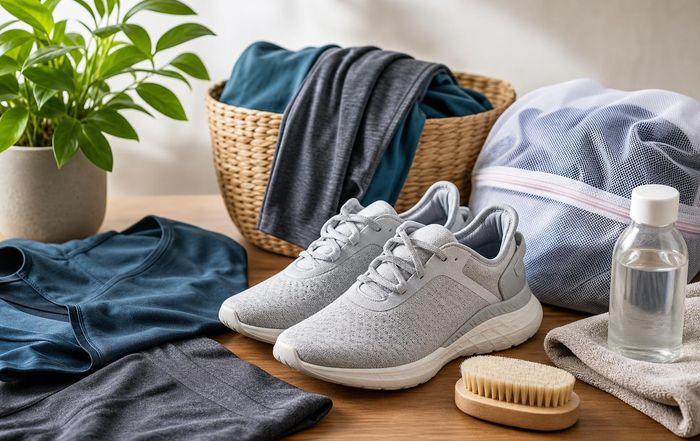
How to Make Your Workout Clothes and Shoes Last Longer
Frequent training sessions, sweat, and outdoor elements can wear down activewear quickly, but most people shorten the life of their gear far more than they need to. With a few changes in how you wash, dry, store, and rotate your workout clothes and shoes, you can often double their usable lifespan-saving money, reducing waste, and keeping your favorite pieces performing well for longer. This super guide brings together advice from textile research, sports science, and footwear experts to explain what actually damages performance fabrics and training shoes, and what you can realistically do about it.
Why Performance Gear Breaks Down Faster Than Everyday Clothes
Modern workout clothing is built from high-tech fibers-often polyester, nylon, elastane (spandex), and technical blends-designed to wick sweat, stretch, and dry quickly. Those same properties make them vulnerable to damage from heat, harsh detergents, and rough handling. According to resources from organizations like the American Cleaning Institute and textile labs at universities such as North Carolina State University, the elastic fibers that give leggings and sports bras their stretch are especially sensitive to high temperatures and strong chemicals.
Similarly, athletic shoes combine foam midsoles, rubber outsoles, adhesives, and upper materials that compress and degrade over time. Research summarized by groups like the American Academy of Podiatric Sports Medicine and Running USA suggests that cushioning and support can deteriorate long before a shoe looks visibly destroyed, particularly if it's stored poorly or used for multiple activities beyond its design.
Understanding these vulnerabilities is the foundation for extending lifespan: most damage comes from cumulative small stresses rather than one dramatic event.
Washing Workout Clothes Without Wrecking Them
How you wash your gear has more impact on its longevity than almost anything else. Sweat, body oils, and bacteria do need to be removed, but over-washing with the wrong settings and products can destroy elasticity, fade colors, and trap odors.
Whenever possible, follow the care label, but a few general rules help most synthetic activewear:
Wash in cold water. Hot water accelerates fiber breakdown, especially in elastane and spandex. Cold or cool water is usually enough to clean synthetic fabrics when combined with an appropriate detergent. Guidance from organizations like the U.S. Environmental Protection Agency and Energy Star also notes that cold washes save energy, which is a bonus for sustainability-minded athletes.
Skip fabric softener. Fabric softeners and dryer sheets leave a coating on fibers that can reduce moisture-wicking, trap odors, and weaken elastic over time. Many sportswear brands, including Nike, Adidas, and Under Armour, explicitly advise against using softeners on their performance lines. If static is an issue, air drying and avoiding overdrying in machines usually help more than chemical softeners.
Use a gentle, sports-focused or mild detergent. Regular detergents can work, but very heavy formulas or those loaded with fragrances can build up residue in tight-knit technical fabrics. Sports detergents are designed to break down sweat and odor without leaving as much buildup. Resources from Consumer Reports and Good Housekeeping testing labs suggest that a small amount of a high-quality detergent, rather than extra detergent, is key to good cleaning.
Choose a gentle cycle and short wash time. High-speed, long cycles increase friction and stretching, especially for bras, leggings, and compression gear. A short, gentle cycle in a front-loading machine is usually enough for sweaty clothes that are not heavily soiled with mud or grit.
Wash soon after training rather than letting gear sit. Letting damp, sweaty clothes sit in a bag or laundry basket allows bacteria and mildew to grow, which can permanently embed odors and weaken fibers. If you can't wash immediately, at least hang items to dry before putting them in the hamper. For more guidance on basic hygiene and infection prevention around sweat and skin, readers can also explore our broader health coverage.
Dealing With Odors Without Destroying Fabrics
Persistent odor is one of the main reasons people prematurely retire workout clothes, even when the fabric still looks fine. Odor usually comes from bacteria and residue trapped deep in the fibers, not from the sweat itself.
Pre-rinse after very sweaty sessions. Quickly rinsing items in cool water before they go into the wash can remove some sweat and salts that would otherwise set in. This is especially helpful for high-intensity workouts, hot yoga, or outdoor summer runs.
Turn garments inside out. Odor-causing bacteria and skin oils accumulate on the side that touches your body. Washing items inside out helps the detergent reach the dirtiest areas more effectively.
Use occasional deep-clean treatments, gently. Some people use white vinegar or baking soda in the wash to help with odor. Expert advice from sources like The American Cleaning Institute and independent testing by outlets such as Wirecutter at The New York Times suggests moderation: small amounts (for example, a half cup of white vinegar in the rinse cycle) can help cut odor, but frequent or excessive use may affect colorfastness over time. Always avoid mixing vinegar with chlorine bleach.
Avoid constant use of heavy disinfectant additives. Laundry sanitizers can be useful occasionally (for example, after illness or skin infection), but frequent use may be harsher on fibers and skin. For most healthy people, proper washing and thorough drying are enough to keep gear hygienic.
If odors persist, consider whether the garment's elastic is simply worn. When the stretch is gone and the fabric has a permanently "tired" feel, it may be past its functional life even if visually intact. For broader context on hygiene, skin, and sweat, resources from the World Health Organization and national health agencies like NHS in the UK or the Centers for Disease Control and Prevention in the U.S. can be useful starting points.
Drying: The Step That Makes or Breaks Elasticity
Drying is where many performance garments suffer the most damage. High heat is the enemy of elastane and spandex; even if pieces look fine at first, repeated hot drying can lead to sagging waistbands, loose straps, and thinning fabric.
Air dry whenever possible. Laying items flat on a drying rack or hanging them in a well-ventilated area preserves elasticity far better than machine drying. This is particularly important for sports bras, leggings, compression tights, and anything with a snug fit.
If you use a dryer, choose low or no heat. A short, low-heat tumble can help soften items and reduce stiffness, but limit the time and temperature. Removing clothes while they are still slightly damp and letting them finish air drying can reduce heat exposure.
Avoid direct, intense sunlight for long periods. UV light can weaken fibers and fade colors, especially for dark or neon pieces. Occasional sun exposure is fine, but constant drying in very strong sun may shorten the lifespan of some fabrics. A shaded balcony or indoor drying rack near an open window is usually safer.
Do not wring out compression garments. Twisting and wringing can stretch seams and warp the knit structure. Gently press out water with a towel instead.
These drying practices also support wider sustainability goals by lowering energy use. Readers interested in the environmental side of fitness gear can explore our coverage of environment and sustainability topics.
Smart Storage to Protect Fabrics and Fits
How you store workout clothes between sessions matters more than many people realize. Crumpled damp gear at the bottom of a bag is a recipe for mildew, permanent odor, and fabric breakdown.
Never leave damp clothes in a closed bag. Even a few hours in a sealed gym bag can be enough for odor-causing bacteria and mildew to flourish, especially in warm environments. Empty your bag as soon as you get home and hang items to dry, even if you plan to wash later.
Give stretch fabrics room to breathe. Overstuffed drawers compress elastic fibers for long periods, which can distort shape. Folding items loosely and avoiding tight rolling or cramming can help maintain fit.
Avoid hanging heavy items by the shoulders. Wet or heavy garments, such as waterlogged hoodies, can stretch out if hung for long periods. For these, flat drying is safer.
Keep gear away from strong heat sources. Prolonged exposure to radiators, hot car interiors, or heaters can dry out elastic and adhesives. A cool, dry, ventilated space is ideal.
If you train frequently, consider a simple rotation system. Having enough sets of essentials-sports bras, socks, and shorts-so that items can fully dry and "recover" between uses reduces constant stress on the same pieces.
Caring for Sports Bras, Compression Gear, and Technical Layers
Some categories of workout clothing need extra attention because of how closely they interact with your body and how much stretch they rely on.
Sports bras. These are among the most heavily stressed garments in a workout wardrobe. Many experts, including sports bra researchers at institutions like Loughborough University and professional bra fitters, suggest hand washing when possible, especially for high-impact bras. At minimum, use a lingerie or mesh wash bag, close all hooks, and choose a gentle cycle. Always air dry. If the band rides up or the straps no longer provide support even after washing, it may be time to replace.
Compression tights and sleeves. Compression relies on precise tension in the knit. Avoid fabric softeners, high heat, and rough surfaces that can snag the yarns. Turning them inside out for washing and drying helps protect the outer surface and printed graphics.
Base layers and thermal gear. These often use delicate blends of merino wool and synthetic fibers. Follow care labels closely; many can be machine washed on wool or delicate cycles with a wool-safe detergent. Avoid hot water and high heat to prevent shrinkage and fiber damage.
Windbreakers and waterproof shells. Technical outer layers with DWR (durable water repellent) coatings or membranes require specific care. Most brands, including Patagonia, The North Face, and Arc'teryx, provide detailed care instructions on their websites. Typically, they recommend gentle washing, avoiding fabric softeners, and occasionally re-treating the water-repellent finish with approved products.
These more specialized pieces are often more expensive, so careful care can significantly reduce long-term costs. For readers interested in the business and innovation side of technical textiles, our innovation and business sections frequently cover developments in performance fabrics and sportswear manufacturing.
Extending the Life of Training Shoes: What Really Works
Shoes are usually the most expensive part of a workout kit and the piece most closely linked to injury risk. While no pair lasts forever, how you use and care for them can meaningfully extend their functional life.
Rotate pairs when possible. Studies and expert guidance from running organizations such as World Athletics, USA Track & Field, and major shoe brands suggest that rotating between two pairs of shoes can allow midsoles to decompress fully between sessions, slowing down foam fatigue. If budget allows, using one pair for high-impact sessions and another for walking or casual wear can significantly extend the life of your primary training shoes.
Use shoes for their intended surface and activity. Road running shoes used heavily on trails, court shoes used outdoors, or lightweight trainers used for heavy lifting all wear out faster. The outsole compounds and upper designs are optimized for specific demands, and misusing them accelerates breakdown.
Avoid machine washing. Most manufacturers, including Nike, Asics, and New Balance, advise against putting athletic shoes in the washing machine. The combination of water saturation, detergent, and mechanical agitation can weaken adhesives, warp midsoles, and damage the upper. Instead, remove surface dirt with a soft brush and mild soap solution, then air dry away from direct heat.
Dry shoes slowly and naturally. If shoes get soaked in rain or sweat, remove the insoles and laces, gently pat dry with a towel, and stuff with plain paper to help draw out moisture. Avoid hairdryers, radiators, or tumble dryers, which can warp the midsole foam and compromise glues.
Store in a cool, dry place. Leaving shoes in a hot car or damp basement accelerates foam degradation and can cause mold. A simple shoe rack in a ventilated room is usually sufficient.
For more on how footwear interacts with performance and injury risk, readers can explore our sports and fitness sections, which frequently cover training load, biomechanics, and equipment choices.
When to Replace Workout Shoes: Signs That Matter More Than Looks
Extending lifespan is helpful, but keeping shoes too long can increase the risk of discomfort and injury. There is no single mileage number that applies to everyone, but several consistent signs suggest that a pair is past its best.
Flattened or overly soft cushioning. If the midsole feels "dead," bottomed-out, or much less responsive than when new, cushioning has likely compressed beyond useful recovery. This can happen anywhere from roughly 300-800 km (200-500 miles) of running for many models, depending on body weight, running style, and surface, according to data commonly cited by organizations like Runner's World and various running clubs.
Uneven outsole wear. Look at the tread: if one side is significantly more worn than the other, or if the rubber is worn down to the foam in key impact zones, the shoe may no longer provide stable support. This is particularly important if you notice new aches in knees, hips, or ankles.
New or worsening discomfort. If you start developing blisters, hot spots, or joint pain that eases when you switch to a newer pair, that is a strong practical indicator that the old shoes are not performing well, even if they look acceptable.
Creasing and compression lines. Deep, permanent creases in the midsole foam, especially on one side, can indicate that the cushioning and structure are no longer distributing forces evenly.
While it is tempting to push shoes far beyond these signs to save money, it is worth weighing that against the potential cost of injuries or reduced training quality. For broader context on injury prevention and training load, our health and wellness sections frequently examine how equipment choices interact with recovery and resilience.
Sustainability: Repair, Repurpose, and Recycle Where Possible
Extending the life of workout gear is not just about personal savings; it also reduces environmental impact. Synthetic fibers shed microplastics, and shoes involve complex, resource-intensive materials. Organizations like the Ellen MacArthur Foundation and initiatives highlighted by the United Nations Environment Programme emphasize extending product lifecycles as a key part of more sustainable consumption.
Repair minor damage when it makes sense. Small holes in non-stretch panels, loose seams, or frayed laces can often be repaired at home or by a local tailor or cobbler. For technical outerwear, many brands offer repair services or recommend specialized repair shops.
Repurpose gear that is no longer ideal for training. Leggings that have lost some compression might still work for light stretching or as underlayers. Retired running shoes can often be used for short walks, gardening, or errands before final disposal.
Look for take-back and recycling programs. Several major sportswear brands and retailers run programs to collect old shoes and textiles, sometimes turning them into playground surfaces or insulation. While not available everywhere, checking brand websites or large retailers can reveal local options. For a broader view of circular economy initiatives in fashion and sportswear, readers interested in sustainability can follow developments through outlets such as Fashion for Good and environmental coverage from BBC and other international media.
Wash less aggressively to reduce microplastic shedding. Research supported by organizations like The Ocean Cleanup and various academic groups indicates that washing synthetics releases microfibers into waterways. Washing on gentle cycles, using colder water, and avoiding unnecessary washes can all reduce this impact.
Building Habits That Keep Gear in the Game
Extending the lifespan of workout clothes and shoes is less about mastering complex care routines and more about a few consistent habits: emptying your gym bag promptly, washing in cold water without fabric softener, air drying whenever possible, storing gear away from heat, and listening to your body when shoes stop feeling right.
For active people who train several times a week, these small changes can make a noticeable difference in how long gear stays supportive, comfortable, and odor-free. They also align with a broader shift toward more sustainable and intentional consumption in fitness-a theme that connects with ongoing daily reporting across our fitness, nutrition, environment, and sustainability pages.
Ultimately, well-cared-for gear supports not just your budget and the planet, but also the consistency and quality of your training. A little attention after each session can keep your favorite kit performing well long after the initial motivation of a new purchase has faded.