

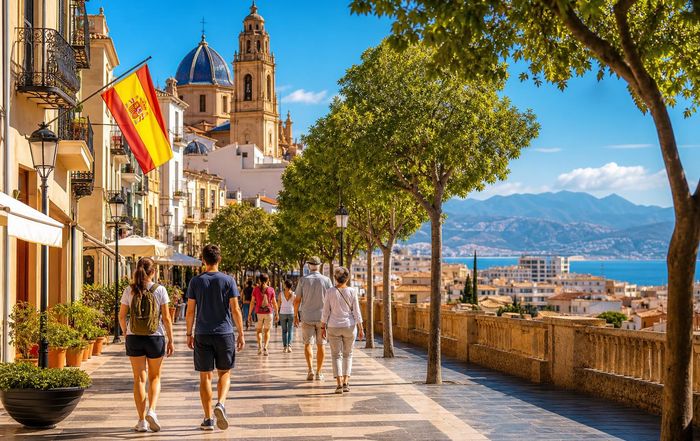
Why Walking Culture Supports Active Living in Spain
A Walking Nation in an Inactive World
In an era when many developed economies are grappling with rising sedentary lifestyles, escalating healthcare costs, and the social consequences of physical inactivity, Spain offers a compelling counter-narrative. The country's deeply rooted walking culture, visible in its streets, plazas, coastal promenades, and historic neighborhoods, has evolved into an informal yet powerful public health and economic asset. For a global business and lifestyle audience following FitPulseNews and its dynamic and active always up-to-date coverage of health, fitness, and sports, Spain's example illustrates how culture, urban design, and policy can converge to support active living at scale, while also shaping consumer behavior, brand positioning, and labor market expectations across Europe and beyond.
International benchmarks consistently place Spain among the world's healthiest nations, with organizations such as Bloomberg ranking it highly for life expectancy, diet, and healthcare infrastructure. Readers can explore broader context on global longevity trends through resources like the World Health Organization. Yet beyond formal health systems, Spain's everyday rhythms-its evening paseos, walkable town centers, compact urban form, and social norms around movement-play a decisive role in supporting active living. Now as cities across North America, Europe, and Asia reassess their built environments and wellness strategies, Spain's walking culture has become an increasingly studied model for policymakers, urban planners, employers, and brands seeking to align with a more active, sustainable future.
Historical Roots of Spain's Walking Culture
Spain's walking culture did not emerge as a modern wellness trend; it is the product of centuries of urban evolution, climate adaptation, and social custom. Historic city centers in Madrid, Barcelona, Seville, Valencia, and Bilbao were shaped long before the dominance of the automobile, resulting in dense, human-scale neighborhoods where walking remains the most practical and enjoyable mode of transport. Narrow streets, mixed-use blocks, and central plazas fostered a pattern of daily life in which errands, socializing, and work-related movement naturally involved substantial walking, long before fitness tracking or step counts became common.
The tradition of the paseo-an unhurried, often social evening walk-is especially emblematic. In many Spanish towns and cities, residents of all ages still take to promenades, coastal walks, and central boulevards at dusk, turning public spaces into informal wellness corridors. This practice is intertwined with Spain's climate, as walking in the cooler evening hours is more comfortable in regions such as Andalusia or the Mediterranean coast. Climate-sensitive behavior such as this has been studied by institutions like the European Environment Agency as part of broader analyses of how cultures adapt to their environments. These customs have also carried into modern leisure habits, influencing how people engage with wellness and social life in a way that is inherently active without being framed as "exercise" in the narrow sense.
Religious and cultural routes have reinforced this orientation toward walking. The Camino de Santiago, one of the world's most famous pilgrimage routes, has for centuries attracted walkers from across Europe and, more recently, from North America, Asia, and Latin America. The sustained popularity of the Camino has not only strengthened Spain's reputation as a walking destination but also helped normalize long-distance walking as a meaningful form of physical, spiritual, and cultural engagement. Organizations such as UNESCO, which recognizes parts of the Camino as World Heritage Sites, highlight the route's historical significance, while contemporary travel and wellness industries increasingly see it as a model for active tourism and experiential travel that blends fitness, culture, and sustainability. Readers can explore broader perspectives on cultural tourism and heritage through platforms like the UN World Tourism Organization.
Urban Design, Infrastructure, and Policy
Spain's walking culture is sustained and amplified by deliberate choices in urban planning and public policy. Many Spanish municipalities have invested heavily in pedestrian infrastructure, creating extensive networks of sidewalks, car-free streets, and integrated public transport systems that make walking a highly efficient mode of mobility. Cities such as Barcelona have implemented "superblocks" (superilles), restricting through-traffic in selected areas to prioritize pedestrians, cyclists, and local residents. These initiatives have attracted global attention from urbanists and policymakers, with organizations like C40 Cities and the World Resources Institute documenting their impact on air quality, public health, and neighborhood vitality.
The integration of walking with public transport is another decisive factor. Spanish cities typically offer dense metro, tram, and bus networks, and these systems are designed with walkable access in mind, ensuring that most residents are within a reasonable walking distance of a stop or station. This design encourages multimodal movement, in which walking forms the first and last mile of daily commutes. The International Association of Public Transport (UITP) and the OECD have both highlighted such integrated systems as a cornerstone of sustainable urban mobility, and Spain's approach is frequently cited in comparative studies across Europe and the Americas.
Policy frameworks at national and regional levels also support walking and active mobility. Spain's alignment with European Union strategies on sustainable transport and health promotion, such as the EU Urban Mobility Framework, has led to funding and guidelines that encourage cities to reduce car dependency, expand pedestrian zones, and integrate active travel into climate and public health planning. Business leaders following FitPulseNews coverage of environment and sustainability can see in Spain a practical example of how regulatory and planning instruments can shape consumer behavior, real estate development, and the competitive landscape for mobility and wellness-related services.
Health Outcomes and the Everyday Fitness Dividend
The health implications of Spain's walking culture are increasingly quantifiable and strategically relevant for healthcare providers, insurers, employers, and policymakers. Regular walking is strongly associated with reduced risk of cardiovascular disease, type 2 diabetes, obesity, and certain cancers, as documented by bodies such as the Centers for Disease Control and Prevention and the National Health Service in the United Kingdom. In Spain, where walking is woven into daily routines rather than confined to scheduled workouts, the cumulative "fitness dividend" is significant, even among populations that may not self-identify as highly active.
Spanish research institutions and public health agencies have reported relatively high levels of incidental physical activity compared to some other high-income nations, particularly among older adults who maintain walking habits well into retirement. This pattern supports healthier aging, reduces pressure on healthcare systems, and contributes to Spain's strong performance in international rankings of life expectancy and quality of life. Organizations such as the OECD and the World Bank have explored how such lifestyle factors intersect with health system design and economic performance, suggesting that walking-friendly cultures can generate measurable macroeconomic benefits through reduced healthcare expenditure and improved workforce productivity.
For the audience of FitPulseNews, which closely follows nutrition, fitness, and health trends, Spain's example underscores the importance of integrating movement into the fabric of everyday life rather than treating exercise as a separate, time-consuming obligation. The country's walking culture complements its well-known Mediterranean dietary patterns, creating a synergistic effect in which moderate, regular physical activity supports metabolic health and enhances the benefits of nutrient-dense, plant-forward eating. Health-focused brands and wellness platforms seeking to operate in Spain or emulate its success in other markets increasingly recognize that their offerings must align with these integrated lifestyle patterns rather than relying solely on gym-centric or equipment-heavy models.
Social Cohesion, Culture, and Mental Well-Being
Walking in Spain is not only a matter of physical health; it is a social and cultural act that reinforces community ties and mental well-being. The evening paseo, weekend strolls through parks, and walks to local cafés or markets create repeated opportunities for spontaneous interaction, intergenerational contact, and informal networking. These patterns contribute to what sociologists describe as social capital, a factor increasingly recognized as relevant to mental health, resilience, and even economic opportunity. Organizations such as the OECD and the World Economic Forum have highlighted the importance of social cohesion as a determinant of societal stability and productivity, and Spain's walking-based social life is frequently cited as an illustrative case.
For many Spanish residents, walking is a default mode of socializing. Families walk together on weekends, older adults meet friends on benches along promenades, and young professionals often integrate walking into their commutes or lunch breaks. This culture of movement-based socialization helps mitigate some of the mental health challenges associated with isolation and sedentary office work, issues that have become more prominent globally since the expansion of hybrid and remote work arrangements. Research summarized by organizations such as the American Psychological Association indicates that moderate physical activity, especially when combined with social interaction and exposure to outdoor environments, can significantly reduce symptoms of anxiety and depression.
For the readership of FitPulseNews, which also follows culture and events, Spain's walking culture offers insights into how lifestyle, mental health, and cultural identity intersect. Walking is embedded in festivals, public celebrations, and sporting events, from city marathons and charity walks to local fiestas where processions and parades encourage residents to spend hours on their feet. This integration of movement into cultural expression reinforces the perception that walking is normal, enjoyable, and socially valued, rather than a chore or medical prescription.
Economic and Business Implications of a Walking Society
Spain's walking culture has significant implications for businesses, investors, and policymakers, both within the country and in global markets that look to Spain as a reference. Retail and hospitality sectors benefit from high levels of foot traffic in city centers and neighborhood shopping streets, where pedestrians are more likely to visit multiple establishments, make impulse purchases, and spend time in cafés, restaurants, and cultural venues. Studies by organizations such as the International Council of Shopping Centers and the World Bank suggest that walkable commercial districts can outperform car-dependent retail zones in terms of revenue per square meter and resilience to economic shocks.
For brands operating in categories such as sportswear, footwear, wearable technology, and healthy food, Spain's active lifestyle presents both opportunities and expectations. Consumers who walk frequently demand comfortable, durable footwear, breathable clothing, and convenient, health-oriented food and beverage options suited to on-the-go consumption. At the same time, they are often more attuned to issues of sustainability, urban quality of life, and public space design, requiring brands to position themselves not only as product providers but as partners in promoting active, livable cities. Companies such as Nike, Adidas, and Decathlon have tailored their Spanish and broader European strategies to reflect these realities, while local and regional brands in fashion, food, and mobility services have used walking-friendly narratives to differentiate themselves.
The wellness and fitness industries are also adjusting. While traditional gyms and boutique studios remain important, there is growing demand for services that complement outdoor activity, such as guided walking tours, performance tracking apps, physiotherapy focused on gait and posture, and community-based walking clubs. Technology firms and startups are exploring how to integrate walking data into broader health and productivity platforms, linking step counts and route information with nutritional advice, mental wellness content, and remote coaching. Organizations such as the European Commission and the Global Wellness Institute have documented the rapid expansion of the wellness economy, and Spain's walking culture constitutes a key pillar of its national wellness proposition, with implications for tourism, real estate, and healthcare innovation.
Readers of FitPulseNews interested in business, brands, and innovation can see Spain as a living laboratory for active-living business models. From coworking spaces located near major pedestrian corridors to real estate developments that prioritize ground-floor retail and walkable public spaces, the country offers numerous examples of how commercial strategy can align with and benefit from a population that moves primarily on foot.
Technology, Data, and the Future of Active Mobility
As Spain's walking culture intersects with digital transformation, new layers of insight and opportunity are emerging. The widespread adoption of smartphones, wearables, and health apps has turned walking into a measurable, optimizable activity for millions of residents and visitors. Platforms from companies such as Apple, Google, and Garmin collect data on step counts, heart rates, and route preferences, enabling individuals to track their progress and health professionals to better understand population-level patterns of movement. Organizations like the European Union Agency for Cybersecurity and the European Data Protection Board are simultaneously working to ensure that this expanding data ecosystem respects privacy and security standards.
Urban planners and policymakers are increasingly using anonymized mobility data to refine pedestrian infrastructure, identify bottlenecks, and optimize access to public services. Initiatives supported by the European Institute of Innovation and Technology (EIT) and research collaborations with universities across Spain and Europe are experimenting with predictive models that integrate walking patterns, climate data, and public transport usage. These efforts aim to create cities that are not only walkable in a traditional sense but also responsive and adaptive, with real-time information guiding residents to less congested routes, shaded paths during heat waves, or cultural points of interest along their daily journeys. Learn more about sustainable urban mobility through resources offered by the International Transport Forum.
For the technology-savvy audience of FitPulseNews, which follows technology and innovation, Spain's integration of walking culture with digital tools provides a glimpse into the future of active living. Corporate wellness programs in Spain and across Europe are beginning to incorporate walking challenges, route-sharing features, and gamified incentives into employee health strategies, aligning with research from institutions like the Harvard T.H. Chan School of Public Health that links physical activity to improved productivity and reduced absenteeism. This convergence of culture, infrastructure, and technology suggests that walking will remain a central element of Spain's health and business landscape in the decade ahead.
Lessons for Global Cities and Organizations
Spain's walking culture holds valuable lessons for cities, companies, and policymakers worldwide, from North America and Europe to Asia, Africa, and Latin America. The country demonstrates that active living can be promoted not only through individual motivation and gym memberships but through systemic design choices that make walking the most convenient, pleasant, and socially rewarding option. Urban areas in the United States, the United Kingdom, Germany, Canada, Australia, and beyond can draw inspiration from Spanish examples when rethinking zoning regulations, street design, and investment priorities. Resources from organizations such as the World Economic Forum and the World Bank provide frameworks for cities seeking to replicate elements of Spain's success in their own contexts.
For businesses, the Spanish case underscores the importance of aligning products, services, and workplace policies with an active lifestyle paradigm. Employers can encourage walking meetings, support flexible schedules that allow for midday movement, and locate offices in walkable neighborhoods with access to public transport and green spaces. Brands in sectors ranging from apparel and footwear to food, hospitality, and digital health can design offerings that complement and enhance walking-based routines, rather than assuming car-centric or purely home-based consumption patterns. Learn more about sustainable business practices and their relationship to urban mobility through resources offered by the United Nations Global Compact.
For readers of FitPulseNews across world, news, and jobs sections, these dynamics also influence labor markets and talent strategies. Younger workers in global hubs from London and Berlin to Singapore and Toronto increasingly prioritize quality of life, walkability, and access to active lifestyles when choosing where to live and work. Cities and companies that can offer Spain-like conditions-safe, attractive walking environments integrated with public transport, culture, and wellness services-will be better positioned to attract and retain top talent in a competitive global marketplace.
What's Coming? More Active, Walkable Future
As active living, wellness, and sustainability move from niche interests to central business, premium websites like FitPulseNews play a critical role in connecting insights across sectors and regions. By examining Spain's walking culture through the lenses of health, fitness, sports, brands, technology, innovation, and business, FitPulseNews provides its engaged community with a multidimensional understanding of how everyday behaviors shape long-term outcomes for individuals, organizations, and societies. Readers exploring fitness, health, business, and sustainability content on the site can see Spain not only as a travel destination or case study but as a strategic reference point in the evolving global conversation on active living.
As governments confront the dual challenges of chronic disease and climate change, and as businesses navigate shifting consumer expectations and labor market dynamics, the Spanish example demonstrates that walking is far more than a simple mode of transport. It is a foundation for healthier populations, more resilient economies, more vibrant urban cultures, and more sustainable patterns of growth. For a wide variety of fit and healthy people following developments across Europe, North America, Asia, Africa, and South America, Spain's walking culture offers both inspiration and a practical roadmap for designing environments, policies, and business models that support movement, connection, and well-being.
Ultimately, the story of walking in Spain is a reminder that some of the most effective innovations in health and sustainability are not technological breakthroughs or complex policy instruments, but the rediscovery and reinforcement of human-scale habits that have quietly sustained communities for generations. By studying and adapting these practices, cities and organizations worldwide can move closer to a future in which active living is not an exception or a luxury, but the everyday norm-a future that aligns closely with the mission and 100% fresh and unique editorial focus of FitPulseNews and its global readership.
Thanks for reading from beginning to end. We’re committed to publishing fresh, useful, and completely original articles that reward your time and attention.