

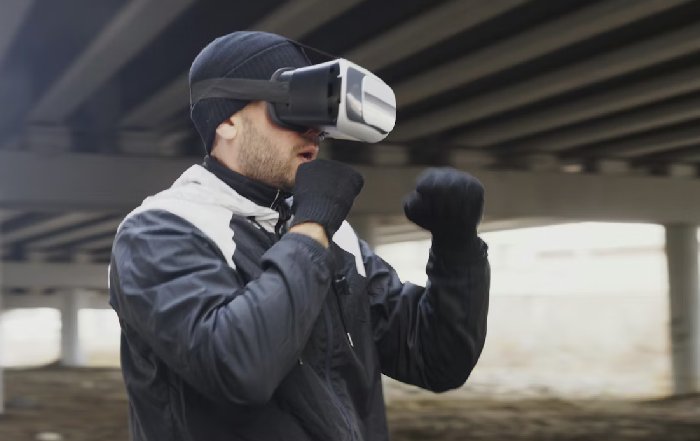
Virtual Reality Applications in Sports Training: From Experiment to Essential Edge
How Virtual Reality Became a Core Pillar of Modern Sports
Virtual reality has moved decisively from novelty to necessity in elite and emerging sports programs, reshaping how athletes prepare, how coaches design strategy, and how organizations manage risk, cost, and performance. What began a decade ago as experimental headset trials in a few forward-looking franchises has evolved into a sophisticated ecosystem of integrated hardware, biomechanical analytics, cognitive training platforms, and data-driven coaching methods that now underpin competitive advantage across leagues and continents.
For the global audience of FitPulseNews, which spans health, fitness, business, sports, technology, and sustainability, virtual reality in sports training sits at the intersection of multiple interests. It touches the optimization of human performance, the economics of high-stakes competition, the emergence of new fan and athlete experiences, and the ethical and environmental implications of increasingly digital training environments. Readers tracking developments in sports performance and analytics, health and recovery, technology innovation, and business strategy are finding that virtual reality is no longer a fringe topic but a central thread connecting these domains.
Organizations across North America, Europe, and Asia-Pacific, from professional football clubs in the United Kingdom and Germany to basketball programs in the United States and Australia, as well as national Olympic committees in Japan, France, and Canada, now treat virtual reality as a strategic asset. Reports from bodies such as the International Olympic Committee and performance institutes aligned with World Athletics indicate that virtual and mixed reality tools are increasingly embedded in training cycles, talent development pipelines, and injury prevention protocols. As a result, the sports technology market, tracked by research groups such as Statista and PwC, has seen immersive training platforms emerge as one of the fastest-growing subsegments.
For FitPulseNews, which covers innovation and emerging trends alongside traditional sports reporting, the transformation of virtual reality from speculative technology to operational backbone offers a compelling lens on how performance, data, and human experience are converging in 2026.
The Technology Backbone: Hardware, Software, and Data Integration
Modern virtual reality sports training relies on a layered technology stack that is far more advanced than the early-generation headsets and simplistic simulations that characterized the mid-2010s. Today's systems combine high-resolution, low-latency head-mounted displays from companies such as Meta, Sony, and HTC with motion tracking cameras, inertial measurement units embedded in wearables, and increasingly, full-body suits that capture fine-grained kinematics. Platforms documented by organizations like IEEE and MIT Technology Review illustrate how real-time tracking, eye-tracking, and even biometric feedback are now standard features in high-performance environments.
The software layer has advanced just as dramatically. Training environments are built on game engines such as Unreal Engine and Unity, with custom modules that replicate specific stadiums, lighting conditions, crowd noise, and even the movement patterns of particular opponents based on historical tracking data. In leading clubs and federations, these virtual environments are connected to athlete management systems and performance databases, enabling coaches to design scenarios that mirror upcoming fixtures or recurring tactical challenges. Platforms described by FIFA and the NBA show how teams are now integrating match data into VR simulations to rehearse set pieces, press-breaks, and defensive rotations under realistic cognitive load.
In parallel, the analytics infrastructure has matured. Cloud-based systems ingest motion data, heart rate variability, reaction times, and decision-making metrics from VR sessions, then correlate them with on-field performance and injury records. Organizations working with applied sports science, such as Aspetar and UK Sport, are increasingly relying on this integrated data to refine load management, return-to-play decisions, and cognitive conditioning programs. This convergence of virtual reality, wearables, and analytics is central to the performance models now adopted by elite organizations in the United States, United Kingdom, Germany, Spain, Italy, France, Japan, South Korea, and beyond.
For readers of FitPulseNews following the broader evolution of sports technology and data, this integration exemplifies how immersive tools are no longer isolated gadgets but nodes within a larger, data-rich performance ecosystem.
Cognitive and Tactical Training: The New Competitive Frontier
One of the most compelling use cases of virtual reality in sports training lies in cognitive and tactical development. The ability to expose athletes to high-fidelity game situations without physical wear and tear has transformed how coaches approach decision-making, pattern recognition, and situational awareness. Research from organizations such as APA - American Psychological Association and performance labs associated with leading universities indicates that immersive simulations can accelerate the acquisition of perceptual-cognitive skills, particularly when scenarios are tailored to the athlete's position, age, and experience level.
In American football, quarterbacks in the National Football League and major college programs increasingly use VR platforms to rehearse reading defenses, processing blitz packages, and adjusting protections, all while receiving immediate feedback on eye movements and decision time. In European football, midfielders and defenders are using similar systems to practice pressing triggers, build-up patterns, and defensive shape under varying tactical schemes, as documented in high-performance reports from organizations like UEFA. Basketball players in the United States, Canada, and across Europe are rehearsing pick-and-roll coverages, off-ball rotations, and late-game scenarios in virtual environments that replicate specific opponents' tendencies.
Coaches and performance analysts emphasize that the value of VR is not merely in repetition but in controlled variability. They can manipulate variables such as crowd noise, referee decisions, weather conditions, and opponent strategies in ways that are impossible or impractical in traditional practice. This allows athletes to experience rare but decisive situations-such as penalty shootouts, tie-break points, or final-possession plays-dozens of times in a single session, reinforcing both technical execution and emotional regulation.
The strategic dimension is equally important from a business and competitive standpoint. Clubs and federations investing in advanced VR systems are effectively building proprietary "decision-making libraries" that encode collective patterns and responses, making it harder for rivals to replicate their tactical resilience. For stakeholders following the business side of sport on FitPulseNews, and seeking deeper coverage in its business section, virtual reality is increasingly viewed as intellectual property as much as training equipment.
Skill Acquisition, Technique Refinement, and Motor Learning
Beyond game intelligence, virtual reality is reshaping how athletes acquire and refine motor skills. Traditional coaching relies heavily on physical repetition, video analysis, and verbal feedback. In contrast, VR environments can overlay real-time visual cues, augmented trajectories, and corrective guidance directly into the athlete's field of view, enabling more precise and immediate motor learning.
Biomechanists and coaches working with organizations such as USOPC - United States Olympic & Paralympic Committee and Australian Institute of Sport report that VR is particularly effective in sports where spatial orientation and timing are critical, such as gymnastics, diving, alpine skiing, and racket sports. In tennis and badminton, for example, athletes can practice return-of-serve scenarios with variable spin, speed, and placement, while the system tracks their footwork patterns, swing paths, and reaction times. In baseball and cricket, batters use VR to face virtual pitchers and bowlers whose release points, velocities, and movement profiles are modeled from real-world tracking data curated by leagues and federations.
The advantage for athletes in countries like Japan, South Korea, Germany, and the Netherlands, where access to elite competition or specific environmental conditions may be limited by geography or season, is particularly significant. VR allows them to simulate high-level opposition or competition venues without extensive travel, supporting more equitable and sustainable pathways to excellence. Readers interested in how these methods intersect with broader health and wellness strategies will note that virtual sessions can be designed to reduce joint load and impact while maintaining neuromuscular and cognitive stimulus, a crucial factor in long seasons and congested competition calendars.
Motor learning specialists highlight that the most effective VR programs are those that integrate tightly with on-field drills rather than replace them. The prevailing model in 2026 is blended: athletes alternate between physical practice and virtual rehearsal, with data from each environment feeding into a unified performance profile. This reflects a broader trend toward hybrid training paradigms that combine physical, digital, and psychological dimensions, a theme that resonates strongly with the multi-domain coverage strategy of FitPulseNews.
Rehabilitation, Return-to-Play, and Mental Resilience
Virtual reality has also become a powerful tool in injury rehabilitation and mental health support, two areas of growing concern across professional and amateur sport. As organizations place greater emphasis on athlete welfare, VR is being deployed to support graded return-to-play protocols, pain management, and psychological readiness for competition.
Sports medicine teams aligned with institutions such as Mayo Clinic and Cleveland Clinic have documented how immersive environments can help injured athletes maintain tactical sharpness and cognitive engagement even when they are unable to participate fully in physical training. A player recovering from an anterior cruciate ligament injury, for example, may be restricted from contact drills but can still rehearse positional responsibilities, communication patterns, and decision-making sequences through VR sessions that simulate match conditions without mechanical stress.
In parallel, sports psychologists and mental performance coaches are using VR to address anxiety, confidence, and focus. Exposure therapy protocols adapted to sport allow athletes to confront high-pressure situations-such as penalty kicks in front of hostile crowds or final-round putts in major golf tournaments-in a controlled, repeatable manner. Organizations such as NCAA and various European and Asian sports federations have begun to incorporate these tools into their mental health frameworks, recognizing that psychological readiness is as critical as physical conditioning.
For the broader health-focused audience of FitPulseNews, and those following health and performance coverage, the integration of VR into rehabilitation and mental resilience programs illustrates a larger shift toward holistic athlete care. It also raises important questions about data privacy, consent, and the boundaries between performance optimization and psychological manipulation, issues that leading sports organizations and policymakers are only beginning to address in a systematic way.
Democratizing High-Performance Training for Youth and Grassroots Athletes
While the earliest and most visible applications of virtual reality in sport have emerged in elite professional environments, 2026 is witnessing a steady diffusion of these tools into youth, collegiate, and grassroots levels. The cost of headsets has declined, mobile-based VR solutions have improved, and cloud-delivered software-as-a-service models have reduced the need for large upfront investments. As a result, academies, schools, and regional clubs in countries from the United States and Canada to Brazil, South Africa, Malaysia, and Thailand are beginning to experiment with immersive training modules.
Educational and coaching organizations, including NFHS - National Federation of State High School Associations and counterparts in Europe and Asia, are exploring VR-based training for officiating, rules education, and safety protocols, in addition to athlete skill development. This democratization has the potential to reduce the gap between resource-rich and resource-constrained programs, offering young athletes access to decision-making and tactical scenarios that were previously the preserve of professional clubs and national teams.
However, this expansion also introduces new responsibilities around content quality, coaching competence, and the avoidance of overreliance on technology at the expense of fundamental physical literacy and play. For readers of FitPulseNews interested in culture and youth sport dynamics, the spread of VR into grassroots environments raises important questions about the balance between structured, data-driven training and the spontaneous, creative play that has historically nurtured many of the world's most gifted athletes.
Business Models, Competitive Advantage, and the Sports Technology Economy
From a business perspective, virtual reality in sports training has become a significant driver of the broader sports technology economy. Major leagues, clubs, and federations are forming strategic partnerships with VR vendors, analytics firms, and hardware manufacturers, creating a complex network of commercial relationships that influence competitive balance, intellectual property rights, and technology standards.
Consultancies such as Deloitte and McKinsey & Company have noted that immersive training platforms are increasingly central to the value propositions of sports organizations, not only in terms of on-field performance but also in talent recruitment, brand positioning, and fan engagement. Teams that can demonstrate cutting-edge training environments, supported by VR and data analytics, are often more attractive destinations for elite athletes, coaches, and sponsors. This, in turn, reinforces the importance of long-term investment in technology infrastructure and expertise.
For the business-focused readership of FitPulseNews, who regularly consult its business and brands coverage, the commercialization of virtual reality in sport also highlights emerging opportunities in adjacent sectors. These include corporate wellness programs that adapt sports VR tools for executive decision-making training, educational products that bring elite-level tactical simulations into classrooms, and cross-industry collaborations with healthcare, defense, and aviation, where similar cognitive training challenges exist.
At the same time, the concentration of advanced VR capabilities in wealthier clubs and federations raises concerns about widening inequality in global sport. Organizations in developing markets across Africa, South America, and parts of Asia may struggle to access comparable tools, potentially reinforcing existing disparities in talent development and competitive success. Addressing this imbalance will require coordinated efforts from governing bodies, technology providers, and public-sector stakeholders, a theme increasingly reflected in policy discussions covered in the world and global sport section of FitPulseNews.
Sustainability, Travel Reduction, and Environmental Impact
Virtual reality's role in sports training also intersects with environmental and sustainability considerations, an area of growing importance for leagues, sponsors, and fans worldwide. As organizations confront the carbon footprint associated with extensive travel for training camps, friendly matches, and scouting, VR offers a partial alternative that can reduce the need for physical displacement without entirely sacrificing competitive preparation.
By enabling teams to simulate away venues, crowd conditions, and even altitude or climate scenarios, VR can complement a more restrained travel schedule, particularly in pre-season and between major competitions. Reports and frameworks from organizations such as UN Environment Programme and UNFCCC Sports for Climate Action encourage sports bodies to adopt digital solutions where feasible to reduce emissions, conserve resources, and promote more sustainable practices. Virtual reality training aligns with these objectives when implemented thoughtfully, especially if combined with energy-efficient data centers and responsible hardware lifecycle management.
For the sustainability-conscious audience of FitPulseNews, which regularly explores environmental and sustainability topics and dedicated sustainability coverage, the integration of VR into training programs offers both promise and complexity. While virtual environments can reduce travel-related emissions, they also rely on electronics manufacturing, rare earth materials, and energy-intensive computing infrastructure. The net environmental impact depends on how organizations manage procurement, usage, and recycling, as well as how VR fits into broader sustainability strategies that include venue design, transportation, and fan behavior.
Governance, Ethics, and the Future Regulatory Landscape
As virtual reality becomes more deeply embedded in sports training, questions of governance, ethics, and regulation are moving to the forefront. Sports governing bodies, athlete unions, and policy organizations are beginning to grapple with issues such as data ownership, biometric privacy, algorithmic bias, and the potential for unequal access to performance-enhancing technologies.
Athlete advocacy groups and legal experts, informed by guidance from organizations such as WADA - World Anti-Doping Agency and human rights bodies, are asking whether intensive cognitive training via VR should be considered within the scope of performance enhancement frameworks, and if so, how it should be regulated. While virtual reality does not involve pharmacological intervention, its ability to reshape cognitive and perceptual capacities raises novel questions about competitive fairness and technological arms races.
There are also concerns about the psychological impact of prolonged exposure to high-pressure virtual scenarios, particularly for youth athletes. Without proper oversight, poorly designed simulations could exacerbate anxiety, burnout, or distorted self-perception. This underscores the need for multidisciplinary governance structures that include coaches, sports scientists, psychologists, ethicists, and athlete representatives, rather than leaving VR implementation solely in the hands of technologists or commercial vendors.
For FitPulseNews, whose news coverage often tracks regulatory and policy shifts across regions from North America and Europe to Asia, Africa, and South America, the governance of virtual reality in sport represents a critical frontier. The decisions made in the next five years regarding standards, transparency, and athlete protections will shape not only competitive dynamics but also the broader societal perception of how technology should be integrated into human performance.
What Comes Next: Convergence, Personalization, and Human-Centric Design
Planning ahead from the vantage point of today, the trajectory of virtual reality in sports training points toward deeper convergence with adjacent technologies and more finely tuned personalization. Mixed reality and augmented reality are already blending with VR to create flexible training environments that can be layered over physical practice spaces, while advances in artificial intelligence are enabling adaptive scenarios that respond dynamically to each athlete's decisions and physiological state.
Organizations such as Microsoft and Apple are investing heavily in spatial computing platforms that will likely influence how future generations of athletes experience training, competition analysis, and even recovery. In parallel, advances in nutrition, sleep science, and recovery, covered extensively in the nutrition and wellness sections of FitPulseNews, will increasingly be integrated into VR ecosystems, with simulations adjusting intensity and cognitive load based on an athlete's readiness scores, dietary intake, and sleep quality.
The most forward-looking organizations are already shifting from a technology-first mindset to a human-centric design philosophy. They recognize that virtual reality is most powerful when it serves clearly defined performance, health, and educational goals, rather than existing as a standalone showcase of innovation. This requires robust collaboration between technologists, coaches, medical staff, psychologists, and the athletes themselves, as well as ongoing evaluation of outcomes using rigorous scientific methods.
For the global readership of FitPulseNews, spanning the United States, United Kingdom, Germany, Canada, Australia, France, Italy, Spain, Netherlands, Switzerland, China, Sweden, Norway, Singapore, Denmark, South Korea, Japan, Thailand, Finland, South Africa, Brazil, Malaysia, New Zealand and beyond, virtual reality in sports training offers a window into how the boundaries of human performance are being redrawn. It also serves as a reminder that technology, however advanced, must ultimately be judged by its ability to enhance human experience, safeguard wellbeing, and support fair and inspiring competition.
As virtual reality continues its evolution from experimental tool to essential infrastructure, FitPulseNews will remain committed to examining not only the breakthroughs and success stories but also the trade-offs, risks, and responsibilities that accompany this transformation. In doing so, it will provide its audience with the nuanced, cross-disciplinary perspective required to navigate a sporting landscape in which the virtual and the physical are increasingly inseparable.