

The Globalization of Food and Dining Culture: How the World Eats, Works, and Competes
Global Plates, Local Lives: Food as a Strategic Arena
Now food and dining have firmly moved beyond the realm of everyday habit and leisure, emerging instead as a strategic axis through which health, business, technology, labor, culture, and sustainability are increasingly understood. For a global, digitally fluent readership that turns to FitPulseNews for insight into how the world is changing, the way societies eat and the systems that support those choices now function as a powerful lens on broader economic and geopolitical dynamics. What began as an exchange of recipes, restaurant recommendations, and regional specialties has matured into a deeply interconnected ecosystem of global supply chains, wellness-driven consumer expectations, cross-border investment, and technology-enabled innovation, linking consumers in the United States and Europe with chefs in Japan, farmers in Brazil, food-tech founders in Singapore, and sports nutrition scientists in Australia.
This transformation has been accelerated by the rise of streaming platforms, social media, and on-demand news environments, where culinary documentaries, competitive cooking shows, and performance-oriented nutrition content shape expectations around transparency, quality, and experience. For readers who regularly consult health and wellness coverage on FitPulseNews, food is no longer simply a matter of taste or tradition; it has become a critical determinant of physical performance, cognitive resilience, and long-term disease risk. Simultaneously, business leaders and policymakers recognize that global dining trends influence trade patterns, employment, innovation pipelines, and even soft power, with implications that stretch from local restaurant districts to international trade negotiations. In this context, the globalization of food and dining culture in 2026 is not a lifestyle curiosity but a strategic arena in which cities, nations, and corporations compete for attention, talent, and trust.
From Local Kitchens to Global Brands: A Mature Culinary Economy
The contemporary culinary economy is defined by a complex interplay between global scale and local specificity. Rapid urbanization, digital connectivity, and rising middle-class incomes across Asia, Africa, and Latin America have turned once-local dishes into global brands, while neighborhood eateries now aspire to international recognition. The Food and Agriculture Organization of the United Nations continues to document how global agri-food trade has grown in both volume and complexity, with ingredients, semi-processed foods, and finished products crisscrossing continents to satisfy consumers who expect year-round access to diverse cuisines; those dynamics can be explored through the FAO's global food systems resources.
Restaurant groups and hospitality conglomerates have capitalized on this environment by scaling recognizable culinary concepts across regions, blending local authenticity with standardized operations, digital loyalty ecosystems, and data-driven menu design. Ramen-inspired quick-service chains, premium taco concepts, and shawarma-focused brands now operate across North America, Europe, and Asia, tailoring spice levels, portion sizes, and price points to local norms while maintaining a unified global identity through design, storytelling, and social media. At the upper end of the market, luxury hotels and fine-dining institutions treat gastronomy as a core pillar of their value proposition, partnering with Michelin-starred chefs and investing in experiential tasting menus to differentiate their properties in an increasingly competitive travel landscape. Those interested in the intersection of gastronomy and tourism can explore analytical perspectives through UN Tourism at UN Tourism's culinary tourism insights.
For business-focused readers of FitPulseNews who follow brand and market coverage, this convergence of cuisine, hospitality, and digital marketing illustrates how food has become an asset class in its own right, shaping real estate values, destination branding, and investor interest. The most successful global brands are those that understand how to balance operational consistency with cultural nuance, ensuring that diners in London, Toronto, Singapore, or Berlin can recognize a brand's signature while still experiencing a sense of place through local ingredients, regional beverages, and context-sensitive design.
Health, Fitness, and Performance-Oriented Eating
As health literacy has improved and fitness culture has become mainstream across much of the world, food choices are now closely tied to performance metrics, longevity aspirations, and mental well-being. In 2026, consumers in markets such as the United States, United Kingdom, Germany, Canada, Australia, and Singapore routinely scrutinize nutrition labels, track macronutrients through wearables and apps, and consult evidence-based resources to align their diets with specific goals ranging from metabolic health to cognitive clarity. The World Health Organization continues to emphasize the central role of diet in preventing noncommunicable diseases, providing ongoing guidance on healthy dietary patterns through resources such as WHO's nutrition overview.
For athletes, fitness professionals, and active consumers who rely on fitness insights and sports analysis from FitPulseNews, the globalization of food culture has expanded access to performance-focused eating strategies that draw from multiple culinary traditions. High-protein Nordic breakfasts, Japanese approaches to portion control and umami, and Mediterranean plant-forward dishes are increasingly integrated with sports science research, leading to hybrid regimes that combine culturally diverse cuisines with precise macronutrient targeting and timing. Organizations such as the International Olympic Committee and national sports institutes in countries including Japan, South Korea, Norway, and Australia have deepened collaboration with nutrition scientists to refine guidelines for elite and emerging athletes, with accessible resources available via IOC nutrition guidance.
The broader wellness movement has reinforced these trends by popularizing concepts such as gut microbiome health, metabolic flexibility, and circadian-aligned eating, topics that resonate with FitPulseNews readers who follow nutrition and wellness content. Institutions such as Harvard T.H. Chan School of Public Health have played a decisive role in translating research on dietary patterns like the Mediterranean, DASH, and plant-based diets into practical frameworks for individuals and policymakers, which can be explored via the Harvard Nutrition Source. As a result, diners in Paris, Milan, Bangkok, and Johannesburg now approach restaurant menus, grocery aisles, and meal-delivery apps with a dual expectation: that each choice should deliver both sensory pleasure and measurable benefits for energy, recovery, and long-term health.
Technology as the New Ingredient: Platforms, AI, and Food-Tech in 2026
Technology has become a core ingredient in the globalization of dining, reshaping not only how people discover and order food but also how it is produced, priced, and personalized. In major metropolitan areas from New York and Los Angeles to Tokyo, Berlin, and Singapore, AI-powered recommendation engines integrated into delivery apps and smart devices guide consumers toward specific restaurants, dishes, and dietary profiles, optimizing for convenience, cost, and perceived health value. Companies such as Uber Technologies, DoorDash, Deliveroo, and Grab Holdings have matured into sophisticated logistics and data companies whose platforms orchestrate last-mile delivery networks, dynamic pricing, and targeted promotions, with the OECD providing ongoing analysis of how such digital platforms reshape services and labor markets through resources like OECD Digital Economy reports.
Inside homes and commercial kitchens, AI and connected hardware are increasingly embedded into the cooking process. Smart ovens, precision induction systems, and app-integrated multicookers now adjust temperature and timing automatically based on real-time sensor feedback and recipe databases, allowing home cooks in Germany, Canada, Japan, and South Korea to replicate restaurant-level dishes with remarkable consistency. On the industry side, major food manufacturers and retailers deploy AI to forecast demand, reduce waste, and tailor product assortments to local preferences and dietary trends, leveraging vast datasets that include purchase history, social media signals, and even regional health statistics. For readers who follow digital and startup developments in the technology section of FitPulseNews, the food sector has become a vivid case study in how data analytics, automation, and personalization converge to transform a traditional industry.
The frontier of food-tech now extends deep into biotechnology and materials science. Companies such as Beyond Meat, Impossible Foods, and a growing field of European, Asian, and Middle Eastern startups are pushing forward plant-based, fermentation-derived, and cultivated meat products designed to mimic animal protein while reducing environmental impact. Independent organizations like the Good Food Institute provide rigorous market, scientific, and policy analysis of these emerging categories, accessible through GFI's research hub. Robotics is also gaining ground, from automated salad bars in the United States to robotic noodle stations in China and autonomous coffee kiosks in Scandinavia, illustrating themes that align closely with the innovation coverage on FitPulseNews. The net effect is that technology is no longer peripheral to dining; it is embedded at every stage of the value chain, influencing what is grown, how it is transformed, and the experiences through which it reaches the plate.
The Strategic Arena of Global Dining
Food and dining have evolved from everyday habit into a strategic axis connecting health, business, technology, labor, culture, and sustainability. This transformation reflects broader economic and geopolitical dynamics shaping our interconnected world.
Nine Strategic Dimensions
Key Global Players & Regions
Impact & Influence Metrics
Relative importance of different dimensions in shaping global food systems
- Local & seasonal focus
- Recipe-driven
- Manual preparation
- Cultural preservation
- Slow change cycles
- Global & year-round
- Data & science-driven
- AI & automation
- Strategic soft power
- Rapid innovation
Labor, Skills, and the Global Culinary Workforce
The globalization of dining has been accompanied by profound shifts in the culinary and hospitality workforce. Restaurants, hotels, catering firms, and delivery platforms across North America, Europe, Asia, and Africa rely on increasingly international talent pools, with chefs, sommeliers, baristas, servers, and gig workers moving across borders in search of opportunity. The International Labour Organization continues to highlight that hospitality and food service remain among the world's largest employers, with complex implications for wages, working hours, informality, and skills development; these dynamics are detailed in the ILO's sectoral reports.
For job seekers and professionals who follow jobs and career trends on FitPulseNews, the culinary labor market in 2026 presents a mixed picture. Demand for highly skilled chefs with authentic expertise in regional cuisines-from Sichuan and Neapolitan to Nordic and West African-has risen in cities such as London, New York, Dubai, Singapore, and Sydney, where restaurants and hotels use distinctive culinary identities to compete for increasingly discerning clientele. Culinary schools in France, Italy, the United States, Japan, and Thailand have responded by expanding international exchange programs and incorporating modules on sustainability, digital branding, and food entrepreneurship into their curricula. At the same time, automation, standardized franchise models, and app-based ordering systems are compressing opportunities in entry-level roles, particularly in quick-service and casual dining segments where margins are thin and labor is often precarious.
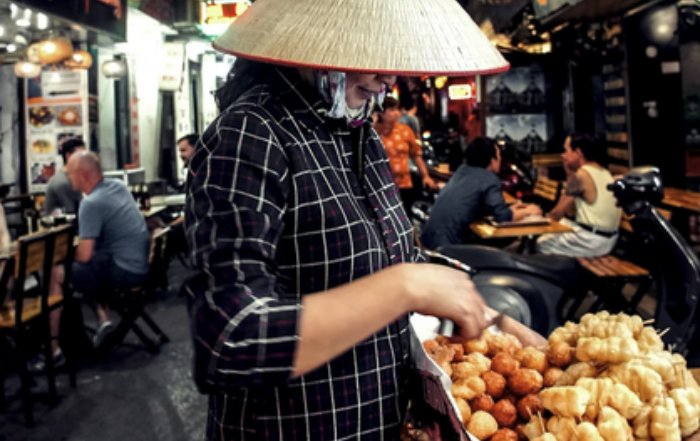
The continued expansion of the gig economy has further complicated this landscape. Delivery riders and drivers in Berlin, Madrid, Toronto, Melbourne, Cape Town, navigate fluctuating demand, algorithm-driven performance metrics, and evolving regulatory frameworks that seek to balance flexibility with worker protections. Policy debates in the European Union, United States, United Kingdom, Australia, and other jurisdictions increasingly focus on classification of gig workers, minimum earnings standards, and access to social protections. Readers who track world developments and breaking news on FitPulseNews see these discussions as part of a broader global conversation about the future of work, migration, and social equity, in which the food and hospitality sectors often serve as early test cases for new labor models and regulatory experiments.
Sustainability, Climate, and the Ethics of a Global Menu
As awareness of climate risk and ecological degradation has intensified, the environmental and ethical dimensions of global dining have moved to the forefront of public debate. Long-distance food supply chains, resource-intensive livestock production, and high levels of food waste contribute significantly to greenhouse gas emissions, biodiversity loss, and water stress, prompting governments, investors, and consumers to reassess what it means to eat responsibly. The Intergovernmental Panel on Climate Change continues to underscore the role of food systems in global emissions and climate adaptation strategies, with detailed assessments available through IPCC reports.
In response, restaurants, retailers, and food brands across Europe, North America, Asia, and increasingly Africa and Latin America are adopting more sustainable sourcing and operational practices. Regenerative agriculture, agroforestry, and climate-smart farming are gaining traction as alternatives to conventional monoculture systems, supported by both public policy incentives and private investment. Organizations such as the Ellen MacArthur Foundation advocate for circular economy approaches that reduce waste and optimize resource use across packaging, distribution, and consumption, offering frameworks and case studies through Ellen MacArthur Foundation resources. For environmentally conscious readers who explore environment and sustainability coverage on FitPulseNews, these developments are central to evaluating which brands and institutions demonstrate genuine commitment versus superficial marketing.
Ethical considerations also encompass animal welfare, fair labor practices, and respect for cultural and indigenous food traditions. Certifications such as Fairtrade, Rainforest Alliance, and various organic and animal welfare labels have become part of the everyday decision-making landscape for consumers in Stockholm, Amsterdam, Vancouver, Wellington, and beyond, who seek assurance that their coffee, cocoa, seafood, or meat aligns with their values. At the same time, there is growing scrutiny of how multinational food companies commercialize traditional recipes and ingredients-from quinoa and turmeric to teff, without adequately recognizing or compensating the communities that developed and safeguarded them. For those seeking deeper analysis of sustainable and equitable food systems, the World Resources Institute offers research and tools through WRI's food program. These issues resonate strongly with FitPulseNews readers who understand that sustainability is not only about emissions but also about justice, stewardship, and long-term resilience.
Cultural Identity, Soft Power, and the Politics of Taste
Food in 2026 remains one of the most visible and emotionally charged expressions of cultural identity, yet in a hyperconnected world it also functions as a sophisticated instrument of soft power. Governments and cultural institutions in countries such as Japan, South Korea, Thailand, Italy, Spain, Mexico, and Peru actively promote their cuisines abroad through festivals, chef exchanges, trade missions, and co-productions with global media platforms, recognizing that culinary prestige can boost tourism, export demand, and favorable perceptions. The work of organizations like the British Council and Goethe-Institut highlights how cultural exchange, including cuisine, contributes to international influence and mutual understanding, with further perspectives available via British Council cultural relations insights.
For readers who rely on FitPulseNews to interpret culture and lifestyle shifts, the globalization of dining reveals both the potential for cross-cultural appreciation and the tensions that arise around authenticity, appropriation, and representation. Fusion cuisines, viral food challenges, and influencer-driven trends blur boundaries between culinary traditions, prompting debates in Europe, Asia, Africa, and the Americas about who has the authority to interpret, adapt, or commercialize specific dishes and techniques. UNESCO's recognition of certain foodways-such as the Mediterranean diet, traditional Japanese washoku, Korean kimchi-making, and Mexican cuisine-as elements of Intangible Cultural Heritage underscores the seriousness with which nations approach the preservation of culinary practices; more information is available via UNESCO's Intangible Heritage portal.
Diaspora communities continue to play a pivotal role in this evolving landscape. Second- and third-generation immigrants in cities like London, Toronto, Berlin, New York, Sydney, and Johannesburg reinterpret ancestral cuisines through the lens of local ingredients, dietary preferences, and contemporary aesthetics, creating spaces-whether restaurants, food trucks, or supper clubs-where questions of identity, race, migration, and belonging are negotiated in real time. For FitPulseNews, which aims to connect global audiences across health, business, and culture, these narratives confirm that food coverage is not merely about trends but about the deeper social transformations that shape how communities see themselves and each other.
Events, Media, and the Global Food Stage
The globalization of food and dining culture is also evident in the expanding ecosystem of events, awards, and media platforms that shape reputations and accelerate trends. Major cities including New York, London, Paris, Singapore, Melbourne, Dubai, and Bangkok host culinary festivals that bring together chefs, investors, policymakers, and enthusiasts, turning gastronomy into a forum for networking, deal-making, and agenda-setting. High-profile rankings and ceremonies such as The World's 50 Best Restaurants and regional award programs help codify narratives about excellence, creativity, and responsibility in the restaurant world, with details available at The World's 50 Best Restaurants.
For event organizers, sponsors, and professionals who follow events and industry coverage on FitPulseNews, these gatherings are viewed not simply as celebrations but as strategic platforms where partnerships are forged, investment priorities are signaled, and future directions for the global food sector are debated. Streaming services and major broadcasters, including Netflix, BBC, and National Geographic, have expanded their food-related programming, offering audiences across North America, Europe, Asia, and Africa a mix of entertainment, investigative journalism, and advocacy that shapes perceptions of what is aspirational, ethical, and innovative in dining. Those interested in how such narratives intersect with broader media patterns can explore analysis from the Reuters Institute for the Study of Journalism through Reuters Institute media research.
Social media has further democratized the global conversation, enabling street vendors in Bangkok, home bakers in Lagos, small-scale coffee growers in Colombia, and independent restaurateurs in Malaysia or South Africa to reach international audiences directly. Short-form video, live streaming, and interactive recipe formats have loosened the grip of traditional gatekeepers while creating new dependencies on platform algorithms and monetization rules. For a news organization like FitPulseNews, which integrates world, news, and lifestyle perspectives, understanding these digital dynamics is essential to providing coverage that is both timely and trustworthy, especially as misinformation and exaggerated health or sustainability claims circulate rapidly in the food and wellness space.
Why Global Food Coverage Matters
The globalization of food and dining culture stands at the intersection of nearly every topic that matters to the FitPulseNews audience. Health-conscious readers look to culinary trends for clues about how to support longevity, performance, and mental well-being; business leaders assess restaurant concepts, delivery platforms, and food-tech ventures as signals of shifting consumer demand and investment opportunity; policymakers and sustainability experts scrutinize supply chains and dietary patterns as levers for climate mitigation and resilience; cultural observers interpret viral dishes and restaurant narratives as reflections of deeper social currents around identity, migration, and power.
For a platform that serves readers across the United States, United Kingdom, Germany, Canada, Australia, France, Italy, Spain, the Netherlands, Switzerland, China, Sweden, Norway, Singapore, Denmark, South Korea, Japan, Thailand, Finland, South Africa, Brazil, Malaysia, New Zealand, and beyond, food is uniquely positioned as a shared reference point that transcends borders while revealing regional nuance. When readers explore health, business, technology, environment, or sustainability sections on FitPulseNews, they increasingly encounter stories where food is not a side note but a central thread connecting personal decisions to global systems. Likewise, those drawn to culture, sports, or innovation see how dining habits influence athlete performance, workplace productivity, urban development, and startup ecosystems.
By approaching global food coverage with the same rigor it applies to finance, geopolitics, and technology, FitPulseNews strengthens its position as a trusted guide for professionals, decision-makers, and engaged citizens navigating a complex, interdependent world. The platform's commitment to cross-disciplinary analysis, regionally informed reporting, and clear, evidence-based storytelling allows readers to understand not only what they are eating but also what their choices mean for supply chains, labor markets, public health, cultural heritage, and the planet's future. In this sense, the global table of 2026 is far more than a site of consumption; it is a strategic arena where societies quietly negotiate priorities around prosperity, equity, and sustainability. For FitPulseNews, documenting and interpreting that negotiation is not an optional lifestyle feature but a core part of its mission to help readers understand how the world eats, works, and competes.