

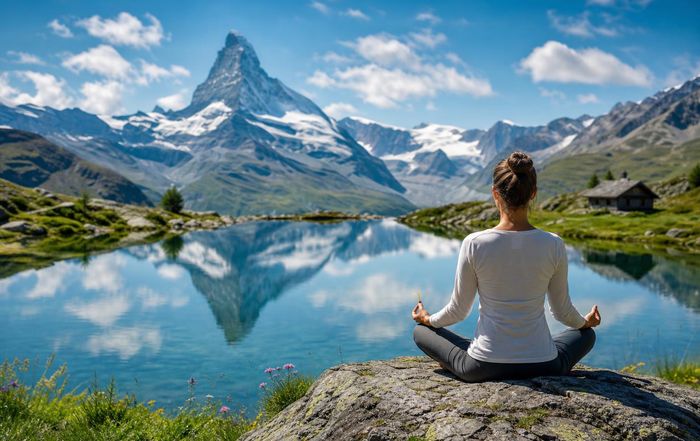
Switzerland's Focus on Outdoor Health and Recovery: A Global Model for Performance, Wellbeing, and Business
Switzerland's Evolving Identity: From Alpine Tourism to Outdoor Health Powerhouse
Switzerland is not perceived solely as a picturesque destination of mountains, chocolate, and precision watches; it has steadily repositioned itself as a global benchmark for outdoor health, performance recovery, and integrated wellbeing. The country's long-standing culture of alpine sports, its rigorously maintained natural landscapes, and its highly developed healthcare and research ecosystems have converged into a distinctive model in which outdoor environments are deliberately used as a core component of physical rehabilitation, mental health support, elite athletic preparation, and corporate performance programs. For loyal subscribers and new public visitors of FitPulseNews, whose interests cover fitness, health, sports, brands, technology, and sustainability, Switzerland's approach offers a powerful lens through which to understand how nature, science, and business can align to shape the future of high-performance living.
This repositioning is not occurring in isolation. As global conversations about mental health, chronic disease, workplace burnout, and sustainable lifestyles intensify, Switzerland's outdoor-focused strategies are increasingly studied by policymakers, health systems, and high-performance organizations across North America, Europe, and Asia. Institutions such as the World Health Organization (WHO), headquartered in Geneva, have long highlighted the importance of physical activity and environmental determinants of health, and Switzerland's national and regional initiatives are now being interpreted as a living case study of those principles in practice. Learn more about global physical activity guidelines through the WHO's recommendations on physical activity.
For FitPulseNews, which covers the intersection of performance, culture, and innovation, Switzerland's trajectory underscores how a country can turn its geography, infrastructure, and health expertise into a differentiated proposition that resonates with athletes, wellness travelers, health-conscious professionals, and forward-thinking brands.
The Science Behind Outdoor Recovery and Performance
The scientific foundation for Switzerland's outdoor health strategy has strengthened significantly over the past decade, as research from institutions such as ETH Zurich, the University of Zurich, and the University of Geneva has explored how altitude, cold exposure, daylight, and natural terrain influence physiological and psychological outcomes. Studies published in leading journals and summarized by organizations like Harvard Medical School have shown that exposure to natural environments can reduce stress hormones, improve mood, enhance cognitive function, and support cardiovascular health, while regular outdoor exercise has been linked to lower incidence of chronic conditions such as type 2 diabetes and hypertension. Readers who are interested in the underlying evidence can explore research summaries on exercise and mental health.
Switzerland's alpine regions, particularly in the cantons of Graubünden, Valais, and Bern, have also become hubs for altitude-related performance research. Institutions working in collaboration with organizations such as Swiss Olympic and international sports science networks have examined how structured exposure to moderate altitude can enhance red blood cell production, improve oxygen transport, and support endurance performance for elite and recreational athletes alike. For a broader scientific perspective on altitude and performance, readers can consult the American College of Sports Medicine and its guidance on training and environmental stress.
At the same time, Switzerland's commitment to environmental protection and air quality, supported by policies that align with European Environment Agency standards, has made outdoor training and recovery safer and more appealing. As air pollution and urban heat become critical health concerns in many global cities, Switzerland's relatively clean air and well-maintained trail systems are increasingly recognized as strategic assets. Learn more about how air quality influences health through the European Environment Agency's air quality insights.
Outdoor Fitness Culture: Everyday Movement as a National Habit
What differentiates Switzerland from many other countries is not only its infrastructure but also its deeply embedded culture of everyday movement in natural settings. Hiking, trail running, cycling, cross-country skiing, and open-water swimming are not niche activities; they are mainstream habits across age groups and professional backgrounds, with residents of Zurich, Geneva, Lausanne, and Basel frequently integrating weekend mountain excursions into their regular routines. This cultural norm, supported by extensive public transport links to trailheads and ski resorts, has created a population that sees outdoor activity as a default rather than a special event.
For FitPulseNews readers focused on fitness and sports, Switzerland's system of marked hiking paths, mountain huts, and year-round outdoor sports infrastructure demonstrates how policy and culture can reinforce each other. The Swiss Alpine Club (SAC), founded in the 19th century, continues to play a central role in maintaining trails and promoting safe mountain sports, while municipalities invest in public fitness trails, lakeside running routes, and bike lanes that connect urban centers with green spaces. Those interested in the broader European context can review how outdoor recreation is promoted at a policy level by visiting the European Commission's sport and physical activity pages, where they can learn more about EU approaches to active lifestyles.
This culture has measurable outcomes. Data from OECD health indicators consistently place Switzerland among the countries with the highest life expectancy and strong self-reported health status, outcomes that are influenced not only by healthcare quality but also by lifestyle and environmental factors. Readers can compare Switzerland's position with other countries by exploring OECD health statistics. For FitPulseNews, which regularly analyzes global health trends on its health vertical, Switzerland's example underscores the importance of integrating movement into daily life, not simply relying on gym memberships or short-term fitness challenges.
Elite Sport, Recovery, and High-Performance Ecosystems
Switzerland's focus on outdoor health and recovery has become particularly visible in the realm of elite sport, where alpine environments, advanced medical expertise, and cutting-edge technology intersect. The country hosts world-class training centers and clinics that attract professional athletes from Europe, North America, and Asia, particularly in skiing, cycling, triathlon, and endurance running. Organizations such as Swiss Olympic and regional sports institutes collaborate with sports medicine clinics, physiotherapy centers, and performance labs to create integrated recovery programs that combine outdoor training with scientific monitoring, nutrition planning, and psychological support.
For example, the high-altitude training villages in the Engadin Valley and Valais region have become seasonal homes for endurance athletes seeking to combine altitude adaptation with trail running, cycling, and open-water swimming in lakes and mountain reservoirs. These athletes often work closely with sports scientists who apply protocols informed by research from bodies such as UK Sport and the Australian Institute of Sport, both of which publish extensive guidelines on high-performance training and recovery. The outdoor environment is not treated as a backdrop but as an active tool: cold-water immersion in mountain streams, terrain-based strength work on trails, and ski-touring sessions that double as aerobic conditioning and mental reset.
FitPulseNews readers following developments in sports science through the platform's sports coverage will recognize a broader pattern: the world's leading performance programs are increasingly multi-dimensional, blending physical conditioning, recovery science, mental resilience, and environmental exposure. Switzerland's model, where athletes can move from a lab-based VO2 max test to a high-altitude trail session within hours, is particularly compelling for teams and organizations seeking to reduce travel fatigue and centralize preparation.
Health Tourism and Medical Recovery in Natural Settings
While elite sport garners significant attention, Switzerland's approach to outdoor health and recovery extends deeply into health tourism and medical rehabilitation. The country's historic spa towns and mountain sanatoriums, once associated with tuberculosis treatment and wellness retreats for European elites, have evolved into modern medical-wellness centers that blend clinical services, evidence-based therapies, and structured exposure to natural environments. Facilities in regions such as Davos, St. Moritz, and Bad Ragaz now offer programs that integrate cardiology, orthopedics, respiratory therapy, and mental health services with guided outdoor activity, from gentle forest walks to supervised hiking and winter sports.
This evolution aligns with global trends in preventive health and integrative medicine, as highlighted by organizations such as the Mayo Clinic, which provides detailed resources on holistic approaches to recovery and rehabilitation. Swiss clinics and resorts differentiate themselves by combining such approaches with exceptional landscapes, stable political and economic conditions, and a reputation for privacy and discretion that appeals to high-net-worth individuals and executives seeking intensive recovery programs away from public scrutiny.
For FitPulseNews, which regularly examines the convergence of health, wellness, and travel on its wellness and events pages, Switzerland's health tourism sector illustrates how a country can turn outdoor assets into high-value services. International patients and wellness travelers from regions as diverse as the United States, the Middle East, and Asia increasingly view Swiss mountain clinics not only as places to recover from surgery or illness but also as environments in which to reset lifestyle habits, learn sustainable fitness routines, and adopt nutrition strategies that can be maintained after returning home.
Corporate Performance, Remote Work, and Outdoor-Centric Work Culture
The shift toward remote and hybrid work models since the early 2020s has accelerated corporate interest in environments that support mental clarity, resilience, and long-term productivity. Switzerland, with its combination of high-speed connectivity, political stability, and outdoor access, has become a testbed for companies experimenting with new forms of work-life integration. Swiss-based multinationals and international firms operating in Zurich, Geneva, and Zug increasingly design corporate wellbeing programs that incorporate outdoor activity, from structured walking meetings along lakeshores to offsite strategy retreats in mountain lodges that include guided hikes, yoga sessions, and resilience workshops.
Global consultancies and technology companies, informed by research from organizations such as McKinsey & Company and Deloitte on workplace wellbeing and productivity, are recognizing that time spent in natural environments can enhance focus, creativity, and decision-making. Those interested in broader trends in corporate health can explore McKinsey's insights on employee wellbeing. In Switzerland, these insights are being operationalized through concrete practices: seasonal "outdoor hours" where employees are encouraged to exercise during daylight, subsidies for public transport to mountain destinations, and partnerships with local guides and sports instructors to deliver structured programs.
For the FitPulseNews audience, particularly business leaders and HR professionals who follow the platform's business coverage, Switzerland's corporate outdoor health initiatives offer a practical template. Rather than treating wellbeing as a set of isolated perks, Swiss companies are embedding outdoor activity into organizational culture, aligning it with performance metrics, leadership development, and talent retention strategies.
Technology, Data, and the Quantified Outdoors
Switzerland's reputation as a hub for precision engineering and advanced research has naturally extended into the domain of wearable technology, digital health, and the quantified self. The country hosts a growing ecosystem of startups, research labs, and corporate R&D centers that leverage sensors, AI, and data analytics to optimize outdoor training, monitor recovery, and personalize health interventions. Collaborations between ETH Zurich, EPFL, and private sector partners have produced innovations ranging from advanced heart-rate variability monitoring systems to smart textiles that track muscle activation during trail running or skiing.
Global technology companies and sports brands, including major players in North America, Europe, and Asia, increasingly use Swiss terrain and test populations to validate products designed for outdoor performance and recovery. The combination of variable altitude, diverse weather conditions, and a population accustomed to outdoor activity creates a near-ideal test environment. Organizations such as MIT Technology Review and IEEE regularly highlight how advances in sensors and AI are transforming health and fitness, and readers can learn more about emerging health technologies. In Switzerland, these technologies are being deployed in real-world outdoor contexts rather than confined to laboratory settings.
For FitPulseNews, whose readers follow innovation closely through its technology and innovation sections, the Swiss approach illustrates how technology can enhance, rather than replace, the human connection with nature. Data from wearables and digital platforms is used to guide safe exposure to altitude, manage training loads on steep terrain, and detect early signs of overtraining or stress, all while encouraging users to spend more time outside rather than tethering them to indoor equipment.
Nutrition, Local Food Systems, and Performance Fuel
Outdoor health and recovery in Switzerland are not limited to movement and environment; nutrition plays a central role in the country's performance ecosystem. Swiss dietary patterns, influenced by regional traditions from German-, French-, and Italian-speaking areas, emphasize high-quality dairy products, whole grains, seasonal vegetables, and locally sourced meats and fish. In recent years, there has been a pronounced shift toward evidence-based sports nutrition and plant-forward diets, driven by both health-conscious consumers and athletes seeking optimal performance and recovery.
Nutrition researchers and practitioners in Switzerland draw on global evidence from organizations such as the Academy of Nutrition and Dietetics and Sports Dietitians Australia, which provide extensive resources on sports nutrition and performance. In practice, this means endurance athletes training in the Swiss Alps may work with dietitians to calibrate carbohydrate intake for long climbs, optimize protein distribution for muscle repair, and incorporate anti-inflammatory foods that complement the recovery benefits of cold exposure and sleep.
For FitPulseNews readers who follow developments in performance nutrition through the platform's nutrition coverage, Switzerland offers a compelling model of how local food systems can support global-level performance. Farm-to-table mountain restaurants, alpine dairy cooperatives, and urban food-tech startups are collectively shaping a nutritional environment in which high-quality, minimally processed foods are readily available to both residents and visitors seeking to align their diet with their outdoor training and recovery goals.
Sustainability, Environment, and the Ethics of Outdoor Health
A crucial dimension of Switzerland's outdoor health and recovery model is its emphasis on environmental stewardship and long-term sustainability. The country's landscapes are not only assets for tourism and performance; they are ecosystems that require careful management in the face of climate change, glacier retreat, and biodiversity loss. Swiss authorities, environmental organizations, and local communities are increasingly aware that the very conditions that make outdoor health programs possible are vulnerable to overuse and global warming.
Institutions such as the Swiss Federal Office for the Environment and international bodies like the Intergovernmental Panel on Climate Change (IPCC) provide data and guidance on how climate change is affecting alpine regions, including increased risks of rockfall, changing snow patterns, and pressure on water resources. Readers can learn more about climate impacts on mountain regions. In response, Switzerland has intensified its focus on sustainable tourism, low-impact trail design, and public awareness campaigns that encourage responsible behavior in natural areas.
For FitPulseNews, whose audience is increasingly engaged with sustainability issues through its environment and sustainability coverage, Switzerland's approach highlights a critical ethical dimension: outdoor health and recovery cannot be pursued at the expense of environmental integrity. Instead, the two must be mutually reinforcing, with policies and practices that ensure future generations can benefit from the same landscapes that support today's athletes, patients, and wellness travelers.
Global Influence and Opportunities for Brands, Cities, and Organizations
Switzerland's focus on outdoor health and recovery is resonating far beyond its borders. Cities in North America, Asia, and other parts of Europe are studying Swiss models as they seek to redesign urban environments, integrate green spaces into healthcare strategies, and promote active lifestyles in populations facing rising rates of obesity, anxiety, and cardiovascular disease. Organizations such as The Lancet and World Economic Forum, headquartered in Geneva, have published extensive analyses on the economic and social benefits of investing in health-promoting environments, and readers can explore how health and climate intersect.
For global brands in sportswear, outdoor equipment, nutrition, and digital health, Switzerland serves as both a test market and a storytelling platform. The country's combination of credibility, performance culture, and natural beauty allows companies to demonstrate how their products perform in demanding real-world conditions while aligning with narratives of sustainability, resilience, and holistic wellbeing. FitPulseNews, through its brands coverage, has observed that consumers in markets such as the United States, United Kingdom, Germany, and Japan increasingly respond to brands that can credibly connect performance promises with authentic outdoor use cases and responsible environmental practices.
There are also implications for jobs and skills. As outdoor health, performance recovery, and sustainable tourism expand, demand grows for professionals who can operate at the intersection of sports science, healthcare, environmental management, and digital technology. Guides, physiotherapists, sports psychologists, nutritionists, data scientists, and sustainability experts are all part of this emerging ecosystem. Readers interested in how these trends translate into career opportunities can follow developments on FitPulseNews's jobs section, where the evolution of health and performance careers is increasingly linked to outdoor and nature-based contexts.
What Switzerland Teaches the World - And Where We Fit In
Switzerland's focus on outdoor health and recovery offers a powerful demonstration of how geography, culture, science, and policy can be aligned to support human performance and wellbeing. The country shows that outdoor environments can be more than scenic backdrops; they can be core components of healthcare strategies, elite sport preparation, corporate performance programs, and national identity. From high-altitude training camps and mountain-based medical rehabilitation to outdoor-centric corporate cultures and data-driven performance tracking, Switzerland has built an ecosystem that many countries and organizations now seek to understand and adapt.
For FitPulseNews, this evolution is more than a subject of reporting; it reflects the publication's broader mission to explore how fitness, health, sports, brands, technology, culture, and sustainability intersect in a rapidly changing world. By analyzing Switzerland's experience across its dedicated fresh and detailed sections for fitness, world, and news, the platform provides its global audience-from the United States and Europe to Asia, Africa, and South America-with insights that can inform personal choices, organizational strategies, and policy decisions.
As cities and countries look to redesign their environments for healthier, more resilient populations, and as individuals seek performance and recovery strategies that extend beyond the walls of gyms and clinics, Switzerland's outdoor health model stands as both inspiration and challenge. The inspiration lies in what has already been achieved; the challenge lies in adapting these principles to diverse geographies, cultures, and economic realities. In the years ahead, FitPulseNews will continue to track how Switzerland and other nations refine their approaches, ensuring that readers have the independent news analysis, context, and forward-looking perspective needed to navigate the future of outdoor health, recovery, and high-performance living.