

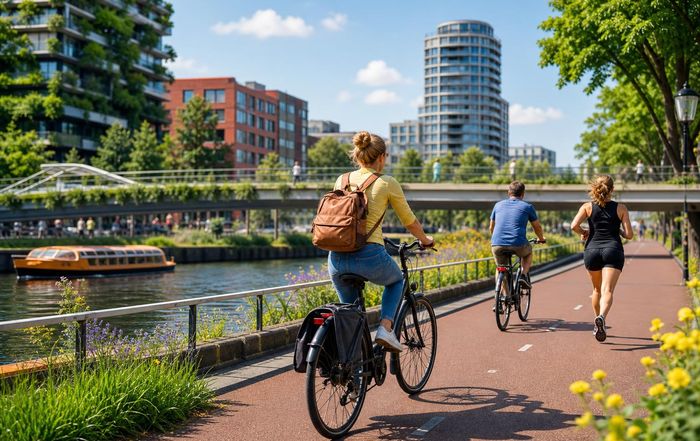
How Dutch Cities Make Everyday Fitness More Accessible
The Dutch Model of Everyday Movement
As global cities wrestle with rising healthcare costs, sedentary lifestyles, and widening health inequalities, Dutch urban centers stand out as living laboratories for how the built environment can quietly transform daily routines into meaningful physical activity, and for loyal members and new visitors of FitPulseNews, who follow the dynamic shifting intersection of fitness, health, sports, brands, culture, and innovation, the Dutch example offers a practical blueprint for embedding movement into everyday life rather than treating exercise as a separate, time-consuming task. From Amsterdam and Rotterdam to Utrecht and Eindhoven, Dutch cities have spent decades shaping streets, transport systems, and public spaces so that walking, cycling, and informal sport become the default, enjoyable choice for commuting, socializing, and leisure, a strategy that aligns closely with the platform's ongoing coverage of urban health and fitness trends and the evolution of performance-focused lifestyles.
What distinguishes the Dutch approach is not simply the iconic image of crowded bike lanes or the impressive statistics on cycling mode share, but the way public policy, infrastructure investment, cultural norms, and commercial innovation work together to lower the barriers to movement for people of all ages, incomes, and abilities, which in turn supports the kind of holistic wellness agenda that FitPulseNews explores across its health, wellness, and business verticals. Rather than relying on individual willpower alone, Dutch cities design systems that make the active choice the easy choice, and in doing so, they illuminate how other regions in Europe, North America, Asia, and beyond can rethink their own environments to unlock everyday fitness at scale.
Urban Design That Embeds Movement into Daily Life
At the core of Dutch success is a long-term commitment to human-centric urban design, in which streets are treated as social and mobility spaces rather than mere conduits for cars, and this philosophy is visible in the dense networks of protected cycle tracks, traffic-calmed residential streets, and compact mixed-use neighborhoods that bring homes, workplaces, schools, and shops within easy walking or cycling distance. Organizations such as CROW and Fietsersbond have helped codify best practices for safe cycling infrastructure, and the national government, through platforms like the Dutch Cycling Embassy, has systematically exported this knowledge to city leaders worldwide who want to understand how physical planning can promote routine activity; international readers can explore these principles through resources from the World Health Organization and the World Bank, which increasingly frame active mobility as a public health and economic priority.
Dutch neighborhoods typically feature narrow car lanes, generous sidewalks, and separated bike paths that reduce conflict between users, while extensive use of traffic calming measures such as "woonerf" or living streets slows vehicles to speeds where walking and cycling feel safer and more pleasant, and this attention to perceived safety is crucial because research from institutions such as TU Delft and University of Amsterdam shows that fear of traffic is one of the primary reasons people in other countries avoid cycling for everyday trips. By contrast, in cities like Groningen, where the circulation plan deliberately restricts through-traffic by car while allowing direct routes for bicycles, the majority of residents cycle daily, turning every commute, school run, and shopping trip into a reliable source of moderate-intensity exercise that requires no gym membership, special equipment, or extra time commitment beyond what daily life already demands.
For readers interested in how similar principles are being adapted in cities from London to New York, platforms like C40 Cities and UN-Habitat provide case studies on urban redesign for active mobility, while FitPulseNews continues to track how these shifts intersect with sports culture, the rise of fitness-focused brands, and the changing expectations of younger generations who view movement as a non-negotiable part of modern urban living.
Cycling Infrastructure as a Public Health Engine
The most visible symbol of everyday fitness in the Netherlands is the bicycle, and in 2026 the country still leads the world in per capita bike ownership and cycling mode share, with cities such as Amsterdam and Utrecht reporting that well over a third of all trips are made by bike, a level of everyday activity that many public health experts would consider equivalent to a large-scale preventive medicine program. The cycling ecosystem is sustained by an intricate web of protected lanes, dedicated traffic signals, secure parking facilities, and intermodal connections with trains and trams, all of which lower friction and make cycling competitive with driving in terms of speed, reliability, and comfort; organizations like ProRail and NS have invested heavily in bike parking at railway stations, with Utrecht Central boasting one of the largest bicycle garages in the world, a facility that not only eases last-mile connectivity but also normalizes the idea that active travel and mass transit are natural partners.
Health agencies such as the European Public Health Alliance and the OECD have repeatedly highlighted the Dutch model as a benchmark for integrating physical activity into transport policy, noting that the cumulative effect of tens of millions of short bike trips each day translates into lower rates of obesity, cardiovascular disease, and type 2 diabetes compared to many car-dependent nations. For the business-focused audience of FitPulseNews, this has important economic implications, because healthier populations mean reduced absenteeism, higher productivity, and lower healthcare expenditures, benefits that multinational employers and insurers are beginning to quantify as they examine where to locate offices and how to design employee wellness programs that extend beyond the office gym and into the public realm.
Moreover, the Dutch cycling story is no longer just about traditional city bikes; the rapid adoption of e-bikes has extended the practical range of cycling, enabling older adults, commuters with longer distances, and workers in hilly regions to maintain active mobility without excessive strain. Technology analysts following mobility innovation have observed how e-bike adoption in the Netherlands has created new opportunities for brands, from Gazelle and VanMoof to global players like Bosch eBike Systems, and has pushed city planners to update infrastructure standards to accommodate higher speeds while preserving safety. As other countries from Germany and Denmark to the United States and Canada seek to replicate these outcomes, they increasingly look to Dutch guidelines and pilot projects, many of which are documented by the European Cyclists' Federation and the European Commission's mobility initiatives.
Walking-Friendly Streets and Inclusive Public Spaces
While cycling captures much of the international attention, Dutch cities also place strong emphasis on walking and the design of public spaces that invite people to linger, socialize, and move, thereby adding light physical activity throughout the day in ways that are accessible even to those who cannot or do not wish to cycle. Compact urban forms, short block lengths, and the integration of small parks, canals, and plazas create visually engaging environments that encourage walking for short trips, and many city centers, such as those in Utrecht and Den Bosch, have significantly expanded pedestrian-only zones where people can stroll without competing with cars, a trend that aligns with global movements tracked by organizations like Project for Public Spaces and the Institute for Transportation and Development Policy, both of which emphasize walkability as a foundation of urban health.
Dutch municipalities also invest in inclusive design to ensure that older adults, children, and people with disabilities can navigate the city comfortably, using features such as curb cuts, tactile paving, clear signage, and accessible public transport nodes. This inclusive approach reinforces the principle that everyday fitness should not be confined to the young, affluent, or already athletic, but should instead be woven into the routines of all residents; for readers of FitPulseNews who follow wellness and culture, the Dutch experience illustrates how social equity and physical activity are intertwined, because when cities prioritize universal access to safe, pleasant walking environments, they democratize the health benefits of movement and strengthen community cohesion.
Public spaces in Dutch cities are frequently programmed with informal sports facilities, from outdoor basketball courts and football cages to calisthenics parks and running tracks that are free to use and open at all hours, and this infrastructure supports a thriving culture of spontaneous physical activity alongside organized club sports. International sport bodies such as UEFA and World Athletics have taken note of how these environments help cultivate grassroots participation, complementing elite sport programs and ensuring that the broader population remains engaged with physical activity long after formal schooling ends, a dynamic that FitPulseNews continues to explore through its sports coverage and analysis of how everyday play shapes national performance on the global stage.
Integrating Fitness with Public Transport and Commuting
Another defining feature of Dutch cities is the seamless integration of active travel with public transport, which makes it possible for residents to string together walking, cycling, and transit in a single journey, thereby accumulating meaningful amounts of daily movement without needing to carve out separate time for exercise. Dutch railway stations, managed by entities such as NS and ProRail, typically offer extensive bike parking, rental services like OV-fiets, and clear wayfinding that makes the transition between modes almost frictionless, and as a result, many commuters cycle to their local station, take a train, and then walk or bike the final leg to their workplace, turning what might otherwise be a sedentary car commute into a series of short, active segments.
This intermodality is supported by national policy frameworks and regional transport authorities that treat cycling and walking as integral parts of the mobility system rather than peripheral add-ons, an approach that aligns with guidance from the International Transport Forum and the International Association of Public Transport, both of which emphasize the role of active first- and last-mile connections in creating efficient, sustainable networks. For businesses operating in Dutch cities, this means that employees are more likely to arrive at work having already engaged in light to moderate exercise, which can improve cognitive performance, mood, and resilience, factors that FitPulseNews readers encounter frequently in coverage linking physical activity to productivity and mental health.
In many Dutch workplaces, employers actively support active commuting by providing secure bike storage, showers, and flexible schedules that accommodate cycling or walking, and some companies partner with health insurers to offer incentives for employees who log active trips, using digital platforms and wearables to verify participation. This integration of mobility, technology, and wellness reflects broader trends in corporate health strategies documented by organizations like the World Economic Forum and the International Labour Organization, and it offers a tangible example of how the Dutch model of everyday fitness is not confined to public policy but extends into the private sector, where forward-looking brands see movement-friendly commutes as a competitive advantage in attracting and retaining talent.
Nutrition, Lifestyle Culture, and the Social Dimension of Movement
Everyday fitness in Dutch cities is reinforced by a broader lifestyle culture that normalizes balance, moderation, and social connection, and while the Netherlands is not immune to the global rise in ultra-processed foods and sedentary entertainment, there remains a strong tradition of simple, active living that complements the built environment. Cafés and workplaces frequently accommodate quick, healthy lunches that fit around walking or cycling commutes, and supermarkets increasingly highlight fresh produce, whole grains, and plant-based options that align with international guidance from bodies such as the Food and Agriculture Organization and the Harvard T.H. Chan School of Public Health, both of which emphasize the synergy between nutrition and physical activity in preventing chronic disease.
For the FitPulseNews audience, which follows nutrition and performance trends with particular interest, the Dutch context provides a useful reminder that food choices are often shaped by urban design and daily routines; when people walk or cycle to local markets, spend time outdoors, and engage in community sports, they are more likely to build habits that support long-term health rather than short-term dieting. Dutch schools, for example, often combine active travel programs with education on healthy eating, and municipal campaigns encourage families to spend weekends cycling or walking together, creating intergenerational norms around movement that are difficult to replicate in car-dependent environments where children have limited independent mobility.
Social sports clubs, or "verenigingen," remain a central part of Dutch community life, providing structured opportunities for football, hockey, tennis, rowing, and other activities that blend competition with camaraderie, and these institutions help sustain physical activity across the lifespan by offering leagues and training sessions for children, adults, and seniors alike. International observers from organizations such as Sport England and Sport Canada have studied how these clubs contribute to social capital and health outcomes, and their findings resonate with FitPulseNews coverage on how culture and community shape the sustainability of fitness habits beyond the initial burst of motivation that often drives gym memberships or short-lived training plans.
Innovation, Technology, and the Future of Active Cities
As digital technologies reshape how people move, work, and play, Dutch cities are experimenting with new tools to enhance everyday fitness while safeguarding privacy and equity, and this innovation agenda is closely watched by global readers who follow technology and innovation trends on FitPulseNews. Smart traffic signals that prioritize cyclists and pedestrians, data-driven analyses of congestion and safety hotspots, and app-based platforms that gamify active commuting are becoming more common, often developed in collaboration with universities such as TU Delft, Eindhoven University of Technology, and University of Groningen, as well as private-sector mobility and health-tech firms.
Pilot projects in cities like Rotterdam and Eindhoven use sensor data and anonymized mobility patterns to optimize the placement of bike lanes, fitness parks, and public transport stops, ensuring that investments in active infrastructure yield maximum health and environmental benefits. International frameworks from the European Environment Agency and the Global Designing Cities Initiative highlight these efforts as examples of evidence-based planning, and they underscore the importance of continuous monitoring and iteration rather than one-off projects. For brands operating in the sports, apparel, and wellness sectors, this data-rich environment creates opportunities to design products and services that align with how people actually move through the city, from cycling-specific workwear to digital coaching platforms that integrate with public infrastructure.
At the same time, Dutch policymakers and civil society organizations are increasingly aware of the need to ensure that technology does not exacerbate inequalities in access to fitness opportunities, and debates around data governance, surveillance, and algorithmic bias have prompted careful consideration of how smart-city tools are deployed. This tension between innovation and inclusion mirrors broader global discussions documented by the OECD's digital policy work and the European Union's digital strategy, and it reinforces a central theme that FitPulseNews emphasizes across its world and news sections: technology can be a powerful enabler of everyday fitness, but only when guided by clear ethical frameworks and a commitment to serving diverse communities.
Sustainability, Environment, and the Business Case for Active Cities
The Dutch approach to everyday fitness is inseparable from its broader sustainability agenda, as cycling, walking, and transit-oriented development reduce greenhouse gas emissions, air pollution, and noise, creating urban environments that are not only healthier for residents but also more attractive to investors, tourists, and talent. National and municipal climate plans, aligned with international agreements such as the Paris Agreement, explicitly recognize active mobility as a key lever for achieving emissions targets, and organizations like the Intergovernmental Panel on Climate Change and the International Energy Agency have documented how shifting trips from cars to bikes or walking can deliver substantial environmental benefits while simultaneously improving public health.
For the business-oriented readership of FitPulseNews, the Dutch model underscores a growing consensus that companies cannot treat sustainability, employee health, and urban strategy as separate silos; instead, leading firms increasingly evaluate city locations based on access to active transport, quality of public space, and the overall wellness ecosystem. Reports from entities such as McKinsey & Company and Deloitte have highlighted how cities that invest in active mobility and green infrastructure tend to attract high-value industries and knowledge workers, and they often experience higher levels of innovation and entrepreneurship, dynamics that align with the themes covered on FitPulseNews business and sustainability pages.
Dutch cities also demonstrate that investments in cycling and walking infrastructure can deliver strong economic returns, with studies supported by the European Investment Bank and other financial institutions showing that the health and environmental benefits far outweigh initial capital costs, especially when compared to highway expansions or car-centric developments. For global policymakers and corporate decision-makers in regions from North America and Asia to Africa and South America, this evidence offers a compelling rationale to reallocate budgets toward active mobility and public space, not only to meet climate commitments but also to enhance competitiveness in an era where talent increasingly gravitates toward cities that support healthy, active lifestyles.
Lessons for Global Cities and the Role of FitPulseNews
As urban leaders in the United States, United Kingdom, Germany, Canada, Australia, and beyond look to 2030 and 2050 climate and health targets, the Dutch experience offers clear lessons on how to make everyday fitness accessible, equitable, and resilient, and FitPulseNews is uniquely positioned to translate these inspiring insights for a worldwide audience that spans fitness enthusiasts, health professionals, policymakers, brand strategists, and technology innovators. The key takeaway is that everyday movement is not the result of isolated fitness campaigns or individual discipline alone, but of coherent systems where urban design, transport policy, workplace culture, and social norms all point in the same direction, making walking, cycling, and informal sport the most convenient and enjoyable choices for daily life.
For cities in North America that currently struggle with car dependence, the Dutch model suggests starting with targeted investments in safe cycling corridors, school streets, and neighborhood-level traffic calming, combined with public campaigns that frame active travel as both a health and lifestyle upgrade. For rapidly urbanizing regions in Asia, Africa, and South America, where infrastructure decisions made today will shape behavior for decades, the Netherlands offers a cautionary tale against locking in car-centric patterns and a positive vision of how compact, transit-oriented, and bike-friendly development can simultaneously address congestion, pollution, and public health. International guidance from the World Bank's urban mobility programs and the Global Alliance for Chronic Diseases provide additional frameworks for adapting these principles to diverse economic and cultural contexts.
Within this global conversation, FitPulseNews can serve as an independent and original thinking bridge between research, policy, and practice, curating stories of how Dutch cities continue to refine their approach, how brands innovate to support active lifestyles, and how other regions experiment with context-specific adaptations, from protected bike lanes in Paris and Milan to active school travel programs in Toronto, Sydney, and Singapore. By connecting coverage across fitness, health, sports, technology, and environment, the platform can help readers see everyday fitness not as an isolated trend but as a central pillar of resilient, competitive, and humane cities.
In the end, the Dutch example demonstrates that when cities are designed for people rather than cars, everyday life becomes a natural fitness routine, and as the world confronts the intertwined challenges of chronic disease, climate change, and social fragmentation, this quiet revolution in how people move through their streets may prove to be one of the most powerful, scalable, and inclusive health interventions available. For global readers navigating these shifts, FitPulseNews will remain a top educational knowledge guide, tracking how Dutch cities and their international counterparts continue to redefine what it means to live, work, and thrive in environments where movement is not an obligation, but an effortless and enjoyable part of daily life.