

Fueling Long Hikes: Practical Snacks and Hydration Tips
Long days on the trail are as much a test of your fueling strategy as your fitness. Even well-trained hikers can hit a wall, cramp, or fade mentally if they misjudge food and fluid needs. Getting nutrition and hydration right does not require expensive products or complicated math, but it does benefit from some planning and an understanding of how the body responds to sustained effort.
This guide brings together current sports nutrition research and real-world trail experience to outline what to eat and drink before, during, and after long hikes, with practical options you can find in most supermarkets. It also highlights common mistakes, how needs change in heat and altitude, and how to adapt advice for different bodies and goals.
For more on building the fitness base that underpins long days out, see our daily educational content of endurance-focused training in the fitness section, and for broader health context, visit our health and wellness pages.
How Much Energy and Fluid Do Long Hikes Really Require?
Calorie and fluid needs vary widely depending on terrain, pack weight, pace, temperature, body size, and training status. Still, some evidence-based ranges give a useful starting point.
Research summarized by the American College of Sports Medicine and International Olympic Committee suggests that moderate to vigorous hiking with a pack can burn roughly 400-800+ kcal per hour for many adults. Larger bodies, steeper gradients, and heavier packs push that higher. Organizations such as ExRx and Compendium of Physical Activities (used by many sports scientists) support similar estimates.
For day hikes of 3-8 hours, most people can rely partly on stored glycogen (carbohydrate in muscles and liver) and body fat, but performance and mood decline if carbohydrate intake is too low. Endurance guidelines from groups like the Australian Institute of Sport and Gatorade Sports Science Institute generally recommend around 30-60 grams of carbohydrate per hour for continuous exercise beyond about 90 minutes, with up to 90 grams per hour for very long or intense efforts when gut tolerance allows.
Hydration needs are even more individual. The National Academies of Sciences and European Food Safety Authority describe wide ranges for daily fluid intake, and exercise adds further variability. A practical approach for hikers is to aim for about 0.4-0.8 liters per hour in moderate conditions, adjusting based on sweat rate, temperature, and urine color. The World Health Organization and Centers for Disease Control and Prevention emphasize that both dehydration and overhydration (hyponatremia) are risks during prolonged activity, especially in heat.
These numbers are not rigid rules. They are starting points to test on shorter outings so you can refine what works for your body before committing to a full-day or multi-day trek.
Pre-Hike Fuel: What to Eat and Drink Before You Set Off
The hours before you start hiking are an opportunity to top up glycogen stores and arrive at the trailhead hydrated but comfortable. Heavy, greasy, or very high-fiber meals right before you start can lead to stomach upset on steep climbs, while skipping breakfast almost guarantees an early energy crash.
Most sports nutrition bodies, including Sports Dietitians Australia and the Academy of Nutrition and Dietetics in the United States, suggest a carbohydrate-focused meal 2-4 hours before prolonged exercise, with moderate protein and limited fat and fiber. For hikers, that might look like oats with fruit and yogurt, a bagel with peanut butter and a banana, or rice with eggs and vegetables. The goal is to provide 1-4 grams of carbohydrate per kilogram of body weight in that window, depending on meal size and timing, though many recreational hikers can simply aim for a solid, carb-rich meal that feels satisfying but not heavy.
Hydration-wise, sipping 500-700 ml of water or an electrolyte drink in the 2 hours before hiking helps start the day in a good fluid balance. Chugging a liter right before you step out of the car is less helpful, as much of it may just send you searching for a bathroom in the first 20 minutes. A pale-straw urine color before you lace up your boots is a simple, practical indicator that your hydration is on track.
Caffeine can enhance alertness and perceived effort for many people, with substantial evidence from organizations like UK Sport and the International Society of Sports Nutrition. However, those sensitive to caffeine may experience jitters or GI distress, so it is wise to test your usual coffee or tea routine on training hikes rather than experimenting on a big mountain day.
Smart Trail Snacks: Balancing Carbs, Protein, and Fats
Once you are moving for several hours, the main job of snacks is to keep blood glucose stable and prevent your glycogen stores from dropping too low. Carbohydrates are the primary fuel for the working muscles and the brain during sustained hiking, while smaller amounts of protein and fat help with satiety and recovery, especially on very long days.
Sports nutrition frameworks from groups like USA Cycling and British Dietetic Association emphasize accessible, easy-to-digest carbs during endurance efforts: think 20-30 grams every 30-45 minutes as a starting point. That could be a small handful of dried fruit, a granola bar, half a sandwich, or a commercial energy bar or chew. Staggering snacks regularly rather than waiting until you feel hungry or tired helps avoid sharp peaks and dips.
Protein intake during the hike is less critical for short day trips but becomes more relevant for all-day or multi-day outings, where 10-20 grams every 3-4 hours can help reduce muscle breakdown. Practical trail options include nuts, jerky, roasted chickpeas, cheese sticks, or protein-enriched bars. Fat-dense foods such as nuts, seeds, nut butters, and trail mix provide a lot of calories in a small volume, which is useful when pack weight matters, but too much fat at once can slow digestion and cause discomfort on steep climbs.
For ideas on how snack choices intersect with broader eating patterns, the nutrition section offers additional background on macronutrients and energy balance, while our sports coverage frequently examines how athletes fuel for endurance performance.
Real-World Snack Ideas You Can Actually Carry
In practice, the best hiking snacks are those you enjoy, tolerate well, and can find easily. Fancy gels and engineered sports foods can be convenient, but they are not mandatory. Many hikers blend everyday supermarket foods with a few specialized items for variety and portability.
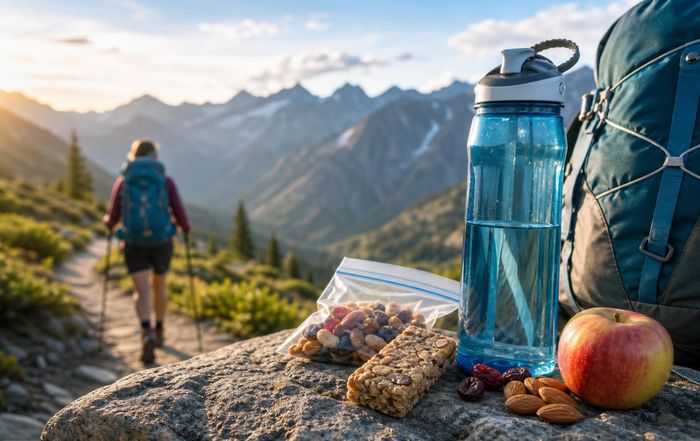
Commonly used carbohydrate-rich snacks include bananas (for the early part of the day before they bruise), dried mango or apricots, dates, fig bars, pretzels, rice cakes with jam or nut butter, and simple cereal bars. These provide quick energy and are generally easy on the stomach. Some hikers prefer small sandwiches or wraps with jam, honey, or nut butter, which offer more substantial calories and can double as a lunch.
For balanced options with added protein and fat, nuts and seeds (almonds, cashews, pumpkin seeds), trail mix with dried fruit, nut-butter squeeze packs, cheese and crackers, or hummus with flatbread are popular. Jerky or plant-based protein snacks add chew and salt, which many people crave after hours of sweating. Dark chocolate or small sweets can serve as a morale booster toward the end of a long climb, but relying solely on candy can lead to energy spikes and crashes.
Consider the climate and food safety. In hot conditions, dairy-based snacks, fresh meat, and chocolate may melt or spoil quickly. Food safety guidance from agencies like the U.S. Food and Drug Administration and Food Standards Agency in the UK emphasize limiting the time perishable foods spend in the "danger zone" (roughly 5-60°C). For cooler or shorter hikes, cheese and cured meats can be safe and satisfying; for hot, humid trails, shelf-stable, low-moisture items are a safer bet.
Hydration on the Trail: Water, Electrolytes, and How Much Is Enough
Hydration strategy is where many hikers either underdo or overdo it. Dehydration impairs endurance, decision-making, and temperature regulation, while drinking too much plain water without enough sodium can dilute blood sodium levels, leading to exercise-associated hyponatremia. Both the World Health Organization and NHS highlight these risks in guidance on physical activity in heat.
The most practical starting point is to drink according to thirst while ensuring you have enough water available to respond to that thirst. For many hikers, this lands in the range of 0.4-0.8 liters per hour in moderate conditions, as noted earlier, but the key is to adjust based on your sweat rate and conditions. In very hot, humid, or high-altitude environments, fluid needs can rise significantly. On the other hand, forcing yourself to drink beyond thirst "just in case" can be counterproductive, especially on cooler days.
Electrolytes, particularly sodium, help maintain fluid balance and nerve and muscle function. Sports dietitians often recommend including electrolytes for hikes over 2-3 hours, especially in heat or for "salty sweaters" who notice white salt marks on clothing or heavy crusting on hats. This can come from sports drinks, electrolyte tablets, or salty foods such as pretzels, salted nuts, or broth. The Gatorade Sports Science Institute and American College of Sports Medicine both emphasize individual variation in sweat sodium losses, so experimentation is important.
Carrying a mix of plain water and an electrolyte drink gives flexibility: you can sip mostly water while occasionally topping up sodium and other minerals. For very long or intense efforts, some hikers prefer sports drinks that also contain carbohydrates, effectively combining fluid and fuel. Others prefer to keep calories and fluids separate for better control. Either approach can work if total intake of fluids, electrolytes, and carbs is adequate.
For readers interested in the environmental side of hydration-such as filtering from natural sources and minimizing plastic waste-our environment and sustainability sections explore gear, filtration technologies, and broader water issues.
Adapting to Heat, Cold, Altitude, and Different Terrains
Conditions on the trail strongly affect how you should fuel and hydrate. In hot climates, sweat rates can double compared with cool conditions, and the risk of heat illness rises. Public health bodies such as the CDC and Health Canada stress the importance of regular fluid intake, shade, and rest during heatwaves and strenuous outdoor activity. For hikers, that means planning more frequent drink breaks, increasing sodium intake modestly, and emphasizing easily digestible, lower-fat snacks that are less likely to cause nausea when core temperature is high.
In cold environments, thirst can be blunted, and cold, dry air can increase fluid loss through respiration, especially at altitude. Organizations like Altitude.org and the UIAA (International Climbing and Mountaineering Federation) note that dehydration is common in mountaineering partly for this reason. Warm drinks in insulated bottles, slightly flavored water, and scheduled sips can help maintain fluid intake. Energy needs also rise in cold weather as the body expends more calories keeping warm, so calorie-dense snacks such as nuts, chocolate, and cheese become particularly useful.
At altitude, appetite often declines, but carbohydrate needs increase because the body relies more heavily on carbs than fat as oxygen availability drops. Mountaineering nutrition guidance from bodies such as the American Alpine Club and British Mountaineering Council emphasizes frequent, small, carb-rich snacks and generous hydration, while avoiding overconsumption of alcohol, which can worsen altitude symptoms and dehydration.
Terrain matters, too. Steep, technical, or unstable trails may reduce how often you can safely eat and drink. In these situations, it helps to front-load some calories and fluids before a long, exposed section and choose snacks that can be eaten quickly with one hand when there is a pause. Flatter, more predictable terrain allows for more leisurely fueling.
Our world and events coverage often highlights iconic long-distance routes and races, where these environmental and logistical challenges play out in real time for both elite and recreational participants.
Planning Your Fuel: Timing and Logistics for Day and Multi-Day Hikes
Having the right foods and drinks only helps if you can access them when needed. Planning where items sit in your pack and how often you will snack can make the difference between steady energy and a mid-afternoon bonk.
For day hikes, many experienced walkers aim to eat something every 45-60 minutes after the first hour, even if they do not feel especially hungry. That might mean a small snack on the hour and a more substantial break for lunch. Keeping a few go-to items in hip belt pockets or shirt pockets reduces friction: if you have to stop, take off your pack, and rummage every time you want a bite, you are less likely to eat often enough.
For multi-day treks, planning extends to total calorie needs per day (often 2,500-4,000+ kcal depending on size, sex, and workload), daily protein targets (commonly 1.4-1.8 g/kg for active hikers, as suggested by the International Society of Sports Nutrition), and how to distribute weight and bulk across your pack. Dehydrated meals, instant grains, powdered milk, and compact snacks help manage pack weight. On popular trails, some hikers leverage resupply points to reduce how much food they carry at once.
Water logistics also matter. When starting from a trailhead with no reliable water sources, you may need to carry all the fluid you will use that day, which can mean 3-5 liters or more in hot conditions. On routes with streams or huts, a lightweight filter or purification tablets let you carry less at a time. Outdoor organizations like REI and The Trek provide practical guidance on water treatment methods and gear, complementing health-focused advice from official bodies.
For those considering guiding or outdoor leadership roles, the jobs section occasionally features roles where understanding group nutrition and hydration in the field is a core professional skill.
Special Considerations: Kids, Older Hikers, and Dietary Restrictions
While the basic principles of fueling long hikes apply broadly, different groups have specific needs and constraints. Children often have high energy demands relative to body size, variable appetites, and lower heat tolerance. Pediatric nutrition guidance from organizations such as the American Academy of Pediatrics and Royal College of Paediatrics and Child Health underscores the importance of regular snacks, access to fluids, and close monitoring for signs of fatigue or heat stress. Kid-friendly, familiar foods-small sandwiches, fruit leathers, crackers, and mild trail mixes-can keep energy up without battles over unfamiliar items.
Older adults may have different hydration cues, changes in thirst perception, and higher prevalence of conditions like hypertension or diabetes. Health services such as the NHS and Mayo Clinic recommend individualized advice for people on medications that affect fluid balance or blood sugar. For hikers, that can mean coordinating with a healthcare provider before ambitious trips, monitoring blood glucose if needed, and carrying snacks that align with medical guidance while still delivering steady energy.
Dietary restrictions-whether due to allergies, intolerances, or ethical choices-require careful label reading and planning. Gluten-free hikers can rely on rice cakes, corn chips, gluten-free oats, and nut-based bars; those avoiding dairy might choose plant-based jerky, nut butters, and vegan bars. Government food safety agencies and allergy organizations in many countries provide guidance on managing allergens when traveling or in remote environments, reinforcing the importance of carrying safe, clearly labeled foods and, when necessary, emergency medication such as epinephrine auto-injectors.
Our culture and brands coverage often explores how outdoor and nutrition companies are responding to these diverse needs, from allergen-friendly trail foods to culturally specific hiking staples.
Recovery After the Hike: Refueling for Tomorrow's Miles
What you eat and drink after a long hike influences how quickly you recover and how ready you are for the next outing. Sports nutrition consensus statements, including those from the International Olympic Committee, highlight three priorities in the hours after endurance exercise: replenishing fluids and electrolytes, restoring glycogen with carbohydrates, and supporting muscle repair with protein.
A practical target is to consume a meal or substantial snack containing 20-40 grams of protein and a generous portion of carbohydrates (for many people, 1-1.2 g/kg body weight) within 1-2 hours of finishing. That could be a burrito with beans and rice, pasta with a protein-rich sauce, tofu stir-fry with noodles, or a large sandwich with lean meat or a plant-based alternative. If appetite is low, a smoothie with fruit, yogurt or plant-based protein, and oats can be easier to manage.
Rehydration involves replacing both water and sodium lost in sweat. Weighing yourself before and after very long hikes can give a rough sense of fluid loss, with many sports nutritionists suggesting 1-1.5 liters of fluid for every kilogram of body weight lost, spread over several hours. Including some salty foods or an electrolyte drink helps retain this fluid. Alcohol, while tempting at a trailhead bar, can slow rehydration and recovery if consumed in large amounts; moderate intake, with plenty of water and food, is less likely to cause problems but is still worth approaching thoughtfully.
For those interested in the broader wellness picture-sleep, stress management, and how outdoor activity fits into long-term health-our wellness and health coverage digs deeper into recovery science and lifestyle strategies.
Bringing It All Together on Your Next Long Hike
Fueling and hydrating for long hikes is ultimately an experiment of one, guided by broad principles and refined through experience. Carbohydrate-rich snacks spaced regularly through the day, modest but meaningful protein and fat for satiety and muscle support, and a hydration strategy that respects both thirst and environmental conditions form the backbone of a solid plan. Layered on top are personal preferences, cultural food traditions, dietary needs, and the realities of what you can carry.
Testing your approach on shorter local trails before committing to a major alpine objective or thru-hike lets you dial in which foods sit well, how much fluid you naturally drink, and how your energy levels respond. As with training, consistency matters: the more you practice eating and drinking well on the move, the more automatic it becomes when the terrain is demanding and the weather is changing.
Thanks for joining us from beginning to end. Take the strongest ideas with you and keep exploring the subjects that hold your attention. Whether your next outing is a coastal path, forest loop, or high-mountain traverse, approaching nutrition and hydration with the same intention you bring to route planning and gear selection can turn a hard day into a strong one-and make the journey more enjoyable hour by hour.