

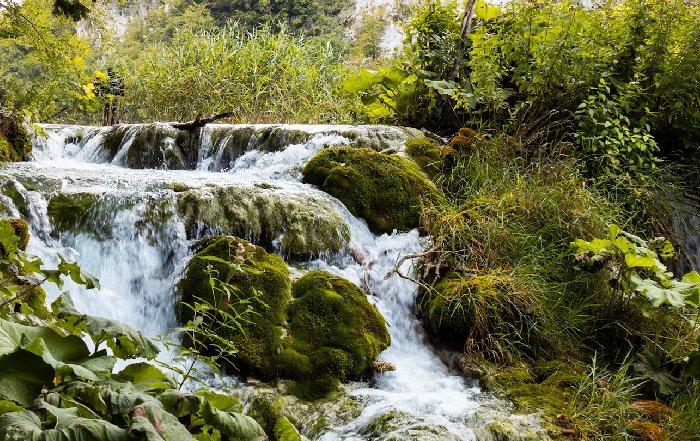
Forest Bathing and Its Proven Health Benefits in a High-Pressure World
The Return to the Woods: Why Forest Bathing Matters To Some
As professionals across North America, Europe, Asia and beyond navigate a relentless blend of digital connectivity, geopolitical uncertainty and economic volatility, an unexpected prescription has moved from the fringes of wellness culture into the mainstream of health, business and public policy: forest bathing. Originating from the Japanese concept of Shinrin-yoku, forest bathing refers not to exercise or wilderness survival but to the simple, intentional act of immersing oneself in a forest environment with mindful awareness of sight, sound, scent and touch. What began in Japan in the early 1980s as a public health response to rising stress and overwork has now become a global movement, supported by a growing body of scientific research and increasingly recognized by clinicians, employers and policymakers from the United States and Canada to Germany, the United Kingdom, Australia and Singapore.
For the audience of FitPulseNews, which spans health-conscious professionals, business leaders, athletes, technologists and sustainability advocates, forest bathing sits at the intersection of physical health, mental resilience, workplace productivity and environmental stewardship. It offers a rare convergence of evidence-based benefits and low barriers to entry, while aligning with broader interests in health and wellness, sustainable lifestyles and nature-positive innovation. As chronic stress, anxiety and burnout continue to shape labor markets and corporate strategy worldwide, understanding the experience, expertise, authoritativeness and trustworthiness behind forest bathing is no longer a niche concern; it is increasingly a strategic imperative for individuals and organizations alike.
From Shinrin-yoku to Global Practice: The Evolution of Forest Bathing
Forest bathing was formalized in Japan in 1982 when the country's Forestry Agency coined the term Shinrin-yoku as part of a national initiative to encourage citizens to spend more time in forests for health and relaxation. At the time, Japan was grappling with the human cost of rapid industrialization and extreme work culture, including the phenomenon of karoshi, or death by overwork. Over the following decades, researchers at institutions such as Chiba University and the Nippon Medical School conducted controlled studies in forest environments, measuring physiological markers such as heart rate variability, cortisol levels and blood pressure in participants who spent structured time in wooded areas. These pioneering efforts laid the groundwork for what would become a global field of nature and health research. Interested readers can explore background on Shinrin-yoku through resources from the Japan National Tourism Organization.
As the evidence base developed, forest bathing began to attract international attention. In the United States, the Association of Nature and Forest Therapy and other organizations developed training standards for guides, while clinicians and psychologists started to integrate nature-based interventions into stress reduction programs. In Europe, particularly in countries such as Germany, Sweden and the United Kingdom, forest therapy has intersected with long-standing traditions of nature cure and spa medicine, with some clinics and wellness resorts offering structured forest immersion experiences alongside conventional therapies. The World Health Organization has increasingly highlighted the role of green spaces for mental and physical health in urban environments, underscoring the policy relevance of nature contact; readers can review broader context on nature and health through the WHO environment and health portal.
By 2026, forest bathing has moved beyond a wellness trend to become a recognized component of preventive health strategies, workplace wellbeing initiatives and even tourism development in countries such as South Korea, Finland, Canada and New Zealand. In parallel, digital platforms and media outlets like FitPulseNews have played a role in translating research into accessible guidance, connecting the practice of forest bathing with broader themes in health, fitness, culture and environment for a global audience.
The Science of Forest Bathing: How Nature Affects the Human Body
While the experience of walking quietly through a forest may feel intuitively calming, the credibility of forest bathing as a health intervention rests on measurable physiological and psychological effects. Over the last two decades, peer-reviewed studies from Japan, South Korea, China, Europe and North America have converged on several key findings that explain why time in forests can be deeply restorative.
One of the most consistently observed outcomes is the reduction of stress markers. Controlled experiments have shown that participants who spend time in forest environments exhibit lower levels of cortisol, the primary stress hormone, compared with those who spend equivalent time in urban settings. At the same time, measures of parasympathetic nervous system activity, which indicate a state of relaxation and recovery, tend to increase. These changes are not merely subjective; they are tracked through heart rate variability, salivary cortisol sampling and blood pressure monitoring, giving forest bathing a physiological foundation that resonates with clinicians and researchers. Readers can explore more about stress physiology through resources such as the American Psychological Association.
Another important component of the science relates to the sensory and chemical environment of forests. Trees and plants emit volatile organic compounds known as phytoncides, which they use to protect themselves from insects and pathogens. Human exposure to these compounds, particularly in dense coniferous forests, has been associated with increased activity of natural killer cells, a key component of the immune system that helps defend against infections and potentially suppress tumor formation. While the exact mechanisms remain an active area of research, studies in Japan and South Korea suggest that even short forest stays can boost immune parameters for days or weeks afterward. Those interested in the immune system can review foundational information from institutions such as the National Institutes of Health.
Visual and auditory factors also play a role. Natural environments rich in fractal patterns, soft light and non-repetitive sounds appear to reduce cognitive load and mental fatigue, in contrast to the high-intensity stimuli of urban and digital environments. The Attention Restoration Theory, developed by environmental psychologists, helps explain how nature engagement can restore depleted attentional resources, which is particularly relevant to knowledge workers who spend long hours in front of screens. The U.S. National Park Service and similar agencies in Canada, Australia and across Europe have increasingly highlighted these cognitive and emotional benefits as part of their public outreach; readers can learn more about nature and mental health.
Importantly, the scientific literature also underscores that forest bathing does not require strenuous physical activity to be effective. Many protocols involve slow walking, sitting or standing in silence, and guided sensory exercises, making the practice accessible to people of varying fitness levels, including older adults and individuals managing chronic conditions. This differentiates forest bathing from traditional hiking or endurance sports, while complementing them as part of a broader movement and recovery strategy.
Proven Physical Health Benefits Across Age and Occupation
The physical health benefits of forest bathing are especially relevant to the diverse readership of FitPulseNews, which includes athletes, executives, entrepreneurs and frontline workers across continents. For cardiovascular health, multiple studies have documented reductions in systolic and diastolic blood pressure following forest immersion, particularly in individuals with pre-hypertension or mild hypertension. These effects, while modest compared to pharmaceutical interventions, are significant in the context of preventive health and can complement lifestyle measures such as nutrition, exercise and sleep hygiene. Readers interested in cardiovascular risk can refer to resources from organizations like the American Heart Association.
Forest environments also seem to support better glycemic control and metabolic health, especially when forest bathing is combined with light movement. For professionals in high-stress roles, where sedentary behavior and irregular eating patterns can contribute to metabolic syndrome, structured time in nature offers a practical way to reset physiological systems and encourage healthier behaviors. Research from countries such as Finland and Germany has suggested that regular forest visits may be associated with improved sleep quality, reduced inflammation markers and enhanced respiratory function, particularly in cleaner forest air compared with polluted urban environments. For more on air quality and health, readers can consult the European Environment Agency.
Athletes and fitness enthusiasts in markets such as the United States, United Kingdom, Australia and South Africa are increasingly using forest environments for low-intensity recovery sessions, mobility work and mindfulness practices. The softer terrain and varied topography of forest trails can reduce impact on joints compared to concrete surfaces, while the psychological benefits support overall training adherence and resilience. For those exploring integrated performance strategies, FitPulseNews regularly covers related themes in its sports and fitness sections.
For older adults in countries like Japan, Italy and Germany, where aging populations are reshaping healthcare systems and labor markets, forest bathing offers a low-cost, low-risk intervention that can support mobility, balance and social connection. Many municipalities now organize guided forest walks as part of community health programs, sometimes in collaboration with healthcare systems and insurers. Organizations such as the World Economic Forum have discussed the macroeconomic implications of healthy aging and nature-based solutions, which readers can explore through the WEF health and wellbeing insights.
Mental Health, Cognitive Performance and Burnout Prevention
If the physical benefits of forest bathing are compelling, the mental health and cognitive advantages are arguably even more central to its global rise. Across the United States, United Kingdom, Canada, Germany, Singapore and beyond, employers and health systems are grappling with rising rates of anxiety, depression and burnout. The aftermath of the COVID-19 pandemic, ongoing geopolitical tensions and rapid technological change, including AI-driven transformation of work, have created sustained psychological strain, particularly for knowledge workers, healthcare professionals, educators and service employees.
Forest bathing directly targets several mechanisms implicated in stress and burnout. Studies have shown that even short, guided sessions in forest environments can reduce self-reported anxiety, rumination and perceived stress, while increasing positive affect and feelings of vitality. These effects are often stronger than equivalent time spent in urban parks, highlighting the unique qualities of forest ecosystems. For those seeking deeper insights into anxiety and depression, authoritative resources such as the National Alliance on Mental Illness provide valuable context.
Cognitively, exposure to forests has been linked to improved working memory, creativity and problem-solving, outcomes that are particularly relevant to business leaders, entrepreneurs and innovators who must make complex decisions under uncertainty. Some organizations now integrate forest-based retreats into leadership development programs, using nature immersion to foster reflection, team cohesion and strategic thinking. The Harvard Business Review and similar outlets have documented the benefits of unplugged time in nature for executive performance; readers can learn more about sustainable leadership practices.
From a clinical perspective, mental health professionals in countries including the Netherlands, Sweden and South Korea have begun to incorporate structured forest sessions into treatment plans for stress-related disorders and mild depression, often as an adjunct to cognitive-behavioral therapy or mindfulness-based interventions. The National Health Service in the United Kingdom has explored "green social prescribing," connecting patients with nature-based activities to improve mental wellbeing, an approach detailed through the NHS social prescribing resources.
For the FitPulseNews audience, which frequently seeks practical tools to enhance focus, resilience and emotional balance, forest bathing offers a grounded, evidence-informed approach that complements digital mindfulness apps, coaching and organizational wellness initiatives. It is particularly powerful when integrated into a broader lifestyle framework that includes nutrition, movement and recovery, themes regularly explored in the platform's nutrition and wellness coverage.
Forest Bathing in the Corporate and Entrepreneurial Landscape
The business implications of forest bathing have become increasingly visible by 2026, as organizations across sectors recognize that mental health and resilience are not merely HR concerns but core drivers of productivity, innovation and talent retention. In competitive markets from the United States and Canada to Germany, Singapore and Japan, companies are experimenting with nature-based strategies to attract and sustain high-performing teams.
Some multinational corporations have begun to integrate forest bathing into executive offsites, leadership programs and employee wellbeing retreats, partnering with certified forest therapy guides and wellness providers. These initiatives are often framed not as perks but as investments in cognitive clarity, emotional regulation and strategic thinking. In parallel, smaller companies and startups, particularly in the technology and creative industries, are adopting regular "nature sprints" or off-grid forest days to reduce digital fatigue and foster deeper collaboration. Business readers can explore related trends in workplace wellbeing and future of work through FitPulseNews business coverage.
The rise of forest bathing also intersects with broader ESG and sustainability agendas. Companies that prioritize nature-positive practices, from reforestation and biodiversity conservation to green campus design, are increasingly seen as more attractive employers and more resilient investments. Integrating forest immersion into corporate wellness programs can reinforce a culture of environmental responsibility, aligning internal practices with external sustainability commitments. Organizations such as the United Nations Environment Programme have highlighted the co-benefits of nature-based solutions for climate, biodiversity and human health; readers can learn more about sustainable business practices.
For HR and talent leaders navigating tight labor markets in regions such as North America, Western Europe and parts of Asia-Pacific, forest bathing can serve as a differentiator in employer branding, particularly when tied to flexible work policies that enable employees to access nearby forests or green spaces during the workweek. At the same time, there is growing recognition that nature access is a matter of equity and inclusion; not all employees, especially in dense urban centers or low-income communities, have easy access to forests. Forward-thinking organizations are therefore looking at partnerships with regional parks, transportation support and digital tools that guide employees to the most accessible nature areas near them. For broader labor and workplace context, readers may consult resources from the International Labour Organization.
Regional Perspectives: Forest Bathing Around the World
The adoption and adaptation of forest bathing varies across regions, reflecting cultural traditions, environmental conditions and policy frameworks. In Japan and South Korea, where the practice has deep roots, forest therapy bases and designated Shinrin-yoku trails are supported by local governments and tourism agencies, offering structured programs that combine medical oversight with guided immersion. In Europe, countries such as Germany, Switzerland, Norway and Finland have integrated forest experiences into spa culture, outdoor education and public health campaigns, building on long-standing respect for forests as national assets.
In North America, the United States and Canada have seen rapid growth in forest therapy guiding, with practitioners working in collaboration with parks, healthcare providers and wellness resorts. Urban centers such as New York, Toronto, London and Singapore are exploring how to bring forest-like experiences into city environments through dense tree planting, urban forests and biophilic design, recognizing that not all residents can easily travel to remote woodlands. The Biophilic Cities Network and other organizations are actively promoting these concepts; readers can learn more about biophilic urban design.
In emerging markets across Asia, Africa and South America, forest bathing intersects with urgent debates about deforestation, indigenous rights and sustainable development. Countries such as Brazil, Malaysia and South Africa host some of the world's most biodiverse forests, which are simultaneously sources of economic opportunity, cultural heritage and climate regulation. Integrating forest bathing into eco-tourism and community-based conservation initiatives can help create economic incentives for preservation, while offering health benefits to local and international visitors. Global readers can explore high-level perspectives on forests and climate through the Intergovernmental Panel on Climate Change.
For FitPulseNews, which serves a geographically diverse audience interested in world developments and global news, these regional variations highlight the importance of context-sensitive approaches. What remains consistent across continents is the growing recognition that forests are not only carbon sinks and biodiversity reservoirs, but also vital infrastructure for human health and resilience.
Practical Integration: Making Forest Bathing Part of Modern Life
While the research and macro trends are compelling, the value of forest bathing ultimately lies in its translation into daily and weekly routines for individuals, families, teams and communities. For professionals in demanding roles, the primary challenge is often not understanding the benefits but finding the time and structure to act on them. The experience of practitioners and experts worldwide suggests several practical principles for integrating forest bathing into modern life.
First, intentionality is crucial. Forest bathing is not simply a brisk walk through the woods while checking emails; it is a deliberate shift into sensory awareness, slowness and presence. Many protocols recommend turning off devices, walking slowly or sitting still, and systematically engaging the senses: noticing the texture of bark, the pattern of light through leaves, the sound of wind and birds, the scent of soil and needles. This mindful orientation differentiates forest bathing from routine outdoor activity and amplifies its restorative effects. Those interested in structured approaches to mindfulness can explore resources from organizations such as Mindful.org, available through the Mindful foundation site.
Second, frequency often matters more than duration. While multi-day retreats in remote forests can be transformative, research indicates that even short, regular sessions-such as 20 to 60 minutes once or twice a week-can produce measurable benefits. For urban professionals in cities like London, Berlin, New York, Toronto, Tokyo or Singapore, this may mean identifying the nearest accessible forest or densely wooded park and scheduling recurring visits, much like one would schedule workouts or meetings. Integrating forest time into commuting patterns, lunch breaks or weekend routines can make the practice sustainable over the long term.
Third, forest bathing can be layered with other wellness practices without losing its essence, as long as the pace remains gentle and the focus stays on sensory engagement rather than performance metrics. Light stretching, breathwork, reflective journaling or quiet conversation can complement the experience. However, high-intensity training, competitive sports or goal-driven hiking can shift the nervous system into a different mode, which has its own benefits but is distinct from the restorative state that forest bathing seeks to cultivate. For those building comprehensive wellness plans, FitPulseNews offers ongoing coverage across wellness, innovation and technology, including tools that support habit formation and self-tracking.
Finally, safety and respect for local environments remain paramount. Forest visitors should be aware of local regulations, weather conditions, wildlife and cultural sensitivities, particularly in regions where forests are home to indigenous communities or sacred sites. Organizations such as Leave No Trace provide guidance on minimizing impact and preserving natural spaces, which can be explored through the Leave No Trace principles.
Forest Bathing, Sustainability and the Future of Wellbeing
As the world moves deeper into the second half of the 2020s, forest bathing stands at the confluence of several powerful forces: the mental health crisis, the climate and biodiversity emergency, the transformation of work and the search for more humane, sustainable models of growth. For a platform like FitPulseNews, which covers sustainability, brands, jobs and global innovation, forest bathing is more than a wellness technique; it is a lens through which to view the evolving relationship between humans, business and the natural world.
Experience shows that when individuals develop a personal, embodied connection to forests-feeling their own stress levels fall, their sleep improve, their creativity return-they are more likely to support policies and business practices that protect these environments. This creates a virtuous cycle in which nature supports human health, and healthy humans advocate for nature. In regions from Scandinavia and Central Europe to East Asia, this dynamic is already visible in the rise of nature-positive consumer preferences, impact investing and corporate commitments to reforestation and conservation.
At the same time, the expansion of forest bathing raises critical questions about access, equity and cultural respect. Ensuring that communities in the Global South, marginalized urban neighborhoods and indigenous populations benefit from and help shape forest-based wellbeing initiatives is essential to maintaining trust and legitimacy. Global frameworks such as the UN Sustainable Development Goals provide a useful reference for aligning health, environmental and social objectives, which readers can explore through the UN SDG portal.
In this context, forest bathing emerges as a practice that is both ancient and contemporary, deeply personal yet highly strategic. It invites individuals to step away from screens, markets and metrics, if only for an hour, and to recalibrate in the presence of living systems that have sustained human life for millennia. For executives in New York, engineers in Berlin, healthcare workers in Johannesburg, students in São Paulo and entrepreneurs in Singapore, the forest offers not only respite but also perspective.
As FitPulseNews continues to track the convergence of health, business, technology, sports, culture and sustainability for a global audience, forest bathing will remain a compelling case study in how evidence-based, nature-centered practices can reshape personal routines, corporate strategies and public policy. In an era defined by acceleration, the simple act of slowing down among trees may prove to be one of the most powerful innovations in human wellbeing. Take care, especially if the water is cold, that can sometimes shock the human body making it difficult to breathe, so enjoy but go slowly and carefully.