

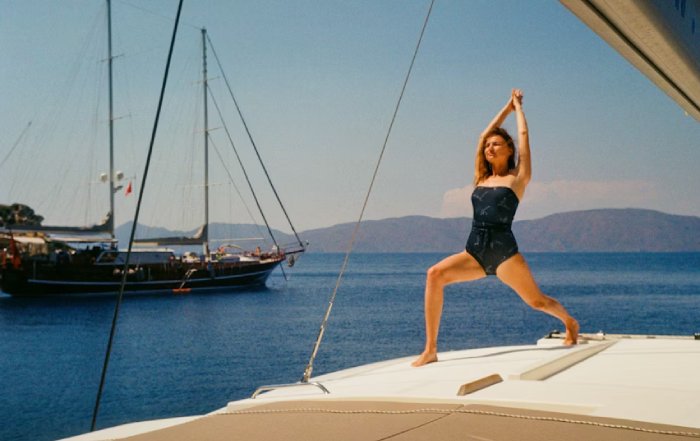
Luxury Wellness Travel: How High-Intensity Performance Became the New Global Luxury
The Rise of Transformational Wellness Travel
Luxury wellness travel has evolved from a niche segment into a defining force in global lifestyle, business, and culture, reshaping how affluent travelers in North America, Europe, Asia, and beyond perceive value, success, and personal fulfillment. Rather than treating vacations as passive escapes from demanding professional lives, high-performing individuals now seek meticulously designed experiences that promise measurable gains in physical vitality, mental clarity, and long-term health, while still delivering the refined comfort and exclusivity associated with the world's most prestigious hospitality brands. For readers of FitPulseNews, who follow global developments across health, business, sports, and culture through dedicated sections such as world affairs and business insights, this shift is not an isolated lifestyle trend but part of a broader realignment in how societies define progress, productivity, and well-being.
The new generation of wellness travelers-senior executives in New York and London, founders in Berlin and Bali, professionals in Toronto, Sydney, and Dubai, and increasingly health-literate consumers in cities from Tokyo to Singapore-expect more than spa menus and scenic views. They look for environments that combine elite-level training, evidence-based recovery, personalized nutrition, and advanced diagnostics, often mirroring the performance ecosystems once reserved for Olympic athletes and professional sports teams. This convergence of luxury hospitality and sports science reflects a deeper cultural movement toward what analysts describe as "high-performance living," in which the boundaries between work, training, and leisure are deliberately blurred to support sustained cognitive performance and physical resilience. Readers who follow global sports performance narratives, regularly analyzed by platforms such as ESPN at espn.com, will recognize many of the same methods-metabolic testing, functional strength work, structured recovery-now being repackaged for discerning travelers.
The economic backdrop further amplifies the relevance of luxury wellness travel. As organizations such as the World Health Organization at who.int and the OECD at oecd.org continue to emphasize the urgency of preventive health strategies in aging populations, wellness tourism has emerged as an attractive channel through which private capital, hospitality operators, and health-technology companies can meet rising demand for proactive care. In this landscape, the editorial focus at FitPulseNews, spanning health, fitness, and innovation, has positioned the platform as a trusted reference point for professionals seeking to understand how wellness travel is shaping business models, employment trends, and consumer expectations across continents.
Why High-Intensity Training Sits at the Core of Premium Wellness Experiences
High-intensity training, once associated primarily with competitive athletes and specialized gyms, has become the structural backbone of many premium wellness programs because it aligns powerfully with the priorities of a data-driven, time-constrained global audience. Executives in New York, London, Frankfurt, Singapore, and Sydney, as well as entrepreneurs and creators in Los Angeles, Toronto, Amsterdam, and Stockholm, increasingly seek interventions that deliver outsized physiological returns in compressed timeframes, while also providing quantifiable metrics that can be tracked over weeks, months, and years. This emphasis on measurable outcomes resonates strongly with readers of FitPulseNews who follow performance-oriented content in sections like fitness, where the connection between training intensity, metabolic health, and longevity is continually examined.
The scientific validation of high-intensity interval training (HIIT) and related modalities has strengthened its role within luxury wellness travel. Institutions such as Harvard Health Publishing at health.harvard.edu have extensively discussed the benefits of higher-intensity protocols for improving cardiovascular capacity, insulin sensitivity, and overall metabolic function, particularly when programs are tailored to fitness level and supervised by qualified professionals. For sophisticated travelers from the United States, United Kingdom, Germany, Canada, and Singapore-regions where precision health and quantified self-practices are widely embraced-these findings reinforce the appeal of performance-focused retreats that can demonstrate clear before-and-after improvements through biometric data, strength metrics, and endurance benchmarks.
Global brands and influential sports narratives have also normalized high-intensity training as a desirable lifestyle choice rather than a niche athletic pursuit. Companies such as Nike and Red Bull have invested heavily in storytelling around performance, resilience, and pushing physical limits, while outlets like BBC Sport at bbc.com/sport frequently showcase training innovations used by elite footballers, runners, and mixed martial artists. As these narratives have permeated mainstream culture from the United States and Europe to Asia and the Middle East, luxury travelers from cities such as Paris, Milan, Madrid, Zurich, Seoul, and Tokyo increasingly view structured exertion not as the antithesis of relaxation but as a meaningful route to self-mastery.
Luxury wellness destinations have responded by designing high-intensity programs that are simultaneously demanding and meticulously controlled, integrating sports-science methodologies, psychological coaching, and advanced recovery. Collaborations with performance organizations such as EXOS and nutrition education leaders like Precision Nutrition have allowed resorts to offer periodized training blocks, individualized macronutrient strategies, and recovery protocols that mirror elite athletic preparation. Technology further enhances this precision: wearables, heart-rate variability analysis, motion capture, and AI-driven coaching systems-often profiled by Wired at wired.com-enable real-time adjustments that respect each guest's physiology, age, and lifestyle. For the global audience of FitPulseNews, which follows cutting-edge health and performance trends through dedicated health and innovation coverage, this integration of science, technology, and luxury aligns closely with broader shifts toward personalized, data-informed living.
How Luxury Destinations Architect the Hybrid Wellness Model
The architecture of hybrid wellness destinations in 2026 reflects a deliberate fusion of high-performance infrastructure, restorative design, and environmental immersion, with leading properties in the United States, Europe, Asia, and the Middle East competing to deliver experiences that feel both clinically rigorous and emotionally restorative. Resorts in California, Colorado, the Swiss Alps, the Italian lakes, the Thai islands, the Australian coast, and the UAE desert increasingly feature performance labs equipped with VO2 max testing, lactate threshold analysis, body composition scanning, and neuromuscular diagnostics, offering guests a level of insight once available only in elite training centers or academic research facilities.
Nature integration remains a defining feature of the most successful hybrid models. Properties in regions such as Switzerland, Norway, New Zealand, Canada, and Japan use mountains, forests, coastlines, and hot springs as extensions of their training environments, blending high-intensity intervals with trail running, open-water conditioning, altitude hiking, and cold-water immersion. Research from institutions like Stanford University at stanford.edu has highlighted the cognitive and emotional benefits of time spent in natural settings, reinforcing the rationale for situating performance programs within biodiverse, visually striking landscapes. Readers interested in the intersection of environment and health can find complementary analysis in FitPulseNews coverage dedicated to environmental trends, where regenerative tourism and nature-based interventions are increasingly prominent.
Multidisciplinary teams underpin these experiences. Resorts now employ exercise physiologists, sports scientists, strength and conditioning coaches, sleep specialists, clinical nutritionists, and recovery technicians, often drawing on frameworks pioneered by organizations such as Team USA and UK Sport. The operational model mirrors that of a high-performance training center, with daily schedules built around assessment, training blocks, targeted recovery, and education sessions. This approach aligns with the evolving sports-performance landscape regularly explored in the sports section of FitPulseNews, where readers track how methods from Olympic programs and professional leagues migrate into consumer-facing experiences.
Nutrition is treated as a central pillar rather than a supporting amenity. Menus emphasize anti-inflammatory ingredients, regionally sourced produce, and functional gastronomy designed to stabilize blood sugar, support gut health, and optimize recovery from intense sessions. Institutions such as the Cleveland Clinic at my.clevelandclinic.org have underscored the role of diet in chronic disease prevention and performance, and luxury wellness properties are increasingly transparent about macronutrient profiles, sourcing standards, and culinary philosophy. For readers of FitPulseNews who follow evolving food and performance science through the platform's nutrition coverage, the convergence of fine dining and functional eating represents a particularly compelling development.
Cultural integration provides another layer of differentiation. In Japan, high-intensity training is paired with onsen bathing rituals and traditional kaiseki-inspired wellness cuisine; in Thailand, Muay Thai conditioning and meditation practices are embedded into daily programming; in Scandinavia, endurance training is complemented by sauna-cold plunge cycles rooted in Nordic tradition; in Italy and Spain, performance sessions are balanced with Mediterranean diet principles and slow-food cultural experiences. These regional variations reflect the broader cultural narratives examined in the culture section of FitPulseNews, where wellness is increasingly framed as both a personal and cultural identity marker.
Sustainability has become a non-negotiable component of luxury wellness architecture. Properties in Europe, Asia, Africa, and the Americas are investing in renewable energy systems, water stewardship, low-impact construction materials, and regenerative land management, recognizing that environmentally conscious travelers from markets such as Germany, the Netherlands, Scandinavia, Canada, and Australia expect their wellness investment to align with planetary health. Readers seeking deeper analysis of this alignment can explore sustainability-focused reporting at fitpulsenews.com/sustainability.html, where the intersection of wellness, climate, and responsible tourism is an ongoing editorial priority.
Global Wellness Travel Explorer
Discover high-performance wellness destinations worldwide
🇨🇭 Swiss Alps
Altitude training, thermal circuits, mountain immersion with performance labs and VO2 max testing
🇹🇭 Thailand
Muay Thai conditioning, meditation practices, tropical wellness with functional training integration
🇺🇸 California
Biometric testing, sports science labs, coastal environments with cutting-edge technology
🇦🇪 UAE Desert
High-tech facilities, luxury infrastructure, desert landscapes with advanced diagnostics
🇯🇵 Japan
Onsen bathing rituals, kaiseki cuisine, mindfulness integration with traditional wellness
🇳🇿 New Zealand
Trail running, coastal conditioning, biodiverse landscapes with nature immersion focus
⚡ High-Intensity Interval Training
Structured HIIT protocols delivering measurable cardiovascular improvements, metabolic benefits, and enhanced insulin sensitivity in compressed timeframes
🔬 Performance Diagnostics
VO2 max testing, lactate threshold analysis, body composition scanning, and neuromuscular assessments in dedicated performance labs
🥗 Functional Nutrition
Anti-inflammatory menus, regionally sourced ingredients, and chef-led programs optimizing recovery and metabolic health
🌲 Nature Integration
Mountain trails, forest immersion, coastal conditioning, and cold-water therapy within biodiverse environments
📊 Biometric Tracking
Wearables, heart-rate variability analysis, AI-driven coaching systems enabling real-time physiological adjustments
🧘 Recovery Protocols
Cryotherapy, red-light therapy, thermal circuits, sleep optimization, and structured mindfulness practices
| Wellness Model | Primary Focus | Target Audience | Key Benefits |
|---|---|---|---|
| Traditional Spa | Relaxation & pampering | Leisure travelers | Stress relief, passive recovery |
| Hybrid Performance | High-intensity training | Executives & entrepreneurs | Measurable gains, metabolic health |
| Medical Wellness | Clinical intervention | Health-focused individuals | Disease prevention, diagnostics |
| Spiritual Retreat | Mindfulness & meditation | Consciousness seekers | Mental clarity, emotional balance |
| Adventure Wellness | Outdoor activities | Active explorers | Nature connection, challenge |
Traditional Wellness Era
Luxury wellness focused primarily on spa treatments, passive relaxation, and aesthetic services with minimal performance emphasis
Performance Integration
Shift toward data-driven training, introduction of sports science methodologies, and emergence of biometric tracking in luxury settings
Hybrid Model Maturation
Full integration of performance labs, multidisciplinary teams, AI-driven personalization, and sustainability commitments
Future Trajectory
Advanced longevity science, genomics integration, epigenetic analysis, and regenerative environmental practices shaping next evolution
Global Consumer Behavior Reshaping Wellness Tourism
Hybrid wellness travel in 2026 reflects a complex interplay between economic conditions, workplace dynamics, digital influence, and demographic shifts across North America, Europe, Asia, and other regions. As global organizations adapt to hybrid work patterns and heightened burnout risks, professionals from cities such as New York, London, Berlin, Paris, Singapore, Hong Kong, and Sydney increasingly view wellness retreats not as indulgences but as strategic investments in productivity, creativity, and resilience. This evolution in mindset is mirrored in the broader news and business landscape covered by FitPulseNews through its news and business verticals, where corporate wellness budgets and executive health strategies are gaining prominence.
Digital media and social platforms have played a critical role in shaping expectations. Outlets such as Condé Nast Traveler at cntraveler.com have elevated destinations that combine high-intensity training with sophisticated design and local culture, while social channels amplify imagery of ice baths, mountain sprints, and minimalist, tech-enabled suites overlooking dramatic landscapes. For aspirational travelers in markets from the United States and United Kingdom to South Korea, Japan, and the UAE, these narratives contribute to a sense that true luxury now lies in disciplined self-transformation rather than passive excess.
Economic and policy trends further reinforce this direction. The World Bank at worldbank.org has documented rising global expenditure on health and preventive care, particularly in higher-income economies, while rapid growth in health-tech investment has expanded consumer access to wearables, telehealth, and personalized coaching. Longevity science, driven by research at institutions such as MIT at mit.edu, has heightened public awareness of how training intensity, sleep quality, stress management, and nutrition interact to influence biological aging, prompting travelers in the United States, Europe, and Asia to seek experiences that align with long-term health goals rather than short-term indulgence.
Corporate culture has also become a powerful driver. Multinationals in sectors such as finance, technology, consulting, and creative industries are increasingly incorporating wellness retreats into leadership development, team-building, and burnout-prevention strategies, often choosing destinations that can demonstrate scientific rigor and measurable outcomes. Employment and talent trends, regularly examined in the jobs section of FitPulseNews, indicate that younger professionals in markets like Germany, Canada, the Netherlands, and the Nordic countries are more likely to prioritize employers that invest in their holistic well-being, further fueling demand for structured, performance-based retreats.
Hospitality's Strategic Pivot Toward Performance-Centric Luxury
The global hospitality industry has responded to these shifts with a decisive strategic pivot, reimagining both physical infrastructure and service models to meet the expectations of performance-oriented travelers from North America, Europe, Asia, and the Middle East. Leading brands such as Aman, Four Seasons, and Six Senses have invested in dedicated wellness wings, performance labs, and integrated medical partnerships, while media platforms like Travel + Leisure at travelandleisure.com increasingly spotlight properties where guests can transition seamlessly from biometric testing to guided breathwork, cryotherapy, and chef-led functional dining.
Boutique and independent properties have leveraged their agility to compete with larger brands, particularly in regions such as the Alps, Mediterranean coast, Bali, Costa Rica, New Zealand, and South Africa. By focusing on high-touch personalization, smaller guest counts, and deeper integration with local ecosystems, these destinations can offer highly tailored high-intensity programs that respect individual health histories, cultural preferences, and professional pressures. Their emphasis on environmental immersion aligns closely with the nature-driven wellness philosophies frequently examined in the environment section of FitPulseNews, where the restorative power of wilderness, oceans, and mountains is a recurring theme.
New investments in infrastructure reflect the industry's long-term commitment to hybrid wellness. Facilities such as altitude rooms, red-light therapy suites, thermal circuits, and cold-plunge pools, often featured in design-focused outlets like Dezeen at dezeen.com, now appear alongside traditional spa amenities. Data platforms, AI coaching tools, and integrated health records systems support continuous monitoring and long-term engagement, enabling resorts to maintain relationships with guests between visits through virtual check-ins and remote programming. Financial and market analysis from organizations such as Bloomberg at bloomberg.com suggests that wellness-oriented properties have demonstrated notable resilience, even amid global economic uncertainty, reinforcing investor confidence in this segment.
Psychological and Emotional Dimensions of High-Intensity Wellness Travel
While the physical benefits of hybrid wellness travel are often highlighted in marketing materials and performance reports, the psychological and emotional dimensions are equally central to its appeal among global travelers. High-intensity training, when appropriately programmed and supported, stimulates neurochemical responses that improve mood, executive function, and stress resilience, with institutions such as Johns Hopkins Medicine at hopkinsmedicine.org documenting the role of vigorous exercise in reducing symptoms of anxiety and depression. For professionals in high-pressure environments from New York and London to Frankfurt, Zurich, Singapore, and Hong Kong, the opportunity to recalibrate mental focus and emotional stability through structured exertion is a compelling draw.
Nature immersion amplifies these benefits. Time spent in forests, mountains, and coastal environments-whether in Scandinavia, the Alps, the Canadian Rockies, the Australian coast, or the national parks of South Africa and Brazil-has been associated with reductions in stress markers and improvements in cognitive performance, reinforcing editorial coverage in FitPulseNews focused on environmental wellness. When combined with mindfulness practices, guided breathing, and structured reflection, these settings enable guests to detach from digital overload and regain a sense of perspective on personal and professional priorities.
Community and shared challenge further contribute to emotional outcomes. Many high-intensity wellness programs are deliberately designed around small-group formats, fostering camaraderie among participants from different cultures and industries who share similar aspirations for health, performance, and purpose. Research from organizations such as the Greater Good Science Center at the University of California, Berkeley, accessible via greatergood.berkeley.edu, has highlighted the role of social connection, gratitude, and reflective practices in building resilience and life satisfaction. These insights underpin program designs that balance demanding sessions with communal meals, group discussions, and structured downtime, allowing guests to leave not only fitter but more grounded and connected.
Economic and Societal Implications of Hybrid Wellness Travel
The expansion of luxury wellness travel carries significant economic and societal implications that extend well beyond the hospitality sector. As the World Economic Forum at weforum.org has noted, health-oriented tourism contributes to job creation across a wide array of disciplines, from sports science and nutrition to sustainable architecture and health technology, while also influencing how cities and regions position themselves in the global competition for talent, investment, and visitors. Destinations that successfully brand themselves as hubs of high-performance living-from California and British Columbia to Switzerland, the Italian Dolomites, Thailand, Singapore, the UAE, and New Zealand-gain reputational advantages that can positively impact sectors such as real estate, education, and technology.
Healthcare systems may also benefit indirectly from the rise of hybrid wellness travel. Preventive strategies that emphasize physical activity, stress management, sleep quality, and nutrition align closely with recommendations from organizations such as the Centers for Disease Control and Prevention (CDC) at cdc.gov, potentially easing long-term pressure on public health infrastructure if adopted at scale. Meanwhile, technology companies supplying wearables, biometric platforms, and AI coaching systems gain real-world laboratories for refining their solutions, a trend frequently tracked by global news providers such as Reuters at reuters.com, which document the rapid integration of digital tools into health and travel ecosystems.
For business leaders and policymakers who follow cross-sector trends through FitPulseNews, particularly in sections covering business, technology, and innovation, the rise of hybrid wellness travel offers valuable insight into how consumer expectations are reshaping the design of cities, workplaces, and digital products. As wellness becomes a core expectation rather than a peripheral benefit, organizations that fail to integrate health and performance into their value propositions risk losing relevance in increasingly competitive global markets.
The Future Trajectory of Hybrid Wellness Travel
Looking beyond 2026, the trajectory of hybrid wellness travel is likely to be defined by deeper integration of AI-driven personalization, advances in longevity science, and more rigorous sustainability commitments. Breakthroughs reported in leading scientific journals such as Nature at nature.com suggest that individualized interventions based on genomics, epigenetics, microbiome analysis, and continuous biometric monitoring will increasingly inform training, nutrition, and recovery protocols. Luxury wellness destinations are well positioned to translate these complex insights into accessible, high-touch experiences for travelers from the United States, Europe, Asia, and other regions who are willing to invest in long-term health.
Environmental stewardship will remain central to the sector's credibility and resilience. Organizations such as NOAA at noaa.gov continue to underscore the accelerating impact of climate change on oceans, weather patterns, and ecosystems, making it imperative for wellness destinations-from Mediterranean coastlines and Alpine valleys to Southeast Asian islands and African reserves-to adopt regenerative practices that protect the very environments upon which their value propositions depend. This imperative aligns closely with the editorial priorities of FitPulseNews, particularly its sustainability and environment coverage, which track how businesses across sectors are responding to climate and biodiversity challenges.
As hybrid wellness travel continues to mature, its influence will extend further into global culture, redefining what it means to live well in an era of constant change. For the worldwide audience of FitPulseNews-from readers in the United States, United Kingdom, Germany, Canada, and Australia to those in France, Italy, Spain, the Netherlands, Switzerland, China, Sweden, Norway, Singapore, Denmark, South Korea, Japan, Thailand, Finland, South Africa, Brazil, Malaysia, and New Zealand-this evolution offers both opportunity and responsibility. The opportunity lies in leveraging these experiences to build more resilient, purposeful, and connected lives; the responsibility lies in ensuring that the pursuit of high performance remains grounded in ethical, sustainable, and inclusive practices that benefit individuals, communities, and the planet.