
Emerging Recovery Technologies for Everyday Athletes
How Recovery Became the New Competitive Edge
Recovery has moved from the fringes of elite sport science into the center of everyday training conversations, and for the fit and happy audience of FitPulseNews, which spans recreational runners, hybrid athletes, fitness professionals, and performance-driven executives across North America, Europe, Asia, and beyond, the question is no longer whether recovery matters, but how to apply the rapidly expanding universe of recovery technologies in a way that is safe, effective, and sustainable over the long term. As training loads rise, hybrid work patterns blur boundaries, and interest in longevity accelerates, recovery has become both a performance multiplier and a fundamental pillar of health, with new tools promising to accelerate muscle repair, reduce injury risk, optimize sleep, and support mental resilience for everyday athletes who balance sport with demanding careers and family responsibilities.
The shift is underpinned by a deeper understanding of physiology, better access to sports science once reserved for professionals, and a maturing digital ecosystem that connects wearables, apps, and at-home devices into integrated recovery systems, and as FitPulseNews tracks across its everyday coverage of fitness, health, and wellness, the story of recovery technology is increasingly a story about data-driven self-management, personalized protocols, and a more holistic view of performance that includes sleep quality, mental health, nutrition, and environmental stressors as much as interval splits or strength metrics.
From Elite Labs to Living Rooms: Democratization of Recovery Science
For decades, structured recovery protocols were the domain of Olympic training centers and professional clubs, supported by teams of physiologists, athletic trainers, and sports physicians, but over the last ten years, advances in sensor miniaturization, cloud computing, and mobile interfaces have enabled everyday athletes to access similar tools at home or in local gyms. Organizations such as World Athletics and the International Olympic Committee have helped elevate the importance of evidence-based recovery by promoting guidelines around load management and injury prevention, which have gradually filtered into mainstream fitness culture through coaches, physical therapists, and digital platforms.
This democratization has been accelerated by the consumerization of sports science from companies like WHOOP, Garmin, Apple, and Oura, which have embedded recovery-relevant metrics such as heart rate variability (HRV), resting heart rate, sleep staging, and body temperature trends into wrist-worn wearables and smart rings, giving recreational athletes access to data that, a decade ago, would have required a visit to a performance lab. As more individuals in the United States, Europe, and Asia adopt structured training plans and participate in marathons, triathlons, functional fitness competitions, and recreational leagues, the demand for accessible, validated recovery technologies has grown, creating a global market that analysts at platforms like McKinsey & Company and Deloitte now track as a distinct segment within the broader wellness and sports tech industries.
The New Recovery Stack: Data, Devices, and Daily Habits
In 2026, the most effective recovery strategies for everyday athletes no longer revolve around a single device or protocol but rather an integrated "recovery stack" that combines physiological monitoring, targeted interventions, and behavior change tools. At the foundation of this stack lies continuous data collection through wearables that monitor cardiovascular strain, sleep architecture, and movement patterns; platforms such as Harvard Medical School's health resources and Mayo Clinic emphasize that while no consumer device is perfect, longitudinal data trends can offer meaningful insight into how training, stress, travel, and lifestyle factors influence recovery capacity.
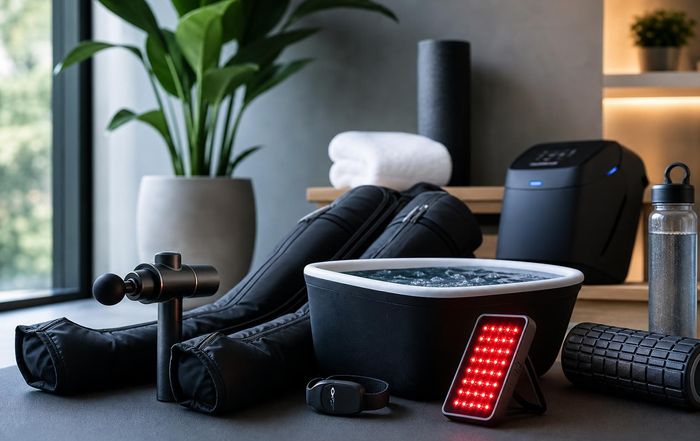
Layered on top of measurement are intervention tools such as percussion massage guns, pneumatic compression boots, infrared and red-light therapy panels, cold exposure systems, and smart mobility devices, which are increasingly guided by software that suggests when and how to use them based on the user's current readiness state. Everyday athletes in cities from New York and London to Singapore and Sydney now routinely combine these technologies with more traditional modalities such as stretching, yoga, and soft-tissue work, while digital coaching apps and AI-driven platforms help translate raw data into actionable daily decisions, a trend FitPulseNews tracks closely in its expert technology and innovation coverage.
Wearables and Readiness Scores: Moving Beyond Steps and Calories
The most visible shift in recovery technology has been the evolution of wearables from simple activity trackers to sophisticated readiness platforms that estimate how prepared an individual is to train on any given day. Companies such as WHOOP, Oura, Garmin, and Apple now use multi-sensor arrays to generate composite recovery or readiness scores that incorporate HRV, resting heart rate, sleep duration and quality, respiratory rate, and sometimes skin temperature or blood oxygen saturation, and these scores guide everyday athletes in adjusting training intensity, sleep routines, and recovery strategies.
Research from organizations like the American College of Sports Medicine and National Institutes of Health has helped clarify the role of HRV and sleep metrics as proxy markers of autonomic nervous system balance and recovery status, though experts caution that these scores are not medical diagnostics and should be interpreted in context. For everyday athletes in the United States, Europe, and Asia-Pacific who work in high-stress professional environments, this data-driven approach offers a structured way to reconcile ambitious performance goals with the demands of modern life, helping to prevent overtraining and burnout, and FitPulseNews readers increasingly report using readiness metrics to decide whether to push a high-intensity interval session, opt for a low-intensity run, or prioritize mobility and sleep.
Percussive Therapy and Smart Massage: Muscle Relief at Scale
Percussive massage devices, popularized by brands such as Therabody and Hyperice, have moved from niche recovery tools to mainstream household items, and in 2026, they form a core part of many everyday athletes' post-training routines. These devices deliver rapid pulses of pressure to muscle tissue, aiming to increase blood flow, reduce muscle stiffness, and support range of motion, and while early marketing often outpaced the science, more recent research published through platforms like PubMed and summarized by institutions such as Cleveland Clinic suggests that percussive therapy can provide short-term improvements in flexibility and perceived muscle soreness when used appropriately.
The latest generation of these tools integrates Bluetooth connectivity and app-based guidance, allowing users to select protocols tailored to running, cycling, strength training, or court sports, and some systems now integrate with wearables to adjust intensity or duration based on the user's strain and recovery data. In European and Asian markets where space is at a premium, compact and travel-friendly designs have broadened adoption among commuters and business travelers, and FitPulseNews often highlights how athletes from London to Tokyo are using these smart devices in combination with active recovery, breathwork, and mobility routines discussed across its new sports and culture sections.
Compression, Blood Flow, and Lymphatic Support
Pneumatic compression systems, once reserved for professional locker rooms and physiotherapy clinics, are now widely available to everyday athletes seeking to accelerate post-exercise recovery, particularly after endurance events or heavy leg sessions. Brands such as Normatec (now under Hyperice) have popularized full-leg compression boots that use sequential pressure to promote venous return and lymphatic drainage, and while the precise physiological benefits are still being refined in the literature, organizations like Sports Medicine Australia and UK Sport acknowledge that compression can support subjective recovery, reduce swelling, and enhance comfort after intense efforts.
In parallel, graduated compression garments for daily wear, including socks, tights, and sleeves, have become common among runners, triathletes, and strength athletes across North America, Europe, and Asia, and everyday users often pair these with mobility work and hydration strategies to manage delayed onset muscle soreness and heavy-leg sensations. For the FitPulseNews audience, especially those who balance training with long hours of desk work or frequent flying, compression technologies offer a practical bridge between sports performance and workplace ergonomics, reinforcing the platform's broader coverage of business and jobs where physical and cognitive performance intersect.
Cold, Heat, and Contrast: Precision Thermoregulation Enters the Home
Cold water immersion, ice baths, and contrast therapy have long been staples of elite sport, and in 2026, they are increasingly accessible to everyday athletes through purpose-built at-home cold plunge systems, portable ice barrels, and smart tubs that maintain precise temperatures. Interest in cold exposure has been amplified by public figures such as Wim Hof and by social media content, but the scientific perspective, informed by institutions like Stanford Medicine and NIH, is more nuanced, emphasizing that the timing, duration, and temperature of cold exposure can influence muscle adaptation, inflammation, and cardiovascular stress in different ways.
Many coaches now advise everyday strength athletes to avoid aggressive cold immersion immediately after hypertrophy-focused sessions, as some evidence suggests it may blunt long-term muscle growth, while endurance-focused athletes and team sport participants may benefit from judicious use of cold therapy to manage soreness and improve perceived recovery after competitions or high-volume sessions. Heat-based modalities such as infrared saunas and traditional dry saunas, supported by research from organizations like European Society of Cardiology, are also gaining traction for cardiovascular and relaxation benefits, and everyday athletes from Finland to Canada increasingly integrate sauna sessions with mobility and hydration routines, a trend that aligns with FitPulseNews updated coverage of environment and sustainability as energy-efficient, low-chemical recovery spaces gain attention.
Sleep Technology: The Cornerstone of Effective Recovery
Among all recovery modalities, sleep remains the most powerful and irreplaceable, and in 2026, sleep technology has matured from simple tracking to more active sleep optimization through environmental control, behavioral coaching, and integrated recovery planning. Wearables from companies like Apple, Oura, and Garmin now provide detailed breakdowns of sleep stages, disturbances, and trends, while smart mattresses, temperature-regulating mattress toppers, and intelligent lighting systems help control bedroom conditions for improved sleep quality, and organizations such as the American Academy of Sleep Medicine and National Sleep Foundation continue to emphasize that technology should support, not replace, good sleep hygiene practices.
Everyday athletes across the United States, Europe, and Asia increasingly recognize that late-night screen time, irregular bedtimes, and high evening caffeine intake undermine their recovery more than any missed stretching session, and many now use app-based coaching, white noise generators, and mindfulness tools to wind down after late training or competition. For FitPulseNews readers who track both physical performance and professional output, the link between high-quality sleep, cognitive function, emotional regulation, and training adaptation is no longer abstract but a daily reality, and this convergence of health, fitness, and productivity is reflected across the platform's health and news sections.
Nutrition, Supplements, and Gut Health as Recovery Technology
While devices capture much of the attention, nutrition remains a primary driver of recovery, and in 2026, nutrition technology has expanded beyond calorie tracking to encompass personalized macronutrient recommendations, micronutrient analysis, and gut microbiome insights. Platforms inspired by research from institutions such as Harvard T.H. Chan School of Public Health and World Health Organization now help everyday athletes optimize protein intake, carbohydrate timing, and hydration strategies based on training load, climate, and personal health goals, and connected kitchen devices make it easier to execute these plans consistently.
Supplementation, including whey and plant-based proteins, omega-3 fatty acids, creatine, electrolytes, and evidence-backed ergogenic aids, has become more sophisticated, with third-party testing and transparency initiatives from organizations like NSF Certified for Sport improving trust and safety. At the same time, there is growing interest in gut health, with microbiome testing companies and probiotic formulations promising improved digestion, immune function, and inflammation control, although leading academic centers and regulatory bodies continue to encourage cautious interpretation of early-stage microbiome science. For FitPulseNews readers, especially those following detailed nutrition and wellness content, the key trend is the integration of nutritional strategies into the broader recovery stack, treating food and hydration as active tools rather than afterthoughts.
Mental Recovery, Stress Management, and Cognitive Load
The modern everyday athlete is not only managing physical training stress but also cognitive and emotional load from work, family, and digital environments, and by 2026, mental recovery has become a central pillar of performance planning. Digital mindfulness platforms such as Headspace, Calm, and emerging AI-driven mental fitness apps offer guided breathing, meditation, and visualization exercises, while biofeedback tools and HRV-based breathing coaches help individuals modulate their autonomic nervous system, supporting both mental resilience and physical recovery, and organizations like American Psychological Association highlight the bidirectional relationship between psychological stress and injury risk, sleep disruption, and training adaptation.
Everyday athletes across continents now increasingly integrate short, structured mental recovery blocks into their daily routines, whether through five-minute breathwork sessions between meetings, pre-competition visualization, or end-of-day gratitude practices, and these tools are being adopted not only by endurance communities but also by strength athletes, team sport players, and corporate wellness programs. FitPulseNews has observed that in cities from Berlin to Singapore, mental recovery is being reframed not as a luxury but as a performance necessity, aligning with the platform's broader coverage of culture and global world trends where mental health is increasingly destigmatized and integrated into holistic performance frameworks.
AI Coaching and Personalized Recovery Prescriptions
Artificial intelligence is reshaping how everyday athletes interpret their data and make daily recovery decisions, and by 2026, AI-driven coaching platforms have evolved from simple recommendation engines to sophisticated systems that integrate training logs, wearable metrics, subjective questionnaires, and contextual factors such as travel, work stress, and menstrual cycles. These platforms, developed by both established sports technology companies and emerging startups, use machine learning models trained on large, anonymized datasets to generate individualized recovery plans, suggesting when to schedule deload weeks, how to sequence sleep, nutrition, and mobility interventions, and when to seek professional medical or physiotherapy advice.
Institutions like MIT and ETH Zurich contribute to the underlying research in human performance modeling and digital twins, and professional organizations such as ACSM continue to update guidelines on safe load management and technology use, ensuring that AI-driven advice remains anchored in established sports science principles. For FitPulseNews readers and members who track developments across technology and innovation, the most significant advance is the ability to move from generic "listen to your body" advice to quantifiable, personalized recovery prescriptions that evolve with training age, life stage, and competitive goals.
Sustainability and Ethics in Recovery Technology
As recovery technologies proliferate, questions around environmental impact, data privacy, and equitable access have become more prominent, particularly for a globally aware audience that follows environment and sustainability topics. Many devices, from percussive guns to cold tubs and smart saunas, consume materials and energy, and forward-looking companies are beginning to adopt more sustainable manufacturing practices, modular designs for repairability, and take-back programs for end-of-life products, aligning with broader corporate responsibility initiatives highlighted by organizations such as the World Economic Forum.
On the data side, the increasing integration of health, performance, and behavioral data raises important privacy and governance questions, with regulatory frameworks in the European Union, North America, and Asia evolving to address health data protection and biometric information use. Everyday athletes are becoming more discerning about which platforms they trust with their information, favoring companies that are transparent about data use, storage, and sharing practices, and FitPulseNews has observed a growing expectation that recovery technology providers demonstrate not only innovation but also ethical leadership and long-term accountability to their user communities.
How Everyday Athletes Can Build a Practical Recovery Strategy
For the everyday athlete navigating this rapidly evolving landscape, the challenge is not a lack of options but the risk of fragmentation, over-purchasing, or misaligned priorities, and the most effective strategies tend to follow a layered approach that begins with foundational habits and then selectively adds technology where it can provide clear, measurable value. Sleep quality, evidence-based nutrition, appropriate training load progression, and basic movement hygiene remain the non-negotiable pillars, supported by accessible tools such as wearables for trend monitoring, simple mobility routines, and structured mental recovery practices that require minimal equipment but deliver substantial benefit.
From there, everyday athletes can selectively integrate devices such as percussive therapy tools, compression systems, or cold and heat modalities based on their sport, budget, and personal response, ideally guided by data trends and, where possible, consultation with qualified coaches or healthcare professionals. For fit and healthy readers of FitPulseNews, which connects performance, lifestyle, and global trends across fitness, sports, and brands, the emerging best practice is to treat recovery technology not as a status symbol or quick fix but as a set of instruments within a broader performance orchestra, where the goal is sustainable progress, injury resilience, and long-term health rather than short-term metrics alone.
As recovery technologies continue to evolve through 2026 and beyond, the everyday athlete stands to benefit enormously from tools that were once the exclusive domain of elite sport, provided they are applied with discernment, grounded in credible science, and integrated into a holistic lifestyle that honors both ambition and balance. In this new era, recovery is not a passive interval between workouts but an active, strategic process, and the most successful athletes-whether they are training for a local 10K, competing in age-group championships, or simply striving to stay sharp for the demands of modern work and family life-will be those who learn to harness technology in service of deep, intelligent, and sustainable recovery.