
The Changing Culture of Strength Training Worldwide
A New Era of Global Strength
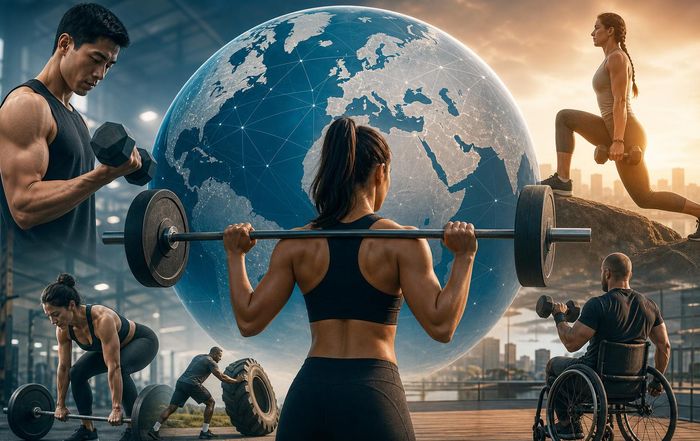
By 2026, strength training has moved decisively from the fringes of gyms and elite athletic programs into the mainstream of global culture, reshaping how individuals in every major region think about health, performance, identity, and even work. What was once associated primarily with competitive bodybuilding or powerlifting has evolved into a broad, inclusive, and data-driven ecosystem that spans recreational fitness, elite sport, corporate wellness, digital technology, and public health policy. As FitPulseNews continues to chronicle the intersection of fitness, health, sports, brands, and innovation for a worldwide audience, the changing culture of strength training offers a revealing lens on how societies are redefining what it means to be strong in the twenty-first century.
The transformation is visible in the crowded strength areas of commercial gyms in the United States and United Kingdom, in the rise of barbell clubs in Germany and the Netherlands, in hybrid strength-and-conditioning studios in Singapore and South Korea, in community outdoor gyms in Brazil and South Africa, and in the growing presence of resistance training in public health guidelines across Europe, Asia, and North America. It is also reflected in the way digital platforms, wearable devices, and connected equipment have made evidence-based strength programming more accessible than ever, while brands and employers increasingly view muscular fitness as a driver of productivity, resilience, and long-term wellbeing rather than a niche aesthetic pursuit.
From Bodybuilding Subculture to Mainstream Health Imperative
Historically, strength training was tightly associated with bodybuilding and weightlifting, often perceived as a specialized or even extreme practice, particularly in Western countries during the late twentieth century. This perception began to shift as sports science and epidemiology produced robust evidence that resistance training provides critical benefits for metabolic health, musculoskeletal integrity, and longevity. Organizations such as the World Health Organization now explicitly recommend that adults perform muscle-strengthening activities involving major muscle groups on at least two days per week, emphasizing their role in preventing noncommunicable diseases and preserving function in aging populations; readers can explore these evolving recommendations by reviewing the WHO's physical activity guidelines.
In parallel, large-scale cohort studies and meta-analyses, often highlighted by institutions such as Harvard T.H. Chan School of Public Health, have shown that strength training is associated with reduced all-cause mortality and improved cardiometabolic markers even when performed in relatively modest weekly doses. Interested readers can examine how resistance exercise contributes to cardiovascular health through resources from organizations like the American Heart Association. This growing body of evidence has reframed strength training from a narrowly focused pursuit to a foundational component of comprehensive health, a shift that aligns closely with the editorial focus of FitPulseNews on integrating health, fitness, and wellness into a cohesive lifestyle.
The Rise of Functional Strength and Everyday Performance
One of the most significant cultural changes has been the move away from purely aesthetic goals toward functional strength, where the emphasis is placed on performance in daily life, sport, and work. Strength training programs built around compound movements such as squats, deadlifts, presses, and pulls are now widely promoted not only by performance-oriented organizations like USA Weightlifting and British Weight Lifting, but also by mainstream health systems and insurers. Resources from the National Health Service in the UK, for example, now provide practical guidance on strength and flexibility exercises for the general population, underscoring a shift from specialization to universality.
This functional perspective resonates strongly in regions with aging demographics, such as Japan, Germany, and Italy, where maintaining independence and preventing falls have become public health priorities. Research disseminated through platforms like PubMed and National Institute on Aging has highlighted how progressive resistance training can improve bone density, balance, and muscular power in older adults, helping them to remain active in both personal and professional roles; those interested in the geriatric dimension of strength can review the NIA's material on exercise and physical activity for older adults. In this context, strength training is increasingly framed as a form of insurance against frailty, aligning with the broader longevity and healthy aging conversations that FitPulseNews regularly explores in its nutrition and wellness coverage.
Women, Strength, and the Redefinition of Power
Perhaps no cultural shift has been more visible than the rise of women's strength training worldwide. In the United States, Canada, Australia, and across Europe, women now constitute a substantial share of participants in powerlifting meets, Olympic weightlifting competitions, and strength-focused group classes, supported by organizations such as Women's Strength Coalition and amplified by leading female strength athletes who have gained global visibility through platforms like Instagram and YouTube. This movement has spread rapidly in regions such as Scandinavia, where egalitarian sports cultures in Sweden, Norway, and Denmark have long promoted female participation, and is increasingly evident in urban centers in Asia, including Singapore, South Korea, and Japan.
The narrative surrounding women and strength has shifted from concerns about "bulking up" to a celebration of capability, resilience, and confidence, a change reinforced by health and psychology research. Institutions such as the American College of Sports Medicine highlight in their position stands that resistance training is critical for women's bone health, hormonal balance, and metabolic function throughout the lifespan, including during pregnancy and menopause. For the FitPulseNews audience, which closely follows the intersection of culture, sports, and wellness, this trend illustrates how strength training is reshaping gender norms, workplace dynamics, and even fashion, as athleisure brands design apparel that reflects a more muscular and performance-oriented female body ideal.
Strength Training in Elite Sport and Global Competitions
At the elite level, strength and conditioning have become non-negotiable components of performance systems across virtually every sport, from football and rugby to tennis, basketball, and athletics. Organizations such as FIFA, World Rugby, and the International Olympic Committee now provide detailed strength and conditioning frameworks to national federations, emphasizing the role of resistance training in injury prevention and performance optimization; readers can see how this is codified in resources like the IOC's consensus statements on training load and injury. In North America and Europe, professional leagues such as the NBA, NFL, Premier League, and Bundesliga invest heavily in high-performance centers where individualized strength programs are prescribed using advanced data analytics and motion capture.
This elite emphasis has filtered down into youth and amateur sport systems in countries including the United States, United Kingdom, Germany, France, and Australia, where strength training is introduced progressively and safely to enhance long-term athletic development. At the same time, concerns about early specialization and overtraining have prompted governing bodies and sports medicine associations to publish guidelines on age-appropriate resistance training, many of which can be accessed through organizations such as the American Academy of Pediatrics and International Federation of Sports Medicine, which provide educational material on youth strength training. For FitPulseNews, whose readers follow both sports and innovation, the evolution of strength training in elite environments offers insights into future trends that frequently diffuse into consumer fitness markets.
Technology, Data, and the Quantified Strength Movement
The digitalization of strength training has accelerated rapidly since the early 2020s, and by 2026 a sophisticated ecosystem of hardware and software now underpins what might be called the quantified strength movement. Smart barbells, connected cable machines, and sensor-equipped wearables track variables such as bar velocity, range of motion, rest intervals, and neuromuscular fatigue, translating them into actionable feedback for both recreational users and high-performance athletes. Companies like Whoop, Garmin, and Apple have expanded their platforms to incorporate resistance-specific metrics, while specialized systems such as velocity-based training devices are widely used in collegiate and professional programs worldwide; readers can explore the broader landscape of connected fitness through analyses by organizations like McKinsey & Company, which regularly publishes insights on the global wellness market.
On the software side, artificial intelligence and machine learning now power adaptive strength programs that adjust loads, volumes, and exercise selection based on user performance and recovery data, an evolution supported by research in sports science and human performance. Platforms such as Strava and TrainingPeaks, originally focused on endurance sports, have expanded their functionality to better accommodate resistance sessions, while newer applications specialize entirely in barbell and bodyweight training. This technological convergence aligns with the editorial emphasis of FitPulseNews on technology and business, as it reshapes not only how individuals train but also how gyms, equipment manufacturers, and digital platforms compete and collaborate in a rapidly evolving marketplace.
Workplace Strength, Corporate Wellness, and the Future of Jobs
As knowledge about the benefits of strength training has become more widespread, employers across sectors and regions have begun to recognize muscular fitness as a strategic asset that influences productivity, resilience, and healthcare costs. In North America, Europe, and parts of Asia, corporate wellness programs increasingly include on-site strength facilities, subsidized gym memberships, and digital coaching platforms that emphasize resistance training for desk-bound employees. Research from organizations such as the World Economic Forum and OECD has highlighted the economic burden of musculoskeletal disorders and physical inactivity, encouraging policymakers and business leaders to explore preventive strategies; interested readers can learn more about global trends in workplace health through reports on wellbeing and productivity.
The rise of hybrid and remote work has further altered the landscape, as professionals in technology, finance, and creative industries in the United States, United Kingdom, Germany, Canada, and beyond increasingly invest in home strength setups, from adjustable dumbbells to compact cable systems. This shift has implications for the future of work and the labor market, as roles in fitness technology, coaching, and corporate wellness expand, creating new opportunities that FitPulseNews tracks closely in its jobs and news coverage. The integration of strength training into daily work routines, facilitated by flexible schedules and digital tools, is gradually normalizing micro-workouts and "movement snacks" that combine short resistance sessions with longer periods of knowledge work, blurring the lines between professional productivity and physical self-care.
Regional Variations: One Global Trend, Many Local Expressions
While the culture of strength training is undeniably global, it manifests differently across regions, shaped by local values, infrastructure, and economic conditions. In the United States and Canada, commercial gym chains and boutique studios dominate the landscape, while in the United Kingdom, Germany, and the Netherlands, barbell clubs, community gyms, and university facilities play a central role. In Scandinavia, public investment in sports infrastructure and a strong outdoor culture support both traditional gym-based strength training and calisthenics in public spaces, with cities in Sweden, Norway, Denmark, and Finland increasingly incorporating outdoor fitness parks into urban planning; readers can explore how urban design intersects with physical activity through organizations such as World Urban Parks, which discusses active city initiatives.
In Asia, the picture is highly diverse. Japan and South Korea have seen rapid growth in 24-hour gyms and specialized strength studios, often integrated into dense urban environments and supported by strong digital ecosystems. Singapore has positioned itself as a regional hub for high-end fitness and sports science, while Thailand and Malaysia are experiencing a rise in mixed martial arts and strength-and-conditioning hybrids that attract both locals and tourists. In China, a combination of government campaigns to promote physical activity and private investment in fitness chains has fueled significant expansion of strength training facilities, although regional disparities remain between major cities and rural areas. Across Africa and South America, including countries such as South Africa and Brazil, community-driven strength initiatives, outdoor gyms, and informal training spaces coexist with modern fitness clubs, reflecting both economic realities and resilient grassroots cultures. For a global audience following world and environment trends, these regional differences illustrate how strength training adapts to local contexts while contributing to shared goals of health and performance.
Strength, Sustainability, and the Environmental Footprint of Fitness
As awareness of environmental sustainability has grown, the fitness industry's impact has come under greater scrutiny, prompting questions about how strength training can evolve in more sustainable directions. Traditional gyms, with their energy-intensive equipment, air conditioning, and large physical footprints, are being re-evaluated in light of climate targets and corporate ESG commitments. Organizations such as the United Nations Environment Programme and World Resources Institute have highlighted the need for all sectors, including sports and leisure, to reduce emissions and resource consumption; interested readers can explore broader discussions of sustainable business models through resources on sustainable consumption and production.
In response, some equipment manufacturers are experimenting with self-powered machines and recycled materials, while gym operators explore energy-efficient lighting, ventilation, and building design. Outdoor strength facilities, calisthenics parks, and minimal-equipment training modalities such as bodyweight exercise, resistance bands, and sandbag training are gaining traction as low-impact alternatives that align with both environmental and economic considerations. This convergence of muscular fitness and ecological responsibility sits at the intersection of multiple editorial pillars for FitPulseNews, including sustainability, environment, and innovation, and is likely to shape how future strength spaces are designed, operated, and regulated in cities around the world.
The Role of Science, Education, and Evidence-Based Practice
The cultural elevation of strength training has been strongly reinforced by the maturation of exercise science, sports medicine, and evidence-based coaching. Universities and research institutes across North America, Europe, Asia, and Oceania have expanded programs in kinesiology, human performance, and strength and conditioning, while professional organizations such as the National Strength and Conditioning Association and European College of Sport Science continue to refine certification standards and disseminate research. Many of these organizations provide open-access position statements and guidelines on topics ranging from periodization and youth training to recovery and injury prevention, which can be explored through portals like Google Scholar and institutional repositories.
This scientific infrastructure has helped to dispel persistent myths surrounding strength training, such as misconceptions about stunted growth in adolescents, excessive joint stress, or gender-specific limitations. It has also accelerated the adoption of nuanced programming strategies, including autoregulation, velocity-based training, and individualized load management, which were once confined to elite circles but are now increasingly accessible to recreational lifters through digital platforms. For a readership that values expertise and trustworthiness, FitPulseNews leverages this scientific foundation to provide nuanced coverage that bridges academic research and practical application, whether in the context of health, sports, or everyday fitness practices.
Brands, Events, and the Commercialization of Strength Culture
The commercialization of strength training has created a vibrant ecosystem of brands, events, and media that both reflect and shape cultural attitudes. Global equipment manufacturers, apparel companies, and supplement brands now compete to position themselves as authentic partners in the strength journey, sponsoring athletes, competitions, and community initiatives. Events such as international powerlifting championships, CrossFit-style functional fitness competitions, and hybrid strength-endurance races attract participants and spectators from the United States, United Kingdom, Germany, Canada, Australia, Brazil, South Africa, and beyond, often streamed live across multiple platforms. Organizations like World Athletics and World Powerlifting provide governance and standards for many of these events, while media outlets, including FitPulseNews, offer analysis that connects performance outcomes with broader cultural and business trends.
This commercial landscape also raises questions about inclusivity, accessibility, and authenticity, as premium pricing and brand-driven narratives can sometimes conflict with grassroots values. However, the proliferation of community-led competitions, charity strength events, and local meets demonstrates that strength culture still retains a strong bottom-up character. For readers who follow brands, events, and culture, these dynamics provide insight into how strength training is marketed, experienced, and contested in different social and economic contexts.
Looking Ahead: Strength as a Pillar of Global Wellbeing
As of 2026, the changing culture of strength training worldwide reflects a broader reorientation of societies toward resilience, adaptability, and proactive health management. From the perspective of FitPulseNews, which sits at the intersection of fitness, health, sports, technology, and business, strength training has moved from a specialized hobby to a central pillar of how individuals and organizations think about wellbeing, performance, and long-term sustainability. In countries as diverse as the United States, United Kingdom, Germany, Canada, Australia, France, Italy, Spain, Netherlands, Switzerland, China, Sweden, Norway, Singapore, Denmark, South Korea, Japan, Thailand, Finland, South Africa, Brazil, Malaysia, and New Zealand, strength has become a shared language that connects elite athletes, office workers, older adults, and young people navigating an uncertain world.
The next phase of this evolution will likely involve deeper integration of strength training into healthcare systems, education, and urban planning, as policymakers and practitioners recognize its role in addressing global challenges such as aging populations, chronic disease, mental health, and workplace stress. It will also demand continued attention to issues of equity, environmental impact, and digital ethics, ensuring that access to high-quality strength training is not limited by geography, income, or technological literacy. For a global audience that turns to FitPulseNews and its home page at fitpulsenews.com for informed, trustworthy coverage, the culture of strength training offers a compelling narrative of how science, technology, and human aspiration are converging to redefine what it means to be strong-physically, mentally, and collectively-in a rapidly changing world.