
The Cultural Shift Toward Everyday Movement
Redefining Movement in a Post-Pandemic World
By 2026, a profound cultural shift has taken hold across major cities and smaller communities alike: movement is no longer framed solely as a gym-based activity or a weekend hobby, but as a continuous, integrated part of daily life. From New York to Berlin, from Singapore to São Paulo, a growing share of the global population is rethinking how work, commuting, leisure, and even socializing can be redesigned around everyday movement rather than prolonged stillness. This transition, which has been accelerating since the pandemic years, is reshaping how people work, how companies operate, how cities are planned, and how brands communicate with consumers, and it is increasingly central to the editorial lens of FitPulseNews, where health, fitness, culture, technology, and business intersect in a single narrative of human performance and wellbeing.
The evolution has been driven by converging factors: heightened awareness of the dangers of sedentary lifestyles, the normalization of hybrid work, the rise of digital health technologies, and a wider societal conversation about longevity, mental health, and sustainable lifestyles. Public health bodies such as the World Health Organization have repeatedly emphasized the risks associated with physical inactivity, highlighting its contribution to noncommunicable diseases and increased healthcare costs, and readers seeking a deeper understanding of these global trends can explore current WHO guidance on physical activity. What distinguishes the current moment is not simply that people recognize the need to move more; it is that movement is being woven into the fabric of daily routines, workplaces, and urban environments in ways that would have seemed niche or aspirational only a decade ago.
From Gym Sessions to Micro-Movements
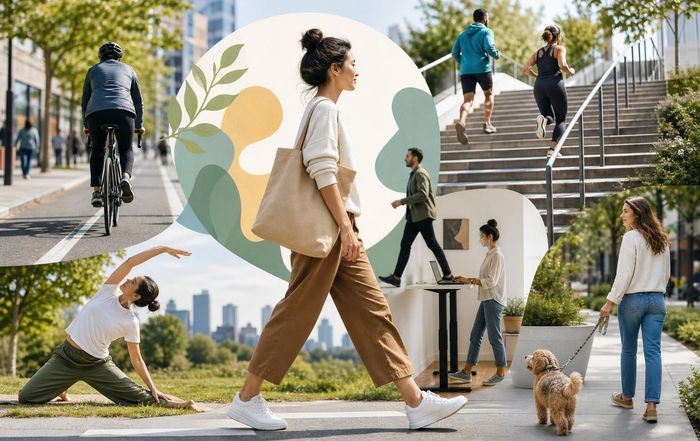
For much of the late twentieth and early twenty-first century, fitness culture in countries such as the United States, United Kingdom, Germany, and Australia revolved around structured workouts: scheduled sessions in gyms, dedicated runs, or classes at specialized studios. While these remain popular, the emerging paradigm centers on micro-movements spread throughout the day. Short bouts of walking, stair climbing, stretching between meetings, and active commuting are now recognized as meaningful contributors to metabolic health and mental wellbeing, especially when integrated consistently.
Research from organizations like the American College of Sports Medicine has underscored the value of breaking up sedentary time with light activity, showing benefits for cardiometabolic markers even when total exercise volume remains constant. Readers can review ACSM's evolving physical activity guidelines to see how expert consensus has shifted toward this more continuous model of movement. In parallel, international bodies such as the U.S. Centers for Disease Control and Prevention have promoted the idea that "every minute counts," encouraging people to accumulate activity in smaller increments rather than viewing fitness solely through the lens of hour-long workouts, and additional insights on this approach are available through CDC resources on physical activity and sedentary behavior.
For the audience of FitPulseNews, which is deeply invested in fitness, health, and sports, this shift resonates with lived experience. Many readers have discovered that integrating frequent movement into workdays and family life is not only more sustainable over the long term but also more compatible with demanding careers and the realities of modern urban living. Rather than a binary choice between being "in training" or "off the wagon," people increasingly see movement as a continuum that spans walking meetings, lunchtime mobility drills, evening play with children, and weekend recreational sports.
Hybrid Work, Home Offices, and the New Movement Equation
The normalization of hybrid and remote work across North America, Europe, and parts of Asia has been a decisive catalyst in the move toward everyday movement. The early pandemic years revealed both the opportunities and risks of home-based work: while commuting time decreased, many professionals found themselves sitting for even longer stretches, often in makeshift workspaces without ergonomic support. As evidence mounted linking extended sitting to cardiovascular risk and musculoskeletal pain, organizations began to experiment with new norms and tools to encourage regular movement throughout the workday.
Technology companies and workplace wellness providers drew on guidance from institutions like the National Institutes of Health to design interventions that nudged employees toward more active routines, and those interested in the underlying science can examine NIH-backed research on sedentary behavior and health outcomes. At the same time, global employers started to recognize that movement was not merely a wellness perk but a driver of productivity, creativity, and employee retention. As hybrid work matured, organizations in sectors from finance to technology began to promote walking meetings, encourage the use of standing desks, and support flexible schedules that allow for mid-day exercise breaks.
For readers tracking workplace trends through FitPulseNews's business coverage and jobs-focused content, the implications are significant. Job seekers and high-performing professionals increasingly evaluate employers based on how well they support holistic wellbeing, including opportunities for movement during the day. In markets such as the United States, Canada, and the Netherlands, job descriptions now routinely highlight wellness stipends, on-site or virtual movement classes, and flexible hours for exercise. This evolution is reshaping talent strategies and influencing how corporate cultures are defined and communicated.
Urban Design, Active Transport, and the Movement-Friendly City
The cultural shift toward everyday movement is tightly intertwined with the physical design of cities and transportation systems. Urban planners and policymakers in regions such as Scandinavia, Western Europe, and parts of Asia have long advocated for walkable, bike-friendly environments, but in the 2020s those ideas are becoming mainstream across a wider range of geographies. Governments and municipal authorities are investing in infrastructure that supports active transport, such as protected bike lanes, expanded sidewalks, and integrated public transit systems that encourage walking as part of daily commutes.
The World Economic Forum has highlighted how walkable cities contribute not only to public health but also to economic resilience and environmental sustainability, and readers can explore WEF analyses on urban mobility and healthy cities. Likewise, the National Association of City Transportation Officials has documented best practices for designing streets that prioritize people over cars, offering case studies from cities like Paris, Bogotá, and Melbourne, and urban enthusiasts may review NACTO's guidance on designing for active transportation. These frameworks are increasingly influential among local leaders who aim to reduce congestion, lower emissions, and enhance quality of life through movement-centric design.
From the vantage point of FitPulseNews, whose readers follow world developments and environmental issues, the connection between active mobility and sustainability is particularly salient. A city that enables residents to walk or cycle to work, school, and leisure activities not only supports individual fitness but also reduces reliance on cars, contributing to lower greenhouse gas emissions and improved air quality. This alignment between personal health and planetary health is reinforcing the cultural legitimacy of everyday movement, especially among younger generations who prioritize climate-conscious lifestyles and expect brands, employers, and policymakers to do the same.
Technology as Enabler: Wearables, Apps, and Data-Driven Habits
The rapid diffusion of consumer health technologies has been another powerful driver of the everyday movement trend. Wearable devices from companies such as Apple, Garmin, and Samsung, along with connected fitness platforms and smartphone applications, have transformed how individuals monitor, understand, and modify their activity patterns. Step counts, standing reminders, heart rate variability, and movement rings have become part of the vernacular in offices and social circles across the United States, Europe, and Asia, turning abstract health recommendations into tangible daily targets.
Institutions like Harvard T.H. Chan School of Public Health have analyzed how digital tools can promote sustained behavior change, emphasizing the importance of feedback, social support, and goal-setting, and interested readers can learn more about behavior change and digital health interventions. In parallel, organizations such as the Mayo Clinic have provided guidance on interpreting wearable data responsibly, cautioning against overreliance on single metrics while acknowledging the motivational power of real-time feedback, and a deeper dive into this perspective is available through Mayo Clinic's consumer health technology resources.
For the FitPulseNews community, which closely follows technology, innovation, and wellness, the current landscape represents both opportunity and responsibility. On one hand, advanced sensors, AI-driven coaching, and personalized analytics make it easier than ever to identify periods of inactivity and build healthier routines into busy schedules. On the other, the proliferation of data raises questions about privacy, equity, and the potential for over-monitoring, especially among high-achieving professionals and athletes who may be prone to burnout. Navigating this balance requires not just technological literacy but also a clear understanding of one's own goals, limits, and values.
Brands, Sports, and the Mainstreaming of Movement Culture
As everyday movement has gained cultural traction, global brands in sportswear, consumer goods, and even finance have repositioned themselves around the theme of active living. Companies such as Nike, Adidas, and Lululemon have expanded their messaging beyond performance athletes to emphasize daily comfort, commute-friendly apparel, and hybrid garments suitable for both office and workout environments. Meanwhile, technology firms and financial institutions are sponsoring movement challenges, community races, and workplace wellness programs as part of broader efforts to align with consumer values around health and sustainability.
Sports organizations and leagues have also played a role in normalizing movement for all ages and abilities. Governing bodies like World Athletics and FIFA have supported mass participation events and grassroots initiatives aimed at making running, walking, and recreational team sports more accessible, and those curious about these efforts can learn more about community programs in global sport. At the same time, national public health agencies in countries such as the United Kingdom and Canada have launched campaigns to help citizens integrate activity into daily life, with resources from the UK National Health Service offering practical guidance on building movement into everyday routines.
This mainstreaming of movement culture is closely watched in FitPulseNews's brands section and culture coverage, where the intersection of consumer trends, identity, and lifestyle is a recurring theme. For many readers, branded challenges, virtual races, and workplace step competitions have served as entry points into more consistent activity, while also raising critical questions about authenticity and impact. The most successful initiatives tend to be those that respect individual differences, avoid shaming or unrealistic expectations, and provide tangible support such as educational content, community access, or subsidized equipment.
Nutrition, Recovery, and the Holistic Movement Mindset
As movement becomes woven into daily life, it naturally intersects with other pillars of health, particularly nutrition and recovery. A culture that values everyday activity must also recognize the importance of fueling the body appropriately and allowing time for rest and adaptation. Nutritional strategies that support frequent low- to moderate-intensity movement can differ from those designed for high-intensity athletic training, emphasizing steady energy, stable blood sugar, and adequate hydration across the day.
Authoritative organizations such as the Academy of Nutrition and Dietetics have outlined evidence-based approaches to supporting active lifestyles, including guidance on macronutrient balance, micronutrient intake, and timing of meals and snacks, and readers can explore professional recommendations on nutrition for active people. Similarly, the International Society of Sports Nutrition has provided position stands on topics such as protein intake and hydration that are relevant not only for competitive athletes but also for individuals engaging in regular everyday movement, and more details are available through ISSN's open-access resources.
For the FitPulseNews audience, which engages deeply with nutrition, health, and wellness, the holistic movement mindset extends beyond calories and macronutrients. It includes sleep quality, stress management, and mental health practices such as mindfulness, all of which influence the capacity to sustain active routines without injury or burnout. The emerging consensus among experts is that consistent everyday movement, supported by balanced nutrition and adequate recovery, is a powerful buffer against the chronic stress and cognitive overload that characterize modern professional life in major economies from the United States and Canada to Japan and South Korea.
Global and Cultural Variations in Movement Norms
Although the shift toward everyday movement is global in scope, its expression varies significantly across regions and cultures. In parts of Europe, such as the Netherlands, Denmark, and Germany, cycling and walking have long been ingrained in daily life, supported by infrastructure, policy, and social norms that favor active transport. In many Asian cities, including Tokyo, Seoul, and Singapore, dense urban environments and efficient public transit systems make walking an unavoidable and often enjoyable part of commuting, shopping, and socializing. Meanwhile, in car-centric regions of North America and the Middle East, integrating movement into daily life often requires more deliberate effort and policy innovation.
International organizations such as the Organisation for Economic Co-operation and Development (OECD) have compared physical activity patterns across member countries, revealing how factors like urban design, income inequality, and work hours influence movement behaviors, and those interested in cross-country comparisons can review OECD analyses on health and lifestyle. At the same time, the European Commission has promoted initiatives to increase physical activity across the continent, recognizing its importance for public health, social cohesion, and economic productivity, and additional information can be found through EU programs on sport and physical activity.
For FitPulseNews, which serves a globally minded readership attentive to world news and regional trends, these variations underscore the need for context-sensitive strategies. What works in Stockholm or Amsterdam may not translate directly to Los Angeles or Bangkok, and even within a single country, differences in climate, infrastructure, and culture can shape how people incorporate movement into their lives. The most effective approaches are those that respect local realities while drawing on universal principles of human physiology, psychology, and social behavior.
Everyday Movement, Environment, and Sustainability
The cultural embrace of everyday movement is increasingly intertwined with concerns about environmental sustainability and climate resilience. Walking, cycling, and other forms of active transport reduce reliance on fossil fuels, lower urban air pollution, and decrease greenhouse gas emissions, aligning personal health goals with broader ecological imperatives. In cities across Europe, Asia, and the Americas, policies that encourage active mobility are framed not only as public health measures but also as climate actions, contributing to national commitments under international agreements.
The Intergovernmental Panel on Climate Change (IPCC) has highlighted the role of behavioral changes, including shifts in transport patterns, in mitigating climate change, and interested readers can learn more about lifestyle-related mitigation strategies. Environmental organizations such as the World Resources Institute have also emphasized the benefits of compact, walkable cities for both climate and economic development, providing case studies and policy recommendations that support the expansion of active transport, and further information is accessible through WRI's work on sustainable cities and mobility.
For the FitPulseNews community, which follows environment and sustainability topics alongside fitness and health, this convergence is particularly compelling. Choosing to walk or cycle instead of drive, or to participate in local sports and outdoor activities rather than high-carbon leisure options, becomes a statement about values as well as a practical step toward better health. Brands, employers, and policymakers that recognize and support this alignment are likely to earn deeper trust and loyalty from consumers and citizens who seek coherence between their personal habits and their broader concerns about the planet.
The Role of Media and Platforms Like FitPulseNews
Media organizations play a critical role in shaping how everyday movement is understood, valued, and adopted at scale. By curating stories that connect scientific research, personal narratives, technological innovation, and policy developments, platforms like FitPulseNews help readers make sense of a rapidly evolving landscape. The site's integrated focus on fitness, health, sports, brands, technology, and business enables a uniquely comprehensive perspective on the cultural shift toward everyday movement.
As readers navigate their own journeys-balancing demanding careers, family responsibilities, and aspirations for performance and longevity-they increasingly look for trusted, evidence-informed guidance that respects their intelligence and their constraints. By highlighting credible research from organizations such as the World Health Organization, NIH, and Harvard T.H. Chan School of Public Health, while also showcasing real-world examples from companies, athletes, and communities, FitPulseNews aims to support informed decision-making and sustainable habit change. This editorial approach reflects a commitment to Experience, Expertise, Authoritativeness, and Trustworthiness, recognizing that long-term engagement with movement depends not on hype but on clarity, honesty, and relevance.
Looking Ahead: Everyday Movement as a Competitive Advantage
As the world moves deeper into the second half of the 2020s, everyday movement is poised to become not merely a wellness trend but a source of competitive advantage for individuals, organizations, and cities. Professionals who maintain consistent activity throughout the day are likely to enjoy better cognitive function, resilience, and long-term health, enhancing their capacity to innovate and lead in complex environments. Companies that design work processes, physical spaces, and digital tools around movement will be better positioned to attract and retain talent, reduce healthcare costs, and foster cultures of energy and creativity. Cities that prioritize walkability, cycling infrastructure, and accessible recreation will stand out as desirable places to live, work, and invest.
At the same time, the movement toward everyday activity is not without challenges. Socioeconomic disparities, time pressures, and cultural norms can limit access to safe spaces for movement and create barriers to behavior change. Addressing these issues requires coordination among public health agencies, employers, urban planners, educators, and community organizations, as well as ongoing coverage from media outlets committed to highlighting both progress and gaps. For FitPulseNews, this means continuing to report on innovations, policies, and personal stories from around the world, connecting readers in the United States, Europe, Asia, Africa, and the Americas with insights they can adapt to their own contexts.
In the end, the cultural shift toward everyday movement represents a reimagining of what it means to live and work well in the twenty-first century. It is a move away from compartmentalized, all-or-nothing approaches to fitness and toward a more integrated, humane vision of daily life, in which bodies are not parked for hours on end but engaged, nourished, and respected. As this transformation unfolds, platforms like FitPulseNews will continue to chronicle and interpret its many dimensions, helping readers translate global trends into personal practices that support health, performance, and purpose-one step, stretch, and conscious choice at a time.