
How Hydration Supports Energy and Cognitive Performance in a 24/7 World
Hydration as a Strategic Advantage in Modern Performance
As knowledge work, hybrid workplaces, and performance-driven lifestyles converge, hydration has moved from a simple health recommendation to a strategic performance lever for professionals, athletes, and brands alike. For the fitness audience online today, which spans executives in New York, technology founders in Berlin, endurance athletes in Melbourne, and wellness-focused professionals in Singapore, understanding how hydration supports energy and cognitive performance is no longer a niche interest; it is a foundational element of sustainable success. The science of hydration now intersects with digital health tracking, workplace productivity, elite sports performance, and even brand positioning in the rapidly expanding wellness economy, making it a central theme across fitness, health, business, and innovation coverage on FitPulseNews.
As organizations intensify their focus on employee wellbeing and performance, hydration is increasingly viewed as a controllable variable that can be optimized, measured, and integrated into broader wellness strategies. From boardrooms in London to training facilities in Los Angeles, leaders are recognizing that even mild dehydration can quietly erode concentration, decision-making, and physical stamina, undermining both short-term output and long-term resilience. In this environment, hydration is not merely about drinking more water; it is about understanding fluid balance, electrolytes, environmental demands, and individual physiology, and then translating that understanding into daily habits, workplace policies, and performance systems that support consistent high-level functioning.
The Physiology of Hydration: More Than Just Drinking Water
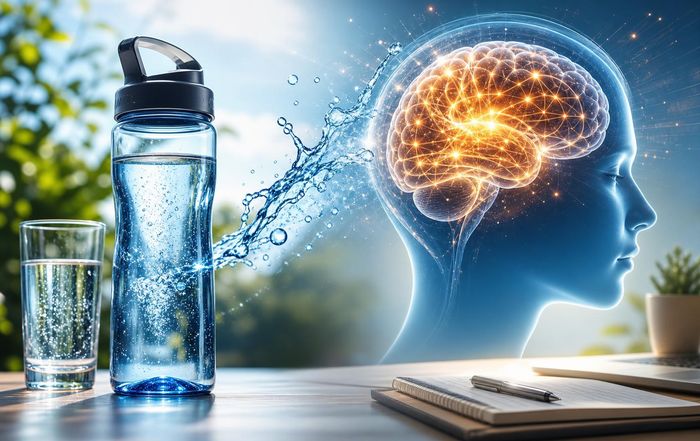
At its core, hydration refers to the balance of fluids and electrolytes in the body, a balance that directly influences blood volume, cellular function, thermoregulation, and neural activity. The human brain, which is composed of roughly 75 percent water, is particularly sensitive to changes in hydration status, and even a 1-2 percent loss in body water can begin to affect cognitive performance in measurable ways. Research consistently demonstrates that mild dehydration can impair attention, short-term memory, and processing speed, which are all critical for knowledge workers, traders, executives, and creatives who must operate at a high cognitive level for extended periods. For readers of FitPulseNews who track performance metrics as carefully as financial indicators, this connection between fluid balance and brain function underscores why hydration belongs at the center of performance planning.
The cardiovascular system also relies heavily on adequate hydration to maintain blood volume and circulation efficiency, which in turn supports oxygen and nutrient delivery to working muscles and the brain. When fluid levels drop, the heart must work harder to pump thicker blood, leading to increased perceived exertion during physical activity and a greater sense of fatigue during mental tasks. Professionals who move between intense workouts, demanding meetings, and frequent travel across time zones often underestimate the cumulative strain that suboptimal hydration places on the body's regulatory systems. Learn more about the underlying physiology of water balance and kidney function through resources such as the National Institutes of Health, which provide accessible overviews of fluid regulation mechanisms.
Hydration and Energy: Distinguishing Perceived Fatigue from True Exhaustion
In a business culture that often defaults to caffeine as the primary solution for low energy, hydration remains an underutilized yet powerful tool for sustaining alertness and reducing perceived fatigue. While caffeine can temporarily enhance vigilance and reaction time, it does not correct the underlying physiological stress caused by fluid loss, and in some individuals, it may even exacerbate dehydration due to its mild diuretic effect, especially when consumed in large quantities or in combination with inadequate water intake. For high-performing professionals and athletes, distinguishing between dehydration-induced fatigue and genuine energy depletion is essential, because the appropriate intervention-water, electrolytes, nutrition, rest, or stimulants-differs depending on the root cause.
Mild dehydration reduces plasma volume and impairs thermoregulation, increasing the heart rate and the subjective feeling of effort for a given task. This means that a routine run in Sydney, a cycling session in Amsterdam, or even a standing presentation in Toronto can feel disproportionately taxing if hydration is neglected. Over time, this elevated strain can lead to earlier onset of exhaustion, reduced training quality, and diminished productivity during the rest of the day. Resources such as the World Health Organization and the Centers for Disease Control and Prevention provide global and regional guidance on fluid intake recommendations, heat exposure, and occupational safety, which are increasingly relevant as climate variability and heatwaves affect working and training conditions across Europe, North America, Asia, and beyond.
Cognitive Performance: Hydration as a Competitive Edge
For knowledge workers, investors, analysts, and entrepreneurs, the most significant impact of hydration is often felt in cognitive domains that are less visible but highly consequential, such as executive function, working memory, and complex decision-making. Studies have shown that even modest dehydration can impair tasks requiring sustained attention, flexible thinking, and rapid integration of information, which are precisely the capabilities demanded in modern workplaces where multitasking, constant connectivity, and information overload are the norm. In fast-paced environments like New York, London, Singapore, and Tokyo, where milliseconds can influence trading outcomes and strategic decisions carry multi-million-dollar implications, any factor that blunts cognitive sharpness becomes a hidden cost to organizations and individuals.
Hydration also influences mood states, including irritability, tension, and perceived stress, all of which can indirectly affect decision quality, collaboration, and leadership presence. Executives and managers who arrive at key meetings slightly dehydrated may experience reduced patience, lower frustration tolerance, and diminished clarity in communication, which can subtly shift negotiation outcomes and team dynamics. Insight into these psychological dimensions of hydration can be found through platforms such as Harvard Health Publishing, which regularly explores the intersection of lifestyle factors and cognitive health. For FitPulseNews readers who operate at the intersection of business, culture, and technology, understanding hydration as a lever for emotional regulation and mental resilience is increasingly valuable.
Hydration in Sports and High-Intensity Performance
Athletes and active professionals in regions such as the United States, Australia, Germany, South Africa, and Brazil have long recognized that hydration is central to performance, recovery, and injury prevention. In endurance sports, team competitions, and high-intensity training, fluid loss through sweat can be substantial, especially in hot or humid environments. Even a small reduction in body water can lead to slower sprint times, reduced power output, impaired coordination, and increased risk of heat-related illnesses, which is why sports scientists and performance coaches closely monitor hydration strategies for both elite and recreational athletes. The International Olympic Committee and organizations like World Athletics publish guidelines and research that highlight the importance of individualized hydration plans based on sport, climate, and physiological characteristics.
For the sports-focused audience of FitPulseNews, which follows sports across continents, there is growing interest in how teams and clubs integrate hydration monitoring into their performance protocols. Professional organizations increasingly use tools such as urine specific gravity testing, body mass tracking before and after training, and wearable sensors that estimate sweat rate to personalize fluid and electrolyte intake. These practices are not limited to elite competitors; they are gradually being translated into consumer-facing products and services, from smart water bottles to training apps, that help recreational runners in Paris, cyclists in Copenhagen, or footballers in Madrid manage their hydration more intelligently and consistently.
Electrolytes, Sodium, and the Role of Smart Formulations
While water is the primary component of hydration, the role of electrolytes-particularly sodium, potassium, magnesium, and chloride-has gained significant attention across the wellness and sports performance sectors. Electrolytes help regulate nerve conduction, muscle contraction, and fluid distribution inside and outside cells, making them essential for maintaining both physical and cognitive performance under stress. In situations involving prolonged exercise, high sweat rates, or exposure to heat, replacing water without adequate electrolytes can lead to imbalances that impair performance and, in extreme cases, pose health risks such as hyponatremia. Organizations such as the Mayo Clinic offer accessible explanations of electrolyte balance and its clinical implications, which are increasingly relevant as more consumers experiment with intense training regimens and endurance events.
The global market has responded to this awareness with a proliferation of electrolyte beverages, powders, and functional waters, many of which are marketed as performance enhancers for both athletes and busy professionals. For discerning readers of FitPulseNews, evaluating these products requires an understanding of sodium concentration, carbohydrate content, and the specific use cases for which each formulation is intended. Hydration strategies that work for a marathon runner in Boston or a triathlete in Zurich may not be appropriate for a desk-based professional in Toronto who engages primarily in light to moderate activity. Authoritative resources such as Sports Dietitians Australia and the Academy of Nutrition and Dietetics can provide nuanced guidance on when and how to use electrolyte products effectively, aligning with the evidence-based approach valued by the FitPulseNews community.
Hydration, Nutrition, and Metabolic Health
Hydration does not operate in isolation; it is deeply intertwined with nutrition, metabolic health, and body composition, which are key interests for readers focused on nutrition, wellness, and health. Adequate water intake supports digestion, nutrient absorption, and the transport of glucose and amino acids into cells, thereby influencing energy availability and recovery. Conversely, diets high in sodium, ultra-processed foods, and sugary beverages can disrupt fluid balance and increase the risk of hypertension, metabolic syndrome, and kidney strain, particularly in populations with sedentary lifestyles or genetic predispositions. The World Heart Federation and American Heart Association provide detailed discussions on how sodium intake and hydration intersect with cardiovascular risk, which remains a major concern in North America, Europe, and parts of Asia.
From a performance standpoint, hydration also interacts with carbohydrate and protein intake to influence glycogen storage, muscle repair, and perceived satiety. Individuals seeking to manage body composition, whether in Los Angeles, Munich, or Seoul, may find that optimizing hydration helps reduce unnecessary snacking, enhances workout quality, and supports more stable energy levels throughout the day. For the FitPulseNews audience, which often integrates fitness training with demanding careers, the ability to align hydration, nutrition, and training into a coherent strategy can be a decisive factor in achieving both aesthetic and performance goals.
Workplace Hydration: From Policy to Culture
In global business hubs such as New York, London, Singapore, and Dubai, organizations are increasingly recognizing that hydration is not merely a personal responsibility but a workplace performance and safety issue. Long meetings, open-plan offices with air conditioning, and high-stress environments can all contribute to insidious dehydration, especially when employees rely heavily on coffee and rarely pause for water breaks. Progressive companies are beginning to integrate hydration into broader wellbeing initiatives, offering filtered water stations, electrolyte options, and digital reminders, while also encouraging a culture that normalizes regular breaks for movement and hydration. Learn more about sustainable workplace wellbeing strategies through institutions such as the World Economic Forum, which frequently explores the future of work and human capital.
For the FitPulseNews readership, which includes HR leaders, founders, and managers, the question is how to design environments that nudge employees toward better hydration without adding friction or appearing paternalistic. Some organizations are experimenting with smart dispensers that track usage, while others integrate hydration education into onboarding and leadership development programs, connecting fluid balance to focus, creativity, and resilience. These initiatives align with the broader trend of integrating physical wellbeing into corporate performance metrics, a theme that intersects naturally with FitPulseNews reporting of business, jobs, and culture, particularly as companies compete for talent in markets from San Francisco to Stockholm.
Technology, Wearables, and the Future of Hydration Tracking
The rapid evolution of digital health technology has brought hydration into sharper focus, as wearables, smart bottles, and connected platforms attempt to quantify fluid intake and loss with increasing precision. Devices that estimate sweat rate, skin temperature, and heart rate variability are being integrated into consumer ecosystems, allowing individuals in Canada, Japan, Norway, or South Korea to receive personalized hydration prompts based on activity level, environment, and physiological responses. Major technology companies such as Apple, Samsung, and Garmin, along with specialized performance brands, are experimenting with algorithms that infer hydration status indirectly, while research groups explore non-invasive sensors that could one day measure electrolyte levels in real time. To follow developments in this space, readers can explore analysis from organizations like the Consumer Technology Association, which tracks innovation trends across health and fitness technologies.
For the team, which covers technology and innovation alongside health and fitness, hydration technology represents a compelling intersection of data, behavior change, and human performance. The key challenge is not merely generating more data but translating that data into sustainable habits that fit seamlessly into daily routines in cities as diverse as Toronto, Bangkok, Cape Town, and São Paulo. As with other aspects of digital health, issues of privacy, data accuracy, and user fatigue must be addressed thoughtfully, ensuring that hydration tracking enhances rather than overwhelms the individuals it aims to support.
Environmental and Sustainability Dimensions of Hydration
Hydration also has an environmental and sustainability dimension that resonates strongly with the FitPulseNews audience, particularly those interested in environment and sustainability. The global reliance on single-use plastic bottles has significant ecological consequences, from ocean pollution to greenhouse gas emissions, prompting governments, corporations, and consumers across Europe, North America, Asia, and Africa to seek more sustainable hydration solutions. Initiatives promoting refillable bottles, public water fountains, and advanced filtration systems are gaining traction in cities such as Paris, Vancouver, and Copenhagen, supported by environmental organizations and municipal governments. Learn more about sustainable water management through resources such as the United Nations Water platform, which highlights global challenges and policy responses.
At the same time, climate change is altering the availability and quality of freshwater resources, increasing the importance of responsible water use in households, workplaces, and sports facilities. Brands that operate in the hydration space-from bottled water companies to sports drink manufacturers-are under growing pressure to demonstrate credible commitments to sustainable sourcing, packaging, and distribution. For business leaders and investors who follow FitPulseNews, evaluating the environmental footprint of hydration-related products is becoming an integral part of risk assessment and brand strategy, particularly as regulatory scrutiny and consumer expectations intensify in regions such as the European Union, United States, and Australia.
Practical Hydration Strategies for a Global, Performance-Driven Lifestyle
Translating the science of hydration into actionable daily practice requires a nuanced understanding of individual needs, environmental conditions, and lifestyle demands. While generalized recommendations, such as aiming for a certain number of glasses per day, provide a starting point, more precise strategies take into account body mass, activity level, climate, altitude, and health status. Professionals and athletes in hot climates like Thailand or South Africa may require substantially higher fluid intake than their counterparts in cooler regions such as Finland or Sweden, especially when engaging in outdoor training or physically demanding work. Authoritative organizations such as the European Food Safety Authority and Public Health England offer region-specific guidance that can help refine individual hydration plans.
For the multi-interest audience of FitPulseNews, integrating hydration into daily life can involve simple but deliberate practices, such as beginning the day with water before caffeine, pairing hydration with existing habits like meals or meetings, and adjusting intake proactively before flights, workouts, or high-stakes presentations. In sports and fitness contexts, weighing before and after sessions, monitoring urine color, and noting changes in perceived exertion can provide practical feedback on hydration status, even without sophisticated technology. These approaches align well with the performance-focused mindset of readers who follow fitness, sports, and wellness content on the platform, and they can be adapted across diverse cultures and work patterns in North America, Europe, Asia, Africa, and South America.
The Evolving Role of Hydration in Global Performance Culture
As time unfolds, hydration sits at the crossroads of health, performance, technology, sustainability, and corporate strategy, reflecting many of the themes that define the editorial landscape online today. For a readership that spans continents and sectors, the message is clear: hydration is not a peripheral wellness trend but a foundational determinant of energy, cognitive function, and long-term resilience. Whether the goal is to optimize trading decisions in New York, deliver creative breakthroughs in Berlin, achieve podium finishes in Tokyo, or build sustainable brands in Sydney, the ability to manage hydration intelligently and consistently is emerging as a quiet but powerful competitive advantage.
By integrating scientific understanding, technological tools, organizational policies, and environmentally responsible practices, individuals and companies can transform hydration from an afterthought into a deliberate performance strategy. As FitPulseNews continues to cover developments across news, world, brands, and events, hydration will remain a recurring thread that connects fitness, health, business, and culture in a world that demands ever-higher levels of human performance.