
Active Lifestyle Growth Across Africa and South America: The Next Frontier for Global Fitness and Wellness
A New Era of Movement in Emerging Regions
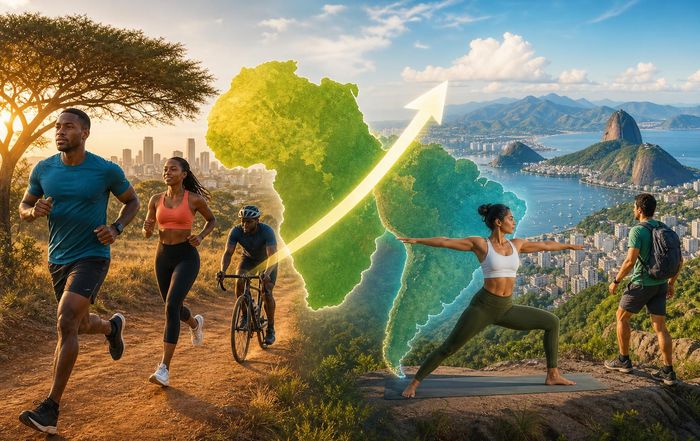
The global fitness and wellness industry is being reshaped by forces far beyond its traditional strongholds in North America and Europe. Across Africa and South America, a powerful and distinctly local movement toward more active lifestyles is gathering momentum, driven by demographic shifts, urbanization, digital connectivity and a growing middle class that increasingly prioritizes health, performance and longevity. For the readership of FitPulseNews, which spans fitness, health, sports, brands, nutrition, culture, technology, wellness, innovation and business, these regions are no longer peripheral markets; they are becoming central laboratories for the future of active living.
While mature markets in the United States, the United Kingdom and other developed economies continue to refine sophisticated wellness ecosystems, Africa and South America are building their own models from the ground up, blending global best practices with local culture, community structures and economic realities. This evolution is visible in the rapid expansion of boutique fitness studios in São Paulo, the surge in community running clubs in Nairobi, the rising influence of wellness-focused brands across Johannesburg and Lagos, and the integration of digital health tools in cities from Bogotá to Cape Town. For business leaders, investors, sports organizations and policymakers, understanding these shifts is now essential to crafting strategies that reflect the truly global nature of the active lifestyle economy.
Demographics, Urbanization and the New Fitness Consumer
The demographic foundations of this transformation are striking. Africa has the world's youngest population, with a median age under 20 in many countries, and according to the United Nations, it is projected to account for a significant portion of global population growth through 2050. South America, while more mature demographically, still benefits from a large working-age population and expanding urban centers, particularly in Brazil, Colombia, Peru and Chile. These young, increasingly urban consumers are not only digitally connected but also aspirational, placing higher value on physical appearance, mental resilience and social status associated with fitness and sport.
As cities in Nigeria, Kenya, South Africa, Brazil and Argentina grow, patterns of work and commuting are changing, often reducing everyday physical activity and increasing sedentary behavior. This has heightened awareness of non-communicable diseases such as obesity, diabetes and cardiovascular conditions, which organizations like the World Health Organization have flagged as rising threats across both continents. In response, a new class of fitness consumer is emerging-one that seeks structured exercise, guided nutrition advice and holistic wellness solutions, often discovered through social media and reinforced by local influencers and sports heroes.
For readers of FitPulseNews who follow global health and fitness trends, this demographic pivot is particularly significant. The combination of youth, urban density and digital fluency creates a fertile environment for scalable, community-based fitness models, from low-cost gyms and outdoor training groups to app-enabled coaching and hybrid online-offline programs that can reach both affluent urban professionals and emerging middle-income segments.
The Role of Sports Culture in Driving Everyday Activity
Sport has long been embedded in the cultural fabric of both continents, and it now plays a central role in normalizing and expanding active lifestyles beyond elite competition. In South America, football remains a near-religion, but there has been a noticeable broadening of interest into running, functional training, mixed martial arts and women's sports, particularly in Brazil, Argentina and Colombia. In Africa, football is equally dominant, yet the global rise of distance running and the visibility of East African athletes at the Olympic Games and World Championships have created a strong cultural association between endurance sports and national pride.
Major governing bodies such as the Confederación Sudamericana de Fútbol (CONMEBOL) and the Confederation of African Football (CAF), alongside international organizations like FIFA, have indirectly supported active lifestyles by investing in grassroots football infrastructure, youth academies and community fields. Information from FIFA's development programs illustrates how investments in local pitches, coaching education and youth leagues contribute to more structured physical activity for children and adolescents, which often extends into adulthood through recreational leagues and informal play.
Simultaneously, global events hosted in these regions, from the 2014 FIFA World Cup and 2016 Rio de Janeiro Olympic Games in Brazil to continental competitions such as the Africa Cup of Nations, have helped position physical performance and training as aspirational pursuits. Media coverage by organizations like ESPN and BBC Sport has amplified stories of athletes who rise from informal street sports to international success, reinforcing the idea that disciplined training, nutrition and recovery are accessible pathways to personal transformation, not just professional sport.
For FitPulseNews readers following sports and performance trends, this cultural foundation is critical: it provides social permission and emotional motivation for individuals to adopt more structured fitness routines, while also creating fertile ground for sportswear brands, training academies and technology platforms that can translate elite methods into everyday practice.
Digital Acceleration and the Rise of Fitness Technology
One of the most powerful catalysts for active lifestyle growth across Africa and South America has been the rapid adoption of mobile technology and the expansion of digital infrastructure. According to the International Telecommunication Union, mobile broadband penetration has grown at double-digit rates in many African and South American countries over the past decade, enabling millions of consumers to access streaming content, fitness apps and social platforms that shape their health behaviors.
International and regional technology companies have seized this opportunity. Apple, Google, Samsung and Huawei have intensified their marketing of wearables and health-tracking features, while local startups in cities such as Lagos, Nairobi, Cape Town, São Paulo and Santiago have launched platforms that combine training plans, nutrition guidance and community challenges. Readers interested in the intersection of fitness and technology will recognize that this digital layer is not merely an add-on; it is becoming the primary interface through which many Africans and South Americans experience structured wellness.
Streaming workouts on platforms like YouTube and subscription services such as Peloton and Les Mills+ have also extended their reach into these regions, often complemented by local-language instructors and regionally tailored content. At the same time, global health institutions like the World Bank have emphasized the role of digital health solutions in expanding access to preventive care, including physical activity promotion, especially in underserved communities.
This digital acceleration aligns closely with the editorial focus of FitPulseNews on innovation and the business of wellness technology. As more consumers adopt wearables, smart scales and connected fitness devices, data-driven insights into movement patterns, sleep quality and stress levels are becoming available across previously under-measured populations, creating new opportunities for personalized training, corporate wellness programs and population-level health interventions.
Expanding Fitness Infrastructure: Gyms, Studios and Public Spaces
Alongside digital platforms, physical infrastructure for active lifestyles is expanding quickly, though unevenly, across African and South American cities. In major metropolitan centers such as Johannesburg, Cape Town, Lagos, Nairobi, São Paulo, Rio de Janeiro, Buenos Aires and Bogotá, there has been a visible proliferation of commercial gyms, boutique studios and multi-sport complexes. International chains like Planet Fitness, Smart Fit and Virgin Active have expanded their footprints, while local operators have introduced innovative hybrid models that combine low-cost memberships with high-intensity group classes and functional training areas.
Urban planners and municipal governments have also begun to recognize the economic and social benefits of active citizens, with some cities investing in bike lanes, jogging paths, outdoor gyms and public parks designed to encourage daily movement. Reports from the World Economic Forum and UN-Habitat have highlighted how active urban design can reduce healthcare costs, increase productivity and improve quality of life, making it a strategic priority for fast-growing cities in Africa and South America.
For FitPulseNews, whose audience closely tracks business and urban wellness trends, the key insight is that infrastructure development is not limited to premium segments. In many townships, favelas and peri-urban communities, informal training spaces-such as converted garages, community halls and repurposed public areas-are being transformed into micro-gyms and group training hubs. These grassroots facilities often operate at lower price points and rely on community-based trainers, demonstrating that active lifestyle growth is not restricted to affluent neighborhoods but is permeating a broad socioeconomic spectrum.
Nutrition, Culture and the Reframing of Traditional Diets
No discussion of active lifestyles can be complete without examining nutrition, and in both Africa and South America, the relationship between traditional diets, modern food systems and performance-oriented eating is undergoing a profound redefinition. Historically, many local diets in these regions have been rich in whole grains, legumes, vegetables and lean proteins, but the rapid spread of ultra-processed foods, sugar-sweetened beverages and fast-food chains has contributed to rising obesity rates, as documented by organizations such as the Food and Agriculture Organization of the United Nations.
At the same time, there is a growing movement among chefs, nutritionists and wellness professionals to reclaim and modernize traditional cuisines, aligning them with contemporary fitness and health goals. In Brazil, for example, there has been renewed interest in nutrient-dense staples such as beans, cassava and açaí, while in West and East Africa, dishes featuring sorghum, millet, leafy greens and plant-based proteins are being promoted as both culturally authentic and performance-enhancing. Readers seeking deeper insight into nutrition trends can explore related coverage on nutrition and wellness at FitPulseNews.
Global research institutions such as Harvard T.H. Chan School of Public Health and Mayo Clinic have provided evidence on the benefits of whole-food, plant-forward diets for cardiovascular health and athletic performance, and these findings are increasingly referenced by local health professionals and fitness coaches. This interplay between global science and local culinary heritage is helping to create nutrition frameworks that are both sustainable and economically accessible, particularly important in regions where food insecurity and income inequality remain pressing challenges.
Brands, Influencers and the Business of Aspiration
The commercial landscape surrounding active lifestyles in Africa and South America is evolving rapidly, as global and regional brands compete to shape consumer aspirations. International sportswear companies such as Nike, Adidas, Puma and Under Armour have significantly increased their marketing investments in cities like Lagos, Johannesburg, São Paulo and Mexico City, often featuring local athletes, musicians and creators in campaigns that blend performance, street culture and social impact. Learn more about how global sports brands are expanding in emerging markets through business coverage from outlets like Financial Times.
At the same time, a new generation of local and regional brands is emerging, offering apparel, footwear, equipment, supplements and digital services tailored to the specific needs of African and South American consumers. Some of these companies focus on affordability and durability, while others emphasize cultural identity, sustainability and community engagement. The rise of homegrown fitness and wellness brands is particularly relevant to FitPulseNews readers who follow brands and culture, as it reflects a broader shift toward narratives of self-determination and local pride.
Influencers and content creators play a central role in this ecosystem. On platforms like Instagram and TikTok, fitness trainers, sports professionals, nutrition coaches and lifestyle personalities from Kenya, Nigeria, South Africa, Brazil and Colombia are building large followings by sharing training routines, transformation stories, recipes and mental health advice. These digital communities often serve as entry points for individuals who may feel intimidated by traditional gyms or formal sports clubs, lowering the barriers to participation and providing social reinforcement for behavior change.
Corporate Wellness, Jobs and the Economic Impact of Activity
As active lifestyles become more mainstream, businesses across Africa and South America are recognizing the economic value of employee health and performance. Corporations in sectors such as finance, technology, mining, manufacturing and retail are beginning to implement wellness programs that include subsidized gym memberships, on-site fitness classes, health screenings and mental health support. Studies from organizations like McKinsey & Company and Deloitte have highlighted the positive correlation between employee wellness, productivity and retention, and these insights are increasingly influencing corporate strategy in emerging markets.
The growth of the fitness and wellness industry is also creating new employment opportunities, from personal trainers and sports coaches to physiotherapists, nutritionists, sports psychologists and wellness-focused content creators. For readers of FitPulseNews interested in jobs and career trends, this expansion represents a significant opportunity for skill development and entrepreneurship, particularly for young professionals seeking purpose-driven work aligned with health and performance.
Moreover, the economic impact of active lifestyles extends beyond direct employment. It influences tourism, as destinations in South Africa, Kenya, Tanzania, Brazil and Chile promote adventure travel, marathons, triathlons and eco-sport experiences. It affects retail and real estate, as shopping centers and residential developments incorporate gyms, running tracks and wellness amenities. It even shapes healthcare spending, as governments and insurers explore preventive strategies that prioritize physical activity and nutrition to reduce long-term costs, a trend underscored by policy discussions documented by the World Health Organization.
Environment, Sustainability and the Outdoor Fitness Advantage
Active lifestyle growth in Africa and South America is closely intertwined with environmental and sustainability issues, areas that are becoming central to the editorial mission of FitPulseNews and its coverage of environment and sustainability. Many of the most popular forms of physical activity in these regions-running, hiking, cycling, outdoor functional training and water sports-are inherently connected to natural environments, from the beaches of Rio de Janeiro to the mountains of Cape Town and the savannahs of East Africa.
Climate change, pollution and urban sprawl threaten these environments, but they also create new urgency for sustainable urban planning and conservation efforts that support outdoor recreation. Organizations like the United Nations Environment Programme and local NGOs are working with city governments to preserve green spaces, expand urban parks and protect coastal areas, recognizing that access to clean, safe outdoor environments is a public health priority as well as an environmental one.
In parallel, there is growing consumer scrutiny of the environmental impact of sportswear, equipment and nutrition products. Global brands and local companies alike are being challenged to reduce waste, improve supply chain transparency and adopt circular economy principles, a trend documented by resources such as the Ellen MacArthur Foundation. For active consumers in Africa and South America, especially younger generations, sustainability is increasingly a factor in purchasing decisions, influencing everything from running shoes and yoga mats to energy bars and hydration products.
Media, Storytelling and the Role of FitPulseNews
As the active lifestyle movement accelerates across Africa and South America, the role of media platforms in shaping narratives, sharing best practices and connecting communities becomes critical. FitPulseNews, with its integrated coverage of news, world developments and sector-specific topics such as fitness, health, sports, brands, technology and sustainability, is uniquely positioned to document and interpret this transformation for a global audience.
By highlighting success stories from Johannesburg to São Paulo, profiling innovators and entrepreneurs, and examining the policy and business frameworks that enable inclusive growth, FitPulseNews can help bridge the information gap between emerging regions and established markets. Learn more about sustainable business practices and their intersection with health and wellness through resources like OECD's work on wellbeing and sustainability. At the same time, the platform can amplify local voices-trainers, athletes, community leaders and healthcare professionals-whose insights are essential for understanding the nuances of behavior change in diverse cultural and economic contexts.
In doing so, FitPulseNews is not merely reporting on trends; it is contributing to a global conversation about how societies define success, productivity and quality of life. As more organizations and individuals recognize that physical activity, mental wellbeing and social connection are foundational to long-term prosperity, the stories emerging from Africa and South America will become increasingly influential in shaping global benchmarks for active living.
What Are the Big Implications for Sport Stakeholders
The growth of active lifestyles across Africa and South America carries strategic implications for a wide range of stakeholders, from multinational corporations and investors to local entrepreneurs, policymakers and healthcare providers. For global fitness and sports brands, these regions represent both large addressable markets and innovation testbeds where new models-such as ultra-low-cost memberships, mobile-first coaching, community-based training and hybrid digital-physical events-can be developed and refined before scaling worldwide.
For policymakers and urban planners, the evidence linking physical activity to economic productivity, social cohesion and reduced healthcare burden underscores the importance of embedding active design into transport systems, public spaces and education. Resources from organizations like the World Resources Institute can support decision-makers seeking to integrate mobility, environment and health goals in growing cities.
Healthcare systems and insurers, facing rising costs associated with non-communicable diseases, have an opportunity to collaborate with fitness providers, sports organizations and digital health platforms to develop preventive strategies that reach citizens where they live, work and play. Employers, in turn, can leverage the expanding ecosystem of gyms, studios, outdoor spaces and digital wellness tools to build more resilient, engaged and high-performing workforces.
Finally, for individuals and communities across Africa, South America and beyond, the expansion of active lifestyles offers a chance to redefine wellbeing in ways that honor local culture while embracing global knowledge. Whether through organized sport, informal movement, digital coaching or community initiatives, the underlying shift is toward a future in which physical activity is not a luxury or a niche pursuit, but a normalized, accessible and celebrated part of everyday life.
As FitPulseNews continues to track and analyze these new developments across its verticals-from fitness and health to business and innovation-one conclusion is increasingly clear: the next great chapter in the global story of movement, performance and wellness is being written in the streets, parks, gyms and digital spaces of Africa and South America, and its impact will resonate far beyond these regions in the years ahead.