

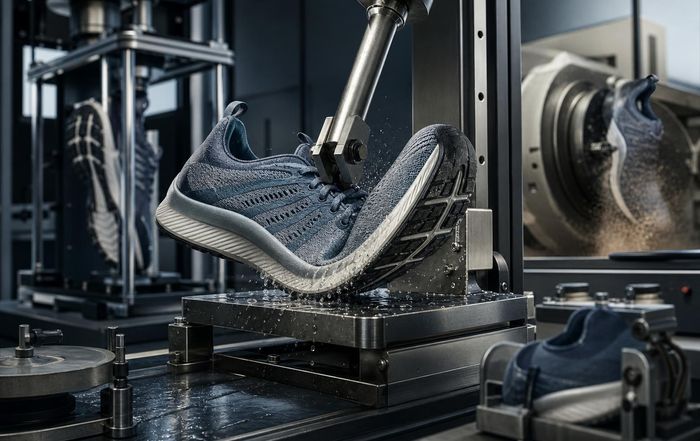
How Performance Footwear Brands Really Test Durability
For runners, lifters, field-sport athletes, and everyday gym-goers, a shoe's lifespan is more than a marketing claim-it is a safety, performance, and cost issue. Behind every durability promise from a performance footwear brand sits a mix of lab protocols, mechanical torture tests, and real-world wear trials designed to answer a deceptively simple question: how long will this shoe hold up when people actually use it? Check out inside that process: the machinery, standards, and field testing that major brands rely on, the limits of current methods, and what durability testing means for athletes choosing their next pair.
Why durability testing matters more than ever
Performance footwear has become more specialized and more complex. Super-foam midsoles, carbon plates, knit uppers, and lightweight rubber compounds can deliver impressive speed or comfort, but they also raise questions about long-term wear. A marathoner wants a racing shoe that still feels lively at kilometer 300; a footballer needs studs that will not shear off in wet conditions; a lifter expects an outsole that will not delaminate under heavy loads.
Durability is not only about how long a shoe looks acceptable. It intersects directly with injury risk and performance. Compressed midsoles can alter joint loading, worn traction can change cutting mechanics, and upper blowouts can lead to acute injuries. Organizations such as World Athletics and World Rugby focus mainly on performance and safety rules, but brands themselves carry the responsibility for verifying that products remain safe across their intended lifespan. That is why most global players maintain dedicated biomechanics and materials labs, often working with external standards from bodies like ASTM International and the International Organization for Standardization (ISO) to benchmark abrasion resistance, flex performance, and material integrity.
At the same time, consumers are increasingly attentive to sustainability. A shoe that fails after 150 km is not just frustrating; it is wasteful. This has pushed brands to integrate durability testing into broader sustainability narratives, often alongside life-cycle assessments and repair or recycling initiatives. For readers interested in the environmental side of sports equipment, the overlap between durability and sustainability also connects to broader coverage of sustainability and environment topics.
Inside the footwear test lab: key equipment and protocols
Most large performance brands operate in-house labs that resemble a hybrid between a materials science facility and a biomechanics center. While each company customizes its approach, several core test types are widely used to simulate years of use in weeks or even days.
A central reference point for many of these protocols is standardized testing published by organizations like ASTM International and ISO. These standards do not dictate how a particular running shoe must perform, but they define how to measure properties such as abrasion resistance, tear strength, and flex fatigue in a way that is repeatable across labs.
Abrasion and outsole wear testing
The outsole is often the first visible sign of wear, and it is crucial for traction and safety. To predict how rubber compounds and lug patterns will hold up, brands rely on abrasion testers such as:
DIN abrasion testers, which press a rubber sample against a rotating abrasive drum under controlled force. Material loss is measured in cubic millimeters to estimate relative wear.
Taber abrasion machines, where rotating abrasive wheels grind against a material sample under standardized load. Weight loss or thickness change provides a measure of resistance.
These tests draw on methods similar to those described by organizations such as ASTM and the American Chemical Society for polymer characterization. The results guide compound selection: a racing flat may accept higher wear for lower weight and better grip, while a trail shoe or basketball model demands tougher rubber.
However, lab abrasion tests are only proxies. Real-world variables-surface type, debris, temperature, and gait patterns-mean an outsole that looks "excellent" in the lab can still wear quickly for certain users. Brands therefore combine these mechanical tests with long-term wear studies and field trials, which we will explore later.
Flexion, bending, and midsole fatigue
Running and court sports subject shoes to tens of thousands of flex cycles per session. To capture how materials behave under repeated loading, labs use flexion machines that bend the shoe or material samples through a set angle at a defined frequency.
Many brands employ variants of the Bennewart flex test, originally developed for leather but now applied more widely. In this setup, a sample or whole shoe is repeatedly flexed while technicians monitor for cracking, delamination, or permanent deformation. Standards from bodies like ISO and SATRA Technology (a UK-based research and testing organization) underpin numerous flex and fatigue protocols used across the footwear industry.
Midsole foams-especially modern PEBA, TPU, and nitrogen-infused compounds-undergo separate compression and resilience testing. Common approaches include:
Compression set tests, where a foam sample is compressed to a percentage of its thickness for a set time, then released and measured to see how much height it fails to recover.
Dynamic fatigue tests, which subject foam blocks or full midsoles to repeated loading that mimics footstrike forces, sometimes hundreds of thousands of cycles.
Academic biomechanics groups, such as those at The University of Calgary and University of Massachusetts Amherst, have published work on midsole degradation and its impact on running mechanics, highlighting that cushioning and stability can change well before visible damage appears. Brands draw on this kind of research to define recommended mileage ranges and to understand how different athletes experience a shoe across its lifespan.
Upper durability: tears, seams, and lace systems
While outsoles and midsoles often get the most attention, upper failures can be just as disruptive. Mesh tears, eyelet blowouts, and seam splits are common complaints among high-mileage runners and field-sport athletes. To reduce these issues, brands run a series of mechanical tests on upper materials and constructions.
Typical protocols include:
Tear and tensile strength tests, where fabric strips are pulled until they fail, measuring how much force is required to initiate and propagate a tear.
Seam strength tests, which load stitched or welded seams to evaluate whether they fail at the thread, the fabric, or the bonding layer.
Lace abrasion and eyelet pull-out tests, simulating repeated tightening and loosening, as well as sudden high loads.
These tests are often run according to or adapted from textile standards maintained by organizations such as ISO, ASTM, and the American Association of Textile Chemists and Colorists (AATCC). For knitted or woven uppers, pilling and snagging tests also matter, especially where shoes are marketed as "lifestyle plus performance" and expected to look presentable for longer.
For athletes using performance footwear in gym or training environments, upper durability intersects with broader concerns about comfort and injury prevention, tying into wider fitness and health coverage.
Traction and outsole grip over time
Durability is not only about materials staying intact; it is also about performance characteristics such as grip remaining reliable. Court sports, field sports, and trail running all depend on consistent traction, and brands test this in multiple ways.
In controlled lab setups, mechanical devices measure friction between the outsole and standardized surfaces-rubber on hardwood for basketball, rubber on artificial turf for football, or rubber on textured plates for trail conditions. Some labs employ robotic or mechanical legs that simulate cutting, braking, or push-off movements while sensors record horizontal and vertical forces.
Organizations like World Rugby and FIFA publish guidelines and testing standards for studded footwear and playing surfaces, including slip resistance and release characteristics. Footwear brands use these, alongside internal protocols, to ensure that traction degrades gradually rather than failing abruptly as lugs wear down.
Durability testing here focuses on how grip changes after abrasion cycles, flex fatigue, or exposure to contaminants like dust, water, and sweat. For trail footwear, additional tests may expose shoes to mud, gravel, and temperature extremes before retesting traction to approximate alpine or desert conditions.
Environmental and climate testing: heat, cold, and moisture
Performance footwear is used in environments that labs cannot fully replicate, but environmental chambers and specialized tests help brands get closer. Climate testing examines how materials and constructions respond to temperature swings, humidity, water exposure, and UV radiation.
Common protocols include:
Temperature cycling, where shoes or materials are alternately stored or flexed at sub-zero and high temperatures to detect cracking, hardening, or adhesive failure.
Hydrolysis and humidity testing, which assesses how certain foams and adhesives degrade in warm, moist environments-a particular concern in tropical climates.
UV exposure, simulating sunlight to evaluate colorfastness and material embrittlement.
Standards and guidance from organizations like ISO and the European Committee for Standardization (CEN) influence how these tests are structured. Brands selling globally must account for athletes training in Scandinavian winters, Southeast Asian monsoons, and North American summers, often adjusting compounds or adhesives for specific markets.
Moisture also affects odor, comfort, and skin health, linking durability testing to broader wellness and nutrition themes when considering holistic athlete care. While odor control is not strictly a durability property, materials that degrade or harbor bacteria more quickly can shorten a shoe's practical life even if the structure remains sound.
Biomechanics labs and human wear testing
Machines can bend, compress, and scuff shoes in controlled ways, but they cannot fully reproduce human movement. This is where biomechanics labs and structured wear testing come in.
Many major brands operate motion-analysis labs equipped with:
Instrumented treadmills or force plates that measure ground reaction forces.
3D motion capture systems to track joint angles, footstrike patterns, and limb kinematics.
In-shoe pressure systems that record load distribution across the foot.
By inviting runners, team-sport athletes, and gym users into these labs, brands can compare how new and worn shoes influence biomechanics. Academic research groups, such as those at Loughborough University, The University of Calgary, and The University of Massachusetts Amherst, conduct similar studies, sometimes in collaboration with brands. Their work helps answer questions like whether midsole compression beyond a certain threshold correlates with increased injury risk or altered running economy.
Beyond lab sessions, brands organize structured wear trials where athletes use prototype or near-final shoes for weeks or months under real training loads. Participants log mileage, surfaces, and subjective impressions, while engineers inspect the shoes at regular intervals. These programs can reveal issues that lab tests miss: specific stitching patterns that irritate the skin after long runs, traction problems on certain synthetic turfs, or midsole fatigue that only appears in heavier or more powerful athletes.
For readers who follow sports and elite performance, this intersection between biomechanics and product testing is increasingly visible as brands and research groups publish findings on running economy, jump performance, and fatigue across shoe lifespans.
Safety, standards, and regulatory frameworks
Unlike helmets or some protective gear, running shoes and training footwear are not heavily regulated in most markets. Still, safety considerations influence durability testing, particularly for cleated footwear, work-sport hybrids, and shoes marketed for specific environments.
Organizations such as FIFA, World Rugby, and World Athletics maintain rules about stud configurations, sole thickness, and plate technologies for competition. Meanwhile, safety standards for occupational footwear-overseen by bodies like OSHA in the United States and various European regulators-define impact resistance, slip resistance, and puncture protection for shoes used in industrial or hazardous environments. While pure performance footwear often falls outside these regulations, brands sometimes borrow test methods and performance thresholds from these frameworks to guide internal safety margins.
Laboratory accreditation also matters. Many brands use external labs certified under ISO/IEC 17025, which sets requirements for the competence of testing and calibration laboratories. Independent organizations like SATRA Technology and TÜV SÜD test footwear for brands and retailers, providing third-party verification of durability and safety claims, especially in markets with stricter consumer protection laws.
Sustainability and durability: longer life, lower impact?
Durability testing is increasingly intertwined with sustainability efforts. A shoe that lasts longer can reduce material throughput and waste, but this is not always straightforward. Heavier, more durable materials may increase production emissions or reduce performance, while ultra-light racing shoes that degrade quickly can still be attractive to competitive athletes.
Groups such as the Ellen MacArthur Foundation and initiatives like the Higg Index from the Sustainable Apparel Coalition have pushed brands to consider product longevity and repairability as part of environmental impact. Some companies now run extended-life tests that go beyond traditional durability metrics, examining how shoes perform after cleaning, minor repairs, or component replacement.
From a consumer perspective, durability also intersects with circular business models: refurbishment programs, second-hand marketplaces, and recycling schemes. Independent organizations such as WRAP in the UK advocate for longer product lifespans and better end-of-life options, encouraging brands to back up "durable" claims with transparent testing data and real-world performance.
Readers interested in the business and innovation side of this shift can find related coverage across business, innovation, and brands sections, where durability is increasingly framed as both a design challenge and a strategic differentiator.
What lab durability means for athletes in the real world
For athletes and active consumers, the key question is how all this testing translates into everyday decisions: how to interpret brand claims, when to retire a shoe, and what to prioritize when buying.
Lab durability metrics-abrasion loss values, flex cycles to failure, compression set percentages-rarely appear on product pages. Instead, brands typically provide broad mileage ranges ("up to 300-500 miles for neutral runners") or qualitative statements ("designed for daily training"). These ranges are informed by internal testing and wear trials, but they must accommodate large differences in body mass, running style, surface, and climate. A light, efficient runner on soft trails may comfortably exceed the suggested mileage, while a heavier runner on hot asphalt may find cushioning and traction degrade faster.
For practical decision-making, athletes can combine knowledge of testing with careful observation:
Outsole wear patterns that expose midsole foam often signal declining traction and altered stability.
Noticeable midsole bottoming-out, new aches in the knees or hips, or a "dead" feel underfoot can indicate foam fatigue even if the shoe looks intact.
Upper failures-eyelet tearing, seam splits, or major mesh holes-are structural issues that testing is designed to prevent; when they appear early, they may reflect a mismatch between the shoe's intended use and actual demands.
Durability testing does not guarantee a shoe will last a specific number of miles for every user, but it does help brands design for predictable, gradual degradation instead of sudden, hazardous failures. That predictability is crucial for athletes planning marathon training blocks, team-sport seasons, or heavy lifting cycles.
How durability testing is evolving
The way brands test durability is not static. Several emerging directions are reshaping the field:
First, advances in materials science and data analytics are enabling more precise modeling of wear. Brands and research institutions are increasingly using finite element analysis and machine-learning models trained on wear-trial data to predict where and how shoes will fail. This allows targeted reinforcement and more efficient testing cycles.
Second, the rise of connected devices-GPS watches, foot pods, and smart insoles-creates the possibility of tracking real-world impact profiles and surface exposure. While privacy and data-ownership questions remain, anonymized datasets could help brands refine durability estimates for different user groups and conditions.
Third, consumer expectations around transparency are growing. Independent reviewers, biomechanists, and even some retailers now perform their own durability tests, from outsole thickness measurements to midsole hardness tracking over time. Publications such as Runner's World, Outside, and The New York Times' product review teams increasingly incorporate long-term wear into their evaluations, providing an external check on brand claims.
Finally, regulatory and sustainability pressures may push durability from a marketing talking point toward a more formalized metric. As governments and organizations like the European Commission explore eco-design and right-to-repair regulations for apparel and footwear, brands could be required to substantiate durability claims with standardized test data, similar to energy labels on appliances.
Reading between the lines of "durable" claims
For now, athletes and consumers rarely see the full test reports behind a shoe's durability promise. Yet understanding the broad contours of how brands test-abrasion, flex fatigue, environmental exposure, biomechanics, and wear trials-helps decode what "durable" is likely to mean in practice.
A maximal-cushion daily trainer that passes extensive flex fatigue and compression tests may hold up well over long mileage but still show rapid cosmetic scuffing. A feather-light racing spike may be thoroughly tested for safety and structural integrity yet intentionally optimized for a handful of peak performances rather than a season of daily training. Trail shoes marketed for technical terrain may sacrifice some outsole longevity to maintain grip on wet rock, even after abrasion cycles.
For people tracking recent changes in world sport and global fitness culture, durability testing sits at the intersection of performance, safety, cost, and sustainability. As testing methods become more sophisticated and transparent, the hope is that "durable" will move from a vague descriptor to a clearer, evidence-backed promise-one that athletes can rely on when they lace up for the next run, match, or lift.